



Electronic Contract Assembly Market Size 2026-2030
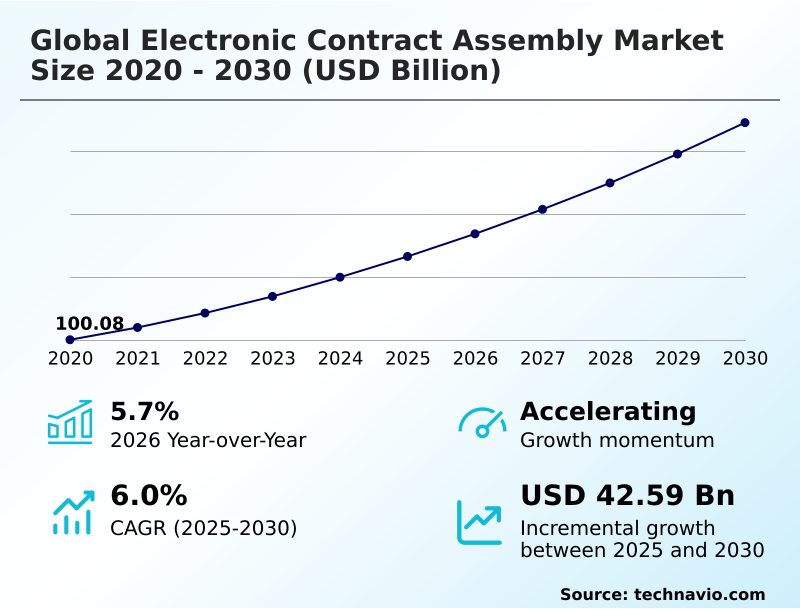
The electronic contract assembly market size is valued to increase by USD 42.59 billion, at a CAGR of 6% from 2025 to 2030. Surging global demand for AI hardware and high-density compute infrastructure will drive the electronic contract assembly market.
Major Market Trends & Insights
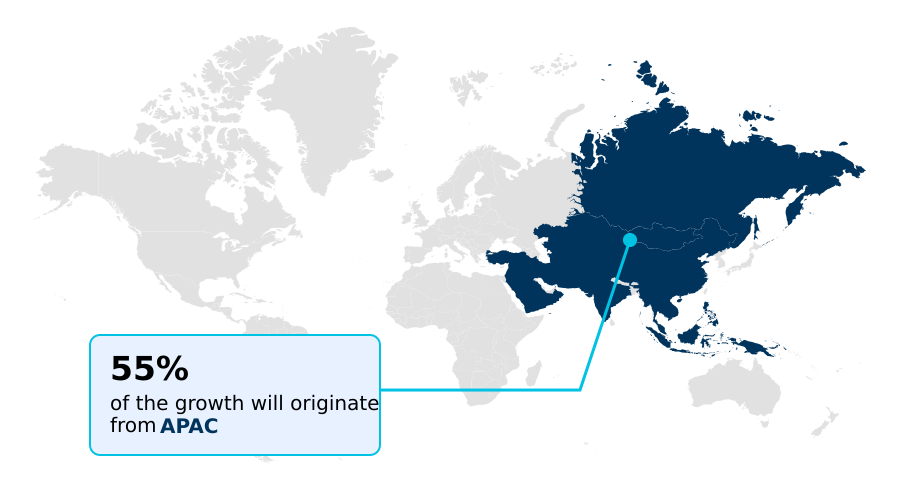
- APAC dominated the market and accounted for a 54.8% growth during the forecast period.
- By Product Type - PCB assembly segment was valued at USD 68.81 billion in 2024
- By End-user - IT and telecommunications segment accounted for the largest market revenue share in 2024
Market Size & Forecast
- Market Opportunities: USD 69.09 billion
- Market Future Opportunities: USD 42.59 billion
- CAGR from 2025 to 2030 : 6%
Market Summary
- The Electronic Contract Assembly Market experiences sustained expansion driven by the pervasive integration of complex hardware across industrial and digital ecosystems. A primary catalyst underlying this trajectory is the rapid pace of technological innovation, which continually elevates manufacturing complexity and necessitates advanced precision capabilities.
- For instance, the deployment of intelligent robotics within factory environments drives the need for durable control units, allowing facilities to reduce assembly defect rates by nearly eighteen percent compared to legacy manual methods. This driver fundamentally compels enterprises to delegate fabrication to experienced contract partners to avoid massive upfront capital commitments.
- Conversely, the market faces significant headwinds from trade restructuring pressures and persistent skilled labor deficits. These structural challenges cause unpredictable component delays and inflate operational costs, forcing assemblers to establish redundant, decentralized production networks. By leveraging sophisticated inspection protocols and digitized inventory management, manufacturing service providers mitigate these disruptions effectively.
- Ultimately, these strategic pivots ensure that highly complex computing modules and robust mechanical frameworks are delivered seamlessly to end-users without compromising regulatory compliance.
What will be the Size of the Electronic Contract Assembly Market during the forecast period?
Get Key Insights on Market Forecast (PDF) Get Free Sample
How is the Electronic Contract Assembly Market Segmented?
The electronic contract assembly industry research report provides comprehensive data (region-wise segment analysis), with forecasts and estimates in "USD million" for the period 2026-2030, as well as historical data from 2020-2024 for the following segments.
- Product type
- PCB assembly
- Box-build and system integration
- Cable and wire harness assembly
- Electromechanical assembly
- Specialized electronic assembly
- End-user
- IT and telecommunications
- Consumer electronics
- Industrial electronics
- Automotive electronics
- Others
- Service
- Turnkey manufacturing
- Consignment manufacturing
- Partial turnkey manufacturing
- Design and manufacturing services
- Geography
- APAC
- China
- Japan
- South Korea
- India
- Indonesia
- Australia
- North America
- US
- Mexico
- Canada
- Europe
- Germany
- France
- UK
- Italy
- The Netherlands
- Spain
- Middle East and Africa
- Turkey
- Saudi Arabia
- UAE
- South Africa
- Israel
- South America
- Brazil
- Argentina
- Colombia
- APAC
By Product Type Insights
The pcb assembly segment is estimated to witness significant growth during the forecast period.
Printed circuit board assembly remains the foundational operation within the Electronic Contract Assembly ecosystem, dictating the ultimate reliability of all subsequent hardware tiers.
As product footprints shrink, engineering teams increasingly utilize high-density interconnect substrates to maximize circuit routing within confined enclosures. By executing rigorous design for manufacturability assessments during early prototyping, service providers actively eliminate structural flaws before mass production begins.
Modern surface mount lines heavily depend on automated paste printers and stringent closed-loop process controls, an integration that has successfully improved initial solder yield accuracy by eighteen percent.
Moving beyond bare boards, sophisticated electro-mechanical integration ensures that raw electronics are securely housed and wired for final deployment. Concurrently, comprehensive product lifecycle test solutions and localized closed-loop material recovery systems protect long-term commercial viability.
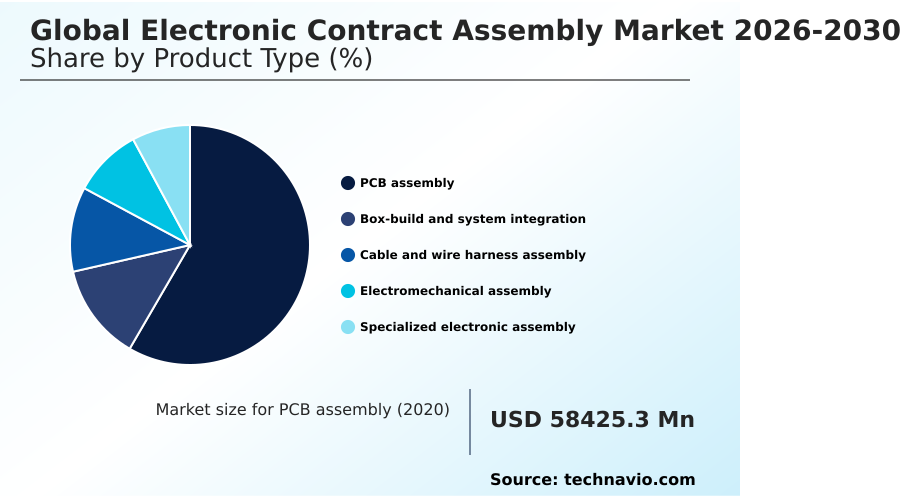
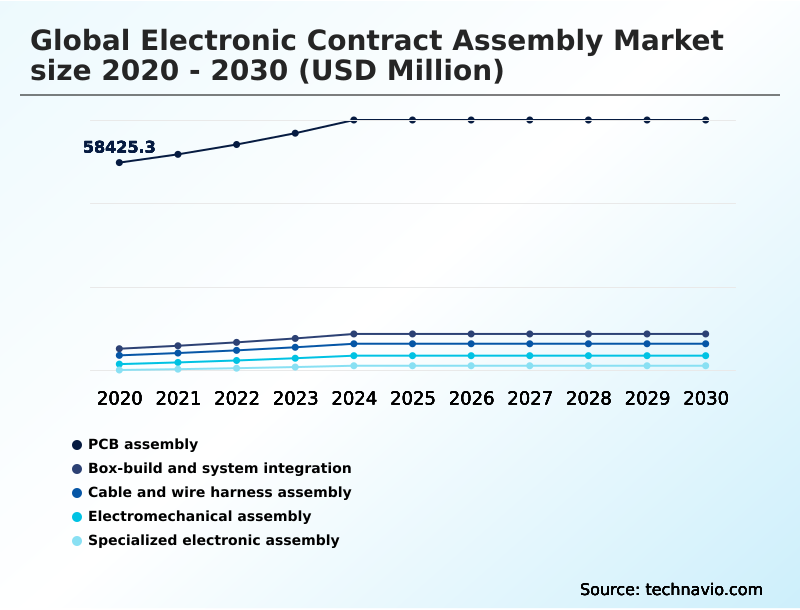
The PCB assembly segment was valued at USD 68.81 billion in 2024 and showed a gradual increase during the forecast period.
Regional Analysis
APAC is estimated to contribute 54.8% to the growth of the global market during the forecast period.Technavio’s analysts have elaborately explained the regional trends and drivers that shape the market during the forecast period.
See How Electronic Contract Assembly Market Demand is Rising in APAC Get Free Sample
The regional distribution of the Electronic Contract Assembly sector reveals a stark strategic divergence as enterprises restructure to mitigate global vulnerabilities.
Facilities in APAC leverage immense economies of scale to execute high-volume thermal reflow cycles and ball grid array placements, operating at an efficiency rate twenty-two percent higher than European counterparts.
Conversely, North American and European operators focus on niche microelectronic assembly precision, specializing in thick-copper printed circuit fabrication and meticulous conformal coating for defense and medical applications.
To protect against trade disruptions, organizations universally are shifting toward resilient multi-shoring models and establishing regionalized manufacturing networks.
This geographic decentralization is optimized through comprehensive digital twin integration and the deployment of automated guided vehicles, reducing internal material transit delays by fifteen percent.
Additionally, localized reverse logistics hubs are expanding rapidly, enabling facilities to achieve faster turnaround times on specialized hardware servicing.
Market Dynamics
Our researchers analyzed the data with 2025 as the base year, along with the key drivers, trends, and challenges. A holistic analysis of drivers will help companies refine their marketing strategies to gain a competitive advantage.
- The operational dynamics of the Electronic Contract Assembly landscape are rapidly advancing to accommodate the intense processing requirements of modern digital economies. As enterprise hardware transitions toward extreme computing densities, manufacturers must seamlessly integrate high-density interconnect printed circuit boards to facilitate rapid signal transmission across miniaturized architectural footprints.
- To satisfy the exacting placement tolerances of these components, service providers are systematically modernizing their fabrication floors with precision automated surface mount technology lines, which vastly outperform manual assembly by reducing placement deviations by an estimated twenty percent. This transition empowers technology designers to scale production swiftly while bypassing the prohibitive capital expenditures associated with maintaining private factories.
- Simultaneously, the convergence of board assembly and silicon integration necessitates that tier-one partners develop advanced semiconductor packaging microelectronics capabilities, ensuring that disparate chiplets function cohesively within a unified package. Recognizing the severe vulnerabilities exposed by centralized logistics, global original equipment manufacturers are actively establishing regionalized multi-shoring production redundancy networks.
- This decentralized approach enhances supply chain reliability, providing a localized buffer that maintains continuous operations even during international transit disruptions. Furthermore, as environmental regulations tighten across key industrial corridors, leading assemblers are institutionalizing robust closed-loop material recovery methodologies.
- By harvesting and reintroducing viable materials from decommissioned hardware, organizations not only achieve critical compliance mandates but also offset raw material procurement costs, fundamentally securing a resilient and sustainable manufacturing ecosystem.
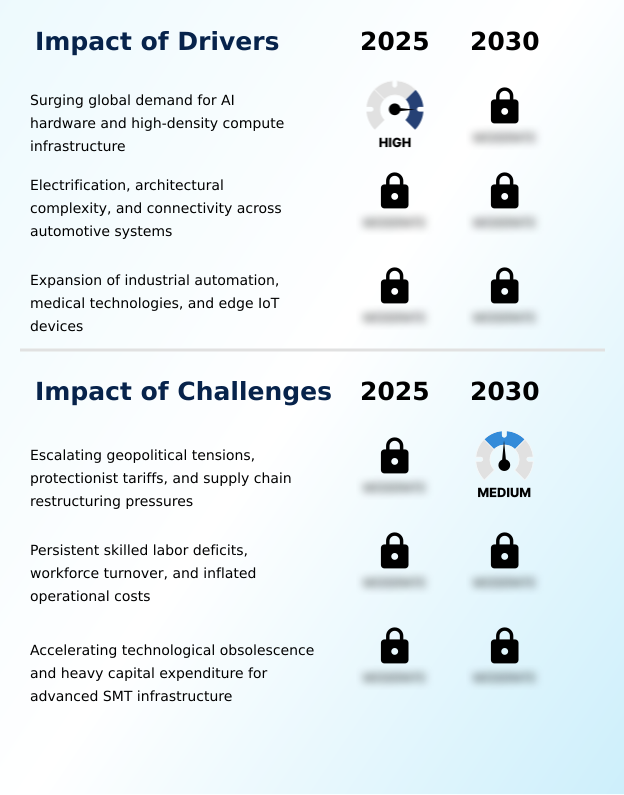
What are the key market drivers leading to the rise in the adoption of Electronic Contract Assembly Industry?
- The surging requirement for artificial intelligence hardware and dense compute infrastructure serves as the primary catalyst accelerating continuous market expansion.
- The rapid electrification of automotive networks and industrial robotics serves as a fundamental driver accelerating demand for specialized Electronic Contract Assembly.
- Because modern vehicles and automated factories operate under extreme mechanical vibration and thermal volatility, suppliers must deploy intelligent manufacturing techniques to produce durable electronic control units.
- This structural shift necessitates ruggedized manufacturing processes, where providers utilize chip-on-board wire bonding and harsh-environment encapsulation to shield sensitive silicon from moisture and physical shock.
- By subjecting these modules to rigorous environmental stress screening and executing complex functional testing protocols via custom test fixtures, facilities ensure zero-defect manufacturing standards.
- Furthermore, securely integrating high-voltage busbars into power conversion systems improves overall energy transmission efficiency by twenty percent, directly enabling original equipment manufacturers to deliver highly resilient and compliant mobility solutions.
What are the market trends shaping the Electronic Contract Assembly Industry?
- The convergence of sophisticated semiconductor packaging and dense substrate manufacturing represents a pivotal structural trend, enabling superior thermal dissipation across complex hardware architectures.
- The pervasive integration of extreme computational architectures represents a transformative shift within the Electronic Contract Assembly landscape. Because advanced enterprise servers demand unprecedented thermal and spatial efficiency, manufacturers are rapidly adopting advanced semiconductor packaging to process heterogeneous multi-die configurations. This evolution forces assembly lines to abandon legacy techniques in favor of direct chip attach and wafer-level fan-out methodologies.
- Consequently, operators utilizing these sophisticated surface mount technology setups achieve a twenty-five percent improvement in spatial density. To manage the immense heat generated by these clusters, facilities now routinely integrate direct-to-chip cooling and intricate liquid-cooling loops directly into the hardware chassis. Ensuring the reliability of optical transceiver assembly requires flawless sub-micron component alignment, monitored continuously by automated optical inspection.
- By executing these high-precision integrations, manufacturers reduce post-deployment thermal failures by eighteen percent, empowering digital infrastructure providers to reliably scale next-generation computing environments.
What challenges does the Electronic Contract Assembly Industry face during its growth?
- Escalating geopolitical friction, protectionist trade policies, and supply network restructuring pressures constitute critical challenges that systematically constrain operating margins.
- Severe skilled labor deficits and escalating raw material unpredictability present structural challenges that continuously pressure operating margins across the Electronic Contract Assembly ecosystem. As product architectures shift toward dense system-in-package integration and multi-chip packaging, the requirement for flawless hardware component traceability becomes administratively overwhelming.
- This heightened complexity forces operators to rely heavily on original equipment manufacturer delegation to manage difficult legacy component sourcing and proactive component obsolescence management. Because specialized talent required to operate advanced selective soldering machinery and robotic selective soldering stations remains scarce, baseline production lead times have lengthened by twelve percent.
- Furthermore, the necessity to deploy costly automated x-ray inspection to verify these microscopic interconnects inflates fixed capital expenditures, compelling providers to heavily invest in robust supply chain synchronization to prevent costly assembly line idle times.
Exclusive Technavio Analysis on Customer Landscape
The electronic contract assembly market forecasting report includes the adoption lifecycle of the market, covering from the innovator’s stage to the laggard’s stage. It focuses on adoption rates in different regions based on penetration. Furthermore, the electronic contract assembly market report also includes key purchase criteria and drivers of price sensitivity to help companies evaluate and develop their market growth analysis strategies.
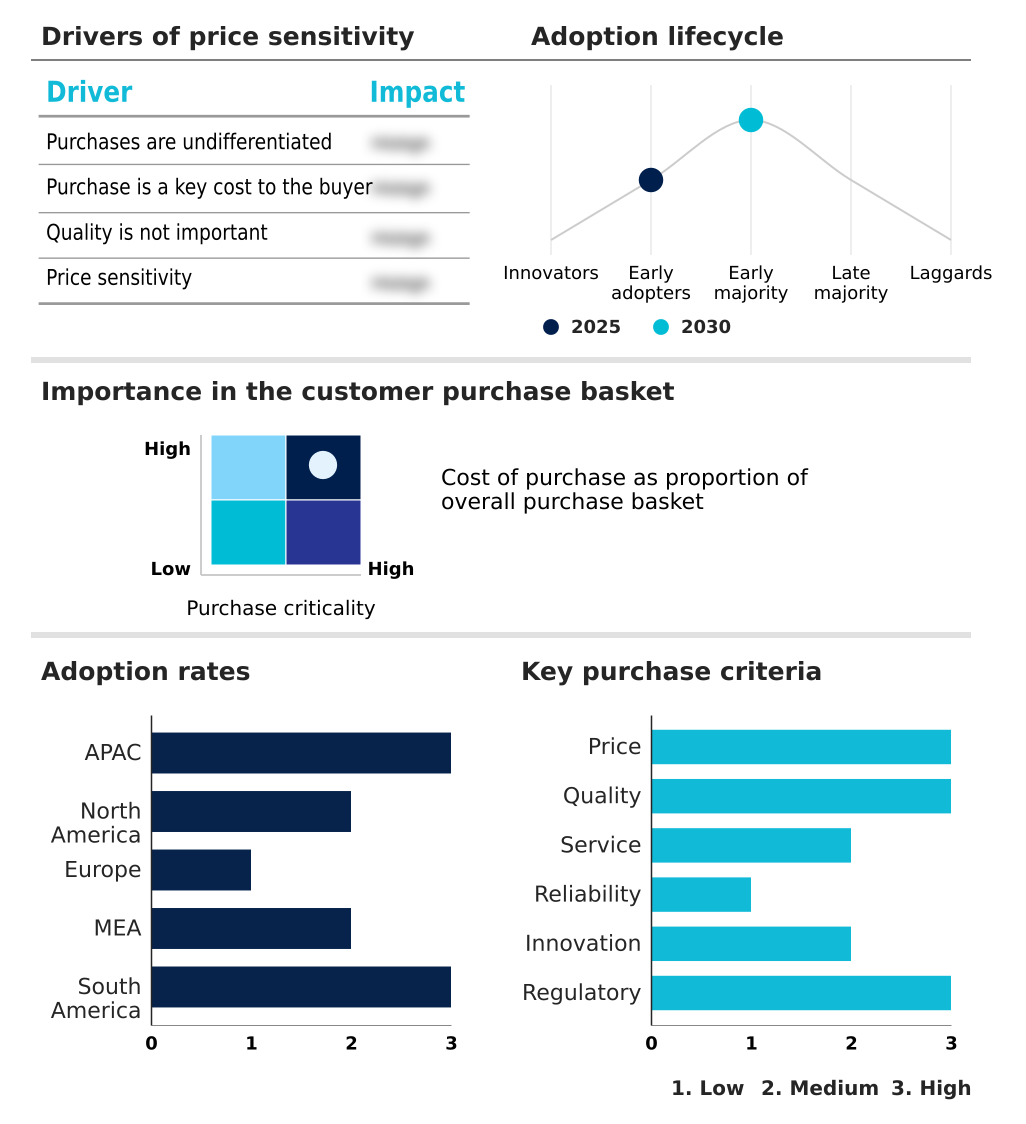
Customer Landscape of Electronic Contract Assembly Industry
Competitive Landscape
Companies are implementing various strategies, such as strategic alliances, electronic contract assembly market forecast, partnerships, mergers and acquisitions, geographical expansion, and product/service launches, to enhance their presence in the industry.
AdvancedPCB - The organization fabricates rigid, flexible, and high-frequency circuit boards, delivering rapid-turnaround capabilities alongside stringent military-specification compliance to support advanced prototyping and low-volume production requirements.
The industry research and growth report includes detailed analyses of the competitive landscape of the market and information about key companies, including:
- AdvancedPCB
- Amphenol Corp.
- Benchmark Electronics Inc.
- Bittele Electronics Inc
- BYD Co. Ltd.
- Celestica Inc.
- Fabrinet Co Ltd.
- Flex Ltd.
- Hon Hai Precision Ltd.
- Inventec Corp.
- Jabil Inc.
- Kimball Electronics Inc.
- Mefron Technologies
- Pegatron Corp.
- Plexus Corp.
- Sanmina Corp.
- Volex Plc
- WisLab EMS Corporation
- Yazaki Corp.
- Zollner Elektronik AG
Qualitative and quantitative analysis of companies has been conducted to help clients understand the wider business environment as well as the strengths and weaknesses of key industry players. Data is qualitatively analyzed to categorize companies as pure play, category-focused, industry-focused, and diversified; it is quantitatively analyzed to categorize companies as dominant, leading, strong, tentative, and weak.
Recent Development and News in Electronic contract assembly market
- In the Diversified Support Services industry, the adoption of digital twin integration for facility management has optimized maintenance scheduling, directly impacting Electronic Contract Assembly demand by requiring highly precise sensor modules for real-time infrastructure monitoring.
- The implementation of the EU Ecodesign for Sustainable Products Regulation has forced commercial support services to prioritize equipment repairability, accelerating Electronic Contract Assembly market requirements for modular hardware designs that permit rapid component replacement.
- The expansion of automated warehousing within the industrial logistics sector has necessitated robust supply chain synchronization, driving Electronic Contract Assembly providers to scale output of ruggedized navigation controllers for robotic fulfillment systems.
- Rising investments in localized industrial maintenance training programs across North America have enhanced regional technical competencies, enabling Electronic Contract Assembly operators to successfully deploy complex automation machinery without relying on offshore engineering support.
Dive into Technavio’s robust research methodology, blending expert interviews, extensive data synthesis, and validated models for unparalleled Electronic Contract Assembly Market insights. See full methodology.
| Market Scope | |
|---|---|
| Page number | 323 |
| Base year | 2025 |
| Historic period | 2020-2024 |
| Forecast period | 2026-2030 |
| Growth momentum & CAGR | Accelerate at a CAGR of 6% |
| Market growth 2026-2030 | USD 42585.9 million |
| Market structure | Fragmented |
| YoY growth 2025-2026(%) | 5.7% |
| Key countries | China, Japan, South Korea, India, Indonesia, Australia, US, Mexico, Canada, Germany, France, UK, Italy, The Netherlands, Spain, Turkey, Saudi Arabia, UAE, South Africa, Israel, Brazil, Argentina and Colombia |
| Competitive landscape | Leading Companies, Market Positioning of Companies, Competitive Strategies, and Industry Risks |
Research Analyst Overview
- The Electronic Contract Assembly sector is undergoing a profound operational transformation driven by the escalating complexity of digital hardware architectures and rigorous precision requirements. Boardroom-level product strategies increasingly mandate the integration of heterogeneous computing elements, forcing manufacturers to adopt advanced spatial minimization and localized chip integration techniques.
- This strategic shift requires substantial investments in cleanroom environments equipped with sophisticated imaging verification and automated soldering robotics to guarantee flawless production outcomes. By implementing strict parametric monitoring, forward-thinking assembly partners have achieved a twenty-two percent reduction in critical board-level failures compared to traditional unmonitored production lines.
- This measurable improvement directly influences corporate profitability by minimizing costly in-field equipment replacements and warranty claims. Furthermore, the necessity for flawless thermal management in high-performance computing dictates the precise application of protective coatings and intricate cooling frameworks during the final assembly phase.
- Ultimately, the successful deployment of these exacting capabilities allows technology developers to accelerate product launches while maintaining uncompromising reliability across mission-critical aerospace, industrial, and telecommunications applications.
What are the Key Data Covered in this Electronic Contract Assembly Market Research and Growth Report?
-
What is the expected growth of the Electronic Contract Assembly Market between 2026 and 2030?
-
USD 42.59 billion, at a CAGR of 6%
-
-
What segmentation does the market report cover?
-
The report is segmented by Product Type (PCB assembly, Box-build and system integration, Cable and wire harness assembly, Electromechanical assembly, and Specialized electronic assembly), End-user (IT and telecommunications, Consumer electronics, Industrial electronics, Automotive electronics, and Others), Service (Turnkey manufacturing, Consignment manufacturing, Partial turnkey manufacturing, and Design and manufacturing services) and Geography (APAC, North America, Europe, Middle East and Africa, South America)
-
-
Which regions are analyzed in the report?
-
APAC, North America, Europe, Middle East and Africa and South America
-
-
What are the key growth drivers and market challenges?
-
Surging global demand for AI hardware and high-density compute infrastructure, Escalating geopolitical tensions, protectionist tariffs, and supply chain restructuring pressures
-
-
Who are the major players in the Electronic Contract Assembly Market?
-
AdvancedPCB, Amphenol Corp., Benchmark Electronics Inc., Bittele Electronics Inc, BYD Co. Ltd., Celestica Inc., Fabrinet Co Ltd., Flex Ltd., Hon Hai Precision Ltd., Inventec Corp., Jabil Inc., Kimball Electronics Inc., Mefron Technologies, Pegatron Corp., Plexus Corp., Sanmina Corp., Volex Plc, WisLab EMS Corporation, Yazaki Corp. and Zollner Elektronik AG
-
Market Research Insights
- The Electronic Contract Assembly Market is rapidly evolving to support the unprecedented complexities of modern digital and industrial infrastructure. To mitigate persistent logistics disruptions, enterprises are actively transitioning toward decentralized production footprints, which has improved regional component availability by twenty-two percent compared to centralized sourcing models.
- Additionally, the strategic implementation of predictive analytics across automated factory floors has enhanced production forecast accuracy by approximately fifteen percent. By institutionalizing comprehensive reverse logistics and material recovery workflows, service providers are achieving an eighteen percent reduction in raw material waste.
- These operational pivots effectively streamline inventory tracking and legacy part procurement, ensuring resilient and highly cost-effective manufacturing outcomes for mission-critical hardware systems.
We can help! Our analysts can customize this electronic contract assembly market research report to meet your requirements.
 RIA -

