
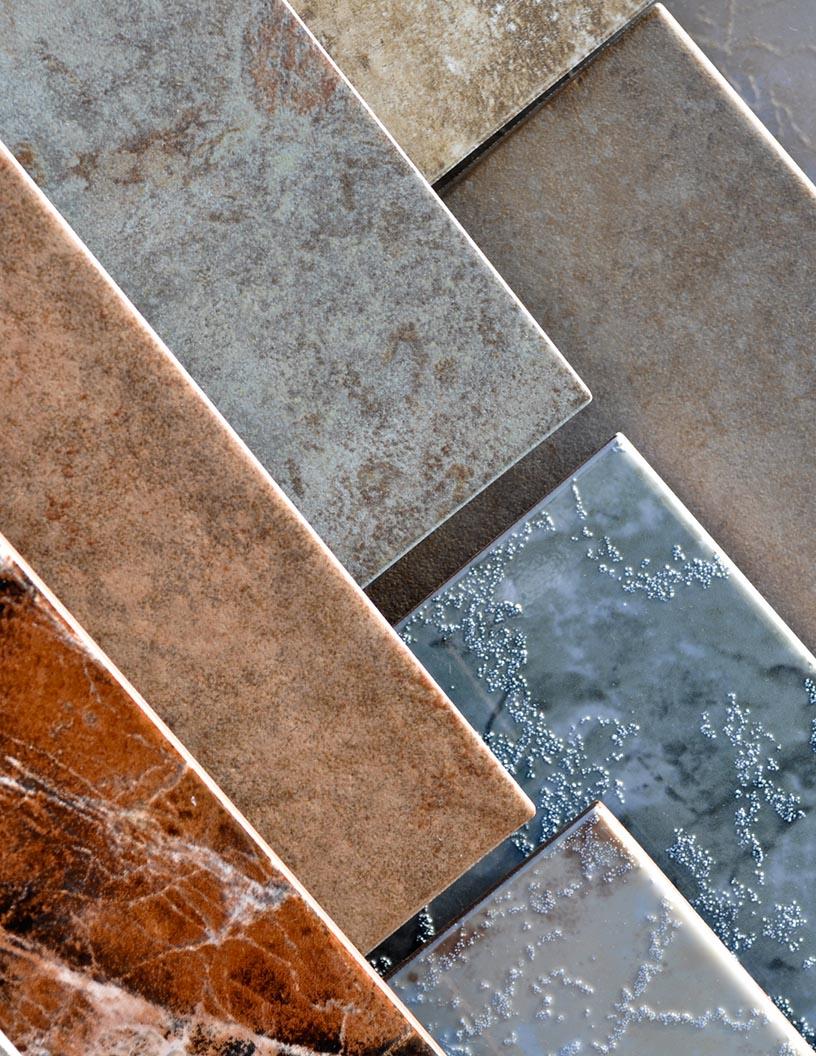


Engineered Stone Market Size 2024-2028
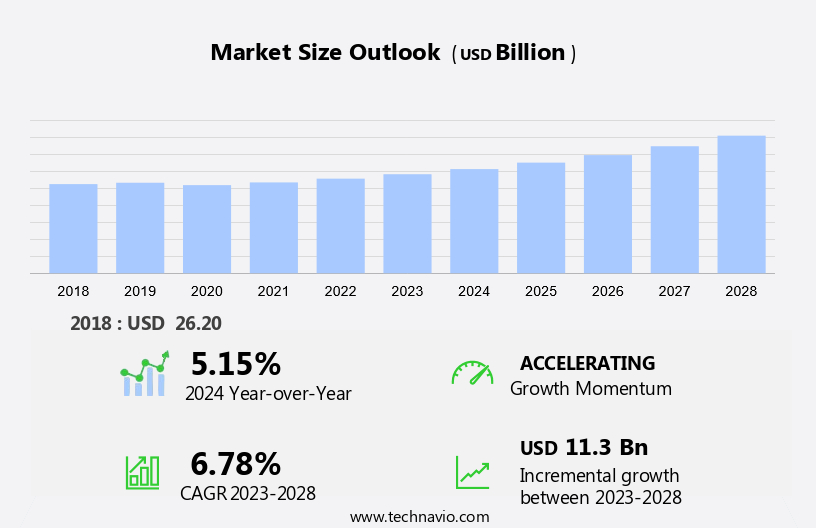
The engineered stone market size is forecast to increase by USD 11.3 billion at a CAGR of 6.78% between 2023 and 2028. The market is experiencing significant growth due to increasing demand for durable alternatives to natural stone in various applications, particularly in wet areas such as bathrooms, swimming pools, showers, and bathtubs. This trend is driven by the desirability of engineered stone tiles for their resistance to water, oil, wine, and juices. Additionally, the preference for eco-friendly home decor items is fueling market growth, as engineered stone is often made from recycled crushed waste stone and aggregates. However, the high cost of engineered stone remains a challenge for some consumers. The market analysis report provides a comprehensive evaluation of these trends and growth factors, offering valuable insights for stakeholders in the engineered stone industry.
Engineered stone, a composite material made from crushed stone and binders, has gained significant traction in the construction industry due to its aesthetically pleasing and durable properties. This material is increasingly being used as a substitute for natural stone in various applications, including residential, commercial, and infrastructure projects. In the realm of residential projects, engineered stone's popularity stems from its ability to mimic the appearance of natural stone while offering improved durability and resistance to stains, scratches, and heat. These properties make engineered stone an ideal choice for fancy countertops, interior structures, and home remodeling projects.
Moreover, commercial projects, such as hospital kitchens and cafeterias, also benefit from engineered stone's durability and resistance to bacterial and fungal growth. Its non-porous nature makes it an excellent choice for areas that require frequent cleaning and maintenance. In the infrastructure sector, engineered stone's use extends beyond interior applications. Its strength and durability make it suitable for use in exterior cladding, paving, and other infrastructure projects. Engineered stone is also an environmentally friendly alternative to natural stone. Made from recycled materials like crushed stone, silicon oxide, and adhesives, it contributes to sustainable investments in construction. Additionally, its solid surface and seamless finish make it easy to clean and maintain, reducing the need for frequent replacement.
Furthermore, the versatility of engineered stone is further enhanced by its availability in various colors and designs, making it a popular choice for architects and designers. It can be used to create unique and visually appealing structures, from porcelain sinks and liqueur bottles to wine bottles and Stonemark countertops. In conclusion, engineered stone's combination of durability, aesthetics, and sustainability makes it a preferred choice for various applications in the construction industry. Its use in residential, commercial, and infrastructure projects not only enhances the overall appeal but also ensures long-lasting and low-maintenance structures.
Market Segmentation
The market research report provides comprehensive data (region-wise segment analysis), with forecasts and estimates in "USD billion" for the period 2024-2028, as well as historical data from 2018-2022 for the following segments.
- Type
- Block and slabs
- Tiles
- Application
- Countertops
- Flooring
- Others
- Geography
- APAC
- China
- Europe
- Italy
- Denmark
- North America
- US
- Middle East and Africa
- South America
- APAC
By Type Insights
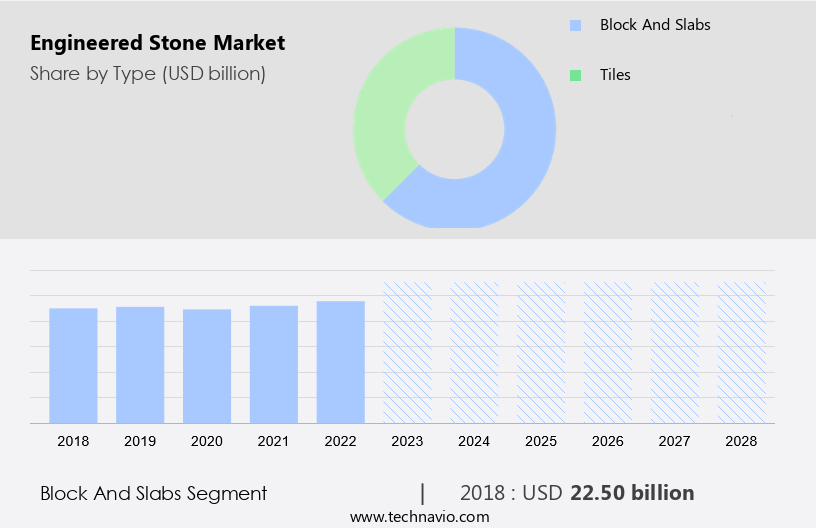
The block and slabs segment is estimated to witness significant growth during the forecast period. The market's Tiles segment experienced significant growth in 2023, with Ceramic tiles being a popular choice due to their stain-resistant properties. However, the Countertops segment held the largest market share, as the demand for natural alternatives with the desirable properties of both stone and engineered materials continued to rise. Shape and Design are crucial factors driving the preference for engineered stone in both residential and commercial applications. These materials are manufactured using Polymeric resins and UV stable pigments, ensuring resistance to discoloration and durability. The Blocks and Slabs segment dominated the market, with its use extending beyond the Indoor Flooring segment to Outdoor use.
Furthermore, the Increased investment in construction projects and the desire for water resistance and long-lasting materials fueled the demand for these large, solid blocks and slabs. During manufacturing, crushed stone aggregates are combined with resin binders and other additives, then poured into molds and cured. Subsequently, the blocks are cut, shaped, and polished using specialized machinery to meet specific dimensions and finishes. In summary, the market's Blocks and Slabs segment held the largest market share in 2023, driven by the construction industry's demand for large commercial and residential projects and the need for luxury countertops. The use of engineered stone extends to both indoor and outdoor applications, and its desirable properties, such as water resistance, durability, and design versatility, continue to fuel its growth.
Get a glance at the market share of various segments Request Free Sample
The block and slabs segment was valued at USD 22.50 billion in 2018 and showed a gradual increase during the forecast period.
Regional Insights
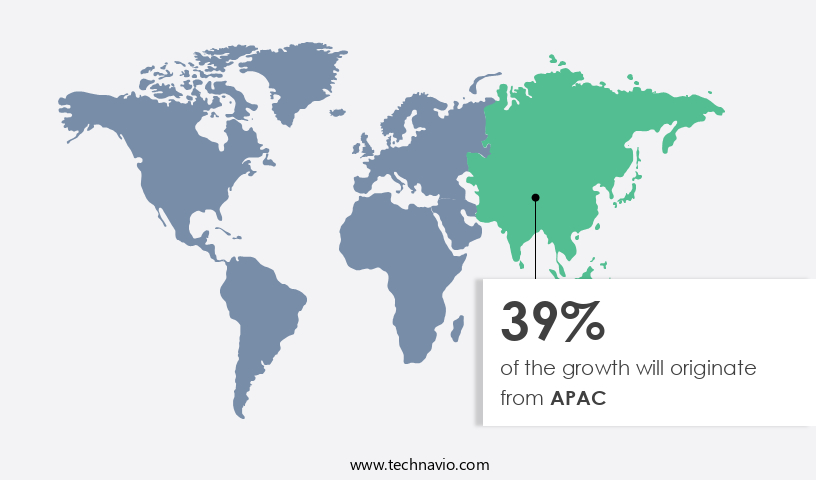
APAC is estimated to contribute 39% to the growth of the global market during the forecast period. Technavio's analysts have elaborately explained the regional trends and drivers that shape the market during the forecast period.
For more insights on the market share of various regions Request Free Sample
The market in APAC has experienced significant growth due to the increasing home remodeling and reconstruction activities in both residential and commercial sectors. China, India, and Japan hold the largest market shares in this region in 2023.
Furthermore, engineered stone, including products like Travertine and Technoston, is widely used for countertops, vanity tops, and other living spaces due to its aesthetic appeal and durability. Fungal growth is a concern in wet areas like washrooms and basements, making engineered stone an attractive alternative to natural stone. Commercial applications of engineered stone are also on the rise, as it offers cost-effectiveness and easy maintenance. In summary, the market in APAC is thriving due to the growing construction activities in both residential and commercial sectors. Key countries like China, India, and Japan are major contributors, with other Southeast Asian countries showing significant potential for growth. Engineered stone's durability, aesthetic appeal, and ease of maintenance make it a popular choice for various applications, including countertops, vanity tops, and commercial spaces.
Our researchers analyzed the data with 2023 as the base year, along with the key drivers, trends, and challenges. A holistic analysis of drivers will help companies refine their marketing strategies to gain a competitive advantage.
Market Driver
Rising demand for durable alternatives to natural stone is the key driver of the market. Engineered stone offers durable and aesthetically pleasing alternatives to natural stone for both residential and commercial projects, including infrastructure. This man-made material, composed of quartz crystal aggregates and a resin binder, is manufactured using a patented process. The result is a product that is harder and heavier than natural stone, available in a vast array of colors and unique features such as quartz crystals that add a dazzling sparkle.
Furthermore, engineered stone's low porosity requires minimal maintenance, making it an attractive investment in construction. Whether used for fancy countertops or interior structures, engineered stone provides a stunning, long-lasting solution.
Market Trends
Growing demand for eco-friendly home decor items is the upcoming trend in the market. The market for engineered stone tiles is experiencing significant growth due to the increasing trend towards eco-friendly building practices. This trend is particularly prominent in the residential sector, where there is a rising demand for sustainable interiors. Countries such as the United States, Australia, China, Singapore, and Canada are leading the way in this regard, with businesses prioritizing eco-friendly housing projects in response to client demand and environmental regulations. Moreover, the health risks associated with traditional furniture have become a major concern. These risks include the release of volatile organic compounds (VOCs) and other harmful substances, which can trigger allergies, migraines, and asthma.
As a result, there is a growing preference for eco-friendly alternatives, such as engineered stone tiles, which are free of VOCs and other harmful chemicals. Engineered stone tiles are manufactured using aggregates, such as crushed waste stone and quartz, and are available in a range of colors and customization options. They are ideal for use in wet areas, such as bathrooms, swimming pools, showers, and bathtubs, due to their durability and resistance to water and stains. With their eco-friendly production process and long-lasting properties, engineered stone tiles offer a sustainable and cost-effective solution for both residential and commercial applications.
Market Challenge
The high cost of engineered stone is a key challenge affecting the market growth. Engineered stone, a popular alternative to natural stone products, has gained significant traction in various applications, including household uses, commercial buildings, and industrial facilities. In the residential sector, engineered stone is frequently utilized for vanities, kitchen countertops, and walls, while in the commercial sector, it is commonly used for flooring. The lower cost and longevity of engineered stone make it an attractive option for both sectors. However, the manufacturing process of engineered stone relies on raw materials such as polymer resin and cement mix, which have seen a price increase due to a demand-supply imbalance. The US, a significant exporter of lumber used in the production of polymer concrete and engineered marble stone, struggles to meet the growing demand from markets like China and Southeast Asian countries.
Furthermore, trade disputes between the US and Canada over lumber imports have escalated lumber prices, leading to increased transportation and labor costs. Despite these challenges, engineered stone remains a preferred choice for various applications due to its durability and resistance to stains from food substances. In sectors like hospital food facilities and canteens, engineered stone's hygienic properties make it an ideal material for countertops and walls. Overall, the market is expected to continue growing, driven by its versatility and cost-effectiveness compared to natural stone products.
Exclusive Customer Landscape
The market forecasting report includes the adoption lifecycle of the market, covering from the innovator's stage to the laggard's stage. It focuses on adoption rates in different regions based on penetration. Furthermore, the report also includes key purchase criteria and drivers of price sensitivity to help companies evaluate and develop their market growth analysis strategies.
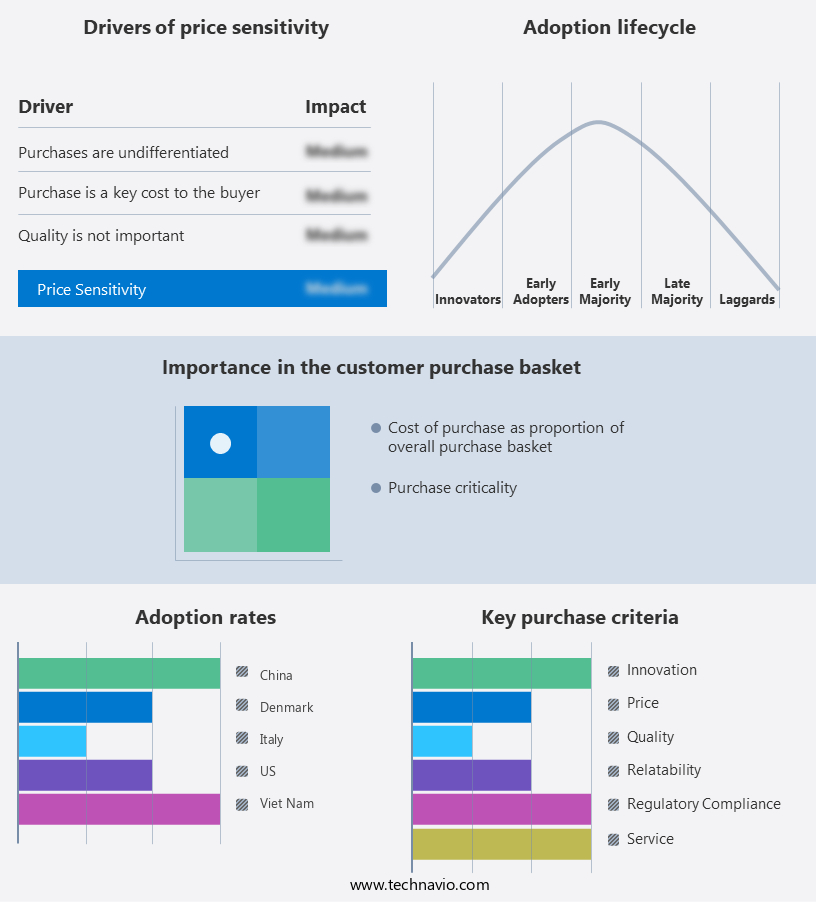
Customer Landscape
Key Companies & Market Insights
Companies are implementing various strategies, such as strategic alliances, partnerships, mergers and acquisitions, geographical expansion, and product/service launches, to enhance their presence in the market.
A.St.A. WORLD WIDE - The market caters to engineered stone products, including honed and polished slabs.
The market research and growth report includes detailed analyses of the competitive landscape of the market and information about key companies, including:
- Akrilika Co.
- Aristech Surfaces LLC
- Belenco
- Breton S.p.A.
- Caesarstone Ltd
- Cosentino SA
- Diresco NV
- DuPont de Nemours Inc.
- Lotte Chemical Corp.
- LX Hausys Ltd
- MAAS GmbH
- Pokarna Ltd.
- Prism Johnson Ltd.
- Q.R.B.G. S.r.l.
- Quartzforms Spa
- Santa Margherita Spa
- SMARTSTONE Australia PTY Ltd.
- Stone Italiana Spa
- VICOSTONE
- Wilsonart LLC
Qualitative and quantitative analysis of companies has been conducted to help clients understand the wider business environment as well as the strengths and weaknesses of key market players. Data is qualitatively analyzed to categorize companies as pure play, category-focused, industry-focused, and diversified; it is quantitatively analyzed to categorize companies as dominant, leading, strong, tentative, and weak.
Research Analyst Overview
Engineered stone, composed of quartz crystal aggregates, marble, and other natural stones, bound together with a resin binder using a patented process, has gained significant traction in various sectors due to its durability and aesthetic appeal. In the construction industry, engineered stone is increasingly being used in residential and commercial projects, Home remodelling, as well as infrastructure developments, as aesthetically pleasing and durable substitutes for natural stone products. The market caters to diverse applications, including household items such as vanities, kitchen countertops, walls, and flooring, as well as commercial applications like commercial buildings, hospital food facilities, and canteens. Its stain-resistant properties make it an ideal choice for wet areas like bathrooms, swimming pools, showers, and bathtubs.
Moreover, engineered stone's lower cost, longevity, and non-porous structure make it a popular investment in construction. It offers superior aesthetics, with customization options in terms of colors, designs, shapes, and textures. Engineered stone tiles are also eco-friendly, as they are often made from recycled crushed waste stone from quarries. The tiles and countertops segments of the market are significant, with the former gaining popularity for its stain resistance and water resistance, while the latter is widely used for kitchens, below-grade basements, and wall & exterior coverings. Engineered stone's UV stability and resistance to discoloration from stains, food substances, oil, wine, juices, and other liquids make it an excellent choice for outdoor use.
Furthermore, engineered stone's non-porous structure and stain resistance make it a popular choice for furnishing items like tabletops, and it is also used in commercial applications like commercial buildings and washrooms. Its superior aesthetics and resistance to bacterial and fungal growth make it an ideal choice for living spaces and non-residential sectors. During the home remodeling project, the Hospital kitchen was reconstructed using recyclable material, including agglomerated stone countertops, while ensuring that liquor bottles were properly disposed of to avoid bacterial growth in the space, with a focus on incorporating vibrant colours that complemented the overall design.
|
Market Scope |
|
|
Report Coverage |
Details |
|
Page number |
167 |
|
Base year |
2023 |
|
Historic period |
2018-2022 |
|
Forecast period |
2024-2028 |
|
Growth momentum & CAGR |
Accelerate at a CAGR of 6.78% |
|
Market growth 2024-2028 |
USD 11.3 billion |
|
Market structure |
Fragmented |
|
YoY growth 2023-2024(%) |
5.15 |
|
Regional analysis |
APAC, Europe, North America, Middle East and Africa, and South America |
|
Performing market contribution |
APAC at 39% |
|
Key countries |
China, US, Italy, Denmark, and Viet Nam |
|
Competitive landscape |
Leading Companies, Market Positioning of Companies, Competitive Strategies, and Industry Risks |
|
Key companies profiled |
A.St.A. WORLD WIDE, Akrilika Co., Aristech Surfaces LLC, Belenco, Breton S.p.A., Caesarstone Ltd, Cosentino SA, Diresco NV, DuPont de Nemours Inc., Lotte Chemical Corp., LX Hausys Ltd, MAAS GmbH, Pokarna Ltd., Prism Johnson Ltd., Q.R.B.G. S.r.l., Quartzforms Spa, Santa Margherita Spa, SMARTSTONE Australia PTY Ltd., Stone Italiana Spa, VICOSTONE, and Wilsonart LLC |
|
Market dynamics |
Parent market analysis, market growth inducers and obstacles, market forecast, fast-growing and slow-growing segment analysis, COVID-19 impact and recovery analysis and future consumer dynamics, market condition analysis for the forecast period |
|
Customization purview |
If our market report has not included the data that you are looking for, you can reach out to our analysts and get segments customized. |
What are the Key Data Covered in this Market Research and Growth Report?
- CAGR of the market during the forecast period
- Detailed information on factors that will drive the market growth and forecasting between 2024 and 2028
- Precise estimation of the size of the market and its contribution of the market in focus to the parent market
- Accurate predictions about upcoming market growth and trends and changes in consumer behaviour
- Growth of the market across APAC, Europe, North America, Middle East and Africa, and South America
- Thorough analysis of the market's competitive landscape and detailed information about companies
- Comprehensive analysis of factors that will challenge the growth of market companies
We can help! Our analysts can customize this market research report to meet your requirements. Get in touch
 RIA -
RIA - 
