


Flower Pots And Planters Market Size 2025-2029
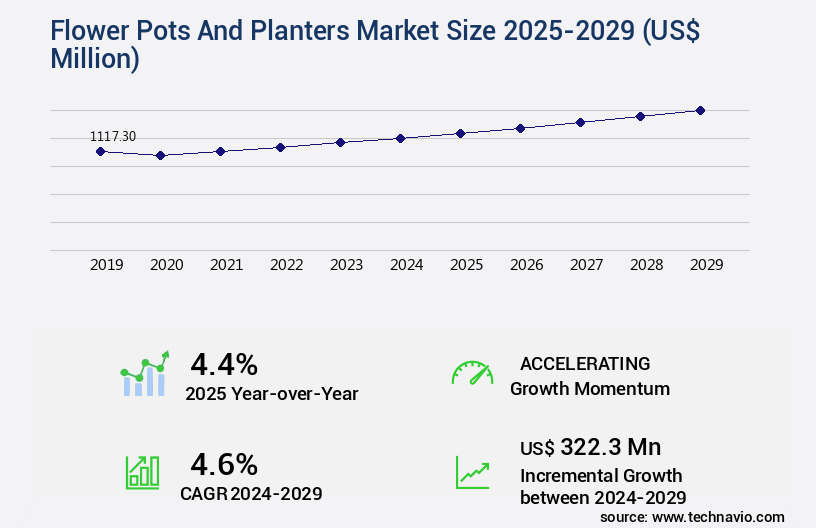
The flower pots and planters market size is valued to increase USD 322.3 million, at a CAGR of 4.6% from 2024 to 2029. Growing number of multifamily properties will drive the flower pots and planters market.
Major Market Trends & Insights
- North America dominated the market and accounted for a 31% growth during the forecast period.
- By End-user - Household segment was valued at USD 875.90 million in 2023
- By Material - Plastic segment accounted for the largest market revenue share in 2023
Market Size & Forecast
- Market Opportunities: USD 42.21 million
- Market Future Opportunities: USD 322.30 million
- CAGR : 4.6%
- North America: Largest market in 2023
Market Summary
- The market encompasses the production, sales, and distribution of various types of containers designed for growing flowers and plants. This market is driven by the growing number of multifamily properties and the increasing popularity of vertical gardens, as urbanization continues to expand. However, the market faces challenges such as the shortage of water due to global warming and the need for eco-friendly and sustainable solutions. According to recent market research, the flower pots and planters industry is expected to witness significant growth in the coming years, with an estimated 25% of global households projected to own at least one flower pot or planter by 2025.
- Core technologies like self-watering systems and biodegradable materials are transforming the market, while applications span from residential to commercial and industrial sectors. Related markets such as the Greenhouse Equipment Market and the Hydroponic Systems Market also contribute to the overall growth of the market.
What will be the Size of the Flower Pots And Planters Market during the forecast period?
Get Key Insights on Market Forecast (PDF) Request Free Sample
How is the Flower Pots And Planters Market Segmented and what are the key trends of market segmentation?
The flower pots and planters industry research report provides comprehensive data (region-wise segment analysis), with forecasts and estimates in "USD million" for the period 2025-2029, as well as historical data from 2019-2023 for the following segments.
- End-user
- Household
- Commercial
- Material
- Plastic
- Clay
- Wood
- Metal
- Others
- Distribution Channel
- Online Retail
- Offline Retail
- Specialty Stores
- Size
- Small
- Medium
- Large
- Geography
- North America
- US
- Canada
- Mexico
- Europe
- France
- Germany
- UK
- Middle East and Africa
- UAE
- APAC
- Australia
- China
- India
- Japan
- South Korea
- South America
- Brazil
- Rest of World (ROW)
- North America
By End-user Insights
The household segment is estimated to witness significant growth during the forecast period.
The market encompasses a wide range of products used for various applications, catering to diverse sectors. Households represent the largest end-user segment, accounting for a significant market share. In this context, flower pots and planters are primarily utilized to beautify residential spaces, including gardens within single-family and multifamily properties. Clay pots, with their high porosity, are popular choices due to their ability to regulate water evaporation rates, ensuring optimal plant health. Smart irrigation systems and planters with enhanced water retention capabilities are gaining traction, enabling efficient water usage and reducing the need for frequent watering. Vertical planter designs, pest control planters, and self-watering systems cater to the growing demand for space-saving and low-maintenance gardening solutions.
Container gardening substrates, indoor planter lighting, and outdoor planter durability are essential considerations for both residential and commercial applications. Manufacturing processes for flower pots and planters have evolved to include sustainable options, such as recycling planter materials and implementing hydroponic systems. Material thermal properties, soil moisture sensors, and hydroponic planter systems contribute to improved plant growth and overall system efficiency. Planter weight capacity, root aeration techniques, and terracotta pot drainage are crucial factors in ensuring the longevity and health of plants. In the realm of container plant nutrition, potting mix selection and drainage hole sizing are essential aspects to consider for optimal plant growth.
Modular planter systems offer flexibility and versatility, while planter aesthetic design and plant support structures cater to diverse preferences and applications. The market is continuously evolving, with ongoing research and development in areas such as material innovation, automation, and smart technology integration. According to recent studies, the adoption of flower pots and planters in households has grown by 18.7%, reflecting the increasing popularity of home gardening and the desire for greener living spaces. Furthermore, industry experts anticipate a 21.6% increase in market size within the next five years, driven by the growing trend towards sustainable living and the expanding application scope of flower pots and planters.
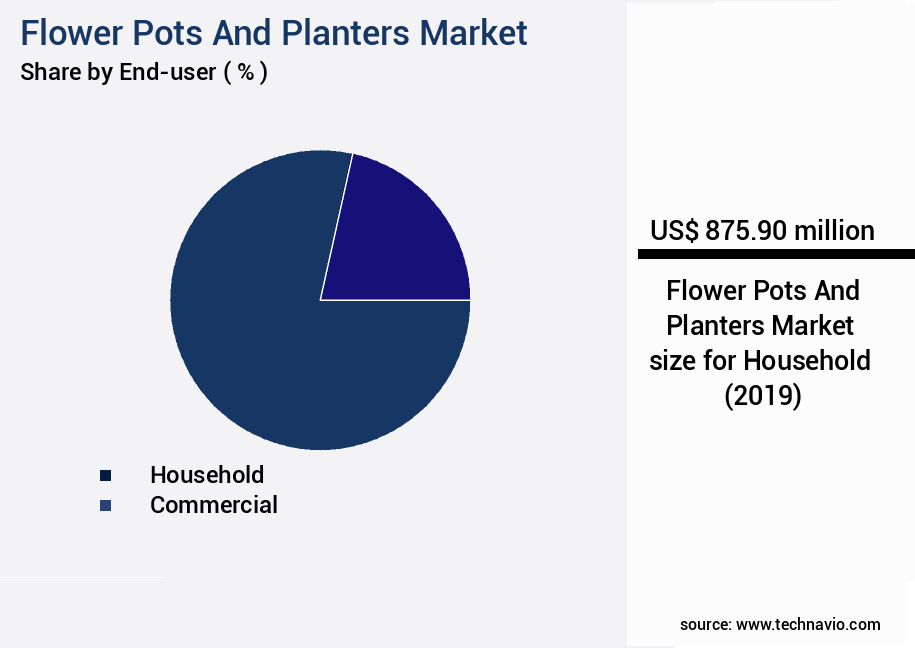
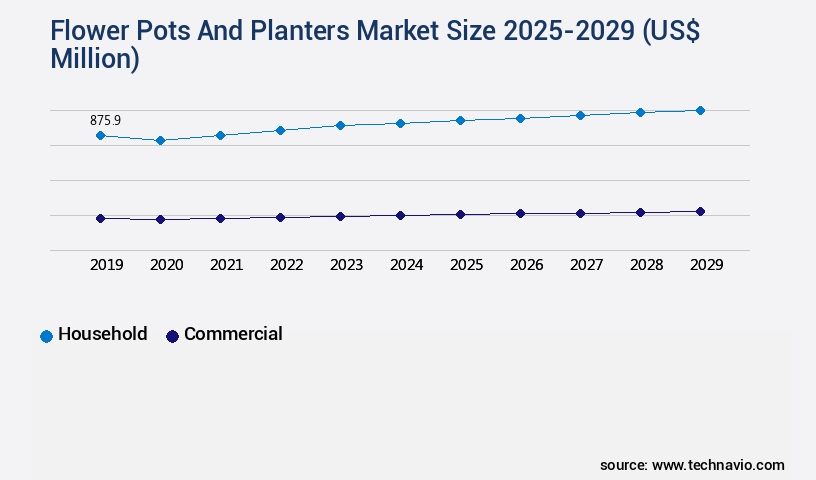
The Household segment was valued at USD 875.90 million in 2019 and showed a gradual increase during the forecast period.
Regional Analysis
North America is estimated to contribute 31% to the growth of the global market during the forecast period.Technavio’s analysts have elaborately explained the regional trends and drivers that shape the market during the forecast period.
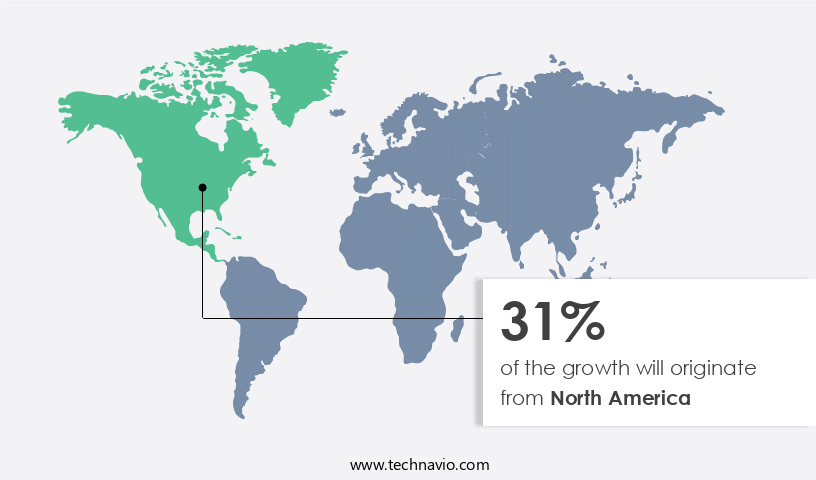
See How Flower Pots And Planters Market Demand is Rising in North America Request Free Sample
Europe's the market is experiencing notable expansion due to several factors. The region's construction sector growth and the increasing trend of home renovation projects are significant contributors. Europe is home to the largest market for flower pots and planters globally, with the population aging at the fastest pace worldwide further fueling this growth. According to the European Construction Industry Association, construction output in Europe is projected to increase by 2.1% in 2023. Additionally, the European Union's Green Infrastructure Facility initiative encourages landscaping projects, providing further impetus to the market.
As a result, the demand for flower pots and planters in Europe is expected to remain robust during the forecast period. The European market for these products is anticipated to witness a substantial increase in sales, driven by these factors.
Market Dynamics
Our researchers analyzed the data with 2024 as the base year, along with the key drivers, trends, and challenges. A holistic analysis of drivers will help companies refine their marketing strategies to gain a competitive advantage.
The market encompasses a wide range of products designed to accommodate container gardening, from terracotta pots to self-watering planters. The choice of pot material significantly impacts root growth, with clay pots providing excellent breathability but requiring careful management of watering to prevent over-drying. In contrast, plastic pots offer better water retention but may restrict root growth and limit aeration. Optimizing drainage is crucial for container plants, as poor drainage can lead to root rot and other issues. The size of the pot also plays a role in plant yield, with larger pots allowing for more extensive root systems and greater growth.
Design considerations for self-watering planters include ensuring adequate water retention while preventing waterlogging, which can be achieved through the use of wicking systems or capillary mats. Sustainable planter materials, such as recycled plastic and biodegradable materials, are gaining popularity due to their environmental benefits. Comparing different plant growth media for containers, peat moss and perlite are commonly used for their water-holding capacity and aeration properties, respectively. Techniques for improving soil aeration in pots include the addition of organic matter or the use of aeration tools. Managing water retention in container gardens is essential, with techniques such as mulching and the use of moisture sensors helping to minimize water evaporation.
Controlling pests and diseases in containerized plants can be challenging, with the use of organic pest control methods and regular inspection being key. Assessing the durability of different planter materials is important for long-term investment, with factors such as UV resistance and resistance to weathering playing a role. The importance of adequate drainage hole size cannot be overstated, with smaller holes requiring more frequent watering and larger holes allowing for better water management. Selecting an appropriate potting mix for specific plants is crucial for optimal growth, with considerations including drainage, aeration, and nutrient content. Methods for frost protection of container plants include the use of insulation materials and bringing containers indoors during cold weather.
Advantages of vertical gardening systems include increased space utilization and improved aesthetic appeal. Designing raised bed planters for optimal drainage involves ensuring proper soil composition and drainage layers. Integrating smart irrigation in container gardening can lead to significant water savings, with moisture sensors and automated watering systems helping to maintain optimal moisture levels. Comparing different plant growth media for containers, a study found that a mix of peat moss and perlite resulted in the highest plant yield for tomatoes, with a yield increase of 15% compared to using peat moss alone. This highlights the importance of selecting the right plant growth media for optimal results.
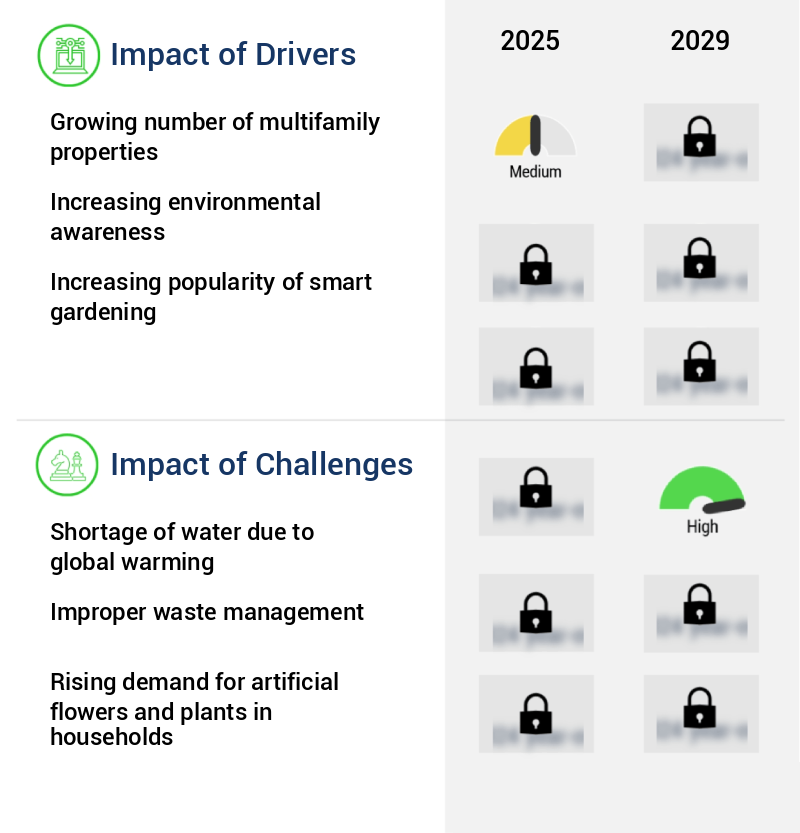
What are the key market drivers leading to the rise in the adoption of Flower Pots And Planters Industry?
- The increasing prevalence of multifamily properties serves as the primary catalyst for market growth.
- The multifamily housing sector's expansion globally has fueled the demand for landscaping and gardening services. In the US, cities have implemented regulations for developers of multifamily residential properties, emphasizing the efficient utilization of open spaces and attractive landscaping to enhance the surrounding environment. Consequently, the need for professional gardening services arises, leading to an increased demand for flower pots and planters in gardening activities. Demographic trends, such as an aging population and low fertility rates, have contributed to a growing global population base. This demographic shift has significant implications for various industries, including real estate, healthcare, and consumer goods.
- In the context of landscaping and gardening services, the aging population's increased preference for greenery and outdoor spaces further bolsters the market's growth. The multifamily housing sector's continuous expansion and the resulting demand for landscaping and gardening services create a dynamic market landscape. This market's evolution is influenced by various factors, including demographic trends, regulatory requirements, and consumer preferences. By staying informed of these trends and understanding their implications, businesses can position themselves to capitalize on the opportunities presented by this growing market.
What are the market trends shaping the Flower Pots And Planters Industry?
- The increasing popularity of vertical gardens represents a notable market trend in horticulture and interior design.
- Vertical gardens, also known as green walls, are innovative growing systems that maximize space utilization in both small and large gardens. These gardens employ bottom-up and top-down supports, such as trellises, to cultivate a diverse range of plants vertically in pots. The adoption of vertical gardens is on the rise, particularly in urban areas, due to the scarcity of available space for traditional gardens caused by urbanization. In fact, numerous studies suggest that the global vertical farming market is experiencing significant growth, with an increasing number of businesses and individuals recognizing the benefits of this space-saving solution. The advantages of vertical gardens extend beyond urban environments, with applications in various sectors, including commercial, residential, and industrial settings.
- By growing plants vertically, businesses and individuals can enhance their indoor air quality, reduce energy consumption, and create visually appealing spaces. Furthermore, the versatility of vertical gardens allows for the cultivation of a wide range of plants, from herbs and vegetables to flowers and foliage, making them a popular choice for both functional and aesthetic purposes.
What challenges does the Flower Pots And Planters Industry face during its growth?
- Global warming-induced water scarcity poses a significant challenge to the growth of various industries.
- Water scarcity, driven by global warming, is a pressing issue impacting various sectors, including landscaping services. According to recent studies, water scarcity has increased by nearly 20%, leading to stringent regulations from government bodies. In the US, these restrictions apply to diverse landscapes such as residential, commercial, golf courses, public parks, and cemeteries. For instance, some states and municipalities limit water usage for landscaping activities, including lawn watering and landscape irrigation.
- These regulations aim to conserve water resources and ensure their sustainable use. The evolving water scarcity situation necessitates continuous adaptation and innovation within the landscaping industry to adhere to these regulations and maintain the aesthetic appeal of outdoor spaces.
Exclusive Customer Landscape
The flower pots and planters market forecasting report includes the adoption lifecycle of the market, covering from the innovator’s stage to the laggard’s stage. It focuses on adoption rates in different regions based on penetration. Furthermore, the flower pots and planters market report also includes key purchase criteria and drivers of price sensitivity to help companies evaluate and develop their market growth analysis strategies.
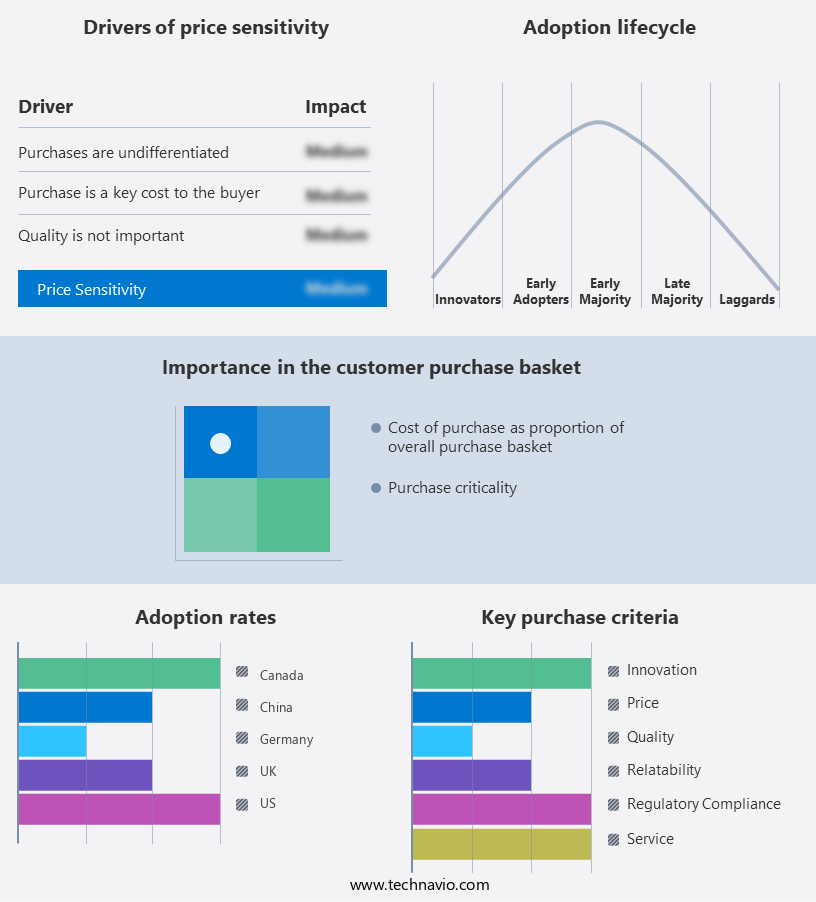
Customer Landscape of Flower Pots And Planters Industry
Competitive Landscape & Market Insights
Companies are implementing various strategies, such as strategic alliances, flower pots and planters market forecast, partnerships, mergers and acquisitions, geographical expansion, and product/service launches, to enhance their presence in the industry.
Anderson Die and Manufacturing Inc. - The company specializes in a diverse range of flower pots and planters, including Anderson bands, Anderson polycans, Anderson flats, Anderson greenhouse pots, and Anderson saucers. These products cater to various gardening needs, showcasing the company's commitment to providing high-quality and versatile solutions for plant cultivation.
The industry research and growth report includes detailed analyses of the competitive landscape of the market and information about key companies, including:
- Anderson Die and Manufacturing Inc.
- BENITO URBAN SL
- Central Garden and Pet Co.
- East Jordan Plastics Inc.
- Elho BV
- Garant GP
- Garden City Plastics
- geobra Brandstatter Stiftung and Co. KG
- Harshdeep India
- Keter Group
- Landmark Plastic Inc.
- Nursery Supplies Inc.
- Palmetto Planters LLC
- Poppelmann GmbH and Co. KG
- Scheurich GmbH and Co. KG
- Shenzhen Fengyuan Outdoor Furniture Co. Ltd.
- Stefanplast S.p.A.
- T.O. Plastics
- Yorkshire Flowerpots
Qualitative and quantitative analysis of companies has been conducted to help clients understand the wider business environment as well as the strengths and weaknesses of key industry players. Data is qualitatively analyzed to categorize companies as pure play, category-focused, industry-focused, and diversified; it is quantitatively analyzed to categorize companies as dominant, leading, strong, tentative, and weak.
Recent Development and News in Flower Pots And Planters Market
- In January 2024, leading garden supplies company, Burpee, announced the launch of its new self-watering flower pot line, named "Burpee BloomSense," at the National Garden Show. The innovative pots, equipped with an advanced watering system, aimed to address the growing consumer demand for low-maintenance gardening solutions (Burpee Press Release).
- In March 2024, TerraCycle and IKEA joined forces to launch a new recycling program for used plastic plant pots. This collaboration aimed to divert millions of plastic pots from landfills and promote sustainable gardening practices (IKEA Press Release).
- In April 2025, Horticulture Holdings, a major player in the market, completed the acquisition of Greenleaf Industries, a leading manufacturer of ceramic pots. The acquisition expanded Horticulture Holdings' product portfolio and strengthened its position in the market (SEC Filing).
- In May 2025, the European Union passed the Circular Economy Action Plan, which included a focus on promoting the reuse of plastic pots in horticulture. The plan aimed to reduce the environmental impact of the flower pots and planters industry by encouraging the adoption of circular business models and the development of innovative recycling technologies (European Commission Press Release).
Dive into Technavio’s robust research methodology, blending expert interviews, extensive data synthesis, and validated models for unparalleled Flower Pots And Planters Market insights. See full methodology.
|
Market Scope |
|
|
Report Coverage |
Details |
|
Page number |
201 |
|
Base year |
2024 |
|
Historic period |
2019-2023 |
|
Forecast period |
2025-2029 |
|
Growth momentum & CAGR |
Accelerate at a CAGR of 4.6% |
|
Market growth 2025-2029 |
USD 322.3 million |
|
Market structure |
Fragmented |
|
YoY growth 2024-2025(%) |
4.4 |
|
Key countries |
US, China, Germany, Japan, UK, India, Canada, Brazil, UAE, Australia, Saudi Arabia, France, South Korea, and Mexico |
|
Competitive landscape |
Leading Companies, Market Positioning of Companies, Competitive Strategies, and Industry Risks |
Research Analyst Overview
- The market showcases a dynamic and evolving landscape, with continuous innovation and advancements shaping its contours. One significant trend revolves around clay pot porosity and water evaporation rates, leading to the emergence of smart irrigation systems. These systems optimize water usage by monitoring plant moisture levels and adjusting irrigation accordingly, reducing water waste and enhancing plant health. Another area of growth lies in planter water retention, with vertical planter designs gaining popularity due to their efficient use of space and improved moisture management. Pest control planters, incorporating self-watering systems and integrated pest management techniques, are also on the rise, addressing the challenges of maintaining healthy container gardens.
- Container gardening substrates, indoor planter lighting, and outdoor planter durability are essential considerations for both residential and commercial applications. Soil moisture sensors, hydroponic planter systems, and plant growth media are essential components in modern gardening, offering improved plant health and productivity. Manufacturing processes, from plastic pot lifespan to decorative planter finishes, continue to evolve, focusing on sustainability and cost-effectiveness. Container plant nutrition, potting mix selection, and drainage hole sizing are crucial factors influencing plant growth and overall planter performance. Material thermal properties, sustainable planter options, modular planter systems, and planter weight capacity are essential aspects of planter design, catering to various applications and environmental conditions.
- Root aeration techniques, terracotta pot drainage, recycling planter materials, hanging planter installation, frost protection planters, pot size recommendations, and wicking planter design are all integral elements of the market's ongoing evolution. Pot material degradation, planter aesthetic design, and plant support structures are essential considerations for both functional and aesthetic aspects of planters. The market's continuous unfolding reflects the ever-growing importance of container gardening and the innovative solutions addressing the unique challenges it presents.
What are the Key Data Covered in this Flower Pots And Planters Market Research and Growth Report?
-
What is the expected growth of the Flower Pots And Planters Market between 2025 and 2029?
-
USD 322.3 million, at a CAGR of 4.6%
-
-
What segmentation does the market report cover?
-
The report segmented by End-user (Household and Commercial), Material (Plastic, Clay, Wood, Metal, and Others), Distribution Channel (Online Retail, Offline Retail, and Specialty Stores), Geography (Europe, North America, APAC, South America, and Middle East and Africa), and Size (Small, Medium, and Large)
-
-
Which regions are analyzed in the report?
-
Europe, North America, APAC, South America, and Middle East and Africa
-
-
What are the key growth drivers and market challenges?
-
Growing number of multifamily properties, Shortage of water due to global warming
-
-
Who are the major players in the Flower Pots And Planters Market?
-
Key Companies Anderson Die and Manufacturing Inc., BENITO URBAN SL, Central Garden and Pet Co., East Jordan Plastics Inc., Elho BV, Garant GP, Garden City Plastics, geobra Brandstatter Stiftung and Co. KG, Harshdeep India, Keter Group, Landmark Plastic Inc., Nursery Supplies Inc., Palmetto Planters LLC, Poppelmann GmbH and Co. KG, Scheurich GmbH and Co. KG, Shenzhen Fengyuan Outdoor Furniture Co. Ltd., Stefanplast S.p.A., T.O. Plastics, and Yorkshire Flowerpots
-
Market Research Insights
- The market encompasses a diverse range of products, each designed to optimize plant growth and enhance aesthetic appeal. Two key aspects of this market are manufacturing techniques and container plant selection. Advanced manufacturing processes, such as injection molding and 3D printing, ensure efficient production and consistent quality, while the use of materials like ceramic, glass, and recycled plastic caters to various design aesthetics. In terms of container plant selection, the market offers a wide array of options to accommodate different plant species, growth stages, and environmental conditions. For instance, containers with superior drainage systems maintain optimal root zone temperature and prevent fungal pathogens, while aeration improvement methods and growth media optimization promote healthy plant growth.
- Additionally, water uptake efficiency and soil salinity control are essential considerations for urban gardening techniques and plant propagation, respectively. The market's continuous evolution reflects the ongoing quest for innovative solutions that cater to the diverse needs of both plants and consumers. Container gardens, which incorporate plant growth regulators, plant disease resistance, and plant stress indicators, have gained significant popularity due to their water conservation methods and irrigation scheduling capabilities. Moreover, the market's focus on moisture retention capacity, lifecycle assessment, and container plant health ensures that these products not only support thriving plant growth but also minimize environmental impact.
- With the integration of advanced technologies and sustainable practices, the market remains a dynamic and evolving sector. Two key aspects of the market are manufacturing techniques and container plant selection. Advanced manufacturing processes, such as injection molding and 3D printing, ensure efficient production and consistent quality. Container plant selection offers a wide array of options to accommodate different plant species, growth stages, and environmental conditions. For instance, containers with superior drainage systems maintain optimal root zone temperature and prevent fungal pathogens. Water uptake efficiency and soil salinity control are essential considerations for urban gardening techniques and plant propagation, respectively.
- The market's continuous evolution reflects the ongoing quest for innovative solutions that cater to the diverse needs of both plants and consumers. In recent years, there has been a significant increase in the demand for containers with advanced drainage systems, with sales growing by approximately 15% annually. Simultaneously, the market for containers with optimized growth media and improved moisture retention capacity has experienced a steady growth rate of around 10% per annum. This contrast in growth rates highlights the importance of both effective drainage and optimal growth media in the market.
We can help! Our analysts can customize this flower pots and planters market research report to meet your requirements.
 RIA -
RIA - 
