

Food and Salad Dressing Market Analysis North America, APAC, Europe, South America, Middle East and Africa - US, China, Japan, Germany, UK - Size and Forecast 2024-2028

Food and Salad Dressing Market Analysis North America, APAC, Europe, South America, Middle East and Africa - US, China, Japan, Germany, UK - Size and Forecast 2024-2028

Published: Mar 2024 159 Pages SKU: IRTNTR77740

Market Overview at a Glance

$22.67 B
Market Opportunity
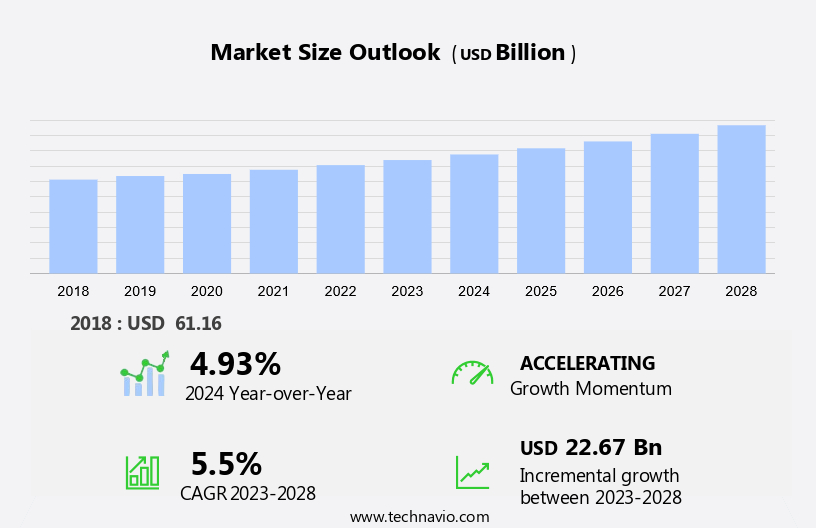
5.5%
CAGR
4.93
YoY growth 2023-2024(%)

Food and Salad Dressing Market Size 2024-2028 

The food and salad dressing market size is forecast to increase by USD 22.67 billion at a CAGR of 5.5% between 2023 and 2028.

  • The market is experiencing significant growth due to various factors. One key trend is the increasing global travel, leading to greater exposure to diverse cuisines and an expanded palate for consumers. Another growth factor is the high demand for plant-based dressings as consumers shift towards healthier food options. However, challenges persist in this market, including the presence of counterfeit and adulterated food and salad dressing products, which can negatively impact consumer trust and safety. To stay competitive, market players must prioritize product quality, transparency, and innovation to meet evolving consumer preferences and regulatory requirements. This market analysis report provides a comprehensive evaluation of these trends and challenges, offering valuable insights for stakeholders in the food and salad dressing industry.

What will be the Size of the Market During the Forecast Period?
Food and Salad Dressing Market Size

 Request Free Sample

  • The market is a significant segment of the global food industry, and encompasses a wide array of products designed to enhance the taste and appeal of various dishes. Among these, salad dressings and mayonnaise hold a prominent position, catering to diverse consumer preferences and dietary requirements. Salad dressings, an essential component of salads and coleslaw, offer a myriad of flavors and textures, ranging from tangy vinaigrettes to rich and creamy dressings. With the growing demand for healthy food options, consumers are exploring various salad dressing brands that offer nutritious choices, such as light dressings for salads, potato salad, and coleslaw, providing flavorful yet healthier alternatives to traditional food dressings. Ethnic dressings, such as Thai peanut or Japanese ginger, add a distinct culinary flair to salads, while homemade salad dressings made with organic ingredients cater to those seeking healthier options.
  • Gourmet salad dressings, with their premium ingredients and sophisticated flavors, appeal to consumers looking for a more refined dining experience. The demand for healthy lifestyle choices has led to an increasing interest in salad dressing recipes using natural and organic ingredients. Consumers are also exploring salad dressing ideas that cater to specific dietary needs, such as vegan, keto, and gluten-free options. Salad dressing benefits extend beyond taste, as they can contribute to weight loss and overall health when used in moderation. The increasing demand for fast food has led to a rise in the popularity of mayonnaise for sandwiches, including options like low-calorie mayonnaise, and products such as French's Classic Mustard and Tostitos Salsa, while the growing interest in natural food products is driving the demand for healthier dressings, highlighting the evolving history and preferences in the mayonnaise market.

How is this market segmented and which is the largest segment?

The market research report provides comprehensive data (region-wise segment analysis), with forecasts and estimates in "USD billion" for the period 2024-2028, as well as historical data from 2018-2022 for the following segments.

  • Type
    • Mayonnaise dressings
    • Cream and cream style dressings
    • Vinaigrette dressings
    • Tomato based dressings
  • Distribution Channel
    • Offline
    • Online
  • Geography
    • North America
      • US
    • APAC
      • China
      • Japan
    • Europe
      • Germany
      • UK
    • South America
    • Middle East and Africa

By Type Insights

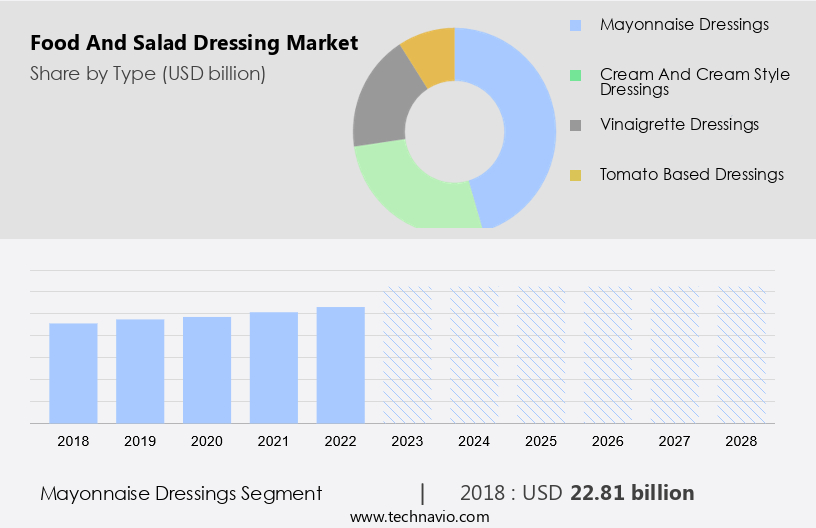
  • The mayonnaise dressings segment is estimated to witness significant growth during the forecast period.

Mayonnaise is a versatile condiment widely used in American households and foodservice establishments as a sauce for various dishes, including sandwiches, burgers, salads, and snacks. With increasing consumer awareness towards healthier food options, mayonnaise manufacturers continue to innovate by introducing low-fat and vegan alternatives. Product innovation is a key trend in the mayonnaise market, with new flavors and packaging sizes being introduced to cater to diverse consumer preferences. However, the demand for mayonnaise can be impacted by shifting customer demands and economic conditions. In the salad dressing market, the demand for sophisticated food products, such as soups and salad dressings, is on the rise.

Furthermore, competitors in the market include well-established brands and new entrants, making it essential for mayonnaise manufacturers to stay competitive. Mayonnaise remains a popular condiment in quick-service restaurants (QSRs) due to its convenience and versatility.
Food and Salad Dressing Market Size

Get a glance at the market report of share of various segments Request Free Sample

The Mayonnaise dressings segment was valued at USD 22.81 billion in 2018 and showed a gradual increase during the forecast period.

Regional Analysis

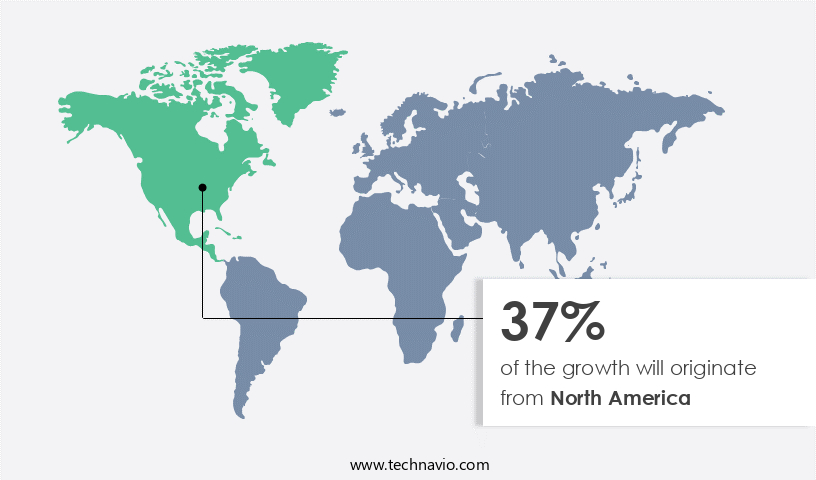
  • North America is estimated to contribute 37% to the growth of the global market during the forecast period.

Technavio's analysts have elaborately explained the regional trends and drivers that shape the market during the forecast period.
Food and Salad Dressing Market Share by Geography

For more insights on the market share of various regions Request Free Sample

In the dynamic food industry landscape of North America, salad dressings hold a significant market share in 2023. The region's diverse culinary heritage, influenced by international cuisines, fuels the demand for a wide array of salad dressings. From classic choices like ranch and Caesar to innovative options such as chipotle mayo and Thai peanut sauce, the market caters to various tastes and preferences. Moreover, the increasing trend towards healthier lifestyle choices has led consumers to opt for low-fat, ready-to-eat food alternatives. Natural ingredients, including vitamins and minerals, are increasingly preferred over processed food products. Consequently, dairy-based dressings, such as sour cream and mayonnaise, are being replaced with healthier alternatives made from avocado oil, vinegar, and herbs.

As a result, the market in North America is experiencing steady growth. This growth can be attributed to the region's diverse population and their evolving palates, which crave new and exciting flavors. Additionally, the availability of a wide range of specialty dressings in supermarkets and restaurants further boosts market growth. Overall, the North American market for food and salad dressings is poised for continued success in the coming years.

Market Dynamics

Our researchers analyzed the data with 2023 as the base year, along with the key drivers, trends, and challenges. A holistic analysis of drivers will help companies refine their marketing strategies to gain a competitive advantage.

What are the key market drivers leading to the rise in adoption of Food and Salad Dressing Market?

Increasing global travel leading to more exposure to diverse cuisines is the key driver of the market.

  • The market has experienced significant growth over the past five years, driven by the increasing popularity of international cuisines and the trend toward healthier lifestyle choices. Consumers are increasingly experimenting with different types of salad dressings, including specialty dressings made with natural ingredients such as avocado oil, herbs, and spices. This shift towards more sophisticated food products has led to an increase in demand for both dairy-based dressings, such as buttermilk and sour cream, and plant-based alternatives. Moreover, there is a growing awareness of the importance of health and nutrition, leading consumers to seek out salad dressings that are free from artificial additives and preservatives.
  • This trend is particularly evident in the growing demand for organic salad dressings and condiments. Additionally, consumers are also looking for convenience and longer shelf life, making ready-to-eat food products and processed food items popular choices. Furthermore, food businesses are responding to these shifting consumer demands by expanding their product lines to include innovative and healthier options. For instance, Heinz has introduced a line of low-fat salad dressings, while Mayonnaise brands like Best Foods Mayonnaise have introduced healthier alternatives with fewer calories and added vitamins and minerals. The demand for sauces and marinades, including salad dressings, is expected to continue growing as consumers seek out more flavorful and nutritious options for their sandwiches, salads, and other meals.

What are the market trends shaping the Food and Salad Dressing Market?

High demand for plant-based dressings is the upcoming trend in the market.

  • The salad dressing market in the US has witnessed significant growth due to the increasing preference for specialty dressings, particularly those based on international cuisines. Consumers are increasingly seeking out low-fat, ready-to-eat food options, leading to a rise in demand for healthier salad dressings made with natural ingredients. Dairy-based dressings, such as those made with sour cream, mayonnaise, and buttermilk, are being replaced with plant-based alternatives made from avocado oil, vitamins, and minerals. Consumer awareness of the health advantages of a healthy lifestyle, including weight loss and the prevention of lifestyle-related diseases, is driving the demand for nutritional food items.
  • Sustainable agricultural practices and organic production methods are also becoming more important to consumers. As a result, there is a growing trend toward organic salad dressings and marinades, which are free from artificial additives and preservatives. Sandwiches and food service establishments are major consumers of salad dressings, and product innovation is a key driver of growth in the market. Consumers are looking for innovative and flavorful sauces and condiments that enhance the taste of their meals without compromising their health goals. Affordability is also a significant factor, with many consumers seeking convenient and affordable options for their daily meals.

What challenges does Food and Salad Dressing Market face during the growth?

The presence of counterfeit and adulterated food and salad dressing products is a key challenge affecting the market growth.

  • The market is witnessing significant growth due to shifting consumer preferences towards healthier lifestyle choices and the increasing demand for natural, organic, and sustainable agricultural practices. International cuisines, including Chinese and Western, continue to influence the market with their unique flavor enhancements, such as herbs, chillies, and gourmet salts. Specialty dressings, like those made with avocado oil, are gaining popularity for their nutritional benefits and health advantages. Processed food products, such as dairy-based dressings, mayonnaise, sour cream, and cheese, still dominate the market, but consumers are increasingly seeking out low-fat, ready-to-eat food options. Vitamins and minerals are essential additives in salad dressings, providing additional health benefits.
  • Foodservice and convenience are also driving factors in the market, with consumers looking for innovative and convenient sauce options for sandwiches, salads, and soups. Consumer awareness and health concerns have led to an increased demand for nutritional food items, and companies are responding with product line expansions and innovative products. However, the market faces challenges, including the affordability of organic and natural ingredients, competition from established brands like Heinz, and the need for greater shelf life and consumer taste appeal. Environmental awareness is also a growing concern, with consumers seeking out sustainable agricultural practices and minimizing the use of artificial additives linked to obesity and lifestyle-related diseases.

Exclusive Customer Landscape

The market forecasting report includes the adoption lifecycle of the market, covering from the innovator's stage to the laggard's stage. It focuses on adoption rates in different regions based on penetration. Furthermore, the market report also includes key purchase criteria and drivers of price sensitivity to help companies evaluate and develop their market growth analysis strategies.
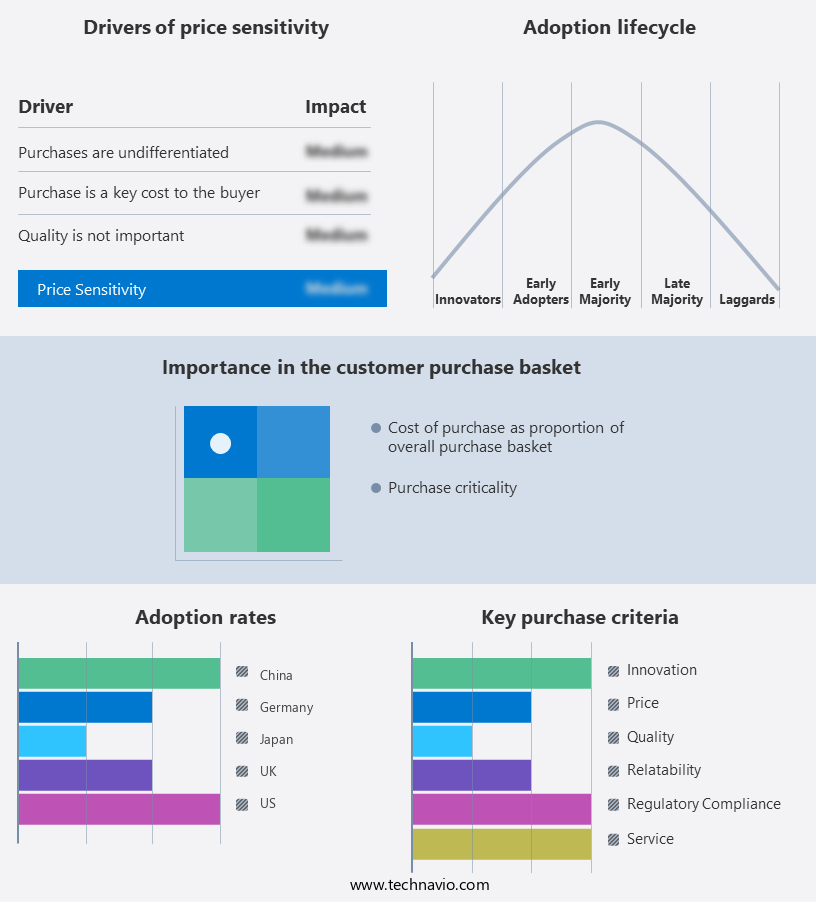
Food and Salad Dressing Market Share by Geography

 Customer Landscape

Key Companies & Market Insights

Companies are implementing various strategies, such as strategic alliances, market forecast , partnerships, mergers and acquisitions, geographical expansion, and product/service launches, to enhance their presence in the market.

The market research and growth report includes detailed analyses of the competitive landscape of the market and information about key companies, including:

  • Aliments Cibona Foods
  • American Garden
  • Campbell Soup Co.
  • Conagra Brands Inc.
  • Dr. August Oetker Nahrungsmittel KG
  • General Mills Inc.
  • Hormel Foods Corp.
  • Kens Foods Inc.
  • Kewpie Corp.
  • Lancaster Colony Corp.
  • McCormick and Co. Inc.
  • Mizkan Holdings Co. Ltd.
  • Sauer Brands Inc.
  • The Clorox Co.
  • Tina d.o.o.
  • Unilever PLC
  • VRB CONSUMER PRODUCTS Pvt. Ltd.
  • Kenko Mayonnaise Co. Ltd.
  • Remia C.V.
  • Newmans Own Inc.

Qualitative and quantitative analysis of companies has been conducted to help clients understand the wider business environment as well as the strengths and weaknesses of key market players. Data is qualitatively analyzed to categorize companies as pure play, category-focused, industry-focused, and diversified; it is quantitatively analyzed to categorize companies as dominant, leading, strong, tentative, and weak.

Research Analyst Overview

The salad dressing market has witnessed significant growth in recent years, driven by the increasing popularity of specialty dressings and the adoption of international cuisines. Consumers are increasingly seeking out flavorful and healthier options for their ready-to-eat food, leading to a rise in demand for processed food products that cater to these preferences. One notable trend in the market is the shift towards low-fat and dairy-free dressings, as consumers prioritize healthier lifestyle choices. Natural ingredients, such as avocado oil and herbs, are becoming increasingly popular for flavor enhancement, while sustainably produced ingredients and agricultural practices are gaining favor due to growing environmental awareness.

Furthermore, dairy-based dressings, such as buttermilk and sour cream, continue to hold a significant market share, but are facing increasing competition from plant-based alternatives. Consumers are also seeking out organic and natural options, free from artificial additives, as they become more conscious of the potential health risks associated with obesity and lifestyle-related diseases. The market for vitamin-rich and mineral-rich salad dressings is also on the rise, as consumers look for ways to incorporate more nutritional food items into their diets. Innovative food products, such as marinades and sauces, are gaining popularity as consumers seek out new and exciting flavors to enhance their sandwiches and salads.

Market Scope

Report Coverage

Details

Page number

159

Base year

2023

Historic period

2018-2022

Forecast period

2024-2028

Growth momentum & CAGR

Accelerate at a CAGR of 5.5%

Market growth 2024-2028

USD 22.67 billion

Market structure

Fragmented

YoY growth 2023-2024(%)

4.93

Key countries

US, China, Japan, Germany, and UK

Competitive landscape

Leading Companies, Market Positioning of Companies, Competitive Strategies, and Industry Risks

Request Free Sample

What are the Key Data Covered in this Market Research and Growth Report?

  • CAGR of the market during the forecast period
  • Detailed information on factors that will drive the market growth and forecasting between 2024 and 2028
  • Precise estimation of the size of the market  and its contribution of the market in focus to the parent market
  • Accurate predictions about upcoming market growth and trends and changes in consumer behaviour
  • Growth of the market across North America, APAC, Europe, South America, and Middle East and Africa
  • Thorough analysis of the market's competitive landscape and detailed information about companies
  • Comprehensive analysis of factors that will challenge the growth of market companies

We can help! Our analysts can customize this market research report to meet your requirements. Get in touch

1 Executive Summary

  • 1.1 Market overview
    • Exhibit 01: Executive Summary – Chart on Market Overview
    • Exhibit 02: Executive Summary – Data Table on Market Overview
    • Exhibit 03: Executive Summary – Chart on Global Market Characteristics
    • Exhibit 04: Executive Summary – Chart on Market by Geography
    • Exhibit 05: Executive Summary – Chart on Market Segmentation by Type
    • Exhibit 06: Executive Summary – Chart on Market Segmentation by Distribution Channel
    • Exhibit 07: Executive Summary – Chart on Incremental Growth
    • Exhibit 08: Executive Summary – Data Table on Incremental Growth
    • Exhibit 09: Executive Summary – Chart on Vendor Market Positioning

2 Market Landscape

  • 2.1 Market ecosystem
    • Exhibit 10: Parent market
    • Exhibit 11: Market Characteristics

3 Market Sizing

  • 3.1 Market definition
    • Exhibit 12: Offerings of vendors included in the market definition
  • 3.2 Market segment analysis
    • Exhibit 13: Market segments
  • 3.3 Market size 2023
    • 3.4 Market outlook: Forecast for 2023-2028
      • Exhibit 14: Chart on Global - Market size and forecast 2023-2028 ($ billion)
      • Exhibit 15: Data Table on Global - Market size and forecast 2023-2028 ($ billion)
      • Exhibit 16: Chart on Global Market: Year-over-year growth 2023-2028 (%)
      • Exhibit 17: Data Table on Global Market: Year-over-year growth 2023-2028 (%)

    4 Historic Market Size

    • 4.1 Global food and salad dressing market 2018 - 2022
      • Exhibit 18: Historic Market Size – Data Table on global food and salad dressing market 2018 - 2022 ($ billion)
    • 4.2 Type Segment Analysis 2018 - 2022
      • Exhibit 19: Historic Market Size – Type Segment 2018 - 2022 ($ billion)
    • 4.3 Distribution Channel Segment Analysis 2018 - 2022
      • Exhibit 20: Historic Market Size – Distribution Channel Segment 2018 - 2022 ($ billion)
    • 4.4 Geography Segment Analysis 2018 - 2022
      • Exhibit 21: Historic Market Size – Geography Segment 2018 - 2022 ($ billion)
    • 4.5 Country Segment Analysis 2018 - 2022
      • Exhibit 22: Historic Market Size – Country Segment 2018 - 2022 ($ billion)

    5 Five Forces Analysis

    • 5.1 Five forces summary
      • Exhibit 23: Five forces analysis - Comparison between 2023 and 2028
    • 5.2 Bargaining power of buyers
      • Exhibit 24: Chart on Bargaining power of buyers – Impact of key factors 2023 and 2028
    • 5.3 Bargaining power of suppliers
      • Exhibit 25: Bargaining power of suppliers – Impact of key factors in 2023 and 2028
    • 5.4 Threat of new entrants
      • Exhibit 26: Threat of new entrants – Impact of key factors in 2023 and 2028
    • 5.5 Threat of substitutes
      • Exhibit 27: Threat of substitutes – Impact of key factors in 2023 and 2028
    • 5.6 Threat of rivalry
      • Exhibit 28: Threat of rivalry – Impact of key factors in 2023 and 2028
    • 5.7 Market condition
      • Exhibit 29: Chart on Market condition - Five forces 2023 and 2028

    6 Market Segmentation by Type

    • 6.1 Market segments
      • Exhibit 30: Chart on Type - Market share 2023-2028 (%)
      • Exhibit 31: Data Table on Type - Market share 2023-2028 (%)
    • 6.2 Comparison by Type
      • Exhibit 32: Chart on Comparison by Type
      • Exhibit 33: Data Table on Comparison by Type
    • 6.3 Mayonnaise dressings - Market size and forecast 2023-2028
      • Exhibit 34: Chart on Mayonnaise dressings - Market size and forecast 2023-2028 ($ billion)
      • Exhibit 35: Data Table on Mayonnaise dressings - Market size and forecast 2023-2028 ($ billion)
      • Exhibit 36: Chart on Mayonnaise dressings - Year-over-year growth 2023-2028 (%)
      • Exhibit 37: Data Table on Mayonnaise dressings - Year-over-year growth 2023-2028 (%)
    • 6.4 Cream and cream style dressings - Market size and forecast 2023-2028
      • Exhibit 38: Chart on Cream and cream style dressings - Market size and forecast 2023-2028 ($ billion)
      • Exhibit 39: Data Table on Cream and cream style dressings - Market size and forecast 2023-2028 ($ billion)
      • Exhibit 40: Chart on Cream and cream style dressings - Year-over-year growth 2023-2028 (%)
      • Exhibit 41: Data Table on Cream and cream style dressings - Year-over-year growth 2023-2028 (%)
    • 6.5 Vinaigrette dressings - Market size and forecast 2023-2028
      • Exhibit 42: Chart on Vinaigrette dressings - Market size and forecast 2023-2028 ($ billion)
      • Exhibit 43: Data Table on Vinaigrette dressings - Market size and forecast 2023-2028 ($ billion)
      • Exhibit 44: Chart on Vinaigrette dressings - Year-over-year growth 2023-2028 (%)
      • Exhibit 45: Data Table on Vinaigrette dressings - Year-over-year growth 2023-2028 (%)
    • 6.6 Tomato based dressings - Market size and forecast 2023-2028
      • Exhibit 46: Chart on Tomato based dressings - Market size and forecast 2023-2028 ($ billion)
      • Exhibit 47: Data Table on Tomato based dressings - Market size and forecast 2023-2028 ($ billion)
      • Exhibit 48: Chart on Tomato based dressings - Year-over-year growth 2023-2028 (%)
      • Exhibit 49: Data Table on Tomato based dressings - Year-over-year growth 2023-2028 (%)
    • 6.7 Market opportunity by Type
      • Exhibit 50: Market opportunity by Type ($ billion)
      • Exhibit 51: Data Table on Market opportunity by Type ($ billion)

    7 Market Segmentation by Distribution Channel

    • 7.1 Market segments
      • Exhibit 52: Chart on Distribution Channel - Market share 2023-2028 (%)
      • Exhibit 53: Data Table on Distribution Channel - Market share 2023-2028 (%)
    • 7.2 Comparison by Distribution Channel
      • Exhibit 54: Chart on Comparison by Distribution Channel
      • Exhibit 55: Data Table on Comparison by Distribution Channel
    • 7.3 Offline - Market size and forecast 2023-2028
      • Exhibit 56: Chart on Offline - Market size and forecast 2023-2028 ($ billion)
      • Exhibit 57: Data Table on Offline - Market size and forecast 2023-2028 ($ billion)
      • Exhibit 58: Chart on Offline - Year-over-year growth 2023-2028 (%)
      • Exhibit 59: Data Table on Offline - Year-over-year growth 2023-2028 (%)
    • 7.4 Online - Market size and forecast 2023-2028
      • Exhibit 60: Chart on Online - Market size and forecast 2023-2028 ($ billion)
      • Exhibit 61: Data Table on Online - Market size and forecast 2023-2028 ($ billion)
      • Exhibit 62: Chart on Online - Year-over-year growth 2023-2028 (%)
      • Exhibit 63: Data Table on Online - Year-over-year growth 2023-2028 (%)
    • 7.5 Market opportunity by Distribution Channel
      • Exhibit 64: Market opportunity by Distribution Channel ($ billion)
      • Exhibit 65: Data Table on Market opportunity by Distribution Channel ($ billion)

    8 Customer Landscape

    • 8.1 Customer landscape overview
      • Exhibit 66: Analysis of price sensitivity, lifecycle, customer purchase basket, adoption rates, and purchase criteria

    9 Geographic Landscape

    • 9.1 Geographic segmentation
      • Exhibit 67: Chart on Market share by geography 2023-2028 (%)
      • Exhibit 68: Data Table on Market share by geography 2023-2028 (%)
    • 9.2 Geographic comparison
      • Exhibit 69: Chart on Geographic comparison
      • Exhibit 70: Data Table on Geographic comparison
    • 9.3 North America - Market size and forecast 2023-2028
      • Exhibit 71: Chart on North America - Market size and forecast 2023-2028 ($ billion)
      • Exhibit 72: Data Table on North America - Market size and forecast 2023-2028 ($ billion)
      • Exhibit 73: Chart on North America - Year-over-year growth 2023-2028 (%)
      • Exhibit 74: Data Table on North America - Year-over-year growth 2023-2028 (%)
    • 9.4 APAC - Market size and forecast 2023-2028
      • Exhibit 75: Chart on APAC - Market size and forecast 2023-2028 ($ billion)
      • Exhibit 76: Data Table on APAC - Market size and forecast 2023-2028 ($ billion)
      • Exhibit 77: Chart on APAC - Year-over-year growth 2023-2028 (%)
      • Exhibit 78: Data Table on APAC - Year-over-year growth 2023-2028 (%)
    • 9.5 Europe - Market size and forecast 2023-2028
      • Exhibit 79: Chart on Europe - Market size and forecast 2023-2028 ($ billion)
      • Exhibit 80: Data Table on Europe - Market size and forecast 2023-2028 ($ billion)
      • Exhibit 81: Chart on Europe - Year-over-year growth 2023-2028 (%)
      • Exhibit 82: Data Table on Europe - Year-over-year growth 2023-2028 (%)
    • 9.6 South America - Market size and forecast 2023-2028
      • Exhibit 83: Chart on South America - Market size and forecast 2023-2028 ($ billion)
      • Exhibit 84: Data Table on South America - Market size and forecast 2023-2028 ($ billion)
      • Exhibit 85: Chart on South America - Year-over-year growth 2023-2028 (%)
      • Exhibit 86: Data Table on South America - Year-over-year growth 2023-2028 (%)
    • 9.7 Middle East and Africa - Market size and forecast 2023-2028
      • Exhibit 87: Chart on Middle East and Africa - Market size and forecast 2023-2028 ($ billion)
      • Exhibit 88: Data Table on Middle East and Africa - Market size and forecast 2023-2028 ($ billion)
      • Exhibit 89: Chart on Middle East and Africa - Year-over-year growth 2023-2028 (%)
      • Exhibit 90: Data Table on Middle East and Africa - Year-over-year growth 2023-2028 (%)
    • 9.8 US - Market size and forecast 2023-2028
      • Exhibit 91: Chart on US - Market size and forecast 2023-2028 ($ billion)
      • Exhibit 92: Data Table on US - Market size and forecast 2023-2028 ($ billion)
      • Exhibit 93: Chart on US - Year-over-year growth 2023-2028 (%)
      • Exhibit 94: Data Table on US - Year-over-year growth 2023-2028 (%)
    • 9.9 China - Market size and forecast 2023-2028
      • Exhibit 95: Chart on China - Market size and forecast 2023-2028 ($ billion)
      • Exhibit 96: Data Table on China - Market size and forecast 2023-2028 ($ billion)
      • Exhibit 97: Chart on China - Year-over-year growth 2023-2028 (%)
      • Exhibit 98: Data Table on China - Year-over-year growth 2023-2028 (%)
    • 9.10 Germany - Market size and forecast 2023-2028
      • Exhibit 99: Chart on Germany - Market size and forecast 2023-2028 ($ billion)
      • Exhibit 100: Data Table on Germany - Market size and forecast 2023-2028 ($ billion)
      • Exhibit 101: Chart on Germany - Year-over-year growth 2023-2028 (%)
      • Exhibit 102: Data Table on Germany - Year-over-year growth 2023-2028 (%)
    • 9.11 Japan - Market size and forecast 2023-2028
      • Exhibit 103: Chart on Japan - Market size and forecast 2023-2028 ($ billion)
      • Exhibit 104: Data Table on Japan - Market size and forecast 2023-2028 ($ billion)
      • Exhibit 105: Chart on Japan - Year-over-year growth 2023-2028 (%)
      • Exhibit 106: Data Table on Japan - Year-over-year growth 2023-2028 (%)
    • 9.12 UK - Market size and forecast 2023-2028
      • Exhibit 107: Chart on UK - Market size and forecast 2023-2028 ($ billion)
      • Exhibit 108: Data Table on UK - Market size and forecast 2023-2028 ($ billion)
      • Exhibit 109: Chart on UK - Year-over-year growth 2023-2028 (%)
      • Exhibit 110: Data Table on UK - Year-over-year growth 2023-2028 (%)
    • 9.13 Market opportunity by geography
      • Exhibit 111: Market opportunity by geography ($ billion)
      • Exhibit 112: Data Tables on Market opportunity by geography ($ billion)

    10 Drivers, Challenges, and Trends

    • 10.1 Market drivers
      • 10.2 Market challenges
        • 10.3 Impact of drivers and challenges
          • Exhibit 113: Impact of drivers and challenges in 2023 and 2028
        • 10.4 Market trends

          11 Vendor Landscape

          • 11.1 Overview
            • 11.2 Vendor landscape
              • Exhibit 114: Overview on Criticality of inputs and Factors of differentiation
            • 11.3 Landscape disruption
              • Exhibit 115: Overview on factors of disruption
            • 11.4 Industry risks
              • Exhibit 116: Impact of key risks on business

            12 Vendor Analysis

            • 12.1 Vendors covered
              • Exhibit 117: Vendors covered
            • 12.2 Market positioning of vendors
              • Exhibit 118: Matrix on vendor position and classification
            • 12.3 Aliments Cibona Foods
              • Exhibit 119: Aliments Cibona Foods - Overview
              • Exhibit 120: Aliments Cibona Foods - Product / Service
              • Exhibit 121: Aliments Cibona Foods - Key offerings
            • 12.4 American Garden
              • Exhibit 122: American Garden - Overview
              • Exhibit 123: American Garden - Product / Service
              • Exhibit 124: American Garden - Key offerings
            • 12.5 Campbell Soup Co.
              • Exhibit 125: Campbell Soup Co. - Overview
              • Exhibit 126: Campbell Soup Co. - Business segments
              • Exhibit 127: Campbell Soup Co. - Key news
              • Exhibit 128: Campbell Soup Co. - Key offerings
              • Exhibit 129: Campbell Soup Co. - Segment focus
            • 12.6 Conagra Brands Inc.
              • Exhibit 130: Conagra Brands Inc. - Overview
              • Exhibit 131: Conagra Brands Inc. - Business segments
              • Exhibit 132: Conagra Brands Inc. - Key offerings
              • Exhibit 133: Conagra Brands Inc. - Segment focus
            • 12.7 Dr. August Oetker Nahrungsmittel KG
              • Exhibit 134: Dr. August Oetker Nahrungsmittel KG - Overview
              • Exhibit 135: Dr. August Oetker Nahrungsmittel KG - Product / Service
              • Exhibit 136: Dr. August Oetker Nahrungsmittel KG - Key offerings
            • 12.8 General Mills Inc.
              • Exhibit 137: General Mills Inc. - Overview
              • Exhibit 138: General Mills Inc. - Business segments
              • Exhibit 139: General Mills Inc. - Key news
              • Exhibit 140: General Mills Inc. - Key offerings
              • Exhibit 141: General Mills Inc. - Segment focus
            • 12.9 Hormel Foods Corp.
              • Exhibit 142: Hormel Foods Corp. - Overview
              • Exhibit 143: Hormel Foods Corp. - Business segments
              • Exhibit 144: Hormel Foods Corp. - Key offerings
              • Exhibit 145: Hormel Foods Corp. - Segment focus
            • 12.10 Kewpie Corp.
              • Exhibit 146: Kewpie Corp. - Overview
              • Exhibit 147: Kewpie Corp. - Business segments
              • Exhibit 148: Kewpie Corp. - Key offerings
              • Exhibit 149: Kewpie Corp. - Segment focus
            • 12.11 Lancaster Colony Corp.
              • Exhibit 150: Lancaster Colony Corp. - Overview
              • Exhibit 151: Lancaster Colony Corp. - Business segments
              • Exhibit 152: Lancaster Colony Corp. - Key offerings
              • Exhibit 153: Lancaster Colony Corp. - Segment focus
            • 12.12 McCormick and Co. Inc.
              • Exhibit 154: McCormick and Co. Inc. - Overview
              • Exhibit 155: McCormick and Co. Inc. - Business segments
              • Exhibit 156: McCormick and Co. Inc. - Key offerings
              • Exhibit 157: McCormick and Co. Inc. - Segment focus
            • 12.13 Mizkan Holdings Co. Ltd.
              • Exhibit 158: Mizkan Holdings Co. Ltd. - Overview
              • Exhibit 159: Mizkan Holdings Co. Ltd. - Product / Service
              • Exhibit 160: Mizkan Holdings Co. Ltd. - Key offerings
            • 12.14 Remia C.V.
              • Exhibit 161: Remia C.V. - Overview
              • Exhibit 162: Remia C.V. - Product / Service
              • Exhibit 163: Remia C.V. - Key offerings
            • 12.15 Sauer Brands Inc.
              • Exhibit 164: Sauer Brands Inc. - Overview
              • Exhibit 165: Sauer Brands Inc. - Product / Service
              • Exhibit 166: Sauer Brands Inc. - Key offerings
            • 12.16 Unilever PLC
              • Exhibit 167: Unilever PLC - Overview
              • Exhibit 168: Unilever PLC - Business segments
              • Exhibit 169: Unilever PLC - Key news
              • Exhibit 170: Unilever PLC - Key offerings
              • Exhibit 171: Unilever PLC - Segment focus
            • 12.17 VRB CONSUMER PRODUCTS Pvt. Ltd.
              • Exhibit 172: VRB CONSUMER PRODUCTS Pvt. Ltd. - Overview
              • Exhibit 173: VRB CONSUMER PRODUCTS Pvt. Ltd. - Product / Service
              • Exhibit 174: VRB CONSUMER PRODUCTS Pvt. Ltd. - Key offerings

            13 Appendix

            • 13.1 Scope of the report
              • 13.2 Inclusions and exclusions checklist
                • Exhibit 175: Inclusions checklist
                • Exhibit 176: Exclusions checklist
              • 13.3 Currency conversion rates for US$
                • Exhibit 177: Currency conversion rates for US$
              • 13.4 Research methodology
                • Exhibit 178: Research methodology
                • Exhibit 179: Validation techniques employed for market sizing
                • Exhibit 180: Information sources
              • 13.5 List of abbreviations
                • Exhibit 181: List of abbreviations

              Research Methodology

              Technavio presents a detailed picture of the market by way of study, synthesis, and summation of data from multiple sources. The analysts have presented the various facets of the market with a particular focus on identifying the key industry influencers. The data thus presented is comprehensive, reliable, and the result of extensive research, both primary and secondary.

              INFORMATION SOURCES

              Primary sources

              • Manufacturers and suppliers
              • Channel partners
              • Industry experts
              • Strategic decision makers

              Secondary sources

              • Industry journals and periodicals
              • Government data
              • Financial reports of key industry players
              • Historical data
              • Press releases

              DATA ANALYSIS

              Data Synthesis

              • Collation of data
              • Estimation of key figures
              • Analysis of derived insights

              Data Validation

              • Triangulation with data models
              • Reference against proprietary databases
              • Corroboration with industry experts

              REPORT WRITING

              Qualitative

              • Market drivers
              • Market challenges
              • Market trends
              • Five forces analysis

              Quantitative

              • Market size and forecast
              • Market segmentation
              • Geographical insights
              • Competitive landscape

              Interested in this report?

              Get your sample now to see our research methodology and insights!

              Download Now

              Frequently Asked Questions

              Food and Salad Dressing market growth will increase by $ 22.67 bn during 2024-2028.

              The Food and Salad Dressing market is expected to grow at a CAGR of 5.5% during 2024-2028.

              Food and Salad Dressing market is segmented by Type( Mayonnaise dressings, Cream and cream style dressings, Vinaigrette dressings, Tomato based dressings) Distribution Channel( Offline, Online)

              Aliments Cibona Foods, American Garden, Campbell Soup Co., Conagra Brands Inc., Dr. August Oetker Nahrungsmittel KG, General Mills Inc., Hormel Foods Corp., Kens Foods Inc., Kewpie Corp., Lancaster Colony Corp., McCormick and Co. Inc., Mizkan Holdings Co. Ltd., Sauer Brands Inc., The Clorox Co., Tina d.o.o., Unilever PLC, VRB CONSUMER PRODUCTS Pvt. Ltd., Kenko Mayonnaise Co. Ltd., Remia C.V., Newmans Own Inc. are a few of the key vendors in the Food and Salad Dressing market.

              North America will register the highest growth rate of 37% among the other regions. Therefore, the Food and Salad Dressing market in North America is expected to garner significant business opportunities for the vendors during the forecast period.

              US, China, Japan, Germany, UK

              • Increasing global travel leading to more exposure to diverse cuisinesThe demand for food and salad dressings has been increasing steadily in the past five years. The rise of international cuisine and fusion cooking has led to an increased demand for food and salad dressings. As people have become more adventurous in their culinary choices is the driving factor this market.
              • they may be more willing to experiment with different dressings and flavor combinations in foods and salads is the driving factor this market.
              • such as oil-based and mayonnaise dressings. Furthermore is the driving factor this market.
              • growing awareness of the importance of health and wellness has increased interest in fresh is the driving factor this market.
              • homemade salad and food dressings made using natural ingredients such as herbs and spices. Consumers may be more likely to seek out food and salad dressings that are free from preservatives is the driving factor this market.
              • artificial colors is the driving factor this market.
              • and flavors and made with fresh herbs is the driving factor this market.
              • spices is the driving factor this market.
              • and oils. Creamy vinaigrette and other salad dressings are popular because they add a touch of indulgence to salads. People prefer high-quality is the driving factor this market.
              • flavorful ingredients is the driving factor this market.
              • leafy greens is the driving factor this market.
              • roasted vegetables and fruits is the driving factor this market.
              • and all the toppings to enhance the experience. Creamy salad dressings enhance the flavor and creaminess that balances out the bitterness of greens in salads. Overall is the driving factor this market.
              • it is likely that the combination of the increased exposure to diverse cuisines is the driving factor this market.
              • the popularity of international cuisine and fusion cooking is the driving factor this market.
              • and the growing interest in health and wellness contribute to the increased demand for food and salad dressings is the driving factor this market.
              • which will boost the growth of the global food and salad dressing market during the forecast period. is the driving factor this market.

              The Food and Salad Dressing market vendors should focus on grabbing business opportunities from the Mayonnaise dressings segment as it accounted for the largest market share in the base year.
              RIA - Research AI Assistant
              Ask RIA
