


Sauces Market Size 2026-2030
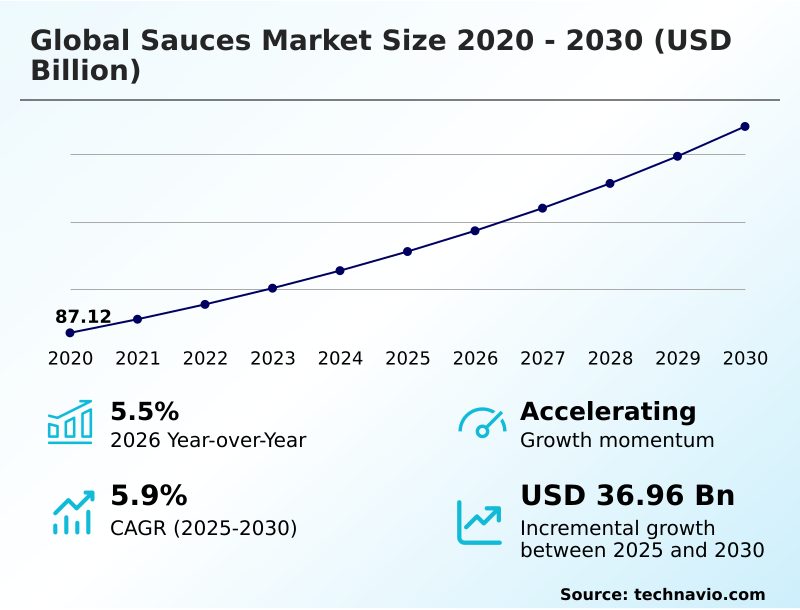
The sauces market size is valued to increase by USD 36.96 billion, at a CAGR of 5.9% from 2025 to 2030. Growing demand for ethnic cuisines will drive the sauces market.
Major Market Trends & Insights
- APAC dominated the market and accounted for a 38.7% growth during the forecast period.
- By Distribution Channel - Offline segment was valued at USD 81.66 billion in 2024
- By Product - Table sauces segment accounted for the largest market revenue share in 2024
Market Size & Forecast
- Market Opportunities: USD 60.97 billion
- Market Future Opportunities: USD 36.96 billion
- CAGR from 2025 to 2030 : 5.9%
Market Summary
- The sauces market is undergoing a significant transformation, driven by evolving consumer palates and a heightened focus on health and wellness. There is a discernible shift towards products with clean, transparent ingredient lists and a growing appetite for authentic, global flavors. This dynamic has spurred innovation across both table sauces, used for direct application, and culinary sauces, integral to the cooking process.
- Manufacturers are responding by launching products with low-sodium formulations and plant-based alternatives to meet specific dietary needs. For example, a mid-sized producer might leverage high-pressure processing to launch a line of fresh, preservative-free sauces, a move that requires precise supply chain optimization to manage a shorter shelf life while capturing a premium market segment.
- The rising popularity of home cooking has further bolstered demand for convenient, high-quality cooking sauces that enable consumers to replicate restaurant-style meals. Concurrently, sustainability has become a key consideration, influencing everything from ingredient sourcing to the adoption of recyclable packaging, forcing companies to balance cost, quality, and environmental responsibility.
What will be the Size of the Sauces Market during the forecast period?
Get Key Insights on Market Forecast (PDF) Get Free Sample
How is the Sauces Market Segmented?
The sauces industry research report provides comprehensive data (region-wise segment analysis), with forecasts and estimates in "USD million" for the period 2026-2030, as well as historical data from 2020-2024 for the following segments.
- Distribution channel
- Offline
- Online
- Product
- Table sauces
- Culinary sauces
- Others
- Packaging
- Bottles
- Jars
- Pouches
- Geography
- APAC
- China
- India
- Japan
- North America
- US
- Canada
- Mexico
- Europe
- Germany
- France
- UK
- South America
- Brazil
- Argentina
- Colombia
- Middle East and Africa
- Saudi Arabia
- South Africa
- UAE
- Rest of World (ROW)
- APAC
By Distribution Channel Insights
The offline segment is estimated to witness significant growth during the forecast period.
Market segmentation reflects a clear trend toward the premiumization of condiments, with consumers seeking gourmet sauce formulations. This includes a push for healthier options like low-sodium formulations and products with clean label ingredient decks.
Innovations in packaging technology, such as aseptic packaging technology and flexible packaging innovation, are critical for differentiation and providing extended shelf life technology. High-pressure processing is also being adopted to create fresher-tasting, preservative-free shelf-stable cooking sauces.
This focus on premium, healthy, and convenient options allows brands to achieve a price premium of up to 15% over conventional products while expanding their consumer base.
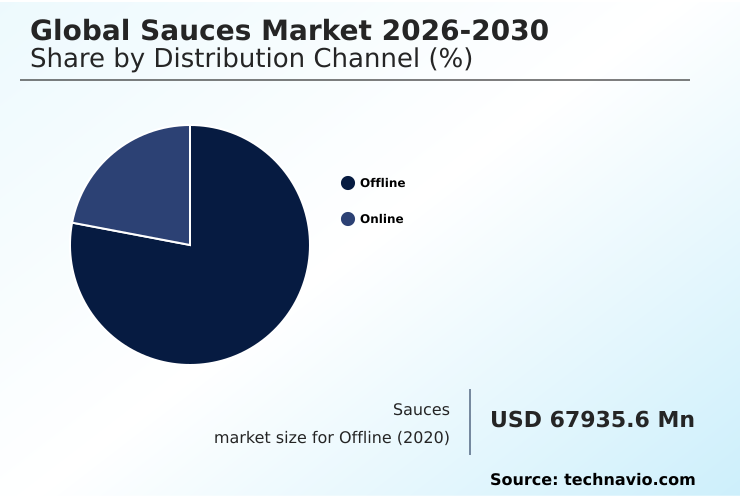
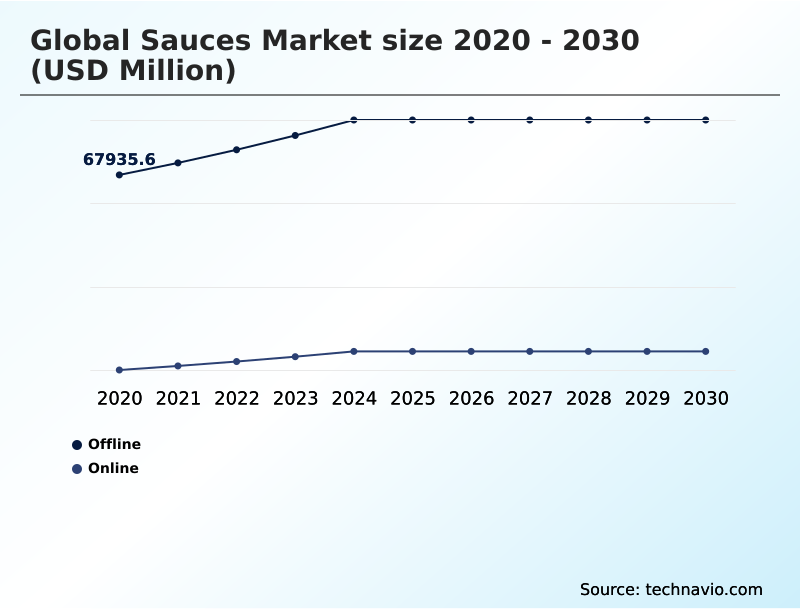
The Offline segment was valued at USD 81.66 billion in 2024 and showed a gradual increase during the forecast period.
Regional Analysis
APAC is estimated to contribute 38.7% to the growth of the global market during the forecast period.Technavio’s analysts have elaborately explained the regional trends and drivers that shape the market during the forecast period.
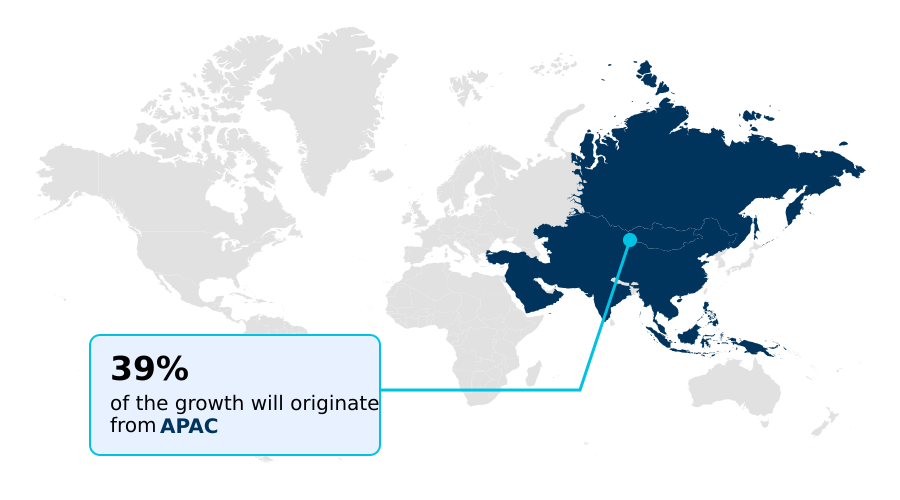
See How Sauces Market Demand is Rising in APAC Get Free Sample
The geographic landscape is characterized by diverse consumer taste preferences, driving demand for authentic regional flavors and necessitating localized product line extension strategies.
In Europe, the Nutri-Score labeling system is a key factor influencing formulations, while in North America, direct-to-consumer (D2C) sales via brand-owned e-commerce platforms are growing rapidly.
The foodservice distribution channel remains crucial globally, consuming vast quantities of products in specialized foodservice portion packs. Innovations in preservation, like hot-filling preservation, support global distribution, while a focus on sustainable ingredient sourcing appeals to environmentally conscious consumers.
The rise of D2C channels has enabled some brands to improve their margin by 38.7% by bypassing traditional retail intermediaries.
Market Dynamics
Our researchers analyzed the data with 2025 as the base year, along with the key drivers, trends, and challenges. A holistic analysis of drivers will help companies refine their marketing strategies to gain a competitive advantage.
- The trajectory of the sauces market is increasingly shaped by nuanced consumer demands and operational complexities. A core theme is the impact of ethnic cuisines on sauce innovation, which has diversified the market well beyond standard condiments, leading to a surge in demand for products that facilitate authentic culinary experiences at home.
- This intersects with the growth of private-label sauces in retail, where store brands are competing on both price and quality, often mirroring the consumer preference for clean-label sauce ingredients found in premium brands. In response, manufacturers are focusing on differentiation through advancements in sustainable sauce packaging solutions and navigating the persistent challenges of raw material costs for sauce manufacturers.
- The role of e-commerce in sauce market distribution cannot be overstated, as it provides a platform for both mass-market and niche products, including the expanding demand for plant-based and vegan sauce alternatives. This digital shift has also clarified the market, better differentiating table sauces from culinary sauces in the consumer's mind.
- For businesses, supply chain optimization for sauce production has become critical; firms adopting advanced inventory tracking have reported a reduction in spoilage by a margin that is 15% greater than competitors using legacy systems. This efficiency is vital when managing the premiumization trends in the global sauces market 2026-2030 and navigating food safety regulations for sauce export.
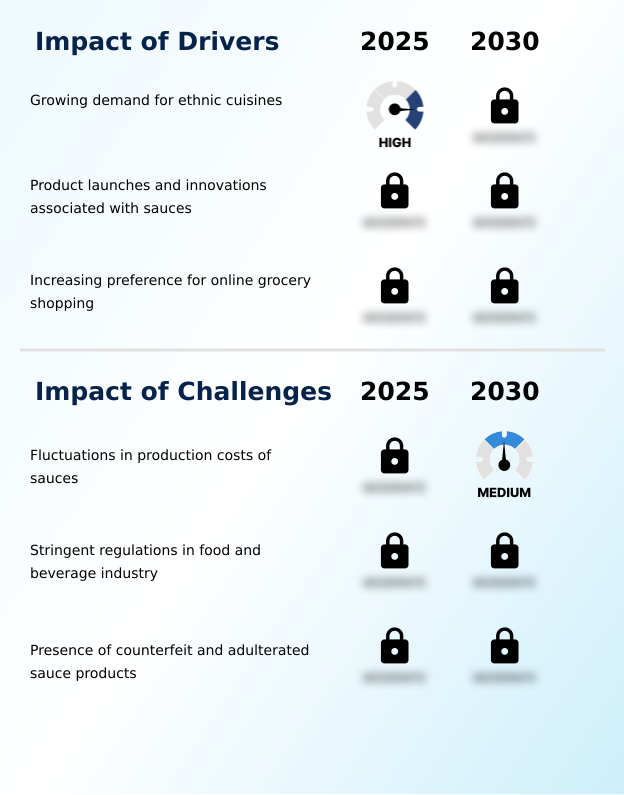
What are the key market drivers leading to the rise in the adoption of Sauces Industry?
- The growing consumer demand for ethnic cuisines and diverse flavor profiles is a key driver for market growth.
- The market is significantly driven by the demand for flavor personalization demand and convenience-driven food products.
- The snacking culture influence has expanded the use of table sauces beyond traditional meals, while the desire for restaurant-quality at home experiences boosts sales of complex culinary sauces.
- This has spurred the creation of globally inspired sauces with distinct ethnic flavor profiles, often packaged in a user-friendly squeezable bottle format for easy application. These home cooking meal solutions meet the needs of time-constrained consumers.
- Companies focusing on this trend have noted that products aligned with at-home premium dining see a 20% higher repeat purchase rate compared to standard offerings, validating the focus on experiential food products.
What are the market trends shaping the Sauces Industry?
- The increasing penetration of private-label brands is emerging as a significant market trend. These products are gaining market share by offering competitive pricing and innovative options.
- A prominent trend is the convergence of culinary fusion trends with health-conscious consumerism, driving demand for clean label sauces and plant-based sauces. This shift compels manufacturers to focus on organic sauce ingredients and pursue non-GMO certification. As a result, the market is seeing a rise in artisanal sauce production, with smaller players gaining traction.
- In parallel, the growth of premium private-label products is notable, with retailers offering gluten-free sauce options that rival established brands. This has led to innovations in packaging, where recyclable packaging solutions like mono-material pouches are becoming standard. Companies adopting these trends report a 15% faster product-to-market time for new launches and see an 18% improvement in consumer engagement metrics.
What challenges does the Sauces Industry face during its growth?
- Fluctuations in the production costs of sauces, driven by raw material price volatility, present a significant challenge to industry profitability.
- Navigating the market involves significant challenges, primarily stemming from raw material price volatility, which can compress margins by up to 12% in a single quarter. Adherence to stringent food safety regulations and evolving food and beverage industry standards necessitates robust ingredient traceability and supply chain transparency.
- A focus on sugar reduction initiatives and allergen-free sauce development further complicates formulation and production, requiring significant R&D investment. Moreover, supply chain consolidation introduces risks, while managing cold chain logistics for fresh products adds another layer of operational complexity.
- These factors collectively test the resilience and adaptability of manufacturers, where a failure to comply can result in product recalls that are 25% more costly than initial production runs.
Exclusive Technavio Analysis on Customer Landscape
The sauces market forecasting report includes the adoption lifecycle of the market, covering from the innovator’s stage to the laggard’s stage. It focuses on adoption rates in different regions based on penetration. Furthermore, the sauces market report also includes key purchase criteria and drivers of price sensitivity to help companies evaluate and develop their market growth analysis strategies.
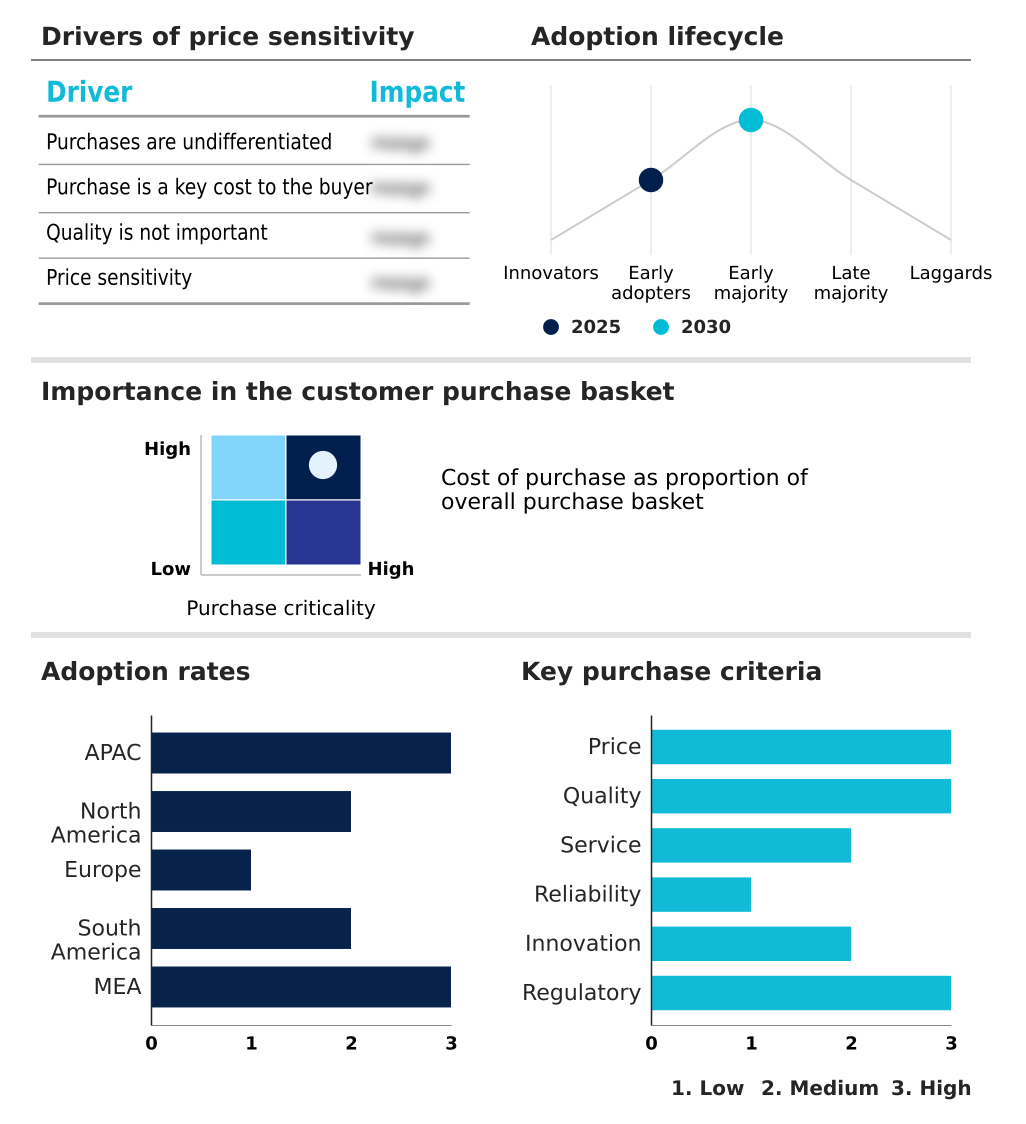
Customer Landscape of Sauces Industry
Competitive Landscape
Companies are implementing various strategies, such as strategic alliances, sauces market forecast, partnerships, mergers and acquisitions, geographical expansion, and product/service launches, to enhance their presence in the industry.
Campbell Soup Co. - Delivers a diverse sauce portfolio, including classic scampi, spicy Thai curry, and garlic honey mustard, emphasizing convenience and flavor variety in the cooking sauces segment.
The industry research and growth report includes detailed analyses of the competitive landscape of the market and information about key companies, including:
- Campbell Soup Co.
- Cargill Inc.
- Conagra Brands Inc.
- Concord Foods LLC
- Del Monte Foods Inc.
- General Mills Inc.
- Haven Row LLC
- Hidden Valley Ranch
- Hope food
- Hormel Foods Corp.
- Kens Foods Inc.
- Mars Inc.
- McCormick and Co. Inc.
- Nestle SA
- Newmans Own Inc.
- Northwest Gourmet Foods Inc.
- Otafuku Sauce Co Ltd
- The Kraft Heinz Co.
- Unilever PLC
- Yamasa Corp USA
Qualitative and quantitative analysis of companies has been conducted to help clients understand the wider business environment as well as the strengths and weaknesses of key industry players. Data is qualitatively analyzed to categorize companies as pure play, category-focused, industry-focused, and diversified; it is quantitatively analyzed to categorize companies as dominant, leading, strong, tentative, and weak.
Recent Development and News in Sauces market
- In February 2025, The Kraft Heinz Co. introduced three new globally inspired sauces, including Mexican Inspired Street Corn and Korean Inspired Sweet and Tangy BBQ, to meet consumer demand for authentic international flavors at home.
- In January 2025, PepsiCo completed its acquisition of Garza Food Ventures LLC, the owner of the Siete Foods brand, in a USD 1.2 billion deal to expand its portfolio of better-for-you, grain-free Mexican American food products, including various sauces.
- In February 2025, Loblaws announced a USD 2.2 billion investment plan, which includes the opening of 80 new stores and renovating others, to enhance its retail footprint and improve the in-store availability of diverse food products, including a wide range of sauces.
- In November 2024, Unilever PLC announced a major sustainability initiative for its sauce portfolio, committing to transition its entire line of mayonnaise and dressing bottles to 100% post-consumer recycled plastic by mid-2025 to meet circular economy goals.
Dive into Technavio’s robust research methodology, blending expert interviews, extensive data synthesis, and validated models for unparalleled Sauces Market insights. See full methodology.
| Market Scope | |
|---|---|
| Page number | 297 |
| Base year | 2025 |
| Historic period | 2020-2024 |
| Forecast period | 2026-2030 |
| Growth momentum & CAGR | Accelerate at a CAGR of 5.9% |
| Market growth 2026-2030 | USD 36956.1 million |
| Market structure | Fragmented |
| YoY growth 2025-2026(%) | 5.5% |
| Key countries | China, India, Japan, Thailand, Indonesia, Australia, US, Canada, Mexico, Germany, France, UK, Italy, Spain, The Netherlands, Brazil, Argentina, Colombia, Saudi Arabia, South Africa, UAE, Egypt and Turkey |
| Competitive landscape | Leading Companies, Market Positioning of Companies, Competitive Strategies, and Industry Risks |
Research Analyst Overview
- The sauces market's evolution is defined by a dynamic interplay between flavor innovation and technical advancement in production and packaging. Demand for ethnic flavor profiles and globally inspired sauces is compelling manufacturers to broaden their portfolios beyond traditional table sauces and culinary sauces. This requires sophisticated artisanal sauce production techniques and a focus on ingredient traceability to ensure quality.
- Health-conscious consumers are driving the adoption of low-sodium formulations and clean label sauces, while the rise of plant-based diets fuels development in this niche. In the boardroom, this translates to strategic decisions around the Nutri-Score labeling system in applicable regions, which can dictate product viability. To maintain freshness and safety, technologies like hot-filling preservation and high-pressure processing are becoming standard.
- Packaging is also a key battleground, with the squeezable bottle format offering convenience, and aseptic packaging technology ensuring product integrity. One manufacturer's pivot to a fully traceable supply chain reduced ingredient-related quality rejections by 30%, highlighting the operational importance of supply chain transparency.
- The market is also seeing growth in direct-to-consumer (D2C) sales, bypassing the traditional foodservice distribution channel and altering go-to-market strategies.
What are the Key Data Covered in this Sauces Market Research and Growth Report?
-
What is the expected growth of the Sauces Market between 2026 and 2030?
-
USD 36.96 billion, at a CAGR of 5.9%
-
-
What segmentation does the market report cover?
-
The report is segmented by Distribution Channel (Offline, and Online), Product (Table sauces, Culinary sauces, and Others), Packaging (Bottles, Jars, and Pouches) and Geography (APAC, North America, Europe, South America, Middle East and Africa)
-
-
Which regions are analyzed in the report?
-
APAC, North America, Europe, South America and Middle East and Africa
-
-
What are the key growth drivers and market challenges?
-
Growing demand for ethnic cuisines, Fluctuations in production costs of sauces
-
-
Who are the major players in the Sauces Market?
-
Campbell Soup Co., Cargill Inc., Conagra Brands Inc., Concord Foods LLC, Del Monte Foods Inc., General Mills Inc., Haven Row LLC, Hidden Valley Ranch, Hope food, Hormel Foods Corp., Kens Foods Inc., Mars Inc., McCormick and Co. Inc., Nestle SA, Newmans Own Inc., Northwest Gourmet Foods Inc., Otafuku Sauce Co Ltd, The Kraft Heinz Co., Unilever PLC and Yamasa Corp USA
-
Market Research Insights
- The market's dynamism is driven by a convergence of consumer trends, including a search for convenience-driven food products and a desire for flavor personalization. This is amplified by the snacking culture influence, which is expanding usage occasions.
- In response, manufacturers are creating home cooking meal solutions that deliver restaurant-quality at home experiences, supported by a significant product line extension into new flavor profiles. The shift has tangible business impacts; for instance, companies that have optimized their portfolios for at-home gourmet experiences have seen a 20% higher repeat purchase rate.
- Furthermore, the adoption of brand-owned e-commerce has allowed some brands to improve margins by over 38%, showcasing the financial benefits of adapting to modern consumer behaviors.
We can help! Our analysts can customize this sauces market research report to meet your requirements.
 RIA -
RIA - 
