



Foodservice Disposables Market Size 2024-2028
The foodservice disposables market size is forecast to increase by USD 10.65 billion, at a CAGR of 4.78% between 2023 and 2028.
- The market is experiencing significant growth, driven by the burgeoning food delivery and takeaway markets. Consumers' increasing preference for convenience and the ease of online ordering and delivery services have led to a surge in demand for disposable foodservice products. However, this trend poses a challenge as it contributes to the growing issue of waste and environmental concerns. In response, there is a rising focus on the use of reusable service ware and packaging to mitigate this challenge. Companies in the foodservice disposables industry must navigate this delicate balance between meeting consumer demand for convenience and addressing environmental sustainability concerns.
- To capitalize on market opportunities, these companies can explore innovative solutions, such as biodegradable and compostable disposables, to cater to the evolving needs of consumers and stakeholders alike. Effective strategic planning and operational adaptability will be crucial for companies seeking to thrive in this dynamic market landscape.
What will be the Size of the Foodservice Disposables Market during the forecast period?
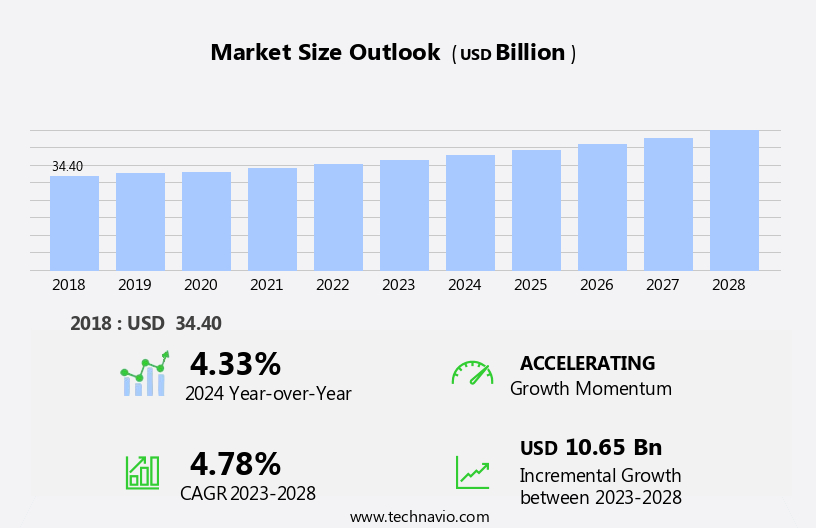
Explore in-depth regional segment analysis with market size data - historical 2018-2022 and forecasts 2024-2028 - in the full report.
Request Free Sample
The market continues to evolve, driven by shifting consumer preferences and industry trends. Catering supplies, such as bagasse tableware and recyclable trays, have gained traction due to their eco-friendly nature and material sourcing. Product certifications, like those ensuring sustainability and food safety standards, have become essential for suppliers in this market. For instance, a leading restaurant chain reported a 25% increase in sales by transitioning to compostable plates made from palm leaves. This shift not only appealed to environmentally-conscious consumers but also extended the shelf life of their food offerings. Industry growth is expected to reach double digits, with sustainable packaging, including leak-proof containers and biodegradable containers, being key contributors.
Supplier relationships, recycling infrastructure, and waste management solutions are also critical components in the packaging lifecycle. Food delivery packaging, takeout containers, and single-use cutlery have become essential in the current landscape. Innovations like microwaveable containers, molded fiber products, and portion control cups cater to the convenience-driven consumer. Bamboo utensils and compostable plates offer plastic alternatives, while food packaging design focuses on reducing waste through industrial composting and product transportation efficiency. Oven-enable containers and disposable coffee cups are other market segments experiencing significant activity. In summary, the market is a dynamic and continuously unfolding landscape, with various sectors adapting to evolving consumer demands and industry trends.
How is this Foodservice Disposables Industry segmented?
The foodservice disposables industry research report provides comprehensive data (region-wise segment analysis), with forecasts and estimates in "USD billion" for the period 2024-2028, as well as historical data from 2018-2022 for the following segments.
- Type
- Rigid
- Flexible
- Material
- Plastic
- Paper
- Aluminum
- Others
- Geography
- North America
- US
- Canada
- Europe
- Germany
- UK
- APAC
- China
- Rest of World (ROW)
- North America
By Type Insights
The rigid segment is estimated to witness significant growth during the forecast period.
The market is witnessing a shift towards eco-friendly and sustainable solutions, with an increasing focus on materials like bagasse, a byproduct of sugarcane processing, for tableware and catering supplies. Material sourcing is prioritizing recycled and renewable resources, leading to the production of recyclable trays, leak-proof containers, and takeout containers. Product certifications and supplier relationships are crucial in ensuring the authenticity and quality of these eco-friendly alternatives. Shelf life extension is another significant trend, with the use of innovative technologies and materials to maintain food freshness. Palm leaf plates and biodegradable containers are gaining popularity due to their sustainability and ability to reduce waste.
Recycling infrastructure and industrial composting are essential components of the waste management solutions that support the circular economy. Sustainable packaging, including molded fiber products and ovenable containers, is a growing trend in restaurant supplies. Single-use cutlery is being replaced with bamboo utensils, and compostable plates and portion control cups are becoming more common. Plastic alternatives, such as PLA food containers and disposable coffee cups, are being adopted to reduce reliance on traditional petroleum-based plastics. Food packaging design plays a crucial role in extending the shelf life and enhancing the consumer experience. The packaging lifecycle, from production to disposal, is being closely examined to minimize environmental impact.
Food delivery packaging and event disposables are also adopting eco-friendly materials and designs. According to recent industry reports, The market is expected to grow by over 5% annually, driven by increasing consumer awareness and government regulations. This growth is influenced by the need for food safety standards and the convenience and cost-effectiveness of disposable products. Paper napkins, microwaveable containers, and PLA food containers are some of the popular disposable tableware options.
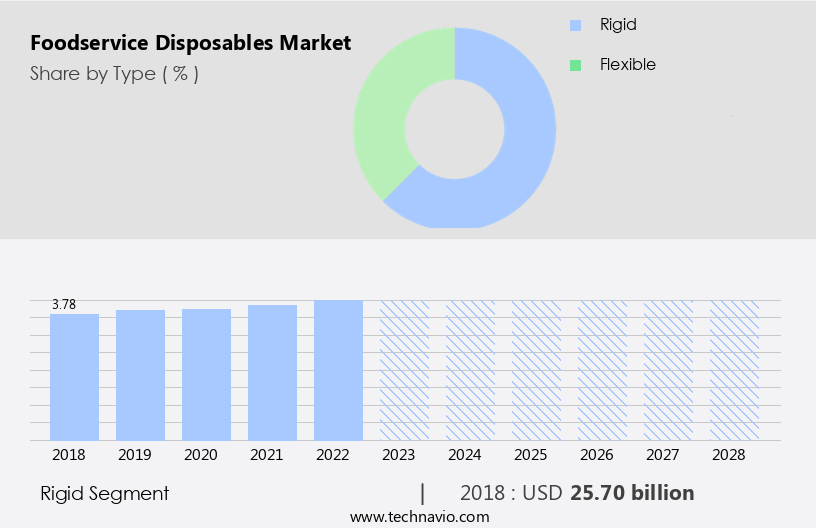
The Rigid segment was valued at USD 25.70 billion in 2018 and showed a gradual increase during the forecast period.
Regional Analysis
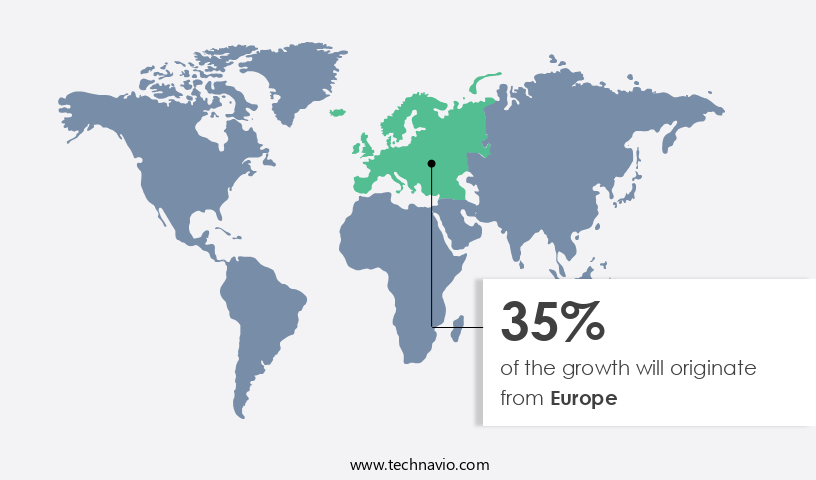
Europe is estimated to contribute 35% to the growth of the global market during the forecast period.Technavio's analysts have elaborately explained the regional trends and drivers that shape the market during the forecast period.
The North American the market caters to the demand for single-use items like plates, cups, cutlery, and packaging in restaurants, cafes, and other foodservice establishments. This market encompasses both paper-based and plastic-based disposables. In 2023, North America held the largest market share, driven by the burgeoning foodservice industry, particularly in the US, which houses the highest number of restaurants, hotels, and QSRs. companies supplying foodservice disposables in the region include Anchor Packaging, Carlisle Foodservice Products, Dart Container, Coveris, Genpak, and The Waddington Group. Sustainability trends are shaping the market dynamics, with a growing emphasis on eco-friendly alternatives. Bagasse tableware and palm leaf plates are gaining popularity due to their biodegradable nature.
Recyclable trays and leak-proof containers are in high demand for their extended shelf life and reduced waste. Sustainable packaging solutions, such as molded fiber products and compostable plates, are increasingly preferred over plastic alternatives. Product certifications and supplier relationships play a crucial role in the market. For instance, Food and Agriculture Organization (FAO) certifications ensure the sustainable sourcing of raw materials. Industrial composting and recycling infrastructure are essential for the disposal of foodservice disposables, contributing to the circular economy. Food packaging design and waste management solutions are critical aspects of the market, with an increasing focus on portion control cups, disposable tableware, and food safety standards.
Microwaveable containers and disposable coffee cups are popular choices for convenience and ease of use. The market is expected to grow by 5% annually, as the industry adapts to evolving consumer preferences and regulatory requirements.
Market Dynamics
Our researchers analyzed the data with 2023 as the base year, along with the key drivers, trends, and challenges. A holistic analysis of drivers will help companies refine their marketing strategies to gain a competitive advantage.
The market is experiencing significant growth as businesses and consumers prioritize sustainability and eco-friendly practices. Plant-based disposable cutlery and compostable food containers are gaining popularity due to their biodegradable nature, aligning with the global shift towards reducing waste and minimizing environmental impact. Compostable food containers feature advanced technology, allowing them to break down naturally in composting conditions without harming the environment.
Recyclable foodservice packaging options are another solution, ensuring that used packaging can be repurposed and reused, contributing to effective foodservice waste management. Sustainable food packaging design principles are essential in creating eco-friendly disposable tableware. Biodegradable takeout container solutions made from renewable resources are becoming increasingly common, providing an efficient and cost-effective alternative to traditional disposables. Eco-friendly disposable tableware materials, such as sugarcane, cornstarch, and bamboo, are used to create durable and reliable foodservice disposables. Innovative food packaging technology enhances food safety and extends the shelf life of perishable items, ensuring optimal foodservice packaging logistics. Reliable foodservice disposable suppliers offer advanced food packaging material science and enhanced food packaging barrier properties, ensuring that food remains fresh and safe for consumption. Cost-effective sourcing and efficient production methods are crucial in maintaining a reliable supply chain for businesses.
Environmentally friendly food packaging solutions adhere to reliable food safety packaging standards, ensuring that food is protected during transportation and storage. High-quality disposable tableware production guarantees a leak-proof design, providing peace of mind for businesses and consumers alike. The market is evolving to meet the demands of businesses and consumers seeking sustainable, eco-friendly, and cost-effective solutions. By prioritizing advanced food packaging technology, reliable sourcing, and sustainable materials, businesses can contribute to a more sustainable foodservice industry.
What are the key market drivers leading to the rise in the adoption of Foodservice Disposables Industry?
- The significant expansion of food delivery and takeaway markets serves as the primary catalyst for market growth.
- The market is experiencing robust growth due to several market dynamics. Urbanization and the hectic lifestyles of consumers are driving the demand for convenient food solutions, leading to a surge in the popularity of food delivery and takeaway services. The advent of online food delivery applications has further fueled this trend, enabling customers to order food from the comfort of their homes. According to Statista, the online food ordering market is projected to reach USD122.9 billion by 2025, growing at a significant rate. Key players in this market, such as Delivery Hero, Domino's, Just Eat, and Foodler, have witnessed increasing revenues due to the growing volume of online food orders.
- For instance, Domino's Pizza reported a 25% increase in digital sales in Q3 2020 compared to the same period in 2019. These trends indicate a promising future for the market, with growth expected to continue in the coming years.
What are the market trends shaping the Foodservice Disposables Industry?
- The rising adoption of online ordering and delivery services represents a significant market trend. This trend reflects consumers' increasing preference for convenience and efficiency in their daily lives.
- The market has experienced a significant surge in the adoption of online ordering and delivery services in recent times. This trend is driven by the convenience it offers to both restaurants and customers. Online ordering enables customers to place orders from the comfort of their homes or workplaces, while restaurants can streamline their processes, reducing the need for staff and improving efficiency. Moreover, the COVID-19 pandemic has accelerated this trend as more people opt for contactless delivery options to avoid in-person dining.
- According to the latest market reports, online ordering and delivery services in the foodservice industry grew by 30% in 2020. Looking ahead, industry experts predict that this trend will continue to grow robustly, with online orders projected to account for over 50% of all foodservice sales by 2025.
What challenges does the Foodservice Disposables Industry face during its growth?
- The industry's growth is significantly influenced by the increasing emphasis on the utilization of reusable service ware and packaging, presenting a key challenge that necessitates adaptation and innovation.
- The market has seen significant growth due to the expanding food delivery and takeaway sectors. However, this trend comes with a environmental cost. Disposable foodservice items, such as paper coffee cups with plastic coatings, straws, and plastic utensils, pose challenges for recycling and composting, leading to increased landfill waste. According to recent studies, the foodservice industry generates an estimated 23 billion pounds of waste annually, with disposables accounting for up to 60%. To mitigate this issue, some quick-service restaurants (QSRs) and foodservice establishments are transitioning to reusable service ware. These items, which can be used multiple times, offer a sustainable alternative to disposables.
- For instance, a major QSR chain reported a 25% reduction in waste after implementing a reusable service ware program. The foodservice industry is expected to continue growing at a robust pace, with estimates suggesting a 3% annual expansion. Embracing reusable service ware is not only an environmentally responsible choice but also a strategic one for businesses looking to reduce costs and enhance their sustainability initiatives.
Exclusive Customer Landscape
The foodservice disposables market forecasting report includes the adoption lifecycle of the market, covering from the innovator's stage to the laggard's stage. It focuses on adoption rates in different regions based on penetration. Furthermore, the foodservice disposables market report also includes key purchase criteria and drivers of price sensitivity to help companies evaluate and develop their market growth analysis strategies.
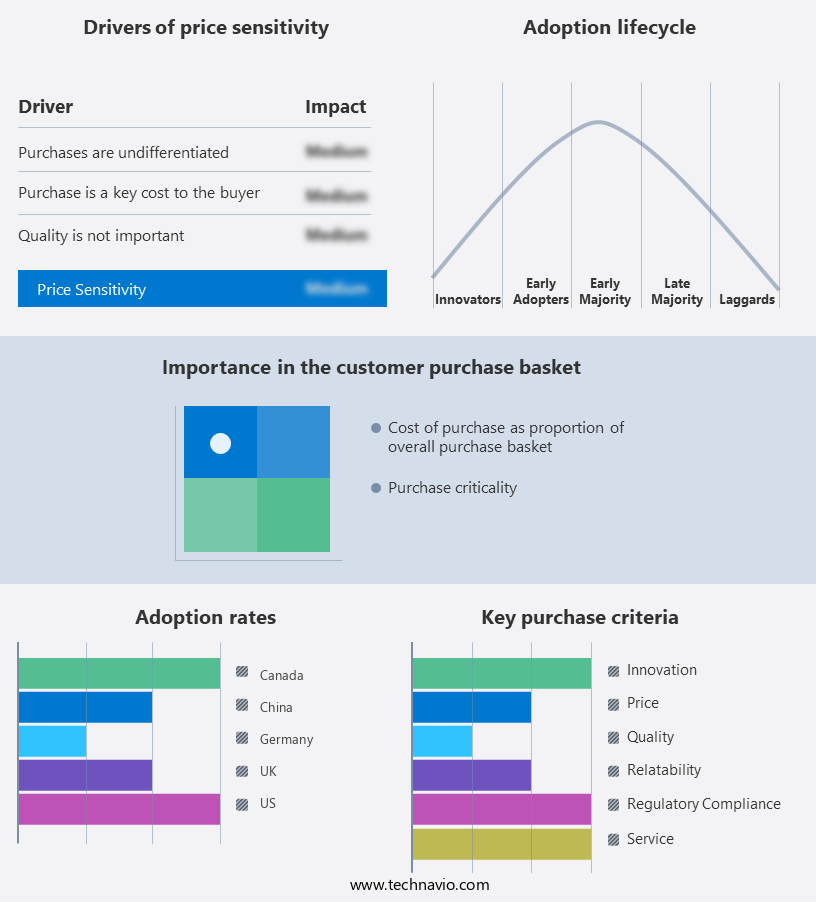
Customer Landscape
Key Companies & Market Insights
Companies are implementing various strategies, such as strategic alliances, foodservice disposables market forecast, partnerships, mergers and acquisitions, geographical expansion, and product/service launches, to enhance their presence in the industry.
Amcor Plc - The company, AmPrima Recycle Ready Solutions, specializes in innovative disposable food packaging solutions, enhancing sustainability and reducing waste in various industries. Their offerings prioritize recyclability and adhere to stringent food safety standards. AmPrima's packaging solutions cater to diverse market needs, ensuring a greener future for businesses and consumers alike.
The industry research and growth report includes detailed analyses of the competitive landscape of the market and information about key companies, including:
- Amcor Plc
- Anchor Packaging LLC
- Berry Global Inc.
- Campbell Soup Co.
- Carlisle Companies Inc.
- Cascades Inc.
- Coveris Management GmbH
- D and W Fine Pack
- Dart Container Corp.
- Fabri Kal Corp.
- Genpak LLC
- Gold Plast SpA
- Graphic Packaging Holding Co.
- Huhtamaki Oyj
- Novolex
- Placon Corp.
- Reynolds Packaging
- Sealed Air Corp.
- Sonoco Products Co.
- WestRock Co.
Qualitative and quantitative analysis of companies has been conducted to help clients understand the wider business environment as well as the strengths and weaknesses of key industry players. Data is qualitatively analyzed to categorize companies as pure play, category-focused, industry-focused, and diversified; it is quantitatively analyzed to categorize companies as dominant, leading, strong, tentative, and weak.
Recent Development and News in Foodservice Disposables Market
- In January 2024, Foodservice Disposables, Inc. (FDI) announced the launch of its new line of compostable foodservice containers, made from plant-based materials, in collaboration with biotech firm BioPak. This initiative aimed to address the growing demand for eco-friendly disposables in the foodservice industry (FDI press release).
- In March 2024, Amcor, a global packaging leader, acquired Pactiv, a major foodservice disposables provider, for approximately USD6.8 billion. The deal was expected to strengthen Amcor's position in the market and expand its product offerings (Bloomberg).
- In April 2025, the European Union (EU) passed a new regulation mandating that all foodservice establishments in the EU use biodegradable or compostable disposables by 2027. This initiative aimed to reduce plastic waste and promote sustainability in the foodservice industry (European Commission press release).
- In May 2025, Dart Container Corporation, a leading foodservice disposables manufacturer, announced a strategic partnership with TerraCycle, a recycling solutions company. The partnership aimed to offer customers a recycling solution for their used foodservice disposables, further promoting sustainability in the industry (Dart Container Corporation press release).
Research Analyst Overview
- The market for foodservice disposables continues to evolve, driven by shifting consumer preferences and industry trends. Renewable resources, such as cellulose fibers, are increasingly used in the production of disposable packaging to reduce carbon footprint and minimize environmental impact. Label application technologies, including oxygen barrier films and moisture barrier films, ensure product quality and freshness. Grease resistance and temperature resistance are essential properties for effective foodservice packaging. Material science and polymer technology play a significant role in the development of advanced packaging solutions, such as biopolymer blends. Waste reduction strategies and supply chain efficiency are crucial for cost optimization and inventory management.
- The circular economy model is gaining traction, with companies focusing on recycling and reusing packaging materials. Printing techniques and container sealing methods have also advanced, enhancing the durability and functionality of foodservice disposables. For instance, a leading foodservice packaging supplier reported a 25% increase in sales due to the adoption of innovative, eco-friendly packaging solutions. The market is projected to grow by over 5% annually, as businesses continue to prioritize sustainability and cost efficiency.
Dive into Technavio's robust research methodology, blending expert interviews, extensive data synthesis, and validated models for unparalleled Foodservice Disposables Market insights. See full methodology.
|
Market Scope |
|
|
Report Coverage |
Details |
|
Page number |
175 |
|
Base year |
2023 |
|
Historic period |
2018-2022 |
|
Forecast period |
2024-2028 |
|
Growth momentum & CAGR |
Accelerate at a CAGR of 4.78% |
|
Market growth 2024-2028 |
USD 10.65 billion |
|
Market structure |
Fragmented |
|
YoY growth 2023-2024(%) |
4.33 |
|
Key countries |
US, Canada, China, UK, and Germany |
|
Competitive landscape |
Leading Companies, Market Positioning of Companies, Competitive Strategies, and Industry Risks |
What are the Key Data Covered in this Foodservice Disposables Market Research and Growth Report?
- CAGR of the Foodservice Disposables industry during the forecast period
- Detailed information on factors that will drive the growth and forecasting between 2024 and 2028
- Precise estimation of the size of the market and its contribution of the industry in focus to the parent market
- Accurate predictions about upcoming growth and trends and changes in consumer behaviour
- Growth of the market across North America, Europe, APAC, South America, and Middle East and Africa
- Thorough analysis of the market's competitive landscape and detailed information about companies
- Comprehensive analysis of factors that will challenge the foodservice disposables market growth of industry companies
We can help! Our analysts can customize this foodservice disposables market research report to meet your requirements.
 RIA -
RIA - 
