
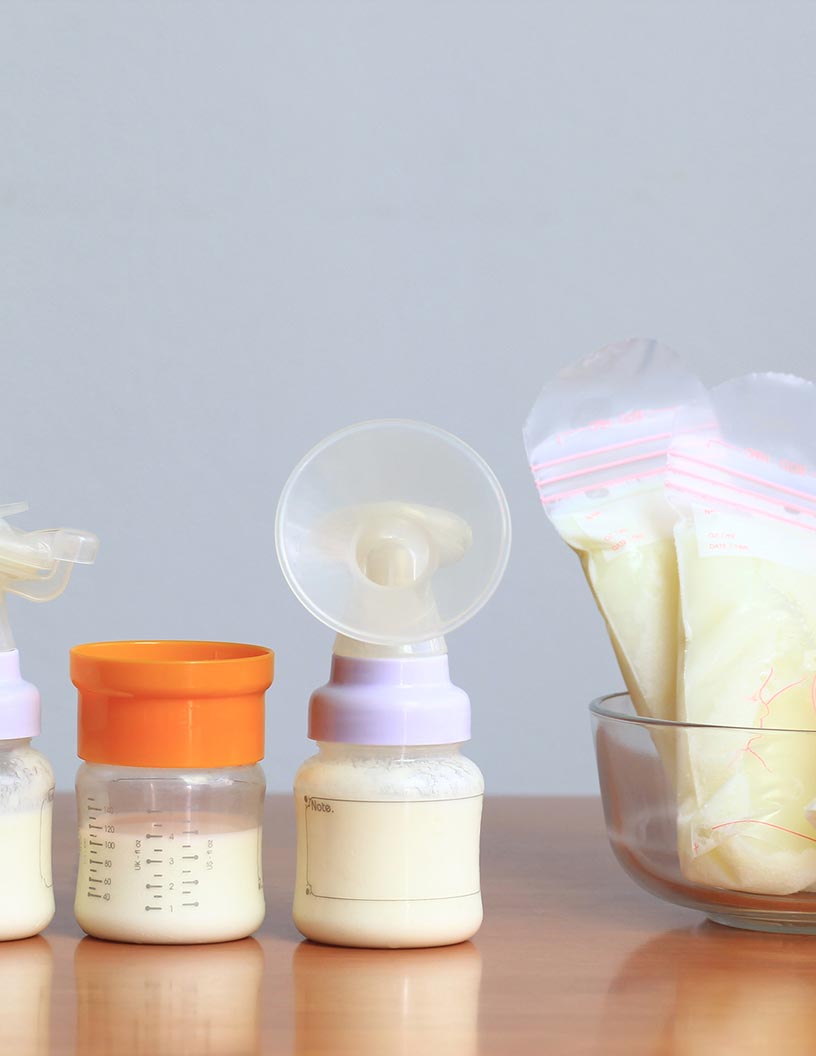


Frozen Baby Food Market Size 2024-2028
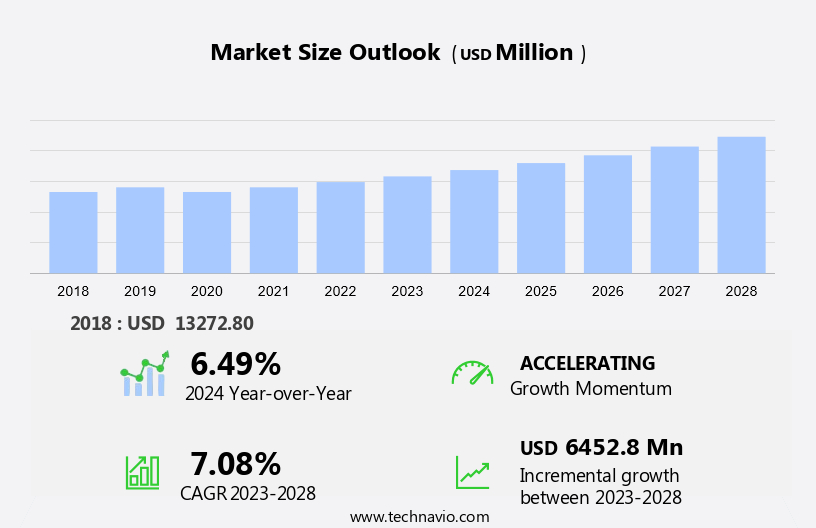
The frozen baby food market size is forecast to increase by USD 6.45 billion at a CAGR of 7.08% between 2023 and 2028.
- The market is experiencing significant growth due to several key factors. One major driver is the increasing number of working mothers who require convenient and nutritious meal options for their infants and toddlers. In response, companies have introduced innovative and sustainable packaging solutions for their frozen baby food products. However, the market also faces challenges in the areas of warehousing and distribution, as frozen food requires specialized handling and storage to maintain its quality. Key players in the market are investing in advanced logistics solutions to address these challenges and expand their reach. The market is expected to continue growing as more parents prioritize the health and well-being of their children.
What will the size of the market be during the forecast period?
- The market has witnessed significant growth in recent years, driven by the increasing population of infants and young children, as well as the expanding working women population. With the rise of urbanization and busy work schedules, the demand for convenient and nutritious food options for infants and young children has become increasingly important. Frozen baby food has emerged as a popular choice among parents due to its numerous benefits. These foods offer the same nutritional value as freshly prepared meals, as they are quickly frozen immediately after cooking to preserve the vitamins, minerals, and other essential nutrients. Moreover, frozen baby food is more cost-effective and has a longer shelf life compared to fresh food. The urban populace in the United States, particularly working mothers, have shown a preference for frozen baby food due to its convenience. These mothers often have limited time to prepare meals for their infants and young children, making frozen food an attractive option. Furthermore, the availability of organic frozen baby food has added to the appeal, as parents prioritize providing their children with healthy and wholesome meals. Retail stores have responded to this trend by expanding their offerings of frozen baby food.
- Frozen food manufacturers have also increased production to meet the growing demand. The market for frozen baby food is expected to continue growing, as more parents recognize the benefits of this convenient and nutritious food option. Parents, particularly working mothers, are increasingly seeking out frozen baby food as a solution to the challenges of balancing work and family life. Frozen baby food offers the convenience of quick preparation, the assurance of nutritional value, and the peace of mind that comes with having a reliable food source for their infants and young children. Frozen baby food has emerged as a popular choice due to its convenience, cost-effectiveness, longer shelf life, and nutritional value. Retail stores and frozen food manufacturers have responded to this trend, and the market for frozen baby food is expected to continue growing as more parents recognize its benefits.
How is this market segmented and which is the largest segment?
The market research report provides comprehensive data (region-wise segment analysis), with forecasts and estimates in "USD million" for the period 2024-2028, as well as historical data from 2018-2022 for the following segments.
- Product
- Frozen ready meals
- Frozen fruits and vegetables
- Frozen meat
- Others
- Geography
- Europe
- UK
- France
- APAC
- China
- India
- North America
- US
- Middle East and Africa
- South America
- Europe
By Product Insights
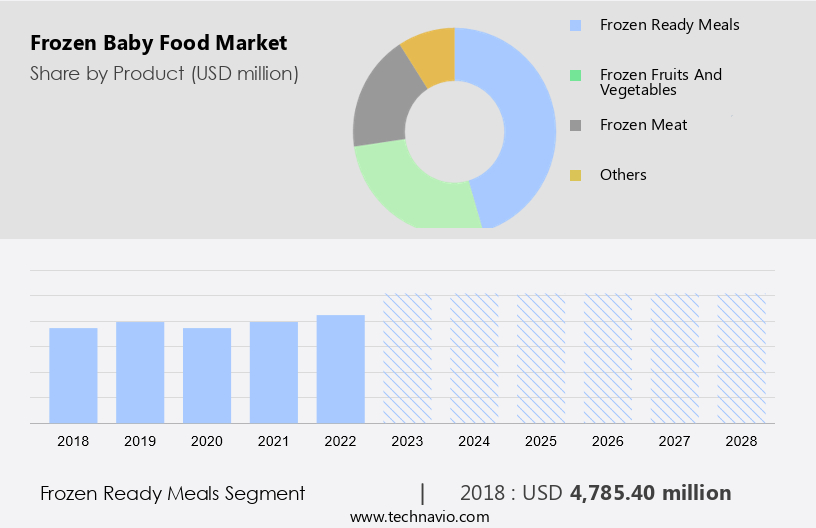
- The frozen ready meals segment is estimated to witness significant growth during the forecast period.
In the realm of baby food, frozen options have emerged as a viable alternative to fresh ready-made meals. These meals are prepared with high-quality, healthy ingredients and frozen to preserve their nutritional value. Unlike fresh food, which can lose nutrients when left on a store shelf for extended periods, frozen meals maintain their nutrient content until consumption.
Additionally, while these meals may be more expensive than fresh food, they offer the convenience of having nutritious meals readily available, even for ingredients that are not in season.
Get a glance at the market report of share of various segments Request Free Sample
The frozen ready meals segment was valued at USD 4.79 billion in 2018 and showed a gradual increase during the forecast period.
Regional Analysis
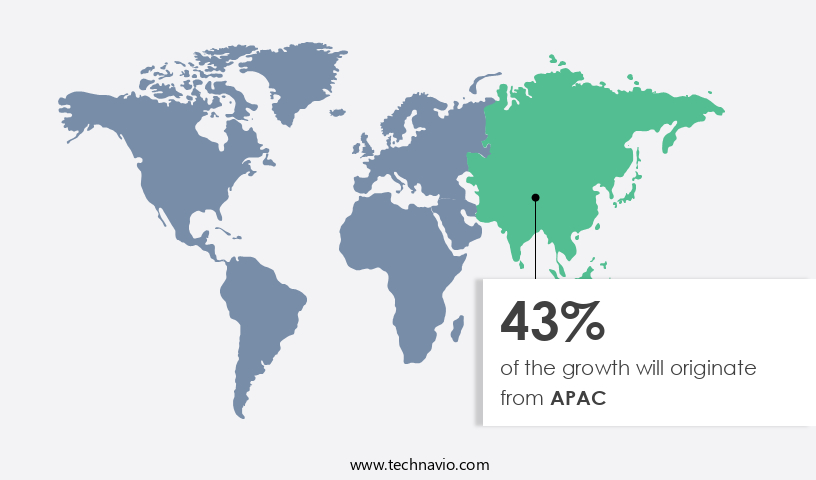
- APAC is estimated to contribute 43% to the growth of the global market during the forecast period.
Technavio's analysts have elaborately explained the regional trends and drivers that shape the market during the forecast period.
For more insights on the market share of various regions Request Free Sample
The European baby food market, specifically the frozen segment, is experiencing notable expansion due to the increasing preference for nutritious and convenient frozen baby food options among parents. France serves as a significant contributor to this market's growth in Europe. The region's population faces challenges in managing their work-life balance and preparing meals for their children. The growing awareness surrounding baby food and its benefits has led to an uptick in demand. Furthermore, the increasing number of working women in Europe is fueling the market's growth. As more women join the workforce with busy schedules, the need for ready-made, frozen baby food solutions is anticipated to escalate during the forecast period. This trend is expected to continue as parents prioritize their children's health and well-being, even with the demands of their professional commitments. The market in Europe presents numerous opportunities for companies to offer personalized options catering to the unique dietary needs of infants and toddlers, leveraging technology to streamline production and distribution processes.
Market Dynamics
Our researchers analyzed the data with 2023 as the base year, along with the key drivers, trends, and challenges. A holistic analysis of drivers will help companies refine their marketing strategies to gain a competitive advantage.
What are the key market drivers leading to the rise in adoption of Frozen Baby Food Market?
The rise in working women population is the key driver of the market.
- The rise in the number of working women in the urban populace has led to a significant increase in demand for convenient and nutritious meal options for infants. Frozen baby food has emerged as a popular choice due to its ability to offer health benefits and convenience for busy working mothers. The growing middle-class population and urbanization have contributed to the adoption of convenience-oriented lifestyles, making frozen baby food a preferred choice for many parents. Working mothers, who often return to work soon after giving birth, are in search of easy and nutritious meal options for their infants. Frozen baby food manufacturers have responded to this trend by offering a wide range of products catering to various dietary requirements, such as organic, lactose-free, and allergy-friendly options.
- Consumers are increasingly prioritizing the health and nutrition of their infants and young children, leading to a growing market for frozen baby food. Artificial intelligence (AI) is employed to analyze consumer data and identify trends in dietary requirements, such as lactose intolerance and allergies. The market presents significant investment opportunities, with qualitative trends, such as personalized options and technology, driving growth. Quantitative analysis indicates that the market is expected to grow at a steady pace in the coming years, with competitive outlooks from various players.
What are the market trends shaping the Frozen Baby Food Market?
The introduction of innovative and sustainable packaging by leading vendors is the upcoming trend in the market.
- The market is driven by the urban populace and working women population, who prioritize convenience and nutrition for their infants and young children. Consumers increasingly seek out personalized options to cater to their infants' dietary requirements, such as lactose intolerance and allergies. Frozen food manufacturers respond by offering organic baby food, free from synthetic pesticides, hormones, and genetically modified ingredients. Business practices in the market include investment in technology, data analytics, and AI to understand consumer preferences and optimize product offerings. Market opportunities lie in catering to the growing infant population and the increasing number of working mothers with busy work schedules.
- Packaging innovations, such as advanced and eco-friendly solutions, help increase the shelf life and durability of frozen baby food products. Geographies with high urbanization and increasing incomes present significant market opportunities for frozen baby food companies. Child health and nutrition remain key concerns for parents, making the market a lucrative business venture. Distribution channels, including retail stores and online platforms, play a crucial role in reaching consumers and expanding market reach.
What challenges does Frozen Baby Food Market face during the growth?
Warehousing and distribution challenges of frozen baby food is a key challenge affecting the market growth.
- The market caters to the nutritional needs of infants and young children, particularly among the urban populace and working women. Consumers prefer these convenient options due to their busy work schedules and the need for personalized, technology-driven solutions. Frozen food manufacturers prioritize the production of healthy foods rich in vitamins and minerals, catering to dietary requirements such as lactose intolerance and allergies. However, maintaining the correct temperature and humidity in cold storage facilities is crucial for the preservation of frozen baby food products' quality.
- Failure to do so may lead to spoilage. Business practices, geographies, and market opportunities are subject to quantitative analysis and qualitative trends. The competitive outlook includes investment pockets in the infant population and young children's health and nutrition. Consumer preferences for organic and synthetic pesticide-free, hormone-free, and genetically modified ingredient-free baby food continue to influence the market. Distribution channels and child health are essential factors in the business landscape.
Exclusive Customer Landscape
The market forecasting report includes the adoption lifecycle of the market, covering from the innovator's stage to the laggard's stage. It focuses on adoption rates in different regions based on penetration. Furthermore, the market report also includes key purchase criteria and drivers of price sensitivity to help companies evaluate and develop their market growth analysis strategies.
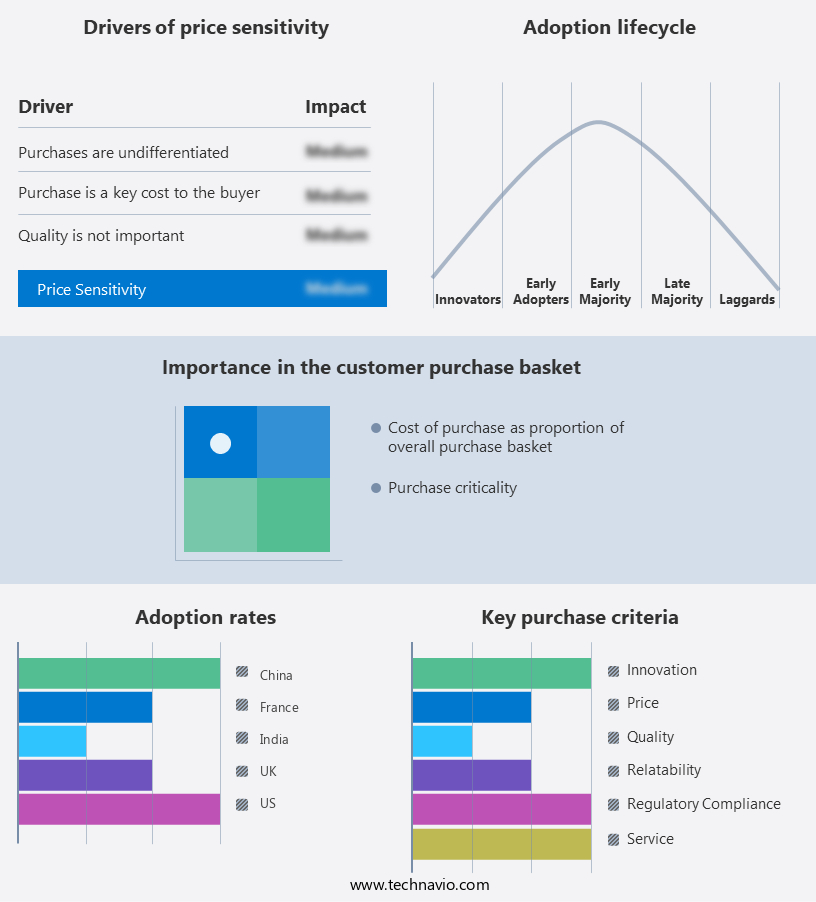
Customer Landscape
Key Companies & Market Insights
Companies are implementing various strategies, such as strategic alliances, market forecast , partnerships, mergers and acquisitions, geographical expansion, and product/service launches, to enhance their presence in the market. The market research and growth report includes detailed analyses of the competitive landscape of the market and information about key companies, including:
- Annabel Karmel Group Holdings Ltd.
- Bambinos Baby Food
- Bouchee
- Danone SA
- Dr. Praegers Sensible Foods Inc
- Little Foodie Club LLC
- Mamamade Foods Ltd.
- Monsoon Agro Bio Ltd.
- Nascens Enterprises Pvt. Ltd.
- Nestle SA
- Organic Keedz
- Poppets Baby Food
- Square Foods LLC
- Sun Maid Growers of California
- The Hain Celestial Group Inc.
- Upon A Farm PBC
- YUM Baby
Qualitative and quantitative analysis of companies has been conducted to help clients understand the wider business environment as well as the strengths and weaknesses of key market players. Data is qualitatively analyzed to categorize companies as pure play, category-focused, industry-focused, and diversified; it is quantitatively analyzed to categorize companies as dominant, leading, strong, tentative, and weak.
Research Analyst Overview
The baby food market caters to the nutritional needs of infants and young children. With the increasing urban populace and working women population, the demand for convenient and healthy food options for infants has risen. Consumers prefer frozen baby foods due to their long shelf life and retention of essential nutrients such as vitamins and minerals. Frozen food manufacturers have capitalized on this trend, offering organic and natural options free from synthetic pesticides, hormones, and genetically modified ingredients. Parents, especially working mothers with busy work schedules, find personalized options and technology-driven solutions, such as data analytics and AI, increasingly attractive. Furthermore, the infant population's dietary requirements, including those with lactose intolerance and allergies, have also influenced market opportunities.
Additionally, large format retail stores are increasingly offering organic food options for infants, catering to the growing demand from parents who prioritize breast milk but also seek high-quality formula alternatives for their babies, reflecting a shift towards healthier and more natural choices for the infant population. Geographies with high urbanization and increasing incomes have shown significant growth potential. Business practices and investment pockets continue to shape the competitive outlook of the baby food market. Qualitative trends, such as consumer preferences for organic and natural baby food, and quantitative analysis of market data, are essential for understanding the baby food market's dynamics. Child health and nutrition remain the primary focus, with distribution channels playing a crucial role in reaching consumers effectively.
|
Market Scope |
|
|
Report Coverage |
Details |
|
Page number |
138 |
|
Base year |
2023 |
|
Historic period |
2018-2022 |
|
Forecast period |
2024-2028 |
|
Growth momentum & CAGR |
Accelerate at a CAGR of 7.08% |
|
Market growth 2024-2028 |
USD 6.45 billion |
|
Market structure |
Fragmented |
|
YoY growth 2023-2024(%) |
6.49 |
|
Key countries |
US, France, UK, China, and India |
|
Competitive landscape |
Leading Companies, Market Positioning of Companies, Competitive Strategies, and Industry Risks |
What are the Key Data Covered in this Market Research and Growth Report?
- CAGR of the market during the forecast period
- Detailed information on factors that will drive the market growth and forecasting between 2024 and 2028
- Precise estimation of the size of the market and its contribution of the market in focus to the parent market
- Accurate predictions about upcoming market growth and trends and changes in consumer behaviour
- Growth of the market across Europe, APAC, North America, Middle East and Africa, and South America
- Thorough analysis of the market's competitive landscape and detailed information about companies
- Comprehensive analysis of factors that will challenge the growth of market companies
We can help! Our analysts can customize this market research report to meet your requirements. Get in touch
 RIA -
RIA - 
