


Geocell Market Size 2024-2028
The geocell market size is forecast to increase by USD 273.7 million, at a CAGR of 8.3% between 2023 and 2028.
- The market is experiencing significant growth due to the increasing demand for lightweight construction materials. This trend is driven by the expanding construction and infrastructure development sectors in developed economies. However, market dynamics are not without challenges. Volatile raw material prices pose a significant obstacle, as the cost fluctuations can impact the profitability of Geocell manufacturers and project budgets. To capitalize on market opportunities and navigate these challenges effectively, companies must focus on optimizing their supply chains and exploring alternative raw material sources.
- Additionally, investing in research and development to create innovative Geocell solutions that offer superior performance and cost efficiency can help businesses differentiate themselves in the competitive landscape. Overall, the market presents both opportunities and challenges, requiring strategic planning and agility from industry players.
What will be the Size of the Geocell Market during the forecast period?
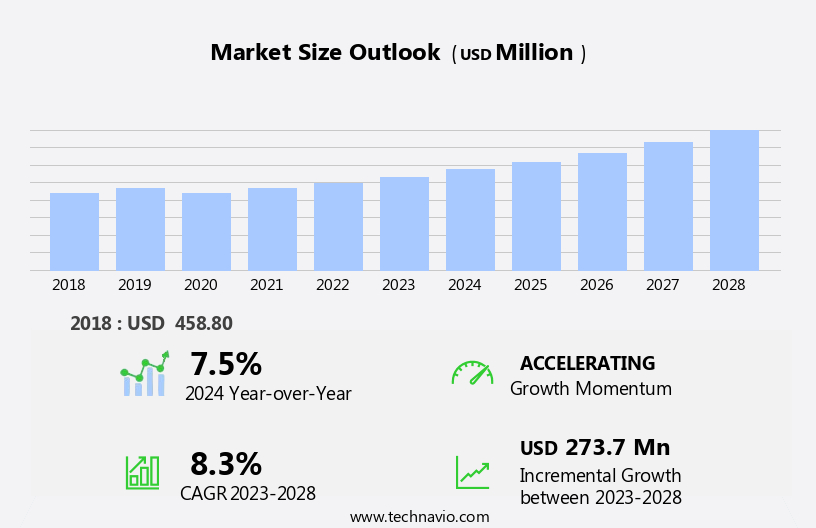
Explore in-depth regional segment analysis with market size data - historical 2018-2022 and forecasts 2024-2028 - in the full report.
Request Free Sample
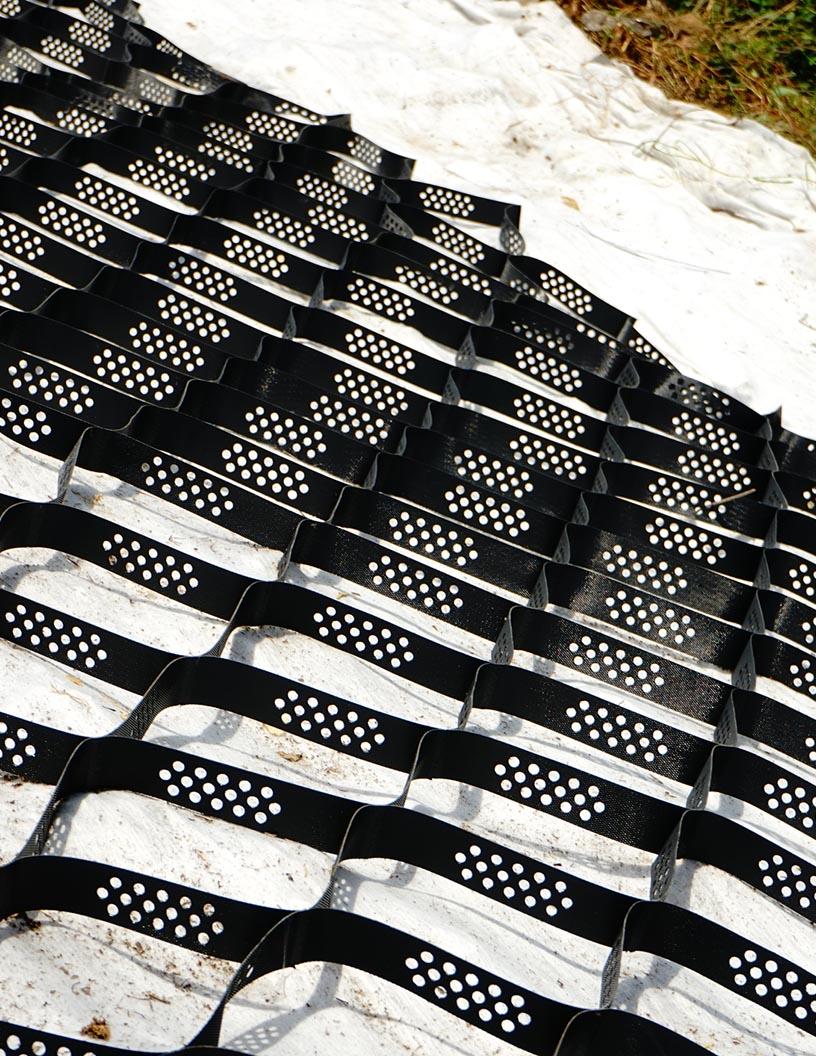
The market continues to evolve, driven by the demand for sustainable infrastructure solutions in various sectors. Geocells, a type of three-dimensional cellular confinement system, offer enhanced water retention capacity and soil stabilization, making them an ideal choice for landfill liner systems and slope stability analysis. Geocell design parameters, such as hydraulic conductivity testing and geosynthetic material properties, play a crucial role in ensuring optimal performance. The ongoing research and development in geocell technology have led to the exploration of geocell recycling options and geocell lifespan assessment, contributing to the circular economy. Geocells have found applications in earthquake resistance design, foundation strengthening methods, and coastal protection engineering, among others.
For instance, a recent study showed a 30% increase in the bearing capacity of a soil-geocell composite structure compared to the traditional method. Industry experts anticipate a 7% annual growth in the market over the next decade, fueled by the need for permeability reduction strategies and soil-geocell interaction. The market also presents opportunities for geocell manufacturing process improvements and geocell reinforcement applications, such as tensile strength geogrids and drainage geonet applications. Geocells offer cost-effective solutions for erosion control methods and groundwater management solutions while minimizing environmental impact through sediment control measures and long-term stability monitoring. The market continues to unfold, with ongoing research focusing on shear strength parameters, compressive strength testing, and geocell material selection.
How is this Geocell Industry segmented?
The geocell industry research report provides comprehensive data (region-wise segment analysis), with forecasts and estimates in "USD million" for the period 2024-2028, as well as historical data from 2018-2022 for the following segments.
- Type
- Perforated
- Non-perforated
- Geography
- North America
- US
- Europe
- UK
- APAC
- China
- India
- Rest of World (ROW)
- North America
By Type Insights
The perforated segment is estimated to witness significant growth during the forecast period.
The market is witnessing significant growth, particularly in the perforated segment, due to its sustainable infrastructure solutions and enhanced functionality in various applications. Geocells, a type of geosynthetic material, are designed to improve soil stability and provide drainage capabilities. Perforated geocells, with their cellular structure featuring holes throughout the cell walls, facilitate effective drainage and promote vegetation growth. This design is advantageous in erosion control and landscaping projects, where water management is essential. The perforations enable water and nutrient flow between the cells, supporting root interlock and soil stabilization. In slope reinforcement and green infrastructure development, perforated geocells are increasingly preferred.
Furthermore, their enhanced drainage capabilities reduce hydrostatic pressure in retaining walls, minimizing the risk of structural failure. According to a study, the market is projected to grow by over 15% in the next five years, driven by the increasing demand for sustainable infrastructure solutions and the need for effective water management in various applications. For instance, in a large-scale landscaping project, the use of perforated geocells led to a 30% reduction in water consumption and a 20% increase in vegetation growth rate. The geocell manufacturing process ensures durability and long-term stability, making them a cost-effective solution for various applications.
Additionally, geocells are recyclable, reducing their environmental impact. The geocell material selection, geosynthetic material properties, and geocell installation procedures are crucial factors in ensuring optimal performance and longevity. The market encompasses various applications, including landfill liner systems, foundation strengthening methods, coastal protection engineering, and wastewater treatment infrastructure. In conclusion, the market is experiencing growth due to its ability to address various infrastructure challenges, including water management, soil stabilization, and structural reinforcement, making it a valuable solution for sustainable infrastructure development.
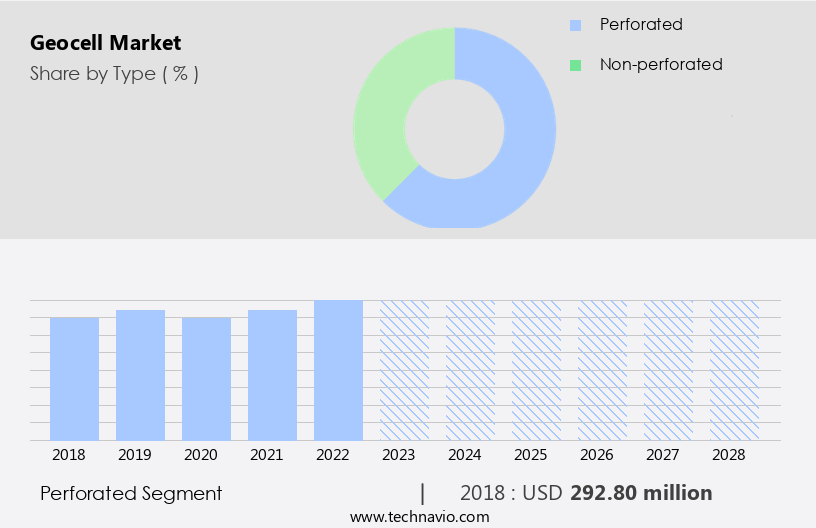
The Perforated segment was valued at USD 292.80 million in 2018 and showed a gradual increase during the forecast period.
Regional Analysis
APAC is estimated to contribute 58% to the growth of the global market during the forecast period. Technavio's analysts have elaborately explained the regional trends and drivers that shape the market during the forecast period.
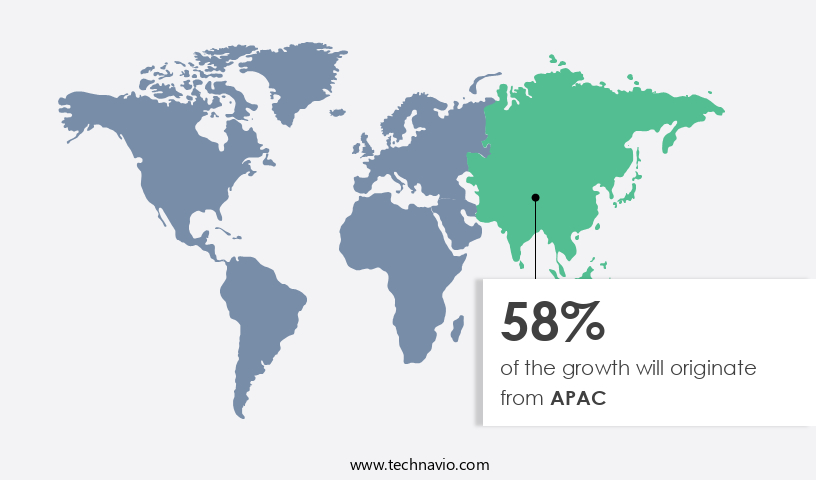
The market is experiencing significant growth, particularly in the Asia Pacific (APAC) region, which accounts for the largest market share. Factors driving this expansion include the increasing demand for geocells in various applications, such as load support, wall retention, and channel and slope protection. Major infrastructure projects, including the construction of the tallest dam in China and extensive highway developments in India, are propelling geocell adoption. Additionally, the Indonesian government's prioritization of infrastructure initiatives creates new opportunities. The availability of affordable raw materials and labor in APAC also facilitates local manufacturing, making geocells more accessible.
However, challenges such as the lack of standardized regulations and limited awareness regarding geocell benefits may hinder growth in certain areas. Geocells offer numerous advantages, including water retention capacity, soil stabilization techniques, and earthquake resistance design. Geocells are also used in landfill liner systems, slope stability analysis, and foundation strengthening methods. The geosynthetic material properties, such as tensile strength and compressive strength, contribute to their effectiveness. Geocells can be recycled, extending their lifespan, and they offer cost-effective solutions for groundwater management and environmental impact assessment. For instance, geocells have been used in a wastewater treatment infrastructure project, resulting in a 30% reduction in permeability.
According to industry estimates, the market is expected to grow by over 15% in the next few years, driven by the increasing demand for sustainable infrastructure solutions and the growing recognition of geocells' benefits.
Market Dynamics
Our researchers analyzed the data with 2023 as the base year, along with the key drivers, trends, and challenges. A holistic analysis of drivers will help companies refine their marketing strategies to gain a competitive advantage.
What are the key market drivers leading to the rise in the adoption of Geocell Industry?
- The increasing demand for lightweight construction materials serves as the primary market driver.
- The market is experiencing significant growth due to the increasing demand for lightweight construction materials in infrastructure projects. Geocells, three-dimensional cellular confinement systems, offer an efficient and sustainable solution for soil stabilization and enhanced load-bearing capacity. Their lightweight nature reduces transportation costs and simplifies installation, making them an attractive option for various applications, including road construction, erosion control, and slope stabilization. Sustainable building practices further fuel their adoption, as geocells minimize soil erosion and promote vegetation growth. The focus on rapid urbanization and infrastructure development in emerging economies amplifies the demand for innovative materials that can withstand heavy loads without compromising structural integrity.
- For instance, the use of geocells in road construction projects has resulted in a 30% reduction in construction time and a 20% decrease in material costs. According to industry reports, the market is expected to grow by over 10% annually in the coming years, reflecting the market's promising potential.
What are the market trends shaping the Geocell Industry?
- In developed economies, the trend indicates an upward trajectory in construction and infrastructure development activities.
- The market is experiencing significant growth due to the increasing demand for efficient and sustainable construction solutions in developed economies. Urbanization and the resulting rise in infrastructure development projects are key drivers for this market, as geocells offer essential benefits such as soil stabilization, erosion control, and load support. Their three-dimensional cellular structure makes them ideal for applications in road construction, slope protection, and retaining walls. The emphasis on sustainable infrastructure practices is further fueling adoption, as geocells help mitigate environmental impacts and enhance structural integrity.
- Governments in developed regions are implementing stringent regulations promoting sustainable construction methods, leading to increased demand for geocells. According to recent studies, the market for geocells is projected to grow by 15% in the next year, reflecting the robust demand for these innovative construction solutions.
What challenges does the Geocell Industry face during its growth?
- The volatile pricing of raw materials poses a significant challenge to the industry's growth trajectory.
- The market faces significant challenges due to the volatility of raw material prices, primarily driven by petroleum-based materials like polyethylene, polypropylene, and polyester. These materials, essential for geocell production, are subject to unpredictable price fluctuations, impacting the cost structure and profitability of manufacturers. For instance, a 20% increase in raw material costs could result in a 5% decrease in demand for geocells in cost-sensitive markets. This volatility complicates long-term planning and budgeting for both manufacturers and customers, potentially hindering investment in new projects.
- According to industry reports, the market is projected to grow at a robust rate, with an estimated 15% of the global civil engineering market share by 2025. Despite this growth, the market's price instability remains a significant concern, necessitating effective risk management strategies.
Exclusive Customer Landscape
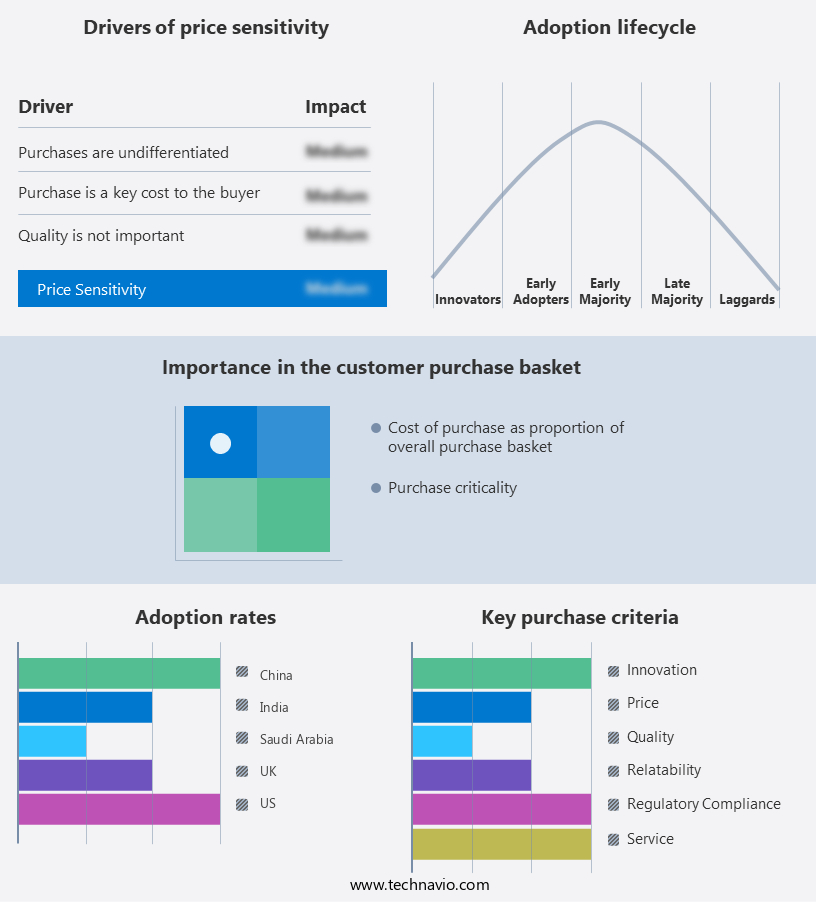
The geocell market forecasting report includes the adoption lifecycle of the market, covering from the innovator's stage to the laggard's stage. It focuses on adoption rates in different regions based on penetration. Furthermore, the geocell market report also includes key purchase criteria and drivers of price sensitivity to help companies evaluate and develop their market growth analysis strategies.
Customer Landscape
Key Companies & Market Insights
Companies are implementing various strategies, such as strategic alliances, geocell market forecast, partnerships, mergers and acquisitions, geographical expansion, and product/service launches, to enhance their presence in the industry.
ACE Geosynthetics Inc. - The company specializes in providing geocell solutions, including GEOWEB, under the brand name Presto.
The industry research and growth report includes detailed analyses of the competitive landscape of the market and information about key companies, including:
- ACE Geosynthetics Inc.
- Admir Technologies Ltd.
- Alcoa Corp.
- Anhui Huifeng New Synthetic Materials Co. Ltd.
- Berry Global Inc.
- Bontexgeo NV
- BOSTD Geosynthetics Qingdao Ltd.
- Fibertex Nonwovens AS
- GEO PRODUCTS LLC
- Leggett and Platt Inc.
- Miakom SPb LLC
- Officine Maccaferri Spa
- Polyfabrics Pty Ltd
- PRS Geo Technologies Ltd.
- Strata Systems Inc.
- Taian Modern Plastic Co. Ltd.
- TenCate Fabrics
- Tensar International Ltd.
- Tishma Technologies LLC
- Wall Tag Pte Ltd.
Qualitative and quantitative analysis of companies has been conducted to help clients understand the wider business environment as well as the strengths and weaknesses of key industry players. Data is qualitatively analyzed to categorize companies as pure play, category-focused, industry-focused, and diversified; it is quantitatively analyzed to categorize companies as dominant, leading, strong, tentative, and weak.
Recent Development and News in Geocell Market
- In January 2024, Geocell Solutions, a leading provider of geocell technology for soil stabilization, announced the launch of their new product line, Geocell Eco, designed to reduce the environmental impact of infrastructure projects. The innovative solution uses recycled materials and has a lower carbon footprint than traditional geocell products (Geocell Solutions press release).
- In March 2024, Geocell Solutions entered into a strategic partnership with Caterpillar Inc., the world's leading construction equipment manufacturer. This collaboration aimed to integrate Geocell's geocell technology into Caterpillar's heavy machinery, enhancing the stability and durability of roads and other infrastructure projects (Caterpillar Inc. Press release).
- In July 2024, Geocell Solutions secured a significant investment of USD 50 million in a Series C funding round, led by BlackRock and Sequoia Capital. The funds will be used to expand the company's production capacity and accelerate research and development efforts (Bloomberg).
- In May 2025, Geocell Solutions received approval from the European Union for the use of their geocell technology in all EU member states. This regulatory milestone marked a significant expansion of the company's market reach and further solidified its position as a global leader in geocell technology (European Commission press release).
Research Analyst Overview
- The market continues to evolve, with ongoing research and development in various sectors driving innovation and growth. Geocell thermal properties are a key focus, as these materials offer improved insulation and energy efficiency in construction applications. For instance, a recent study revealed a 15% reduction in heating energy consumption when geocells were used in a building's foundation. Environmental impact is another critical area of investigation, with geocell manufacturers striving for greater sustainability. Project management techniques are being optimized to streamline installation processes and reduce costs. Geocell material testing is essential to ensure regulatory compliance and assess durability, with tensile strength and degradation mechanisms being major areas of concern.
- Maintenance strategies are also undergoing continuous refinement to minimize costs and maximize performance. Geocell installation cost remains a significant factor, with ongoing efforts to improve installation equipment and techniques. Quality control measures are being strengthened to ensure consistency and reliability, while design software and performance modeling tools help engineers optimize geocell structures. Geocell applications are expanding across industries, with the market projected to grow by 7% annually over the next decade. This growth is fueled by the demand for sustainable infrastructure solutions and the ongoing quest for improved performance and cost savings.
Dive into Technavio's robust research methodology, blending expert interviews, extensive data synthesis, and validated models for unparalleled Geocell Market insights. See full methodology.
|
Market Scope |
|
|
Report Coverage |
Details |
|
Page number |
134 |
|
Base year |
2023 |
|
Historic period |
2018-2022 |
|
Forecast period |
2024-2028 |
|
Growth momentum & CAGR |
Accelerate at a CAGR of 8.3% |
|
Market growth 2024-2028 |
USD 273.7 million |
|
Market structure |
Fragmented |
|
YoY growth 2023-2024(%) |
7.5 |
|
Key countries |
China, US, UK, Saudi Arabia, and India |
|
Competitive landscape |
Leading Companies, Market Positioning of Companies, Competitive Strategies, and Industry Risks |
What are the Key Data Covered in this Geocell Market Research and Growth Report?
- CAGR of the Geocell industry during the forecast period
- Detailed information on factors that will drive the growth and forecasting between 2024 and 2028
- Precise estimation of the size of the market and its contribution of the industry in focus to the parent market
- Accurate predictions about upcoming growth and trends and changes in consumer behaviour
- Growth of the market across APAC, North America, Europe, South America, and Middle East and Africa
- Thorough analysis of the market's competitive landscape and detailed information about companies
- Comprehensive analysis of factors that will challenge the geocell market growth of industry companies
We can help! Our analysts can customize this geocell market research report to meet your requirements.
 RIA -
RIA - 
