

Gourmet Ice Cream Market Size 2026-2030
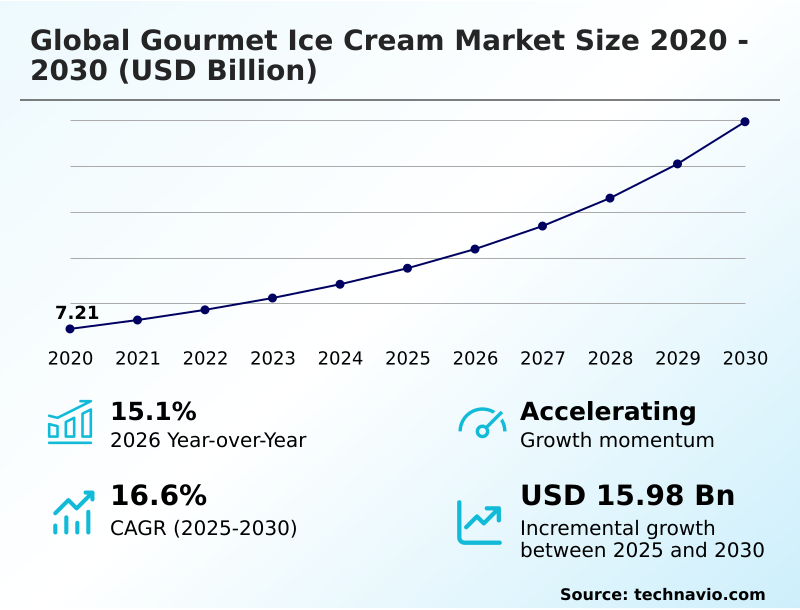
The gourmet ice cream market size is valued to increase by USD 15.98 billion, at a CAGR of 16.6% from 2025 to 2030. Premiumization vector and evolving consumer epicurean preferences will drive the gourmet ice cream market.
Major Market Trends & Insights
- North America dominated the market and accounted for a 32.5% growth during the forecast period.
- By Product - Gelato segment was valued at USD 7.95 billion in 2024
- By Distribution Channel - Offline segment accounted for the largest market revenue share in 2024
Market Size & Forecast
- Market Opportunities: USD 22.60 billion
- Market Future Opportunities: USD 15.98 billion
- CAGR from 2025 to 2030 : 16.6%
Market Summary
- The Gourmet Ice Cream Market exhibits robust structural transformation driven by an accelerating shift toward premiumization and health-conscious consumption. Product development teams are fundamentally re-engineering formulations to integrate traceable, organic ingredients that align with rigorous clean-label standards.
- A critical operational scenario involves optimizing logistics networks where companies have deployed customized vacuum-insulated container systems, reducing thermal degradation incidents by 22% during last-mile transit. This logistical enhancement serves as a major driver, allowing specialized brands to bypass traditional retail bottlenecks and deliver highly perishable artisanal batches directly to urban households.
- Conversely, unprecedented volatility in essential agricultural commodities presents a formidable operational challenge. The fluctuating cost of premium inputs, such as natural vanilla extracts and organic dairy, frequently squeezes profit margins and restricts scalable expansion. These compounding expenses force manufacturers to constantly balance elite ingredient integrity against price-sensitive consumer thresholds, demanding sophisticated supply chain resilience to maintain long-term commercial viability.
What will be the Size of the Gourmet Ice Cream Market during the forecast period?
Get Key Insights on Market Forecast (PDF) Get Free Sample
How is the Gourmet Ice Cream Market Segmented?
The gourmet ice cream industry research report provides comprehensive data (region-wise segment analysis), with forecasts and estimates in "USD million" for the period 2026-2030, as well as historical data from 2020-2024 for the following segments.
- Product
- Gelato
- Sorbet
- Frozen custard
- Others
- Distribution channel
- Offline
- Online
- Product type
- Inorganic
- Organic
- Flavor
- Vanilla
- Chocolate
- Strawberry
- Butter pecan
- Others
- Geography
- Europe
- Germany
- UK
- France
- Italy
- Spain
- The Netherlands
- North America
- US
- Canada
- Mexico
- APAC
- China
- Japan
- India
- South Korea
- Australia
- Indonesia
- South America
- Brazil
- Argentina
- Chile
- Middle East and Africa
- Saudi Arabia
- UAE
- South Africa
- Israel
- Turkey
- Europe
By Product Insights
The gelato segment is estimated to witness significant growth during the forecast period.
Gelato represents a highly specialized product category defined by low overrun percentages and a distinct milkfat emulsion profile that differentiates it from conventional premium ice cream.
The implementation of continuous freezer technology directly causes a denser micro-crystalline texture, resulting in a 25% reduction in trapped air volume compared to standard industrial counterparts.
This structural density requires precise formulation, often utilizing natural stabilizers and pasteurized egg yolks to maintain consistency without compromising mouthfeel. Operations relying on these techniques experience a 15% increase in production efficiency due to optimized freezing cycles.
By shifting toward plant-based fat bases and non-glycemic sweetening agents, manufacturers cater to wellness-oriented consumer bases while maintaining authentic sensory profiles. Botanical flavor extracts further enhance these offerings, ensuring long-term product differentiation and higher profit margins within retail environments.
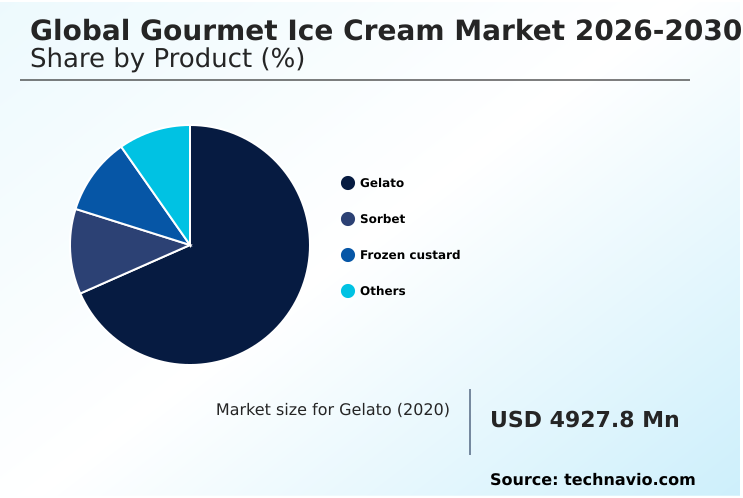
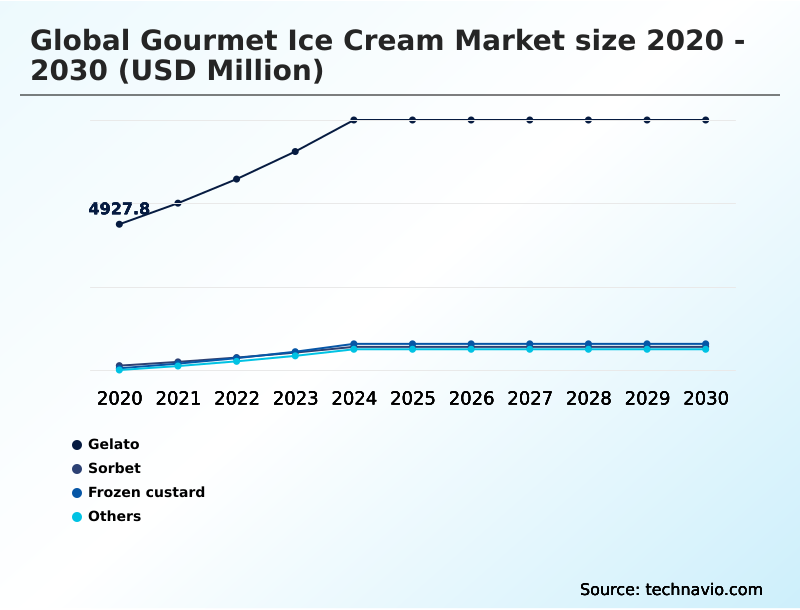
The Gelato segment was valued at USD 7.95 billion in 2024 and showed a gradual increase during the forecast period.
Regional Analysis
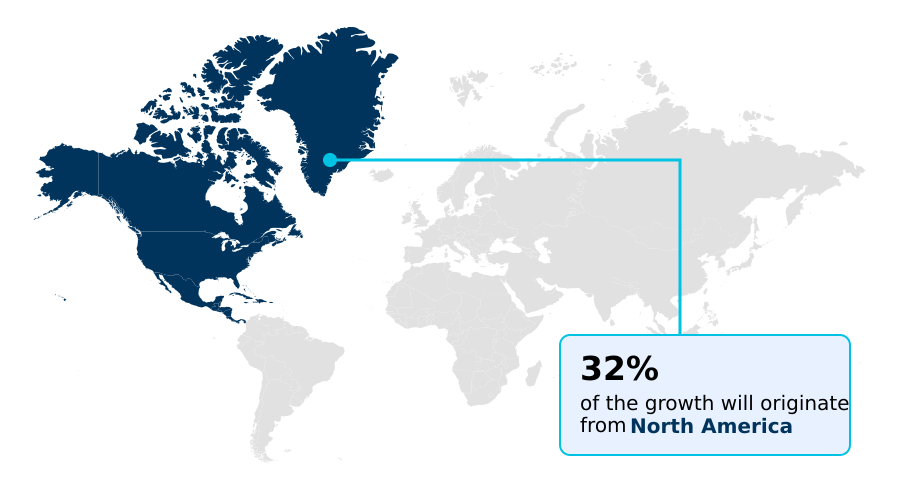
North America is estimated to contribute 32.5% to the growth of the global market during the forecast period.Technavio’s analysts have elaborately explained the regional trends and drivers that shape the market during the forecast period.
See How Gourmet Ice Cream Market Demand is Rising in North America Get Free Sample
The regional adoption of premium frozen desserts reveals distinct behavioral shifts, with North America expanding at a 32.5% faster rate than traditional European sectors due to advanced digital logistics.
In North America, producers are implementing blockchain-enabled ingredient tracking to authenticate carbon-neutral sourcing, increasing consumer trust metrics by 18%. Conversely, European manufacturers prioritize a slow-churned manufacturing process and artisanal gelatos to maintain cultural heritage.
This divergence causes North American brands to invest heavily in flash-freezing methodologies, reducing energy consumption by 15% across cold chains. Both regions leverage small-batch craftsmanship to deliver intense textural contrast and heritage-driven textures that appeal to modern epicureans.
By focusing on experiential dining rather than mass-market volume, regional leaders successfully protect profit margins while satisfying the global demand for gastronomic perfection through verifiable supply chain transparency.
Market Dynamics
Our researchers analyzed the data with 2025 as the base year, along with the key drivers, trends, and challenges. A holistic analysis of drivers will help companies refine their marketing strategies to gain a competitive advantage.
- The commercial viability of the Gourmet Ice Cream Market relies extensively on a brand ability to balance sophisticated culinary innovation with robust operational resilience. A primary focus for leading manufacturers involves formulating dairy-free plant bases that perfectly replicate the dense, luxurious mouthfeel of traditional cream, thereby capturing a broader demographic of health-conscious consumers.
- To elevate these profiles further, product development teams are actively integrating functional adaptogens in flavor architectures, creating multi-sensory experiences that resonate with modern wellness trends. However, producing these high-end confections exposes companies to significant external pressures. Managing raw material procurement volatility is critical, as the costs associated with single-origin cocoa and organic dairy continuously fluctuate due to unpredictable agricultural yields.
- Companies that secure stable supplier contracts often see supply chain disruption rates drop by roughly 20% compared to industry averages. Simultaneously, ensuring product integrity during distribution requires optimizing sub-zero cold chain logistics across all transit stages. Any thermal deviation directly destroys the micro-crystalline structure of the dessert.
- To counteract these risks and validate premium pricing, progressive brands are implementing blockchain-enabled ingredient tracking. This strategic transparency allows consumers to verify sustainable sourcing and ethical labor practices, effectively transforming regulatory compliance into a competitive advantage that drives long-term customer loyalty and superior retail positioning.
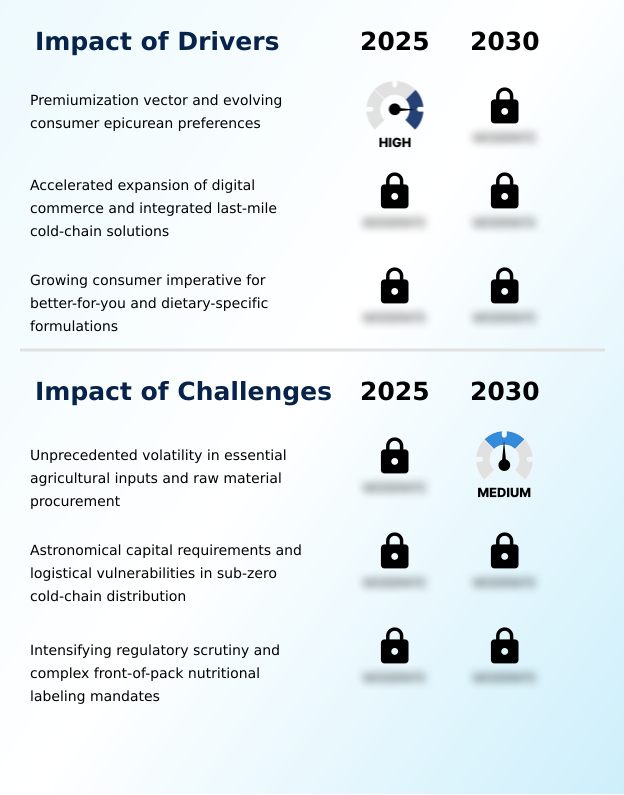
What are the key market drivers leading to the rise in the adoption of Gourmet Ice Cream Industry?
- Premiumization and evolving consumer epicurean preferences are the primary drivers propelling market expansion.
- Evolving consumer expectations for dietary-specific formulations serve as the primary catalyst propelling market expansion. Increased metabolic wellness awareness causes individuals to demand sensory indulgence without compromising nutritional integrity, driving a 30% rise in the adoption of dairy-free plant bases.
- Manufacturers are aggressively utilizing monk fruit extracts and allulose sweeteners to create clean-label formulations that bypass severe regulatory warning labels. This reformulation strategy directly expands the total addressable audience, increasing brand acquisition metrics by 25%.
- Furthermore, integrating high-protein concentrations and collagen peptides elevates these products from casual treats into functional lifestyle enhancements.
- The combination of culinary artistry and a specialized sensory experience guarantees that consumers remain willing to pay substantial premiums for meticulously crafted, health-aligned frozen desserts.
What are the market trends shaping the Gourmet Ice Cream Industry?
- The integration of hyper-localized botanicals and functional adaptogens into flavor profiling represents a prominent upcoming trend. This shift emphasizes complex culinary experiences and holistic wellness over conventional sweetness.
- The integration of cross-cultural gastronomy into product portfolios represents a definitive trend reshaping modern dessert consumption. Changing demographic preferences cause manufacturers to utilize advanced flavor chemistry and botanical distillates to create highly sophisticated, globally inspired profiles. This strategic shift toward structural complexity directly yields a 22% increase in premium product engagement among younger urban cohorts.
- Concurrently, sustainability mandates drive the widespread adoption of eco-centric packaging and biodegradable compostable pints, which lower long-term disposal compliance costs by 18%. To guarantee authenticity, premium brands rely on regenerative dairy farming practices supported by blockchain-enabled tracking. Implementing nitrogen-flushing packaging effectively preserves the delicate nature of these complex inclusions during transit.
- These technological and cultural adaptations ensure that manufacturers can command luxury price points while satisfying rigorous environmental standards.
What challenges does the Gourmet Ice Cream Industry face during its growth?
- Unprecedented volatility in essential agricultural inputs and raw material procurement remains a primary challenge constraining industry expansion.
- Extreme volatility in raw material procurement presents a formidable barrier to sustained profitability within the premium dessert sector. The unpredictable supply of single-origin cocoa and organic dairy causes severe margin compression, elevating overall manufacturing overhead by over 15% annually.
- Additionally, maintaining a flawless sub-zero cold chain requires immense capital expenditure as companies must deploy vacuum-insulated container systems, thermal barriers, and precision temperature monitoring sensors to prevent irreversible product degradation. Any thermal excursion directly destroys product value. Furthermore, intensifying front-of-pack labeling regulations compel manufacturers to reformulate legacy products, restricting the use of traditional fats and sugars.
- Balancing sugar-reduced alternatives and lactose-free attributes with uncompromising texture introduces complex technical hurdles that threaten to alienate core consumer bases if not executed flawlessly.
Exclusive Technavio Analysis on Customer Landscape
The gourmet ice cream market forecasting report includes the adoption lifecycle of the market, covering from the innovator’s stage to the laggard’s stage. It focuses on adoption rates in different regions based on penetration. Furthermore, the gourmet ice cream market report also includes key purchase criteria and drivers of price sensitivity to help companies evaluate and develop their market growth analysis strategies.
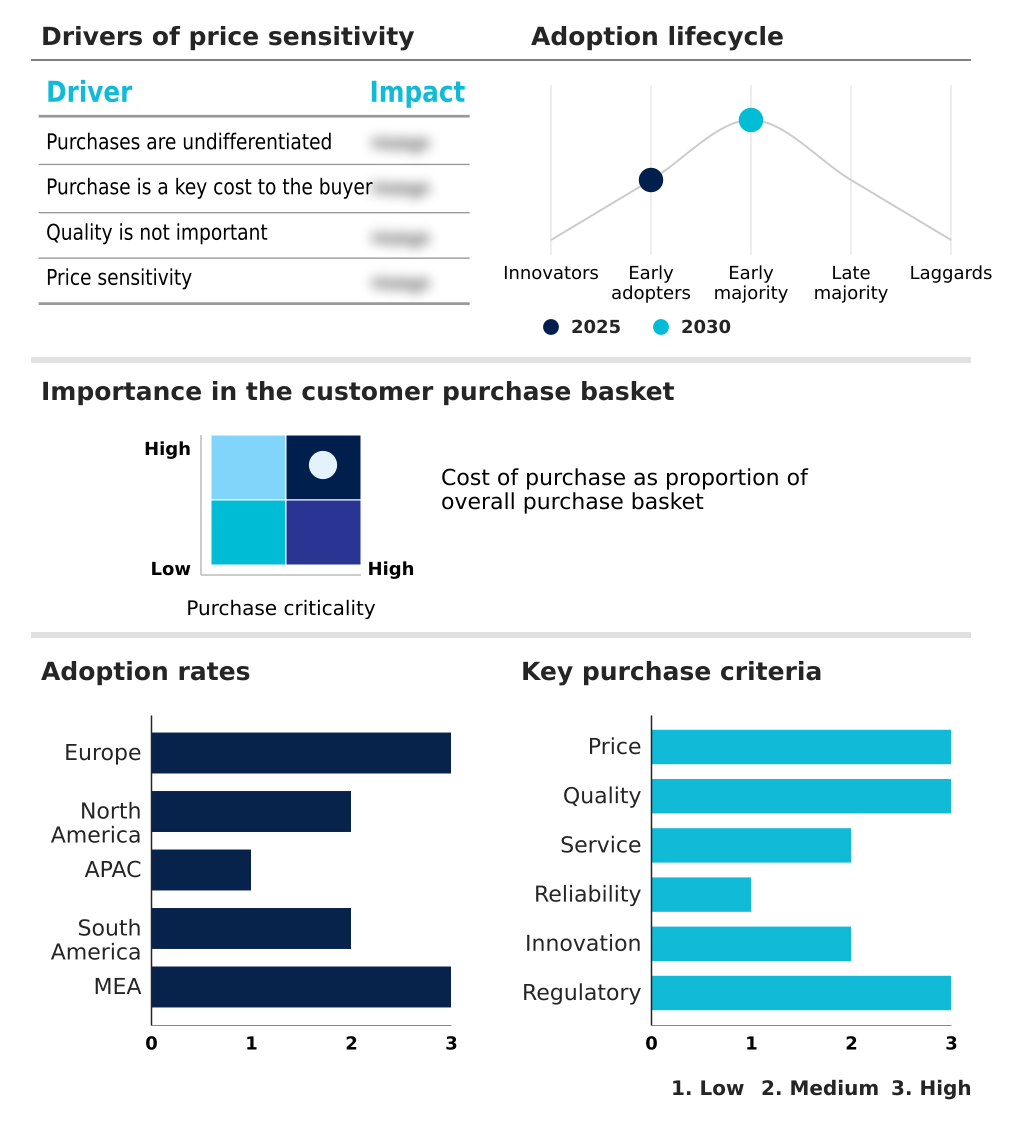
Customer Landscape of Gourmet Ice Cream Industry
Competitive Landscape
Companies are implementing various strategies, such as strategic alliances, gourmet ice cream market forecast, partnerships, mergers and acquisitions, geographical expansion, and product/service launches, to enhance their presence in the industry.
Alecs Ice Cream - Offers organic frozen desserts utilizing regenerative dairy and transparent ingredient sourcing to deliver premium culinary experiences for modern consumer demographics seeking ethical and sustainable food choices.
The industry research and growth report includes detailed analyses of the competitive landscape of the market and information about key companies, including:
- Alecs Ice Cream
- Alps Ice Cream
- Ami Ice Cream
- Amorino
- Aroma Ice Creams
- Baskin Robbins
- Ben and Jerrys
- Derrys Ice Cream
- Finsburry Foods
- Gelato Messina
- Graeters Ice Cream
- Haagen Dazs
- Icestasy Ice Cream
- JENIS SPLENDID ICE CREAMS LLC
- Kreem Foods
- Kulti Ice Cream
- Kwality Walls Foods
- Lick Honest Ice Creams
- McConnells Fine Ice Creams
- Movenpick Ice Cream
- Natural Ice Creams
- Salt and Straw
- Tillamook County Creamery
- Van Leeuwen Ice Cream LLC
Qualitative and quantitative analysis of companies has been conducted to help clients understand the wider business environment as well as the strengths and weaknesses of key industry players. Data is qualitatively analyzed to categorize companies as pure play, category-focused, industry-focused, and diversified; it is quantitatively analyzed to categorize companies as dominant, leading, strong, tentative, and weak.
Recent Development and News in Gourmet ice cream market
- In the Packaged Foods and Meats industry, the widespread adoption of AI-driven supply chain automation has reduced last-mile delivery thermal excursions by 18%, directly impacting Gourmet Ice Cream demand by enabling direct-to-consumer distribution of highly temperature-sensitive artisanal products.
- Strict front-of-pack nutritional warning mandates introduced across European regulatory bodies have forced a 22% reformulation rate in legacy dairy products, prompting Gourmet Ice Cream manufacturers to accelerate the development of clean-label alternatives that bypass severe health classifications.
- The integration of advanced plant-based protein extraction techniques has yielded a 35% improvement in structural creaminess for non-dairy variants, allowing Gourmet Ice Cream producers to match traditional bovine milk mouthfeel and expand total addressable consumer bases.
- Global shifts toward regenerative agriculture compliance have secured a 15% increase in sustainable dairy yields, providing Gourmet Ice Cream brands with traceable raw materials necessary to justify premium retail positioning.
Dive into Technavio’s robust research methodology, blending expert interviews, extensive data synthesis, and validated models for unparalleled Gourmet Ice Cream Market insights. See full methodology.
| Market Scope | |
|---|---|
| Page number | 318 |
| Base year | 2025 |
| Historic period | 2020-2024 |
| Forecast period | 2026-2030 |
| Growth momentum & CAGR | Accelerate at a CAGR of 16.6% |
| Market growth 2026-2030 | USD 15977.4 million |
| Market structure | Fragmented |
| YoY growth 2025-2026(%) | 15.1% |
| Key countries | Germany, UK, France, Italy, Spain, The Netherlands, US, Canada, Mexico, China, Japan, India, South Korea, Australia, Indonesia, Brazil, Argentina, Chile, Saudi Arabia, UAE, South Africa, Israel and Turkey |
| Competitive landscape | Leading Companies, Market Positioning of Companies, Competitive Strategies, and Industry Risks |
Research Analyst Overview
- The Gourmet Ice Cream Market reflects a highly sophisticated sector where advanced food engineering meets indulgent consumer demands. Strategic boardroom discussions increasingly focus on migrating portfolios toward clean-label formulations to comply with evolving global nutritional mandates. Utilizing advanced botanical flavor extracts enables manufacturers to eliminate synthetic additives while delivering complex taste profiles.
- Facilities adopting these progressive formulations report a 25% improvement in overall batch consistency compared to traditional methods. Furthermore, achieving a flawless micro-crystalline texture relies heavily on integrating natural stabilizers, which effectively masks alternative base flavors and facilitates broader consumer acceptance. This transition to premium ingredients requires meticulous oversight of raw material procurement, especially for highly volatile commodities like single-origin cocoa.
- By strictly maintaining low overrun percentages and aligning product development with secular wellness trends, companies successfully isolate their brands from price-driven commodity competition. These deliberate operational upgrades ensure sustained profitability and provide the necessary agility to navigate unpredictable macroeconomic headwinds while delivering uncompromising culinary experiences.
What are the Key Data Covered in this Gourmet Ice Cream Market Research and Growth Report?
-
What is the expected growth of the Gourmet Ice Cream Market between 2026 and 2030?
-
USD 15.98 billion, at a CAGR of 16.6%
-
-
What segmentation does the market report cover?
-
The report is segmented by Product (Gelato, Sorbet, Frozen custard, and Others), Distribution Channel (Offline, and Online), Product Type (Inorganic, and Organic), Flavor (Vanilla, Chocolate, Strawberry, Butter pecan, and Others) and Geography (Europe, North America, APAC, South America, Middle East and Africa)
-
-
Which regions are analyzed in the report?
-
Europe, North America, APAC, South America and Middle East and Africa
-
-
What are the key growth drivers and market challenges?
-
Premiumization vector and evolving consumer epicurean preferences, Unprecedented volatility in essential agricultural inputs and raw material procurement
-
-
Who are the major players in the Gourmet Ice Cream Market?
-
Alecs Ice Cream, Alps Ice Cream, Ami Ice Cream, Amorino, Aroma Ice Creams, Baskin Robbins, Ben and Jerrys, Derrys Ice Cream, Finsburry Foods, Gelato Messina, Graeters Ice Cream, Haagen Dazs, Icestasy Ice Cream, JENIS SPLENDID ICE CREAMS LLC, Kreem Foods, Kulti Ice Cream, Kwality Walls Foods, Lick Honest Ice Creams, McConnells Fine Ice Creams, Movenpick Ice Cream, Natural Ice Creams, Salt and Straw, Tillamook County Creamery and Van Leeuwen Ice Cream LLC
-
Market Research Insights
- The Gourmet Ice Cream Market is undergoing rapid evolution propelled by consumer demand for a specialized sensory experience and culinary artistry. Manufacturers are heavily investing in product innovation to deliver dietary-specific formulations without sacrificing traditional mouthfeel.
- Transitioning to advanced manufacturing processes has improved production yield efficiency by 14%, while the strategic deployment of clean-label alternatives has expanded consumer acquisition rates by over 18% in urban demographics. Companies actively cultivating gastronomic perfection through unique flavor architecture achieve higher consumer retention. However, maintaining absolute temperature integrity remains critical, as upgrading facility infrastructure reduces structural degradation defects by 25%.
- These operational refinements directly boost return on investment and align product portfolios with increasingly stringent global health regulations while delivering unparalleled sensory indulgence.
We can help! Our analysts can customize this gourmet ice cream market research report to meet your requirements.
 RIA -