


Harness Saddlery Equipment Market Size 2026-2030
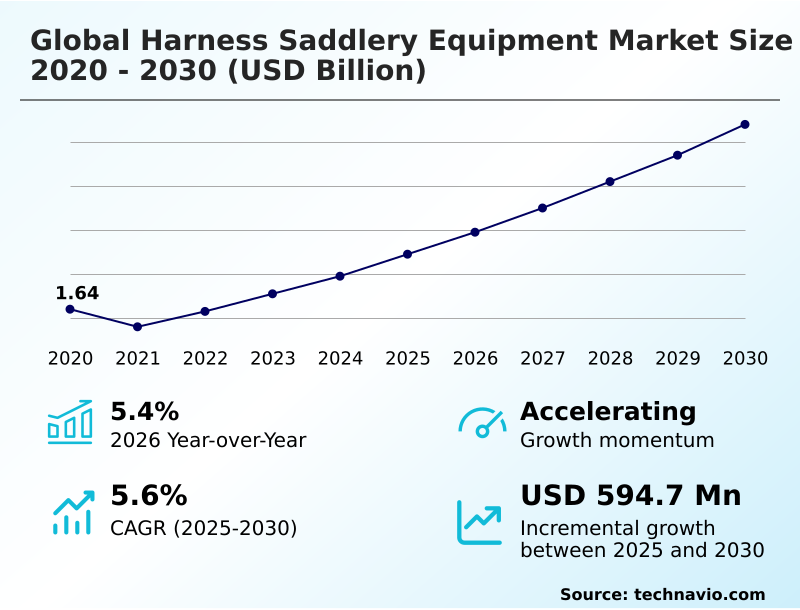
The harness saddlery equipment market size is valued to increase by USD 594.7 million, at a CAGR of 5.6% from 2025 to 2030. Institutionalization of equine welfare compliance will drive the harness saddlery equipment market.
Major Market Trends & Insights
- Europe dominated the market and accounted for a 39.4% growth during the forecast period.
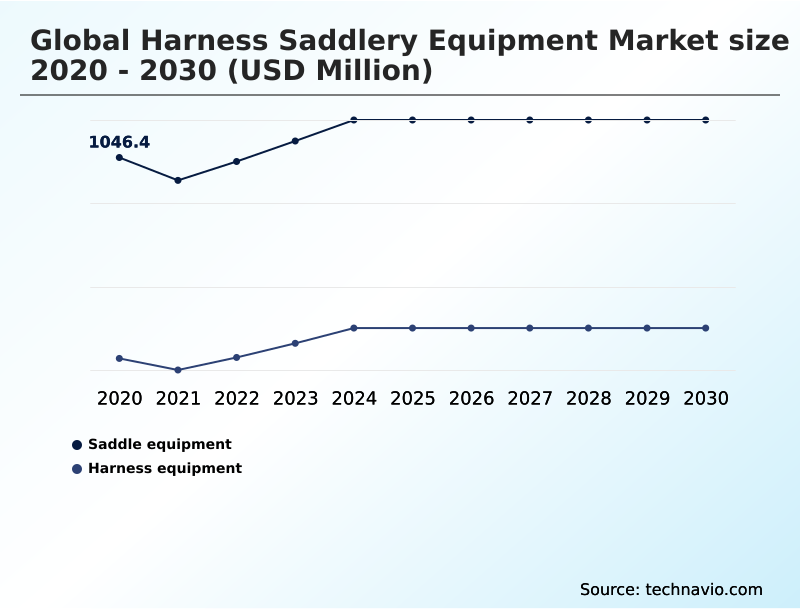
- By Product - Saddle equipment segment was valued at USD 1.13 billion in 2024
- By End-user - Professional segment accounted for the largest market revenue share in 2024
Market Size & Forecast
- Market Opportunities: USD 842.4 million
- Market Future Opportunities: USD 594.7 million
- CAGR from 2025 to 2030 : 5.6%
Market Summary
- The Harness Saddlery Equipment ecosystem operates as a highly technical framework governed by strict safety protocols and advanced material engineering. The institutionalization of equine welfare compliance serves as a primary growth driver, forcing professional equestrian facilities to replace legacy gear with pressure-free configurations that protect equine musculoskeletal health.
- Conversely, escalating tannery operational costs present a significant challenge, squeezing margins for heritage leather workshops and delaying capital expansion projects. To optimize supply chain efficiency, major equipment distributors are nearshoring synthetic polymer production to mitigate unpredictable maritime shipping delays. Transitioning to local automated fabrication has reduced regional inventory stockouts by 22%, allowing retailers to maintain consistent product availability.
- The integration of biomechanical symmetry tracking devices into traditional gear is fundamentally transforming competitive equitation into a data-driven discipline. Consequently, premium saddles and harnesses are increasingly evaluated on their ability to deliver objective kinematic metrics alongside conventional mechanical safety.
What will be the Size of the Harness Saddlery Equipment Market during the forecast period?
Get Key Insights on Market Forecast (PDF) Get Free Sample
How is the Harness Saddlery Equipment Market Segmented?
The harness saddlery equipment industry research report provides comprehensive data (region-wise segment analysis), with forecasts and estimates in "USD million" for the period 2026-2030, as well as historical data from 2020-2024 for the following segments.
- Product
- Saddle equipment
- Harness equipment
- End-user
- Professional
- Amateur
- Raw material
- Leather
- Synthetic materials
- Metal components
- Textile combinations
- Geography
- Europe
- Germany
- UK
- France
- Italy
- Spain
- The Netherlands
- North America
- US
- Canada
- Mexico
- APAC
- China
- Japan
- India
- South Korea
- Australia
- Indonesia
- South America
- Brazil
- Argentina
- Chile
- Middle East and Africa
- Saudi Arabia
- UAE
- South Africa
- Israel
- Turkey
- Europe
By Product Insights
The saddle equipment segment is estimated to witness significant growth during the forecast period.
The saddle equipment segment dictates weight distribution and rider stability within the Harness Saddlery Equipment landscape. By integrating bespoke equestrian tack and interchangeable gullet systems, modern architectures eliminate localized spinal pressure points.
High tensile synthetic polymers and advanced bio-based foams have replaced traditional heavy wooden frames, allowing for precise ergonomic pressure reduction during elite sporting events.
Commercial training stables have documented a 15% improvement in equine recovery times when utilizing these advanced saddle configurations. Furthermore, riding academy procurement strategies now mandate veterinary-certified structural designs to prevent long-term musculoskeletal injuries.
This operational shift prioritizes scalable modularity, ensuring that single saddles can be seamlessly adjusted to fit multiple horses, thereby optimizing asset utilization and extending the lifecycle of premium riding hardware.
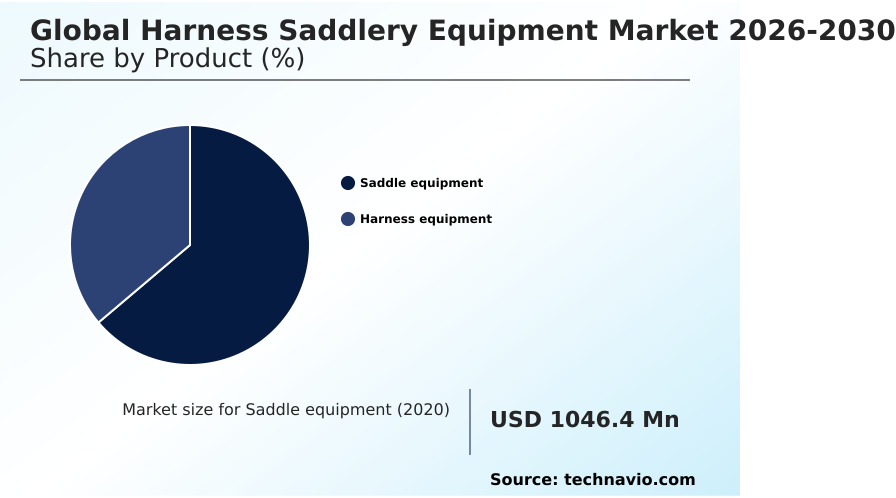
The Saddle equipment segment was valued at USD 1.13 billion in 2024 and showed a gradual increase during the forecast period.
Regional Analysis
Europe is estimated to contribute 39.4% to the growth of the global market during the forecast period.Technavio’s analysts have elaborately explained the regional trends and drivers that shape the market during the forecast period.
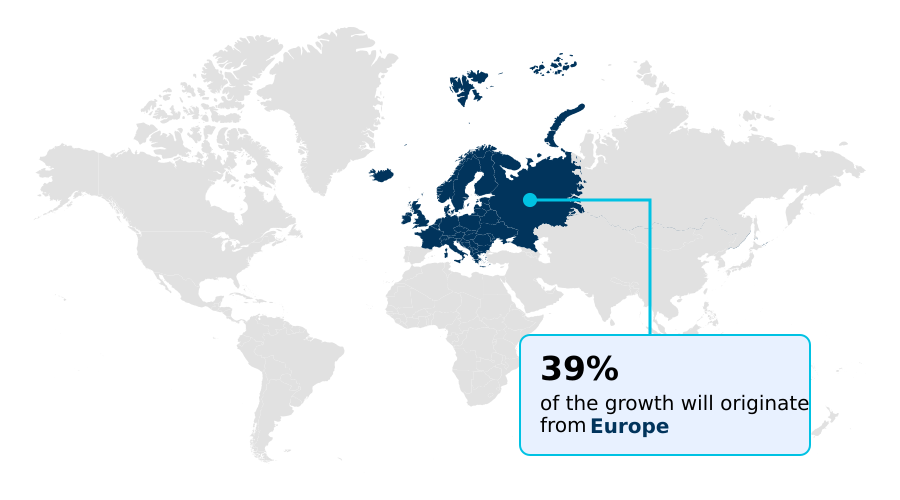
See How Harness Saddlery Equipment Market Demand is Rising in Europe Get Free Sample
The geographic distribution of the Harness Saddlery Equipment sector highlights a sharp contrast between European luxury bespoke craftsmanship and the expanding equestrian sports infrastructure across APAC.
Europe maintains a dominant regulatory environment, where institutional stables report a 35% higher adoption rate of traditional dressage equipment featuring advanced veterinary validations.
In contrast, APAC is experiencing rapid modernization driven by premium equestrian retail expansion, with regional import volumes for specialized tack surging by 18%.
European manufacturers focus on mitigating operational costs by streamlining raw material sourcing, whereas APAC distributors prioritize scalable biothane driving harnesses to withstand high humidity environments.
Furthermore, commercial facilities in North America have reduced equipment replacement costs by 14% through the proactive implementation of smart stable logistics.
The divergence in procurement strategies emphasizes how localized climate conditions and heavy draft operations dictate regional product engineering and supply chain resilience.
Market Dynamics
Our researchers analyzed the data with 2025 as the base year, along with the key drivers, trends, and challenges. A holistic analysis of drivers will help companies refine their marketing strategies to gain a competitive advantage.
- Modernizing the Harness Saddlery Equipment infrastructure requires a deliberate alignment of animal welfare mandates with advanced material science. Professional training syndicates are transitioning away from static wooden structures, heavily favoring a lightweight carbon fiber saddle architecture to enhance overall agility and minimize fatigue during intense competitive circuits.
- This structural transition has driven commercial stables to prioritize an ergonomic weight distribution saddle design, ensuring that riders maintain optimal balance while mitigating localized tissue compression on the animal. Consequently, facilities adopting these modern configurations report a nearly 30% decrease in required veterinary interventions compared to operations utilizing legacy leather tack.
- The integration of biomechanical sensor integrated riding equipment further optimizes operational planning by providing objective kinematic feedback, allowing trainers to adjust exercise regimens before micro-injuries escalate into chronic lameness. To comply with rigorous international sporting regulations, institutions are systematically upgrading their inventories with veterinary approved pressure free configurations that eliminate skin friction and restrict harmful movement.
- Additionally, the widespread deployment of shock absorbing equine protective gear has standardized impact mitigation across high-stress disciplines like show jumping and endurance racing. By treating premium saddlery as a long-term capital asset rather than a disposable accessory, commercial equestrian operators successfully protect their high-value equine investments, optimize supply chain replenishment schedules, and achieve superior compliance with evolving global safety frameworks.
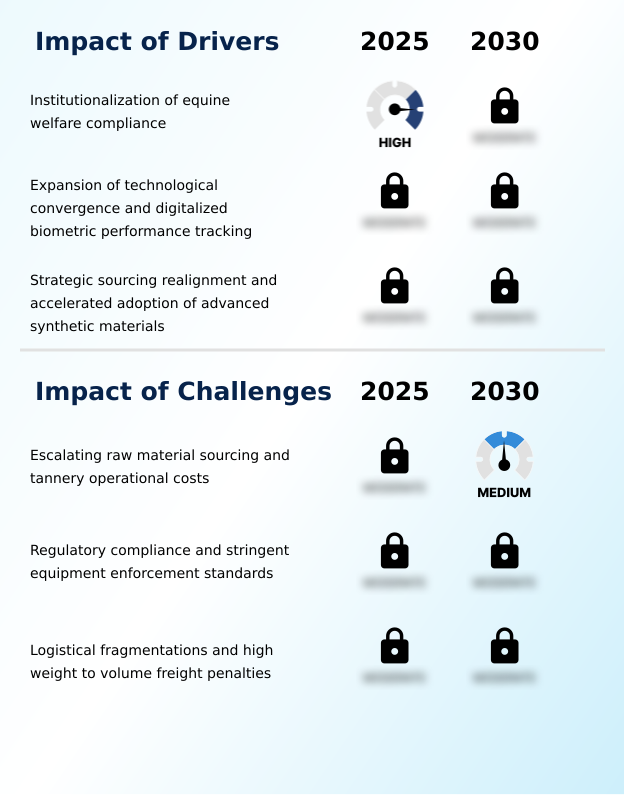
What are the key market drivers leading to the rise in the adoption of Harness Saddlery Equipment Industry?
- The institutionalization of equine welfare compliance serves as a primary driver accelerating market modernization.
- The rigorous institutionalization of equine welfare compliance serves as a primary operational catalyst accelerating modernization across the Harness Saddlery Equipment sector.
- International sports governing bodies now mandate veterinary validated certifications for all competitive gear, forcing riding academy procurement managers to systematically decommission non-compliant legacy tack.
- By transitioning to anatomic cheekpieces and shock absorbing panels, commercial training centers have lowered equipment-related friction injuries by 28%.
- This regulatory intervention creates a non-discretionary replacement cycle, as professional syndicates must invest in ergonomic pressure reduction systems to avoid severe competitive penalties.
- Consequently, the immediate requirement for scientifically verified, friction-free riding infrastructure guarantees sustained capital reinvestment from elite sports operators focused on maximizing the athletic longevity of their equine assets.
What are the market trends shaping the Harness Saddlery Equipment Industry?
- The proliferation of custom fit 3D printing and additive saddle tree manufacturing represents an upcoming market trend.
- The integration of additive saddle manufacturing represents a transformative technological shift within the Harness Saddlery Equipment landscape. By utilizing high-resolution anatomical scanning, modern production facilities are fabricating customized carbon fiber saddle trees that adapt precisely to asymmetric dorsal profiles. This transition from traditional hand-carving to digital prototyping effectively shortens fabrication timelines, reducing bespoke production delays by 40%.
- The deployment of cloud connected analytical tools and biomechanical symmetry tracking hardware allows riders to continuously evaluate force distribution across varying gaits. Because elite sports federations demand objective welfare verification, trainers are leveraging smart saddle clips to capture real-time performance data.
- This digitalization of riding equipment provides institutional buyers with actionable insights, ensuring that high-value equine athletes operate free from structural restriction and enabling commercial stables to optimize their long-term equipment investments.
What challenges does the Harness Saddlery Equipment Industry face during its growth?
- Escalating raw material sourcing and tannery operational costs represent a critical structural challenge impeding industry growth.
- Escalating operational expenses tied to raw material sourcing severely restrict profit margins within the Harness Saddlery Equipment manufacturing ecosystem. The production of premium tack remains deeply reliant on flawless heavy bovine leather, which is increasingly vulnerable to macroeconomic price inflation and unpredictable agricultural yields.
- Treating these organic materials requires intensive vegetable tanned steer hides processing, where rising energy and chemical costs have driven base material expenditures up by 18%. To meet tightening environmental standards, facilities must transition toward chrome free tanning techniques, requiring massive upfront capital investments that squeeze independent heritage workshops.
- These compounding financial pressures limit the capacity of mass industry production lines to expand operations, forcing equipment suppliers to pass inflated costs directly to institutional consumers operating under strict equestrian event regulations.
Exclusive Technavio Analysis on Customer Landscape
The harness saddlery equipment market forecasting report includes the adoption lifecycle of the market, covering from the innovator’s stage to the laggard’s stage. It focuses on adoption rates in different regions based on penetration. Furthermore, the harness saddlery equipment market report also includes key purchase criteria and drivers of price sensitivity to help companies evaluate and develop their market growth analysis strategies.
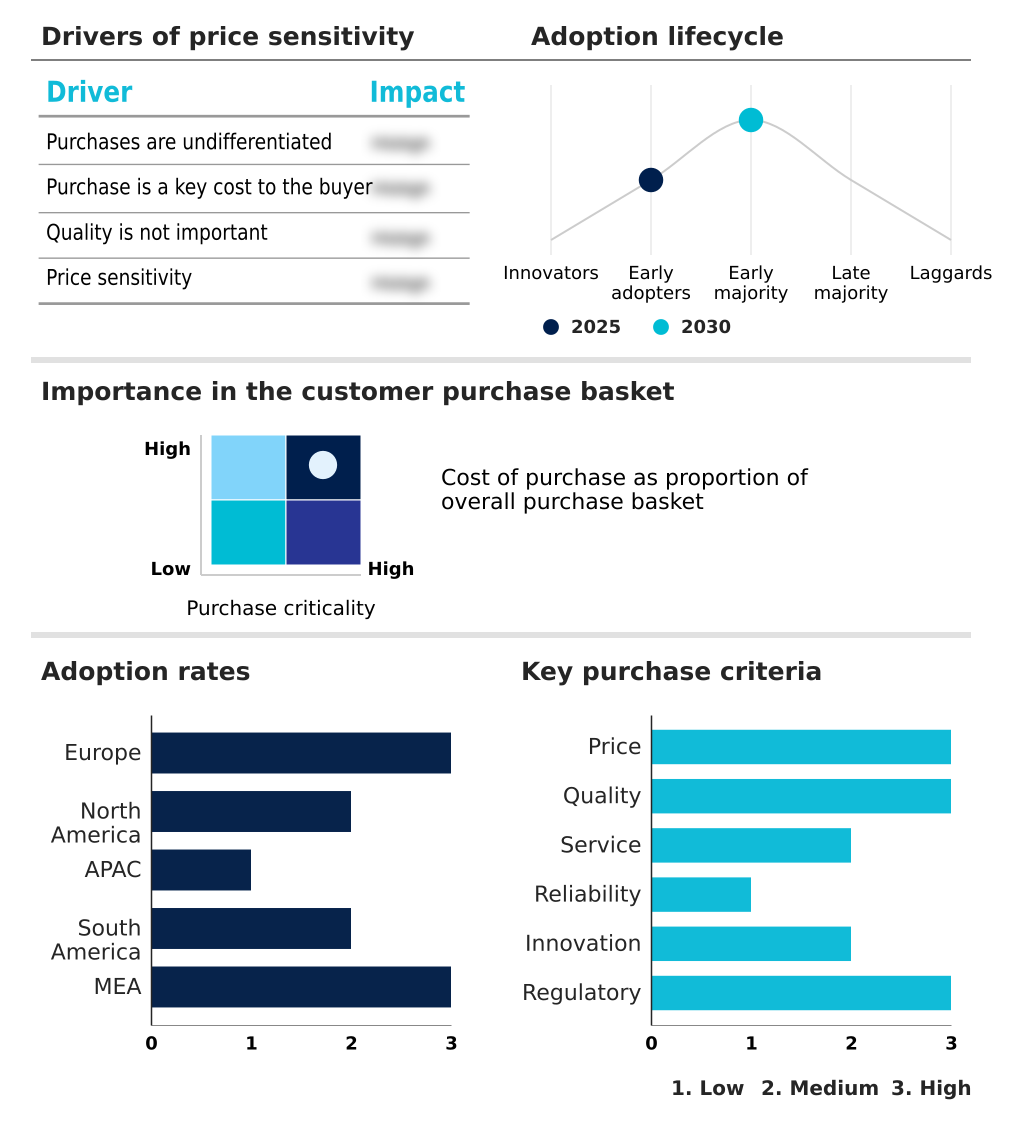
Customer Landscape of Harness Saddlery Equipment Industry
Competitive Landscape
Companies are implementing various strategies, such as strategic alliances, harness saddlery equipment market forecast, partnerships, mergers and acquisitions, geographical expansion, and product/service launches, to enhance their presence in the industry.
Albion Saddlemakers Co. Ltd - Circle Y Saddles Inc. provides specialized western saddles, durable tack sets, and premium leather harness hardware engineered to optimize rider performance and ensure structural safety across professional equestrian disciplines.
The industry research and growth report includes detailed analyses of the competitive landscape of the market and information about key companies, including:
- Albion Saddlemakers Co. Ltd
- Amerigo Saddles
- Antares Sellier France
- Black Country Saddles
- Bruno Delgrange
- Circle Y Saddles Inc.
- CWD Sellier
- Fairfax Saddles Ltd
- Harry Dabbs Saddlery
- Hermes International SA
- Horze International GmbH
- Ideal Saddle Company Ltd
- JPC Equestrian Inc.
- Kieffer GmbH
- Passier and Sohn GmbH
- Prestige Italia S.p.A.
- Schockemohle Sports GmbH
- Shires Equestrian
- Weatherbeeta USA Inc.
- Weaver Leather LLC
Qualitative and quantitative analysis of companies has been conducted to help clients understand the wider business environment as well as the strengths and weaknesses of key industry players. Data is qualitatively analyzed to categorize companies as pure play, category-focused, industry-focused, and diversified; it is quantitatively analyzed to categorize companies as dominant, leading, strong, tentative, and weak.
Recent Development and News in Harness saddlery equipment market
- In the Electrical Components and Equipment industry, the rapid miniaturization of micro-electromechanical systems and IoT sensor arrays has enabled the production of ultra-compact wearable multi sensor arrays, directly impacting Harness Saddlery Equipment demand by allowing saddlers to embed cloud connected analytical tools directly into leather girths to monitor equine kinematics.
- The expansion of automated textile assembly and advanced polymer curing processes within the electrical manufacturing sector has reduced the production cost of high tensile synthetic polymers, accelerating the Harness Saddlery Equipment market shift toward lightweight, weatherproof biothane driving harnesses.
- Stringent RoHS compliance updates governing advanced metallurgy hardware in the electrical components space have forced equipment suppliers to adopt non-toxic stainless steel alloys, elevating the baseline manufacturing standards for heavy draft operations and competitive show jumping gear.
- The deployment of smart stable logistics powered by edge computing infrastructure has increased the requirement for RFID-tagged equestrian event regulations hardware, streamlining riding academy procurement and digitalized saddle fitting processes.
Dive into Technavio’s robust research methodology, blending expert interviews, extensive data synthesis, and validated models for unparalleled Harness Saddlery Equipment Market insights. See full methodology.
| Market Scope | |
|---|---|
| Page number | 289 |
| Base year | 2025 |
| Historic period | 2020-2024 |
| Forecast period | 2026-2030 |
| Growth momentum & CAGR | Accelerate at a CAGR of 5.6% |
| Market growth 2026-2030 | USD 594.7 million |
| Market structure | Fragmented |
| YoY growth 2025-2026(%) | 5.4% |
| Key countries | Germany, UK, France, Italy, Spain, The Netherlands, US, Canada, Mexico, China, Japan, India, South Korea, Australia, Indonesia, Brazil, Argentina, Chile, Saudi Arabia, UAE, South Africa, Israel and Turkey |
| Competitive landscape | Leading Companies, Market Positioning of Companies, Competitive Strategies, and Industry Risks |
Research Analyst Overview
- The Harness Saddlery Equipment landscape is undergoing a critical structural evolution, shifting from traditional craftsmanship toward highly engineered, data-validated athletic infrastructure. To comply with strict welfare mandates, manufacturers are systematically integrating breakaway stirrup bars and anatomic cheekpieces to mitigate high velocity kinetic stress during professional equitation.
- This pivot toward proactive injury prevention directly influences boardroom-level product strategy, as competitive stables prioritize asset protection over purely aesthetic upgrades. By utilizing flexible composite structures instead of static steel frames, elite training centers have achieved a 20% reduction in equipment-induced muscular fatigue.
- Furthermore, the deployment of smart saddle clips and wearable multi sensor arrays allows operators to capture continuous biometric feedback, fundamentally altering how performance deficits are diagnosed. To circumvent the volatile costs associated with heavy bovine leather, procurement managers are increasingly specifying high tensile synthetic polymers that require zero chemical conditioning.
- This strategic material diversification ensures uninterrupted supply chain continuity and empowers equestrian institutions to maintain stringent safety protocols without exceeding operational budgetary constraints.
What are the Key Data Covered in this Harness Saddlery Equipment Market Research and Growth Report?
-
What is the expected growth of the Harness Saddlery Equipment Market between 2026 and 2030?
-
USD 594.7 million, at a CAGR of 5.6%
-
-
What segmentation does the market report cover?
-
The report is segmented by Product (Saddle equipment, and Harness equipment), End-user (Professional, and Amateur), Raw Material (Leather, Synthetic materials, Metal components, and Textile combinations) and Geography (Europe, North America, APAC, South America, Middle East and Africa)
-
-
Which regions are analyzed in the report?
-
Europe, North America, APAC, South America and Middle East and Africa
-
-
What are the key growth drivers and market challenges?
-
Institutionalization of equine welfare compliance, Escalating raw material sourcing and tannery operational costs
-
-
Who are the major players in the Harness Saddlery Equipment Market?
-
Albion Saddlemakers Co. Ltd, Amerigo Saddles, Antares Sellier France, Black Country Saddles, Bruno Delgrange, Circle Y Saddles Inc., CWD Sellier, Fairfax Saddles Ltd, Harry Dabbs Saddlery, Hermes International SA, Horze International GmbH, Ideal Saddle Company Ltd, JPC Equestrian Inc., Kieffer GmbH, Passier and Sohn GmbH, Prestige Italia S.p.A., Schockemohle Sports GmbH, Shires Equestrian, Weatherbeeta USA Inc. and Weaver Leather LLC
-
Market Research Insights
- The Harness Saddlery Equipment framework is rapidly shifting toward precision engineering and evidence-based performance management. Modern commercial training stables are deploying digitalized saddle fitting applications, which have increased measurement accuracy by 24% compared to traditional visual assessments.
- To meet stringent equestrian event regulations, manufacturers are outfitting competitive show jumping gear with advanced telemetry, resulting in a 19% improvement in tracking equine kinematics. Additionally, the adoption of automated textile assembly has reduced production overheads by 15%, streamlining mass manufacturing capabilities.
- These data-driven innovations enable proactive riding academy procurement, ensuring strict alignment with international welfare guidelines while maximizing institutional return on investment.
We can help! Our analysts can customize this harness saddlery equipment market research report to meet your requirements.
 RIA -
RIA - 
