

Pressure Sensors Market Analysis APAC, North America, Europe, South America, Middle East and Africa - US, China, Japan, Germany, UK - Size and Forecast 2024-2028

Pressure Sensors Market Analysis APAC, North America, Europe, South America, Middle East and Africa - US, China, Japan, Germany, UK - Size and Forecast 2024-2028

Published: Jan 2024 166 Pages SKU: IRTNTR77187

Market Overview at a Glance

$10.12 B
Market Opportunity
8.8%
CAGR
7.79
YoY growth 2023-2024(%)

Pressure Sensors Market Size 2024-2028 

The pressure sensors market size is forecast to increase by USD 10.12 billion at a CAGR of 8.8% between 2023 and 2028. The market is witnessing significant growth due to the advancements in sensor technologies, leading to the emergence of combination sensors that can measure both gases and liquids. These sensors offer improved accuracy and reliability, making them ideal for various industries such as automotive, oil and gas, and healthcare. Pressure sensors come in various types, including pressure transducers, pressure transmitters, pressure indicators, piezometers, manometers, and others. The electrical output signal from these sensors can be analog or digital, with different pressure sensitive elements such as piezoresistive, capacitive, and electromagnetic being used. However, challenges persist in the market, including concerns associated with interference and cross-sensitivity, which require ongoing research and development efforts to mitigate their impact. Electronic components play a crucial role in enhancing the performance of pressure sensors, enabling them to meet the evolving demands of various end-users.
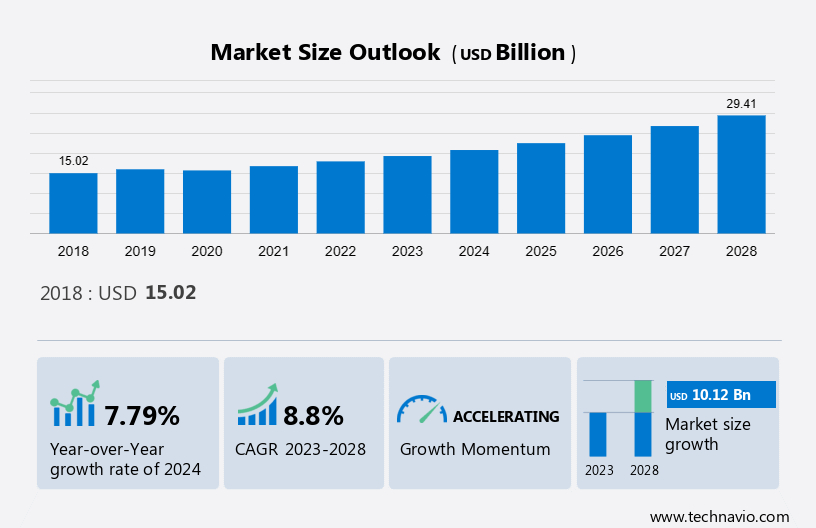
Pressure Sensors Market Size

 Request Free Sample

Pressure sensors play a crucial role in various industries, including household appliances, automotive, and wearable devices. In household appliances, pressure sensors are used in washing machines and refrigerators to monitor and maintain optimal operating conditions. In the automotive sector, they are essential components in Tire Pressure Monitoring Systems (TPMS) and airbag systems, ensuring passenger safety by monitoring the physical quantity of pressure in tires and gas bags. The light vehicle markets, including electric cars, are witnessing significant growth in the adoption of pressure sensors. These sensors are used in braking systems, cooling systems, and fuel systems to ensure efficient performance and safety.

Moreover, inductive technology and photoelectric technology are commonly used in pressure sensors due to their high accuracy and reliability. Differential pressure sensors are widely used in various industries to measure the difference in pressure between two points. These sensors convert mechanical pressure from gases or liquids into electrical signals, which are then used as inputs for various control systems. The material and environmental characteristics of pressure sensors are critical factors in their design and functionality. Overall, The market is expected to grow significantly due to the increasing demand for efficient and reliable pressure sensing solutions in various applications.

Market Segmentation

The market research report provides comprehensive data (region-wise segment analysis), with forecasts and estimates in "USD billion" for the period 2024-2028, as well as historical data from 2018-2022 for the following segments.

  • Type
    • Wired
    • Wireless
  • Product
    • Absolute pressure sensors
    • Differential pressure sensors
    • Gauge pressure sensors
    • Others
  • Geography
    • APAC
      • China
      • Japan
    • North America
      • US
    • Europe
      • Germany
      • UK
    • South America
    • Middle East and Africa

By Type Insights

The wired segment is estimated to witness significant growth during the forecast period. Wired pressure sensors are essential components in industrial automation, providing real-time pressure data for process control and monitoring. These sensors play a significant role in various industries, including manufacturing and oil and gas, by ensuring optimal operating conditions. In manufacturing environments, wired pressure sensors are utilized to monitor and control processes, enhancing efficiency and precision. The automotive industry also benefits from the use of wired pressure sensors in manufacturing applications. The oil and gas sector heavily relies on these sensors for monitoring pipeline pressure, reservoir management, and other critical applications. The expansion of the oil and gas industry fuels the demand for advanced pressure sensing solutions.

Moreover, wired pressure sensors come in various types, such as pressure transducers, pressure transmitters, pressure indicators, piezometers, manometers, and others. These sensors employ different sensing technologies, including piezoresistive, capacitive, and electromagnetic, to convert pressure into an electrical output signal. The electrical output signal can be analog or digital, depending on the specific application requirements. The use of wired pressure sensors in industrial processes offers numerous advantages, including high accuracy, reliability, and strength, making them indispensable in modern industrial automation systems.
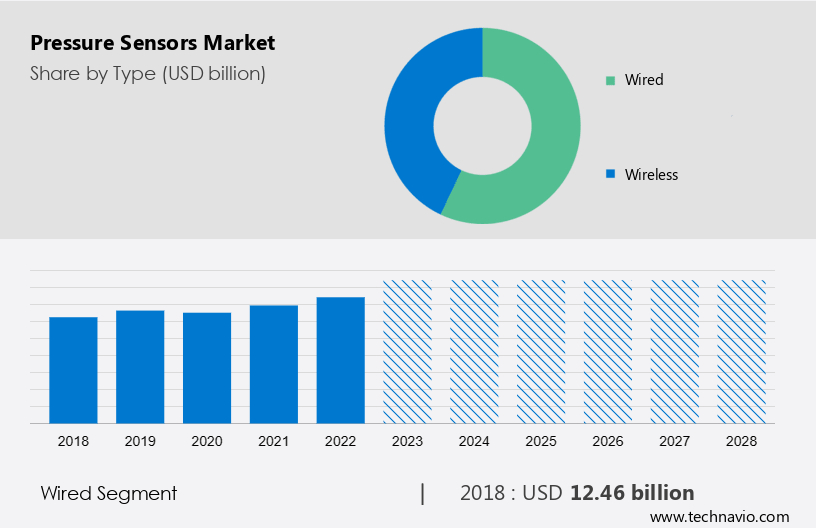
Pressure Sensors Market Size

Get a glance at the market share of various segments Request Free Sample

The wired segment was valued at USD 12.46 billion in 2018 and showed a gradual increase during the forecast period.

Regional Insights

APAC is estimated to contribute 39% to the growth of the global market during the forecast period. Technavio's analysts have elaborately explained the regional trends and drivers that shape the market during the forecast period.
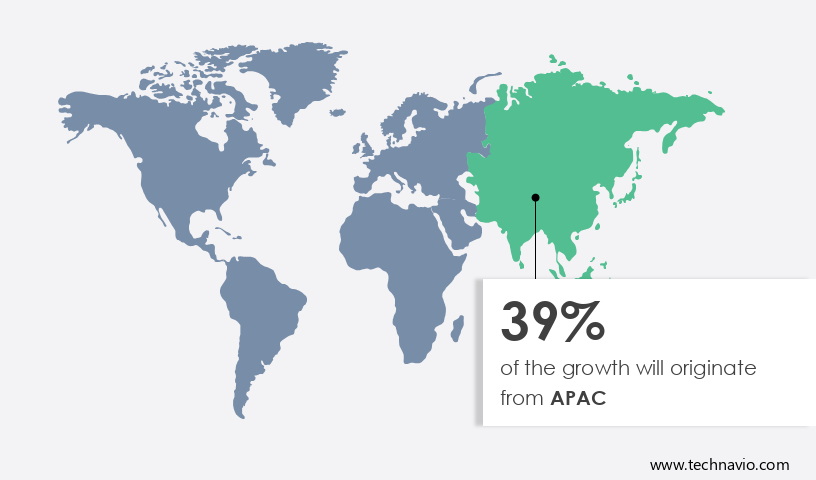
Pressure Sensors Market Share by Geography

For more insights on the market share of various regions Request Free Sample

The global market for pressure sensors has experienced significant growth due to the increasing demand in various industries, particularly in the automotive, electronics, and manufacturing sectors. This expansion is driven by the rapid industrial automation in countries such as China, Japan, South Korea, and India. Pressure sensors are essential components in monitoring and controlling processes, and their applications include tire pressure monitoring systems (TPMS), engine control systems, fuel systems, and more. The automotive industry in the Asia Pacific (APAC) region, specifically in China and India, is experiencing rapid growth, leading to a growth in demand for pressure sensors. Furthermore, the increasing popularity of consumer electronics and smart devices in APAC is fueling the demand for pressure sensors in various applications.

Moreover, pressure sensors come in various types, including pressure transducers, pressure transmitters, pressure indicators, piezometers, manometers, and others. These sensors employ different technologies, such as piezoresistive, capacitive, and electromagnetic, to generate electrical output signals in response to the pressure of gases and liquids.

Our pressure sensors market researchers analyzed the data with 2023 as the base year, along with the key drivers, trends, and challenges. A holistic analysis of drivers will help companies refine their marketing strategies to gain a competitive advantage.

Market  Driver

The advancements in sensor technologies is the key driver of the market. Pressure sensors, a crucial component in measuring physical quantities such as mechanical pressure and gases, have witnessed significant advancements due to the integration of Silicon Microstructures through Micro-electro-mechanical systems (MEMS) technology. MEMS pressure sensors, recognized for their miniaturized size, low power consumption, and cost-effectiveness, have permeated various sectors including consumer electronics, automotive, and industrial applications. Exhaust Gas Recirculation systems in automobiles and TPMS (Tire Pressure Monitoring Systems) are prime examples of MEMS pressure sensors' utilization. In the petrochemical industry, these sensors play a vital role in process control and safety. The medical industry also benefits from pressure sensors in medical devices and wearables.

Further, these sensors are evolving to become more intelligent, featuring embedded microcontrollers and communication capabilities, enabling integration into IoT ecosystems for real-time data collection, analysis, and communication. Optical and acoustic pressure sensing technologies offer alternative methods for traditional pressure sensing applications. With continuous advancements in material science and sensor design, the future of pressure sensors looks promising.

Market Trends

The emergence of combination sensors is the upcoming trend in the market. Pressure sensors, which measure physical quantities related to mechanical pressure or gases, play a crucial role in various industries, including the petrochemical industry, automotive, and medical sector. These sensors, often fabricated using advanced silicon microstructures, convert input pressures into electrical signals for further analysis. In the automotive industry, pressure sensors are integral components of the TPMS (Tire Pressure Monitoring System) and Exhaust Gas Recirculation systems. In the medical industry, pressure sensors are employed in medical equipment such as blood pressure monitors and respiratory devices. Combination sensors, which integrate pressure sensing capabilities with other sensor types like temperature, humidity, and gas sensors, expand the application scope of pressure sensors.

For instance, integrating pressure and temperature sensors in HVAC systems ensures efficient energy management and improved system performance. In environmental monitoring, pressure and gas sensors, in combination, offer a comprehensive solution for assessing air quality and ensuring industrial safety. These sensors' environmental characteristics and material selection are critical factors in their successful implementation.

Market Challenge

The concerns associated with interference and cross-sensitivity is a key challenge affecting market growth. Pressure sensors play a crucial role in measuring physical quantities such as mechanical pressure and gases in various industries, including the petrochemical sector and medical field. Silicon microstructures are commonly used in the manufacturing of these sensors due to their durability and precision. However, these sensors are subjected to environmental characteristics that can impact their performance. Changes in temperature can lead to thermal expansion or contraction, affecting sensitivity. Humidity and moisture can influence pressure sensor readings, particularly in applications with exposure to fluctuating moisture levels. In industrial settings or applications with high levels of vibration, pressure sensors may experience interference, which can affect their accuracy.

However, mechanical stress and sudden shocks or impacts can cause physical damage, leading to calibration issues and increased sensitivity to environmental changes. Additionally, electromagnetic interference from electronic devices or radiofrequency sources can impact sensor signals and inputs, acting as an unwanted transducer. Therefore, it is essential to consider these environmental factors when selecting and implementing pressure sensors in various applications.

Exclusive Customer Landscape

The market forecasting report includes the adoption lifecycle of the market, covering from the innovator's stage to the laggard's stage. It focuses on adoption rates in different regions based on penetration. Furthermore, the report also includes key purchase criteria and drivers of price sensitivity to help companies evaluate and develop their market growth analysis strategies.
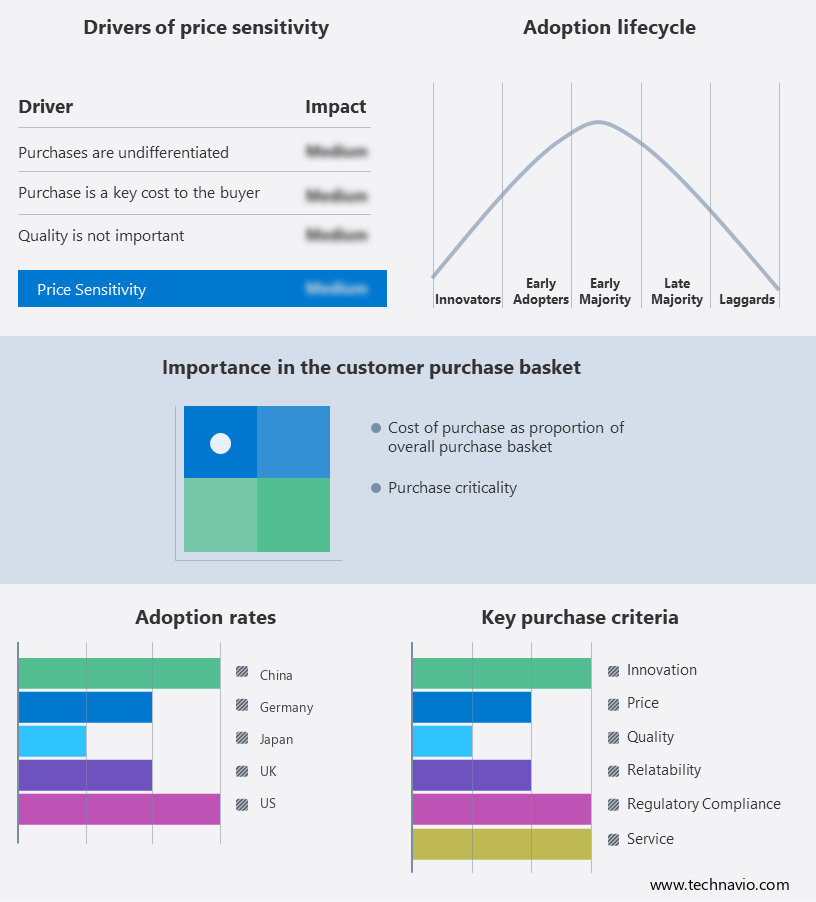
Pressure Sensors Market Share by Geography

 Customer Landscape

Key Companies & Market Insights

Companies are implementing various strategies, such as strategic alliances, partnerships, mergers and acquisitions, geographical expansion, and product/service launches, to enhance their presence in the market.

Avnet Inc. - The company offers pressure sensors such as NPA 500B 005G, MPXM2102AS, and MPXHZ6250AC6T1.

The market research and growth report includes detailed analyses of the competitive landscape of the market and information about key companies, including:

  • Balluff GmbH
  • DENSO Corp.
  • General Electric Co.
  • Glamox Group
  • GlobalSpec LLC
  • Infineon Technologies AG
  • Melexis NV
  • MICRO SENSOR CO. LTD.
  • Millar Inc.
  • NXP Semiconductors NV
  • OMRON Corp.
  • Questex Media Group LLC
  • Robert Bosch GmbH
  • Schneider Electric SE
  • Sensata Technologies Inc.
  • STMicroelectronics International N.V.
  • TDK Corp.
  • TE Connectivity Ltd.
  • Texas Instruments Inc.
  • Zhengzhou Winsen Electronics Technology Co. Ltd.

Qualitative and quantitative analysis of companies has been conducted to help clients understand the wider business environment as well as the strengths and weaknesses of key market players. Data is qualitatively analyzed to categorize companies as pure play, category-focused, industry-focused, and diversified; it is quantitatively analyzed to categorize companies as dominant, leading, strong, tentative, and weak.

Research Analyst Overview

Pressure sensors are essential components used to measure and monitor physical quantities such as mechanical pressure in gases and liquids. These sensors play a crucial role in various industries, including household appliances, automotive, and medical, among others. In household appliances, pressure sensors are used in washing machines and refrigerators for efficient operation. In the automotive sector, they are employed in tire pressure monitoring systems (TPMS), braking systems, cooling systems, fuel systems, and automotive safety regulations like passenger airbags and side airbags. The technological transformation in the automotive industry, driven by the adoption of electric vehicles (EVs), self-driving cars, and hybrid vehicles, is leading to supplier expansion strategies.

Moreover, pressure sensors find applications in electric cars, Luna, and exhaust gas recirculation systems. In the petrochemical industry, they are used in various processes to monitor and control pressure. Pressure sensors come in various types, including differential pressure sensors, piezoresistive pressure sensors, and sensors based on inductive technology, photoelectric technology, and electromagnetic pressure sensors. The market for pressure sensors is expected to grow due to increasing demand from automotive applications, medical applications, consumer goods, and industrial industry. The integration of cyber-physical systems, cloud robotics, and cloud computing in various applications is also driving the market growth. Pressure sensors convert mechanical pressure into electrical output signals using a pressure-sensitive element.

In conclusion, they are essential components in various applications, including medical wearables, consumer electronics, the aviation industry, and smart packaging solutions. The increasing use of wireless sensors, Bluetooth connectivity, and smart appliances, homes, cars, and clothing is also boosting the market. However, price erosion due to the increasing competition and the emergence of new technologies may pose a challenge to market growth.

Market Scope

Report Coverage

Details

Page number

166

Base year

2023

Historic period

2018-2022

Forecast period

2024-2028

Growth momentum & CAGR

Accelerate at a CAGR of 8.8%

Market growth 2024-2028

USD 10.12 billion

Market structure

Fragmented

YoY growth 2023-2024(%)

7.79

Regional analysis

APAC, North America, Europe, South America, and Middle East and Africa

Performing market contribution

APAC at 39%

Key countries

US, China, Japan, Germany, and UK

Competitive landscape

Leading Companies, Market Positioning of Companies, Competitive Strategies, and Industry Risks

Key companies profiled

Avnet Inc., Balluff GmbH, DENSO Corp., General Electric Co., Glamox Group, GlobalSpec LLC, Infineon Technologies AG, Melexis NV, MICRO SENSOR CO. LTD., Millar Inc., NXP Semiconductors NV, OMRON Corp., Questex Media Group LLC, Robert Bosch GmbH, Schneider Electric SE, Sensata Technologies Inc., STMicroelectronics International N.V., TDK Corp., TE Connectivity Ltd., Texas Instruments Inc., and Zhengzhou Winsen Electronics Technology Co. Ltd.

Market dynamics

Parent market analysis, market growth inducers and obstacles, market forecast, fast-growing and slow-growing segment analysis, COVID-19 impact and recovery analysis and future consumer dynamics, market condition analysis for the forecast period

Customization purview

If our market report has not included the data that you are looking for, you can reach out to our analysts and get segments customized.

Request Free Sample

What are the Key Data Covered in this Market Research and Growth Report?

  • CAGR of the market during the forecast period
  • Detailed information on factors that will drive the market growth and forecasting between 2024 and 2028
  • Precise estimation of the size of the market  and its contribution of the market in focus to the parent market
  • Accurate predictions about upcoming market growth and trends and changes in consumer behaviour
  • Growth of the market across APAC, North America, Europe, South America, and Middle East and Africa
  • Thorough analysis of the market's competitive landscape and detailed information about companies
  • Comprehensive analysis of factors that will challenge the growth of market companies

We can help! Our analysts can customize this market research report to meet your requirements. Get in touch

1 Executive Summary

  • 1.1 Market overview
    • Exhibit 01: Executive Summary – Chart on Market Overview
    • Exhibit 02: Executive Summary – Data Table on Market Overview
    • Exhibit 03: Executive Summary – Chart on Global Market Characteristics
    • Exhibit 04: Executive Summary – Chart on Market by Geography
    • Exhibit 05: Executive Summary – Chart on Market Segmentation by Type
    • Exhibit 06: Executive Summary – Chart on Market Segmentation by Product
    • Exhibit 07: Executive Summary – Chart on Incremental Growth
    • Exhibit 08: Executive Summary – Data Table on Incremental Growth
    • Exhibit 09: Executive Summary – Chart on Vendor Market Positioning

2 Market Landscape

  • 2.1 Market ecosystem
    • Exhibit 10: Parent market
    • Exhibit 11: Market Characteristics

3 Market Sizing

  • 3.1 Market definition
    • Exhibit 12: Offerings of vendors included in the market definition
  • 3.2 Market segment analysis
    • Exhibit 13: Market segments
  • 3.3 Market size 2023
    • 3.4 Market outlook: Forecast for 2023-2028
      • Exhibit 14: Chart on Global - Market size and forecast 2023-2028 ($ billion)
      • Exhibit 15: Data Table on Global - Market size and forecast 2023-2028 ($ billion)
      • Exhibit 16: Chart on Global Market: Year-over-year growth 2023-2028 (%)
      • Exhibit 17: Data Table on Global Market: Year-over-year growth 2023-2028 (%)

    4 Historic Market Size

    • 4.1 Global pressure sensors market 2018 - 2022
      • Exhibit 18: Historic Market Size – Data Table on global pressure sensors market 2018 - 2022 ($ billion)
    • 4.2 Type Segment Analysis 2018 - 2022
      • Exhibit 19: Historic Market Size – Type Segment 2018 - 2022 ($ billion)
    • 4.3 Product Segment Analysis 2018 - 2022
      • Exhibit 20: Historic Market Size – Product Segment 2018 - 2022 ($ billion)
    • 4.4 Geography Segment Analysis 2018 - 2022
      • Exhibit 21: Historic Market Size – Geography Segment 2018 - 2022 ($ billion)
    • 4.5 Country Segment Analysis 2018 - 2022
      • Exhibit 22: Historic Market Size – Country Segment 2018 - 2022 ($ billion)

    5 Five Forces Analysis

    • 5.1 Five forces summary
      • Exhibit 23: Five forces analysis - Comparison between 2023 and 2028
    • 5.2 Bargaining power of buyers
      • Exhibit 24: Chart on Bargaining power of buyers – Impact of key factors 2023 and 2028
    • 5.3 Bargaining power of suppliers
      • Exhibit 25: Bargaining power of suppliers – Impact of key factors in 2023 and 2028
    • 5.4 Threat of new entrants
      • Exhibit 26: Threat of new entrants – Impact of key factors in 2023 and 2028
    • 5.5 Threat of substitutes
      • Exhibit 27: Threat of substitutes – Impact of key factors in 2023 and 2028
    • 5.6 Threat of rivalry
      • Exhibit 28: Threat of rivalry – Impact of key factors in 2023 and 2028
    • 5.7 Market condition
      • Exhibit 29: Chart on Market condition - Five forces 2023 and 2028

    6 Market Segmentation by Type

    • 6.1 Market segments
      • Exhibit 30: Chart on Type - Market share 2023-2028 (%)
      • Exhibit 31: Data Table on Type - Market share 2023-2028 (%)
    • 6.2 Comparison by Type
      • Exhibit 32: Chart on Comparison by Type
      • Exhibit 33: Data Table on Comparison by Type
    • 6.3 Wired - Market size and forecast 2023-2028
      • Exhibit 34: Chart on Wired - Market size and forecast 2023-2028 ($ billion)
      • Exhibit 35: Data Table on Wired - Market size and forecast 2023-2028 ($ billion)
      • Exhibit 36: Chart on Wired - Year-over-year growth 2023-2028 (%)
      • Exhibit 37: Data Table on Wired - Year-over-year growth 2023-2028 (%)
    • 6.4 Wireless - Market size and forecast 2023-2028
      • Exhibit 38: Chart on Wireless - Market size and forecast 2023-2028 ($ billion)
      • Exhibit 39: Data Table on Wireless - Market size and forecast 2023-2028 ($ billion)
      • Exhibit 40: Chart on Wireless - Year-over-year growth 2023-2028 (%)
      • Exhibit 41: Data Table on Wireless - Year-over-year growth 2023-2028 (%)
    • 6.5 Market opportunity by Type
      • Exhibit 42: Market opportunity by Type ($ billion)
      • Exhibit 43: Data Table on Market opportunity by Type ($ billion)

    7 Market Segmentation by Product

    • 7.1 Market segments
      • Exhibit 44: Chart on Product - Market share 2023-2028 (%)
      • Exhibit 45: Data Table on Product - Market share 2023-2028 (%)
    • 7.2 Comparison by Product
      • Exhibit 46: Chart on Comparison by Product
      • Exhibit 47: Data Table on Comparison by Product
    • 7.3 Absolute pressure sensors - Market size and forecast 2023-2028
      • Exhibit 48: Chart on Absolute pressure sensors - Market size and forecast 2023-2028 ($ billion)
      • Exhibit 49: Data Table on Absolute pressure sensors - Market size and forecast 2023-2028 ($ billion)
      • Exhibit 50: Chart on Absolute pressure sensors - Year-over-year growth 2023-2028 (%)
      • Exhibit 51: Data Table on Absolute pressure sensors - Year-over-year growth 2023-2028 (%)
    • 7.4 Differential pressure sensors - Market size and forecast 2023-2028
      • Exhibit 52: Chart on Differential pressure sensors - Market size and forecast 2023-2028 ($ billion)
      • Exhibit 53: Data Table on Differential pressure sensors - Market size and forecast 2023-2028 ($ billion)
      • Exhibit 54: Chart on Differential pressure sensors - Year-over-year growth 2023-2028 (%)
      • Exhibit 55: Data Table on Differential pressure sensors - Year-over-year growth 2023-2028 (%)
    • 7.5 Gauge pressure sensors - Market size and forecast 2023-2028
      • Exhibit 56: Chart on Gauge pressure sensors - Market size and forecast 2023-2028 ($ billion)
      • Exhibit 57: Data Table on Gauge pressure sensors - Market size and forecast 2023-2028 ($ billion)
      • Exhibit 58: Chart on Gauge pressure sensors - Year-over-year growth 2023-2028 (%)
      • Exhibit 59: Data Table on Gauge pressure sensors - Year-over-year growth 2023-2028 (%)
    • 7.6 Others - Market size and forecast 2023-2028
      • Exhibit 60: Chart on Others - Market size and forecast 2023-2028 ($ billion)
      • Exhibit 61: Data Table on Others - Market size and forecast 2023-2028 ($ billion)
      • Exhibit 62: Chart on Others - Year-over-year growth 2023-2028 (%)
      • Exhibit 63: Data Table on Others - Year-over-year growth 2023-2028 (%)
    • 7.7 Market opportunity by Product
      • Exhibit 64: Market opportunity by Product ($ billion)
      • Exhibit 65: Data Table on Market opportunity by Product ($ billion)

    8 Customer Landscape

    • 8.1 Customer landscape overview
      • Exhibit 66: Analysis of price sensitivity, lifecycle, customer purchase basket, adoption rates, and purchase criteria

    9 Geographic Landscape

    • 9.1 Geographic segmentation
      • Exhibit 67: Chart on Market share by geography 2023-2028 (%)
      • Exhibit 68: Data Table on Market share by geography 2023-2028 (%)
    • 9.2 Geographic comparison
      • Exhibit 69: Chart on Geographic comparison
      • Exhibit 70: Data Table on Geographic comparison
    • 9.3 APAC - Market size and forecast 2023-2028
      • Exhibit 71: Chart on APAC - Market size and forecast 2023-2028 ($ billion)
      • Exhibit 72: Data Table on APAC - Market size and forecast 2023-2028 ($ billion)
      • Exhibit 73: Chart on APAC - Year-over-year growth 2023-2028 (%)
      • Exhibit 74: Data Table on APAC - Year-over-year growth 2023-2028 (%)
    • 9.4 North America - Market size and forecast 2023-2028
      • Exhibit 75: Chart on North America - Market size and forecast 2023-2028 ($ billion)
      • Exhibit 76: Data Table on North America - Market size and forecast 2023-2028 ($ billion)
      • Exhibit 77: Chart on North America - Year-over-year growth 2023-2028 (%)
      • Exhibit 78: Data Table on North America - Year-over-year growth 2023-2028 (%)
    • 9.5 Europe - Market size and forecast 2023-2028
      • Exhibit 79: Chart on Europe - Market size and forecast 2023-2028 ($ billion)
      • Exhibit 80: Data Table on Europe - Market size and forecast 2023-2028 ($ billion)
      • Exhibit 81: Chart on Europe - Year-over-year growth 2023-2028 (%)
      • Exhibit 82: Data Table on Europe - Year-over-year growth 2023-2028 (%)
    • 9.6 South America - Market size and forecast 2023-2028
      • Exhibit 83: Chart on South America - Market size and forecast 2023-2028 ($ billion)
      • Exhibit 84: Data Table on South America - Market size and forecast 2023-2028 ($ billion)
      • Exhibit 85: Chart on South America - Year-over-year growth 2023-2028 (%)
      • Exhibit 86: Data Table on South America - Year-over-year growth 2023-2028 (%)
    • 9.7 Middle East and Africa - Market size and forecast 2023-2028
      • Exhibit 87: Chart on Middle East and Africa - Market size and forecast 2023-2028 ($ billion)
      • Exhibit 88: Data Table on Middle East and Africa - Market size and forecast 2023-2028 ($ billion)
      • Exhibit 89: Chart on Middle East and Africa - Year-over-year growth 2023-2028 (%)
      • Exhibit 90: Data Table on Middle East and Africa - Year-over-year growth 2023-2028 (%)
    • 9.8 US - Market size and forecast 2023-2028
      • Exhibit 91: Chart on US - Market size and forecast 2023-2028 ($ billion)
      • Exhibit 92: Data Table on US - Market size and forecast 2023-2028 ($ billion)
      • Exhibit 93: Chart on US - Year-over-year growth 2023-2028 (%)
      • Exhibit 94: Data Table on US - Year-over-year growth 2023-2028 (%)
    • 9.9 China - Market size and forecast 2023-2028
      • Exhibit 95: Chart on China - Market size and forecast 2023-2028 ($ billion)
      • Exhibit 96: Data Table on China - Market size and forecast 2023-2028 ($ billion)
      • Exhibit 97: Chart on China - Year-over-year growth 2023-2028 (%)
      • Exhibit 98: Data Table on China - Year-over-year growth 2023-2028 (%)
    • 9.10 Japan - Market size and forecast 2023-2028
      • Exhibit 99: Chart on Japan - Market size and forecast 2023-2028 ($ billion)
      • Exhibit 100: Data Table on Japan - Market size and forecast 2023-2028 ($ billion)
      • Exhibit 101: Chart on Japan - Year-over-year growth 2023-2028 (%)
      • Exhibit 102: Data Table on Japan - Year-over-year growth 2023-2028 (%)
    • 9.11 Germany - Market size and forecast 2023-2028
      • Exhibit 103: Chart on Germany - Market size and forecast 2023-2028 ($ billion)
      • Exhibit 104: Data Table on Germany - Market size and forecast 2023-2028 ($ billion)
      • Exhibit 105: Chart on Germany - Year-over-year growth 2023-2028 (%)
      • Exhibit 106: Data Table on Germany - Year-over-year growth 2023-2028 (%)
    • 9.12 UK - Market size and forecast 2023-2028
      • Exhibit 107: Chart on UK - Market size and forecast 2023-2028 ($ billion)
      • Exhibit 108: Data Table on UK - Market size and forecast 2023-2028 ($ billion)
      • Exhibit 109: Chart on UK - Year-over-year growth 2023-2028 (%)
      • Exhibit 110: Data Table on UK - Year-over-year growth 2023-2028 (%)
    • 9.13 Market opportunity by geography
      • Exhibit 111: Market opportunity by geography ($ billion)
      • Exhibit 112: Data Tables on Market opportunity by geography ($ billion)

    10 Drivers, Challenges, and Trends

    • 10.1 Market drivers
      • 10.2 Market challenges
        • 10.3 Impact of drivers and challenges
          • Exhibit 113: Impact of drivers and challenges in 2023 and 2028
        • 10.4 Market trends

          11 Vendor Landscape

          • 11.1 Overview
            • 11.2 Vendor landscape
              • Exhibit 114: Overview on Criticality of inputs and Factors of differentiation
            • 11.3 Landscape disruption
              • Exhibit 115: Overview on factors of disruption
            • 11.4 Industry risks
              • Exhibit 116: Impact of key risks on business

            12 Vendor Analysis

            • 12.1 Vendors covered
              • Exhibit 117: Vendors covered
            • 12.2 Market positioning of vendors
              • Exhibit 118: Matrix on vendor position and classification
            • 12.3 Avnet Inc.
              • Exhibit 119: Avnet Inc. - Overview
              • Exhibit 120: Avnet Inc. - Business segments
              • Exhibit 121: Avnet Inc. - Key news
              • Exhibit 122: Avnet Inc. - Key offerings
              • Exhibit 123: Avnet Inc. - Segment focus
            • 12.4 Balluff GmbH
              • Exhibit 124: Balluff GmbH - Overview
              • Exhibit 125: Balluff GmbH - Product / Service
              • Exhibit 126: Balluff GmbH - Key offerings
            • 12.5 DENSO Corp.
              • Exhibit 127: DENSO Corp. - Overview
              • Exhibit 128: DENSO Corp. - Business segments
              • Exhibit 129: DENSO Corp. - Key news
              • Exhibit 130: DENSO Corp. - Key offerings
              • Exhibit 131: DENSO Corp. - Segment focus
            • 12.6 General Electric Co.
              • Exhibit 132: General Electric Co. - Overview
              • Exhibit 133: General Electric Co. - Business segments
              • Exhibit 134: General Electric Co. - Key news
              • Exhibit 135: General Electric Co. - Key offerings
              • Exhibit 136: General Electric Co. - Segment focus
            • 12.7 Infineon Technologies AG
              • Exhibit 137: Infineon Technologies AG - Overview
              • Exhibit 138: Infineon Technologies AG - Business segments
              • Exhibit 139: Infineon Technologies AG - Key news
              • Exhibit 140: Infineon Technologies AG - Key offerings
              • Exhibit 141: Infineon Technologies AG - Segment focus
            • 12.8 MICRO SENSOR CO. LTD.
              • Exhibit 142: MICRO SENSOR CO. LTD. - Overview
              • Exhibit 143: MICRO SENSOR CO. LTD. - Product / Service
              • Exhibit 144: MICRO SENSOR CO. LTD. - Key offerings
            • 12.9 Millar Inc.
              • Exhibit 145: Millar Inc. - Overview
              • Exhibit 146: Millar Inc. - Product / Service
              • Exhibit 147: Millar Inc. - Key offerings
            • 12.10 NXP Semiconductors NV
              • Exhibit 148: NXP Semiconductors NV - Overview
              • Exhibit 149: NXP Semiconductors NV - Product / Service
              • Exhibit 150: NXP Semiconductors NV - Key news
              • Exhibit 151: NXP Semiconductors NV - Key offerings
            • 12.11 OMRON Corp.
              • Exhibit 152: OMRON Corp. - Overview
              • Exhibit 153: OMRON Corp. - Business segments
              • Exhibit 154: OMRON Corp. - Key news
              • Exhibit 155: OMRON Corp. - Key offerings
              • Exhibit 156: OMRON Corp. - Segment focus
            • 12.12 Robert Bosch GmbH
              • Exhibit 157: Robert Bosch GmbH - Overview
              • Exhibit 158: Robert Bosch GmbH - Business segments
              • Exhibit 159: Robert Bosch GmbH - Key news
              • Exhibit 160: Robert Bosch GmbH - Key offerings
              • Exhibit 161: Robert Bosch GmbH - Segment focus
            • 12.13 Schneider Electric SE
              • Exhibit 162: Schneider Electric SE - Overview
              • Exhibit 163: Schneider Electric SE - Business segments
              • Exhibit 164: Schneider Electric SE - Key news
              • Exhibit 165: Schneider Electric SE - Key offerings
              • Exhibit 166: Schneider Electric SE - Segment focus
            • 12.14 Sensata Technologies Inc.
              • Exhibit 167: Sensata Technologies Inc. - Overview
              • Exhibit 168: Sensata Technologies Inc. - Business segments
              • Exhibit 169: Sensata Technologies Inc. - Key news
              • Exhibit 170: Sensata Technologies Inc. - Key offerings
              • Exhibit 171: Sensata Technologies Inc. - Segment focus
            • 12.15 STMicroelectronics International N.V.
              • Exhibit 172: STMicroelectronics International N.V. - Overview
              • Exhibit 173: STMicroelectronics International N.V. - Business segments
              • Exhibit 174: STMicroelectronics International N.V. - Key news
              • Exhibit 175: STMicroelectronics International N.V. - Key offerings
              • Exhibit 176: STMicroelectronics International N.V. - Segment focus
            • 12.16 TE Connectivity Ltd.
              • Exhibit 177: TE Connectivity Ltd. - Overview
              • Exhibit 178: TE Connectivity Ltd. - Business segments
              • Exhibit 179: TE Connectivity Ltd. - Key offerings
              • Exhibit 180: TE Connectivity Ltd. - Segment focus
            • 12.17 Texas Instruments Inc.
              • Exhibit 181: Texas Instruments Inc. - Overview
              • Exhibit 182: Texas Instruments Inc. - Business segments
              • Exhibit 183: Texas Instruments Inc. - Key news
              • Exhibit 184: Texas Instruments Inc. - Key offerings
              • Exhibit 185: Texas Instruments Inc. - Segment focus

            13 Appendix

            • 13.1 Scope of the report
              • 13.2 Inclusions and exclusions checklist
                • Exhibit 186: Inclusions checklist
                • Exhibit 187: Exclusions checklist
              • 13.3 Currency conversion rates for US$
                • Exhibit 188: Currency conversion rates for US$
              • 13.4 Research methodology
                • Exhibit 189: Research methodology
                • Exhibit 190: Validation techniques employed for market sizing
                • Exhibit 191: Information sources
              • 13.5 List of abbreviations
                • Exhibit 192: List of abbreviations

              Research Methodology

              Technavio presents a detailed picture of the market by way of study, synthesis, and summation of data from multiple sources. The analysts have presented the various facets of the market with a particular focus on identifying the key industry influencers. The data thus presented is comprehensive, reliable, and the result of extensive research, both primary and secondary.

              INFORMATION SOURCES

              Primary sources

              • Manufacturers and suppliers
              • Channel partners
              • Industry experts
              • Strategic decision makers

              Secondary sources

              • Industry journals and periodicals
              • Government data
              • Financial reports of key industry players
              • Historical data
              • Press releases

              DATA ANALYSIS

              Data Synthesis

              • Collation of data
              • Estimation of key figures
              • Analysis of derived insights

              Data Validation

              • Triangulation with data models
              • Reference against proprietary databases
              • Corroboration with industry experts

              REPORT WRITING

              Qualitative

              • Market drivers
              • Market challenges
              • Market trends
              • Five forces analysis

              Quantitative

              • Market size and forecast
              • Market segmentation
              • Geographical insights
              • Competitive landscape

              Interested in this report?

              Get your sample now to see our research methodology and insights!

              Download Now

              Frequently Asked Questions

              Pressure Sensors market growth will increase by $ 10.12 bn during 2024-2028 .

              The Pressure Sensors market is expected to grow at a CAGR of 8.8% during 2024-2028 .

              Pressure Sensors market is segmented by Type( Wired, Wireless) Product( Absolute pressure sensors, Differential pressure sensors, Gauge pressure sensors, Others)

              Avnet Inc., Balluff GmbH, DENSO Corp., General Electric Co., Glamox Group, GlobalSpec LLC, Infineon Technologies AG, Melexis NV, MICRO SENSOR CO. LTD., Millar Inc., NXP Semiconductors NV, OMRON Corp., Questex Media Group LLC, Robert Bosch GmbH, Schneider Electric SE, Sensata Technologies Inc., STMicroelectronics International N.V., TDK Corp., TE Connectivity Ltd., Texas Instruments Inc., Zhengzhou Winsen Electronics Technology Co. Ltd. are a few of the key vendors in the Pressure Sensors market.

              APAC will register the highest growth rate of 39% among the other regions. Therefore, the Pressure Sensors market in APAC is expected to garner significant business opportunities for the vendors during the forecast period.

              US, China, Japan, Germany, UK

              • Advancements in sensor technologiesMicro-electro-mechanical systems (MEMS) technology has been a major driver of advancements in pressure sensors. MEMS pressure sensors are characterized by their small size is the driving factor this market.
              • low power consumption is the driving factor this market.
              • and cost-effectiveness. They have found widespread adoption in various applications is the driving factor this market.
              • including consumer electronics is the driving factor this market.
              • automotive is the driving factor this market.
              • and industrial sectors. Advances in microfabrication techniques enable the miniaturization of pressure sensors. Smaller sensor sizes are beneficial for applications with space constraints such as medical devices is the driving factor this market.
              • wearables is the driving factor this market.
              • and portable electronics. Pressure sensors are becoming increasingly smart is the driving factor this market.
              • featuring embedded microcontrollers and communication capabilities. This enables them to be integrated into IoT ecosystems is the driving factor this market.
              • facilitating real-time data collection is the driving factor this market.
              • analysis is the driving factor this market.
              • and communication. Optical and acoustic pressure sensing technologies offer alternatives to traditional methods. Optical pressure sensors is the driving factor this market.
              • for example is the driving factor this market.
              • use light to measure pressure changes is the driving factor this market.
              • while acoustic sensors use sound waves. These technologies may provide advantages in specific applications and environments. The use of advanced materials such as graphene and nanomaterials is the driving factor this market.
              • enhances the performance of pressure sensors. These materials often exhibit unique mechanical is the driving factor this market.
              • electrical is the driving factor this market.
              • and sensing properties is the driving factor this market.
              • contributing to sensor sensitivity and responsiveness. Furthermore is the driving factor this market.
              • energy harvesting technologies such as piezoelectric and thermoelectric systems is the driving factor this market.
              • can be integrated with pressure sensors to generate power from ambient sources. This is particularly valuable in applications where continuous power supply is challenging. For instance is the driving factor this market.
              • a piezoresistive MEMS pressure sensor from is the driving factor this market.
              • 65 is the driving factor this market.
              • 65); font-size: 14px">TE Connectivity Ltd. with a wire connection is intended for minimally invasive medical devices that make direct pressure measurements in the anatomy. The pressure sensor is attached to the tip or side of a catheter tube and delivers results instantly. MEMS sensors are ideal because of their tiny size and low energy consumption. Thus is the driving factor this market.
              • the advancements in sensor technologies will enhance the global pressure sensors market during the forecast period. is the driving factor this market.

              The Pressure Sensors market vendors should focus on grabbing business opportunities from the Wired segment as it accounted for the largest market share in the base year.
