



Hazardous Waste Handling Automation Market Size 2026-2030
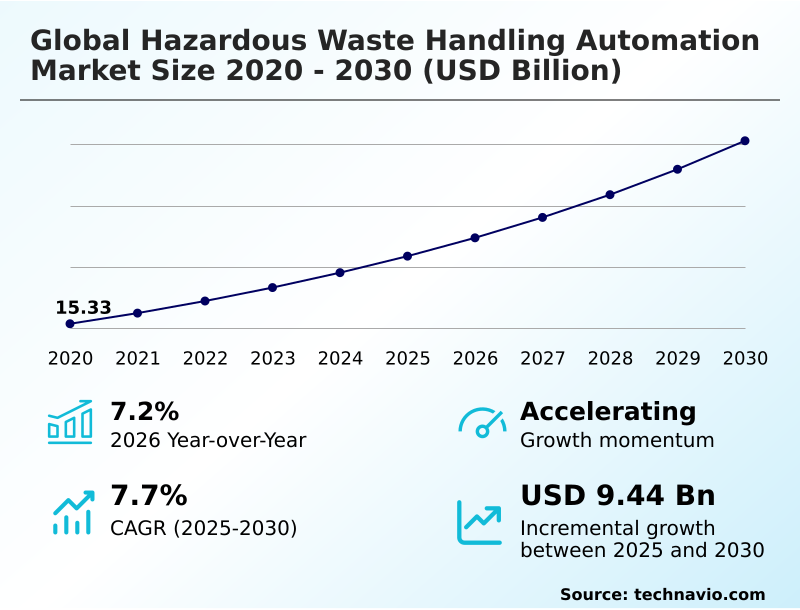
The hazardous waste handling automation market size is valued to increase by USD 9.44 billion, at a CAGR of 7.7% from 2025 to 2030. Technological advancements in automation and AI will drive the hazardous waste handling automation market.
Major Market Trends & Insights
- APAC dominated the market and accounted for a 48.6% growth during the forecast period.
- By Application - Industries segment was valued at USD 16.24 billion in 2024
- By Component - Hardware segment accounted for the largest market revenue share in 2024
Market Size & Forecast
- Market Opportunities: USD 14.97 billion
- Market Future Opportunities: USD 9.44 billion
- CAGR from 2025 to 2030 : 7.7%
Market Summary
- The hazardous waste handling automation market is defined by a decisive shift from manual labor to sophisticated technological systems, driven by stringent safety regulations and the pursuit of operational excellence. This transition involves the deployment of robotic sorting of hazardous waste and remote-controlled technologies to manage toxic, radioactive, and infectious materials, thereby minimizing human exposure and ensuring environmental compliance automation.
- In a typical industrial byproduct management scenario, a chemical plant might utilize robotic sorting arms equipped with chemical resistant robotics to segregate corrosive materials, while radiation-hardened sensors provide real-time data for automated containment solutions. This approach not only enhances worker safety in hazardous environments but also improves the precision and efficiency of waste processing.
- The integration of AI-powered analytics and machine vision systems further enables predictive maintenance and optimizes waste stream workflows, making automation a cornerstone of modern, sustainable disposal strategies. As industries worldwide prioritize risk mitigation and resource recovery from waste, the demand for integrated, intelligent automation continues to accelerate, reshaping the landscape of high-risk material handling.
What will be the Size of the Hazardous Waste Handling Automation Market during the forecast period?
Get Key Insights on Market Forecast (PDF) Get Free Sample
How is the Hazardous Waste Handling Automation Market Segmented?
The hazardous waste handling automation industry research report provides comprehensive data (region-wise segment analysis), with forecasts and estimates in "USD million" for the period 2026-2030, as well as historical data from 2020-2024 for the following segments.
- Application
- Industries
- Agriculture
- Component
- Hardware
- Software
- Services
- Category
- Solid
- Liquid
- Gaseous
- Product
- Manipulator arms
- Cranes
- Trusses
- Others
- Geography
- APAC
- China
- India
- Japan
- North America
- US
- Canada
- Mexico
- Europe
- Germany
- UK
- France
- South America
- Brazil
- Argentina
- Middle East and Africa
- Saudi Arabia
- UAE
- South Africa
- Rest of World (ROW)
- APAC
By Application Insights
The industries segment is estimated to witness significant growth during the forecast period.
The industrial sector's adoption of hazardous waste handling automation is driven by the need to manage toxic byproducts from manufacturing, chemical processing, and energy generation.
As industries integrate Industry 4.0 principles, the use of robotic cell integration and automated decontamination robots becomes essential for meeting stringent environmental regulations.
Facilities handling radioactive materials and chemical sludge rely on remote handling systems and automated material recovery to mitigate risks associated with manual intervention.
This includes the use of autonomous sorting and segregation technologies, which improve material recovery rates by over 15%.
This strategic shift toward smart waste infrastructure, driven by a focus on sustainable disposal strategies and operational efficiency in waste management, underscores the sector's commitment to advanced automation for worker safety in hazardous environments.
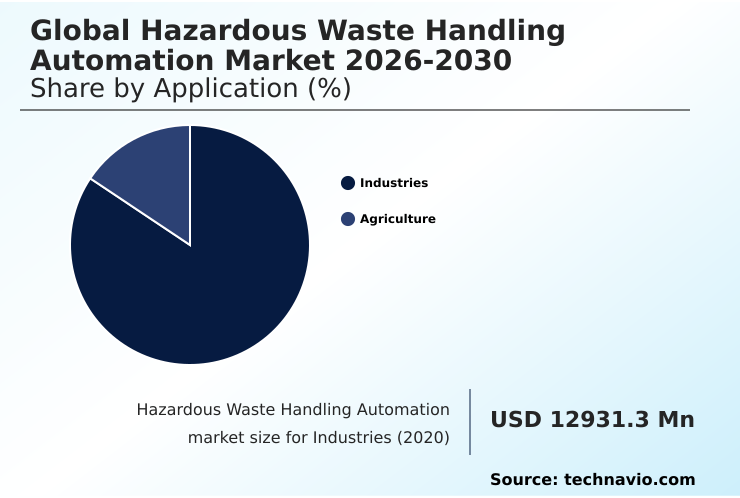
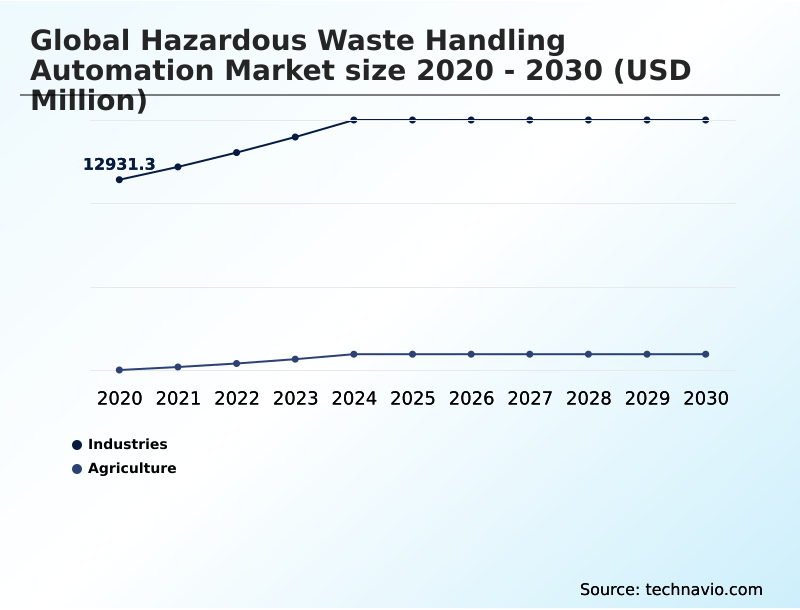
The Industries segment was valued at USD 16.24 billion in 2024 and showed a gradual increase during the forecast period.
Regional Analysis
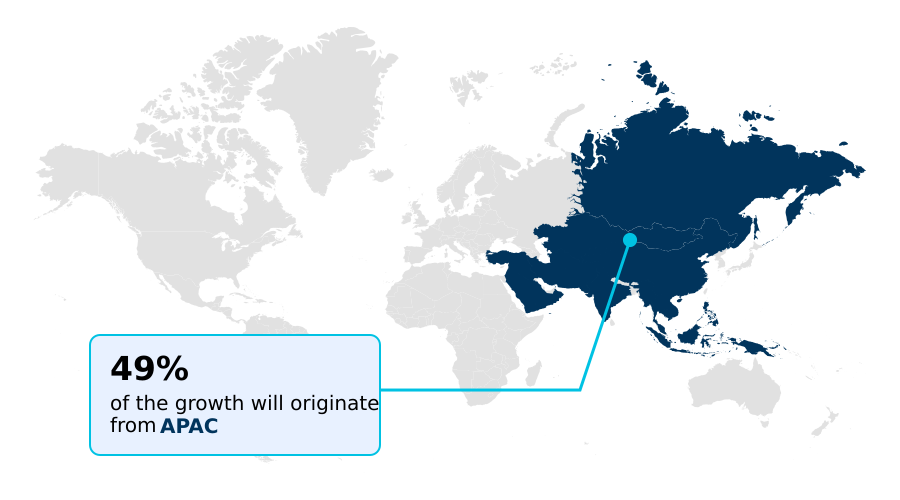
APAC is estimated to contribute 48.6% to the growth of the global market during the forecast period.Technavio’s analysts have elaborately explained the regional trends and drivers that shape the market during the forecast period.
See How Hazardous Waste Handling Automation Market Demand is Rising in APAC Get Free Sample
The geographic landscape is prominently shaped by APAC, which accounts for over 48% of the market's incremental growth opportunity.
This expansion is driven by rapid industrialization and stringent environmental mandates in countries like China and India, compelling industries to adopt automated waste treatment systems.
Japan's leadership in robotics is critical, where an aging workforce necessitates the deployment of remote-controlled technologies and tele-operated manipulators, particularly for nuclear decommissioning robotics and managing radioactive waste processing.
The adoption of robotic waste compaction and automated autoclaving systems in the region's expanding healthcare sector further fuels demand.
As a result, the convergence of regulatory pressure and technological innovation for biohazardous substance control and infectious waste disposal automation solidifies APAC's position as the primary engine of global market growth.
Market Dynamics
Our researchers analyzed the data with 2025 as the base year, along with the key drivers, trends, and challenges. A holistic analysis of drivers will help companies refine their marketing strategies to gain a competitive advantage.
- The strategic imperative for reducing human exposure to toxins is accelerating the adoption of specialized automation across industries. Solutions for automating drum and container handling are becoming standard in chemical facilities to prevent spills and ensure precise inventory management. In the energy and electronics sectors, robotic systems for battery recycling are critical for safely dismantling components and recovering valuable materials.
- The development of AI for sorting mixed hazardous waste enables facilities to process complex streams with high accuracy, a task previously deemed too dangerous for manual labor. This is particularly vital for the automated handling of asbestos materials, where robotic precision eliminates airborne fiber risks.
- For nuclear sites, the use of autonomous vehicles in nuclear sites and tele-operated robots for decontamination tasks is non-negotiable for safety. Similarly, enhancing traceability of hazardous streams through automation is crucial for regulatory reporting and lifecycle management. The application of robotic arms for chemical handling in laboratories and the use of UAVs for site inspection and monitoring provide comprehensive oversight.
- In healthcare, automating infectious medical waste disposal with robotic solutions for lab waste prevents pathogen spread. Facilities implementing such technologies report operational efficiencies over 30% higher than traditional methods, validating the investment in automation for optimizing hazardous liquid transfer and overall compliance with hazardous material regulations.
- AI-based predictive failure in robotics and automation in chemical spill cleanup are also gaining traction.
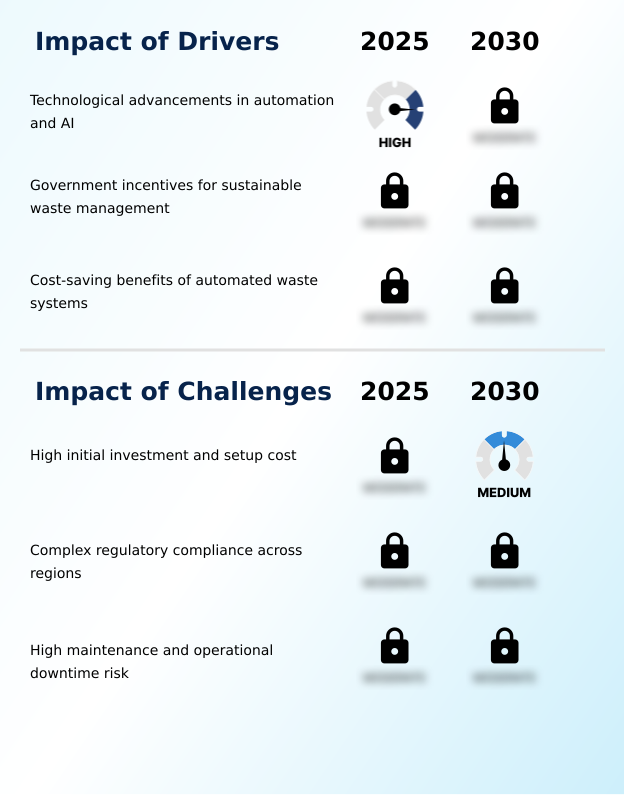
What are the key market drivers leading to the rise in the adoption of Hazardous Waste Handling Automation Industry?
- Technological advancements in automation and AI are a key driver of market growth, enhancing safety and operational efficiency in hazardous material management.
- Technological advancements, particularly in AI and robotics, are the primary drivers of market expansion. The integration of AI-driven sorting systems and machine vision systems has revolutionized waste segregation, reducing human exposure in high-risk zones by over 90%.
- These intelligent platforms, powered by predictive maintenance algorithms, analyze data from automated incineration control and robotic manipulators to anticipate equipment failures, boosting operational uptime by 15%.
- Automated guided vehicles (AGVs) and robotic disassembly systems streamline workflows, increasing processing throughput by more than 25%.
- The convergence of these technologies enables precision handling tools for waste, supporting key applications like automated containment solutions and industrial byproduct management, which are critical for both safety and regulatory adherence in toxic material management.
What are the market trends shaping the Hazardous Waste Handling Automation Industry?
- The emergence of cloud-based hazardous waste tracking platforms represents a significant upcoming trend, offering real-time visibility and centralized data management for enhanced compliance.
- A primary trend reshaping the market is the rapid adoption of cloud-based platforms and IoT sensor integration for comprehensive waste management. These systems provide unprecedented real-time visibility into operations, enabling automated waste classification and tamper-proof compliance documentation through features like blockchain-based recordkeeping. This digital transformation allows for predictive insights, improving forecast accuracy for waste generation by up to 25%.
- Furthermore, by integrating dual-armed telerobotic systems with a central data hub, organizations can optimize remote operations in waste facilities, reducing diagnostic and repair times by 30%. The move toward integrated, intelligent solutions for e-waste recycling automation and heavy metal sludge handling is streamlining compliance and enhancing overall operational control through resource recovery from waste.
What challenges does the Hazardous Waste Handling Automation Industry face during its growth?
- The high initial investment and setup costs for advanced automated systems represent a primary challenge, potentially slowing market adoption despite long-term benefits.
- The high initial investment required for advanced automation presents a significant market challenge, particularly for customized applications such as biohazard containment automation or handling radioactive waste.
- The total cost of ownership for fully autonomous platforms, including specialized hardware like robotic end-effectors and sensor-based sorting mechanisms, can be up to three times higher than semi-automated alternatives in the first year of deployment. Integrating autonomous ground vehicles and automated drum conveyance systems with existing infrastructure often requires substantial capital outlay.
- However, this investment yields long-term returns by reducing labor-related incident costs and insurance premiums by an average of 50%, validating the financial case for adopting advanced systems for pharmaceutical waste automation and enhancing data-driven waste tracking.
Exclusive Technavio Analysis on Customer Landscape
The hazardous waste handling automation market forecasting report includes the adoption lifecycle of the market, covering from the innovator’s stage to the laggard’s stage. It focuses on adoption rates in different regions based on penetration. Furthermore, the hazardous waste handling automation market report also includes key purchase criteria and drivers of price sensitivity to help companies evaluate and develop their market growth analysis strategies.
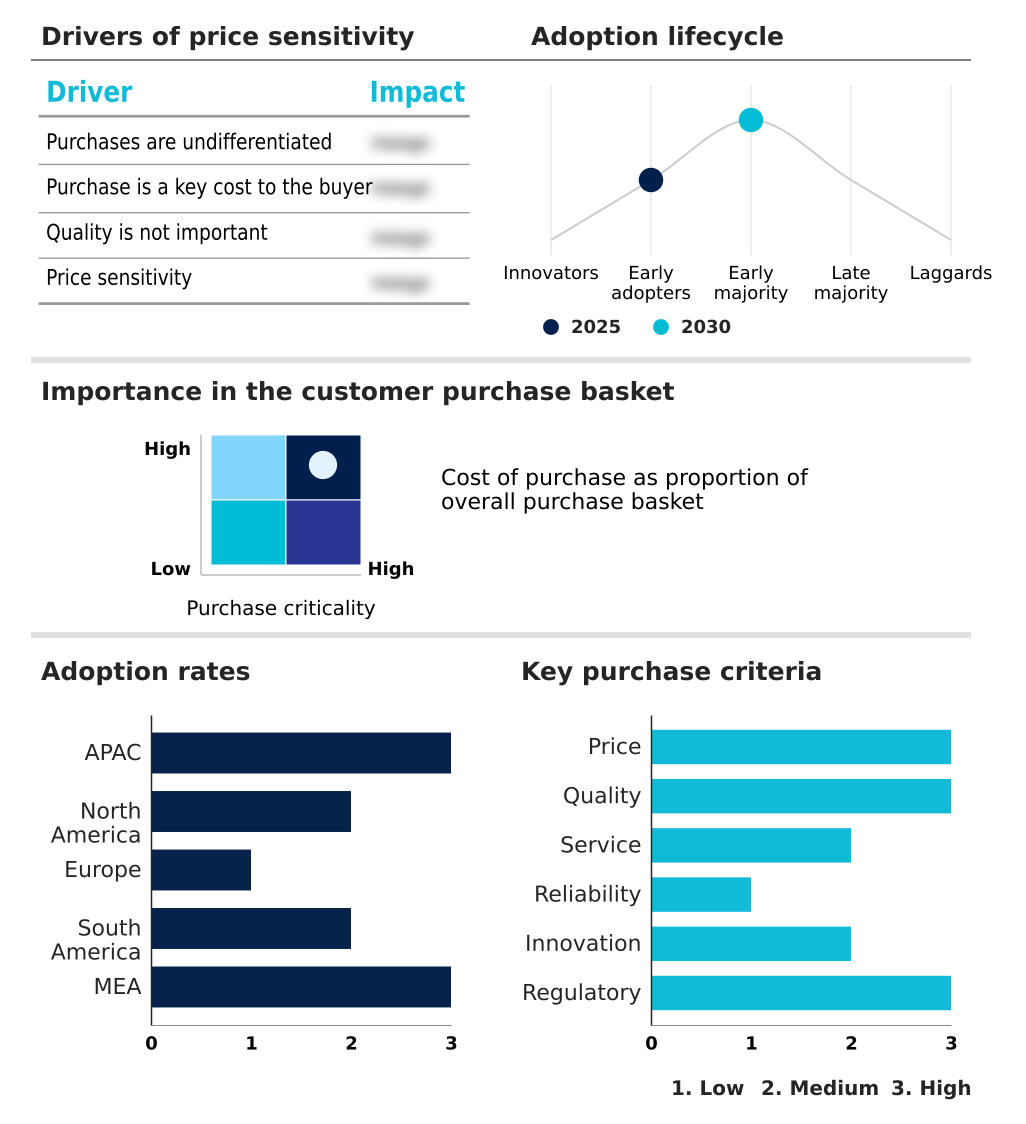
Customer Landscape of Hazardous Waste Handling Automation Industry
Competitive Landscape
Companies are implementing various strategies, such as strategic alliances, hazardous waste handling automation market forecast, partnerships, mergers and acquisitions, geographical expansion, and product/service launches, to enhance their presence in the industry.
ABB Ltd. - Delivering advanced industrial robots and integrated automation systems engineered for high-risk environments, enhancing safety and operational efficiency in specialized material handling applications.
The industry research and growth report includes detailed analyses of the competitive landscape of the market and information about key companies, including:
- ABB Ltd.
- Action Construction Equipment Ltd.
- Clean Harbors Inc.
- Hiab Corp.
- Hosokawa Micron Corp.
- Kawasaki Heavy Industries Ltd.
- Konecranes
- KUKA AG
- Mitsubishi Electric Corp.
- PaR Systems LLC
- Penz crane GmbH
- Recology Inc.
- Siemens AG
- Stericycle Inc.
- Terex Corp.
- Veolia Environment SA
- Yaskawa Electric Corp.
Qualitative and quantitative analysis of companies has been conducted to help clients understand the wider business environment as well as the strengths and weaknesses of key industry players. Data is qualitatively analyzed to categorize companies as pure play, category-focused, industry-focused, and diversified; it is quantitatively analyzed to categorize companies as dominant, leading, strong, tentative, and weak.
Recent Development and News in Hazardous waste handling automation market
- In October, 2024, Stericycle Inc. expanded its infrastructure by opening a new hospital, medical, and infectious waste incinerator in McCarran, Nevada, which integrates advanced engineering to safely manage regulated waste streams.
- In October, 2024, ABB Ltd. formed a collaboration with startup Molg to develop robotic microfactories that utilize automation for the disassembly and recycling of data center electronic waste, aiming to recover valuable materials.
- In November, 2024, Clean Harbors Inc. successfully completed tests of new incineration methods designed to destroy per- and polyfluoroalkyl substances (PFAS) to a level that meets stringent new environmental standards.
- In March, 2025, Sellafield Ltd, in partnership with AtkinsRealis, achieved an industry first by successfully operating a quadrupedal robot on a nuclear-licensed site from a completely separate off-site location, demonstrating the viability of long-distance remote handling.
Dive into Technavio’s robust research methodology, blending expert interviews, extensive data synthesis, and validated models for unparalleled Hazardous Waste Handling Automation Market insights. See full methodology.
| Market Scope | |
|---|---|
| Page number | 310 |
| Base year | 2025 |
| Historic period | 2020-2024 |
| Forecast period | 2026-2030 |
| Growth momentum & CAGR | Accelerate at a CAGR of 7.7% |
| Market growth 2026-2030 | USD 9436.7 million |
| Market structure | Fragmented |
| YoY growth 2025-2026(%) | 7.2% |
| Key countries | China, India, Japan, South Korea, Australia, Indonesia, US, Canada, Mexico, Germany, UK, France, Italy, Spain, The Netherlands, Brazil, Argentina, Chile, Saudi Arabia, UAE, South Africa, Israel and Turkey |
| Competitive landscape | Leading Companies, Market Positioning of Companies, Competitive Strategies, and Industry Risks |
Research Analyst Overview
- The hazardous waste handling automation market is evolving beyond simple machinery to fully integrated, intelligent ecosystems designed to eliminate human risk. Boardroom decisions increasingly center on the capital investment in autonomous systems versus the long-term liabilities of manual processing. The deployment of automated decontamination robots has been shown to accelerate cleanup timelines by as much as 40%.
- The technological core includes robotic sorting arms and tele-operated manipulators enhanced with haptic feedback systems. Central to this evolution are AI-powered analytics and machine vision systems, which enable computer vision for waste identification and power AI-driven sorting systems. These technologies are integrated into autonomous mobile robots, automated guided vehicles (AGVs), and even unmanned aerial vehicles (UAVs) for comprehensive site management.
- Hardware, such as radiation-hardened sensors and robotic end-effectors, is crucial for nuclear decommissioning robotics and handling biohazard containment automation. The ecosystem relies on robotic cell integration, digital twin interfaces, and predictive maintenance algorithms to ensure reliability. Software advancements like blockchain-based recordkeeping secure the data chain of custody, while laser-based material identification and chemical resistant robotics handle diverse waste streams.
- From automated drum conveyance to robotic waste compaction and automated autoclaving systems, every stage is being transformed by smart waste infrastructure, automated material recovery, and autonomous sorting and segregation capabilities.
What are the Key Data Covered in this Hazardous Waste Handling Automation Market Research and Growth Report?
-
What is the expected growth of the Hazardous Waste Handling Automation Market between 2026 and 2030?
-
USD 9.44 billion, at a CAGR of 7.7%
-
-
What segmentation does the market report cover?
-
The report is segmented by Application (Industries, and Agriculture), Component (Hardware, Software, and Service), Category (Solid, Liquid, and Gaseous), Product (Manipulator arms, Cranes, Trusses, and Others) and Geography (APAC, North America, Europe, South America, Middle East and Africa)
-
-
Which regions are analyzed in the report?
-
APAC, North America, Europe, South America and Middle East and Africa
-
-
What are the key growth drivers and market challenges?
-
Technological advancements in automation and AI, High initial investment and setup cost
-
-
Who are the major players in the Hazardous Waste Handling Automation Market?
-
ABB Ltd., Action Construction Equipment Ltd., Clean Harbors Inc., Hiab Corp., Hosokawa Micron Corp., Kawasaki Heavy Industries Ltd., Konecranes, KUKA AG, Mitsubishi Electric Corp., PaR Systems LLC, Penz crane GmbH, Recology Inc., Siemens AG, Stericycle Inc., Terex Corp., Veolia Environment SA and Yaskawa Electric Corp.
-
Market Research Insights
- The market dynamics are shaped by a strong emphasis on toxic material management and environmental compliance automation. Organizations are achieving significant operational gains; for instance, facilities that implement real-time waste monitoring and secure data sharing for waste improve their regulatory reporting accuracy by over 95%.
- Similarly, the adoption of automated pollution control measures and automated safety protocols in closed-loop waste systems reduces cross-contamination events by up to 40%. This push for data-driven waste tracking and waste stream optimization is compelling businesses to invest in advanced technologies.
- The focus on labor dependency reduction through automation provides a clear path to enhancing both safety and profitability in high-risk material handling and pharmaceutical waste automation.
We can help! Our analysts can customize this hazardous waste handling automation market research report to meet your requirements.
 RIA -
RIA - 
