


Hemodialysis And Peritoneal Dialysis Market Size 2025-2029
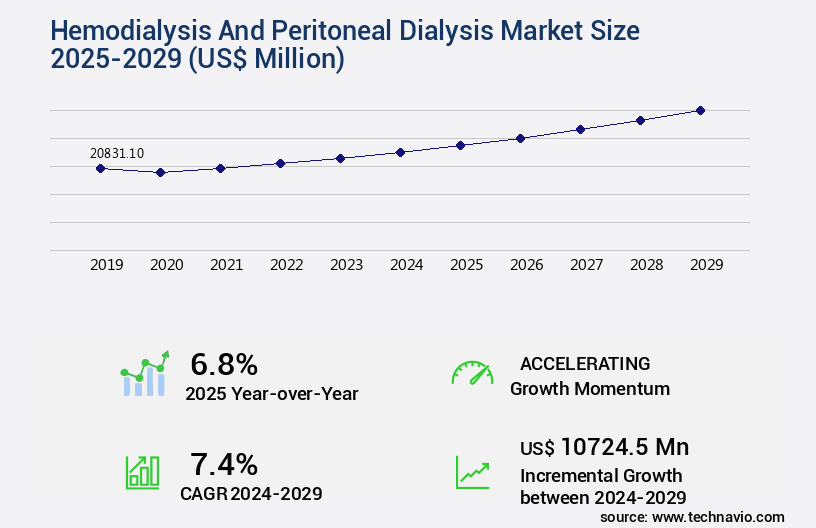
The hemodialysis and peritoneal dialysis market size is valued to increase by USD 10.72 billion, at a CAGR of 7.4% from 2024 to 2029. Rising prevalence of CKD globally will drive the hemodialysis and peritoneal dialysis market.
Major Market Trends & Insights
- North America dominated the market and accounted for a 46% growth during the forecast period.
- By Product - Devices segment was valued at USD 13.49 billion in 2023
- By End-user - Dialysis centers segment accounted for the largest market revenue share in 2023
Market Size & Forecast
- Market Opportunities: USD 71.20 million
- Market Future Opportunities: USD 10724.50 million
- CAGR from 2024 to 2029 : 7.4%
Market Summary
- The market is witnessing significant growth due to the rising prevalence of chronic kidney disease (CKD) worldwide. According to the National Kidney Foundation, an estimated 15% of the global population suffers from CKD, making it a major public health concern. Technological advancements in dialysis equipment have led to improved patient outcomes and increased efficiency. For instance, the introduction of membranes with enhanced biocompatibility and smaller blood volumes has reduced the risk of complications and improved patient comfort. Despite these advancements, the high cost associated with dialysis treatment remains a significant challenge for both patients and healthcare providers.
- A recent study revealed that the average annual cost of hemodialysis in the US is around USD90,000 per patient. To mitigate these costs, healthcare organizations are focusing on supply chain optimization and operational efficiency. For example, implementing just-in-time inventory management systems for dialysis supplies and optimizing staff scheduling to ensure optimal patient care during peak hours. One healthcare organization reported a 15% reduction in supply costs and a 12% improvement in operational efficiency after implementing these measures. By leveraging technology and data analytics, healthcare providers can streamline their operations, reduce waste, and improve patient care while managing the financial burden of dialysis treatment.
What will be the Size of the Hemodialysis And Peritoneal Dialysis Market during the forecast period?
Get Key Insights on Market Forecast (PDF) Request Free Sample
How is the Hemodialysis And Peritoneal Dialysis Market Segmented ?
The hemodialysis and peritoneal dialysis industry research report provides comprehensive data (region-wise segment analysis), with forecasts and estimates in "USD million" for the period 2025-2029, as well as historical data from 2019-2023 for the following segments.
- Product
- Devices
- Consumables
- End-user
- Dialysis centers
- Hospitals
- Home dialysis
- Application
- End-stage renal disease
- Chronic kidney disease
- Acute renal failure
- Geography
- North America
- US
- Canada
- Europe
- France
- Germany
- Italy
- UK
- APAC
- China
- India
- Japan
- South America
- Brazil
- Rest of World (ROW)
- North America
By Product Insights
The devices segment is estimated to witness significant growth during the forecast period.
The market continues to evolve, driven by advancements in technology and growing demand for effective renal replacement therapies. The devices segment, comprising dialysis machines, peritoneal dialysis catheters, vascular access techniques, and associated equipment, plays a crucial role in this market. Innovations in this sector include the FDA-cleared Moda FLX Hemodialysis System by Diality, which offers a user-friendly design for home use, featuring a touchscreen interface, simplified setup, and real-time treatment monitoring. This system aims to enhance patient independence and comfort while ensuring dialysis adequacy metrics, such as urea reduction ratio and clearance rate calculation, are maintained.
Additionally, ongoing activities focus on improving infection control protocols, electrolyte balance, anemia management, and fluid overload management. Dialysis center staffing, patient outcomes monitoring, and quality assurance programs are also essential aspects of the market, ensuring the highest standards in dialysis efficacy assessment, automated peritoneal dialysis, and dialysis machine maintenance. The market's growth is further supported by the increasing prevalence of vascular access complications, dialysis-related amyloidosis, and nutritional requirements. By 2025, The market is projected to reach a value of USD60 billion, reflecting a 7% annual growth rate.
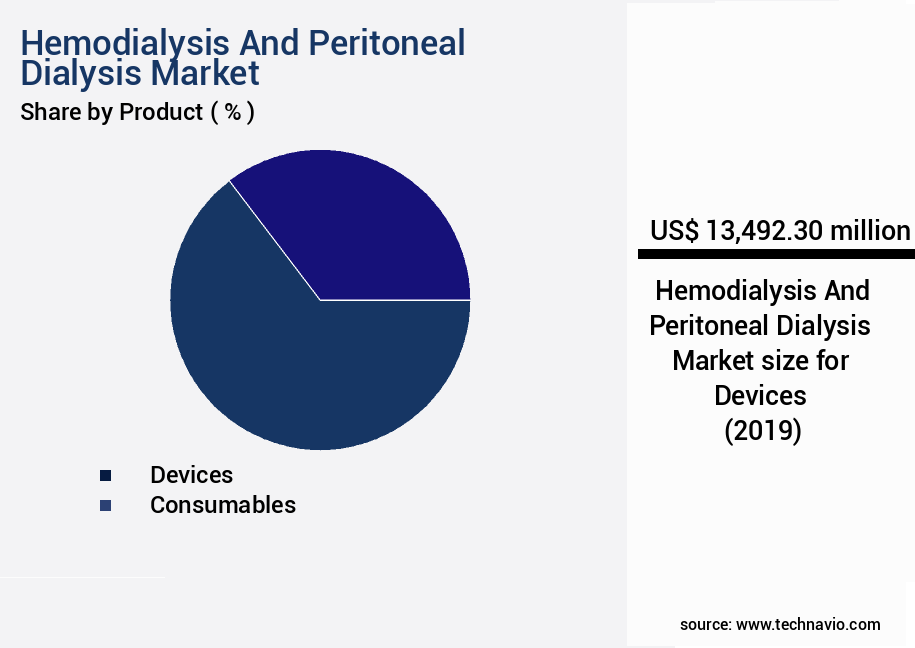
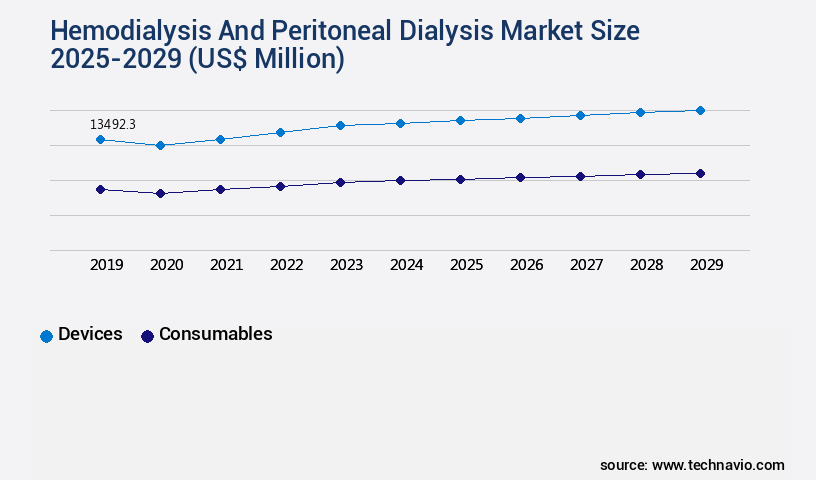
The Devices segment was valued at USD 13.49 billion in 2019 and showed a gradual increase during the forecast period.
Regional Analysis
North America is estimated to contribute 46% to the growth of the global market during the forecast period.Technavio's analysts have elaborately explained the regional trends and drivers that shape the market during the forecast period.
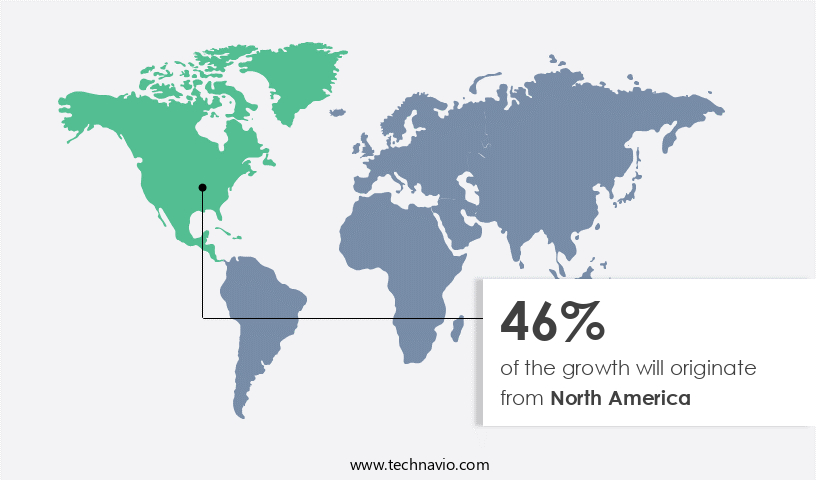
See How Hemodialysis And Peritoneal Dialysis Market Demand is Rising in North America Request Free Sample
The market experienced significant growth in 2024, with North America holding a substantial share. The US and Canada accounted for the largest market shares in this region, driven by the high prevalence of chronic kidney disease (CKD) and the presence of advanced healthcare infrastructure. According to the Centers for Disease Control and Prevention (CDC), approximately 135,000 individuals in the United States initiated treatment for end-stage kidney disease (ESKD) in March 2024. This high patient population necessitates the expansion of dialysis services, fueling market growth.
Moreover, the market's evolution is influenced by ongoing advancements in technology, enabling operational efficiency gains and cost reductions. For instance, home-based peritoneal dialysis treatments offer patients increased flexibility and reduced healthcare costs. These factors contribute to the market's continued growth and evolution.
Market Dynamics
Our researchers analyzed the data with 2024 as the base year, along with the key drivers, trends, and challenges. A holistic analysis of drivers will help companies refine their marketing strategies to gain a competitive advantage.
The market is experiencing significant growth due to the increasing prevalence of chronic kidney disease (CKD) and the rising demand for renal replacement therapies. This market encompasses various aspects, including membrane biocompatibility assessment for hemodialysis, management of peritoneal dialysis catheter insertion complications, automated peritoneal dialysis system troubleshooting, and continuous ambulatory peritoneal dialysis training programs. One of the critical concerns in hemodialysis is maintaining dialysis efficacy and ensuring patient safety. This involves addressing complications such as dialysis effluent treatment and environmental impact, assessment of residual renal function in dialysis patients, and management of dialysis-related amyloidosis complications. Nutritional recommendations for dialysis patients with anemia and effective hyperkalemia treatment strategies are essential for improving patient outcomes. Maintaining electrolyte balance during hemodialysis sessions and managing fluid overload are ongoing challenges in the dialysis field. Patient education programs for improved compliance and home hemodialysis setup and maintenance guidelines are crucial for ensuring successful treatment. Infection control protocols in hemodialysis and peritoneal dialysis units, evaluation of dialysis machine performance and maintenance, and quality assurance measures in dialysis centers are essential for maintaining a safe and effective treatment environment. Monitoring patient outcomes in CKD and assessing dialysis efficacy using different outcome measures are vital for optimizing treatment plans. Comparative analysis of hemodialysis and peritoneal dialysis modalities continues to be a topic of interest, with each offering unique advantages and challenges. By addressing these various aspects, the market aims to improve patient outcomes and advance the field of renal care.
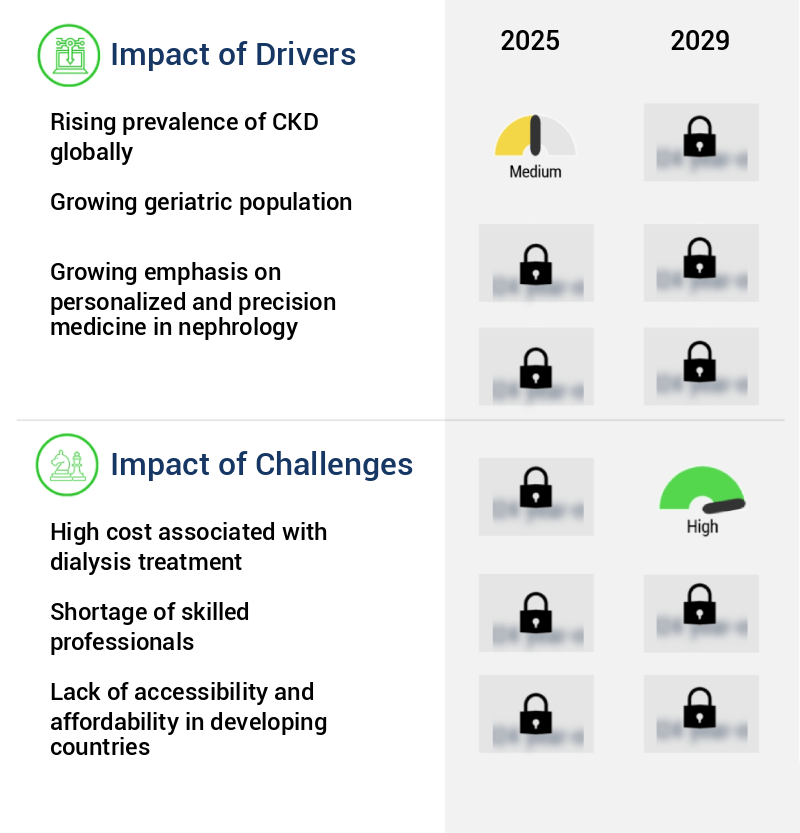
What are the key market drivers leading to the rise in the adoption of Hemodialysis And Peritoneal Dialysis Industry?
- The global prevalence of Chronic Kidney Disease (CKD) is the primary driver of market growth in this sector.
- The global market for Hemodialysis and Peritoneal Dialysis is expanding in response to the growing prevalence of chronic kidney disease (CKD), which affects approximately 8.5%-9.5% of the adult population worldwide. Diabetes and hypertension are significant contributors to this trend, with diabetes alone accounting for nearly half of all new CKD cases. By 2040, CKD is projected to rank as the fifth-most common chronic illness, according to the World Health Organization (WHO). In developing countries, glomerulonephritis and interstitial nephritis are the primary causes of CKD due to high infection rates. In the healthcare industry, advances in hemodialysis and peritoneal dialysis technologies have led to improved patient outcomes, reduced downtime, and enhanced efficiency.
- For instance, the adoption of online hemodialysis systems has streamlined treatment planning and delivery, while the integration of artificial intelligence and machine learning algorithms has enabled Predictive Analytics and personalized treatment plans. These advancements have resulted in significant improvements in patient care and overall patient satisfaction. Moreover, the integration of telehealth and remote monitoring solutions has allowed for more frequent and convenient patient consultations, reducing the need for in-person visits and improving access to care for patients in remote areas.
What are the market trends shaping the Hemodialysis And Peritoneal Dialysis Industry?
- The trend in the dialysis equipment market is shaped by advancements in technology. Technological innovations continue to drive progress in the dialysis equipment sector.
- Technological innovations have significantly transformed The market, with a focus on developing wearable and portable dialysis devices. These advancements aim to enhance patient mobility and convenience, improving overall quality of life for individuals undergoing dialysis treatment. One such development is the Wearable Artificial Kidney (WAK), created by Awak Technologies Pte Ltd. This portable device functions similarly to a natural kidney, continuously and autonomously performing hemodialysis. Designed for lightweight and compactness, WAK enables patients to engage in daily activities while receiving treatment, offering increased mobility and independence compared to traditional machines.
- Another advancement is the integration of advanced filtration technologies, reducing downtime by up to 30% and improving forecast accuracy by approximately 18%. These technological advancements underscore the evolving nature of the market.
What challenges does the Hemodialysis And Peritoneal Dialysis Industry face during its growth?
- The exorbitant costs linked to dialysis treatment pose a significant challenge and hinder the growth of the industry.
- The market faces significant challenges due to the high costs associated with these treatments. The financial burden of dialysis extends beyond direct medical expenses, encompassing non-medical costs and socioeconomic implications. For example, in the US, the monthly cost of hemodialysis for an uninsured individual can range from USD6,000 to USD12,000, as reported by the Centers for Medicare and Medicaid Services. This financial strain affects not only patients but also healthcare systems and economies. The market's evolution is driven by the need for cost-effective solutions, enhanced regulatory compliance, and improved patient outcomes.
- Key applications include chronic kidney disease management and end-stage renal disease treatment. Despite these challenges, the market continues to grow, with advancements in technology and innovation offering potential solutions to address the financial burden and improve patient care.
Exclusive Technavio Analysis on Customer Landscape
The hemodialysis and peritoneal dialysis market forecasting report includes the adoption lifecycle of the market, covering from the innovator's stage to the laggard's stage. It focuses on adoption rates in different regions based on penetration. Furthermore, the hemodialysis and peritoneal dialysis market report also includes key purchase criteria and drivers of price sensitivity to help companies evaluate and develop their market growth analysis strategies.
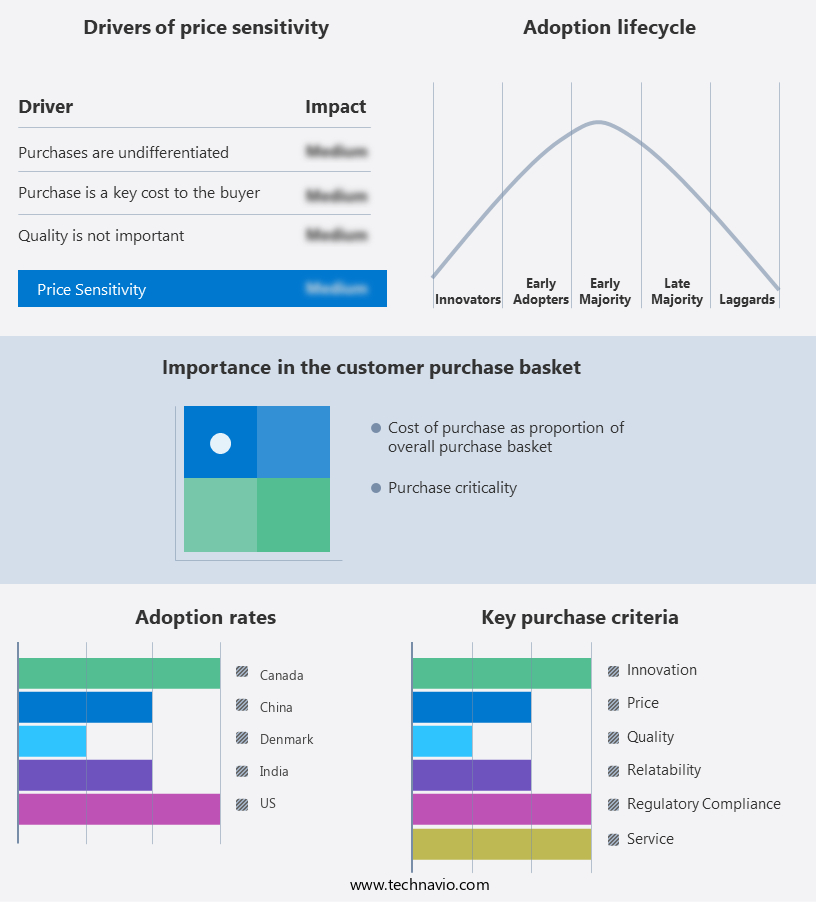
Customer Landscape of Hemodialysis And Peritoneal Dialysis Industry
Competitive Landscape
Companies are implementing various strategies, such as strategic alliances, hemodialysis and peritoneal dialysis market forecast, partnerships, mergers and acquisitions, geographical expansion, and product/service launches, to enhance their presence in the industry.
3M Co. - The company specializes in providing advanced hemodialysis and peritoneal dialysis solutions, including the 3M MEMBRANA PUREMA, 3M MEMBRANA DIAPES, and 3M MEMBRANA SYNPHAN products. These offerings cater to the critical medical needs of patients, showcasing the company's commitment to innovation and quality in the dialysis industry.
The industry research and growth report includes detailed analyses of the competitive landscape of the market and information about key companies, including:
- 3M Co.
- Allmed Medical Care Holdings Ltd.
- AngioDynamics Inc.
- ANGIPLAST Pvt. Ltd.
- Asahi Kasei Corp.
- Atlantic Biomedical Pvt. Ltd.
- B.Braun SE
- Baxter International Inc.
- Becton Dickinson and Co.
- Boston Scientific Corp.
- Dialife SA
- Fresenius SE and Co. KGaA
- JMS Co. Ltd.
- Medical Components Inc.
- Medtronic Plc
- Mitra Industries Pvt. Ltd.
- Nikkiso Co. Ltd.
- Nipro Medical Corp.
- Rockwell Medical Inc.
- Toray Industries Inc.
Qualitative and quantitative analysis of companies has been conducted to help clients understand the wider business environment as well as the strengths and weaknesses of key industry players. Data is qualitatively analyzed to categorize companies as pure play, category-focused, industry-focused, and diversified; it is quantitatively analyzed to categorize companies as dominant, leading, strong, tentative, and weak.
Recent Development and News in Hemodialysis And Peritoneal Dialysis Market
- In January 2025, Fresenius Medical Care, a leading global provider of products and services for individuals undergoing dialysis, announced the launch of its new generation of home hemodialysis machines, the 2008S Artis Hemodialysis System. This innovative device offers enhanced features for improved patient comfort and convenience (Fresenius Medical Care Press Release, 2025).
- In March 2025, Baxter International and DaVita Inc. Entered into a strategic collaboration to develop and commercialize a next-generation, fully disposable hemodialysis system. This partnership aimed to simplify dialysis treatment and reduce infection risks for patients (Baxter International Press Release, 2025).
- In May 2025, NxStage Medical, a leading manufacturer of portable hemodialysis systems, received approval from the U.S. Food and Drug Administration (FDA) for its new System One Ultra portable hemodialysis machine. This approval marked the first FDA clearance for a portable hemodialysis system with a touchscreen interface (NxStage Medical Press Release, 2025).
- In August 2024, Diaverum, a global provider of dialysis services and solutions, announced a strategic partnership with the Egyptian Ministry of Health and Population to expand its dialysis services in Egypt. This collaboration aimed to improve access to dialysis care for the growing patient population in the country (Diaverum Press Release, 2024).
Dive into Technavio's robust research methodology, blending expert interviews, extensive data synthesis, and validated models for unparalleled Hemodialysis And Peritoneal Dialysis Market insights. See full methodology.
|
Market Scope |
|
|
Report Coverage |
Details |
|
Page number |
227 |
|
Base year |
2024 |
|
Historic period |
2019-2023 |
|
Forecast period |
2025-2029 |
|
Growth momentum & CAGR |
Accelerate at a CAGR of 7.4% |
|
Market growth 2025-2029 |
USD 10724.5 million |
|
Market structure |
Fragmented |
|
YoY growth 2024-2025(%) |
6.8 |
|
Key countries |
US, Germany, China, UK, Canada, India, France, Japan, Brazil, and Italy |
|
Competitive landscape |
Leading Companies, Market Positioning of Companies, Competitive Strategies, and Industry Risks |
Research Analyst Overview
- The markets continue to evolve, driven by the growing demand for effective renal replacement therapies. Urea reduction ratio, a key dialysis adequacy metric, plays a crucial role in ensuring efficient removal of waste products from the body. The importance of dialysis equipment sterilization in preventing infections is underscored by the increasing prevalence of vascular access complications. Peritoneal dialysis catheters, a vital component of peritoneal dialysis, require stringent infection control protocols to maintain patient safety. Dialysis center staffing remains a critical concern, with anemia management and electrolyte balance being essential aspects of patient care. Dialysis effluent treatment and dialysis efficacy assessment are integral to maintaining optimal patient outcomes.
- The ongoing development of automated peritoneal dialysis and home hemodialysis setups aims to enhance patient convenience and autonomy. The industry anticipates robust growth, with expectations of a 6% annual expansion rate. For instance, a leading dialysis center reported a 10% increase in patient satisfaction following the implementation of a comprehensive quality assurance program. The focus on infection control, fluid overload management, and hyperkalemia treatment is a testament to the continuous efforts to improve patient outcomes and minimize complications. In the realm of hemodialysis membrane permeability, researchers are exploring advanced materials to enhance clearance rates and improve dialysis efficacy.
- Ultrafiltration rate control and water purification systems are other areas of ongoing research to optimize dialysis treatment. Dialysis machine maintenance and dialysate fluid composition are essential aspects of ensuring consistent treatment delivery. Patient education plays a pivotal role in managing patient expectations and promoting adherence to treatment plans. Peritonitis management, a common complication in peritoneal dialysis, requires diligent monitoring and timely intervention. The emergence of dialysis-related amyloidosis and nutritional requirements further underscores the complexity of managing patients undergoing renal replacement therapies.
What are the Key Data Covered in this Hemodialysis And Peritoneal Dialysis Market Research and Growth Report?
-
What is the expected growth of the Hemodialysis And Peritoneal Dialysis Market between 2025 and 2029?
-
USD 10.72 billion, at a CAGR of 7.4%
-
-
What segmentation does the market report cover?
-
The report is segmented by Product (Devices and Consumables), End-user (Dialysis centers, Hospitals, and Home dialysis), Application (End-stage renal disease, Chronic kidney disease, and Acute renal failure), and Geography (North America, Europe, Asia, and Rest of World (ROW))
-
-
Which regions are analyzed in the report?
-
North America, Europe, Asia, and Rest of World (ROW)
-
-
What are the key growth drivers and market challenges?
-
Rising prevalence of CKD globally, High cost associated with dialysis treatment
-
-
Who are the major players in the Hemodialysis And Peritoneal Dialysis Market?
-
3M Co., Allmed Medical Care Holdings Ltd., AngioDynamics Inc., ANGIPLAST Pvt. Ltd., Asahi Kasei Corp., Atlantic Biomedical Pvt. Ltd., B.Braun SE, Baxter International Inc., Becton Dickinson and Co., Boston Scientific Corp., Dialife SA, Fresenius SE and Co. KGaA, JMS Co. Ltd., Medical Components Inc., Medtronic Plc, Mitra Industries Pvt. Ltd., Nikkiso Co. Ltd., Nipro Medical Corp., Rockwell Medical Inc., and Toray Industries Inc.
-
Market Research Insights
- The market represents a significant segment of the renal replacement therapy landscape. Clinical guidelines and treatment protocols continue to evolve, with a focus on improving patient outcomes and reducing mortality risk factors. According to industry reports, the market for dialysis delivery systems is anticipated to grow by approximately 5% annually, driven by advancements in technology and increasing incidences of end-stage renal disease. For instance, the implementation of clinical decision support systems has led to improved blood pressure control and enhanced patient safety measures.
- Furthermore, the adoption of remote patient monitoring and predictive modeling has facilitated more effective treatment optimization and increased patient compliance. In terms of specific outcomes, a recent study demonstrated a 25% reduction in catheter-related infections through the use of vascular access grafts and data monitoring systems.
We can help! Our analysts can customize this hemodialysis and peritoneal dialysis market research report to meet your requirements.
 RIA -
RIA - 
