



Hemp-Based Foods Market Size 2024-2028
The hemp-based foods market size is forecast to increase by USD 6.91 billion, at a CAGR of 16.41% between 2023 and 2028.
- The market is experiencing significant growth due to the increasing preference for plant-based diets and the rising number of individuals diagnosed with celiac disease. The vegan population's expansion is fueling the demand for hemp-based alternatives to traditional animal-derived food products. Moreover, hemp-based foods cater to those with gluten intolerance, making them an attractive option in the market. However, the market faces challenges as well. Natural disasters and adverse weather conditions pose a threat to hemp cultivation, potentially disrupting the supply chain and increasing production costs.
- These factors necessitate strategic planning and risk management for companies operating in the hemp-based foods industry. To capitalize on the market's potential, businesses must focus on sustainability, innovation, and resilience to mitigate the risks associated with cultivation and ensure a consistent supply of high-quality hemp-based food products.
What will be the Size of the Hemp-Based Foods Market during the forecast period?
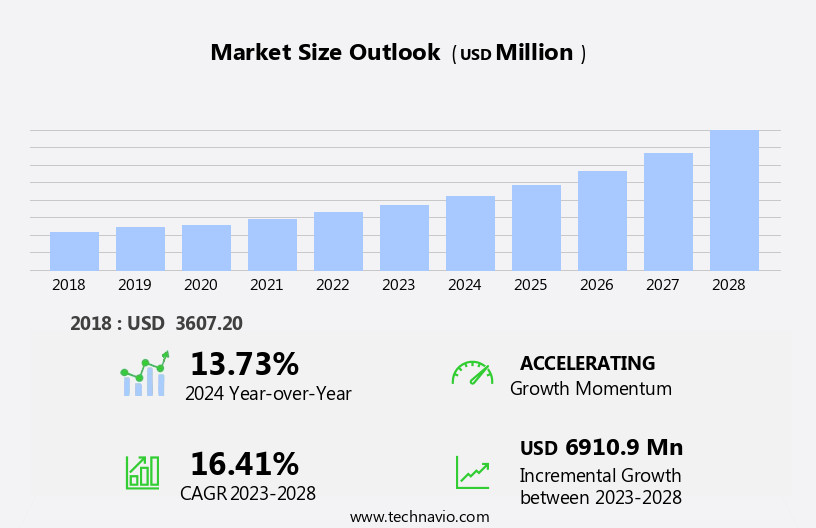
Explore in-depth regional segment analysis with market size data - historical 2018-2022 and forecasts 2024-2028 - in the full report.
Request Free Sample
The hemp market continues to evolve, with new applications and innovations emerging across various sectors. Organic hemp, sourced from sustainable farming practices, is at the heart of this dynamic industry. From hemp seed cake used as animal feed to hemp soaps and lotions in the personal care sector, the versatility of hemp is on full display. Industrial hemp, with its long fibers, is finding its place in textiles, paper, and construction materials. Harvesting techniques and processing technologies are continually refined to optimize yield and product quality. Hemp protein powder, derived from the seeds, offers a valuable source of dietary fiber and essential amino acids.
Hemp-infused cosmetics and skincare products are gaining popularity due to their potential benefits. Sustainability remains a key focus, with a growing emphasis on bio-based polymers, packaging solutions, and hemp-based insulation. Hemp's high protein content and nutritional value make it a sought-after ingredient in food and beverage applications, from hemp granola and yogurt to hemp milk and hemp-reinforced concrete. Quality control is paramount, with food safety regulations ensuring the integrity of hemp-based products. Extraction methods for cannabidiol (CBD) oil and other compounds continue to evolve, driving innovation in the sector. The distribution channels for hemp products are expanding, with retail sales growing steadily.
Hemp's potential applications are vast, from hemp fiber in composites and apparel to hemp paper and hemp rope. The continuous unfolding of market activities and evolving patterns underscores the dynamic nature of this industry.
How is this Hemp-Based Foods Industry segmented?
The hemp-based foods industry research report provides comprehensive data (region-wise segment analysis), with forecasts and estimates in "USD million" for the period 2024-2028, as well as historical data from 2018-2022 for the following segments.
- Distribution Channel
- Supermarkets and Hypermarkets
- Convenience Stores
- Online Stores
- Health Food Stores
- Product
- Hemp seed-based foods
- Hemp protein-based foods
- Hemp oil-based foods
- Aplication
- Dietary Supplements
- Functional Foods
- Snacks
- Beverages
- End-User
- Health-Conscious Consumers
- Vegans
- Athletes
- General Consumers
- Geography
- North America
- US
- Canada
- Mexico
- Europe
- France
- Germany
- UK
- Middle East and Africa
- UAE
- APAC
- Indonesia
- Malaysia
- South Korea
- Thailand
- South America
- Brazil
- Rest of World (ROW)
- North America
By Distribution Channel Insights
The supermarkets and hypermarkets segment is estimated to witness significant growth during the forecast period.
Hemp-based foods have gained significant traction in the organic and natural goods market, with specialty stores and natural food chains being the primary distribution channels. These retailers often dedicate specific areas for hemp products, including hemp seeds, oil, and protein powders. Upscale grocery stores may integrate hemp items into various categories, such as snacks, baked goods, or gluten-free options. Local farmers and artisanal producers also sell their hemp-based creations at farmers markets, providing an opportunity for direct consumer interaction. Hemp cultivation, a crucial aspect of the industry, adheres to stringent food safety regulations. Processing techniques for hemp seeds, oil, and protein involve cold-pressing, extraction, and various processing technologies to preserve nutritional value.
Hemp's versatility extends to various applications, such as insulation, bio-based polymers, textiles, and composites. Hemp seeds, a rich source of protein, dietary fiber, omega-6 and omega-3 fatty acids, are used in various food applications, including hemp milk, yogurt, and butter. Hemp oil, known for its health benefits, is used in culinary applications, cosmetics, and skincare. Hemp-infused cosmetics, lotions, and balms offer additional revenue streams. Sustainable hemp farming practices, including organic cultivation, are essential for the industry's growth. Hemp's versatility extends to industrial applications, such as building materials, insulation, and bioplastics. Cannabidiol (CBD) oil, derived from hemp, is a popular health supplement and ingredient in food and beverages.
Quality control is a top priority in the production of hemp-based foods, ensuring adherence to food safety regulations and maintaining the nutritional value of the final products. Packaging solutions for hemp-based foods focus on sustainability and preserving the integrity of the products. In conclusion, the market is a dynamic and evolving industry, with various applications and distribution channels. From food and beverages to industrial and consumer products, hemp's versatility and nutritional value make it a valuable commodity in the organic and natural goods market.
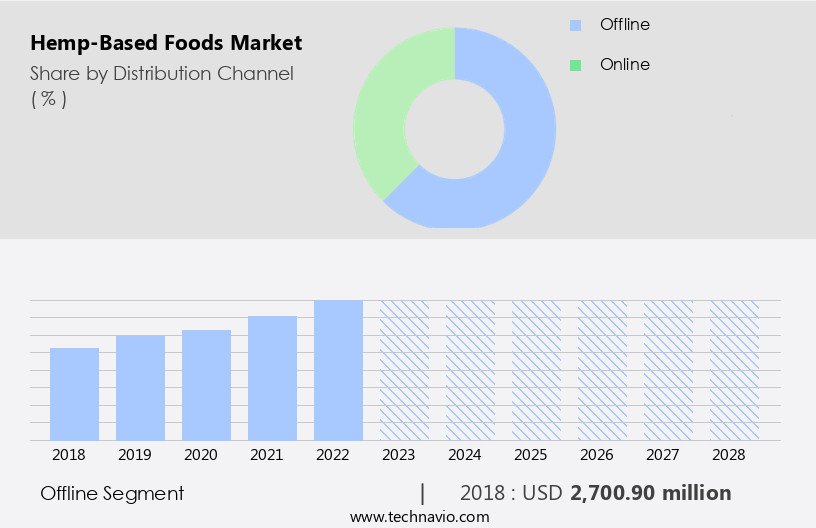
The Supermarkets and Hypermarkets segment was valued at USD 2.7 billion in 2018 and showed a gradual increase during the forecast period.
Regional Analysis
North America is estimated to contribute 35% to the growth of the global market during the forecast period.Technavio’s analysts have elaborately explained the regional trends and drivers that shape the market during the forecast period.
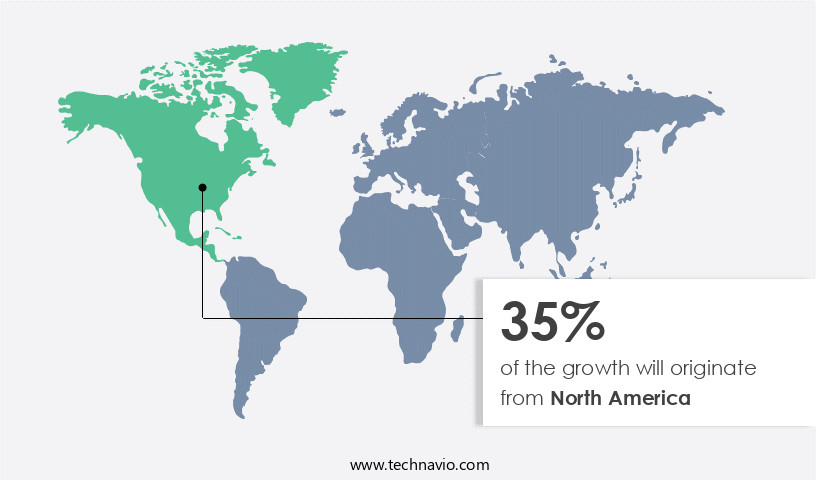
The market in North America is experiencing significant growth and is anticipated to continue expanding during the forecast period. Factors such as increasing consumer awareness towards superfoods and the rising preference for gluten-free food products are driving the market's growth. Hemp protein, hemp shiv, and hemp seeds are popular ingredients in various food applications, including hemp snacks, granola, and yogurt. The US and Canada are major contributors to the market, with the US holding the largest market share in The market in 2023. Hemp oil, used in cold-pressed form, is another key component of the market, used in various food and beverage applications.
Sustainable hemp farming practices and food safety regulations ensure the quality and safety of these products. Hemp fibers are also used in the production of bio-based polymers, textiles, and packaging solutions. Extraction methods play a crucial role in maintaining the protein content and nutritional value of hemp-based foods. The market's growth is further fueled by the versatility of hemp, which is used in various applications, including insulation, building materials, and composites. Hemp's rich nutritional value, including omega-6 and omega-3 fatty acids, dietary fiber, and essential amino acids, adds to its popularity as a health food. The market's future potential lies in the development of new processing technologies and the expansion of distribution channels, enabling the production and availability of a wider range of hemp-based food products.
Market Dynamics
Our researchers analyzed the data with 2023 as the base year, along with the key drivers, trends, and challenges. A holistic analysis of drivers will help companies refine their marketing strategies to gain a competitive advantage.
What are the key market drivers leading to the rise in the adoption of Hemp-Based Foods Industry?
- The increasing prevalence of veganism and the diagnosis of celiac disease are significant factors driving market growth in this industry.
- Hemp-based foods have gained popularity among consumers following plant-based diets, with approximately 6% of the US population, or over 9.7 million people, adhering to a vegan diet in 2023. Europe's vegan population reached 2.6 million in 2023, representing around 3.2% of the European population. Hemp seeds, a rich source of protein, cater to the nutritional requirements of vegans. Hemp protein, derived from hemp seeds, is a valuable alternative to animal-derived protein sources. Hemp shiv, a byproduct of hemp seed processing, can be used to produce bio-based polymers and insulation materials. Hemp oil, specifically cold-pressed hemp oil, is rich in omega-6 fatty acids and is used in various food applications and cosmetics.
- Hemp granola and hemp snacks offer a convenient and tasty way to consume hemp seeds. Hemp cultivation is subject to food safety regulations to ensure the quality and safety of hemp-based foods. Hemp bast fiber can be used to produce textiles, apparel, and other industrial applications. The demand for hemp-based foods is expected to grow as more consumers adopt plant-based diets, creating opportunities for businesses in this sector.
What are the market trends shaping the Hemp-Based Foods Industry?
- The trend in the food industry is shifting towards organic hemp-based products due to rising demand. These foods are becoming increasingly popular in the market.
- Organic hemp foods have gained popularity in the US market due to the growing preference for natural and healthier eating habits. Hemp seeds and protein powders, derived from this plant, are highly valued for their nutrient-dense properties. These foods are rich in protein, fiber, and essential fatty acids, including omega-3 and omega-6, which contribute to heart health. Hemp seed cake is another byproduct used in the production of hemp oil and protein, finding applications in various industries. Sustainable farming practices are employed in the cultivation of industrial hemp, ensuring minimal environmental impact. Harvesting techniques are carefully implemented to preserve the quality of the crop.
- Hemp's versatility extends beyond food, with applications in textiles, soaps, lotions, paper, and packaging solutions. Hemp-infused cosmetics and personal care products are gaining traction due to their natural origin and beneficial properties. Quality control is a priority in the hemp food industry to ensure consumers receive superior products. The demand for plant-based protein sources continues to rise, making hemp an attractive alternative to traditional sources. The production of hemp fiber also offers potential for industrial applications, further expanding its market potential.
What challenges does the Hemp-Based Foods Industry face during its growth?
- Natural disasters and adverse weather conditions pose a significant challenge to industry growth, as they can cause extensive damage to infrastructure, disrupt supply chains, and negatively impact sales and revenue.
- The market faces challenges due to the dependence on hemp cultivation, which is influenced by unpredictable weather conditions. Natural disasters and adverse weather events, including floods, earthquakes, droughts, frost, and pestilence, significantly impact the quality and supply of hemp. These factors can lead to losses of fiber, grain yield, and overall quality, particularly when heavy storms cause the top portion of the plant to break off. The major commercial hemp-producing countries, such as China, India, France, and Thailand, are susceptible to these natural disasters. Consequently, production disruptions in these countries pose a significant challenge to the global hemp market, potentially hindering its growth during the forecast period.
- Hemp-based foods offer various health benefits, including high protein content, dietary fiber, and omega-3 fatty acids. Processing technologies have led to the creation of innovative hemp-based products, such as hemp-core fiber, hemp hurds, hemp-based beverages, hemp yogurt, hemp hearts, hemp butter, and hemp skincare. Hemp composites also have industrial applications, such as in the production of hemp rope. Despite these opportunities, the market's growth is restrained by the uncertainties surrounding hemp cultivation.
Exclusive Customer Landscape
The hemp-based foods market forecasting report includes the adoption lifecycle of the market, covering from the innovator’s stage to the laggard’s stage. It focuses on adoption rates in different regions based on penetration. Furthermore, the hemp-based foods market report also includes key purchase criteria and drivers of price sensitivity to help companies evaluate and develop their market growth analysis strategies.
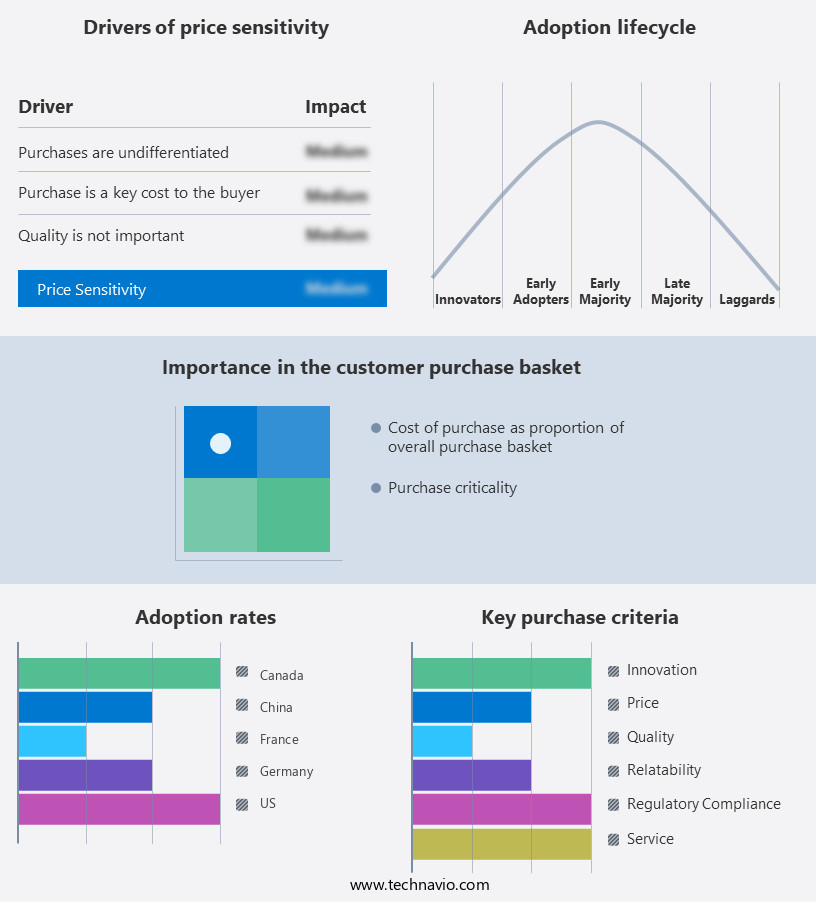
Customer Landscape
Key Companies & Market Insights
Companies are implementing various strategies, such as strategic alliances, hemp-based foods market forecast, partnerships, mergers and acquisitions, geographical expansion, and product/service launches, to enhance their presence in the industry.
Ananta Hemp Works - This company specializes in producing hemp-derived food items, including Hemp Hearts, Seed Oil, and Powder, providing consumers with nutrient-rich alternatives to traditional food sources. Hemp Hearts offer a balanced omega-3 to omega-6 ratio, while Seed Oil is a cold-pressed, unrefined source of essential fatty acids. Hemp Powder adds protein and fiber to various dishes, making these products valuable additions to a health-conscious diet.
The industry research and growth report includes detailed analyses of the competitive landscape of the market and information about key companies, including:
- Ananta Hemp Works
- Bombay Hemp Co. Pvt. Ltd.
- Boring Hemp Co.
- CANAH INTERNATIONAL Srl
- Cann Global Ltd.
- Canopy Growth Corp.
- GFR Ingredients Ltd.
- HempFlax Group BV
- Hemp Juice Company BV
- Hempro Int. GmbH
- Hudson River Foods
- Isodiol International Inc.
- Liaoning Qiaopai Biotech Co. Ltd.
- Naturally Hemps LLC
- Navitas LLC
- North American Hemp and Grain Co.
- Nutiva Inc.
- The Hemp Corp. Pty Ltd.
- Victory Hemp Foods
- Yunnan Hua Fang Industrial Hemp Co. Ltd.
Qualitative and quantitative analysis of companies has been conducted to help clients understand the wider business environment as well as the strengths and weaknesses of key industry players. Data is qualitatively analyzed to categorize companies as pure play, category-focused, industry-focused, and diversified; it is quantitatively analyzed to categorize companies as dominant, leading, strong, tentative, and weak.
Recent Development and News in Hemp-Based Foods Market
- In January 2024, HempHearty Foods, a leading hemp food manufacturer, announced the launch of their new line of hemp-based protein bars, expanding their product offerings and catering to the growing demand for plant-based protein sources (HempHearty Foods Press Release).
- In March 2024, Patagonia Provisions, an environmentally conscious food company, entered into a strategic partnership with Greenleaf Foods, a hemp food producer, to incorporate hemp-based ingredients into their product line, aligning with their mission to reduce the carbon footprint of their offerings (Patagonia Provisions Press Release).
- In May 2024, Manitoba Harvest, a prominent hemp food company, secured a significant investment of USD30 million in a Series C funding round, enabling them to expand their production capacity and strengthen their market position (GlobeNewswire).
- In April 2025, the European Commission approved the use of hemp-derived foods and food supplements, marking a significant regulatory milestone for the market and paving the way for increased exports to the European Union (European Commission Press Release).
Research Analyst Overview
- The hemp market encompasses a diverse range of applications, from value-added hemp products to functional foods and eco-friendly materials. Product development and innovation are key drivers, with a focus on bio-based materials and hemp fiber applications in sectors such as green building and sustainable construction. Hemp production is gaining traction as a renewable resource, offering economic and environmental benefits. Consumer acceptance of plant-based protein sources, including hemp and hemp-derived ingredients, is on the rise. Brands are investing in sustainable agriculture and supply chain management to meet the growing demand for hemp food products and hemp supplements.
- The circular economy is a significant trend, with companies exploring new ways to utilize hemp fiber processing and composite materials. Overall, the market presents numerous opportunities for businesses seeking to reduce their carbon footprint and capitalize on the social impact of sustainable agricultural practices.
Dive into Technavio’s robust research methodology, blending expert interviews, extensive data synthesis, and validated models for unparalleled Hemp-Based Foods Market insights. See full methodology.
|
Market Scope |
|
|
Report Coverage |
Details |
|
Page number |
168 |
|
Base year |
2023 |
|
Historic period |
2018-2022 |
|
Forecast period |
2024-2028 |
|
Growth momentum & CAGR |
Accelerate at a CAGR of 16.41% |
|
Market growth 2024-2028 |
USD 6910.9 million |
|
Market structure |
Fragmented |
|
YoY growth 2023-2024(%) |
13.73 |
|
Key countries |
US, Malaysia, Indonesia, Germany, UK, South Korea, France, Canada, Brazil, Thailand, UAE, and Mexico |
|
Competitive landscape |
Leading Companies, Market Positioning of Companies, Competitive Strategies, and Industry Risks |
What are the Key Data Covered in this Hemp-Based Foods Market Research and Growth Report?
- CAGR of the Hemp-Based Foods industry during the forecast period
- Detailed information on factors that will drive the growth and forecasting between 2024 and 2028
- Precise estimation of the size of the market and its contribution of the industry in focus to the parent market
- Accurate predictions about upcoming growth and trends and changes in consumer behaviour
- Growth of the market across North America, Europe, APAC, South America, and Middle East and Africa
- Thorough analysis of the market’s competitive landscape and detailed information about companies
- Comprehensive analysis of factors that will challenge the hemp-based foods market growth of industry companies
We can help! Our analysts can customize this hemp-based foods market research report to meet your requirements.
 RIA -
RIA - 
