
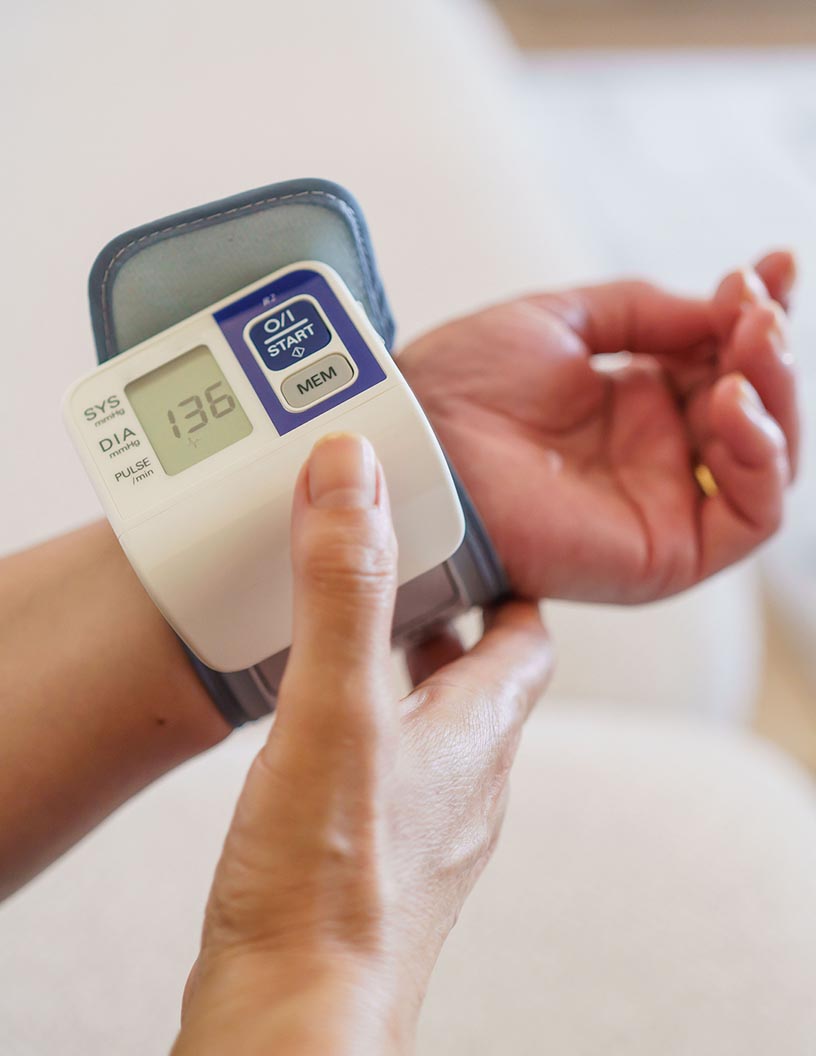


Home Blood Pressure Monitoring Devices Market Size 2024-2028
The home blood pressure monitoring devices market size is forecast to increase by USD 787.03 million, at a CAGR of 6.76% between 2023 and 2028.
- The market is experiencing significant growth due to the increasing demand for convenient and accessible health monitoring solutions. This trend is driven by the widespread availability and affordability of home-based digital blood pressure monitoring devices. Technological advances in these devices, such as wireless connectivity and smartphone compatibility, are making it easier for individuals to track their blood pressure readings and share data with healthcare providers. However, the market also faces challenges, including the presence of a large population of undiagnosed hypertension. Many individuals are unaware of their condition, and the use of home blood pressure monitoring devices can help identify and manage hypertension more effectively.
- Yet, the stigma surrounding self-monitoring and the need for proper education and guidance may hinder the adoption of these devices. Companies seeking to capitalize on market opportunities must focus on addressing these challenges through targeted marketing efforts, user-friendly designs, and partnerships with healthcare providers. By doing so, they can effectively meet the growing demand for home blood pressure monitoring devices and improve overall patient care.
What will be the Size of the Home Blood Pressure Monitoring Devices Market during the forecast period?
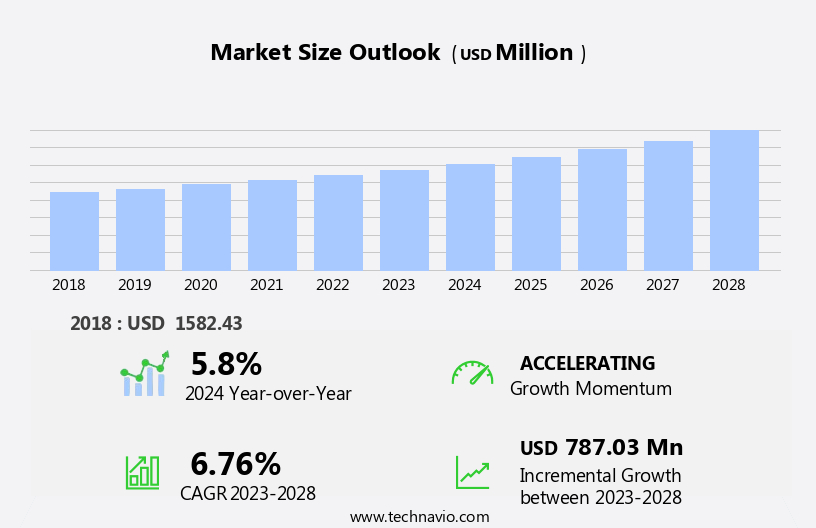
Explore in-depth regional segment analysis with market size data - historical 2018-2022 and forecasts 2024-2028 - in the full report.
Request Free Sample
The home blood pressure monitoring market continues to evolve, driven by advancements in technology and increasing demand for remote patient monitoring solutions. Wearable sensor technology and wireless transmission enable real-time monitoring of mean arterial pressure using oscillometric measurement with clinical grade accuracy. Upper arm cuffs with automatic inflation systems and wrist cuffs with Bluetooth connectivity offer flexibility and convenience. Pulse wave velocity, heart rate variability, irregular heartbeat detection, and blood pressure variability are essential features that enhance the functionality of these devices. Patient self-monitoring and app-based monitoring facilitate easy access to data and enable better management of health conditions.
Device calibration, maintenance, data security protocols, and battery life are critical considerations for ensuring the reliability and effectiveness of home blood pressure monitoring devices. Sphygmomanometer accuracy, user interface design, data logging feature, and ECG integration are other essential aspects that contribute to the overall value proposition. Continuous innovation in this market is reflected in the integration of new features such as pulse rate measurement, mean arterial pressure monitoring, and validated measurement. The ongoing development of these devices is expected to expand their applications across various sectors, including telemedicine, remote patient care, and personal health management.
How is this Home Blood Pressure Monitoring Devices Industry segmented?
The home blood pressure monitoring devices industry research report provides comprehensive data (region-wise segment analysis), with forecasts and estimates in "USD million" for the period 2024-2028, as well as historical data from 2018-2022 for the following segments.
- Distribution Channel
- Offline
- Online
- Type
- Upper arm
- Wrist
- Finger
- Geography
- North America
- US
- Europe
- Germany
- APAC
- China
- India
- Japan
- Rest of World (ROW)
- North America
By Distribution Channel Insights
The offline segment is estimated to witness significant growth during the forecast period.
The market is witnessing significant advancements with the integration of wireless transmission, wearable sensor technology, and clinical-grade accuracy. Oscillometric measurement, a non-invasive technique, is gaining popularity due to its ease of use and reliability. Wearable sensors, such as wrist cuffs and finger cuffs, enable continuous monitoring, providing valuable insights into mean arterial pressure, heart rate variability, and blood pressure variability. Bluetooth connectivity allows seamless data transfer to smartphones and apps for app-based monitoring and remote patient monitoring. Automatic inflation systems ensure accurate diastolic and systolic pressure readings, while pulse wave velocity and ECG integration offer additional health metrics.
Device calibration and maintenance are crucial for maintaining accuracy and longevity. Battery life and data logging features are essential considerations for consumers. Clinical-grade accuracy is essential for patients with chronic conditions, making oscillometric measurement and validated measurement crucial. Data security protocols ensure the confidentiality of sensitive health information. User interface design plays a significant role in user experience and adoption. Remote patient monitoring enables healthcare professionals to monitor patients' blood pressure in real-time, improving patient outcomes and reducing healthcare costs. Irregular heartbeat detection and pulse rate measurement offer additional health insights, enhancing the overall value proposition of home blood pressure monitoring devices.
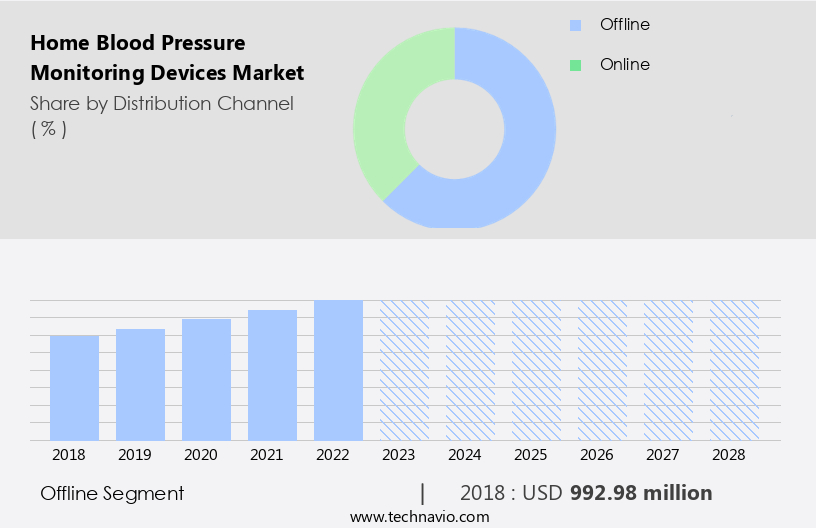
The Offline segment was valued at USD 992.98 million in 2018 and showed a gradual increase during the forecast period.
Regional Analysis
Asia is estimated to contribute 41% to the growth of the global market during the forecast period.Technavio's analysts have elaborately explained the regional trends and drivers that shape the market during the forecast period.
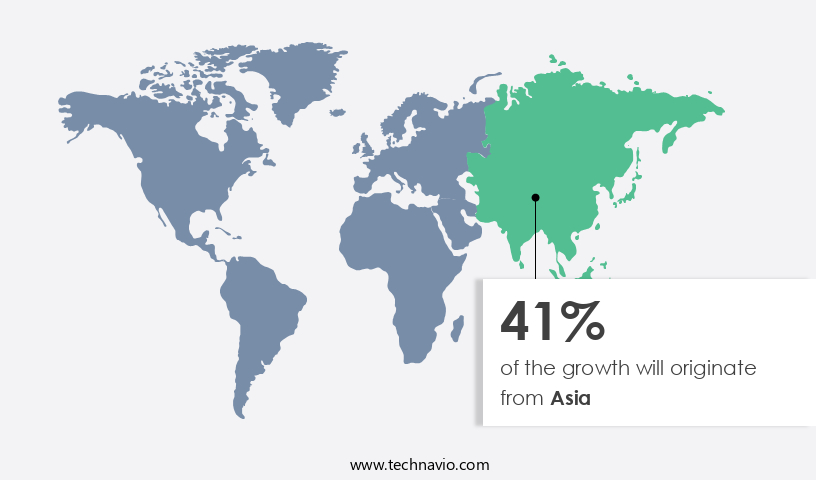
The market is experiencing significant growth, particularly in Asia, due to the aging population and rising prevalence of cardiovascular diseases. Oscillometric measurement technology, which uses a finger or wrist cuff for monitoring, is gaining popularity due to its convenience and clinical-grade accuracy. Wireless transmission and Bluetooth connectivity enable seamless data transfer to apps for app-based monitoring and remote patient monitoring. Wearable sensor technology and automatic inflation systems further enhance the user experience. Heart rate variability, irregular heartbeat detection, and blood pressure variability are essential features for comprehensive health assessment. Device calibration and maintenance ensure accurate readings, while data security protocols protect sensitive health information.
Systolic and diastolic pressure readings, pulse wave velocity, and pulse rate measurement provide valuable insights into cardiovascular health. The market's evolution includes validated measurement, ECG integration, and user interface design for enhanced user experience. Battery life is a crucial consideration for long-term usage. companies focus on meeting the growing demand for home blood pressure monitoring devices by catering to the needs of an increasingly health-conscious population.
Market Dynamics
Our researchers analyzed the data with 2023 as the base year, along with the key drivers, trends, and challenges. A holistic analysis of drivers will help companies refine their marketing strategies to gain a competitive advantage.
The market: Innovations and Applications the market encompasses a range of technologies designed to enable individuals to measure their blood pressure levels in the comfort of their own homes. With considerations like convenience, affordability, and accessibility driving demand, this market continues to evolve, offering new applications and features for consumers. Key areas involve advanced technologies such as wireless connectivity, smartphone compatibility, and automated data tracking. Through methods such as Bluetooth and Wi-Fi, home blood pressure monitoring devices can seamlessly transmit data to smartphones and other digital platforms, enabling users to easily monitor trends and trends over time. Automated data tracking features allow for effortless storage and organization of readings, providing valuable insights for both individuals and healthcare professionals. Moreover, home blood pressure monitoring devices cater to various user groups, including those with chronic conditions, seniors, and individuals seeking to maintain optimal health. These devices offer benefits such as early detection and intervention, reduced healthcare costs, and increased patient engagement. Focusing on user experience, some home blood pressure monitoring devices incorporate features like voice prompts, large displays, and ergonomic designs to ensure ease of use for all users. Additionally, some devices offer multiple user profiles, allowing families to monitor the health of multiple members within a household. Innovations in home blood pressure monitoring devices also extend to wearable and non-invasive technologies, offering more discreet and convenient options for users. These advancements contribute to the growing popularity of home blood pressure monitoring, making it an essential tool for self-care and proactive healthcare management.
What are the key market drivers leading to the rise in the adoption of Home Blood Pressure Monitoring Devices Industry?
- The increasing demand for home-based digital blood pressure monitoring devices is the primary market driver, as more individuals prioritize convenient and continuous health monitoring solutions.
- Home blood pressure monitoring devices have gained significance in the healthcare industry due to the rising prevalence of hypertension and cardiovascular diseases. These devices enable patients to monitor their mean arterial pressure from the comfort of their homes, facilitating regular tracking and timely intervention. The latest advancements in wireless transmission technology and wearable sensor tech have made home blood pressure monitoring more convenient and efficient. Oscillometric measurement, an advanced technique used in these devices, ensures clinical-grade accuracy through automatic inflation systems and finger cuffs.
- Wearable devices, such as the OMRON BP786 and Microlife WatchBP, offer additional features like syncing with smartphones and automatic pulse irregularity detection, respectively. These innovations are driving the demand for home blood pressure monitoring devices, empowering individuals to take charge of their health and collaborate closely with healthcare professionals.
What are the market trends shaping the Home Blood Pressure Monitoring Devices Industry?
- The trend in home blood pressure monitoring devices is driven by technological advances. These innovations are making it mandatory for more individuals to prioritize their health by enabling accurate and convenient self-monitoring.
- The market is experiencing significant technological advancements, with a focus on enhancing device design, compatibility, portability, and accuracy. Wrist cuff models with Bluetooth connectivity are gaining popularity due to their convenience and ease of use. Heart rate variability and irregular heartbeat detection features are also becoming increasingly common, providing users with more comprehensive health information. Device calibration and maintenance are essential considerations for ensuring accurate readings over time. Manufacturers are investing heavily in research and development to introduce innovative digital blood pressure monitoring devices that cater to the evolving needs of consumers.
- For instance, Welch Allyn's Connex ProBP 3400 is a compact digital device that offers fast and precise readings within 15 seconds, making it a valuable addition to home healthcare solutions.
What challenges does the Home Blood Pressure Monitoring Devices Industry face during its growth?
- The significant prevalence of undiagnosed hypertension within the population poses a substantial challenge to the growth of the healthcare industry.
- High blood pressure, a leading cause of heart disease and stroke, affects millions of people worldwide, with an estimated 25% of this population remaining undiagnosed. In the US alone, the Centers for Disease Control and Prevention (CDC) reports that around 13 million adults are unaware of their condition, resulting in untreated hypertension. This is concerning as hypertension often presents no symptoms, making self-monitoring crucial. Remote patient monitoring through home blood pressure monitoring devices, such as upper arm cuff devices, is an effective solution.
- These devices provide accurate readings of both systolic and diastolic pressure readings. Advanced technologies like app-based monitoring and pulse wave velocity measurement offer added benefits, enabling patients to track their progress and share data with healthcare providers. By promoting patient self-monitoring, early detection, and timely intervention, home blood pressure monitoring devices can significantly reduce the number of undiagnosed cases and improve patient outcomes.
Exclusive Customer Landscape
The home blood pressure monitoring devices market forecasting report includes the adoption lifecycle of the market, covering from the innovator's stage to the laggard's stage. It focuses on adoption rates in different regions based on penetration. Furthermore, the home blood pressure monitoring devices market report also includes key purchase criteria and drivers of price sensitivity to help companies evaluate and develop their market growth analysis strategies.
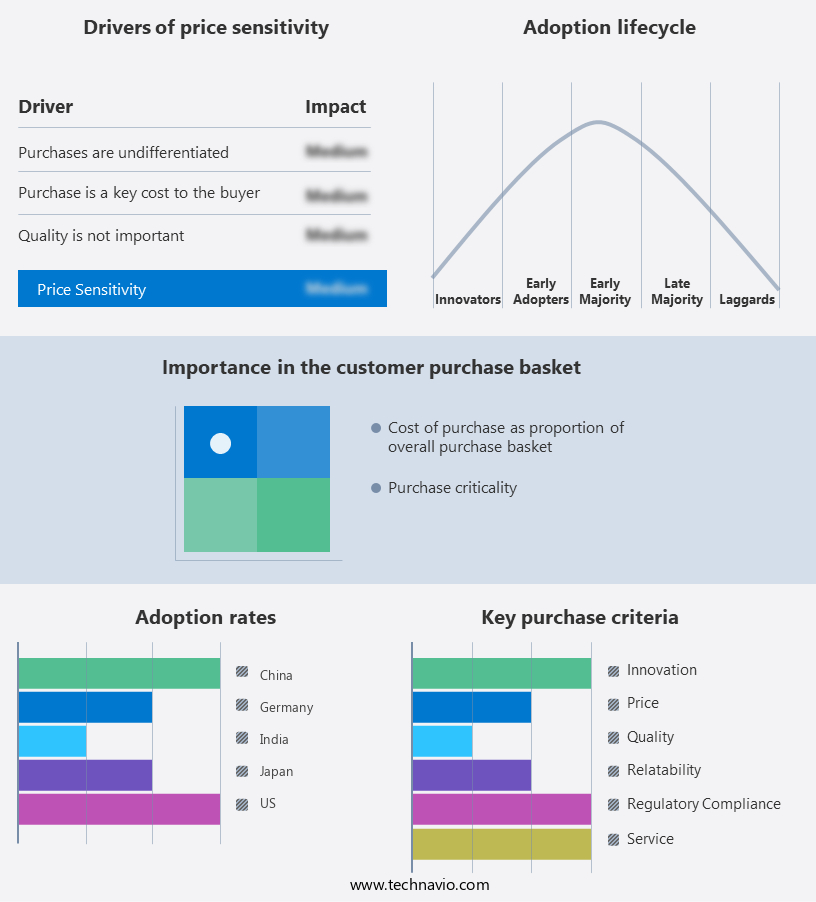
Customer Landscape
Key Companies & Market Insights
Companies are implementing various strategies, such as strategic alliances, home blood pressure monitoring devices market forecast, partnerships, mergers and acquisitions, geographical expansion, and product/service launches, to enhance their presence in the industry.
A and D HOLON Holdings Co. Ltd. - This company introduces two home blood pressure monitoring devices: the Premium 2 User and Essential One button models.
The industry research and growth report includes detailed analyses of the competitive landscape of the market and information about key companies, including:
- A and D HOLON Holdings Co. Ltd.
- American Diagnostic Corp.
- Baxter International Inc.
- Beurer GmbH
- Contec Medical Systems Co. Ltd.
- ForaCare Inc.
- HEINE Optotechnik GmbH and Co. KG
- Koninklijke Philips N.V.
- Microlife Corp.
- Morepen Laboratories Ltd.
- Nokia Corp.
- OMRON Corp.
- Qardio Inc.
- Rossmax International Ltd.
- Spengler Holtex Group
- Telli Health LLC
- Tianjin Jiuan Medical Electronics Co. Ltd.
- Wellue Health
- Zewa Inc.
- Halma Plc
Qualitative and quantitative analysis of companies has been conducted to help clients understand the wider business environment as well as the strengths and weaknesses of key industry players. Data is qualitatively analyzed to categorize companies as pure play, category-focused, industry-focused, and diversified; it is quantitatively analyzed to categorize companies as dominant, leading, strong, tentative, and weak.
Recent Development and News in Home Blood Pressure Monitoring Devices Market
- In January 2024, Omron Healthcare, a global leader in the healthcare technology industry, launched its new Evolv Wireless Upper Arm Blood Pressure Monitor with Bluetooth connectivity. This device allows users to easily track their blood pressure readings using a smartphone application (Omron Connect). (Source: Omron Healthcare Press Release)
- In March 2024, FDA approved Withings' Blood Pressure Analyzer for Over-the-Counter (OTC) use. This wireless, smart blood pressure monitor can be synced with a smartphone app and offers features like trend analysis and heart health insights. (Source: FDA Press Release)
- In May 2024, Philips and Google announced a strategic partnership to integrate Google Assistant and Google Fit with Philips' connected health devices, including home blood pressure monitors. This collaboration aims to provide users with a more seamless health monitoring experience. (Source: Philips Press Release)
- In April 2025, iHealth Labs, a leading manufacturer of wireless health monitoring devices, raised USD 30 million in a Series D funding round. The funds will be used to expand their product portfolio, enhance R&D capabilities, and boost marketing efforts. (Source: BusinessWire)
Research Analyst Overview
- The market is witnessing significant advancements, driven by the integration of digital display, user experience testing, and mobile application design. These innovations enable real-time monitoring and data visualization tools for users, enhancing health data management and compliance with regulations. Sensor accuracy and error rate are critical factors, with medical-grade sensors and pressure sensor calibration ensuring clinical validation studies. Data encryption methods and data transfer protocols safeguard user privacy. Advanced analytics, predictive analytics, and cuff inflation rate adjustments contribute to long-term reliability.
- Power consumption and device ergonomics are essential considerations for user-friendly interfaces. Accuracy validation and device calibration are ongoing priorities, while data interpretation tools provide valuable insights for personal health management. Pressure sensor technology continues to evolve, enabling advanced features and improving overall market trends.
Dive into Technavio's robust research methodology, blending expert interviews, extensive data synthesis, and validated models for unparalleled Home Blood Pressure Monitoring Devices Market insights. See full methodology.
|
Market Scope |
|
|
Report Coverage |
Details |
|
Page number |
167 |
|
Base year |
2023 |
|
Historic period |
2018-2022 |
|
Forecast period |
2024-2028 |
|
Growth momentum & CAGR |
Accelerate at a CAGR of 6.76% |
|
Market growth 2024-2028 |
USD 787.03 million |
|
Market structure |
Concentrated |
|
YoY growth 2023-2024(%) |
5.8 |
|
Key countries |
US, Germany, China, Japan, and India |
|
Competitive landscape |
Leading Companies, Market Positioning of Companies, Competitive Strategies, and Industry Risks |
What are the Key Data Covered in this Home Blood Pressure Monitoring Devices Market Research and Growth Report?
- CAGR of the Home Blood Pressure Monitoring Devices industry during the forecast period
- Detailed information on factors that will drive the growth and forecasting between 2024 and 2028
- Precise estimation of the size of the market and its contribution of the industry in focus to the parent market
- Accurate predictions about upcoming growth and trends and changes in consumer behaviour
- Growth of the market across Asia, North America, Europe, and Rest of World (ROW)
- Thorough analysis of the market's competitive landscape and detailed information about companies
- Comprehensive analysis of factors that will challenge the home blood pressure monitoring devices market growth of industry companies
We can help! Our analysts can customize this home blood pressure monitoring devices market research report to meet your requirements.
 RIA -
RIA - 
