
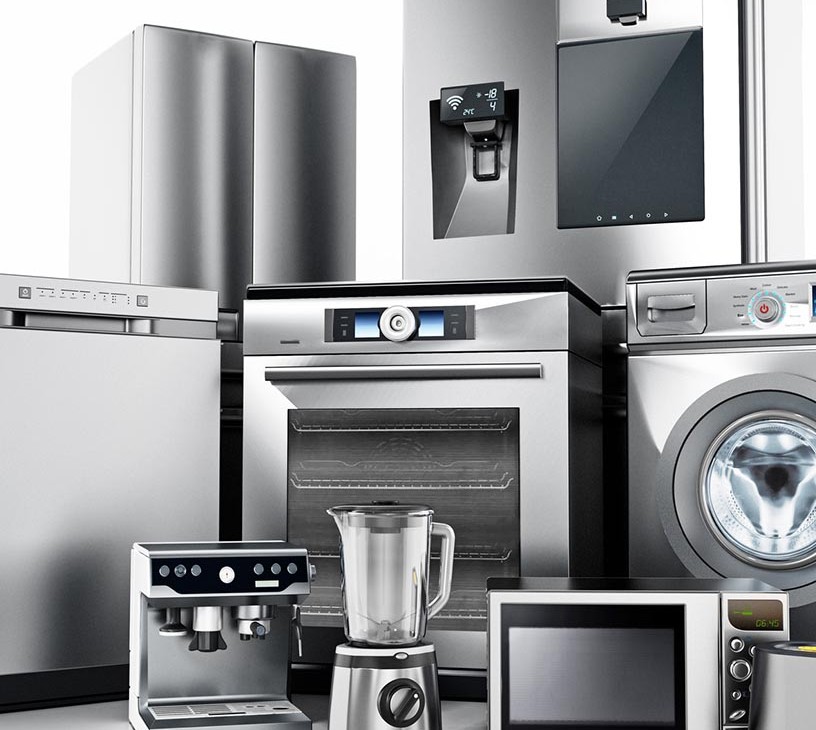

Household Appliance Market Analysis, Size, and Forecast 2026-2030: APAC (China, India, and Japan), Europe (Germany, UK, and France), North America (US, Canada, and Mexico), South America (Brazil, Argentina, and Colombia), Middle East and Africa (Saudi Arabia, UAE, and Turkey), and Rest of World (ROW)

Household Appliance Market Analysis, Size, and Forecast 2026-2030:
APAC (China, India, and Japan), Europe (Germany, UK, and France), North America (US, Canada, and Mexico), South America (Brazil, Argentina, and Colombia), Middle East and Africa (Saudi Arabia, UAE, and Turkey), and Rest of World (ROW)

Published: May 2026 293 Pages SKU: IRTNTR44899

Market Overview at a Glance

$133.53 B
Market Opportunity
5.1%
CAGR 2025 - 2030
57.8%
APAC Growth
$362.00 B
Major household appliances segment 2024

Household Appliance Market Size 2026-2030

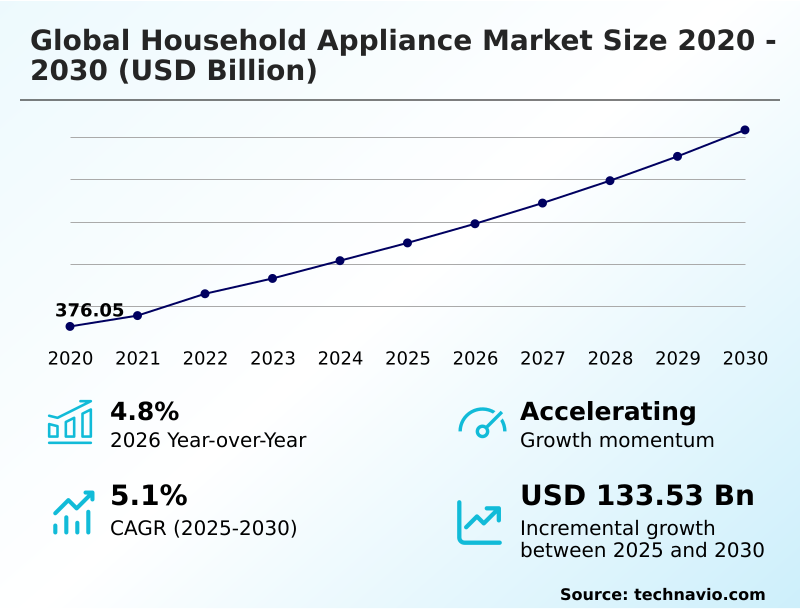
The household appliance market size is valued to increase by USD 133.53 billion, at a CAGR of 5.1% from 2025 to 2030. Technological innovation and integration of AI will drive the household appliance market.

Major Market Trends & Insights

  • APAC dominated the market and accounted for a 57.8% growth during the forecast period.
  • By Product - Major household appliances segment was valued at USD 362.00 billion in 2024
  • By Distribution Channel - Offline segment accounted for the largest market revenue share in 2024

Market Size & Forecast

  • Market Opportunities: USD 232.23 billion
  • Market Future Opportunities: USD 133.53 billion
  • CAGR from 2025 to 2030 : 5.1%

Market Summary

  • The household appliance market is undergoing a significant transformation, driven by the convergence of smart technology and sustainability mandates. Manufacturers are shifting from producing standalone hardware to developing interconnected ecosystems that enhance user convenience and operational efficiency.
  • The integration of AI and IoT is enabling appliances to perform with greater autonomy, from learning user preferences to predicting maintenance needs, thereby optimizing energy consumption. This shift is particularly evident in urban centers across North America and Europe, where consumer demand for smart home integration is high.
  • A key business scenario involves the strategic realignment of supply chains; in response to trade policy volatility, firms are accelerating nearshoring and vertical integration, a move affecting over 80% of industry executives' planning, to build resilience and ensure product availability.
  • Concurrently, stringent energy efficiency regulations are compelling investment in sustainable technologies, such as high-efficiency motors and recyclable materials, which appeal to an increasingly eco-conscious global consumer base.

What will be the Size of the Household Appliance Market during the forecast period?
Get Key Insights on Market Forecast (PDF) Request Free Sample

How is the Household Appliance Market Segmented?

The household appliance industry research report provides comprehensive data (region-wise segment analysis), with forecasts and estimates in "USD million" for the period 2026-2030, as well as historical data from 2020-2024 for the following segments.

  • Product
    • Major household appliances
    • Small household appliances
  • Distribution channel
    • Offline
    • Online
  • Price range
    • Mid-range
    • Entry-level
    • Premium
  • Geography
    • APAC
      • China
      • India
      • Japan
    • Europe
      • Germany
      • UK
      • France
    • North America
      • US
      • Canada
      • Mexico
    • South America
      • Brazil
      • Argentina
      • Colombia
    • Middle East and Africa
      • Saudi Arabia
      • UAE
      • Turkey
    • Rest of World (ROW)

By Product Insights

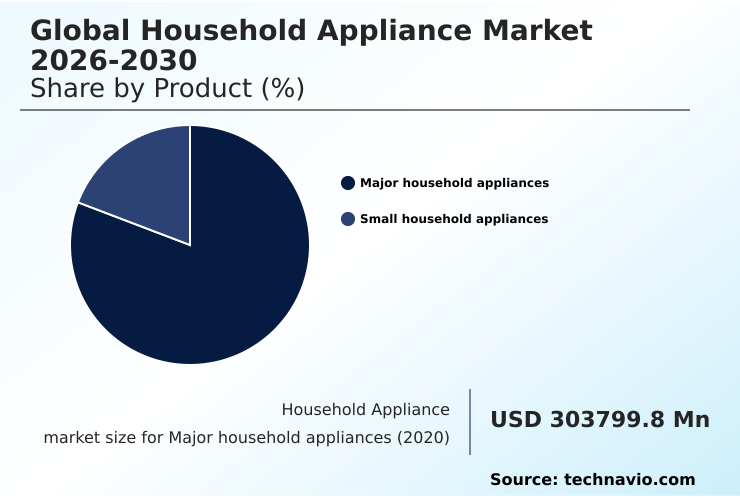
The major household appliances segment is estimated to witness significant growth during the forecast period.

The major household appliances segment is evolving beyond mechanical hardware, driven by a level 4 smart appliance ecosystem that integrates machine learning laundry optimization and automated inventory management.

Adherence to new air purification appliance standards and a focus on appliance lifecycle management are becoming critical. Innovations in the consumer appliance user interface are central to differentiation, with natural language processing enabling more intuitive interactions.

Predictive appliance diagnostics, facilitated by next-generation appliance software, reduce downtime. These proactive problem-solving systems, which improve operational efficiency by up to 20%, now offer smart grid integration.

Retailers are also adopting electronic shelf labels to reflect dynamic pricing, enhancing smart home platform compatibility for a seamless connected experience.
Request Free Sample

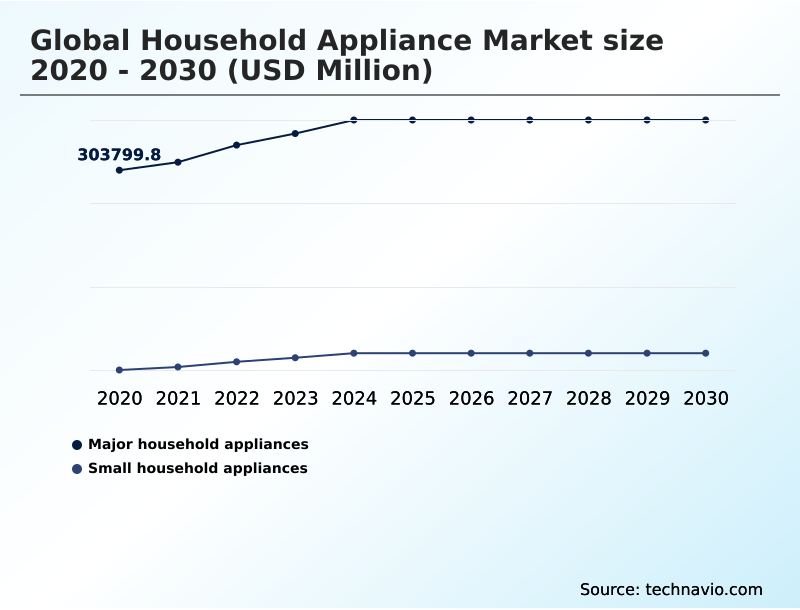
The Major household appliances segment was valued at USD 362.00 billion in 2024 and showed a gradual increase during the forecast period.
Request Free Sample

Regional Analysis

APAC is estimated to contribute 57.8% to the growth of the global market during the forecast period.Technavio’s analysts have elaborately explained the regional trends and drivers that shape the market during the forecast period.
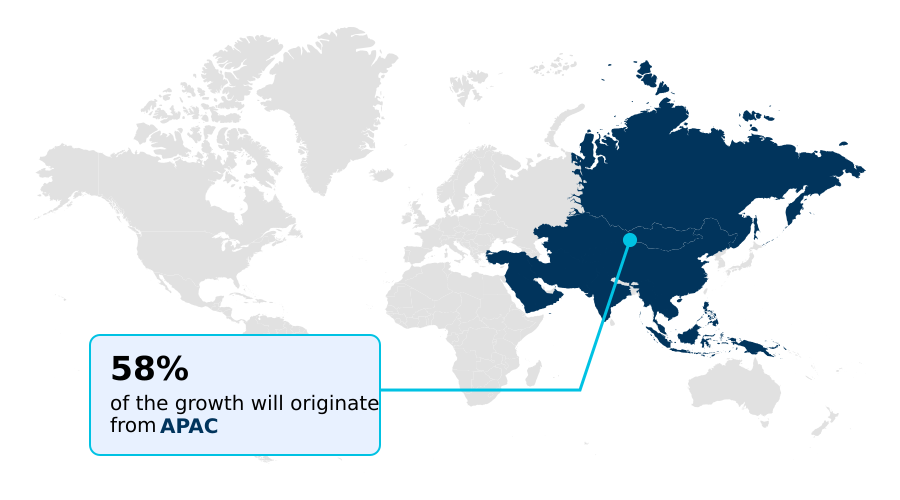
See How Household Appliance Market Demand is Rising in APAC Request Free Sample

The geographic landscape is increasingly defined by regional technology adoption and regulatory pressures. In North America, the built-in kitchen appliance market is expanding, driven by premium appliance brand features and a demand for multi-functional home appliances.

Here, cordless vacuum technology and automated food preparation systems are standard. In Europe, a focus on compact appliance design trends aligns with urban living, with firms leveraging sensor-based cleaning technology to improve efficiency by over 25%.

The APAC region shows rapid adoption of robotic cleaning technology evolution, with AI-native domestic devices becoming more common. Across all regions, the emphasis on appliance energy consumption data is universal.

Innovations such as smart-connected heat pump dryers and voice-activated appliance controls with automated resource management, supported by high-performance insulation materials, are shaping global product development.

Market Dynamics

Our researchers analyzed the data with 2025 as the base year, along with the key drivers, trends, and challenges. A holistic analysis of drivers will help companies refine their marketing strategies to gain a competitive advantage.

  • The global household appliance market 2026-2030 is experiencing a profound shift as core technologies converge. A key discussion revolves around the impact of matter standard on appliance interoperability, which promises a unified connected home. Generative AI applications in smart kitchen appliances are moving from concept to reality, enhancing the user experience.
  • This is complemented by the tangible benefits of inverter compressors in refrigeration, which improve energy efficiency. Concurrently, circular economy business models for home appliances are being driven by regulatory pressure and consumer demand. On the service side, AI-powered predictive maintenance for washing machines can reduce technician dispatches by over 30% compared to reactive schedules.
  • The broader smart home integration with HVAC systems is creating holistic environmental controls. In cleaning, robotic vacuum cleaner navigation technology comparison is a key purchase driver, while advanced HEPA filtration in air purifiers addresses health concerns. The future of voice control in home automation is evolving, and the impact of 5G on connected home appliances promises greater speed and reliability.
  • As firms address challenges in smart appliance data privacy, the role of IoT in remote appliance diagnostics grows. We see a clear trend in comparing brushless DC motors in washing machines for performance, alongside bespoke and customizable appliance design trends.
  • Other key areas include modular design for appliance repair and longevity, smart grid ready household appliance technology, sustainability in appliance manufacturing and materials, hyper-personalization trends in connected home devices, and AI vision for food recognition in refrigerators.
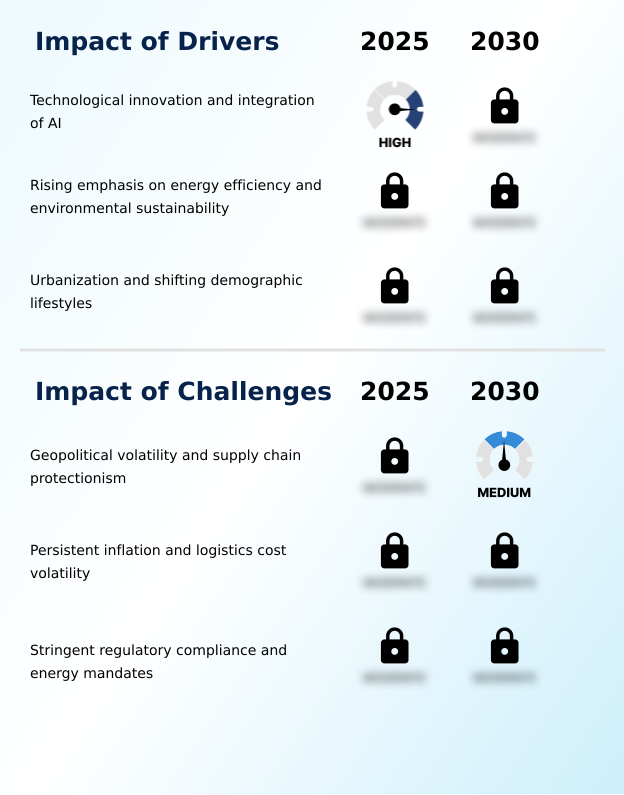
What are the key market drivers leading to the rise in the adoption of Household Appliance Industry?

  • Technological innovation, particularly the integration of AI, is the key driver propelling growth and transformation within the household appliance market.

  • Market growth is primarily propelled by technological advancements in efficiency and intelligence. The widespread adoption of inverter compressor technology and energy-efficient inverter technology is a direct response to consumer demand for lower utility costs and sustainable appliance manufacturing.
  • A key driver is the smart home ecosystem, which provides automated laundry system benefits and enhances modern domestic technology. This is creating new home automation trends focused on convenience and security.
  • Predictive maintenance algorithms are reducing long-term ownership costs, with some systems decreasing repair incidents by up to 30%. Sustainable product design, incorporating whole-machine HEPA filtration and other health-focused features, is also critical.
  • These innovations are supported by AI-driven home media center platforms and specialized elderly assistance appliances, which improve household appliance repairability and overall smart appliance security.

What are the market trends shaping the Household Appliance Industry?

  • The integration of generative AI is fostering a new era of hyper-personalization in domestic equipment. This creates more intuitive and adaptive user experiences throughout the home.

  • Key market trends are centered on digitalization and sustainability, reshaping consumer expectations and product development. The integration of generative AI integration is enabling a hyper-personalized user experience, with AI in home appliances delivering custom recommendations. This push for connected home technology is supported by smart interoperability protocols, which are unifying disparate devices.
  • We are also seeing a greater emphasis on circular economy principles, leading to modular appliance design. The smart appliance market analysis shows that devices with high energy star appliance ratings are seeing sales growth 15% higher than non-certified models.
  • Innovations like AI vision technology and brushless DC motors are becoming standard in premium IoT enabled kitchen appliances, enhancing smart refrigerator features and overall functionality. Furthermore, the development of the holographic home hub shows the industry's futuristic direction.

What challenges does the Household Appliance Industry face during its growth?

  • Geopolitical volatility and a trend toward supply chain protectionism present a key challenge that affects industry stability and growth.

  • The market faces operational challenges related to supply chain complexities and evolving business models. The management of global appliance supply chain logistics is strained by geopolitical factors, impacting the availability of components for robotic vacuum cleaners and smart-integrated induction hobs. This has accelerated the growth of direct-to-consumer appliance sales and innovative appliance-as-a-service models, which require new logistical frameworks.
  • The seamless smart kitchen appliance integration across different connected appliance platforms remains a technical hurdle, with nearly 40% of consumers reporting interoperability issues. Additionally, ensuring reliable remote appliance monitoring and the security of voice controlled home devices are ongoing concerns.
  • The industry is also adapting to the demand for bespoke customizable appliances and the technical requirements of advanced fabric care systems, nanoe X air purification, and AI-powered washing machines with intelligent dust detection.

Exclusive Technavio Analysis on Customer Landscape

The household appliance market forecasting report includes the adoption lifecycle of the market, covering from the innovator’s stage to the laggard’s stage. It focuses on adoption rates in different regions based on penetration. Furthermore, the household appliance market report also includes key purchase criteria and drivers of price sensitivity to help companies evaluate and develop their market growth analysis strategies.
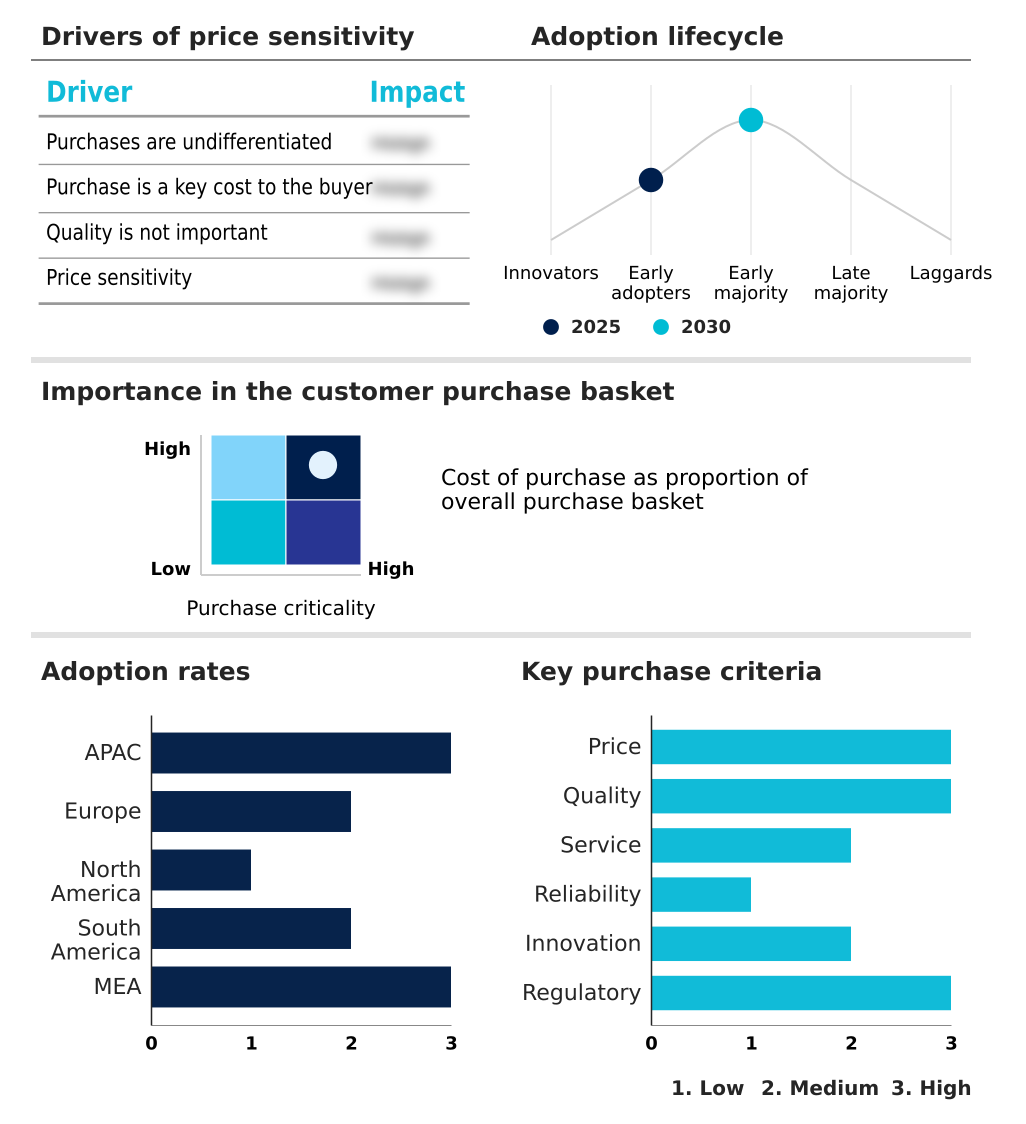
Customer Landscape of Household Appliance Industry

Competitive Landscape

Companies are implementing various strategies, such as strategic alliances, household appliance market forecast, partnerships, mergers and acquisitions, geographical expansion, and product/service launches, to enhance their presence in the industry.

Arcelik A.S. - The company provides a range of essential household appliances, including refrigerators, washing machines, and dishwashers, designed for modern domestic use.

The industry research and growth report includes detailed analyses of the competitive landscape of the market and information about key companies, including:

  • Arcelik A.S.
  • Breville Pty Ltd
  • DeLonghi Group
  • Dyson Ltd.
  • Electrolux Group
  • Groupe SEB
  • Haier Smart Home Co. Ltd.
  • Koninklijke Philips NV
  • LG Electronics Inc.
  • Liebherr International AG
  • Midea Group Co. Ltd.
  • Miele and Cie. KG
  • Panasonic Holdings Corp.
  • Robert Bosch GmbH
  • Samsung Electronics Co. Ltd.
  • SharkNinja Operating LLC
  • Skyworth Group Ltd.
  • TCL Industries Holdings Ltd.
  • The Middleby Corp.
  • Whirlpool Corp.

Qualitative and quantitative analysis of companies has been conducted to help clients understand the wider business environment as well as the strengths and weaknesses of key industry players. Data is qualitatively analyzed to categorize companies as pure play, category-focused, industry-focused, and diversified; it is quantitatively analyzed to categorize companies as dominant, leading, strong, tentative, and weak.

Recent Development and News in Household appliance market

  • In March, 2025, ZTE Corporation launched a new range of home network products at MWC Barcelona, including an AI-driven home media center and a management platform to optimize multi-device ecosystems.
  • In March, 2025, Thomson initiated a strategic partnership with Flipkart to launch a specialized range of small household appliances in India, targeting the digital-first consumer segment.
  • In February, 2025, the United States Department of Energy announced the suspension of several major energy efficiency mandates for specific appliance categories, prompting manufacturers to recalibrate R&D strategies.
  • In August, 2024, the German Federal Ministry for Economic Affairs introduced a pioneering 'Right to Repair' certification for all major domestic appliances, shifting design philosophy toward modular components and long-term parts availability.

Dive into Technavio’s robust research methodology, blending expert interviews, extensive data synthesis, and validated models for unparalleled Household Appliance Market insights. See full methodology.

Market Scope
Page number 293
Base year 2025
Historic period 2020-2024
Forecast period 2026-2030
Growth momentum & CAGR Accelerate at a CAGR of 5.1%
Market growth 2026-2030 USD 133530.1 million
Market structure Fragmented
YoY growth 2025-2026(%) 4.8%
Key countries China, India, Japan, South Korea, Australia, Indonesia, Germany, UK, France, Italy, Spain, The Netherlands, US, Canada, Mexico, Brazil, Argentina, Colombia, Saudi Arabia, UAE, Turkey, South Africa and Egypt
Competitive landscape Leading Companies, Market Positioning of Companies, Competitive Strategies, and Industry Risks

Request Free Sample

Research Analyst Overview

  • The household appliance market is undergoing a technical renaissance, moving beyond simple automation to embrace a level 4 smart appliance ecosystem. Core advancements include generative AI integration and AI vision technology, which enable a hyper-personalized user experience and proactive problem-solving systems. The adoption of smart interoperability protocols is critical, allowing connected appliance platforms to communicate seamlessly.
  • In hardware, brushless DC motors, inverter compressor technology, and smart-integrated induction hobs are improving efficiency, with some firms reporting a 25% reduction in energy use. Sustainable product design is now intertwined with circular economy principles and modular appliance design, supported by technologies like whole-machine HEPA filtration and high-performance insulation materials.
  • AI-powered washing machines with advanced fabric care systems utilize machine learning laundry optimization and sensor-based cleaning technology. Other key innovations include the holographic home hub, elderly assistance appliances, automated food preparation systems, and robotic vacuum cleaners with intelligent dust detection. Predictive maintenance algorithms, automated inventory management, and automated resource management are standard in new AI-native domestic devices.
  • The market is also seeing bespoke customizable appliances, smart-connected heat pump dryers, and cordless vacuum technology gain traction. The convergence of natural language processing, nanoe X air purification, and smart grid integration is creating a truly connected smart home ecosystem supported by an AI-driven home media center and voice-activated appliance controls.

What are the Key Data Covered in this Household Appliance Market Research and Growth Report?

  • What is the expected growth of the Household Appliance Market between 2026 and 2030?

    • USD 133.53 billion, at a CAGR of 5.1%

  • What segmentation does the market report cover?

    • The report is segmented by Product (Major household appliances, and Small household appliances), Distribution Channel (Offline, and Online), Price Range (Mid-range, Entry-level, and Premium) and Geography (APAC, Europe, North America, South America, Middle East and Africa)

  • Which regions are analyzed in the report?

    • APAC, Europe, North America, South America and Middle East and Africa

  • What are the key growth drivers and market challenges?

    • Technological innovation and integration of AI, Geopolitical volatility and supply chain protectionism

  • Who are the major players in the Household Appliance Market?

    • Arcelik A.S., Breville Pty Ltd, DeLonghi Group, Dyson Ltd., Electrolux Group, Groupe SEB, Haier Smart Home Co. Ltd., Koninklijke Philips NV, LG Electronics Inc., Liebherr International AG, Midea Group Co. Ltd., Miele and Cie. KG, Panasonic Holdings Corp., Robert Bosch GmbH, Samsung Electronics Co. Ltd., SharkNinja Operating LLC, Skyworth Group Ltd., TCL Industries Holdings Ltd., The Middleby Corp. and Whirlpool Corp.

Market Research Insights

  • Market dynamics are increasingly shaped by the adoption of intelligent systems and direct-to-consumer appliance sales, which have shown a 15% higher customer retention rate compared to traditional retail. The evolution of home automation trends is compelling a strategic focus on smart appliance security and household appliance repairability.
  • The benefits of automated laundry system benefits are now a key selling point in modern domestic technology. Furthermore, sustainable appliance manufacturing practices are becoming a core differentiator. The shift toward appliance-as-a-service models is gaining traction, while smart home platform compatibility remains a critical factor for market penetration.
  • Innovations in smart kitchen appliance integration allow for seamless user experiences, with remote appliance monitoring capabilities reducing household energy consumption by up to 18% in interconnected homes.

We can help! Our analysts can customize this household appliance market research report to meet your requirements.

Get in touch

1. Executive Summary

1.1 Market overview

Executive Summary - Chart on Market Overview
Executive Summary - Data Table on Market Overview
Executive Summary - Chart on Global Market Characteristics
Executive Summary - Chart on Market by Geography
Executive Summary - Chart on Market Segmentation by Product
Executive Summary - Chart on Market Segmentation by Distribution Channel
Executive Summary - Chart on Market Segmentation by Price Range
Executive Summary - Chart on Incremental Growth
Executive Summary - Data Table on Incremental Growth
Executive Summary - Chart on Company Market Positioning

2. Technavio Analysis

2.1 Analysis of price sensitivity, lifecycle, customer purchase basket, adoption rates, and purchase criteria

2.2 Criticality of inputs and Factors of differentiation

Chart on Overview on criticality of inputs and factors of differentiation

2.3 Factors of disruption

Chart on Overview on factors of disruption

2.4 Impact of drivers and challenges

Chart on Impact of drivers and challenges in 2025 and 2030

3. Market Landscape

3.1 Market ecosystem

Chart on Parent Market
Data Table on - Parent Market

3.2 Market characteristics

Chart on Market characteristics analysis

3.3 Value chain analysis

Chart on Value chain analysis

4. Market Sizing

4.1 Market definition

Data Table on Offerings of companies included in the market definition

4.2 Market segment analysis

Market segments

4.3 Market size 2025

4.4 Market outlook: Forecast for 2025-2030

Chart on Global - Market size and forecast 2025-2030 ($ million)
Data Table on Global - Market size and forecast 2025-2030 ($ million)
Chart on Global Market: Year-over-year growth 2025-2030 (%)
Data Table on Global Market: Year-over-year growth 2025-2030 (%)

5. Historic Market Size

5.1 Global Household Appliance Market 2020 - 2024

Historic Market Size - Data Table on Global Household Appliance Market 2020 - 2024 ($ million)

5.2 Product segment analysis 2020 - 2024

Historic Market Size - Product Segment 2020 - 2024 ($ million)

5.3 Distribution Channel segment analysis 2020 - 2024

Historic Market Size - Distribution Channel Segment 2020 - 2024 ($ million)

5.4 Price Range segment analysis 2020 - 2024

Historic Market Size - Price Range Segment 2020 - 2024 ($ million)

5.5 Geography segment analysis 2020 - 2024

Historic Market Size - Geography Segment 2020 - 2024 ($ million)

5.6 Country segment analysis 2020 - 2024

Historic Market Size - Country Segment 2020 - 2024 ($ million)

6. Qualitative Analysis

6.1 Impact of AI on global household appliance market

6.2 Impact of geopolitical conflicts on global household appliance market

7. Five Forces Analysis

7.1 Five forces summary

Five forces analysis - Comparison between 2025 and 2030

7.2 Bargaining power of buyers

Bargaining power of buyers - Impact of key factors 2025 and 2030

7.3 Bargaining power of suppliers

Bargaining power of suppliers - Impact of key factors in 2025 and 2030

7.4 Threat of new entrants

Threat of new entrants - Impact of key factors in 2025 and 2030

7.5 Threat of substitutes

Threat of substitutes - Impact of key factors in 2025 and 2030

7.6 Threat of rivalry

Threat of rivalry - Impact of key factors in 2025 and 2030

7.7 Market condition

Chart on Market condition - Five forces 2025 and 2030

8. Market Segmentation by Product

8.1 Market segments

Chart on Product - Market share 2025-2030 (%)
Data Table on Product - Market share 2025-2030 (%)

8.2 Comparison by Product

Chart on Comparison by Product
Data Table on Comparison by Product

8.3 Major household appliances - Market size and forecast 2025-2030

Chart on Major household appliances - Market size and forecast 2025-2030 ($ million)
Data Table on Major household appliances - Market size and forecast 2025-2030 ($ million)
Chart on Major household appliances - Year-over-year growth 2025-2030 (%)
Data Table on Major household appliances - Year-over-year growth 2025-2030 (%)

8.4 Small household appliances - Market size and forecast 2025-2030

Chart on Small household appliances - Market size and forecast 2025-2030 ($ million)
Data Table on Small household appliances - Market size and forecast 2025-2030 ($ million)
Chart on Small household appliances - Year-over-year growth 2025-2030 (%)
Data Table on Small household appliances - Year-over-year growth 2025-2030 (%)

8.5 Market opportunity by Product

Market opportunity by Product ($ million)
Data Table on Market opportunity by Product ($ million)

9. Market Segmentation by Distribution Channel

9.1 Market segments

Chart on Distribution Channel - Market share 2025-2030 (%)
Data Table on Distribution Channel - Market share 2025-2030 (%)

9.2 Comparison by Distribution Channel

Chart on Comparison by Distribution Channel
Data Table on Comparison by Distribution Channel

9.3 Offline - Market size and forecast 2025-2030

Chart on Offline - Market size and forecast 2025-2030 ($ million)
Data Table on Offline - Market size and forecast 2025-2030 ($ million)
Chart on Offline - Year-over-year growth 2025-2030 (%)
Data Table on Offline - Year-over-year growth 2025-2030 (%)

9.4 Online - Market size and forecast 2025-2030

Chart on Online - Market size and forecast 2025-2030 ($ million)
Data Table on Online - Market size and forecast 2025-2030 ($ million)
Chart on Online - Year-over-year growth 2025-2030 (%)
Data Table on Online - Year-over-year growth 2025-2030 (%)

9.5 Market opportunity by Distribution Channel

Market opportunity by Distribution Channel ($ million)
Data Table on Market opportunity by Distribution Channel ($ million)

10. Market Segmentation by Price Range

10.1 Market segments

Chart on Price Range - Market share 2025-2030 (%)
Data Table on Price Range - Market share 2025-2030 (%)

10.2 Comparison by Price Range

Chart on Comparison by Price Range
Data Table on Comparison by Price Range

10.3 Mid-range - Market size and forecast 2025-2030

Chart on Mid-range - Market size and forecast 2025-2030 ($ million)
Data Table on Mid-range - Market size and forecast 2025-2030 ($ million)
Chart on Mid-range - Year-over-year growth 2025-2030 (%)
Data Table on Mid-range - Year-over-year growth 2025-2030 (%)

10.4 Entry-level - Market size and forecast 2025-2030

Chart on Entry-level - Market size and forecast 2025-2030 ($ million)
Data Table on Entry-level - Market size and forecast 2025-2030 ($ million)
Chart on Entry-level - Year-over-year growth 2025-2030 (%)
Data Table on Entry-level - Year-over-year growth 2025-2030 (%)

10.5 Premium - Market size and forecast 2025-2030

Chart on Premium - Market size and forecast 2025-2030 ($ million)
Data Table on Premium - Market size and forecast 2025-2030 ($ million)
Chart on Premium - Year-over-year growth 2025-2030 (%)
Data Table on Premium - Year-over-year growth 2025-2030 (%)

10.6 Market opportunity by Price Range

Market opportunity by Price Range ($ million)
Data Table on Market opportunity by Price Range ($ million)

11. Customer Landscape

11.1 Customer landscape overview

Analysis of price sensitivity, lifecycle, customer purchase basket, adoption rates, and purchase criteria

12. Geographic Landscape

12.1 Geographic segmentation

Chart on Market share by geography 2025-2030 (%)
Data Table on Market share by geography 2025-2030 (%)

12.2 Geographic comparison

Chart on Geographic comparison
Data Table on Geographic comparison

12.3 APAC - Market size and forecast 2025-2030

Chart on APAC - Market size and forecast 2025-2030 ($ million)
Data Table on APAC - Market size and forecast 2025-2030 ($ million)
Chart on APAC - Year-over-year growth 2025-2030 (%)
Data Table on APAC - Year-over-year growth 2025-2030 (%)
Chart on Regional Comparison - APAC
Data Table on Regional Comparison - APAC

12.3.1 China - Market size and forecast 2025-2030

Chart on China - Market size and forecast 2025-2030 ($ million)
Data Table on China - Market size and forecast 2025-2030 ($ million)
Chart on China - Year-over-year growth 2025-2030 (%)
Data Table on China - Year-over-year growth 2025-2030 (%)

12.3.2 India - Market size and forecast 2025-2030

Chart on India - Market size and forecast 2025-2030 ($ million)
Data Table on India - Market size and forecast 2025-2030 ($ million)
Chart on India - Year-over-year growth 2025-2030 (%)
Data Table on India - Year-over-year growth 2025-2030 (%)

12.3.3 Japan - Market size and forecast 2025-2030

Chart on Japan - Market size and forecast 2025-2030 ($ million)
Data Table on Japan - Market size and forecast 2025-2030 ($ million)
Chart on Japan - Year-over-year growth 2025-2030 (%)
Data Table on Japan - Year-over-year growth 2025-2030 (%)

12.3.4 South Korea - Market size and forecast 2025-2030

Chart on South Korea - Market size and forecast 2025-2030 ($ million)
Data Table on South Korea - Market size and forecast 2025-2030 ($ million)
Chart on South Korea - Year-over-year growth 2025-2030 (%)
Data Table on South Korea - Year-over-year growth 2025-2030 (%)

12.3.5 Australia - Market size and forecast 2025-2030

Chart on Australia - Market size and forecast 2025-2030 ($ million)
Data Table on Australia - Market size and forecast 2025-2030 ($ million)
Chart on Australia - Year-over-year growth 2025-2030 (%)
Data Table on Australia - Year-over-year growth 2025-2030 (%)

12.3.6 Indonesia - Market size and forecast 2025-2030

Chart on Indonesia - Market size and forecast 2025-2030 ($ million)
Data Table on Indonesia - Market size and forecast 2025-2030 ($ million)
Chart on Indonesia - Year-over-year growth 2025-2030 (%)
Data Table on Indonesia - Year-over-year growth 2025-2030 (%)

12.4 Europe - Market size and forecast 2025-2030

Chart on Europe - Market size and forecast 2025-2030 ($ million)
Data Table on Europe - Market size and forecast 2025-2030 ($ million)
Chart on Europe - Year-over-year growth 2025-2030 (%)
Data Table on Europe - Year-over-year growth 2025-2030 (%)
Chart on Regional Comparison - Europe
Data Table on Regional Comparison - Europe

12.4.1 Germany - Market size and forecast 2025-2030

Chart on Germany - Market size and forecast 2025-2030 ($ million)
Data Table on Germany - Market size and forecast 2025-2030 ($ million)
Chart on Germany - Year-over-year growth 2025-2030 (%)
Data Table on Germany - Year-over-year growth 2025-2030 (%)

12.4.2 UK - Market size and forecast 2025-2030

Chart on UK - Market size and forecast 2025-2030 ($ million)
Data Table on UK - Market size and forecast 2025-2030 ($ million)
Chart on UK - Year-over-year growth 2025-2030 (%)
Data Table on UK - Year-over-year growth 2025-2030 (%)

12.4.3 France - Market size and forecast 2025-2030

Chart on France - Market size and forecast 2025-2030 ($ million)
Data Table on France - Market size and forecast 2025-2030 ($ million)
Chart on France - Year-over-year growth 2025-2030 (%)
Data Table on France - Year-over-year growth 2025-2030 (%)

12.4.4 Italy - Market size and forecast 2025-2030

Chart on Italy - Market size and forecast 2025-2030 ($ million)
Data Table on Italy - Market size and forecast 2025-2030 ($ million)
Chart on Italy - Year-over-year growth 2025-2030 (%)
Data Table on Italy - Year-over-year growth 2025-2030 (%)

12.4.5 Spain - Market size and forecast 2025-2030

Chart on Spain - Market size and forecast 2025-2030 ($ million)
Data Table on Spain - Market size and forecast 2025-2030 ($ million)
Chart on Spain - Year-over-year growth 2025-2030 (%)
Data Table on Spain - Year-over-year growth 2025-2030 (%)

12.4.6 The Netherlands - Market size and forecast 2025-2030

Chart on The Netherlands - Market size and forecast 2025-2030 ($ million)
Data Table on The Netherlands - Market size and forecast 2025-2030 ($ million)
Chart on The Netherlands - Year-over-year growth 2025-2030 (%)
Data Table on The Netherlands - Year-over-year growth 2025-2030 (%)

12.5 North America - Market size and forecast 2025-2030

Chart on North America - Market size and forecast 2025-2030 ($ million)
Data Table on North America - Market size and forecast 2025-2030 ($ million)
Chart on North America - Year-over-year growth 2025-2030 (%)
Data Table on North America - Year-over-year growth 2025-2030 (%)
Chart on Regional Comparison - North America
Data Table on Regional Comparison - North America

12.5.1 US - Market size and forecast 2025-2030

Chart on US - Market size and forecast 2025-2030 ($ million)
Data Table on US - Market size and forecast 2025-2030 ($ million)
Chart on US - Year-over-year growth 2025-2030 (%)
Data Table on US - Year-over-year growth 2025-2030 (%)

12.5.2 Canada - Market size and forecast 2025-2030

Chart on Canada - Market size and forecast 2025-2030 ($ million)
Data Table on Canada - Market size and forecast 2025-2030 ($ million)
Chart on Canada - Year-over-year growth 2025-2030 (%)
Data Table on Canada - Year-over-year growth 2025-2030 (%)

12.5.3 Mexico - Market size and forecast 2025-2030

Chart on Mexico - Market size and forecast 2025-2030 ($ million)
Data Table on Mexico - Market size and forecast 2025-2030 ($ million)
Chart on Mexico - Year-over-year growth 2025-2030 (%)
Data Table on Mexico - Year-over-year growth 2025-2030 (%)

12.6 South America - Market size and forecast 2025-2030

Chart on South America - Market size and forecast 2025-2030 ($ million)
Data Table on South America - Market size and forecast 2025-2030 ($ million)
Chart on South America - Year-over-year growth 2025-2030 (%)
Data Table on South America - Year-over-year growth 2025-2030 (%)
Chart on Regional Comparison - South America
Data Table on Regional Comparison - South America

12.6.1 Brazil - Market size and forecast 2025-2030

Chart on Brazil - Market size and forecast 2025-2030 ($ million)
Data Table on Brazil - Market size and forecast 2025-2030 ($ million)
Chart on Brazil - Year-over-year growth 2025-2030 (%)
Data Table on Brazil - Year-over-year growth 2025-2030 (%)

12.6.2 Argentina - Market size and forecast 2025-2030

Chart on Argentina - Market size and forecast 2025-2030 ($ million)
Data Table on Argentina - Market size and forecast 2025-2030 ($ million)
Chart on Argentina - Year-over-year growth 2025-2030 (%)
Data Table on Argentina - Year-over-year growth 2025-2030 (%)

12.6.3 Colombia - Market size and forecast 2025-2030

Chart on Colombia - Market size and forecast 2025-2030 ($ million)
Data Table on Colombia - Market size and forecast 2025-2030 ($ million)
Chart on Colombia - Year-over-year growth 2025-2030 (%)
Data Table on Colombia - Year-over-year growth 2025-2030 (%)

12.7 Middle East and Africa - Market size and forecast 2025-2030

Chart on Middle East and Africa - Market size and forecast 2025-2030 ($ million)
Data Table on Middle East and Africa - Market size and forecast 2025-2030 ($ million)
Chart on Middle East and Africa - Year-over-year growth 2025-2030 (%)
Data Table on Middle East and Africa - Year-over-year growth 2025-2030 (%)
Chart on Regional Comparison - Middle East and Africa
Data Table on Regional Comparison - Middle East and Africa

12.7.1 Saudi Arabia - Market size and forecast 2025-2030

Chart on Saudi Arabia - Market size and forecast 2025-2030 ($ million)
Data Table on Saudi Arabia - Market size and forecast 2025-2030 ($ million)
Chart on Saudi Arabia - Year-over-year growth 2025-2030 (%)
Data Table on Saudi Arabia - Year-over-year growth 2025-2030 (%)

12.7.2 UAE - Market size and forecast 2025-2030

Chart on UAE - Market size and forecast 2025-2030 ($ million)
Data Table on UAE - Market size and forecast 2025-2030 ($ million)
Chart on UAE - Year-over-year growth 2025-2030 (%)
Data Table on UAE - Year-over-year growth 2025-2030 (%)

12.7.3 Turkey - Market size and forecast 2025-2030

Chart on Turkey - Market size and forecast 2025-2030 ($ million)
Data Table on Turkey - Market size and forecast 2025-2030 ($ million)
Chart on Turkey - Year-over-year growth 2025-2030 (%)
Data Table on Turkey - Year-over-year growth 2025-2030 (%)

12.7.4 South Africa - Market size and forecast 2025-2030

Chart on South Africa - Market size and forecast 2025-2030 ($ million)
Data Table on South Africa - Market size and forecast 2025-2030 ($ million)
Chart on South Africa - Year-over-year growth 2025-2030 (%)
Data Table on South Africa - Year-over-year growth 2025-2030 (%)

12.7.5 Egypt - Market size and forecast 2025-2030

Chart on Egypt - Market size and forecast 2025-2030 ($ million)
Data Table on Egypt - Market size and forecast 2025-2030 ($ million)
Chart on Egypt - Year-over-year growth 2025-2030 (%)
Data Table on Egypt - Year-over-year growth 2025-2030 (%)

12.8 Market opportunity by geography

Market opportunity by geography ($ million)
Data Tables on Market opportunity by geography ($ million)

13. Drivers, Challenges, and Opportunity

13.1 Market drivers

Technological innovation and integration of AI
Rising emphasis on energy efficiency and environmental sustainability
Urbanization and shifting demographic lifestyles

13.2 Market challenges

Geopolitical volatility and supply chain protectionism
Persistent inflation and logistics cost volatility
Stringent regulatory compliance and energy mandates

13.3 Impact of drivers and challenges

Impact of drivers and challenges in 2025 and 2030

13.4 Market opportunities

Integration of generative AI and hyper-personalization
Proliferation of smart interoperability and matter standard
Convergence of circular economy principles and sustainable product design

14. Competitive Landscape

14.1 Overview

14.2

Overview on criticality of inputs and factors of differentiation

14.3 Landscape disruption

Overview on factors of disruption

14.4 Industry risks

Impact of key risks on business

15. Competitive Analysis

15.1 Companies profiled

Companies covered

15.2 Company ranking index

15.3 Market positioning of companies

Matrix on companies position and classification

15.4 Arcelik A.S.

Arcelik A.S. - Overview
Arcelik A.S. - Business segments
Arcelik A.S. - Key offerings
Arcelik A.S. - Segment focus
SWOT

15.5 Dyson Ltd.

Dyson Ltd. - Overview
Dyson Ltd. - Product / Service
Dyson Ltd. - Key offerings
SWOT

15.6 Haier Smart Home Co. Ltd.

Haier Smart Home Co. Ltd. - Overview
Haier Smart Home Co. Ltd. - Business segments
Haier Smart Home Co. Ltd. - Key offerings
Haier Smart Home Co. Ltd. - Segment focus
SWOT

15.7 Koninklijke Philips NV

Koninklijke Philips NV - Overview
Koninklijke Philips NV - Business segments
Koninklijke Philips NV - Key news
Koninklijke Philips NV - Key offerings
Koninklijke Philips NV - Segment focus
SWOT

15.8 LG Electronics Inc.

LG Electronics Inc. - Overview
LG Electronics Inc. - Business segments
LG Electronics Inc. - Key offerings
LG Electronics Inc. - Segment focus
SWOT

15.9 Liebherr International AG

Liebherr International AG - Overview
Liebherr International AG - Product / Service
Liebherr International AG - Key offerings
SWOT

15.10 Midea Group Co. Ltd.

Midea Group Co. Ltd. - Overview
Midea Group Co. Ltd. - Business segments
Midea Group Co. Ltd. - Key offerings
Midea Group Co. Ltd. - Segment focus
SWOT

15.11 Miele and Cie. KG

Miele and Cie. KG - Overview
Miele and Cie. KG - Product / Service
Miele and Cie. KG - Key offerings
SWOT

15.12 Panasonic Holdings Corp.

Panasonic Holdings Corp. - Overview
Panasonic Holdings Corp. - Business segments
Panasonic Holdings Corp. - Key news
Panasonic Holdings Corp. - Key offerings
Panasonic Holdings Corp. - Segment focus
SWOT

15.13 Robert Bosch GmbH

Robert Bosch GmbH - Overview
Robert Bosch GmbH - Product / Service
Robert Bosch GmbH - Key offerings
SWOT

15.14 Samsung Electronics Co. Ltd.

Samsung Electronics Co. Ltd. - Overview
Samsung Electronics Co. Ltd. - Business segments
Samsung Electronics Co. Ltd. - Key news
Samsung Electronics Co. Ltd. - Key offerings
Samsung Electronics Co. Ltd. - Segment focus
SWOT

15.15 Skyworth Group Ltd.

Skyworth Group Ltd. - Overview
Skyworth Group Ltd. - Business segments
Skyworth Group Ltd. - Key offerings
Skyworth Group Ltd. - Segment focus
SWOT

15.16 TCL Industries Holdings Ltd.

TCL Industries Holdings Ltd. - Overview
TCL Industries Holdings Ltd. - Business segments
TCL Industries Holdings Ltd. - Key news
TCL Industries Holdings Ltd. - Key offerings
TCL Industries Holdings Ltd. - Segment focus
SWOT

15.17 The Middleby Corp.

The Middleby Corp. - Overview
The Middleby Corp. - Business segments
The Middleby Corp. - Key offerings
The Middleby Corp. - Segment focus
SWOT

15.18 Whirlpool Corp.

Whirlpool Corp. - Overview
Whirlpool Corp. - Business segments
Whirlpool Corp. - Key offerings
Whirlpool Corp. - Segment focus
SWOT

16. Appendix

16.1 Scope of the report

Market definition
Objectives
Notes and caveats

16.2 Inclusions and exclusions checklist

Inclusions checklist
Exclusions checklist

16.3 Currency conversion rates for US$

16.4 Research methodology

16.5 Data procurement

Information sources

16.6 Data validation

16.7 Validation techniques employed for market sizing

16.8 Data synthesis

16.9 360 degree market analysis

16.10 List of abbreviations

Research Methodology

Technavio presents a detailed picture of the market by way of study, synthesis, and summation of data from multiple sources. The analysts have presented the various facets of the market with a particular focus on identifying the key industry influencers. The data thus presented is comprehensive, reliable, and the result of extensive research, both primary and secondary.

INFORMATION SOURCES

Primary sources

  • Manufacturers and suppliers
  • Channel partners
  • Industry experts
  • Strategic decision makers

Secondary sources

  • Industry journals and periodicals
  • Government data
  • Financial reports of key industry players
  • Historical data
  • Press releases

DATA ANALYSIS

Data Synthesis

  • Collation of data
  • Estimation of key figures
  • Analysis of derived insights

Data Validation

  • Triangulation with data models
  • Reference against proprietary databases
  • Corroboration with industry experts

REPORT WRITING

Qualitative

  • Market drivers
  • Market challenges
  • Market trends
  • Five forces analysis

Quantitative

  • Market size and forecast
  • Market segmentation
  • Geographical insights
  • Competitive landscape

Interested in this report?

Get your sample now to see our research methodology and insights!

Download Now

Frequently Asked Questions

Household Appliance market growth will increase by USD 133530.1 million during 2026-2030.

The Household Appliance market is expected to grow at a CAGR of 5.1% during 2026-2030.

Household Appliance market is segmented by Product (Major household appliances, Small household appliances) Distribution channel (Offline, Online) Price range (Mid-range, Entry-level, Premium)

Arcelik A.S., Breville Pty Ltd, DeLonghi Group, Dyson Ltd., Electrolux Group, Groupe SEB, Haier Smart Home Co. Ltd., Koninklijke Philips NV, LG Electronics Inc., Liebherr International AG, Midea Group Co. Ltd., Miele and Cie. KG, Panasonic Holdings Corp., Robert Bosch GmbH, Samsung Electronics Co. Ltd., SharkNinja Operating LLC, Skyworth Group Ltd., TCL Industries Holdings Ltd., The Middleby Corp., Whirlpool Corp. are a few of the key vendors in the Household Appliance market.

APAC will register the highest growth rate of 57.8% among the other regions. Therefore, the Household Appliance market in APAC is expected to garner significant business opportunities for the vendors during the forecast period.

China, India, Japan, South Korea, Australia, Indonesia, Germany, UK, France, Italy, Spain, The Netherlands, US, Canada, Mexico, Brazil, Argentina, Colombia, Saudi Arabia, UAE, Turkey, South Africa, Egypt

  • Technological innovation and integration of AI is the driving factor this market.

The Household Appliance market vendors should focus on grabbing business opportunities from the Product segment as it accounted for the largest market share in the base year.
RIA - Research AI Assistant
Ask RIA
