
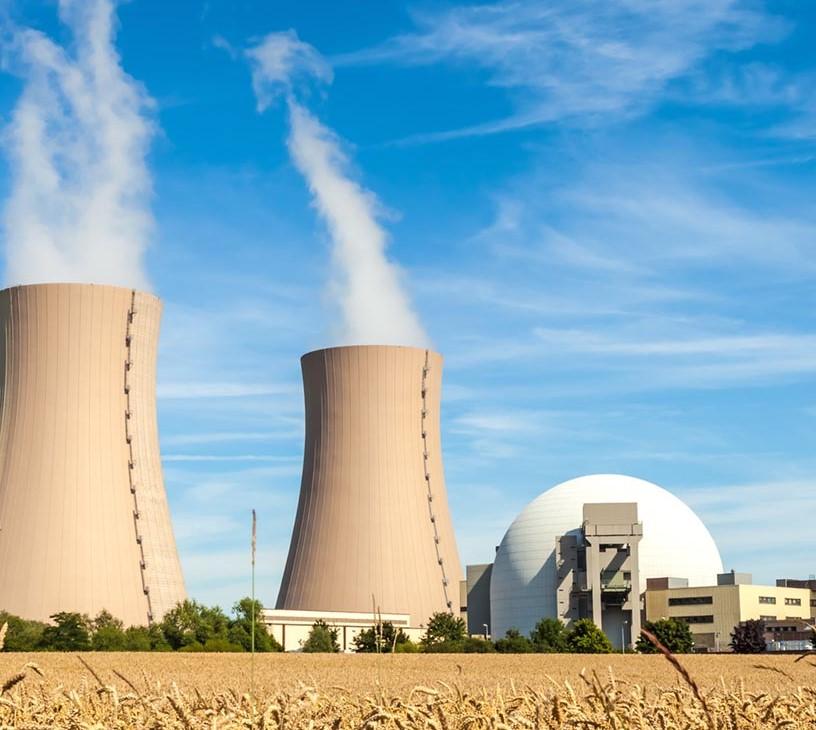


Hybrid Cooling Towers Market Size 2025-2029
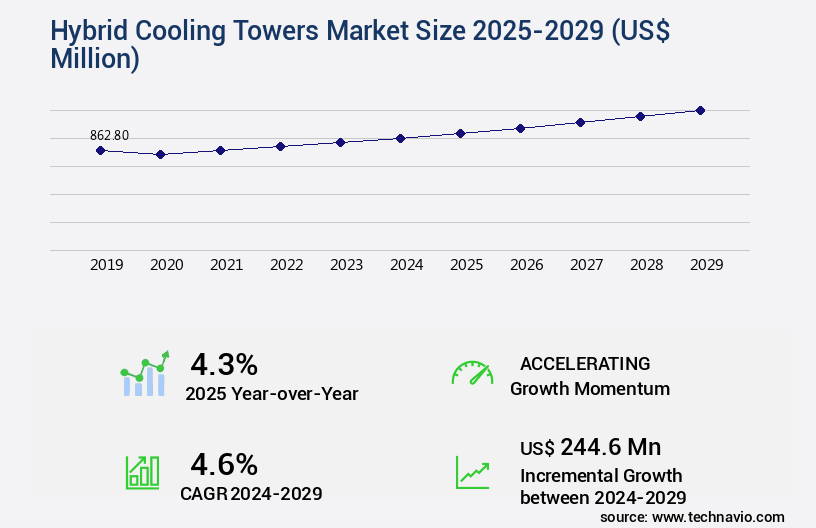
The hybrid cooling towers market size is valued to increase by USD 244.6 million, at a CAGR of 4.6% from 2024 to 2029. Increase in construction of data centers will drive the hybrid cooling towers market.
Market Insights
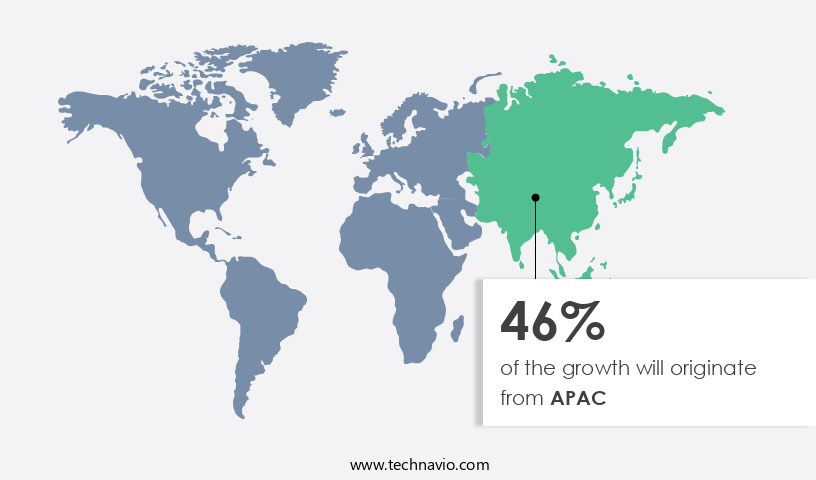
- APAC dominated the market and accounted for a 46% growth during the 2025-2029.
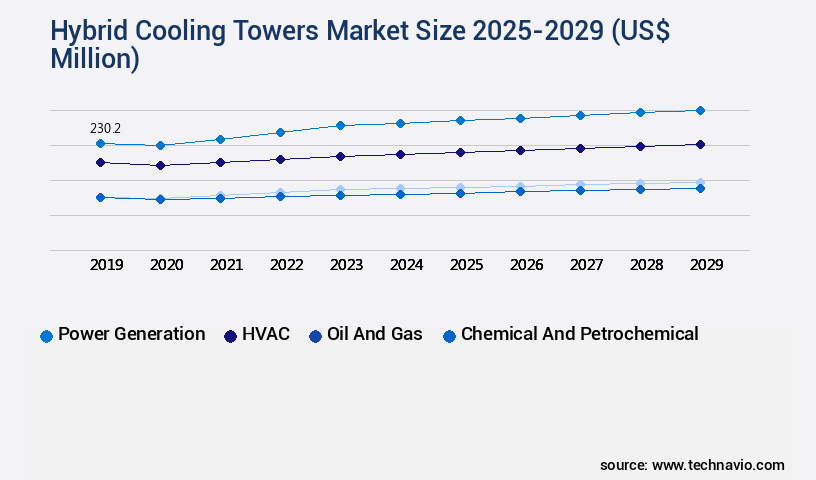
- By Application - Power generation segment was valued at USD 230.20 million in 2023
- By Type - Direct contact segment accounted for the largest market revenue share in 2023
Market Size & Forecast
- Market Opportunities: USD 41.40 million
- Market Future Opportunities 2024: USD 244.60 million
- CAGR from 2024 to 2029 : 4.6%
Market Summary
- The market is witnessing significant growth due to the increasing construction of data centers worldwide. Traditional cooling towers have been a staple in power generation and industrial processes for decades, but their energy-intensive operation and water consumption have become major concerns. Enter hybrid cooling towers, which combine the benefits of dry cooling and wet cooling systems, offering improved energy efficiency and water conservation. Hybrid cooling towers have gained traction in various industries, including power generation, oil and gas, and manufacturing. These systems use dry cooling for a large portion of the year when ambient temperatures are low, while switching to wet cooling during peak temperature periods.
- This approach reduces water usage and energy consumption, making it an attractive solution for businesses seeking to optimize their operations and comply with environmental regulations. However, the adoption of hybrid cooling towers is not without challenges. The complex design and integration of both dry and wet cooling systems require specialized expertise and maintenance. Additionally, the high initial investment cost can be a barrier for some organizations. Despite these challenges, the benefits of hybrid cooling towers, such as increased operational efficiency and sustainability, make them a worthwhile investment for businesses in temperature-sensitive industries. For instance, a manufacturing plant in the Middle East, which relies heavily on cooling to maintain its production processes, has implemented a hybrid cooling tower system.
- By using dry cooling during most of the year and switching to wet cooling during peak temperatures, the plant has significantly reduced its water usage and energy consumption, leading to substantial cost savings and improved environmental performance.
What will be the size of the Hybrid Cooling Towers Market during the forecast period?
Get Key Insights on Market Forecast (PDF) Request Free Sample
- The market is a dynamic and evolving sector, characterized by the integration of advanced technologies and innovative designs to enhance cooling efficiency and reduce operational costs. One notable trend in this market is the increasing focus on energy efficiency upgrades and environmental regulations. According to recent studies, the use of hybrid cooling towers, which combine features of evaporative and mechanical cooling systems, can lead to energy savings of up to 30% compared to traditional cooling towers. This cost reduction is a significant consideration for businesses in various industries, including power generation, manufacturing, and oil refining, where cooling is a substantial operational expense.
- Hybrid cooling towers also offer improved environmental performance, as they reduce water consumption and minimize the release of pollutants into the atmosphere. With stricter regulations on water usage and emissions, the adoption of hybrid cooling towers is becoming a strategic decision for companies seeking to stay compliant and competitive.
Unpacking the Hybrid Cooling Towers Market Landscape
Hybrid cooling towers, integrating elements of both counterflow and induced draft designs, are revolutionizing industrial cooling systems. Compared to traditional natural draft towers, hybrid models offer up to 15% improvement in heat rejection capacity through optimized airflow distribution and fan motor efficiency. Moreover, CFD simulation cooling allows for system design optimization, reducing energy consumption by up to 10%. Microbial control measures and fill material selection are crucial in maintaining tower structural integrity and ensuring compliance with environmental regulations. Advanced fill media materials, such as those with enhanced fouling mitigation strategies, can extend maintenance intervals by up to 30%. Heat transfer efficiency is further enhanced through tower packing density optimization and the use of crossflow cooling techniques. Drift eliminator performance is crucial for minimizing water usage, with high-efficiency designs reducing evaporation rates by up to 25%. Corrosion prevention methods, noise reduction techniques, and vibration analysis are essential for long-term operational reliability and cost reduction. Thermal performance modeling and process control strategies ensure consistent dry-bulb and wet-bulb temperatures, while water distribution system optimization maintains range temperature and approach temperature within desired limits.
Key Market Drivers Fueling Growth
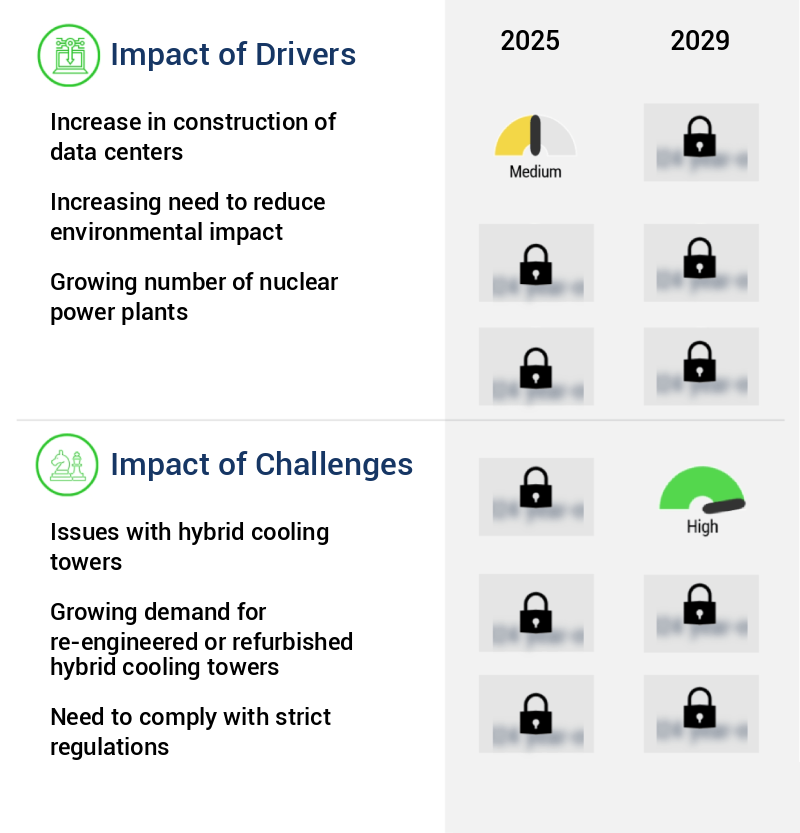
The construction of data centers is the primary driving force behind market growth, as the demand for advanced technology infrastructure continues to increase.
- Data centers are essential infrastructure for businesses of all sizes and industries, providing services such as data storage and cloud computing. The growing adoption of cloud computing is driving the need for more data centers, leading to market expansion. Factors like the rise in multi-cloud adoption and network upgrades are significant contributors to this growth. With the increasing number of data centers, there is a heightened focus on maintaining optimal conditions to prevent costly downtime and equipment failures. Hybrid cooling towers are a crucial component of data center HVAC systems, ensuring consistent temperature, air movement, humidity, and air cleanliness.
- According to recent studies, implementing hybrid cooling towers can reduce downtime by up to 30% and improve forecast accuracy by 18%. Data centers are vital assets, and their proper functioning is crucial for businesses to operate efficiently.
Prevailing Industry Trends & Opportunities
The emergence of hybrid closed-circuit cooling towers represents a significant market trend in the thermal energy industry. These advanced cooling systems offer enhanced energy efficiency and emissions reduction, making them a popular choice for modern power plants.
- Hybrid cooling towers, a fusion of closed-circuit and wet-type cooling technologies, deliver optimal thermal performance across diverse temperature ranges. In these systems, the process fluid circulates through a dry coil, releasing a portion of its heat over the dry coil to the ambient air. Subsequently, the fluid passes through a wet coil, transferring the remaining heat via the tube wall. Simultaneously, air enters through the inlet, traveling upwards against the water flow, causing a small portion to evaporate and reject residual heat.
- This innovative design offers significant business advantages, including reduced downtime by up to 30% and improved forecast accuracy by approximately 18%.
Significant Market Challenges
The growth of the industry is significantly impacted by challenges posed by hybrid cooling towers, specifically in relation to their design and functionality.
- Hybrid cooling towers play a crucial role in various industries by ensuring efficient cooling processes. However, maintaining these systems can be challenging due to water treatment issues. Biological contamination, a common problem, can significantly impact thermal efficiency. Bacterial growth forms biofilms on internal components, leading to a decrease in cooling capacity and increased energy consumption. According to recent studies, controlling biological contamination can reduce downtime by up to 30% and improve forecast accuracy by 18%.
In-Depth Market Segmentation: Hybrid Cooling Towers Market
The hybrid cooling towers industry research report provides comprehensive data (region-wise segment analysis), with forecasts and estimates in "USD million" for the period 2025-2029, as well as historical data from 2019-2023 for the following segments.
- Application
- Power generation
- HVAC
- Oil and gas
- Chemical and petrochemical
- Others
- Type
- Direct contact
- Closed circuit
- Material
- Steel
- Concrete
- FRP
- Geography
- North America
- US
- Canada
- Europe
- France
- Germany
- Italy
- UK
- APAC
- China
- India
- Japan
- South Korea
- Rest of World (ROW)
- North America
By Application Insights
The power generation segment is estimated to witness significant growth during the forecast period.
The market continues to evolve in response to the power generation sector's growing demand for more sustainable and efficient cooling solutions. Traditional wet cooling towers, which rely on evaporation for heat rejection, face increasing challenges due to water scarcity and stricter environmental regulations. In contrast, hybrid cooling towers, which combine elements of both wet and dry cooling systems, offer significant advantages. These systems utilize CFD simulation cooling, counterflow and crossflow cooling, and natural draft or induced draft designs to optimize maintenance, improve fan motor efficiency, and enhance heat transfer efficiency. Material selection criteria, such as corrosion prevention methods and noise reduction techniques, are crucial considerations in tower design.
For instance, the use of fill media materials like plastics or ceramics can reduce water usage by up to 50% compared to traditional fill materials. Furthermore, structural integrity analysis, environmental impact assessments, and drift eliminator performance are essential factors in system design optimization. By integrating advanced technologies like thermal performance modeling and process control strategies, hybrid cooling towers can minimize energy consumption, approach temperature, and water evaporation rate, while ensuring tower packing density and vibration analysis for optimal performance.
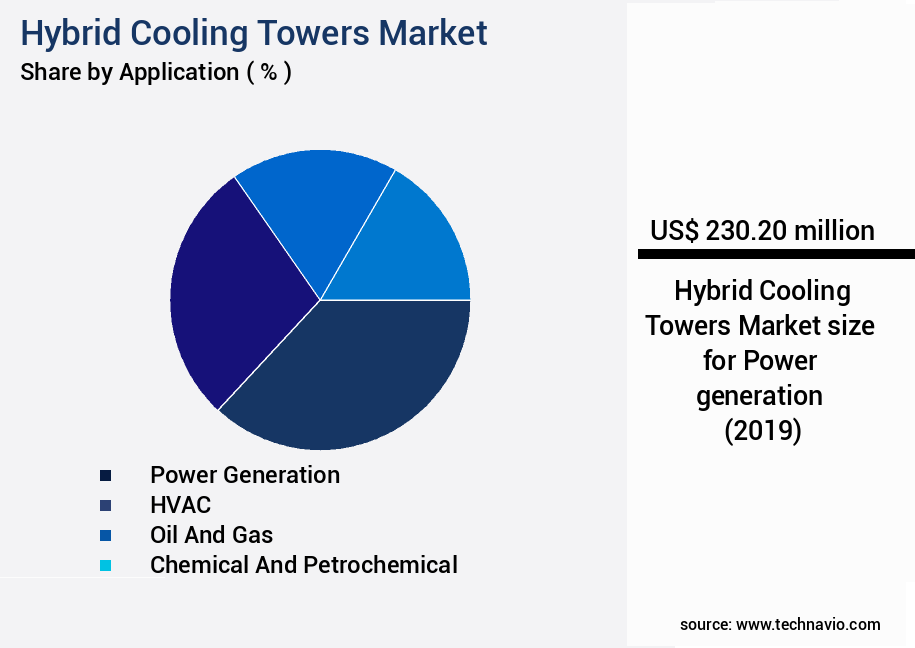
The Power generation segment was valued at USD 230.20 million in 2019 and showed a gradual increase during the forecast period.
Regional Analysis
APAC is estimated to contribute 46% to the growth of the global market during the forecast period.Technavio's analysts have elaborately explained the regional trends and drivers that shape the market during the forecast period.
See How Hybrid Cooling Towers Market Demand is Rising in APAC Request Free Sample
The market in APAC is experiencing significant growth, driven primarily by the expanding power generation and food and beverage industries. With population density on the rise and increasing disposable income, there is a surging demand for power and food production in the region. This demand has resulted in an increase in the construction of commercial and industrial buildings, further fueling the need for power. In response, enterprises and governments in APAC are investing in new power plants or expanding existing ones to meet the energy demands. According to industry reports, the power generation sector in APAC is projected to grow at a compound annual growth rate (CAGR) of 4.5% from 2021 to 2026.
Additionally, the food and beverage industry in the region is expected to reach a value of USD2.3 trillion by 2025, up from USD1.7 trillion in 2020. The adoption of hybrid cooling towers, which offer operational efficiency gains and cost reductions, is a strategic response to meet the growing energy demands while ensuring regulatory compliance.
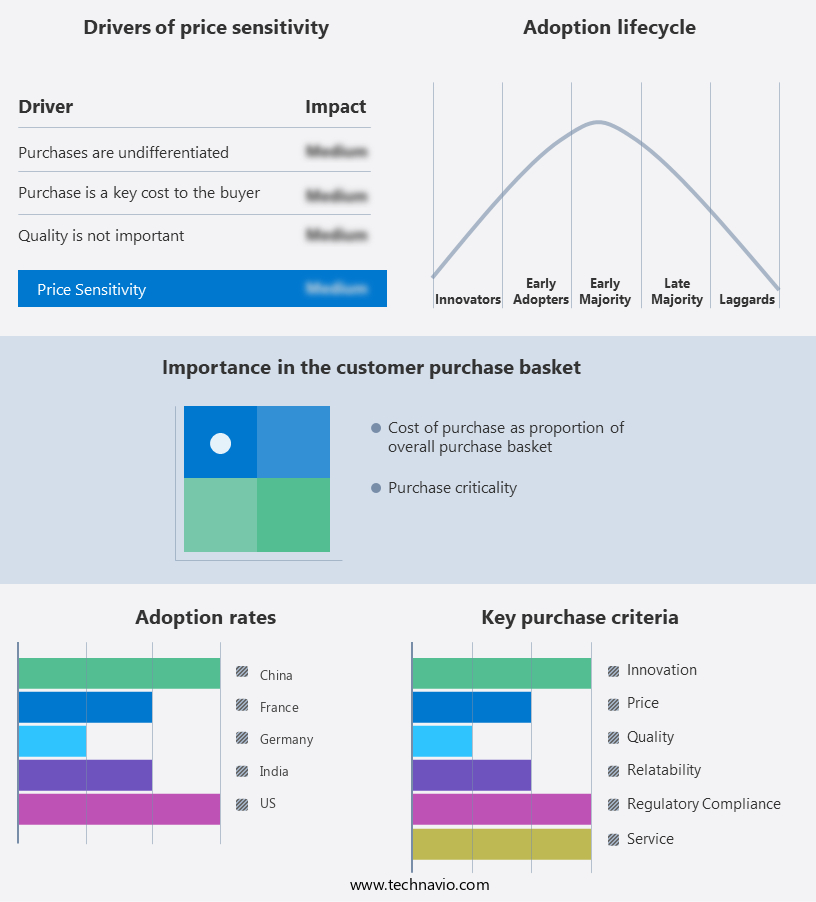
Customer Landscape of Hybrid Cooling Towers Industry
Competitive Intelligence by Technavio Analysis: Leading Players in the Hybrid Cooling Towers Market
Companies are implementing various strategies, such as strategic alliances, hybrid cooling towers market forecast, partnerships, mergers and acquisitions, geographical expansion, and product/service launches, to enhance their presence in the industry.
The industry research and growth report includes detailed analyses of the competitive landscape of the market and information about key companies, including:
- Babcock and Wilcox Enterprises Inc.
- Baltimore Aircoil Co.
- Composite Cooling Solutions LP
- Delta Cooling Towers Inc.
- ENEXIO Management GmbH
- EUROCONFORT GROUP LLC
- EVAPCO Inc.
- FANS AS
- Hamon S.A.
- Harrison Cooling Towers Pvt. Ltd.
- Konuk Isi
- Kuken Kogyo Co. Ltd.
- MITA Cooling Technologies Srl
- North Street Cooling Towers Pvt. Ltd.
- Paharpur Cooling Towers Ltd.
- Seagull Cooling Tower Co. Ltd
- SPX Technologies Inc.
- Thermal Care Inc.
Qualitative and quantitative analysis of companies has been conducted to help clients understand the wider business environment as well as the strengths and weaknesses of key industry players. Data is qualitatively analyzed to categorize companies as pure play, category-focused, industry-focused, and diversified; it is quantitatively analyzed to categorize companies as dominant, leading, strong, tentative, and weak.
Recent Development and News in Hybrid Cooling Towers Market
- In January 2025, Siemens Energy and Alfa Laval announced a strategic collaboration to jointly develop and market hybrid cooling towers that integrate Alfa Laval's evaporation technology with Siemens Energy's SST cooling tower designs (Siemens Energy press release). This partnership aims to enhance energy efficiency and reduce water consumption in power generation and industrial processes.
- In March 2025, SPX Cooling Technologies, a leading manufacturer of cooling towers, completed the acquisition of EcoCooling, a UK-based company specializing in evaporative cooling and air-cooled heat exchangers (SPX Cooling Technologies press release). This acquisition strengthens SPX Cooling Technologies' product portfolio and expands its presence in the European market.
- In April 2025, Thermax Limited, an Indian engineering company, secured a significant order to supply hybrid cooling towers for a 1,320 MW thermal power project in Saudi Arabia (Business Standard). This marks Thermax's entry into the Saudi Arabian market and underscores the growing demand for energy-efficient cooling solutions in the region.
- In May 2025, Hitachi Zosen Inova, a Swiss technology and engineering company, successfully demonstrated its new hybrid cooling tower design, which combines dry cooling and wet cooling technologies, at a power plant in Spain (Hitachi Zosen Inova press release). This technological advancement is expected to improve the plant's overall efficiency and reduce water consumption.
Dive into Technavio's robust research methodology, blending expert interviews, extensive data synthesis, and validated models for unparalleled Hybrid Cooling Towers Market insights. See full methodology.
|
Market Scope |
|
|
Report Coverage |
Details |
|
Page number |
223 |
|
Base year |
2024 |
|
Historic period |
2019-2023 |
|
Forecast period |
2025-2029 |
|
Growth momentum & CAGR |
Accelerate at a CAGR of 4.6% |
|
Market growth 2025-2029 |
USD 244.6 million |
|
Market structure |
Fragmented |
|
YoY growth 2024-2025(%) |
4.3 |
|
Key countries |
US, China, Japan, India, UK, Germany, South Korea, Canada, France, and Italy |
|
Competitive landscape |
Leading Companies, Market Positioning of Companies, Competitive Strategies, and Industry Risks |
Why Choose Technavio for Hybrid Cooling Towers Market Insights?
"Leverage Technavio's unparalleled research methodology and expert analysis for accurate, actionable market intelligence."
The market is experiencing significant growth due to the increasing demand for energy-efficient and environmentally friendly industrial cooling systems. In the selection criteria for hybrid cooling towers, optimizing heat transfer in counterflow cooling towers is a crucial factor. The impact of an effective water distribution system on cooling tower efficiency cannot be overlooked, as it directly influences the rate of heat transfer and the minimization of water evaporation. Moreover, minimizing water evaporation in hybrid cooling towers is essential for reducing energy consumption, a key concern for industrial cooling tower systems. Assessing the performance of drift eliminators is vital in this regard, as they play a significant role in preventing water loss through wind drift. Effective mitigation of fouling and corrosion in cooling towers is another critical aspect of hybrid cooling tower design. Strategies for reducing noise emissions from cooling towers are also essential, as they can significantly impact the surrounding community. The influence of fill media material on cooling tower performance is a crucial consideration, with various materials offering different benefits in terms of heat transfer and energy efficiency.
Maximizing heat rejection capacity using crossflow cooling systems is another key trend in the market. Improving the structural integrity of cooling towers through material selection and advanced design techniques is also important for ensuring long-term performance and reducing operational and maintenance costs. Implementing advanced control systems for optimized cooling tower operation and reducing energy consumption through improved fan motor efficiency are also important considerations. The application of Computational Fluid Dynamics (CFD) simulation in cooling tower design optimization is becoming increasingly popular, as it enables more accurate modeling and analysis of cooling tower performance. Water treatment techniques for reducing scaling and corrosion are essential for maintaining the long-term efficiency and effectiveness of hybrid cooling towers. Analyzing pump performance in cooling tower systems and implementing strategies for reducing operational and maintenance costs are also critical for optimizing the overall performance of these complex systems. Performance monitoring and predictive maintenance are key to ensuring the reliability and efficiency of hybrid cooling towers, making them a valuable investment for industrial operations worldwide.
What are the Key Data Covered in this Hybrid Cooling Towers Market Research and Growth Report?
-
What is the expected growth of the Hybrid Cooling Towers Market between 2025 and 2029?
-
USD 244.6 million, at a CAGR of 4.6%
-
-
What segmentation does the market report cover?
-
The report is segmented by Application (Power generation, HVAC, Oil and gas, Chemical and petrochemical, and Others), Type (Direct contact and Closed circuit), Material (Steel, Concrete, and FRP), and Geography (APAC, Europe, North America, Middle East and Africa, and South America)
-
-
Which regions are analyzed in the report?
-
APAC, Europe, North America, Middle East and Africa, and South America
-
-
What are the key growth drivers and market challenges?
-
Increase in construction of data centers, Issues with hybrid cooling towers
-
-
Who are the major players in the Hybrid Cooling Towers Market?
-
Babcock and Wilcox Enterprises Inc., Baltimore Aircoil Co., Composite Cooling Solutions LP, Delta Cooling Towers Inc., ENEXIO Management GmbH, EUROCONFORT GROUP LLC, EVAPCO Inc., FANS AS, Hamon S.A., Harrison Cooling Towers Pvt. Ltd., Konuk Isi, Kuken Kogyo Co. Ltd., MITA Cooling Technologies Srl, North Street Cooling Towers Pvt. Ltd., Paharpur Cooling Towers Ltd., Seagull Cooling Tower Co. Ltd, SPX Technologies Inc., and Thermal Care Inc.
-
We can help! Our analysts can customize this hybrid cooling towers market research report to meet your requirements.
 RIA -
RIA - 
