

Industrial Food Smokers Market Analysis APAC, Europe, North America, Middle East and Africa, South America - US, China, Japan, Germany, France - Size and Forecast 2024-2028

Industrial Food Smokers Market Analysis APAC, Europe, North America, Middle East and Africa, South America - US, China, Japan, Germany, France - Size and Forecast 2024-2028

Published: Dec 2023 164 Pages SKU: IRTNTR77106

Market Overview at a Glance

$36.49 Mn
Market Opportunity
2.53%
CAGR
2.33
YoY growth 2023-2024(%)

Industrial Food Smokers Market Size 2024-2028

The industrial food smokers market size is forecast to increase by USD 36.49 million, at a CAGR of 2.53% between 2023 and 2028.

  • The market is witnessing significant growth, driven primarily by the increasing preference for smoked and processed meats. This trend is fueled by consumers' desire for flavorful and convenient food options, leading to a surge in demand for industrial food smokers  and meat smokers. Another key trend shaping the market is the adoption of smart smoking technology. This innovation enables remote monitoring and control of the smoking process, ensuring consistent quality and efficiency. However, the complexity of the smoking process poses a significant challenge for market participants.
  • Balancing temperature, humidity, and smoke levels requires expertise and advanced technology, making it a critical success factor. Companies seeking to capitalize on market opportunities must invest in research and development to optimize their smoking processes and meet evolving consumer preferences. Additionally, addressing the challenges of complexity and ensuring regulatory compliance will be essential for long-term success in the market.

What will be the Size of the Industrial Food Smokers Market during the forecast period?
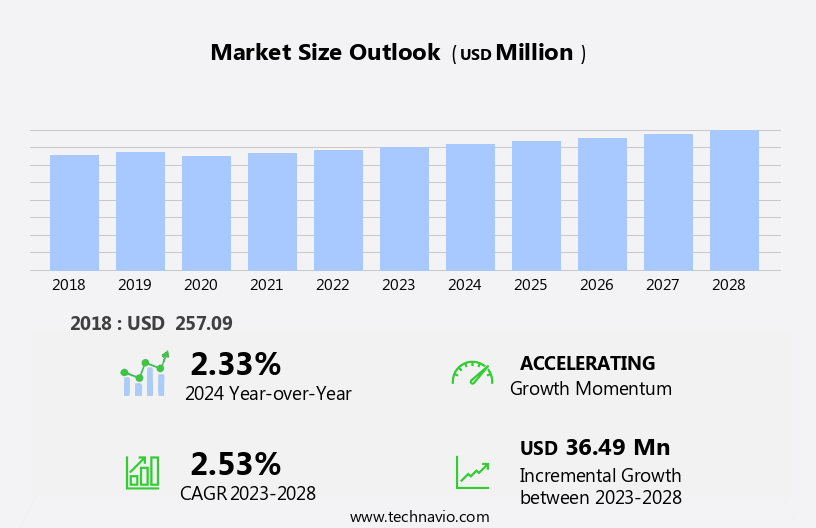
Industrial Food Smokers Market Size

Explore in-depth regional segment analysis with market size data - historical 2018-2022 and forecasts 2024-2028 - in the full report.  
Request Free Sample

The market continues to evolve, driven by the diverse applications across various sectors in the food processing industry. Wood chips, a traditional fuel source, are increasingly being supplemented by horizontal smokers utilizing pellets, which offer greater efficiency and consistency in smoke generation. Certification standards and food safety regulations are shaping market dynamics, with a focus on continuous smoking processes and precise temperature control. Vertical smokers, known for their compact design and energy efficiency, are gaining popularity in industrial settings. Smoke emissions and moisture retention are critical factors in optimizing smoking processes, with ongoing research and innovation in smoke density control and fuel consumption.

Smokehouse design and insulation play essential roles in maintaining optimal smoking conditions, while automated systems and temperature sensors enhance operational efficiency. The market's continuous unfolding is also influenced by the evolving trends in food preservation, meat processing, and catering equipment. Food safety standards and environmental impact are increasingly important considerations, with a growing emphasis on energy efficiency and sustainable practices. The market's dynamism extends to various sectors, including commercial food smoking, meat processing, and restaurant equipment, as well as emerging applications in food preservation and outdoor cooking. The ongoing development of smoking temperature control, smoke penetration, and meat tenderization techniques further expands the market's potential, with smoke flavor profiles and smoking recipes continuing to influence consumer preferences.

Ultimately, the market remains a vibrant and evolving landscape, shaped by the interplay of technological innovation, regulatory requirements, and consumer demands.

How is this Industrial Food Smokers Industry segmented?

The industrial food smokers industry research report provides comprehensive data (region-wise segment analysis), with forecasts and estimates in "USD million" for the period 2024-2028, as well as historical data from 2018-2022 for the following segments.

  • Usage
    • Meat processing
    • Fish and seafood
    • Others
  • Application
    • Liquid
    • Frictional
    • Others
  • Geography
    • North America
      • US
    • Europe
      • France
      • Germany
    • APAC
      • China
      • Japan
    • Rest of World (ROW)

By Usage Insights

The meat processing segment is estimated to witness significant growth during the forecast period.

Industrial smokers are essential equipment in the food processing industry, used for commercial food smoking and preservation. These smokers come in various sizes, from small batch units to large continuous smokehouses, catering to diverse production requirements. Constructed primarily from stainless steel, they ensure durability, corrosion resistance, and ease of cleaning, crucial for maintaining hygiene standards in meat processing facilities. Modern industrial smokers offer precise control over critical factors such as temperature, humidity, and airflow, ensuring consistent smoking conditions and enabling customized flavor profiles. Advanced control systems allow for automation and programmability, enabling operators to set specific smoking parameters for different products and maintain reproducibility across batches.

Smokehouse ventilation and cleaning and maintenance are crucial aspects of industrial smoker operation. Waste management systems help minimize environmental impact. Smoker chambers are designed to optimize smoke penetration, while certification standards ensure food safety. Smokers use various fuels, including wood pellets and wood chips, for generating smoke. Smoking time and fuel consumption depend on the size of the smoker and the product being smoked. Smoke density control and moisture retention are essential for optimal smoking efficiency. Industrial smokers are used for hot smoking, cold smoking, and meat processing, as well as for smoking vegetables, cheese, and fish. They are also employed in catering equipment and restaurant equipment for outdoor cooking.

Automated smoking systems and temperature sensors further enhance their functionality. Safety features are a priority in industrial smoker design. Smoke emissions must adhere to food safety standards and regulations. Energy efficiency is another significant consideration, with many modern smokers utilizing cast iron construction and pellet smokers to minimize fuel consumption. Environmental impact is a growing concern, with many industrial smokers incorporating smokehouse insulation and advanced smoke emissions control systems to minimize their carbon footprint. Overall, industrial smokers play a vital role in the food processing industry, offering versatility, efficiency, and consistent, high-quality smoking results.
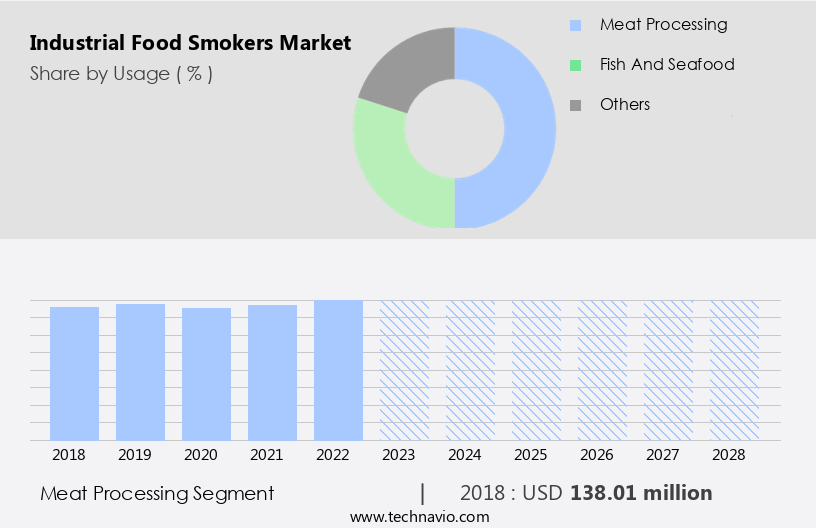
Industrial Food Smokers Market Size

Request Free Sample

The Meat processing segment was valued at USD 138.01 million in 2018 and showed a gradual increase during the forecast period.

Regional Analysis

APAC is estimated to contribute 42% to the growth of the global market during the forecast period.Technavio's analysts have elaborately explained the regional trends and drivers that shape the market during the forecast period.

Industrial Food Smokers Market Share by Geography

 Request Free Sample

The market is experiencing notable growth in the APAC region, driven by the cultural affinity for smoked and grilled foods in countries like Japan and China. This preference for flavors contributes to the demand for industrial food smokers, particularly for meat, fish, and poultry products. The region's expanding population and changing lifestyles are fueling the demand for processed and convenience foods. Industrial food smokers are essential in adding flavor and enhancing the appeal of these products. The rising middle-class population in APAC countries, with higher disposable incomes and a growing appetite for diverse and premium food items, further boosts market growth.

Stainless steel construction ensures durability and ease of cleaning and maintenance in industrial food smokers. Safety features, such as temperature sensors and automatic shut-off systems, are increasingly becoming standard. Smokehouse ventilation systems help manage smoke emissions, ensuring food safety standards are met. Various types of smokers, including offset smokers, horizontal smokers, and vertical smokers, cater to different industry needs. Wood pellets and wood chips are popular fuel sources for industrial food smokers due to their ability to generate smoke with distinct flavor profiles. Smoke density control and moisture retention are crucial factors in achieving consistent smoking results. Energy efficiency is another significant consideration, with many manufacturers focusing on reducing fuel consumption.

Certification standards, such as NSF and CE, ensure the safety and quality of industrial food smokers. Automated smoking systems and continuous smoking processes are gaining popularity for their efficiency and cost savings. Food preservation is another key benefit, with smoked products having a longer shelf life compared to fresh counterparts. Industrial food smokers are used extensively in industrial food processing, meat processing, and meat tenderization. They are also employed in the production of smoked vegetables, smoked cheese, smoked fish, and other smoked food products. The market is expected to continue growing, driven by the increasing demand for processed and convenience foods and the cultural preference for smoked and grilled flavors.

Market Dynamics

Our researchers analyzed the data with 2023 as the base year, along with the key drivers, trends, and challenges. A holistic analysis of drivers will help companies refine their marketing strategies to gain a competitive advantage.

What are the key market drivers leading to the rise in the adoption of Industrial Food Smokers Industry?

  • The significant rise in consumer preference for smoked and processed meats serves as the primary catalyst for market growth. 
  • Industrial food smokers are essential equipment in the food manufacturing industry, catering to the increasing demand for smoked and processed meats. These large-scale smokers enable manufacturers to produce consistent and distinctive flavor profiles in large quantities, meeting the production requirements of popular smoked meat products. Advanced control systems and automation in industrial food smokers ensure precise control over the smoking process, maintaining the desired flavor characteristics across batches. The popularity of smoked and processed meats encourages food manufacturers to expand their product offerings, making industrial food smokers an indispensable investment for businesses aiming to stay competitive in the market.
  • The ability to produce large quantities of high-quality smoked meats efficiently allows manufacturers to meet consumer demand while maintaining consistent product quality.

What are the market trends shaping the Industrial Food Smokers Industry?

  • The rising trend in the market is the advancement of smart smoking technology. This innovative development is set to redefine the tobacco industry with its sophisticated features and enhanced user experience.
  • Industrial food smokers have gained significant traction in the commercial food industry due to their ability to preserve the unique flavors of smoked foods. These smokers come in various types, including offset smokers and electric smokers, each offering distinct advantages. Offset smokers provide a traditional smoking experience, while electric smokers offer convenience and ease of use. Smart smoking technology has revolutionized commercial food smoking, enabling real-time monitoring and control of critical parameters such as temperature, humidity, smoke intensity, and airflow. This technology allows operators to make immediate adjustments, ensuring consistent product quality and improved efficiency.
  • Smoker chambers are available in stainless steel construction, ensuring durability and easy cleaning and maintenance. Waste management is an essential consideration, with many smokers featuring efficient ash removal systems. Smokehouse ventilation systems ensure proper smoke penetration and maintain a safe working environment. Safety features are a priority, including automatic shut-off systems and temperature limits. Smoking time varies depending on the food type and desired outcome. Wood pellets are a popular fuel source, providing a natural smoky flavor. Data analytics tools integrated into industrial food smokers provide valuable insights into the smoking process, enabling manufacturers to optimize smoking parameters and identify trends and patterns for improved efficiency and consistent product quality.

What challenges does the Industrial Food Smokers Industry face during its growth?

  • The complexity inherent in the smoking process poses a significant challenge to the growth of the industry. 
  • The market encompasses a diverse range of applications, primarily focused on enhancing the flavor and texture of various food products, such as meats, fish, cheeses, and vegetables. Each food type necessitates specific smoking parameters, adding intricacy to the smoking process. Three primary smoking methods – hot smoking, cold smoking, and liquid smoking – contribute to distinct flavors and characteristics. Manufacturers must accommodate these methods based on product type and consumer preferences, increasing production complexity. Foods come in various sizes and shapes, necessitating adjustments to ensure uniform smoking and optimal moisture retention.
  • Wood chips are a common fuel source, while certification standards and food safety regulations guide smokehouse design. Temperature control, smoke emissions, and smoke density are crucial factors in maintaining product quality. Fuel consumption and smokehouse design also impact efficiency and cost-effectiveness.

Exclusive Customer Landscape

The industrial food smokers market forecasting report includes the adoption lifecycle of the market, covering from the innovator's stage to the laggard's stage. It focuses on adoption rates in different regions based on penetration. Furthermore, the industrial food smokers market report also includes key purchase criteria and drivers of price sensitivity to help companies evaluate and develop their market growth analysis strategies.
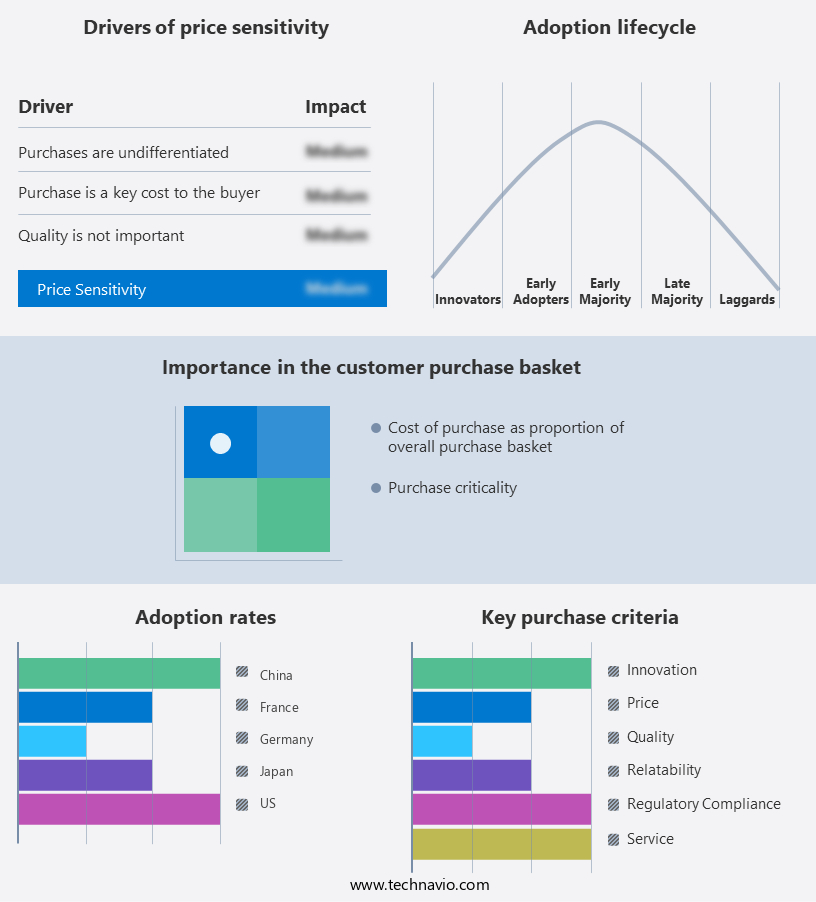
Industrial Food Smokers Market Share by Geography

 Customer Landscape

Key Companies & Market Insights

Companies are implementing various strategies, such as strategic alliances, industrial food smokers market forecast, partnerships, mergers and acquisitions, geographical expansion, and product/service launches, to enhance their presence in the industry.

BASTRA GmbH - The company specializes in providing advanced industrial food smoking solutions, catering to various industries.

The industry research and growth report includes detailed analyses of the competitive landscape of the market and information about key companies, including:

  • BASTRA GmbH
  • Comcater Pty Ltd.
  • Cookshack Inc.
  • FESSMANN GmbH and Co KG
  • GEA Group AG
  • John Bean Technologies Corp.
  • KERRES Anlagensysteme GmbH
  • Marel Group
  • Mauting
  • NU VU Doyon
  • Pro Smoker
  • Robert Reiser and Co. Inc.
  • Schroter Technologie GmbH and Co. KG
  • Southern Pride
  • The Middleby Corp.
  • Vista Outdoor Inc.
  • Weber Stephen Products HK Ltd.
  • Marlen International
  • REICH Thermoprocesstechnik GmbH
  • Sorgo Anlagenbau GmbH

Qualitative and quantitative analysis of companies has been conducted to help clients understand the wider business environment as well as the strengths and weaknesses of key industry players. Data is qualitatively analyzed to categorize companies as pure play, category-focused, industry-focused, and diversified; it is quantitatively analyzed to categorize companies as dominant, leading, strong, tentative, and weak.

Recent Development and News in Industrial Food Smokers Market

  • In March 2023, Tecno Alimente, a leading industrial food smokers manufacturer, introduced its new line of energy-efficient smokers, the "Green Series," at the International Food Tech & Ingredients Exhibition. This innovative product launch addresses the growing demand for sustainable food processing solutions (Tecno Alimente press release).
  • In July 2024, DSM Food Specialties, a global ingredient supplier, announced a strategic partnership with SmokeMaster, a leading industrial smoker technology provider. This collaboration aims to develop advanced smoke flavor solutions for processed food manufacturers, enhancing product offerings and catering to evolving consumer preferences (DSM Food Specialties press release).
  • In October 2024, JBS Foods, a major meat processing company, completed the acquisition of a significant stake in Thermo-Process, a leading industrial food smoker manufacturer. This strategic move strengthens JBS Foods' position in the market and expands its processing capabilities (JBS Foods SEC filing).
  • In February 2025, the European Union approved new regulations on food smoking processes, mandating stricter control over smoking emissions and improving overall food safety. This regulatory development will drive the adoption of advanced industrial food smokers with improved emission control systems (European Commission press release).

Research Analyst Overview

  • The market encompasses a diverse range of applications, from smoked brisket and ribs to smoked ham, bacon, chili powder, and various types of sausages, salmon, cheese, and tofu. Propane gas and natural gas are common fuel sources, while charcoal burning and wood burning are also popular for imparting distinct flavors. Smokehouse automation and digital controls have gained traction, ensuring temperature uniformity, heat distribution, and hygiene standards. Food grade materials and allergen management are essential considerations for manufacturers. Smoke flavor enhancers, such as smoked paprika and chili powder, and smoke flavoring agents are integral to the process.
  • Remote monitoring and data logging enable real-time adjustments and optimize production efficiency. Corrosion resistance is crucial for maintaining equipment longevity, particularly in applications involving wood burning and high-temperature processes.

Dive into Technavio's robust research methodology, blending expert interviews, extensive data synthesis, and validated models for unparalleled Industrial Food Smokers Market insights. See full methodology.

Market Scope

Report Coverage

Details

Page number

164

Base year

2023

Historic period

2018-2022

Forecast period

2024-2028

Growth momentum & CAGR

Accelerate at a CAGR of 2.53%

Market growth 2024-2028

USD 36.49 million

Market structure

Fragmented

YoY growth 2023-2024(%)

2.33

Key countries

US, China, Japan, Germany, and France

Competitive landscape

Leading Companies, Market Positioning of Companies, Competitive Strategies, and Industry Risks

Request Free Sample

What are the Key Data Covered in this Industrial Food Smokers Market Research and Growth Report?

  • CAGR of the Industrial Food Smokers industry during the forecast period
  • Detailed information on factors that will drive the growth and forecasting between 2024 and 2028
  • Precise estimation of the size of the market and its contribution of the industry in focus to the parent market
  • Accurate predictions about upcoming growth and trends and changes in consumer behaviour
  • Growth of the market across APAC, Europe, North America, Middle East and Africa, and South America
  • Thorough analysis of the market's competitive landscape and detailed information about companies
  • Comprehensive analysis of factors that will challenge the industrial food smokers market growth of industry companies

We can help! Our analysts can customize this industrial food smokers market research report to meet your requirements.

Get in touch

1 Executive Summary

  • 1.1 Market overview
    • Exhibit 01: Executive Summary – Chart on Market Overview
    • Exhibit 02: Executive Summary – Data Table on Market Overview
    • Exhibit 03: Executive Summary – Chart on Global Market Characteristics
    • Exhibit 04: Executive Summary – Chart on Market by Geography
    • Exhibit 05: Executive Summary – Chart on Market Segmentation by Usage
    • Exhibit 06: Executive Summary – Chart on Market Segmentation by Application
    • Exhibit 07: Executive Summary – Chart on Incremental Growth
    • Exhibit 08: Executive Summary – Data Table on Incremental Growth
    • Exhibit 09: Executive Summary – Chart on Vendor Market Positioning

2 Market Landscape

  • 2.1 Market ecosystem
    • Exhibit 10: Parent market
    • Exhibit 11: Market Characteristics

3 Market Sizing

  • 3.1 Market definition
    • Exhibit 12: Offerings of vendors included in the market definition
  • 3.2 Market segment analysis
    • Exhibit 13: Market segments
  • 3.3 Market size 2023
    • 3.4 Market outlook: Forecast for 2023-2028
      • Exhibit 14: Chart on Global - Market size and forecast 2023-2028 ($ million)
      • Exhibit 15: Data Table on Global - Market size and forecast 2023-2028 ($ million)
      • Exhibit 16: Chart on Global Market: Year-over-year growth 2023-2028 (%)
      • Exhibit 17: Data Table on Global Market: Year-over-year growth 2023-2028 (%)

    4 Historic Market Size

    • 4.1 Global industrial food smokers market 2018 - 2022
      • Exhibit 18: Historic Market Size – Data Table on global industrial food smokers market 2018 - 2022 ($ million)
    • 4.2 Usage Segment Analysis 2018 - 2022
      • Exhibit 19: Historic Market Size – Usage Segment 2018 - 2022 ($ million)
    • 4.3 Application Segment Analysis 2018 - 2022
      • Exhibit 20: Historic Market Size – Application Segment 2018 - 2022 ($ million)
    • 4.4 Geography Segment Analysis 2018 - 2022
      • Exhibit 21: Historic Market Size – Geography Segment 2018 - 2022 ($ million)
    • 4.5 Country Segment Analysis 2018 - 2022
      • Exhibit 22: Historic Market Size – Country Segment 2018 - 2022 ($ million)

    5 Five Forces Analysis

    • 5.1 Five forces summary
      • Exhibit 23: Five forces analysis - Comparison between 2023 and 2028
    • 5.2 Bargaining power of buyers
      • Exhibit 24: Chart on Bargaining power of buyers – Impact of key factors 2023 and 2028
    • 5.3 Bargaining power of suppliers
      • Exhibit 25: Bargaining power of suppliers – Impact of key factors in 2023 and 2028
    • 5.4 Threat of new entrants
      • Exhibit 26: Threat of new entrants – Impact of key factors in 2023 and 2028
    • 5.5 Threat of substitutes
      • Exhibit 27: Threat of substitutes – Impact of key factors in 2023 and 2028
    • 5.6 Threat of rivalry
      • Exhibit 28: Threat of rivalry – Impact of key factors in 2023 and 2028
    • 5.7 Market condition
      • Exhibit 29: Chart on Market condition - Five forces 2023 and 2028

    6 Market Segmentation by Usage

    • 6.1 Market segments
      • Exhibit 30: Chart on Usage - Market share 2023-2028 (%)
      • Exhibit 31: Data Table on Usage - Market share 2023-2028 (%)
    • 6.2 Comparison by Usage
      • Exhibit 32: Chart on Comparison by Usage
      • Exhibit 33: Data Table on Comparison by Usage
    • 6.3 Meat processing - Market size and forecast 2023-2028
      • Exhibit 34: Chart on Meat processing - Market size and forecast 2023-2028 ($ million)
      • Exhibit 35: Data Table on Meat processing - Market size and forecast 2023-2028 ($ million)
      • Exhibit 36: Chart on Meat processing - Year-over-year growth 2023-2028 (%)
      • Exhibit 37: Data Table on Meat processing - Year-over-year growth 2023-2028 (%)
    • 6.4 Fish and seafood - Market size and forecast 2023-2028
      • Exhibit 38: Chart on Fish and seafood - Market size and forecast 2023-2028 ($ million)
      • Exhibit 39: Data Table on Fish and seafood - Market size and forecast 2023-2028 ($ million)
      • Exhibit 40: Chart on Fish and seafood - Year-over-year growth 2023-2028 (%)
      • Exhibit 41: Data Table on Fish and seafood - Year-over-year growth 2023-2028 (%)
    • 6.5 Others - Market size and forecast 2023-2028
      • Exhibit 42: Chart on Others - Market size and forecast 2023-2028 ($ million)
      • Exhibit 43: Data Table on Others - Market size and forecast 2023-2028 ($ million)
      • Exhibit 44: Chart on Others - Year-over-year growth 2023-2028 (%)
      • Exhibit 45: Data Table on Others - Year-over-year growth 2023-2028 (%)
    • 6.6 Market opportunity by Usage
      • Exhibit 46: Market opportunity by Usage ($ million)
      • Exhibit 47: Data Table on Market opportunity by Usage ($ million)

    7 Market Segmentation by Application

    • 7.1 Market segments
      • Exhibit 48: Chart on Application - Market share 2023-2028 (%)
      • Exhibit 49: Data Table on Application - Market share 2023-2028 (%)
    • 7.2 Comparison by Application
      • Exhibit 50: Chart on Comparison by Application
      • Exhibit 51: Data Table on Comparison by Application
    • 7.3 Liquid - Market size and forecast 2023-2028
      • Exhibit 52: Chart on Liquid - Market size and forecast 2023-2028 ($ million)
      • Exhibit 53: Data Table on Liquid - Market size and forecast 2023-2028 ($ million)
      • Exhibit 54: Chart on Liquid - Year-over-year growth 2023-2028 (%)
      • Exhibit 55: Data Table on Liquid - Year-over-year growth 2023-2028 (%)
    • 7.4 Frictional - Market size and forecast 2023-2028
      • Exhibit 56: Chart on Frictional - Market size and forecast 2023-2028 ($ million)
      • Exhibit 57: Data Table on Frictional - Market size and forecast 2023-2028 ($ million)
      • Exhibit 58: Chart on Frictional - Year-over-year growth 2023-2028 (%)
      • Exhibit 59: Data Table on Frictional - Year-over-year growth 2023-2028 (%)
    • 7.5 Others - Market size and forecast 2023-2028
      • Exhibit 60: Chart on Others - Market size and forecast 2023-2028 ($ million)
      • Exhibit 61: Data Table on Others - Market size and forecast 2023-2028 ($ million)
      • Exhibit 62: Chart on Others - Year-over-year growth 2023-2028 (%)
      • Exhibit 63: Data Table on Others - Year-over-year growth 2023-2028 (%)
    • 7.6 Market opportunity by Application
      • Exhibit 64: Market opportunity by Application ($ million)
      • Exhibit 65: Data Table on Market opportunity by Application ($ million)

    8 Customer Landscape

    • 8.1 Customer landscape overview
      • Exhibit 66: Analysis of price sensitivity, lifecycle, customer purchase basket, adoption rates, and purchase criteria

    9 Geographic Landscape

    • 9.1 Geographic segmentation
      • Exhibit 67: Chart on Market share by geography 2023-2028 (%)
      • Exhibit 68: Data Table on Market share by geography 2023-2028 (%)
    • 9.2 Geographic comparison
      • Exhibit 69: Chart on Geographic comparison
      • Exhibit 70: Data Table on Geographic comparison
    • 9.3 APAC - Market size and forecast 2023-2028
      • Exhibit 71: Chart on APAC - Market size and forecast 2023-2028 ($ million)
      • Exhibit 72: Data Table on APAC - Market size and forecast 2023-2028 ($ million)
      • Exhibit 73: Chart on APAC - Year-over-year growth 2023-2028 (%)
      • Exhibit 74: Data Table on APAC - Year-over-year growth 2023-2028 (%)
    • 9.4 Europe - Market size and forecast 2023-2028
      • Exhibit 75: Chart on Europe - Market size and forecast 2023-2028 ($ million)
      • Exhibit 76: Data Table on Europe - Market size and forecast 2023-2028 ($ million)
      • Exhibit 77: Chart on Europe - Year-over-year growth 2023-2028 (%)
      • Exhibit 78: Data Table on Europe - Year-over-year growth 2023-2028 (%)
    • 9.5 North America - Market size and forecast 2023-2028
      • Exhibit 79: Chart on North America - Market size and forecast 2023-2028 ($ million)
      • Exhibit 80: Data Table on North America - Market size and forecast 2023-2028 ($ million)
      • Exhibit 81: Chart on North America - Year-over-year growth 2023-2028 (%)
      • Exhibit 82: Data Table on North America - Year-over-year growth 2023-2028 (%)
    • 9.6 Middle East and Africa - Market size and forecast 2023-2028
      • Exhibit 83: Chart on Middle East and Africa - Market size and forecast 2023-2028 ($ million)
      • Exhibit 84: Data Table on Middle East and Africa - Market size and forecast 2023-2028 ($ million)
      • Exhibit 85: Chart on Middle East and Africa - Year-over-year growth 2023-2028 (%)
      • Exhibit 86: Data Table on Middle East and Africa - Year-over-year growth 2023-2028 (%)
    • 9.7 South America - Market size and forecast 2023-2028
      • Exhibit 87: Chart on South America - Market size and forecast 2023-2028 ($ million)
      • Exhibit 88: Data Table on South America - Market size and forecast 2023-2028 ($ million)
      • Exhibit 89: Chart on South America - Year-over-year growth 2023-2028 (%)
      • Exhibit 90: Data Table on South America - Year-over-year growth 2023-2028 (%)
    • 9.8 US - Market size and forecast 2023-2028
      • Exhibit 91: Chart on US - Market size and forecast 2023-2028 ($ million)
      • Exhibit 92: Data Table on US - Market size and forecast 2023-2028 ($ million)
      • Exhibit 93: Chart on US - Year-over-year growth 2023-2028 (%)
      • Exhibit 94: Data Table on US - Year-over-year growth 2023-2028 (%)
    • 9.9 China - Market size and forecast 2023-2028
      • Exhibit 95: Chart on China - Market size and forecast 2023-2028 ($ million)
      • Exhibit 96: Data Table on China - Market size and forecast 2023-2028 ($ million)
      • Exhibit 97: Chart on China - Year-over-year growth 2023-2028 (%)
      • Exhibit 98: Data Table on China - Year-over-year growth 2023-2028 (%)
    • 9.10 Germany - Market size and forecast 2023-2028
      • Exhibit 99: Chart on Germany - Market size and forecast 2023-2028 ($ million)
      • Exhibit 100: Data Table on Germany - Market size and forecast 2023-2028 ($ million)
      • Exhibit 101: Chart on Germany - Year-over-year growth 2023-2028 (%)
      • Exhibit 102: Data Table on Germany - Year-over-year growth 2023-2028 (%)
    • 9.11 Japan - Market size and forecast 2023-2028
      • Exhibit 103: Chart on Japan - Market size and forecast 2023-2028 ($ million)
      • Exhibit 104: Data Table on Japan - Market size and forecast 2023-2028 ($ million)
      • Exhibit 105: Chart on Japan - Year-over-year growth 2023-2028 (%)
      • Exhibit 106: Data Table on Japan - Year-over-year growth 2023-2028 (%)
    • 9.12 France - Market size and forecast 2023-2028
      • Exhibit 107: Chart on France - Market size and forecast 2023-2028 ($ million)
      • Exhibit 108: Data Table on France - Market size and forecast 2023-2028 ($ million)
      • Exhibit 109: Chart on France - Year-over-year growth 2023-2028 (%)
      • Exhibit 110: Data Table on France - Year-over-year growth 2023-2028 (%)
    • 9.13 Market opportunity by geography
      • Exhibit 111: Market opportunity by geography ($ million)
      • Exhibit 112: Data Tables on Market opportunity by geography ($ million)

    10 Drivers, Challenges, and Trends

    • 10.1 Market drivers
      • 10.2 Market challenges
        • 10.3 Impact of drivers and challenges
          • Exhibit 113: Impact of drivers and challenges in 2023 and 2028
        • 10.4 Market trends

          11 Vendor Landscape

          • 11.1 Overview
            • 11.2 Vendor landscape
              • Exhibit 114: Overview on Criticality of inputs and Factors of differentiation
            • 11.3 Landscape disruption
              • Exhibit 115: Overview on factors of disruption
            • 11.4 Industry risks
              • Exhibit 116: Impact of key risks on business

            12 Vendor Analysis

            • 12.1 Vendors covered
              • Exhibit 117: Vendors covered
            • 12.2 Market positioning of vendors
              • Exhibit 118: Matrix on vendor position and classification
            • 12.3 BASTRA GmbH
              • Exhibit 119: BASTRA GmbH - Overview
              • Exhibit 120: BASTRA GmbH - Product / Service
              • Exhibit 121: BASTRA GmbH - Key offerings
            • 12.4 FESSMANN GmbH and Co KG
              • Exhibit 122: FESSMANN GmbH and Co KG - Overview
              • Exhibit 123: FESSMANN GmbH and Co KG - Product / Service
              • Exhibit 124: FESSMANN GmbH and Co KG - Key offerings
            • 12.5 GEA Group AG
              • Exhibit 125: GEA Group AG - Overview
              • Exhibit 126: GEA Group AG - Business segments
              • Exhibit 127: GEA Group AG - Key offerings
              • Exhibit 128: GEA Group AG - Segment focus
            • 12.6 John Bean Technologies Corp.
              • Exhibit 129: John Bean Technologies Corp. - Overview
              • Exhibit 130: John Bean Technologies Corp. - Business segments
              • Exhibit 131: John Bean Technologies Corp. - Key offerings
              • Exhibit 132: John Bean Technologies Corp. - Segment focus
            • 12.7 KERRES Anlagensysteme GmbH
              • Exhibit 133: KERRES Anlagensysteme GmbH - Overview
              • Exhibit 134: KERRES Anlagensysteme GmbH - Product / Service
              • Exhibit 135: KERRES Anlagensysteme GmbH - Key offerings
            • 12.8 Marel Group
              • Exhibit 136: Marel Group - Overview
              • Exhibit 137: Marel Group - Business segments
              • Exhibit 138: Marel Group - Key news
              • Exhibit 139: Marel Group - Key offerings
              • Exhibit 140: Marel Group - Segment focus
            • 12.9 Mauting
              • Exhibit 141: Mauting - Overview
              • Exhibit 142: Mauting - Product / Service
              • Exhibit 143: Mauting - Key offerings
            • 12.10 Pro Smoker
              • Exhibit 144: Pro Smoker - Overview
              • Exhibit 145: Pro Smoker - Product / Service
              • Exhibit 146: Pro Smoker - Key offerings
            • 12.11 REICH Thermoprocesstechnik GmbH
              • Exhibit 147: REICH Thermoprocesstechnik GmbH - Overview
              • Exhibit 148: REICH Thermoprocesstechnik GmbH - Product / Service
              • Exhibit 149: REICH Thermoprocesstechnik GmbH - Key offerings
            • 12.12 Robert Reiser and Co. Inc.
              • Exhibit 150: Robert Reiser and Co. Inc. - Overview
              • Exhibit 151: Robert Reiser and Co. Inc. - Product / Service
              • Exhibit 152: Robert Reiser and Co. Inc. - Key offerings
            • 12.13 Schroter Technologie GmbH and Co. KG
              • Exhibit 153: Schroter Technologie GmbH and Co. KG - Overview
              • Exhibit 154: Schroter Technologie GmbH and Co. KG - Product / Service
              • Exhibit 155: Schroter Technologie GmbH and Co. KG - Key offerings
            • 12.14 Sorgo Anlagenbau GmbH
              • Exhibit 156: Sorgo Anlagenbau GmbH - Overview
              • Exhibit 157: Sorgo Anlagenbau GmbH - Product / Service
              • Exhibit 158: Sorgo Anlagenbau GmbH - Key offerings
            • 12.15 Southern Pride
              • Exhibit 159: Southern Pride - Overview
              • Exhibit 160: Southern Pride - Product / Service
              • Exhibit 161: Southern Pride - Key offerings
            • 12.16 The Middleby Corp.
              • Exhibit 162: The Middleby Corp. - Overview
              • Exhibit 163: The Middleby Corp. - Business segments
              • Exhibit 164: The Middleby Corp. - Key offerings
              • Exhibit 165: The Middleby Corp. - Segment focus
            • 12.17 Weber Stephen Products HK Ltd.
              • Exhibit 166: Weber Stephen Products HK Ltd. - Overview
              • Exhibit 167: Weber Stephen Products HK Ltd. - Product / Service
              • Exhibit 168: Weber Stephen Products HK Ltd. - Key offerings

            13 Appendix

            • 13.1 Scope of the report
              • 13.2 Inclusions and exclusions checklist
                • Exhibit 169: Inclusions checklist
                • Exhibit 170: Exclusions checklist
              • 13.3 Currency conversion rates for US$
                • Exhibit 171: Currency conversion rates for US$
              • 13.4 Research methodology
                • Exhibit 172: Research methodology
                • Exhibit 173: Validation techniques employed for market sizing
                • Exhibit 174: Information sources
              • 13.5 List of abbreviations
                • Exhibit 175: List of abbreviations

              Research Methodology

              Technavio presents a detailed picture of the market by way of study, synthesis, and summation of data from multiple sources. The analysts have presented the various facets of the market with a particular focus on identifying the key industry influencers. The data thus presented is comprehensive, reliable, and the result of extensive research, both primary and secondary.

              INFORMATION SOURCES

              Primary sources

              • Manufacturers and suppliers
              • Channel partners
              • Industry experts
              • Strategic decision makers

              Secondary sources

              • Industry journals and periodicals
              • Government data
              • Financial reports of key industry players
              • Historical data
              • Press releases

              DATA ANALYSIS

              Data Synthesis

              • Collation of data
              • Estimation of key figures
              • Analysis of derived insights

              Data Validation

              • Triangulation with data models
              • Reference against proprietary databases
              • Corroboration with industry experts

              REPORT WRITING

              Qualitative

              • Market drivers
              • Market challenges
              • Market trends
              • Five forces analysis

              Quantitative

              • Market size and forecast
              • Market segmentation
              • Geographical insights
              • Competitive landscape

              Interested in this report?

              Get your sample now to see our research methodology and insights!

              Download Now

              Frequently Asked Questions

              Industrial Food Smokers market growth will increase by $ 36.49 mn during 2024-2028 .

              The Industrial Food Smokers market is expected to grow at a CAGR of 2.53% during 2024-2028 .

              Industrial Food Smokers market is segmented by Usage( Meat processing, Fish and seafood, Others) Application( Liquid, Frictional, Others)

              BASTRA GmbH, Comcater Pty Ltd., Cookshack Inc., FESSMANN GmbH and Co KG, GEA Group AG, John Bean Technologies Corp., KERRES Anlagensysteme GmbH, Marel Group, Mauting, NU VU Doyon, Pro Smoker, Robert Reiser and Co. Inc., Schroter Technologie GmbH and Co. KG, Southern Pride, The Middleby Corp., Vista Outdoor Inc., Weber Stephen Products HK Ltd., Marlen International, REICH Thermoprocesstechnik GmbH, Sorgo Anlagenbau GmbH are a few of the key vendors in the Industrial Food Smokers market.

              APAC will register the highest growth rate of 42% among the other regions. Therefore, the Industrial Food Smokers market in APAC is expected to garner significant business opportunities for the vendors during the forecast period.

              US, China, Japan, Germany, France

              • Rising popularity of smoked and processed meatsAs the demand for smoked and processed meats grows is the driving factor this market.
              • industrial food smokers play a crucial role in meeting this demand efficiently. Industrial smokers are designed to handle large volumes of meat is the driving factor this market.
              • providing a scalable solution for manufacturers to meet the production requirements of popular smoked meat products. Consumers often seek consistent and distinctive flavor profiles in smoked meats. Industrial food smokers allow manufacturers to achieve this consistency by providing precise control over the smoking process. Advanced control systems and automation in industrial smokers contribute to maintaining the desired flavor characteristics across batches. The popularity of smoked and processed meats encourages food manufacturers to diversify their product portfolios. This includes introducing new flavors is the driving factor this market.
              • cuts is the driving factor this market.
              • and types of smoked meats to cater to evolving consumer preferences. Industrial food smokers is the driving factor this market.
              • with their versatility is the driving factor this market.
              • enable manufacturers to experiment with different meats and flavors is the driving factor this market.
              • expanding their product offerings. The foodservice industry is the driving factor this market.
              • including restaurants is the driving factor this market.
              • delis is the driving factor this market.
              • and fast-food chains is the driving factor this market.
              • plays a significant role in the popularity of smoked and processed meats. Industrial food smokers are instrumental in supplying these establishments with the quantities required to meet consumer demand. The rising popularity of smoked and processed meats is closely linked to changing consumer preferences for convenient and flavorful food options. Thus is the driving factor this market.
              • the rising popularity of smoked and processed meats will propel the growth of the global industrial food smokers market during the forecast period. is the driving factor this market.

              The Industrial Food Smokers market vendors should focus on grabbing business opportunities from the Meat processing segment as it accounted for the largest market share in the base year.
