
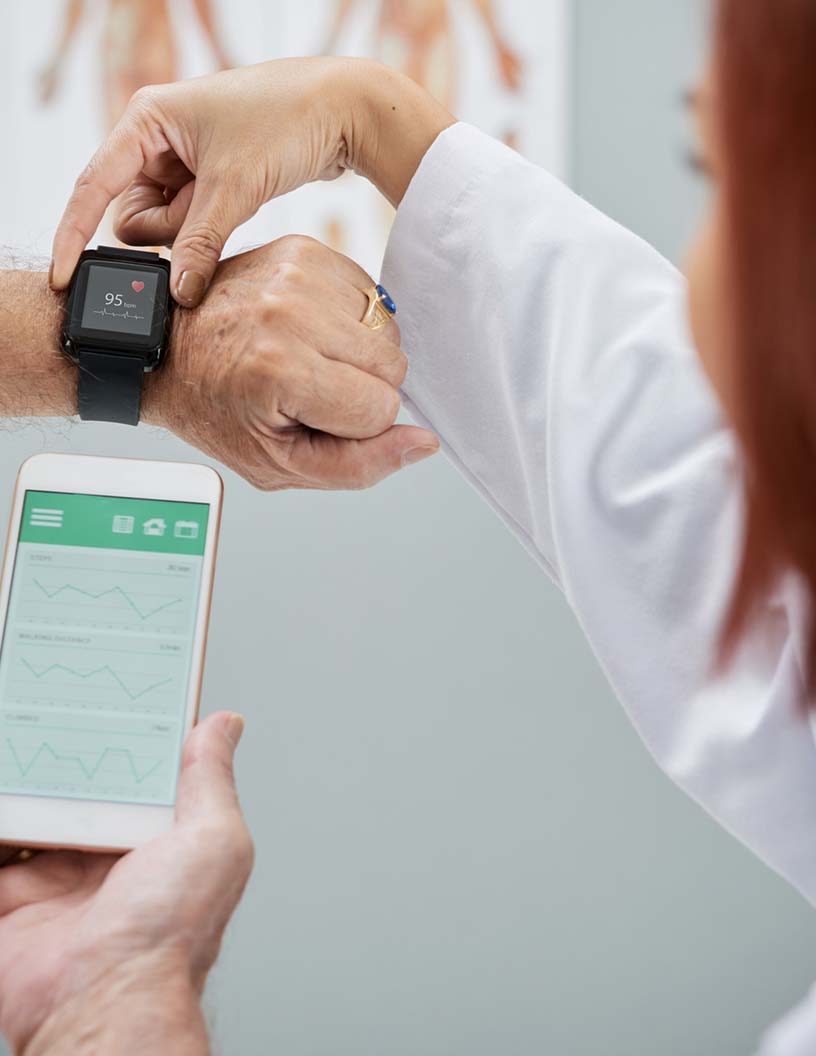


Mobile Health (mHealth) Solutions Market Size 2024-2028
The mobile health (mHealth) solutions market size is forecast to increase by USD 586.5 billion at a CAGR of 39.05% between 2023 and 2028.
- The market is experiencing significant growth due to increasing smartphone penetration worldwide. With the widespread adoption of smartphones, mHealth solutions have become an accessible and convenient option for managing health and wellness. The increasing global smartphone penetration is a major catalyst, enabling easy access to smart healthcare services and information through mobile applications. Additionally, recent developments in mobile health solutions, such as digital health, telemedicine, remote patient monitoring, and health tracking, are revolutionizing healthcare delivery and patient care. However, the market also faces challenges related to privacy and security concerns. As more personal health information is being stored and transmitted through mobile devices, ensuring data protection and security is paramount. To address these concerns, market participants are implementing advanced security measures and regulations to safeguard sensitive information. This report provides a comprehensive analysis of the mHealth solutions market, including key trends and growth factors, as well as the challenges and opportunities that lie ahead.
What will be the Size of the Mobile Health (mHealth) Solutions Market During the Forecast Period?
_Solutions_Market_size_abstract_2024_v1.jpg)
- The mHealth solutions market encompasses a range of mobile technologies and applications designed to improve healthcare delivery and patient outcomes. Key market drivers include the proliferation of connected devices such as tablets and smartphones, the increasing adoption of 3G and 4G networks, and the growing demand for cost-effective, patient-centric care solutions. mHealth apps, which include those for chronic disease management, medication reminders, and wellness programs, are gaining traction as effective tools for managing healthcare costs and improving patient engagement.
- Moreover, telecommunications companies and traditional healthcare providers are collaborating to offer digital health services, including remote patient monitoring and home healthcare services, to expand access to care and enhance the overall healthcare experience. Standards and regulations, reimbursements, and guidance from physicians are also important considerations In the mHealth solutions market. The market is expected to grow significantly, driven by government initiatives, high speed connectivity, and the increasing penetration of smartphones.
How is this Mobile Health (mHealth) Solutions Industry segmented and which is the largest segment?
The mobile health (mHealth) solutions industry research report provides comprehensive data (region-wise segment analysis), with forecasts and estimates in "USD billion" for the period 2024-2028, as well as historical data from 2018-2022 for the following segments.
- End-user
- Providers
- Patients
- Payers
- Application
- Cardiovascular
- Diabetes
- Respiratory
- Neurology and others
- Geography
- North America
- Canada
- US
- Europe
- Germany
- UK
- Asia
- China
- Rest of World (ROW)
- North America
By End-user Insights
- The providers segment is estimated to witness significant growth during the forecast period.
Mobile health solutions have become an integral part of the healthcare industry, particularly for healthcare providers such as hospitals and clinics. These solutions offer significant benefits, including enhanced clinical workflows and improved communication and collaboration among healthcare professionals. Mobile applications and platforms enable the secure and instant sharing of patient data, medical records, test results, and imaging reports, allowing healthcare providers to access critical information at the point of care. This real-time access to information leads to better decision-making, coordinated care, and ultimately, improved patient outcomes. These technologies offer cost containment benefits for traditional healthcare providers by facilitating remote monitoring, virtual care, and video conferencing. The adoption of mobile health solutions is driven by the widespread use of 3G and 4G networks, high-speed connectivity, and broadband services, which have increased the number of broadband registered subscribers.
_solutions_market_size_abstract_2024_v2.jpg)
Get a glance at the Mobile Health (mHealth) Solutions Industry report of share of various segments Request Free Sample
The providers segment was valued at USD 17.60 billion in 2018 and showed a gradual increase during the forecast period.
Regional Analysis
- North America is estimated to contribute 45% to the growth of the global market during the forecast period.
Technavio's analysts have elaborately explained the regional trends and drivers that shape the market during the forecast period.
_Solutions_Market_regions_abstract_2023_geo_v2.jpg)
For more insights on the market share of various regions, Request Free Sample
The North American mobile health solutions market is a substantial and evolving sector, driven by advanced healthcare infrastructure, widespread smartphone adoption, and a focus on digital health technologies. With a high percentage of the population in North America utilizing smartphones, there is a solid foundation for the proliferation of mobile health applications and solutions. These technologies empower individuals to access healthcare information, manage their health, and interact with healthcare providers in a convenient and real-time manner. Key components of the mobile health solutions landscape include tablets, mobile platforms, connected devices, mHealth apps, and telecommunications networks such as 3G and 4G. Chronic disease management, cost containment, and improved healthcare delivery are primary areas of application. Regulations, reimbursements, and guidance from physicians and traditional healthcare providers are essential considerations.
Market Dynamics
Our mobile health (mHealth) solutions market researchers analyzed the data with 2023 as the base year, along with the key drivers, trends, and challenges. A holistic analysis of drivers will help companies refine their marketing strategies to gain a competitive advantage.
What are the key market drivers leading to the rise In the adoption of Mobile Health (mHealth) Solutions Industry?
Increasing smartphone penetration globally is the key driver of the market.
- The mobile health solutions market is experiencing significant growth due to the increasing use of connected devices, such as tablets and mobile platforms, for healthcare delivery. mHealth apps have become increasingly popular for managing chronic diseases, telecommunications companies are investing in high-speed connectivity through 3G and 4G networks, and home healthcare services are leveraging mobile technology for remote monitoring and virtual care. However, standards and regulations, reimbursements, and data security concerns remain key challenges. Guidance from physicians and traditional healthcare providers is also essential for the widespread adoption of mHealth solutions. With the rise of broadband registered subscribers, there is a growing opportunity for digital health services, including medical imagery, augmented reality (AR), and virtual reality (VR) applications.
- Moreover, the market is further fuelled by the availability of incentives for hardware solutions, such as smart TVs, watches, and wearable medical devices. Despite concerns around data theft, healthcare fraud, and proprietary data, the benefits of mHealth apps, including clinical benefits, patient information access, and personalized healthcare services, are driving demand. The market is expected to continue growing, with venture capitalists and private equity firms investing in mHealth solutions, and population groups, including health app users, seeking innovative healthcare solutions. The healthcare providers segment, healthcare expenditure, and digital health services are also significant contributors to the market's growth.
What are the market trends shaping the Mobile Health (mHealth) Solutions Industry?
Growing recent developments related to mobile health solutions are the upcoming market trend.
- The mobile health solutions market is experiencing significant growth due to the increasing adoption of connected devices, mobile platforms, and mHealth apps. This trend is particularly noticeable In the management of chronic diseases, where cost containment and convenient healthcare delivery are key priorities. The role of 3G and 4G networks, high-speed connectivity, and broadband services in enabling remote monitoring, virtual care, and video calling is crucial. Standards and regulations, reimbursements, and guidance from physicians and traditional healthcare providers are essential factors influencing the market's development. Telecommunications companies and healthcare organizations are collaborating to provide mobile healthcare services, leveraging IT knowledge and data security to address concerns around data theft, healthcare fraud, and proprietary data. Innovative technologies like medical imagery, augmented reality (AR), and virtual reality (VR) are gaining traction, as are spatial computing, remote monitoring, and virtual care. Wearable medical devices, portable medical devices, and smart TVs are becoming increasingly popular hardware solutions.
- Furthermore, mHealth services catering to various population groups, such as elderly individuals, patients with chronic conditions, and health app users, are in high demand. Venture capitalists and private equity firms are investing heavily in digital health services, including remote patient monitoring, mHealth solutions, and personalized healthcare services. Governments are also playing a role in driving market growth by promoting patient-centric care, medical records, medication reminders, wellness programs, and remote consultations.
What challenges does the Mobile Health (mHealth) Solutions Industry face during its growth?
Privacy and security concerns associated with mobile health solutions are key challenges affecting the industry's growth.
- Mobile health solutions, including tablets, mobile platforms, and connected devices, have revolutionized healthcare delivery, particularly for managing chronic diseases and facilitating cost containment. With the widespread use of 3G and 4G networks, home healthcare services have become more accessible, enabling remote monitoring, virtual care, video calling, and Wi-Fi connectivity. mHealth apps, medical imagery, augmented reality (AR), and virtual reality (VR) are transforming patient care, offering spatial computing, remote monitoring, and personalized healthcare services. However, privacy and security concerns pose significant challenges In the mobile health solutions market. mHealth apps handle sensitive patient information, such as medical records, diagnostic data, and personal health data.
- Ensuring data security and preventing data theft, healthcare fraud, and unauthorized access to proprietary data are essential. Compliance with standards and regulations, including HIPAA, and reimbursements for telecommunications services and mobile healthcare apps, is crucial. Guidance from physicians and traditional healthcare providers, as well as incentives for healthcare organizations and individuals, are driving the adoption of mobile health solutions. The market dynamics of mobile health solutions are influenced by factors such as smartphone penetration, patient-centric care, and digital health services. The healthcare providers segment, which includes hospitals, clinics, and physician offices, is a significant contributor to the market growth.
Exclusive Customer Landscape
The mobile health (mHealth) solutions market forecasting report includes the adoption lifecycle of the market, market growth and forecasting, covering from the innovator's stage to the laggard's stage. It focuses on adoption rates in different regions based on penetration. Furthermore, the mobile health (mHealth) solutions market report also includes key purchase criteria and drivers of price sensitivity to help companies evaluate and develop their market growth analysis strategies.
_Solutions_Market_customer_landscape_abstract_2023_geo_v1.jpg)
Customer Landscape
Key Companies & Market Insights
Companies are implementing various strategies, such as strategic alliances, mobile health (mHealth) solutions market forecast, partnerships, mergers and acquisitions, geographical expansion, and product/service launches, to enhance their presence In the industry. The industry research and growth report includes detailed analyses of the competitive landscape of the market and information about key companies, including:
- Abbott Laboratories
- AirStrip Technologies Inc.
- Apple Inc.
- athenahealth Inc.
- Boston Scientific Corp.
- Cisco Systems Inc.
- Dexcom Inc.
- Fitbit LLC
- Johnson and Johnson Services Inc.
- Koninklijke Philips N.V.
- Medtronic Plc
- Mobile Wellness Solutions MWS Ltd.
- Nokia Corp.
- Omada Health Inc.
- OMRON Corp.
- Oracle Corp.
- Qualcomm Inc.
- Samsung Electronics Co. Ltd.
- Veradigm LLC
- WaveForm Technologies Inc.
Qualitative and quantitative analysis of companies has been conducted to help clients understand the wider business environment as well as the strengths and weaknesses of key industry players. Data is qualitatively analyzed to categorize companies as pure play, category-focused, industry-focused, and diversified; it is quantitatively analyzed to categorize companies as dominant, leading, strong, tentative, and weak.
Research Analyst Overview
mHealth solutions, also known as mobile health, represent a burgeoning sector In the healthcare industry. These solutions leverage mobile platforms, connected devices, and mHealth apps to deliver healthcare services and improve patient outcomes. The market for mHealth solutions is driven by several factors, including the rise of chronic diseases, cost containment, and the increasing demand for convenient and patient-centric care. The proliferation of mobile devices, such as tablets and smartphones, has provided a fertile ground for mHealth solutions. With the advent of high-speed 3G and 4G networks, broadband services, and Wi-Fi, healthcare delivery has become more accessible and efficient. mHealth apps have emerged as a popular choice for patients seeking to manage their health conditions, access medical information, and communicate with healthcare providers. Remote monitoring and virtual care are two key areas where mHealth solutions have made significant strides. Remote monitoring enables patients to share real-time health data with their healthcare providers, allowing for timely interventions and better management of chronic conditions.
Furthermore, virtual care, on the other hand, enables patients to consult with their physicians remotely, reducing the need for in-person visits and saving time and resources. The use of augmented reality (AR), virtual reality (VR), and spatial computing in mHealth solutions is also gaining traction. These technologies offer new opportunities for medical imagery and remote consultations, enhancing the diagnostic capabilities of healthcare providers and improving patient engagement.
Additionally, venture capitalists and private equity firms are also investing heavily in this sector, recognizing its potential for growth and innovation. The use of mHealth solutions is not limited to smartphones and tablets. Wearable medical devices, smartwatches, and portable medical devices are also gaining popularity, offering patients the ability to monitor their health in real-time and share data with their healthcare providers. Despite the many benefits of mHealth solutions, there are challenges that need to be addressed.
|
Mobile Health (mHealth) Solutions Market Scope |
|
|
Report Coverage |
Details |
|
Page number |
174 |
|
Base year |
2023 |
|
Historic period |
2018-2022 |
|
Forecast period |
2024-2028 |
|
Growth momentum & CAGR |
Accelerate at a CAGR of 39.05% |
|
Market growth 2024-2028 |
USD 586.5 billion |
|
Market structure |
Fragmented |
|
YoY growth 2023-2024(%) |
29.06 |
|
Key countries |
US, Germany, UK, Canada, and China |
|
Competitive landscape |
Leading Companies, Market Positioning of Companies, Competitive Strategies, and Industry Risks |
What are the Key Data Covered in this Mobile Health (mHealth) Solutions Market Research and Growth Report?
- CAGR of the Mobile Health (mHealth) Solutions industry during the forecast period
- Detailed information on factors that will drive the Mobile Health (mHealth) Solutions growth and forecasting between 2024 and 2028
- Precise estimation of the size of the market and its contribution of the industry in focus to the parent market
- Accurate predictions about upcoming growth and trends and changes in consumer behaviour
- Growth of the market across North America, Europe, Asia, and Rest of World (ROW)
- Thorough analysis of the market's competitive landscape and detailed information about companies
- Comprehensive analysis of factors that will challenge the mobile health (mHealth) solutions market growth of industry companies
We can help! Our analysts can customize this mobile health (mHealth) solutions market research report to meet your requirements.
 RIA -
RIA - 
