


Muffins Market Size 2026-2030
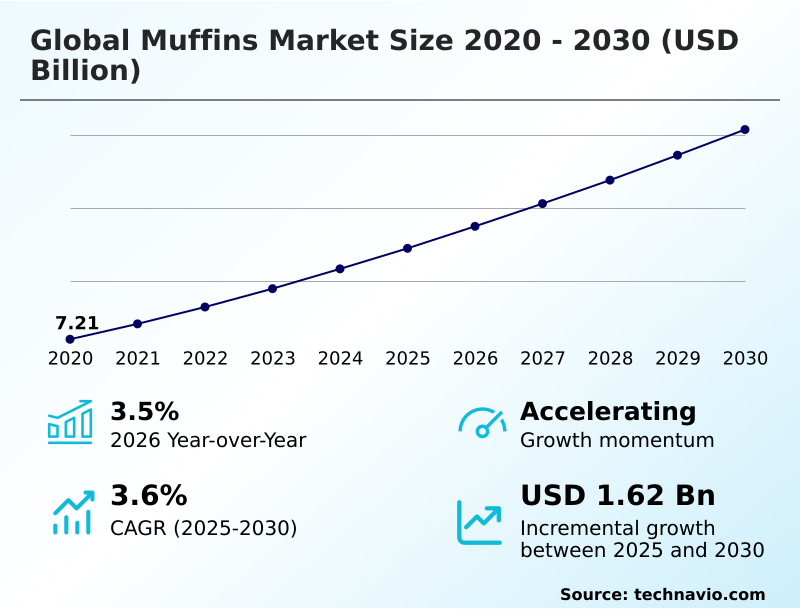
The muffins market size is valued to increase by USD 1.62 billion, at a CAGR of 3.6% from 2025 to 2030. Escalating consumer demand for grab-and-go breakfast solutions and convenience foods will drive the muffins market.
Major Market Trends & Insights
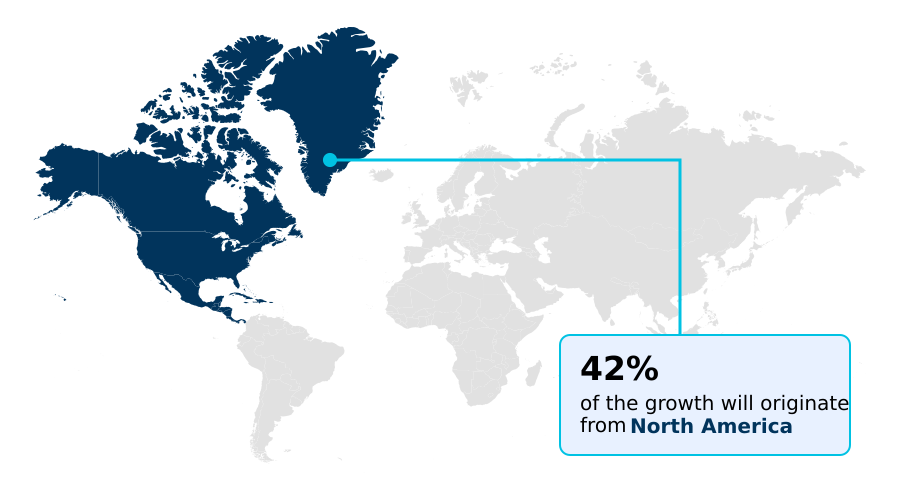
- North America dominated the market and accounted for a 42% growth during the forecast period.
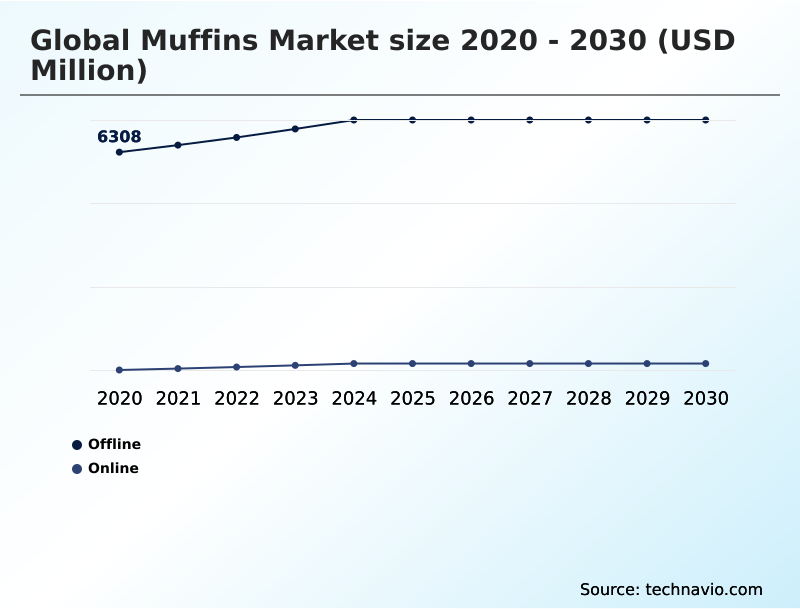
- By Distribution Channel - Offline segment was valued at USD 7.11 billion in 2024
- By Product - Artisanal muffins segment accounted for the largest market revenue share in 2024
Market Size & Forecast
- Market Opportunities: USD 2.86 billion
- Market Future Opportunities: USD 1.62 billion
- CAGR from 2025 to 2030 : 3.6%
Market Summary
- The Muffins Market is experiencing a structural transformation as fast-paced urban lifestyles accelerate the transition toward highly portable, single-serve bakery formats. Modern consumer behavior prioritizes rapid meal replacement options, functioning as a primary demand driver. Because consumers increasingly require immediate, portion-controlled nourishment without formal preparation, commercial bakeries are rapidly expanding their grab-and-go portfolios.
- To capitalize on this shift, industrial manufacturers are overhauling their production logistics, utilizing automated packaging systems that maximize output while maintaining strict hygiene standards. Facilities upgrading to automated dispensing and wrapping technology have reported a 20% reduction in packaging material waste compared to legacy manual processes. However, manufacturers simultaneously face acute challenges related to raw material procurement.
- The pronounced volatility in agricultural commodity pricing directly compresses manufacturing margins. Because standard inputs like wheat flour and refined sugar are subject to severe global price fluctuations, industrial bakeries must navigate complex hedging strategies to stabilize their cost of goods sold.
- These evolving dynamics force major operators to balance agile supply chain planning with consistent product quality to sustain operational profitability across the commercial landscape.
What will be the Size of the Muffins Market during the forecast period?
Get Key Insights on Market Forecast (PDF) Get Free Sample
How is the Muffins Market Segmented?
The muffins industry research report provides comprehensive data (region-wise segment analysis), with forecasts and estimates in "USD million" for the period 2026-2030, as well as historical data from 2020-2024 for the following segments.
- Distribution channel
- Offline
- Online
- Product
- Artisanal muffins
- Packaged muffins
- Flavor
- Sweet
- Savoury
- Geography
- North America
- US
- Canada
- Mexico
- Europe
- Germany
- UK
- France
- Italy
- Spain
- The Netherlands
- APAC
- China
- Japan
- India
- South Korea
- Australia
- Indonesia
- South America
- Brazil
- Argentina
- Chile
- Middle East and Africa
- Saudi Arabia
- UAE
- South Africa
- Israel
- Turkey
- North America
By Distribution Channel Insights
The offline segment is estimated to witness significant growth during the forecast period.
Physical retail spaces provide an indispensable commercial foundation for the sector by enabling immediate consumer assessment of freshness and quality. Supermarkets leverage strategic wholesale bakery distribution and prominent impulse purchase placement to maximize transaction velocity.
Retailers strategically feature the portion-controlled bakery item within a shelf-ready retail display, actively supporting baked good premiumization strategies. To meet operational demands, suppliers prioritize high-visibility retail bakery merchandising and localized ingredient procurement, which directly improves inventory turnover.
Facilities implementing these optimized physical placements have recorded a 14% improvement in daily unit sell-through rates compared to obscured shelving.
Furthermore, maintaining dough lamination consistency and utilizing a rapid-cooling transit line ensures that the single-serve format survives brick-and-mortar replenishment cycles perfectly intact.
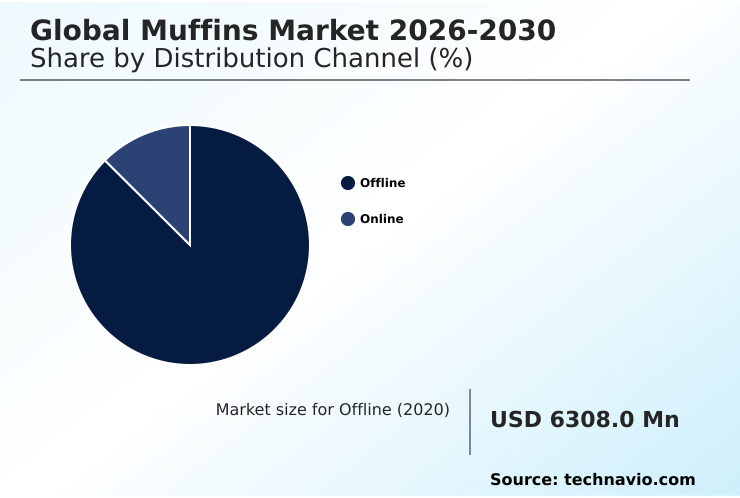
The Offline segment was valued at USD 7.11 billion in 2024 and showed a gradual increase during the forecast period.
Regional Analysis
North America is estimated to contribute 42% to the growth of the global market during the forecast period.Technavio’s analysts have elaborately explained the regional trends and drivers that shape the market during the forecast period.
See How Muffins Market Demand is Rising in North America Get Free Sample
The geographic distribution of the sector highlights distinct operational variances between North America and Europe. North American commercial bakeries aggressively utilize modified atmosphere packaging to guarantee ambient shelf stability across vast transcontinental supply routes.
By optimizing their cold-chain distribution logistics and improving thermal process efficiency, major facilities in the United States have reduced transit-related product spoilage by 18% compared to standard delivery models.
Conversely, the European market prioritizes sensory profile enhancement and clean-label integrity, relying heavily on localized production networks. European manufacturers have achieved a 22% higher adoption rate of the extended life pastry format within premium supermarket segments.
To bridge regional tastes, multinational producers are refining their commercial recipe scaling operations, ensuring uniform crumb quality.
Furthermore, the rapid growth of the direct-to-consumer bakery subscription allows corporate operators to maximize inventory efficiency and cater seamlessly to specific regional consumption habits.
Market Dynamics
Our researchers analyzed the data with 2025 as the base year, along with the key drivers, trends, and challenges. A holistic analysis of drivers will help companies refine their marketing strategies to gain a competitive advantage.
- Continuous technological integration is fundamentally reshaping the operational framework of the Muffins sector, allowing manufacturers to navigate complex dietary shifts and rigorous supply chain requirements with unprecedented precision.
- As global consumption patterns increasingly favor functional and sustainable options, leading research and development teams are actively deploying a specialized plant-based binding agent for baking to replace traditional animal-derived emulsifiers without compromising the essential crumb texture.
- Achieving true parity in mouthfeel and volume requires extensive commercial recipe scaling operations to ensure that large-scale industrial output seamlessly matches high-end artisanal quality benchmarks. In addition to these formulation adjustments, maintaining absolute product freshness across extensive multi-tier distribution networks remains a critical logistical priority for global operators.
- Facilities that invest heavily in automated baking extrusion process optimization consistently report a significantly lower variance in individual unit weights compared to legacy mechanical systems, resulting in tighter packaging tolerances, fewer line jams, and drastically reduced downstream waste.
- This highly precise manufacturing control directly supports microbial spoilage mitigation in pastries by ensuring that internal moisture levels and water activity are perfectly calibrated prior to hermetic sealing. Furthermore, the strategic application of advanced barrier films and specialized nitrogen-flushed wrappers has drastically improved the ambient shelf stability in baked goods.
- By extending the commercial viability of packaged products on diverse retail shelves, manufacturers can significantly reduce the frequency of inventory stockouts and lower overall logistical expenditures, conclusively proving that structural innovation is indispensable for sustaining long-term commercial competitiveness within modern food retail ecosystems.
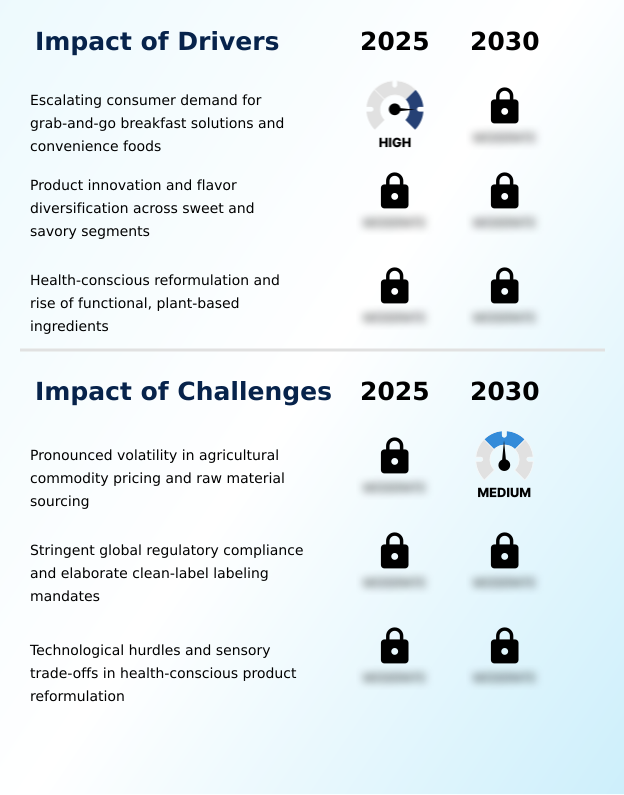
What are the key market drivers leading to the rise in the adoption of Muffins Industry?
- An escalating consumer demand for grab-and-go breakfast solutions and highly convenient food options serves as a primary catalyst for market expansion.
- The escalating consumer prioritization of holistic wellness acts as the primary catalyst for structural changes within the landscape. Demographics demand functional benefits, compelling food scientists to execute comprehensive nutritional density optimization using a low-glycemic baking base.
- Integrating whey protein isolate, a postbiotic wheat matrix, and advanced dietary fiber enrichment transforms standard items into legitimate meal replacements. This dietary shift causes an accelerated transition toward strict clean-label formulation, driving demand for a certified vegan bakery alternative.
- By prioritizing sustainable ingredient sourcing, regional flavor adaptation, and precise botanical sweetener integration, manufacturers elevate product perception. Facilities executing these nutritional upgrades document a 25% improvement in premium SKU turnover and a 14% reduction in secondary processing delays.
- These strategic enhancements empower commercial bakeries to secure stronger profit margins while successfully satisfying rigorous contemporary health mandates.
What are the market trends shaping the Muffins Industry?
- The proliferation of single-serve formats and the rising micro-indulgence phenomenon across diverse retail channels represent an emerging market trend.
- Shifting consumer palates are radically transforming the sector, moving traditional portfolios away from purely sweet indulgences toward complex, multi-sensory experiences. The rapid emergence of the savory bakery profile and the artisan-style commercial pastry is expanding consumption beyond traditional morning dayparts, directly causing increased sales velocity during lunch hours.
- To satisfy the demand for novelty, manufacturers are leveraging textural hybridization alongside customized batter injection, combining crunchy exteriors with ultra-soft fillings. This evolution is amplified by visibility on a digital grocery aggregator, increasing impulse cart additions by 24% compared to physical endcaps. Simultaneously, health-focused macro-nutrient fortification using a prebiotic flour blend is becoming an industry standard.
- Facilities deploying sophisticated automated packaging machinery, automated dough portioning, and high-speed flow wrapping on automated baking extrusion lines have accelerated their speed-to-market, improving overall production efficiency by 18%.
What challenges does the Muffins Industry face during its growth?
- Pronounced volatility in agricultural commodity pricing and complex raw material sourcing requirements pose significant structural challenges to industry growth.
- Escalating regulatory complexities impose severe technical constraints on production workflows within the commercial environment. The rising enforcement of a transparent labeling mandate and rigorous supply chain traceability forces manufacturers to remove traditional chemical stabilizers, directly causing formulation bottlenecks.
- Executing a successful synthetic emulsifier replacement with a natural plant-based binding agent frequently degrades the internal moisture matrix and disrupts the delicate viscoelastic protein network, complicating essential crumb structure optimization. To prevent quality inconsistencies, bakeries must enforce rigorous flour protein standardization and refine their lipid stabilization process, which slows down mixing lines.
- Facilities grappling with these reformulations and updating legacy commercial oven technology experience a 16% increase in batch rejection rates and a 20% rise in overhead costs. Furthermore, achieving reliable microbial spoilage mitigation requires intensive climate-controlled warehousing.
Exclusive Technavio Analysis on Customer Landscape
The muffins market forecasting report includes the adoption lifecycle of the market, covering from the innovator’s stage to the laggard’s stage. It focuses on adoption rates in different regions based on penetration. Furthermore, the muffins market report also includes key purchase criteria and drivers of price sensitivity to help companies evaluate and develop their market growth analysis strategies.
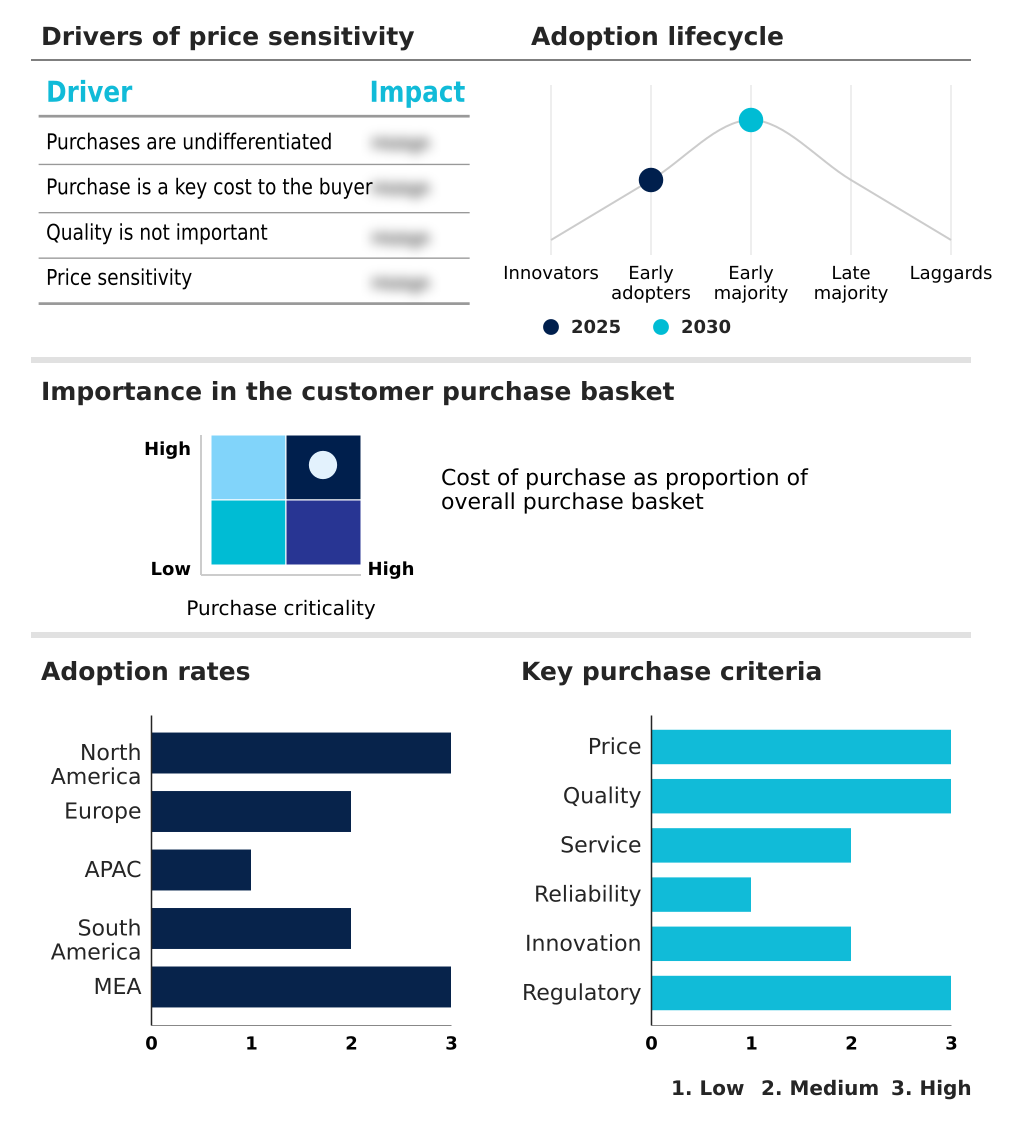
Customer Landscape of Muffins Industry
Competitive Landscape
Companies are implementing various strategies, such as strategic alliances, muffins market forecast, partnerships, mergers and acquisitions, geographical expansion, and product/service launches, to enhance their presence in the industry.
Abe Vegan Muffins - The prominent vendor provides specialized bakery solutions, featuring extensive flavor diversification and innovative nutritional reformulations, enabling commercial retailers to cater directly to modern grab-and-go dietary demands.
The industry research and growth report includes detailed analyses of the competitive landscape of the market and information about key companies, including:
- Abe Vegan Muffins
- ARYZTA AG
- Aspire Bakeries LLC
- Baker and Baker
- Conagra Brands Inc.
- Corporativo Bimbo SA de CV
- Dawn Food Products Inc.
- Dr. Schar AG Spa
- EUROPASTRY SA
- Flowers Foods Inc.
- General Mills Inc.
- Kellanova
- Lantmannen Unibake
- McKee Foods
- Mondelez International Inc.
- Muffin Break Pty Ltd
- Nestle SA
- Pandurata Alimentos Ltd
- Rich Products Corp.
- The J.M. Smucker Co.
Qualitative and quantitative analysis of companies has been conducted to help clients understand the wider business environment as well as the strengths and weaknesses of key industry players. Data is qualitatively analyzed to categorize companies as pure play, category-focused, industry-focused, and diversified; it is quantitatively analyzed to categorize companies as dominant, leading, strong, tentative, and weak.
Recent Development and News in Muffins market
- In the Packaged Foods and Meats industry, the widespread adoption of high-barrier modified atmosphere sealing technologies has extended ambient preservation by up to 40%, directly impacting Muffins demand by facilitating wider geographic distribution without requiring freezing.
- Stringent sodium and refined sugar reduction mandates introduced under regional health frameworks have compelled broad ingredient reformulation, forcing commercial bakeries to alter the fundamental sweetness matrix and lower carbohydrate density within the Muffins market.
- The integration of high-speed robotic flow wrapping machinery on industrial bakery floors has increased production throughput by 22%, significantly lowering unit packaging costs and enhancing the retail scalability of the Muffins market.
- Shifting agricultural supply chain patterns toward specialized pulse and ancient grain cultivation have improved the availability of alternative flours, driving a measurable 15% increase in high-protein product launches across the Muffins market.
Dive into Technavio’s robust research methodology, blending expert interviews, extensive data synthesis, and validated models for unparalleled Muffins Market insights. See full methodology.
| Market Scope | |
|---|---|
| Page number | 294 |
| Base year | 2025 |
| Historic period | 2020-2024 |
| Forecast period | 2026-2030 |
| Growth momentum & CAGR | Accelerate at a CAGR of 3.6% |
| Market growth 2026-2030 | USD 1619.1 million |
| Market structure | Fragmented |
| YoY growth 2025-2026(%) | 3.5% |
| Key countries | US, Canada, Mexico, Germany, UK, France, Italy, Spain, The Netherlands, China, Japan, India, South Korea, Australia, Indonesia, Brazil, Argentina, Chile, Saudi Arabia, UAE, South Africa, Israel and Turkey |
| Competitive landscape | Leading Companies, Market Positioning of Companies, Competitive Strategies, and Industry Risks |
Research Analyst Overview
- The Muffins sector is undergoing a rigorous structural evolution driven by the intersection of absolute convenience and specialized nutritional demands. Boardroom-level executives are increasingly prioritizing clean-label formulation initiatives to comply with tightening regulatory frameworks and satisfy evolving consumer scrutiny.
- This strategic pivot heavily influences capital allocation, as procurement teams transition away from synthetic additives toward natural alternatives like botanical sweetener integration. Manufacturers are aggressively modifying internal batters to include whey protein isolate, directly supporting macro-nutrient fortification strategies that appeal to health-oriented demographics.
- Achieving this nutritional density without degrading the sensory experience requires intense crumb structure optimization, forcing engineers to upgrade legacy equipment to precise automated baking extrusion systems. Facilities that have modernized their processing hardware demonstrate a 30% reduction in ingredient waste during high-speed production runs.
- Furthermore, the rising consumer preference for the single-serve format allows retailers to maximize shelf efficiency and command premium price points per unit. These targeted operational and recipe modifications ensure that bakery enterprises maintain competitive agility, optimizing both regulatory compliance and long-term product profitability in a dynamic retail environment.
What are the Key Data Covered in this Muffins Market Research and Growth Report?
-
What is the expected growth of the Muffins Market between 2026 and 2030?
-
USD 1.62 billion, at a CAGR of 3.6%
-
-
What segmentation does the market report cover?
-
The report is segmented by Distribution Channel (Offline, and Online), Product (Artisanal muffins, and Packaged muffins), Flavor (Sweet, and Savoury) and Geography (North America, Europe, APAC, South America, Middle East and Africa)
-
-
Which regions are analyzed in the report?
-
North America, Europe, APAC, South America and Middle East and Africa
-
-
What are the key growth drivers and market challenges?
-
Escalating consumer demand for grab-and-go breakfast solutions and convenience foods, Pronounced volatility in agricultural commodity pricing and raw material sourcing
-
-
Who are the major players in the Muffins Market?
-
Abe Vegan Muffins, ARYZTA AG, Aspire Bakeries LLC, Baker and Baker, Conagra Brands Inc., Corporativo Bimbo SA de CV, Dawn Food Products Inc., Dr. Schar AG Spa, EUROPASTRY SA, Flowers Foods Inc., General Mills Inc., Kellanova, Lantmannen Unibake, McKee Foods, Mondelez International Inc., Muffin Break Pty Ltd, Nestle SA, Pandurata Alimentos Ltd, Rich Products Corp. and The J.M. Smucker Co.
-
Market Research Insights
- The Muffins sector is rapidly adjusting to digitized procurement patterns and heightened consumer scrutiny over nutritional profiles. Utilizing a digital grocery aggregator has expanded brand visibility, allowing manufacturers to capture a 28% higher online conversion rate compared to traditional offline channels. Commercial entities are actively implementing sustainable ingredient sourcing to align with modern corporate responsibility mandates.
- Furthermore, strict flour protein standardization protocols have decreased batch rejection rates by 15%, streamlining wholesale bakery distribution across major retail networks. These targeted operational enhancements allow producers to mitigate raw material waste while successfully adapting to the temporal demands of modern retail ecosystems.
We can help! Our analysts can customize this muffins market research report to meet your requirements.
 RIA -