


Night Vision Systems Market Size 2024-2028
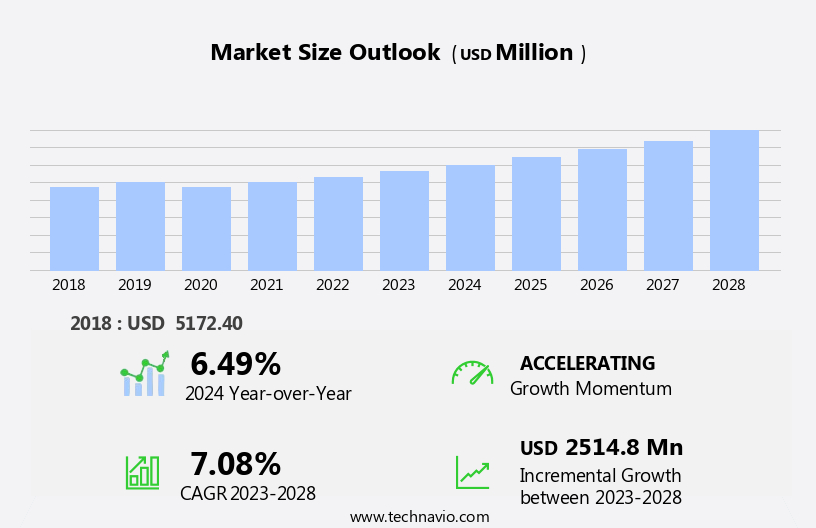
The night vision systems market size is forecast to increase by USD 2.51 billion, at a CAGR of 7.08% between 2023 and 2028.
- The market is experiencing significant growth, driven by the increasing applications in military operations. This sector's reliance on advanced night vision technology for surveillance, reconnaissance, and target acquisition is fueling market expansion. Furthermore, the integration of Sensor Fusion technology is revolutionizing night vision systems, enhancing image quality and providing real-time data analysis. However, the market faces challenges, including the technological complexities and cost implications of developing and implementing these advanced systems. Manufacturers must navigate these hurdles to capitalize on the market's potential and maintain a competitive edge.
- The integration of sensor fusion technology offers opportunities for improved performance and versatility, making it a strategic focus for market participants. Companies must address the technological challenges to deliver high-quality, cost-effective night vision systems that cater to the evolving demands of various industries, including military, security, and surveillance.
What will be the Size of the Night Vision Systems Market during the forecast period?
Explore in-depth regional segment analysis with market size data - historical 2018-2022 and forecasts 2024-2028 - in the full report.
Request Free Sample
The market continues to evolve, driven by advancements in technology and expanding applications across various sectors. Night vision training is crucial for effective utilization of these systems, with military applications being a significant market. Night vision goggles, monoculars, and binoculars are essential tools for enhancing situational awareness in low-light conditions. Military forces rely on these systems for target acquisition and reconnaissance, while wildlife observation and security applications offer new opportunities for growth. The integration of CMOS sensors and thermal imaging technology enhances the capabilities of Night Vision Devices, enabling superior image quality and increased functionality. Night vision mounts, tripods, and cases are essential accessories, ensuring optimal performance and durability.
Search and rescue missions also benefit from the use of night vision systems, improving safety and efficiency. Ongoing research and development efforts focus on improving battery life, field of view, and image enhancement, while adhering to stringent regulations and certification standards. Electro-optical systems, including night vision scopes and infrared cameras, offer alternative solutions for low-light imaging. Continuous innovation in photon detection, digital night vision, and image intensification technologies further expands the market's potential. The integration of photomultiplier tubes and microchannel plates enhances the sensitivity and resolution of night vision devices. In the law enforcement sector, night vision systems are increasingly used for situational awareness and target acquisition, improving public safety and operational effectiveness.
The evolving nature of night vision technology ensures that its applications remain diverse and dynamic, offering significant growth opportunities for market participants.
How is this Night Vision Systems Industry segmented?
The night vision systems industry research report provides comprehensive data (region-wise segment analysis), with forecasts and estimates in "USD million" for the period 2024-2028, as well as historical data from 2018-2022 for the following segments.
- Technology
- Active illumination
- Image intensification
- Thermal imaging
- Application
- Military
- Automotive
- Security
- Others
- Product
- Night vision goggles
- Night vision cameras
- Night vision scopes
- Others
- Geography
- North America
- US
- Canada
- Europe
- Germany
- APAC
- China
- India
- Rest of World (ROW)
- North America
.
By Technology Insights
The active illumination segment is estimated to witness significant growth during the forecast period.
Night vision technology continues to evolve, with active illumination technology emerging as a significant advancement. This technology, which couples image intensification with an active source of light in the near infrared or shortwave infrared band, offers improved performance in low-light conditions. The process begins with IR illumination in the 700-1000 nm spectral range, converting light photons into electrons. These electrons undergo amplification, resulting in a higher resolution image. The amplified electrons are then converted back to visible light through an electrical procedure, enabling the display device to show a scene otherwise invisible to the human eye.
Night vision standards ensure consistency and quality across various applications, from military use to wildlife observation and security. Regulations govern the certification and training of night vision equipment users, while software and calibration tools facilitate image enhancement. Digital night vision technology, which uses CMOS or CCD sensors and low-light imaging, offers advantages such as longer battery life and smaller size. Thermal imaging, another night vision technology, uses infrared cameras to detect heat signatures, providing valuable information in various applications, including search and rescue and law enforcement. Night vision goggles, monoculars, scopes, and electro-optical systems are essential tools for enhancing situational awareness in diverse environments.
Mounts, tripods, and accessories cater to specific user needs, while calibration and maintenance ensure optimal performance. Night vision technology's applications span military use, where it plays a crucial role in target acquisition, to wildlife observation and security, offering valuable insights in the dark. The technology's evolution continues, with advancements in photon detection, light amplification, and image enhancement, ensuring its relevance in various industries.
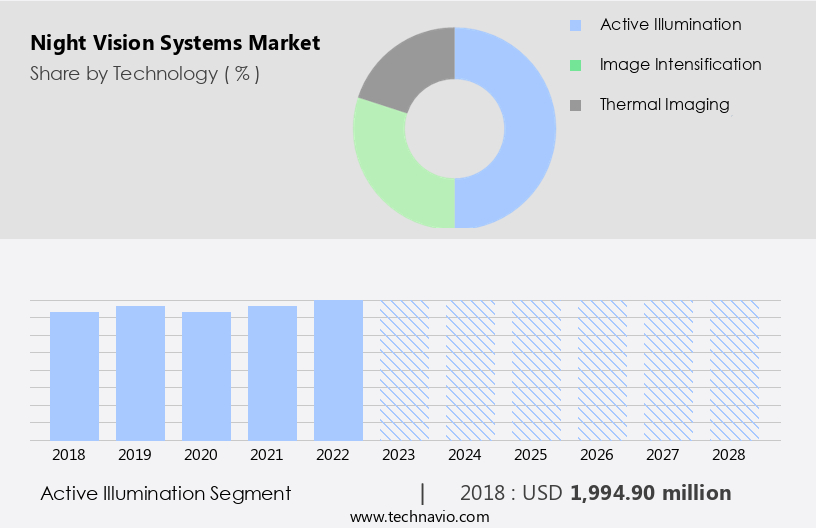
The Active illumination segment was valued at USD 1.99 billion in 2018 and showed a gradual increase during the forecast period.
Regional Analysis
APAC is estimated to contribute 47% to the growth of the global market during the forecast period.Technavio's analysts have elaborately explained the regional trends and drivers that shape the market during the forecast period.
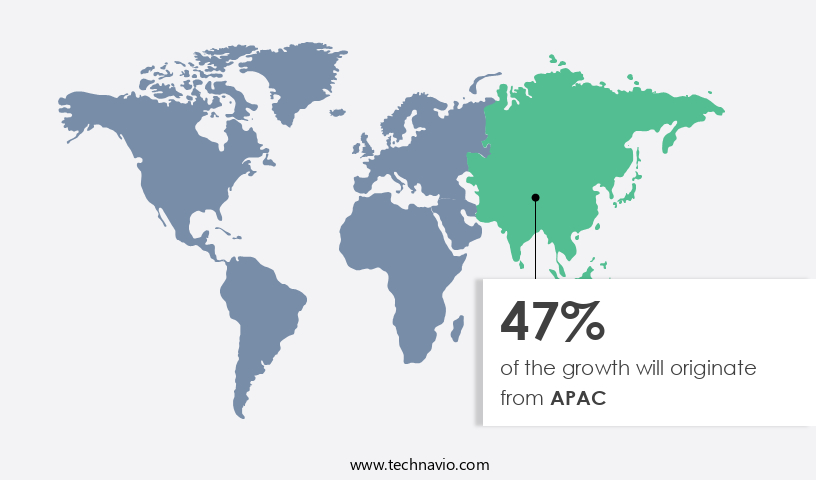
The market in APAC is experiencing significant growth due to escalating defense spending by governments in response to heightened security concerns. The region's defense sector is investing in advanced technologies, including night vision systems, to enhance situational awareness and improve target acquisition during surveillance and navigation operations. India and China are leading the market, driven by their large militaries and ongoing border disputes. Night vision binoculars, goggles, monoculars, and cameras are integral components of these systems. Night vision standards ensure consistency and quality in manufacturing and performance. Digital night vision technology, which includes photon detection and image enhancement, is gaining popularity due to its superior image quality and ease of use.
Regulations, certification, and training are essential aspects of the market. Compliance with night vision regulations and certification ensures the safety and effectiveness of these systems. Night vision training is crucial for users to fully understand and operate these complex devices. Night vision systems are used extensively in military applications, such as reconnaissance, target acquisition, and search and rescue operations. They also have applications in wildlife observation, security, and law enforcement. Night vision systems incorporate various technologies, such as CMOS and CCD sensors, microchannel plates, photomultiplier tubes, and image intensifiers. Thermal imaging and low-light imaging are other essential capabilities.
Night vision mounts and tripods provide stability and ease of use. Electro-optical systems, which combine night vision with other sensors, offer enhanced situational awareness and are increasingly being adopted by military and security forces. Night vision accessories, such as cases and maintenance tools, ensure the longevity and functionality of these systems. The operating temperature range and field of view are critical factors in the design and performance of night vision systems. Infrared cameras and image intensifiers are essential components for low-light imaging and image enhancement. In conclusion, the market in APAC is experiencing robust growth due to the increasing demand for advanced technologies in the defense sector.
The market is characterized by the adoption of digital night vision technology, regulatory compliance, and training, and the integration of various sensors and accessories.
Market Dynamics
Our researchers analyzed the data with 2023 as the base year, along with the key drivers, trends, and challenges. A holistic analysis of drivers will help companies refine their marketing strategies to gain a competitive advantage.
What are the key market drivers leading to the rise in the adoption of Night Vision Systems Industry?
- The significant rise in military operations necessitates a corresponding increase in market applications, making it a primary driver for market growth.
- The global market for night vision technology has witnessed notable growth due to increasing security concerns and the need for advanced surveillance systems. Night vision binoculars and cameras have become essential tools for military, law enforcement agencies, and security personnel to ensure effective target acquisition in low-light conditions. The market is driven by stringent night vision standards and regulations that mandate the use of certified night vision equipment. Photon detection and digital night vision technologies have significantly improved the performance and battery life of night vision devices. Night vision software and certification processes ensure the accuracy and reliability of these systems.
- The market is expected to continue its growth trajectory due to the increasing demand for advanced night vision technology in various industries, including defense, homeland security, and commercial applications. Battery life is a critical factor in the adoption of night vision devices, as prolonged usage can be essential in certain applications. Manufacturers are focusing on developing high-performance batteries to address this challenge. Additionally, the integration of night vision technology with other advanced systems, such as thermal imaging and artificial intelligence, is expected to further enhance the capabilities of these devices. In conclusion, the night vision market is expected to continue its growth trajectory due to the increasing demand for advanced surveillance and targeting systems.
- The market is driven by stringent regulations, technological advancements, and the need for enhanced security solutions. The focus on improving battery life and integrating night vision technology with other advanced systems is expected to further fuel market growth.
What are the market trends shaping the Night Vision Systems Industry?
- Sensor fusion technology is gaining significant traction in the market, with its application becoming increasingly prevalent. This advanced technology combines data from multiple sensors to enhance accuracy and reliability, making it a must-have solution for various industries.
- Night vision systems have seen significant advancements with the integration of sensor fusion technology. This technology combines image intensification and thermal imaging in a single device, expanding the visible light spectrum from near IR to long-wave IR. The military, security, and law enforcement sectors will greatly benefit from this innovation. Sensor fusion technology provides reliable and multilateral information with high recognition mechanisms, enhancing accuracy. The use of CMOS sensors in night vision goggles, monoculars, and mounts has been instrumental in the success of this technology.
- The fusion of these two technologies offers immersive and harmonious visuals, emphasizing situational awareness. This technology is not limited to military applications but also finds use in wildlife observation and search and rescue missions. The integration of sensor fusion technology in night vision systems is a game-changer, offering enhanced capabilities and improved performance.
What challenges does the Night Vision Systems Industry face during its growth?
- The growth of the night vision industry is significantly impacted by the complex technological challenges inherent in developing and enhancing night vision systems.
- Night vision systems have gained significant importance in various industries due to their ability to enhance situational awareness in low-light conditions. These systems use image intensification technology, which amplifies existing light, and thermal imaging technology, which generates images based on heat signatures. While image intensification offers advantages such as real-time imaging and high resolution, it has its limitations. It requires some light to function effectively, making it less suitable in complete darkness. Moreover, it can be damaged when observing bright sources under low-light conditions. Thermal imaging systems, on the other hand, can operate in total darkness but are expensive to purchase and operate.
- They are bulky and take several minutes to cool down, limiting their use in fast-paced environments. Uncooled thermal imaging cameras are less sensitive than cooled thermal imaging devices, making them unsuitable for high-end applications. Additionally, some high-end night vision systems can be affected by the near-IR light emitted by headlamps of oncoming vehicles. Despite these challenges, night vision systems continue to be a valuable tool for enhancing situational awareness in various industries, including defense, security, and industrial applications. CCD sensors and microchannel plates play a crucial role in the functioning of night vision systems, while calibration is essential to ensure accurate and reliable imaging.
- Night vision accessories such as tripods and mounts facilitate the use of these systems in various applications. Electro-optical systems, including night vision scopes, provide advanced capabilities for situational awareness in low-light environments.
Exclusive Customer Landscape
The night vision systems market forecasting report includes the adoption lifecycle of the market, covering from the innovator's stage to the laggard's stage. It focuses on adoption rates in different regions based on penetration. Furthermore, the night vision systems market report also includes key purchase criteria and drivers of price sensitivity to help companies evaluate and develop their market growth analysis strategies.
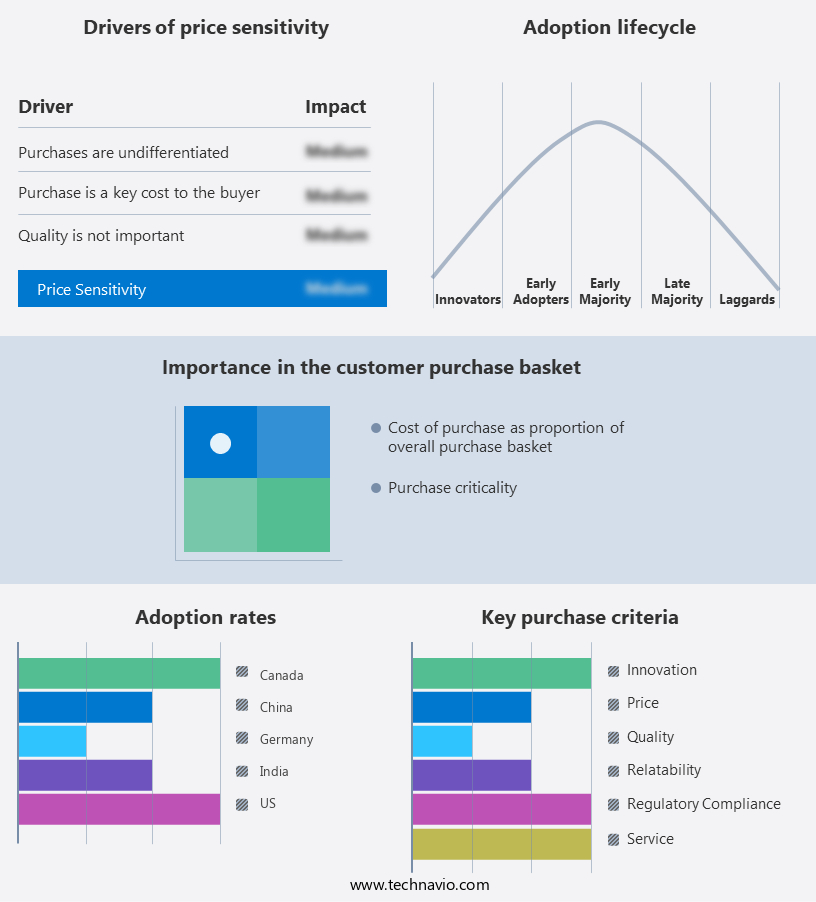
Customer Landscape
Key Companies & Market Insights
Companies are implementing various strategies, such as strategic alliances, night vision systems market forecast, partnerships, mergers and acquisitions, geographical expansion, and product/service launches, to enhance their presence in the industry.
Adorama Camera Inc. - The company specializes in advanced night vision technology, enabling cameras to capture high-resolution, full-frame images under challenging low-light conditions.
The industry research and growth report includes detailed analyses of the competitive landscape of the market and information about key companies, including:
- Adorama Camera Inc.
- American Technologies Network Corp.
- Autoliv Inc.
- BAE Systems Plc
- BorgWarner Inc.
- Continental AG
- DENSO Corp.
- Elbit Systems Ltd.
- L3Harris Technologies Inc.
- Magna International Inc.
- Meopta Optica S.R.O
- Mobileye Technologies Ltd.
- Newcon International Ltd.
- OPTIX JSC
- Robert Bosch GmbH
- Teledyne Technologies Inc.
- Texas Instruments Inc.
- Thales Group
- Valeo SA
- Veoneer Inc.
Qualitative and quantitative analysis of companies has been conducted to help clients understand the wider business environment as well as the strengths and weaknesses of key industry players. Data is qualitatively analyzed to categorize companies as pure play, category-focused, industry-focused, and diversified; it is quantitatively analyzed to categorize companies as dominant, leading, strong, tentative, and weak.
Recent Development and News in Night Vision Systems Market
- In January 2024, L3Harris Technologies, a leading defense technology company, announced the launch of its new AN/AVS-3 Helmet Mounted Display System (HMDS) featuring enhanced night vision capabilities. This advanced system integrates both thermal and visible light imaging, providing soldiers with a more comprehensive and situational awareness in low-light environments (L3Harris Technologies Press Release).
- In March 2025, Raytheon Technologies and Elbit Systems signed a strategic partnership to develop and manufacture next-generation night vision systems for military applications. This collaboration combines Raytheon's expertise in advanced sensors and Elbit's experience in night vision technology, aiming to deliver superior night vision capabilities to defense forces worldwide (Raytheon Technologies Press Release).
- In May 2025, BAE Systems received a significant contract from the U.S. Army to produce over 150,000 Enhanced Night Vision Goggles (ENVG III) for the military. This order represents a substantial investment in night vision technology and demonstrates the growing demand for advanced night vision systems in military applications (BAE Systems Press Release).
- In the same month, Israeli company, Elbit Systems, unveiled its new Gen-4+ Night Vision Monocular, which boasts a 640x480 resolution and a 60Hz refresh rate. This technological advancement significantly enhances the clarity and smoothness of night vision imagery, providing users with a more realistic and responsive viewing experience (Elbit Systems Press Release).
Research Analyst Overview
- The market encompasses various advanced technologies, including short-wave infrared (SWIR) and long-wave infrared (LWIR), that enable clear visualization in low-light conditions. Target tracking and recognition systems, integrated with night vision sensors, are gaining traction in defense and security applications. Night vision drones and robotics are revolutionizing remote monitoring and inspection tasks, offering data recording and transmission capabilities. Active illumination and passive illumination techniques enhance image quality, while image stabilization and contrast enhancement improve spatial awareness. Night vision vehicles, equipped with thermal signature detection and day/night operation, offer enhanced situational awareness for law enforcement and emergency response teams.
- Water resistance, shock resistance, and weather resistance are essential features for outdoor applications. Advanced image processing and digital signal processing technologies ensure intuitive operation and noise reduction. Cloud integration and Wireless Connectivity enable real-time data access and analysis, while spectral sensitivity and depth perception offer improved target identification. Vibration resistance and user interface design are critical considerations for ensuring reliable performance. Overall, the market is characterized by continuous innovation and technological advancements, driven by growing demand for enhanced situational awareness in various industries.
Dive into Technavio's robust research methodology, blending expert interviews, extensive data synthesis, and validated models for unparalleled Night Vision Systems Market insights. See full methodology.
|
Market Scope |
|
|
Report Coverage |
Details |
|
Page number |
198 |
|
Base year |
2023 |
|
Historic period |
2018-2022 |
|
Forecast period |
2024-2028 |
|
Growth momentum & CAGR |
Accelerate at a CAGR of 7.08% |
|
Market growth 2024-2028 |
USD 2514.8 million |
|
Market structure |
Fragmented |
|
YoY growth 2023-2024(%) |
6.49 |
|
Key countries |
US, China, India, Germany, and Canada |
|
Competitive landscape |
Leading Companies, Market Positioning of Companies, Competitive Strategies, and Industry Risks |
What are the Key Data Covered in this Night Vision Systems Market Research and Growth Report?
- CAGR of the Night Vision Systems industry during the forecast period
- Detailed information on factors that will drive the growth and forecasting between 2024 and 2028
- Precise estimation of the size of the market and its contribution of the industry in focus to the parent market
- Accurate predictions about upcoming growth and trends and changes in consumer behaviour
- Growth of the market across APAC, North America, Europe, Middle East and Africa, and South America
- Thorough analysis of the market's competitive landscape and detailed information about companies
- Comprehensive analysis of factors that will challenge the night vision systems market growth of industry companies
We can help! Our analysts can customize this night vision systems market research report to meet your requirements.
 RIA -
RIA - 
