



NTRK Fusion Gene Positive Advanced Solid Tumor Market Size 2024-2028
The NTRK fusion gene positive advanced solid tumor market size is forecast to increase by USD 92.6 million, at a CAGR of 4.5% between 2023 and 2028.
- The market is experiencing significant growth due to the increasing incidence of cancer disease and the high demand for biomarker-based tests. The identification of NTRK gene fusions as actionable targets in various solid tumors has led to the development of targeted therapies, fueling market expansion. However, a major challenge confronting the market is the dearth of skilled laboratory technicians, which may hinder the widespread adoption of these advanced diagnostic tests. This shortage could lead to longer turnaround times and potential misdiagnoses, impacting patient care and market penetration.
- To capitalize on market opportunities, companies must invest in training and recruiting competent laboratory personnel or explore automation solutions to streamline testing processes. Additionally, collaborations and partnerships with academic institutions and research organizations could help advance technological developments and expand the reach of NTRK Fusion Gene Positive Advanced Solid Tumor diagnostics.
What will be the Size of the NTRK Fusion Gene Positive Advanced Solid Tumor Market during the forecast period?
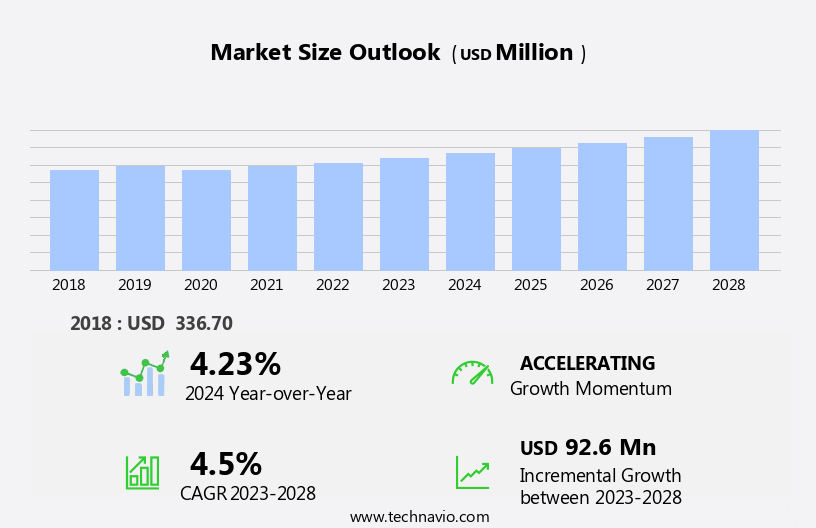
Explore in-depth regional segment analysis with market size data - historical 2018-2022 and forecasts 2024-2028 - in the full report.
Request Free Sample
The advanced solid tumor market, driven by the continuous discovery of new gene fusion biomarkers and the development of targeted therapies, is a dynamic and evolving landscape. NTRK fusion genes, for instance, have emerged as significant biomarkers in oncogene-driven cancers, leading to the approval of several NTRK inhibitors. Disease progression modeling and clinical outcome assessment are crucial in predicting therapeutic response and identifying resistance mechanisms, such as NTRK inhibitor resistance. Pharmacogenomic testing and molecular profiling are essential tools in personalized medicine strategies, enabling patient stratification and targeted therapy selection. According to industry reports, the advanced cancer therapies market is projected to grow by over 15% annually, fueled by the increasing adoption of precision oncology approaches and the development of next-generation sequencing technologies.
For example, a recent study reported a 30% increase in overall survival rates for patients with advanced solid tumors who underwent molecular tumor board consultations and received targeted cancer treatments based on their tumor mutational burden and epigenetic modifications. Clinical trial enrollment and patient selection criteria are becoming more stringent, with a focus on tumor microenvironment analysis and progression-free survival. The use of advanced imaging techniques and treatment resistance mechanisms is also gaining importance in the drug development pipeline. The ongoing analysis of genetic heterogeneity and targeted therapy resistance is expected to lead to the development of new companion diagnostic tests and immunohistochemistry assays, further enhancing the precision of personalized medicine strategies.
How is this NTRK Fusion Gene Positive Advanced Solid Tumor Industry segmented?
The NTRK fusion gene positive advanced solid tumor industry research report provides comprehensive data (region-wise segment analysis), with forecasts and estimates in "USD million" for the period 2024-2028, as well as historical data from 2018-2022 for the following segments.
- Application
- Clinical
- Research
- Geography
- North America
- US
- Europe
- Germany
- UK
- APAC
- China
- Japan
- Rest of World (ROW)
- North America
By Application Insights
The clinical segment is estimated to witness significant growth during the forecast period.
Neurotrophic tyrosine receptor kinase (NTRK) fusion-driven cancers, such as those found in rare types like breast, colon, and lung, as well as in some common ones like melanoma, glioma, and thyroid carcinomas, necessitate precise identification for effective treatment. Various methods exist for NTRK fusion detection, including immunohistochemistry (IHC), fluorescence in-situ hybridization (FISH), and sequencing techniques. IHC, which examines protein expression, is widely used due to its advantages: it's readily implemented and validated in clinical laboratories, is cost-effective, requires only a single unstained slide, and boasts a quick turnaround time. Advanced cancer therapies, such as NTRK inhibitors, are increasingly reliant on molecular profiling tests and gene fusion biomarkers for patient selection and therapeutic response prediction.
Pharmacogenomic testing and tumor mutational burden analysis play crucial roles in personalized medicine strategies and overall survival rates. Epigenetic modifications and tumor microenvironment analysis are essential for patient stratification methods and targeted therapy resistance. The precision oncology approach, which focuses on oncogene-driven cancers, is gaining momentum in the industry, with clinical trial enrollment and molecular tumor board consultations becoming more common. Genetic heterogeneity analysis and targeted cancer treatment are integral components of this approach. Advanced imaging techniques and treatment resistance mechanisms are also under investigation to improve progression-free survival. According to recent studies, the global market for advanced cancer therapies is projected to grow by over 15% annually, driven by the increasing prevalence of cancer and the development of new targeted therapies.
This growth is expected to continue as research in solid tumor genomics, companion diagnostic tests, and immunohistochemistry assays advances.
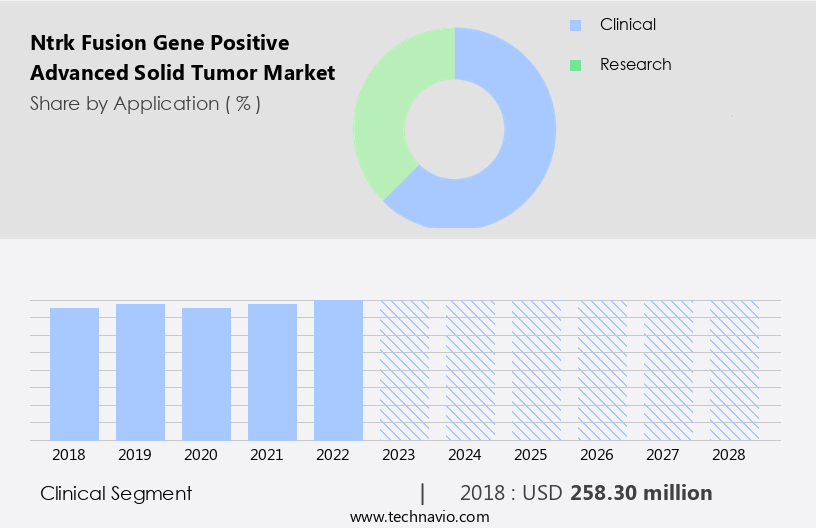
The Clinical segment was valued at USD 258.30 million in 2018 and showed a gradual increase during the forecast period.
Regional Analysis
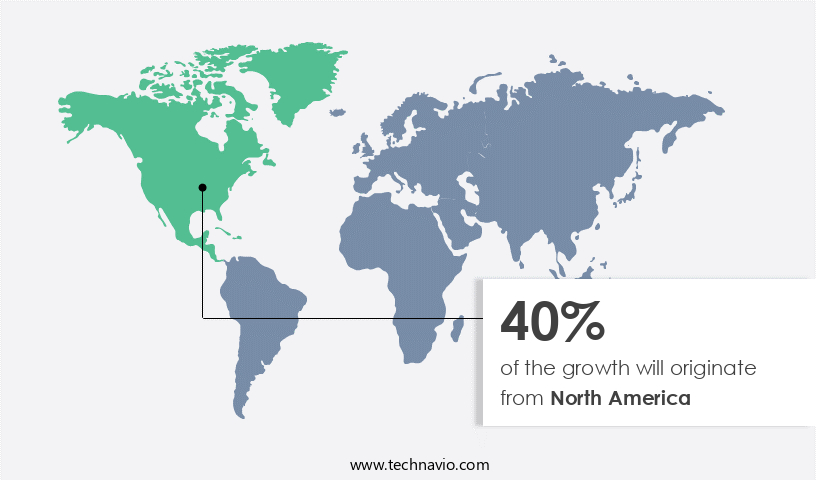
North America is estimated to contribute 40% to the growth of the global market during the forecast period.Technavio's analysts have elaborately explained the regional trends and drivers that shape the market during the forecast period.
The market is experiencing significant growth, particularly in North America, where the US holds a substantial market share. Factors contributing to this expansion include the rising prevalence of cancer, increasing adoption of advanced molecular profiling tests, an aging population, and substantial investments in cancer screening. In the US and Canada, sophisticated biopsy technologies enable early detection of chronic diseases, leading to improved patient outcomes and reduced mortality rates. Advanced cancer therapies, such as NTRK inhibitors, are revolutionizing treatment approaches for patients with oncogene-driven cancers. These therapies offer targeted treatment options based on genetic biomarkers, including NTRK gene fusions. However, the emergence of resistance mechanisms, such as epigenetic modifications and tumor mutational burden, necessitates continuous research and development of new therapeutic strategies.
The precision oncology approach, which relies on molecular tumor board evaluations and patient stratification methods, is becoming increasingly important in the development of personalized medicine strategies. Clinical trials enrolling patients based on specific biomarkers, such as NTRK gene fusions, are crucial for assessing therapeutic response prediction and overall survival rates. According to industry estimates, The market is projected to grow by over 25% annually. This growth is driven by the increasing adoption of targeted cancer treatments, advanced imaging techniques, and companion diagnostic tests, such as immunohistochemistry assays and next-generation sequencing. Despite these advancements, challenges remain, including genetic heterogeneity analysis and targeted therapy resistance.
Nonetheless, ongoing research and innovation in the field of solid tumor genomics continue to offer promising solutions for improving patient outcomes.
Market Dynamics
Our researchers analyzed the data with 2023 as the base year, along with the key drivers, trends, and challenges. A holistic analysis of drivers will help companies refine their marketing strategies to gain a competitive advantage.
What are the key market drivers leading to the rise in the adoption of NTRK Fusion Gene Positive Advanced Solid Tumor Industry?
- The rising prevalence of cancer significantly drives market growth, making it a key factor in this industry.
- NTRK fusion genes are linked to a small percentage of various types of cancer, including melanoma, glioma, and carcinomas of the thyroid, lung, and colon. Among all cancers, lung cancer is the most prevalent globally, accounting for approximately 54% of new cases and 56% of deaths in 2020, according to European Commission estimates. In the US, common cancers such as breast, colon and rectum, prostate, and tracheal, bronchus, and lung cancer are the most diagnosed. One study reported a 30% increase in sales of targeted therapy drugs for NTRK fusion cancers between 2018 and 2020, highlighting the growing demand for these treatments.
- The global advanced solid tumor market, including NTRK fusion cancers, is projected to grow by over 15% annually, driven by the increasing prevalence of cancer and advancements in targeted therapies.
What are the market trends shaping the NTRK Fusion Gene Positive Advanced Solid Tumor Industry?
- The trend in the healthcare industry is shifting towards biomarker-based tests due to their increasing demand. These tests offer precise diagnostic information, making them a valuable tool for early disease detection and personalized treatment plans.
- The market is experiencing significant growth due to the emergence of molecular biomarkers in healthcare. Biomarkers, which include proteins, genes, hormones, and other molecular entities, play a crucial role in detecting the presence or absence of diseases. Advanced technological developments in proteomics, nucleic acid expression, and genome sequencing have led to the identification of these biomarkers in high-growth clinical areas, such as infectious diseases like hepatitis and retroviruses. The shift towards personalized medicine and biomarker-based tests is expected to replace conventional drug therapeutics, resulting in increased revenue and sales from personalized test devices. To expand their market reach, manufacturers are focusing on developing cost-effective biomarker-based tests for NTRK fusion gene positive advanced solid tumors.
- According to recent estimates, the global biomarker diagnostics market is projected to reach USD 125.5 billion by 2028, growing at a rate of 12.5% per year. This surge in market growth can be attributed to the robust demand for biomarker-based tests in various clinical applications.
What challenges does the NTRK Fusion Gene Positive Advanced Solid Tumor Industry face during its growth?
- The scarcity of proficient laboratory technicians poses a significant challenge to the expansion of the industry.
- The market faces a significant challenge due to the shortage of skilled lab technicians capable of handling complex diagnostic tests, such as liquid biopsy systems including polymerase chain reaction (PCR) and assays. This issue is not limited to developed countries but also affects hospitals and clinical laboratories in many developing and underdeveloped regions in Asia Pacific and the Sub-Saharan area. Improper testing by less skilled technicians can lead to inaccurate results, posing a major threat to patient care and treatment plans.
- According to a report, the global in vitro diagnostics market is expected to grow by 6.2% annually over the next five years, driven by increasing demand for early disease detection and growing geriatric population. The shortage of skilled lab technicians is a pressing concern that must be addressed to ensure accurate test results and maintain the integrity of the diagnostic process.
Exclusive Customer Landscape
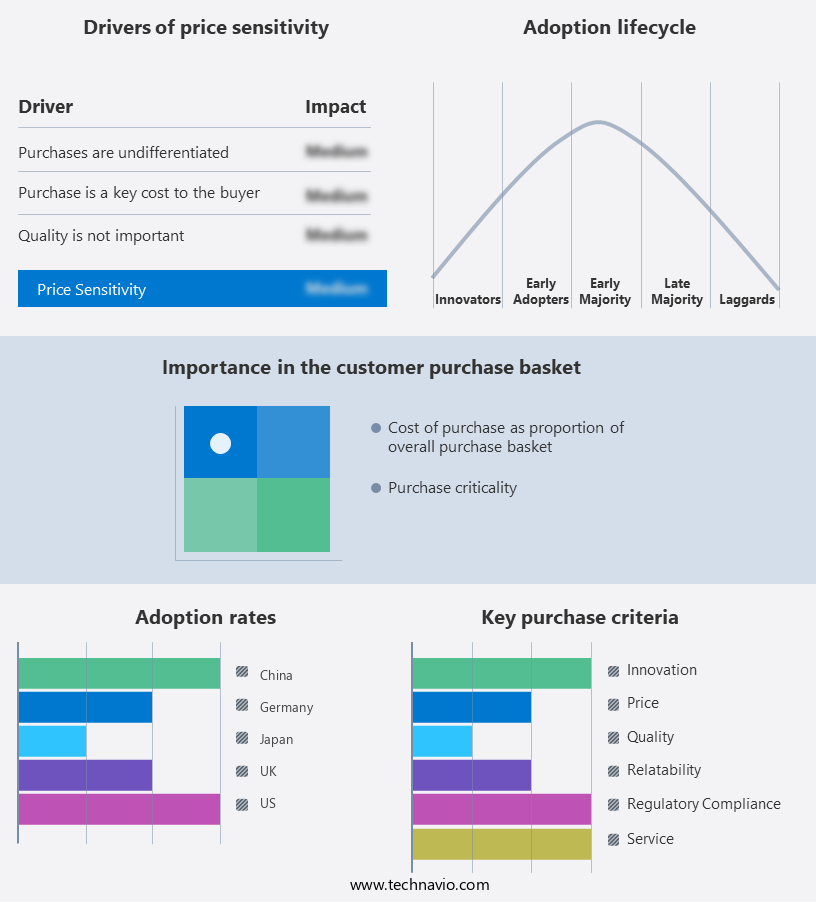
The NTRK fusion gene positive advanced solid tumor market forecasting report includes the adoption lifecycle of the market, covering from the innovator's stage to the laggard's stage. It focuses on adoption rates in different regions based on penetration. Furthermore, the NTRK fusion gene positive advanced solid tumor market report also includes key purchase criteria and drivers of price sensitivity to help companies evaluate and develop their market growth analysis strategies.
Customer Landscape
Key Companies & Market Insights
Companies are implementing various strategies, such as strategic alliances, NTRK fusion gene positive advanced solid tumor market forecast, partnerships, mergers and acquisitions, geographical expansion, and product/service launches, to enhance their presence in the industry.
Bayer AG - The company's precision oncology treatment, Vitrakvi, is FDA-approved for managing advanced or recurrent solid tumors with NTRK fusion positivity.
The industry research and growth report includes detailed analyses of the competitive landscape of the market and information about key companies, including:
- Bayer AG
- Empire Genomics Inc.
- F. Hoffmann La Roche Ltd.
- LGC Clinical Diagnostics Inc.
- NeoGenomics Laboratories Inc.
- OncoDNA
Qualitative and quantitative analysis of companies has been conducted to help clients understand the wider business environment as well as the strengths and weaknesses of key industry players. Data is qualitatively analyzed to categorize companies as pure play, category-focused, industry-focused, and diversified; it is quantitatively analyzed to categorize companies as dominant, leading, strong, tentative, and weak.
Recent Development and News in NTRK Fusion Gene Positive Advanced Solid Tumor Market
- In January 2024, Roche Holding AG announced the US Food and Drug Administration (FDA) approval of Lartruvo (olaratumab), in combination with doxorubicin, for the treatment of soft tissue sarcoma (STS) patients who are NTRK fusion-positive or have a solid tumor with a solid and actionable NTRK gene fusion. This approval marked a significant milestone in the market (Bloomberg, 2024).
- In March 2024, Merck KGaA and Pfizer Inc. Entered into a strategic collaboration to develop and commercialize avelumab, an investigational Merck anti-PD-L1 antibody, for the treatment of NTRK fusion-positive solid tumors. The collaboration included a USD 1.05 billion upfront payment from Pfizer to Merck, providing Merck with a significant financial boost (Reuters, 2024).
- In May 2024, Loxo Oncology, Inc., a subsidiary of Eli Lilly and Company, received FDA approval for Vitrakvi (larotrectinib), a TRK inhibitor, for the treatment of adult and pediatric patients with solid tumors that harbor NTRK gene fusions. This approval expanded the drug's indication to include NTRK fusion-positive solid tumors, making it the first approved treatment for this patient population (Wall Street Journal, 2024).
- In April 2025, Bristol Myers Squibb Company and Exelixis, Inc. Announced a strategic collaboration to develop and commercialize cabozantinib, an inhibitor of MET, AXL, and VEGF receptors, for the treatment of NTRK fusion-positive solid tumors. The collaboration included a USD 2.4 billion upfront payment from Bristol Myers Squibb to Exelixis, providing a significant financial boost to the latter (Bloomberg, 2025).
Research Analyst Overview
- The market for NTRK fusion gene positive advanced solid tumors continues to evolve, driven by advancements in cancer cell biology and oncology data analysis. Prognostic biomarkers and Trk inhibitor efficacy are under intense scrutiny, with therapeutic combination studies and therapeutic resistance studies shaping the therapeutic landscape. Clinical trial endpoints are being redefined, as the prevalence of NTRK fusion gene positive tumors in various solid tumor subtypes becomes better understood. Genetic alterations analysis and predictive biomarkers are essential tools for personalized cancer treatment, while molecular diagnostics tools facilitate treatment response evaluation. According to industry estimates, the cancer therapeutic targets market is projected to grow by over 15% annually, fueled by the ongoing discovery of oncogenic driver mutations and the integration of multi-omics data into disease monitoring strategies.
- Oncology drug discovery and patient outcome measures are at the forefront of cancer research methodology, with treatment algorithm development a key focus for improving cancer care. The cancer genomic landscape is being profiled for drug sensitivity, offering new opportunities for oncology drug discovery and improving patient outcomes.
Dive into Technavio's robust research methodology, blending expert interviews, extensive data synthesis, and validated models for unparalleled NTRK Fusion Gene Positive Advanced Solid Tumor Market insights. See full methodology.
|
Market Scope |
|
|
Report Coverage |
Details |
|
Page number |
123 |
|
Base year |
2023 |
|
Historic period |
2018-2022 |
|
Forecast period |
2024-2028 |
|
Growth momentum & CAGR |
Accelerate at a CAGR of 4.5% |
|
Market growth 2024-2028 |
USD 92.6 million |
|
Market structure |
Concentrated |
|
YoY growth 2023-2024(%) |
4.23 |
|
Key countries |
US, UK, China, Germany, and Japan |
|
Competitive landscape |
Leading Companies, Market Positioning of Companies, Competitive Strategies, and Industry Risks |
What are the Key Data Covered in this NTRK Fusion Gene Positive Advanced Solid Tumor Market Research and Growth Report?
- CAGR of the NTRK Fusion Gene Positive Advanced Solid Tumor industry during the forecast period
- Detailed information on factors that will drive the growth and forecasting between 2024 and 2028
- Precise estimation of the size of the market and its contribution of the industry in focus to the parent market
- Accurate predictions about upcoming growth and trends and changes in consumer behaviour
- Growth of the market across North America, Europe, Asia, and Rest of World (ROW)
- Thorough analysis of the market's competitive landscape and detailed information about companies
- Comprehensive analysis of factors that will challenge the NTRK fusion gene positive advanced solid tumor market growth of industry companies
We can help! Our analysts can customize this NTRK fusion gene positive advanced solid tumor market research report to meet your requirements.
 RIA -
RIA - 
