
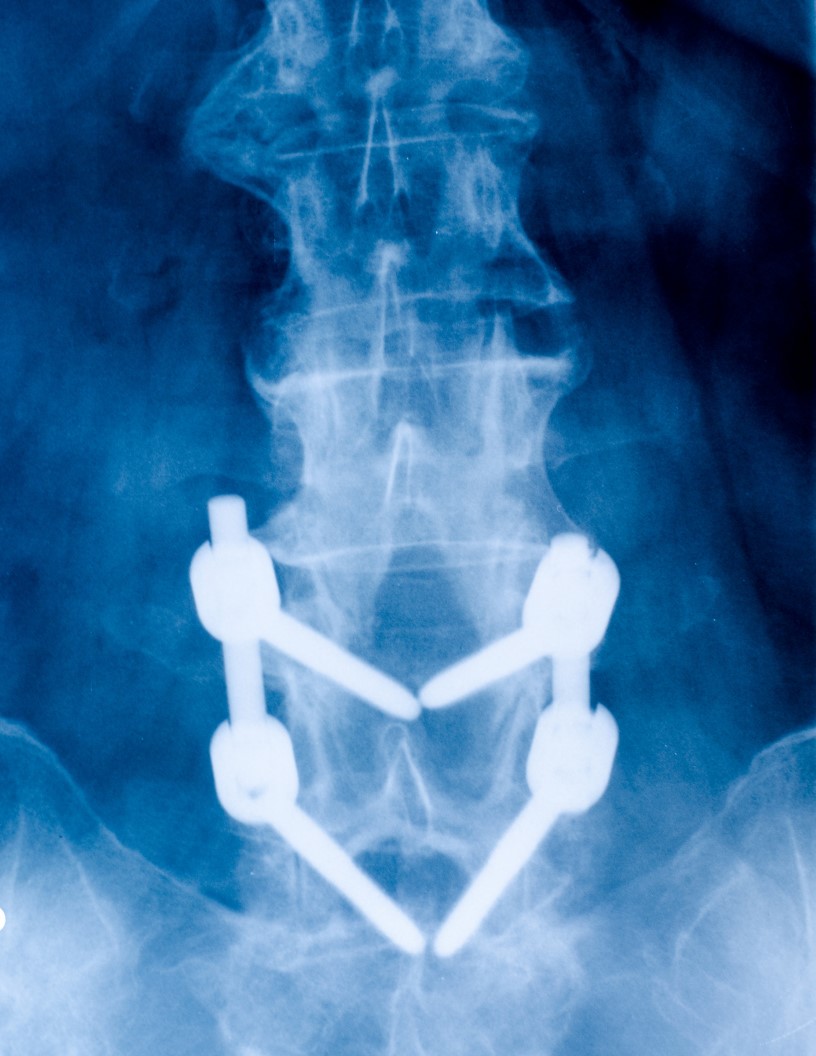

Osteosynthesis Devices Market Analysis North America, Europe, Asia, Rest of World (ROW) - US, Canada, Germany, UK, China - Size and Forecast 2024-2028

Osteosynthesis Devices Market Analysis North America, Europe, Asia, Rest of World (ROW) - US, Canada, Germany, UK, China - Size and Forecast 2024-2028

Published: Nov 2023 150 Pages SKU: IRTNTR76832

Market Overview at a Glance

$5.75 B
Market Opportunity
8.91%
CAGR
8.09
YoY growth 2023-2024(%)

Osteosynthesis Devices Market Size 2024-2028

The osteosynthesis devices market size is forecast to increase by USD 5.75 billion, at a CAGR of 8.91% between 2023 and 2028.

  • The market is experiencing significant growth, driven by the rising global aging population and increasing awareness of preventive orthopedic care. The elderly demographic, with its higher prevalence of bone-related disorders, presents a substantial market opportunity. Moreover, the shift towards minimally invasive surgeries and the growing preference for early intervention in orthopedic conditions further fuel market expansion. However, the market faces challenges, including concerns associated with metal allergies and biocompatibility. As the demand for implants and fixation devices continues to rise, ensuring the safety and effectiveness of these products becomes crucial.
  • Manufacturers must invest in research and development to create biocompatible materials and address the potential risks of allergic reactions. By addressing these challenges and capitalizing on the market's growth drivers, companies can effectively position themselves in this dynamic and evolving market.

What will be the Size of the Osteosynthesis Devices Market during the forecast period?
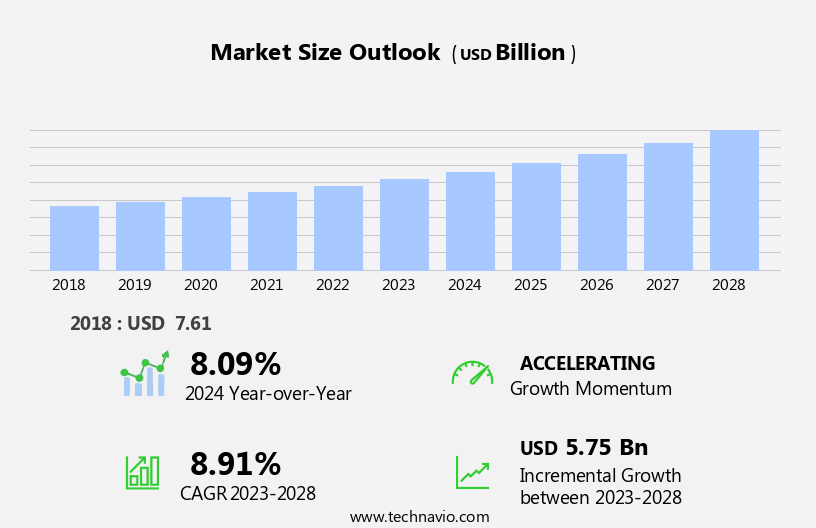
Osteosynthesis Devices Market Size

Explore in-depth regional segment analysis with market size data - historical 2018-2022 and forecasts 2024-2028 - in the full report.  
Request Free Sample

The market continues to evolve, driven by advancements in surgical planning, post-operative care, and material science. Image-guided surgery and dynamic compression plates are revolutionizing fracture fixation, enabling more precise and effective interventions. Infection prevention remains a key focus, with minimally invasive surgery and stress shielding gaining popularity. Small fragment screws and fracture reduction techniques are essential for managing complex fractures. Bone screws, surgical instruments, and polyaxial screws are integral components of these procedures. Bone healing and bone density are critical considerations, leading to the development of patient-specific implants, bone substitutes, and bioabsorbable materials. Implant stability and fracture classification systems are continually refined to optimize surgical techniques.

Osteotomy plates, intramedullary nails, and external fixators offer various solutions for fracture treatment. Titanium alloys and biocompatible materials are widely used due to their biomechanical properties and tissue regeneration capabilities. Three-dimensional printed implants and computer-assisted surgery are emerging trends, offering customized solutions for individual patient needs. The ongoing unfolding of market activities underscores the dynamic nature of the osteosynthesis devices industry, with continuous innovation and evolution shaping its future applications.

How is this Osteosynthesis Devices Industry segmented?

The osteosynthesis devices industry research report provides comprehensive data (region-wise segment analysis), with forecasts and estimates in "USD billion" for the period 2024-2028, as well as historical data from 2018-2022 for the following segments.

  • Type
    • Internal
    • External
  • Material
    • Degradable
    • Non-degradable
  • Geography
    • North America
      • US
      • Canada
    • Europe
      • Germany
      • UK
    • APAC
      • China
    • Rest of World (ROW)

By Type Insights

The internal segment is estimated to witness significant growth during the forecast period.

Osteosynthesis devices are essential medical implants or instruments used in orthopedic surgery to support and facilitate bone healing following fractures or orthopedic conditions. These devices, including locking compression plates, intramedullary nails, cannulated screws, and fragment screws, offer enhanced stability to fractured bones, maintaining proper alignment and preventing unwanted movement at the fracture site. This stability promotes an optimal healing environment, reducing the risk of malunion or nonunion. Internal fixation devices, such as plates and screws, facilitate bone regeneration by providing compression at the fracture site and enabling the natural process of bone remodeling. Advanced technologies, like patient-specific implants, image-guided surgery, and computer-assisted surgery, enhance the precision and effectiveness of osteosynthesis procedures.

Infection prevention, minimally invasive surgery, and stress shielding are also crucial considerations in the design and application of these devices. Bioabsorbable materials, titanium alloys, and biocompatible materials are commonly used to ensure implant stability and compatibility with the body. Bone density assessment and bone grafts may be necessary in some cases to ensure successful healing and implant integration. Despite the advancements, implant failure remains a concern, necessitating ongoing research and development in the field. Three-dimensional printed implants and external fixators offer alternative solutions for complex fractures and non-healing injuries. Surgical techniques and implant classification systems continue to evolve, reflecting the dynamic nature of this market.
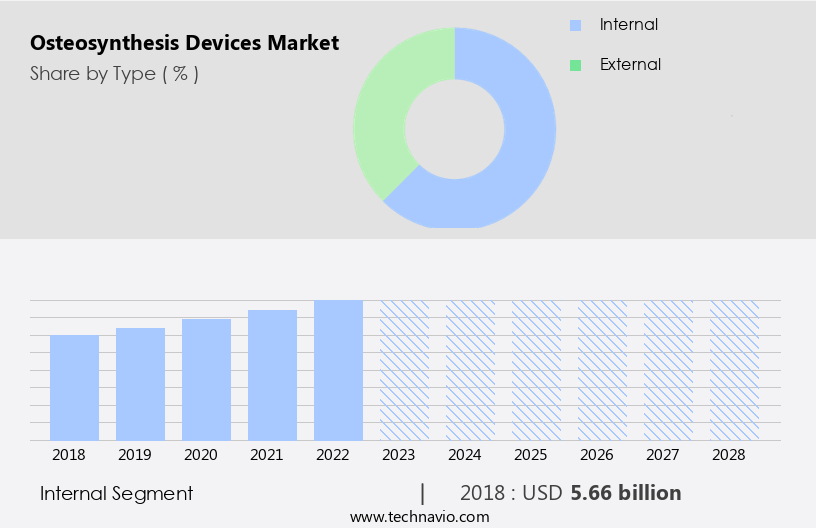
Osteosynthesis Devices Market Size

Request Free Sample

The Internal segment was valued at USD 5.66 billion in 2018 and showed a gradual increase during the forecast period.

Regional Analysis

North America is estimated to contribute 38% to the growth of the global market during the forecast period.Technavio's analysts have elaborately explained the regional trends and drivers that shape the market during the forecast period.
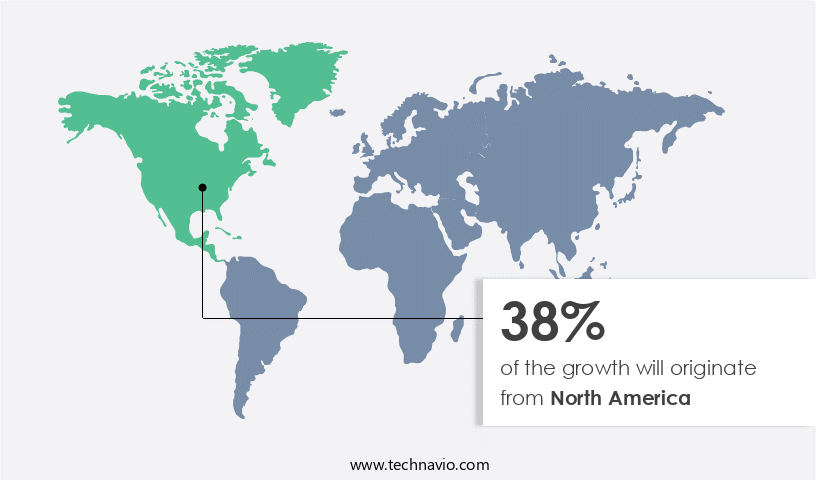
Osteosynthesis Devices Market Share by Geography

 Request Free Sample

The North American market for osteosynthesis devices is experiencing notable growth due to the increasing prevalence of orthopedic conditions among the aging population. Fractures, osteoporosis, and degenerative bone diseases are common in this demographic, leading to a higher demand for surgical interventions that utilize osteosynthesis devices for stabilization and bone healing. Advancements in orthopedic technology, including the development of innovative materials, designs, and minimally invasive surgical techniques, are driving the adoption of these devices. Patients and healthcare providers seek advanced solutions that offer improved outcomes, faster recovery, and reduced postoperative complications. The market is witnessing significant advancements in areas such as patient-specific implants, image-guided surgery, and computer-assisted surgery, which enable more precise and effective treatments.

Additionally, the use of bioabsorbable materials, titanium alloys, and biocompatible materials in osteosynthesis devices enhances implant stability and bone remodeling. The ongoing trend toward minimally invasive surgical procedures and infection prevention measures is also influencing the market dynamics. Overall, the North American market for osteosynthesis devices is poised for continued growth due to the increasing demand for advanced solutions that address the unique needs of patients with orthopedic conditions.

Market Dynamics

Our researchers analyzed the data with 2023 as the base year, along with the key drivers, trends, and challenges. A holistic analysis of drivers will help companies refine their marketing strategies to gain a competitive advantage.

The market encompasses a range of medical devices designed to facilitate the healing of fractured bones. These devices, including plates, screws, rods, and nails, are essential tools for orthopedic surgeons focusing on bone reconstruction and trauma care. With considerations like increasing prevalence of bone disorders and road traffic accidents, the market is witnessing significant growth. Through methods such as internal fixation, external fixation, and minimally invasive surgeries, osteosynthesis devices play a crucial role in restoring bone structure and functionality. Key areas involve the development of biocompatible materials, advanced coating technologies, and innovative designs to enhance patient comfort and recovery. Moreover, the integration of advanced technologies like 3D printing and smart implants is transforming the market. These technologies offer customized solutions, improved accuracy, and enhanced patient outcomes. For instance, 3D-printed implants can be tailored to fit specific bone structures, ensuring a perfect fit and reducing the risk of complications. Innovations in biomaterials, such as bioactive glass and nanotechnology, are also gaining traction in the market. These materials promote bone growth and integration, leading to faster healing and better patient outcomes. Furthermore, the adoption of robotic systems and computer-assisted surgeries is streamlining the surgical process and improving the precision and accuracy of osteosynthesis procedures. In conclusion, the market is witnessing significant advancements driven by technological innovations, increasing demand for minimally invasive procedures, and the growing prevalence of bone disorders. As the market continues to evolve, it is expected to offer numerous opportunities for manufacturers, researchers, and healthcare providers.

What are the key market drivers leading to the rise in the adoption of Osteosynthesis Devices Industry?

  • The escalating global aging population serves as the primary catalyst for market growth. 
  • Osteosynthesis devices are essential tools in the orthopedic field, playing a significant role in the treatment of various bone conditions, including fractures and degenerative diseases. With an aging population, the incidence of these conditions is on the rise. According to the World Health Organization, by 2030, one in every six people worldwide will be 60 or older, increasing the demand for orthopedic interventions. During surgical procedures, osteosynthesis devices, such as locking compression plates, intramedullary nails, cannulated screws, and fragment screws, are used for fracture fixation. These devices provide stability and support during the bone healing process. In some cases, patient-specific implants are utilized for enhanced accuracy and improved patient outcomes.
  • Bone substitutes may also be employed to supplement the healing process. Post-operative care is crucial to ensure proper bone healing and the effective use of these devices. The market dynamics for osteosynthesis devices are influenced by factors such as advancements in surgical planning techniques, the increasing prevalence of bone diseases, and the growing emphasis on minimally invasive procedures. In summary, the aging population and the increasing incidence of bone conditions necessitate the use of osteosynthesis devices for fracture fixation and bone healing. Advancements in surgical planning, post-operative care, and materials, such as bone substitutes and patient-specific implants, continue to drive market growth.

What are the market trends shaping the Osteosynthesis Devices Industry?

  • The growing awareness of the importance of preventive orthopedic care is a notable trend in the current market. This shift in focus towards proactive measures for joint and bone health is becoming increasingly prevalent among healthcare professionals and consumers alike.
  • Osteosynthesis devices are essential tools in orthopedic surgery, providing stability and facilitating bone healing. With a focus on preventive orthopedics, early intervention through non-surgical methods is encouraged. However, when surgical intervention is necessary, osteosynthesis devices continue to play a crucial role. Minimally invasive surgical procedures align with this trend, utilizing smaller implants and incisions. These approaches reduce trauma to surrounding tissues and promote faster recovery. Image-guided surgery and advanced technologies, such as dynamic compression plates, stress shielding, small fragment screws, fracture reduction, bone screws, surgical instruments, and polyaxial screws, are integral to minimally invasive procedures.
  • Infection prevention is a significant concern, and these devices are designed with features to minimize the risk. Preventive orthopedics emphasizes educating individuals on maintaining musculoskeletal health through lifestyle modifications. This includes maintaining a healthy weight, proper posture, and regular exercise, all contributing to reducing the risk of fractures and orthopedic conditions. The adoption of these measures, in conjunction with advanced osteosynthesis devices, can lead to improved patient outcomes and reduced healthcare costs.

What challenges does the Osteosynthesis Devices Industry face during its growth?

  • Metal allergies and biocompatibility concerns represent a significant challenge to the industry's growth, as ensuring the safety and suitability of metal components for various applications is essential to avoid adverse health effects and ensure user confidence. 
  • Osteosynthesis devices, used in tissue regeneration and surgical techniques for the treatment of fractures and osteotomies, are essential in orthopedic care. Implant stability is crucial for successful bone remodeling, and the choice of materials plays a significant role. While titanium alloys and biocompatible materials are commonly used due to their biocompatibility and mechanical strength, hypersensitivity reactions can occur. Nickel, cobalt, and chromium, common metals in orthopedic devices, can cause allergic reactions, leading to inflammation and potential implant failure. Hypersensitivity reactions can impact implant stability and integration with bone tissue, increasing the risk of complications and the need for additional medical interventions.
  • Bioabsorbable materials, an alternative to traditional implants, offer potential solutions by eliminating the risk of metal allergies and promoting natural bone regeneration. The focus on developing advanced materials and surgical techniques for enhancing implant integration and reducing the risk of complications continues to drive market growth.

Exclusive Customer Landscape

The osteosynthesis devices market forecasting report includes the adoption lifecycle of the market, covering from the innovator's stage to the laggard's stage. It focuses on adoption rates in different regions based on penetration. Furthermore, the osteosynthesis devices market report also includes key purchase criteria and drivers of price sensitivity to help companies evaluate and develop their market growth analysis strategies.
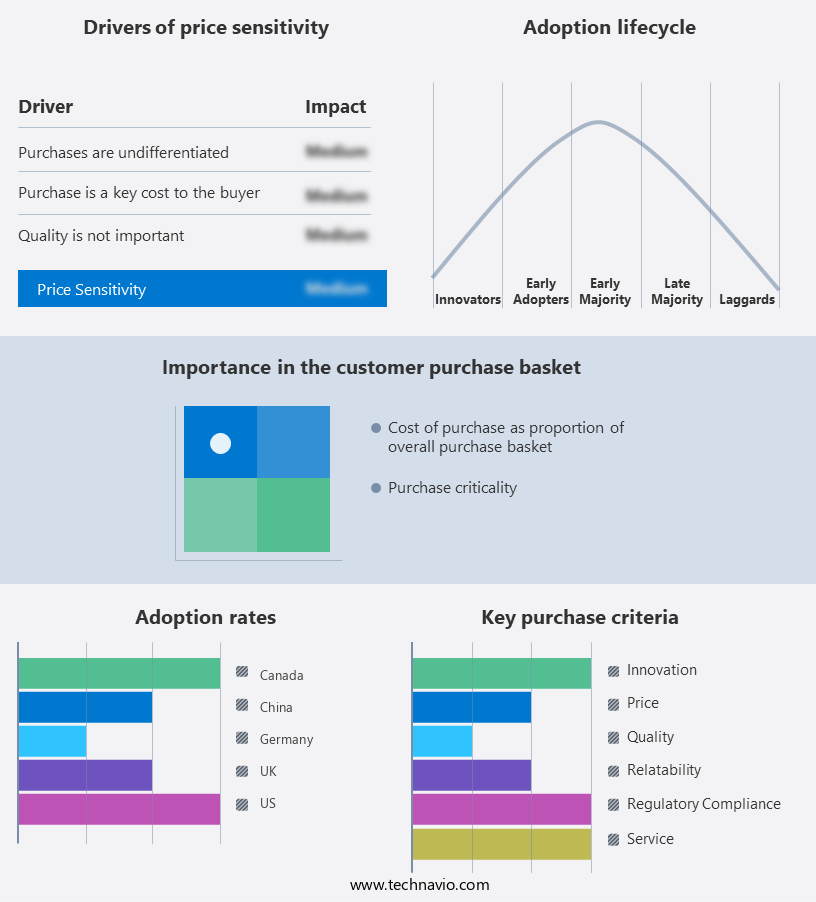
Osteosynthesis Devices Market Share by Geography

 Customer Landscape

Key Companies & Market Insights

Companies are implementing various strategies, such as strategic alliances, osteosynthesis devices market forecast, partnerships, mergers and acquisitions, geographical expansion, and product/service launches, to enhance their presence in the industry.

Arthrex Inc. - The company specializes in osteosynthesis devices, providing solutions for ACL reconstruction and repair. Their product range includes the ACL Backup Fixation System, offering implants and instruments to reinforce ACL graft sutures. 

The industry research and growth report includes detailed analyses of the competitive landscape of the market and information about key companies, including:

  • Arthrex Inc.
  • B.Braun SE
  • Conmed Corp.
  • Globus Medical Inc.
  • Integra Lifesciences Corp.
  • Johnson and Johnson
  • Lepu Medical Technology Beijing Co. Ltd.
  • Medtronic Plc
  • MicroPort Scientific Corp.
  • Neosteo SA
  • Olympus Corp.
  • Orthofix Medical Inc.
  • Precision Spine Inc.
  • Smith and Nephew plc
  • Stryker Corp.
  • Zimmer Biomet Holdings Inc.
  • Life Spine Inc.
  • GS Solutions Inc.

Qualitative and quantitative analysis of companies has been conducted to help clients understand the wider business environment as well as the strengths and weaknesses of key industry players. Data is qualitatively analyzed to categorize companies as pure play, category-focused, industry-focused, and diversified; it is quantitatively analyzed to categorize companies as dominant, leading, strong, tentative, and weak.

Recent Development and News in Osteosynthesis Devices Market

  • In January 2024, Stryker Corporation announced the launch of its new CranioMaxx System, an advanced cranial and maxillofacial fixation system, designed to improve surgical efficiency and patient outcomes. (Stryker Corporation Press Release)
  • In March 2024, Smith & Nephew and Medtronic signed a strategic partnership to co-develop and commercialize orthopedic trauma and extremities products. This collaboration aimed to expand their offerings and strengthen their positions in the competitive market. (Smith & Nephew Press Release)
  • In May 2024, DePuy Synthes, a Johnson & Johnson company, received FDA approval for its new SYNBONE 3D-Printed Titanium Tibial Plate System. This innovative product is designed to provide better fit and fixation for complex tibial fractures. (DePuy Synthes Press Release)
  • In February 2025, Zimmer Biomet completed the acquisition of OrthoSensor, a leader in real-time, sensor-based orthopedic surgery solutions. This acquisition was expected to enhance Zimmer Biomet's portfolio with advanced technology, enabling more precise implant positioning and improved patient outcomes. (Zimmer Biomet Press Release)

Research Analyst Overview

  • The market encompasses a diverse range of implants and instrumentation used in orthopedic surgery. Polymer implants and ceramic implants are key product categories, with material science and implant design playing crucial roles in ensuring implant longevity and biocompatibility. Preoperative planning and surgical simulation are essential for optimizing surgical outcomes, while finite element analysis and failure analysis aid in understanding the mechanical properties and fatigue strength of these devices. Biocompatibility testing and corrosion resistance are critical factors in ensuring patient safety and implant success. Surgical instrumentation, including screws and plates, must exhibit high strength and stiffness, while hydroxyapatite and titanium nitride coatings enhance implant integration and reduce complication rates.
  • Clinical trials and regulatory approvals are necessary steps in bringing new osteosynthesis devices to market. Postoperative rehabilitation and surgical training are essential components of successful implant integration, with surgical instrumentation playing a vital role in facilitating these processes. Implant retrieval and complication rate analysis provide valuable insights into device performance and inform future design iterations.

Dive into Technavio's robust research methodology, blending expert interviews, extensive data synthesis, and validated models for unparalleled Osteosynthesis Devices Market insights. See full methodology.

Market Scope

Report Coverage

Details

Page number

150

Base year

2023

Historic period

2018-2022

Forecast period

2024-2028

Growth momentum & CAGR

Accelerate at a CAGR of 8.91%

Market growth 2024-2028

USD 5.75 billion

Market structure

Fragmented

YoY growth 2023-2024(%)

8.09

Key countries

US, Canada, Germany, UK, and China

Competitive landscape

Leading Companies, Market Positioning of Companies, Competitive Strategies, and Industry Risks

Request Free Sample

What are the Key Data Covered in this Osteosynthesis Devices Market Research and Growth Report?

  • CAGR of the Osteosynthesis Devices industry during the forecast period
  • Detailed information on factors that will drive the growth and forecasting between 2024 and 2028
  • Precise estimation of the size of the market and its contribution of the industry in focus to the parent market
  • Accurate predictions about upcoming growth and trends and changes in consumer behaviour
  • Growth of the market across North America, Europe, Asia, and Rest of World (ROW)
  • Thorough analysis of the market's competitive landscape and detailed information about companies
  • Comprehensive analysis of factors that will challenge the osteosynthesis devices market growth of industry companies

We can help! Our analysts can customize this osteosynthesis devices market research report to meet your requirements.

Get in touch

1 Executive Summary

  • 1.1 Market overview
    • Exhibit 01: Executive Summary – Chart on Market Overview
    • Exhibit 02: Executive Summary – Data Table on Market Overview
    • Exhibit 03: Executive Summary – Chart on Global Market Characteristics
    • Exhibit 04: Executive Summary – Chart on Market by Geography
    • Exhibit 05: Executive Summary – Chart on Market Segmentation by Type
    • Exhibit 06: Executive Summary – Chart on Market Segmentation by Material
    • Exhibit 07: Executive Summary – Chart on Incremental Growth
    • Exhibit 08: Executive Summary – Data Table on Incremental Growth
    • Exhibit 09: Executive Summary – Chart on Vendor Market Positioning

2 Market Landscape

  • 2.1 Market ecosystem
    • Exhibit 10: Parent market
    • Exhibit 11: Market Characteristics

3 Market Sizing

  • 3.1 Market definition
    • Exhibit 12: Offerings of vendors included in the market definition
  • 3.2 Market segment analysis
    • Exhibit 13: Market segments
  • 3.3 Market size 2023
    • 3.4 Market outlook: Forecast for 2023-2028
      • Exhibit 14: Chart on Global - Market size and forecast 2023-2028 ($ billion)
      • Exhibit 15: Data Table on Global - Market size and forecast 2023-2028 ($ billion)
      • Exhibit 16: Chart on Global Market: Year-over-year growth 2023-2028 (%)
      • Exhibit 17: Data Table on Global Market: Year-over-year growth 2023-2028 (%)

    4 Historic Market Size

    • 4.1 Global osteosynthesis devices market 2018 - 2022
      • Exhibit 18: Historic Market Size – Data Table on global osteosynthesis devices market 2018 - 2022 ($ billion)
    • 4.2 Type Segment Analysis 2018 - 2022
      • Exhibit 19: Historic Market Size – Type Segment 2018 - 2022 ($ billion)
    • 4.3 Material Segment Analysis 2018 - 2022
      • Exhibit 20: Historic Market Size – Material Segment 2018 - 2022 ($ billion)
    • 4.4 Geography Segment Analysis 2018 - 2022
      • Exhibit 21: Historic Market Size – Geography Segment 2018 - 2022 ($ billion)
    • 4.5 Country Segment Analysis 2018 - 2022
      • Exhibit 22: Historic Market Size – Country Segment 2018 - 2022 ($ billion)

    5 Five Forces Analysis

    • 5.1 Five forces summary
      • Exhibit 23: Five forces analysis - Comparison between 2023 and 2028
    • 5.2 Bargaining power of buyers
      • Exhibit 24: Chart on Bargaining power of buyers – Impact of key factors 2023 and 2028
    • 5.3 Bargaining power of suppliers
      • Exhibit 25: Bargaining power of suppliers – Impact of key factors in 2023 and 2028
    • 5.4 Threat of new entrants
      • Exhibit 26: Threat of new entrants – Impact of key factors in 2023 and 2028
    • 5.5 Threat of substitutes
      • Exhibit 27: Threat of substitutes – Impact of key factors in 2023 and 2028
    • 5.6 Threat of rivalry
      • Exhibit 28: Threat of rivalry – Impact of key factors in 2023 and 2028
    • 5.7 Market condition
      • Exhibit 29: Chart on Market condition - Five forces 2023 and 2028

    6 Market Segmentation by Type

    • 6.1 Market segments
      • Exhibit 30: Chart on Type - Market share 2023-2028 (%)
      • Exhibit 31: Data Table on Type - Market share 2023-2028 (%)
    • 6.2 Comparison by Type
      • Exhibit 32: Chart on Comparison by Type
      • Exhibit 33: Data Table on Comparison by Type
    • 6.3 Internal - Market size and forecast 2023-2028
      • Exhibit 34: Chart on Internal - Market size and forecast 2023-2028 ($ billion)
      • Exhibit 35: Data Table on Internal - Market size and forecast 2023-2028 ($ billion)
      • Exhibit 36: Chart on Internal - Year-over-year growth 2023-2028 (%)
      • Exhibit 37: Data Table on Internal - Year-over-year growth 2023-2028 (%)
    • 6.4 External - Market size and forecast 2023-2028
      • Exhibit 38: Chart on External - Market size and forecast 2023-2028 ($ billion)
      • Exhibit 39: Data Table on External - Market size and forecast 2023-2028 ($ billion)
      • Exhibit 40: Chart on External - Year-over-year growth 2023-2028 (%)
      • Exhibit 41: Data Table on External - Year-over-year growth 2023-2028 (%)
    • 6.5 Market opportunity by Type
      • Exhibit 42: Market opportunity by Type ($ billion)
      • Exhibit 43: Data Table on Market opportunity by Type ($ billion)

    7 Market Segmentation by Material

    • 7.1 Market segments
      • Exhibit 44: Chart on Material - Market share 2023-2028 (%)
      • Exhibit 45: Data Table on Material - Market share 2023-2028 (%)
    • 7.2 Comparison by Material
      • Exhibit 46: Chart on Comparison by Material
      • Exhibit 47: Data Table on Comparison by Material
    • 7.3 Degradable - Market size and forecast 2023-2028
      • Exhibit 48: Chart on Degradable - Market size and forecast 2023-2028 ($ billion)
      • Exhibit 49: Data Table on Degradable - Market size and forecast 2023-2028 ($ billion)
      • Exhibit 50: Chart on Degradable - Year-over-year growth 2023-2028 (%)
      • Exhibit 51: Data Table on Degradable - Year-over-year growth 2023-2028 (%)
    • 7.4 Non-degradable - Market size and forecast 2023-2028
      • Exhibit 52: Chart on Non-degradable - Market size and forecast 2023-2028 ($ billion)
      • Exhibit 53: Data Table on Non-degradable - Market size and forecast 2023-2028 ($ billion)
      • Exhibit 54: Chart on Non-degradable - Year-over-year growth 2023-2028 (%)
      • Exhibit 55: Data Table on Non-degradable - Year-over-year growth 2023-2028 (%)
    • 7.5 Market opportunity by Material
      • Exhibit 56: Market opportunity by Material ($ billion)
      • Exhibit 57: Data Table on Market opportunity by Material ($ billion)

    8 Customer Landscape

    • 8.1 Customer landscape overview
      • Exhibit 58: Analysis of price sensitivity, lifecycle, customer purchase basket, adoption rates, and purchase criteria

    9 Geographic Landscape

    • 9.1 Geographic segmentation
      • Exhibit 59: Chart on Market share by geography 2023-2028 (%)
      • Exhibit 60: Data Table on Market share by geography 2023-2028 (%)
    • 9.2 Geographic comparison
      • Exhibit 61: Chart on Geographic comparison
      • Exhibit 62: Data Table on Geographic comparison
    • 9.3 North America - Market size and forecast 2023-2028
      • Exhibit 63: Chart on North America - Market size and forecast 2023-2028 ($ billion)
      • Exhibit 64: Data Table on North America - Market size and forecast 2023-2028 ($ billion)
      • Exhibit 65: Chart on North America - Year-over-year growth 2023-2028 (%)
      • Exhibit 66: Data Table on North America - Year-over-year growth 2023-2028 (%)
    • 9.4 Europe - Market size and forecast 2023-2028
      • Exhibit 67: Chart on Europe - Market size and forecast 2023-2028 ($ billion)
      • Exhibit 68: Data Table on Europe - Market size and forecast 2023-2028 ($ billion)
      • Exhibit 69: Chart on Europe - Year-over-year growth 2023-2028 (%)
      • Exhibit 70: Data Table on Europe - Year-over-year growth 2023-2028 (%)
    • 9.5 Asia - Market size and forecast 2023-2028
      • Exhibit 71: Chart on Asia - Market size and forecast 2023-2028 ($ billion)
      • Exhibit 72: Data Table on Asia - Market size and forecast 2023-2028 ($ billion)
      • Exhibit 73: Chart on Asia - Year-over-year growth 2023-2028 (%)
      • Exhibit 74: Data Table on Asia - Year-over-year growth 2023-2028 (%)
    • 9.6 Rest of World (ROW) - Market size and forecast 2023-2028
      • Exhibit 75: Chart on Rest of World (ROW) - Market size and forecast 2023-2028 ($ billion)
      • Exhibit 76: Data Table on Rest of World (ROW) - Market size and forecast 2023-2028 ($ billion)
      • Exhibit 77: Chart on Rest of World (ROW) - Year-over-year growth 2023-2028 (%)
      • Exhibit 78: Data Table on Rest of World (ROW) - Year-over-year growth 2023-2028 (%)
    • 9.7 US - Market size and forecast 2023-2028
      • Exhibit 79: Chart on US - Market size and forecast 2023-2028 ($ billion)
      • Exhibit 80: Data Table on US - Market size and forecast 2023-2028 ($ billion)
      • Exhibit 81: Chart on US - Year-over-year growth 2023-2028 (%)
      • Exhibit 82: Data Table on US - Year-over-year growth 2023-2028 (%)
    • 9.8 China - Market size and forecast 2023-2028
      • Exhibit 83: Chart on China - Market size and forecast 2023-2028 ($ billion)
      • Exhibit 84: Data Table on China - Market size and forecast 2023-2028 ($ billion)
      • Exhibit 85: Chart on China - Year-over-year growth 2023-2028 (%)
      • Exhibit 86: Data Table on China - Year-over-year growth 2023-2028 (%)
    • 9.9 Germany - Market size and forecast 2023-2028
      • Exhibit 87: Chart on Germany - Market size and forecast 2023-2028 ($ billion)
      • Exhibit 88: Data Table on Germany - Market size and forecast 2023-2028 ($ billion)
      • Exhibit 89: Chart on Germany - Year-over-year growth 2023-2028 (%)
      • Exhibit 90: Data Table on Germany - Year-over-year growth 2023-2028 (%)
    • 9.10 UK - Market size and forecast 2023-2028
      • Exhibit 91: Chart on UK - Market size and forecast 2023-2028 ($ billion)
      • Exhibit 92: Data Table on UK - Market size and forecast 2023-2028 ($ billion)
      • Exhibit 93: Chart on UK - Year-over-year growth 2023-2028 (%)
      • Exhibit 94: Data Table on UK - Year-over-year growth 2023-2028 (%)
    • 9.11 Canada - Market size and forecast 2023-2028
      • Exhibit 95: Chart on Canada - Market size and forecast 2023-2028 ($ billion)
      • Exhibit 96: Data Table on Canada - Market size and forecast 2023-2028 ($ billion)
      • Exhibit 97: Chart on Canada - Year-over-year growth 2023-2028 (%)
      • Exhibit 98: Data Table on Canada - Year-over-year growth 2023-2028 (%)
    • 9.12 Market opportunity by geography
      • Exhibit 99: Market opportunity by geography ($ billion)
      • Exhibit 100: Data Tables on Market opportunity by geography ($ billion)

    10 Drivers, Challenges, and Trends

    • 10.1 Market drivers
      • 10.2 Market challenges
        • 10.3 Impact of drivers and challenges
          • Exhibit 101: Impact of drivers and challenges in 2023 and 2028
        • 10.4 Market trends

          11 Vendor Landscape

          • 11.1 Overview
            • 11.2 Vendor landscape
              • Exhibit 102: Overview on Criticality of inputs and Factors of differentiation
            • 11.3 Landscape disruption
              • Exhibit 103: Overview on factors of disruption
            • 11.4 Industry risks
              • Exhibit 104: Impact of key risks on business

            12 Vendor Analysis

            • 12.1 Vendors covered
              • Exhibit 105: Vendors covered
            • 12.2 Market positioning of vendors
              • Exhibit 106: Matrix on vendor position and classification
            • 12.3 Arthrex Inc.
              • Exhibit 107: Arthrex Inc. - Overview
              • Exhibit 108: Arthrex Inc. - Product / Service
              • Exhibit 109: Arthrex Inc. - Key offerings
            • 12.4 B.Braun SE
              • Exhibit 110: B.Braun SE - Overview
              • Exhibit 111: B.Braun SE - Business segments
              • Exhibit 112: B.Braun SE - Key news
              • Exhibit 113: B.Braun SE - Key offerings
              • Exhibit 114: B.Braun SE - Segment focus
            • 12.5 Globus Medical Inc.
              • Exhibit 115: Globus Medical Inc. - Overview
              • Exhibit 116: Globus Medical Inc. - Product / Service
              • Exhibit 117: Globus Medical Inc. - Key offerings
            • 12.6 GS Solutions Inc.
              • Exhibit 118: GS Solutions Inc. - Overview
              • Exhibit 119: GS Solutions Inc. - Product / Service
              • Exhibit 120: GS Solutions Inc. - Key offerings
            • 12.7 Integra Lifesciences Corp.
              • Exhibit 121: Integra Lifesciences Corp. - Overview
              • Exhibit 122: Integra Lifesciences Corp. - Business segments
              • Exhibit 123: Integra Lifesciences Corp. - Key news
              • Exhibit 124: Integra Lifesciences Corp. - Key offerings
              • Exhibit 125: Integra Lifesciences Corp. - Segment focus
            • 12.8 Johnson and Johnson
              • Exhibit 126: Johnson and Johnson - Overview
              • Exhibit 127: Johnson and Johnson - Business segments
              • Exhibit 128: Johnson and Johnson - Key news
              • Exhibit 129: Johnson and Johnson - Key offerings
              • Exhibit 130: Johnson and Johnson - Segment focus
            • 12.9 Lepu Medical Technology Beijing Co. Ltd.
              • Exhibit 131: Lepu Medical Technology Beijing Co. Ltd. - Overview
              • Exhibit 132: Lepu Medical Technology Beijing Co. Ltd. - Key offerings
            • 12.10 Life Spine Inc.
              • Exhibit 133: Life Spine Inc. - Overview
              • Exhibit 134: Life Spine Inc. - Product / Service
              • Exhibit 135: Life Spine Inc. - Key offerings
            • 12.11 MicroPort Scientific Corp.
              • Exhibit 136: MicroPort Scientific Corp. - Overview
              • Exhibit 137: MicroPort Scientific Corp. - Business segments
              • Exhibit 138: MicroPort Scientific Corp. - Key offerings
              • Exhibit 139: MicroPort Scientific Corp. - Segment focus
            • 12.12 Neosteo SA
              • Exhibit 140: Neosteo SA - Overview
              • Exhibit 141: Neosteo SA - Product / Service
              • Exhibit 142: Neosteo SA - Key offerings
            • 12.13 Orthofix Medical Inc.
              • Exhibit 143: Orthofix Medical Inc. - Overview
              • Exhibit 144: Orthofix Medical Inc. - Business segments
              • Exhibit 145: Orthofix Medical Inc. - Key offerings
              • Exhibit 146: Orthofix Medical Inc. - Segment focus
            • 12.14 Precision Spine Inc.
              • Exhibit 147: Precision Spine Inc. - Overview
              • Exhibit 148: Precision Spine Inc. - Product / Service
              • Exhibit 149: Precision Spine Inc. - Key offerings
            • 12.15 Smith and Nephew plc
              • Exhibit 150: Smith and Nephew plc - Overview
              • Exhibit 151: Smith and Nephew plc - Business segments
              • Exhibit 152: Smith and Nephew plc - Key news
              • Exhibit 153: Smith and Nephew plc - Key offerings
              • Exhibit 154: Smith and Nephew plc - Segment focus
            • 12.16 Stryker Corp.
              • Exhibit 155: Stryker Corp. - Overview
              • Exhibit 156: Stryker Corp. - Business segments
              • Exhibit 157: Stryker Corp. - Key news
              • Exhibit 158: Stryker Corp. - Key offerings
              • Exhibit 159: Stryker Corp. - Segment focus
            • 12.17 Zimmer Biomet Holdings Inc.
              • Exhibit 160: Zimmer Biomet Holdings Inc. - Overview
              • Exhibit 161: Zimmer Biomet Holdings Inc. - Business segments
              • Exhibit 162: Zimmer Biomet Holdings Inc. - Key news
              • Exhibit 163: Zimmer Biomet Holdings Inc. - Key offerings
              • Exhibit 164: Zimmer Biomet Holdings Inc. - Segment focus

            13 Appendix

            • 13.1 Scope of the report
              • 13.2 Inclusions and exclusions checklist
                • Exhibit 165: Inclusions checklist
                • Exhibit 166: Exclusions checklist
              • 13.3 Currency conversion rates for US$
                • Exhibit 167: Currency conversion rates for US$
              • 13.4 Research methodology
                • Exhibit 168: Research methodology
                • Exhibit 169: Validation techniques employed for market sizing
                • Exhibit 170: Information sources
              • 13.5 List of abbreviations
                • Exhibit 171: List of abbreviations

              Research Methodology

              Technavio presents a detailed picture of the market by way of study, synthesis, and summation of data from multiple sources. The analysts have presented the various facets of the market with a particular focus on identifying the key industry influencers. The data thus presented is comprehensive, reliable, and the result of extensive research, both primary and secondary.

              INFORMATION SOURCES

              Primary sources

              • Manufacturers and suppliers
              • Channel partners
              • Industry experts
              • Strategic decision makers

              Secondary sources

              • Industry journals and periodicals
              • Government data
              • Financial reports of key industry players
              • Historical data
              • Press releases

              DATA ANALYSIS

              Data Synthesis

              • Collation of data
              • Estimation of key figures
              • Analysis of derived insights

              Data Validation

              • Triangulation with data models
              • Reference against proprietary databases
              • Corroboration with industry experts

              REPORT WRITING

              Qualitative

              • Market drivers
              • Market challenges
              • Market trends
              • Five forces analysis

              Quantitative

              • Market size and forecast
              • Market segmentation
              • Geographical insights
              • Competitive landscape

              Interested in this report?

              Get your sample now to see our research methodology and insights!

              Download Now

              Frequently Asked Questions

              Osteosynthesis Devices market growth will increase by $ 5.75 bn during 2024-2028 .

              The Osteosynthesis Devices market is expected to grow at a CAGR of 8.91% during 2024-2028 .

              Osteosynthesis Devices market is segmented by Type( Internal, External) Material( Degradable, Non-degradable)

              Arthrex Inc., B.Braun SE, Conmed Corp., Globus Medical Inc., Integra Lifesciences Corp., Johnson and Johnson, Lepu Medical Technology Beijing Co. Ltd., Medtronic Plc, MicroPort Scientific Corp., Neosteo SA, Olympus Corp., Orthofix Medical Inc., Precision Spine Inc., Smith and Nephew plc, Stryker Corp., Zimmer Biomet Holdings Inc., Life Spine Inc., GS Solutions Inc. are a few of the key vendors in the Osteosynthesis Devices market.

              North America will register the highest growth rate of 38% among the other regions. Therefore, the Osteosynthesis Devices market in North America is expected to garner significant business opportunities for the vendors during the forecast period.

              US, Canada, Germany, UK, China

              • Rising global aging populationPeople become more prone to orthopedic conditions is the driving factor this market.
              • fractures is the driving factor this market.
              • and degenerative bone diseases as they age. Osteosynthesis devices play a crucial role in the treatment of these conditions is the driving factor this market.
              • contributing to the overall demand for orthopedic interventions. Aging is associated with a higher incidence of fractures is the driving factor this market.
              • particularly due to factors such as osteoporosis and decreased bone density. Osteoporotic fractures is the driving factor this market.
              • common in the elderly is the driving factor this market.
              • often require surgical interventions with the use of osteosynthesis devices for stabilization and support during the healing process. For instance is the driving factor this market.
              • according to the World Health Organization is the driving factor this market.
              • one in every six people on the planet will be 60 or older by 2030. At this point is the driving factor this market.
              • the population aged 60 and up will increase from 1 billion in 2020 to 1.4 billion. By 2050 is the driving factor this market.
              • the world population of people aged 60 and up will have doubled (to 2.1 billion). Between 2020 and 2050 is the driving factor this market.
              • the number of people aged 80 and up is expected to triple is the driving factor this market.
              • reaching 426 million. The aging process is linked to degenerative bone diseases is the driving factor this market.
              • including osteoarthritis. Osteosynthesis devices are utilized in orthopedic surgeries such as joint replacements is the driving factor this market.
              • arthroplasty is the driving factor this market.
              • and spinal surgeries to address the effects of degeneration and improve the mobility and quality of life of elderly individuals. Elderly individuals often experience wear and tear of joints is the driving factor this market.
              • leading to conditions such as osteoarthritis. The aging population contributes to a higher demand for joint replacement procedures is the driving factor this market.
              • where osteosynthesis devices is the driving factor this market.
              • such as hip and knee implants is the driving factor this market.
              • are commonly used. Aging is associated with a decrease in bone mass and strength is the driving factor this market.
              • making bones more fragile. Fragile bones are prone to fractures is the driving factor this market.
              • and osteosynthesis devices are essential in providing stability and facilitating the healing process in elderly patients with fractures. The aging population often seeks orthopedic interventions to address musculoskeletal issues and improve mobility. Osteosynthesis devices play a key role in surgeries that aim to restore function is the driving factor this market.
              • reduce pain is the driving factor this market.
              • and enhance the overall quality of life for elderly individuals. The increasing life expectancy of the global aging population has led to a desire for active and healthy aging. Elderly individuals are more likely to seek orthopedic interventions is the driving factor this market.
              • including joint surgeries is the driving factor this market.
              • to maintain an active lifestyle is the driving factor this market.
              • further contributing to the demand for osteosynthesis devices. Thus is the driving factor this market.
              • the rising global aging population will enhance the growth of the global osteosynthesis devices market during the forecast period. is the driving factor this market.

              The Osteosynthesis Devices market vendors should focus on grabbing business opportunities from the Internal segment as it accounted for the largest market share in the base year.
