
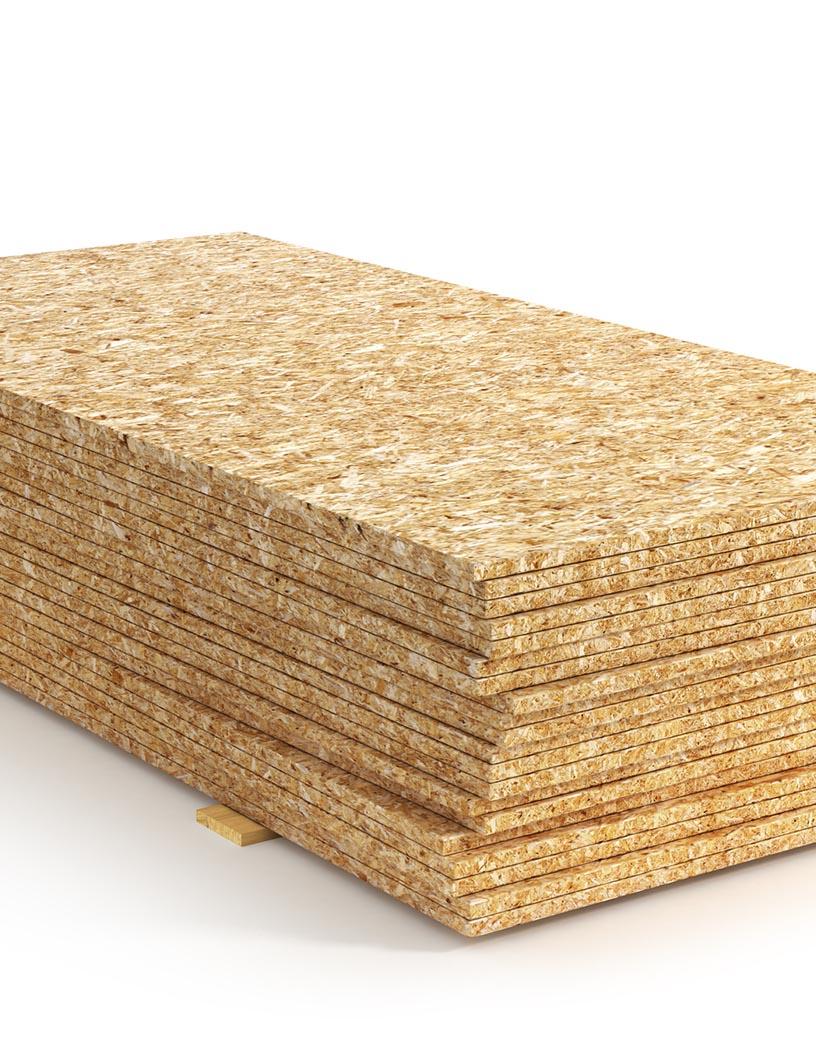


Particle Board Market Size 2024-2028
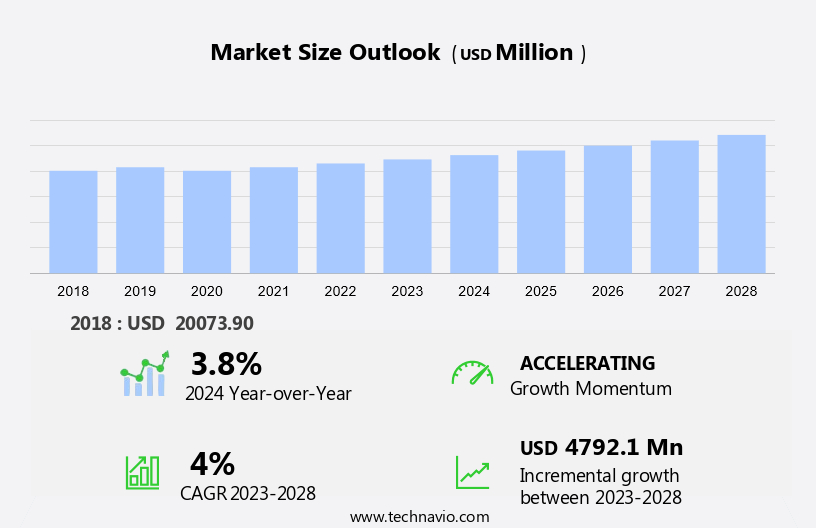
The particle board market size is forecast to increase by USD 4.79 billion at a CAGR of 4% between 2023 and 2028.
- The market is experiencing significant growth due to the increasing demand for this versatile material in various applications. In the realm of furniture manufacturing, particle boards are widely used for their affordability and ease of use. In construction, they are employed in both residential and commercial projects, particularly in affordable housing and modular construction. Sustainable building practices are gaining popularity, and the use of particle boards, which are derived from renewable resources, aligns with this trend. High-end particle boards, which offer enhanced properties like fire retardancy and moisture resistance, are increasingly preferred in high-end applications. The market's growth is driven by the rising number of infrastructural and construction activities and the increasing need for eco-friendly materials. However, the low durability of particle boards remains a challenge that manufacturers must address to maintain market competitiveness.
What will be the Size of the Market During the Forecast Period?
- The market is a significant segment of the building materials industry, with applications spanning various sectors including furniture and construction. This market encompasses a range of engineered wood products, including laminated particle board, pre-laminated particle boards, low-density fiberboard, and plain particle board. In the furniture industry, particle boards are extensively used due to their affordability and versatility. These wood-based products offer aesthetic appeal and mechanical properties suitable for a wide range of furniture applications. Particle boards are often utilized in DIY projects and home improvement, providing cost-effective alternatives to solid wood.
- Furthermore, particle boards are also used as subfloors, offering excellent mechanical properties and dimensional stability. In addition, they are used in renovations of office buildings and other structures. Affordable housing is another key sector where particle boards play a crucial role. Their low cost and ease of use make them an ideal choice for constructing and renovating homes. High-end particle boards, which offer enhanced fire-retardant and moisture-resistant properties, are also gaining popularity in the construction industry. Sustainable building practices are increasingly influencing the market. Manufacturers are focusing on producing particle boards using renewable raw materials and implementing eco-friendly production processes. The versatility, affordability, and mechanical properties of particle boards make them an indispensable part of the building materials industry.
How is this market segmented and which is the largest segment?
The market research report provides comprehensive data (region-wise segment analysis), with forecasts and estimates in "USD billion" for the period 2024-2028, as well as historical data from 2018-2022 for the following segments.
- End-user
- Residential
- Commercial
- Industrial
- Geography
- APAC
- China
- India
- North America
- US
- Europe
- Germany
- UK
- Middle East and Africa
- South America
- APAC
By End-user Insights
- The residential segment is estimated to witness significant growth during the forecast period.
Particle board is gaining popularity as a versatile building material due to its various applications and affordable price point. This eco-friendly material is manufactured using wood waste, such as wood chips, sawdust, and shavings, combined with resin. In residential applications, particle board is frequently used as an alternative to plywood or medium-density fiberboard to cut down on construction costs. Particle board is a preferred choice for furniture manufacturing due to its affordability and ease of use. It can be molded into various shapes and sizes, making it ideal for producing a wide range of furniture pieces, from cabinets and wardrobes to tables and chairs.
Furthermore, particle board is utilized in construction for various purposes, including as a substitute for plywood in roofing and wall sheathing. It is also used in the production of modular homes and pre-fabricated buildings, which are becoming increasingly popular for affordable housing solutions. Particle board is available in various grades, including fire-retardant and moisture-resistant options, making it suitable for use in different applications. Sustainable building practices are increasingly important, and particle board production from wood waste contributes to a greener construction industry.
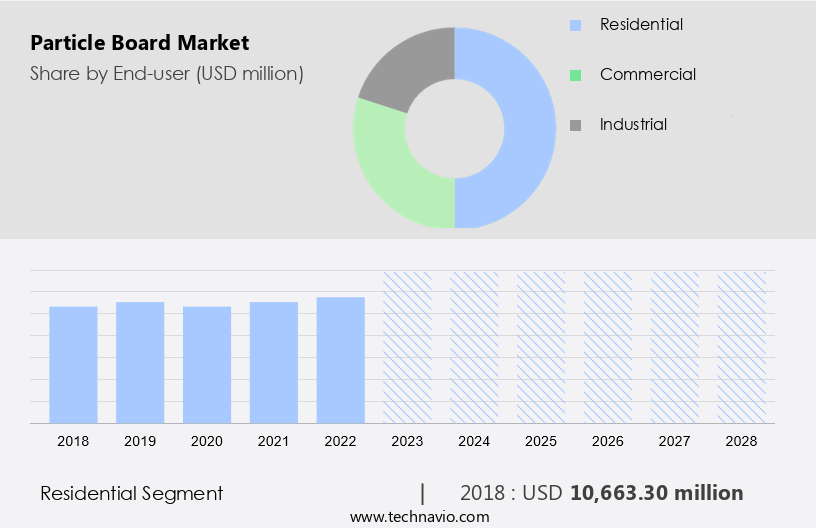
Get a glance at the market report of share of various segments Request Free Sample
The residential segment was valued at USD 10.66 billion in 2018 and showed a gradual increase during the forecast period.
Regional Analysis
- APAC is estimated to contribute 39% to the growth of the global market during the forecast period.
Technavio's analysts have elaborately explained the regional trends and drivers that shape the market during the forecast period.
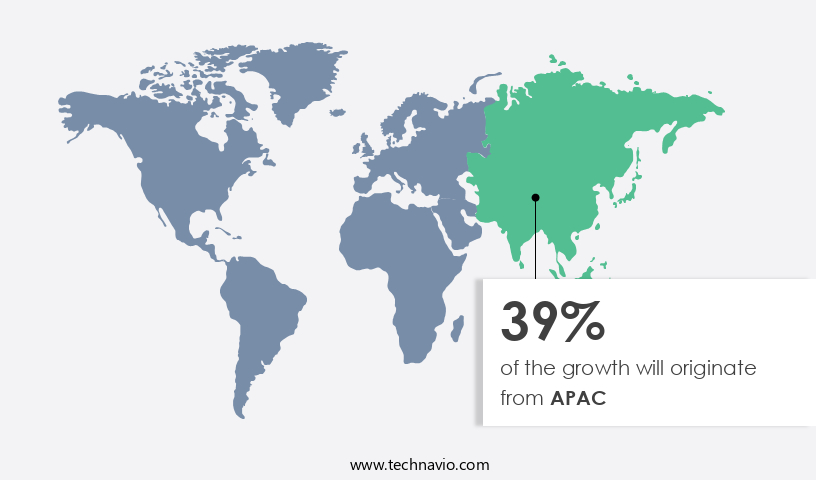
For more insights on the market share of various regions Request Free Sample
The market in Asia Pacific (APAC) is experiencing significant growth due to the thriving construction industry and the increasing demand for home improvement projects. Particle board is a popular choice for DIY projects and prefabricated components in both residential and commercial buildings. In countries like China, Japan, and India, the construction of single-family and multi-family houses is on the rise, leading to increased usage of particle board for ceiling and wall applications. Urban migration and government investment in real estate development are also contributing factors to the market's growth. Furthermore, the trend towards sustainable and cost-effective building materials is driving the demand for particle board in APAC. This versatile building material is widely used in furniture production and office building construction, making it an essential component of the regional construction industry.
Market Dynamics
Our researchers analyzed the data with 2023 as the base year, along with the key drivers, trends, and challenges. A holistic analysis of drivers will help companies refine their marketing strategies to gain a competitive advantage.
What are the key market drivers leading to the rise in adoption of Particle Board Market?
The rising number of infrastructural and construction activities is the key driver of the market.
- The market is experiencing significant growth due to the increasing construction activities in major economies, including the US. According to the US Census Bureau, there has been a notable increase in permits issued for new residential buildings, fueled by the rising demand for multi-family housing and urban migration. Additionally, countries such as Mexico, Australia, and Canada are witnessing steady growth in residential construction, underpinned by moderate economic expansion. In developing countries like India and Australia, the demand for residential accommodation is on the rise due to population growth and urbanization, leading to a rise in construction projects.
- Furthermore, infrastructure development continues to be a global trend, with notable activity in regions like the Americas and the Middle East, as per the RICS Global Construction Monitor. Wood-based products, including laminated particle board and pre-laminated particleboard, are in high demand for various applications in residential construction and real estate transactions. Wooden panel products, such as plain particle board, are also gaining popularity due to their affordability and versatility. Overall, the market is poised for continued growth, driven by the construction industry's ongoing expansion.
What are the market trends shaping the Particle Board Market?
The increasing need for eco-friendly materials is the upcoming trend in the market.
- The particle board industry is experiencing notable progress, fueled by technological innovations. Modern manufacturing processes, including Computer Numerical Control (CNC) machining and digital monitoring systems, are being adopted to boost precision, minimize waste, and enhance overall efficiency. This results in cost savings and a reduced environmental footprint. Moreover, advancements in adhesive technologies and the utilization of recycled materials are driving the production of eco-friendly particle boards.
- Fire-resistant and moisture-resistant properties are being incorporated into particle boards through advanced manufacturing techniques, expanding their applications across various industries. These enhancements not only improve the product's quality and performance but also increase its competitiveness in the global market. Companies such as Roseburg and Uniboard are at the forefront of these advancements, utilizing sawdust, shavings, flakes, chips, and other recycled materials to create high-performance particle boards. This commitment to innovation and sustainability is setting a new standard in the industry.
What challenges does Particle Board Market face during the growth?
The low durability of particle board is a key challenge affecting the market growth.
- Particle boards, including particleboard cabinets and doors, are widely used in various applications such as subfloors, wood panel products, and ready-made furniture. However, their susceptibility to moisture damage is a significant concern. When exposed to moisture, particleboards can swell, warp, discolor, and even disintegrate. Moisture absorption can lead to shrinking, expanding, warping, and bending, which is undesirable in many applications. This issue significantly impacts the durability of particleboards, particularly in humid environments.
- As a result, the low durability of particleboards is expected to hinder the growth of the market for particleboard-based products during the forecast period. Furthermore, particleboards are less suitable for use in environments where humidity levels fluctuate significantly due to their vulnerability to moisture damage. Fiberboards, an alternative to particleboards, offer better moisture resistance and durability.
Exclusive Customer Landscape
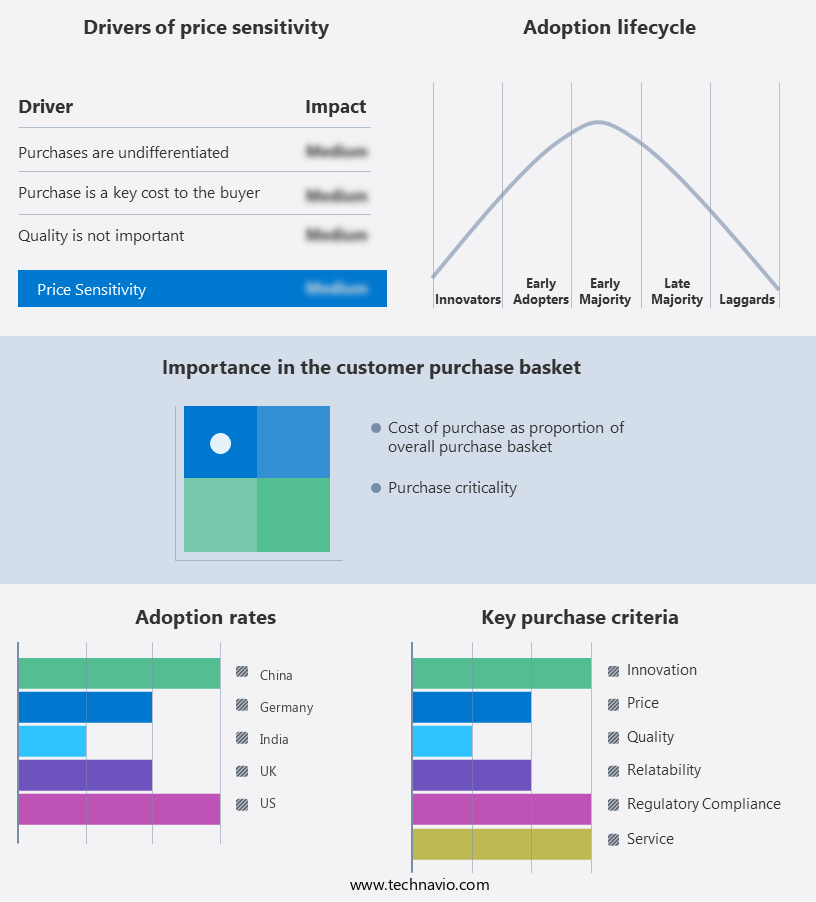
The market forecasting report includes the adoption lifecycle of the market, covering from the innovator's stage to the laggard's stage. It focuses on adoption rates in different regions based on penetration. Furthermore, the market report also includes key purchase criteria and drivers of price sensitivity to help companies evaluate and develop their market growth analysis strategies.
Customer Landscape
Key Companies & Market Insights
Companies are implementing various strategies, such as strategic alliances, market forecast, partnerships, mergers and acquisitions, geographical expansion, and product/service launches, to enhance their presence in the market.
The market research and growth report includes detailed analyses of the competitive landscape of the market and information about key companies, including:
- Associate Decor Ltd.
- Boise Cascade Co
- Century Prowud
- Columbia Forest Products Inc.
- D and R Henderson Pty Ltd.
- Dakota Premium Hardwoods LLC
- Fritz Egger GmbH and Co. OG
- Kastamonu Integrated Wood Industry and Trade Inc.
- Koch Industries Inc.
- Krifor Industries Pvt. Ltd.
- Kronospan Ltd.
- Peter Benson (Plywood) Ltd.
- Roseburg Forest Products Co.
- Siam Riso Wood Products Co. Ltd.
- Sonae SGPS SA
- Timber Products Co.
- UCS Forest Group
- Uniboard Canada Inc.
- Wanhua Ecoboard Co. Ltd.
- West Fraser Timber Co. Ltd.
Qualitative and quantitative analysis of companies has been conducted to help clients understand the wider business environment as well as the strengths and weaknesses of key market players. Data is qualitatively analyzed to categorize companies as pure play, category-focused, industry-focused, and diversified; it is quantitatively analyzed to categorize companies as dominant, leading, strong, tentative, and weak.
Research Analyst Overview
The market is witnessing significant growth due to its extensive applications in both the furniture and construction industries. In furniture applications, particle board is preferred for its affordability and versatility, allowing for the production of various types of furniture, including cabinets, doors, and ready-made pieces. For construction, particle board finds extensive use in residential and office buildings, modular construction, and renovation projects due to its mechanical properties and prefabricated components. Sustainable building practices have led to an increase in demand for engineered wood products, such as particle board, in the global construction sector. These boards are manufactured using raw materials like sawdust, shavings, flakes, and chips, making them an eco-friendly alternative to traditional building materials.
Furthermore, particle board is also used in high-traffic areas and high-end applications due to its fire-retardant and moisture-resistant properties. In addition, its sound-absorbing properties make it suitable for interior applications, such as subfloors and wall panels. The market for particle board is vast and diverse, with applications ranging from affordable housing to luxury homes and commercial buildings. Its use in various sectors, including real estate transactions and home improvement, further boosts its demand. Furthermore, particle board's aesthetic appeal, combined with its cost-effectiveness and durability, makes it a popular choice for various DIY projects and renovations. Wood-based products, such as laminated particle board and pre-laminated particle boards, are also gaining popularity due to their enhanced mechanical properties and design flexibility.
|
Market Scope |
|
|
Report Coverage |
Details |
|
Page number |
129 |
|
Base year |
2023 |
|
Historic period |
2018-2022 |
|
Forecast period |
2024-2028 |
|
Growth momentum & CAGR |
Accelerate at a CAGR of 4% |
|
Market Growth 2024-2028 |
USD 4.79 billion |
|
Market structure |
Fragmented |
|
YoY growth 2023-2024(%) |
3.8 |
|
Key countries |
US, China, Germany, India, and UK |
|
Competitive landscape |
Leading Companies, Market Positioning of Companies, Competitive Strategies, and Industry Risks |
What are the Key Data Covered in this Market Research and Growth Report?
- CAGR of the market during the forecast period
- Detailed information on factors that will drive the market growth and forecasting between 2024 and 2028
- Precise estimation of the size of the market and its contribution of the market in focus to the parent market
- Accurate predictions about upcoming market growth and trends and changes in consumer behaviour
- Growth of the market across APAC, North America, Europe, Middle East and Africa, and South America
- Thorough analysis of the market's competitive landscape and detailed information about companies
- Comprehensive analysis of factors that will challenge the growth of market companies
We can help! Our analysts can customize this market research report to meet your requirements. Get in touch
 RIA -
RIA - 
