
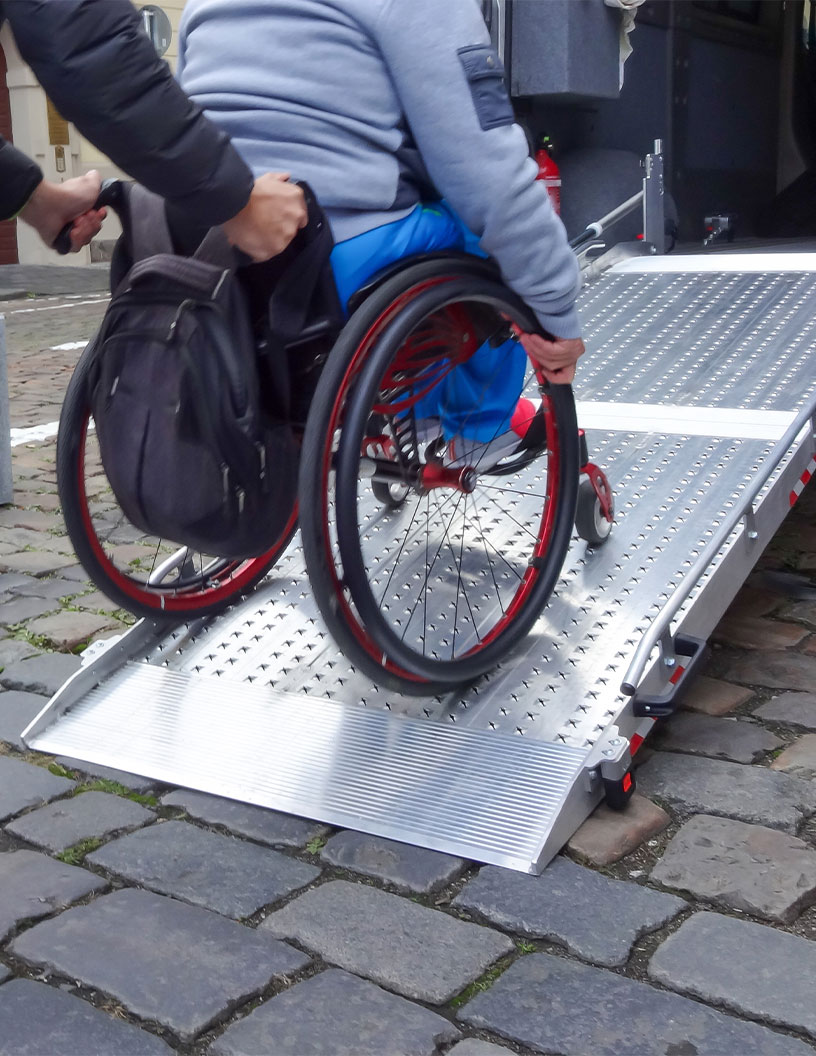


Patient Lifting Devices Market Size 2024-2028
The patient lifting devices market size is forecast to increase by USD 3.17 billion, at a CAGR of 12.57% between 2023 and 2028.
- The market is driven by the growing trend towards home healthcare services, as an increasing number of patients prefer the comfort and convenience of receiving care in their own homes. This shift is leading to a heightened demand for patient lifting devices, which enable caregivers to safely transfer patients between surfaces while minimizing the risk of injury. However, the market faces challenges as well. Regulatory bodies are increasingly implementing regulations to minimize manual patient handling, driving the adoption of assistive devices. Yet, the lack of adequately trained caretakers for patient handling remains a significant obstacle. This skills gap can hinder the market's growth potential, as improper use of lifting devices can lead to accidents and further complications.
- Companies in this market must address these challenges by investing in training programs and collaborating with healthcare organizations to ensure that caregivers are well-equipped to use patient lifting devices effectively. By doing so, they can capitalize on the opportunities presented by the growing home healthcare sector while mitigating potential risks.
What will be the Size of the Patient Lifting Devices Market during the forecast period?
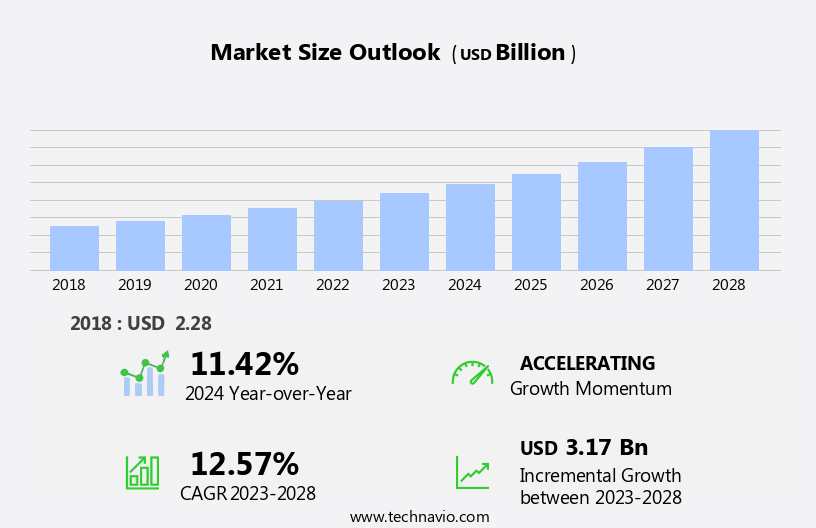
Explore in-depth regional segment analysis with market size data - historical 2018-2022 and forecasts 2024-2028 - in the full report.
Request Free Sample
The market continues to evolve, driven by the growing demand for mobility assistive solutions across various sectors. Hydraulic lift mechanisms serve as the foundation for many patient lifting devices, providing the necessary power and functionality. Patient lift slings, available in various material specifications, enable safe and efficient transfers, contributing to pressure ulcer prevention. Bariatric patient lifts, specifically designed for obese or overweight individuals, are gaining popularity due to their increased weight capacity. Safety features, such as emergency lowering systems and emergency stop functions, are integral components of these devices, ensuring user safety. Lift system certifications and adherence to safety protocols are essential for market compliance.
Lift maintenance schedules and proper usage are crucial for the longevity and effectiveness of these devices. Applications extend to bed-to-chair transfers, floor-mounted hoist systems, and ceiling hoist systems, among others. Power source requirements, including electric lift technology and battery life indicators, also play a significant role in the market's dynamics. Portable patient lifts offer added flexibility for caregivers, while vertical patient lifts facilitate transfers between levels. Patient positioning aids and transfer techniques further enhance the overall functionality of these devices. The market's continuous growth is fueled by the ongoing need to improve patient care and safety, as well as advancements in technology and design.
How is this Patient Lifting Devices Industry segmented?
The patient lifting devices industry research report provides comprehensive data (region-wise segment analysis), with forecasts and estimates in "USD billion" for the period 2024-2028, as well as historical data from 2018-2022 for the following segments.
- Product
- Powered sit to stand lift
- Floor based lifts
- Overhead/ceiling lifts
- Others
- End-user
- Hospitals
- Homecare
- Elderly care facilities
- Geography
- North America
- US
- Canada
- Europe
- Germany
- UK
- APAC
- China
- Rest of World (ROW)
- North America
By Product Insights
The powered sit to stand lift segment is estimated to witness significant growth during the forecast period.
Powered sit-to-stand lifts have become essential equipment in healthcare settings and homes, catering to patients with limited mobility who require assistance in rising from a seated position. These lifts, featuring a seat and base, employ hydraulic or electric power to facilitate the user's standing process. The advantages of powered sit-to-stand lifts are manifold: they promote independence, enhance mobility, and reduce caregiver injury risks. The market growth is influenced by the increasing bariatric and geriatric populations, as well as the rise in musculoskeletal injuries. The market for these lifts encompasses various components, including low-height transfer systems, emergency lowering mechanisms, hoist system components, and patient lift slings.
Lifting device ergonomics and safety features, such as emergency stop functions and lift control mechanisms, are crucial considerations. Mobility assistive devices, like ceiling hoist systems and mobile lift bases, are integral to the market. Ergonomic patient positioning aids and pressure ulcer prevention measures are essential features in the design of these lifts. Power source requirements, such as batteries, are essential for portable patient lifts and vertical patient lifts. Transfer safety protocols and wheelchair accessibility are also essential aspects of the market. Bariatric patient lifts, with their increased weight capacity ratings and sling capacity limits, cater to the unique needs of this population.
Sling material specifications and safety features checklists are essential for ensuring the highest level of patient safety. Lift system certifications and maintenance schedules are also crucial for maintaining the functionality and longevity of the equipment. Electric lift technology, with its efficiency and ease of use, is a growing trend in the market. Patient transfer techniques, utilizing the various types of lifts and accessories, are essential skills for caregivers to master. Overall, the market for patient lifting devices is dynamic and evolving, driven by the growing need for safe and efficient patient handling solutions.
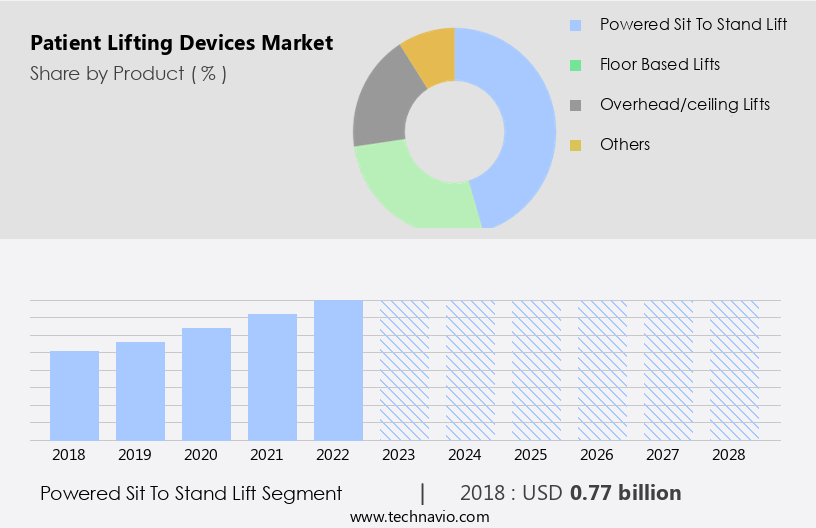
The Powered sit to stand lift segment was valued at USD 0.77 billion in 2018 and showed a gradual increase during the forecast period.
Regional Analysis
North America is estimated to contribute 41% to the growth of the global market during the forecast period. Technavio's analysts have elaborately explained the regional trends and drivers that shape the market during the forecast period.
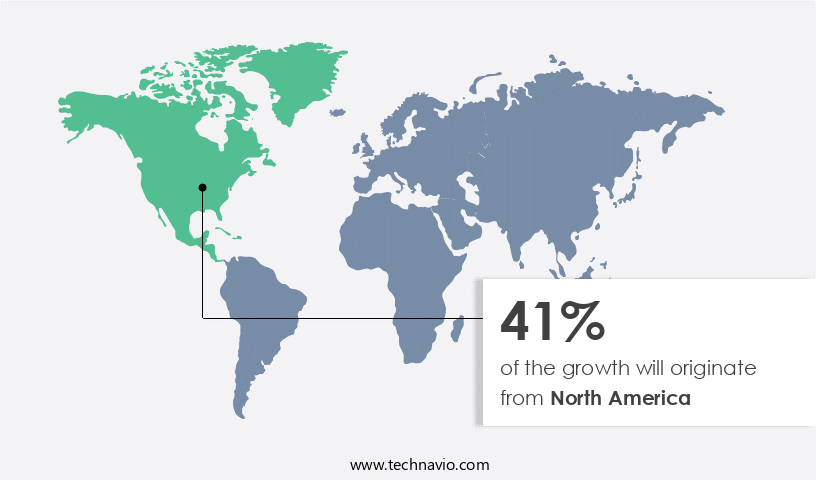
In the market, North America is set to lead due to the increasing adoption of hoist systems and manual patient handling devices. The region's dominance can be attributed to the expanding healthcare infrastructure, growing geriatric population, and the need to prevent caregiver injuries. The demand for low-height transfer systems, emergency lowering mechanisms, and mobility assistive devices is on the rise due to the heightened focus on patient safety and comfort. Ergonomically designed lifting devices, such as powered patient lifts and hydraulic lift mechanisms, are gaining popularity for their ease of use and ability to reduce the risk of injuries.
Safety features, including emergency stop functions and lift control mechanisms, are essential considerations in the selection of patient lifting devices. Pressure ulcer prevention and bariatric patient lifting solutions are crucial for hospitals and long-term care facilities, as they cater to patients with unique requirements. Ceiling hoist systems, floor-mounted hoists, and portable patient lifts offer flexibility in patient transfer techniques, making them indispensable in various care settings. Transfer safety protocols, wheelchair accessibility, and electric lift technology are essential factors driving the market's growth. Weight capacity ratings, sling capacity limits, and battery life indicators are critical specifications for selecting the right patient lifting device.
Regular maintenance schedules ensure the longevity and efficient functioning of these devices. In conclusion, the market is witnessing significant growth due to the increasing demand for safe and efficient patient handling solutions. The market is characterized by the availability of various types of devices, including manual and powered lifting devices, and the focus on enhancing patient safety and caregiver ergonomics.
Market Dynamics
Our researchers analyzed the data with 2023 as the base year, along with the key drivers, trends, and challenges. A holistic analysis of drivers will help companies refine their marketing strategies to gain a competitive advantage.
What are the key market drivers leading to the rise in the adoption of Patient Lifting Devices Industry?
- The rising demand for home healthcare services is the primary factor fueling market growth. With an increasing population preferring the convenience and affordability of in-home care, the market for home healthcare services is experiencing significant expansion.
- The healthcare sector is witnessing significant growth due to various factors, including an aging population, longer life expectancy, and the increasing prevalence of chronic diseases. As a result, there is a rising demand for patient lifting devices to ensure safe and efficient patient handling in both institutional and home healthcare settings. Manual patient handling, although effective, can lead to ergonomic risks for healthcare providers. In response, the market for patient lifting devices is expanding to include low-height transfer systems, emergency lowering mechanisms, and powered patient lifts.
- These devices prioritize ergonomics, offering features such as lift control mechanisms, emergency stop functions, and hoist system components to ensure the safety and comfort of both patients and caregivers. The growing preference for home healthcare and the need for cost-effective, efficient, and safe patient handling solutions further fuel the market's growth.
What are the market trends shaping the Patient Lifting Devices Industry?
- To adhere to industry regulations and enhance patient safety, the trend in the market is shifting towards increasing regulation to minimize manual patient handling. This approach aims to reduce the risk of injury to both patients and healthcare workers.
- Mobility assistive devices, such as patient lifts, play a crucial role in ensuring the safety and wellbeing of both healthcare workers and patients. These devices, which employ hydraulic lift mechanisms, facilitate the transfer and positioning of patients, reducing the risk of work-related injuries, including back pain and upper limb disorders. The importance of these devices is further emphasized in preventing pressure ulcers and providing adequate support for bariatric patients. When selecting mobility assistive devices, it is essential to consider various factors, including sling material specifications and safety features. Sling materials should be durable, comfortable, and easy to clean, while safety features must meet stringent certifications.
- These may include load capacity, stability, and ease of use. Employers have a legal obligation to ensure the safety and wellbeing of their staff. Regulatory requirements mandate that healthcare workers undergo competency assessments for safe patient handling and movement devices. The Winnipeg Regional Health Authority (WRHA) Policy 20.20.030, for instance, outlines the commitment of WRHA facilities to implementing comprehensive workplace safety and Health Programs that meet regulatory requirements. In conclusion, mobility assistive devices, such as patient lifts, are essential for maintaining the safety and wellbeing of both patients and healthcare workers. Selecting the right device involves careful consideration of sling material specifications and safety features, all of which must meet stringent certifications.
- Employers have a legal obligation to ensure their staff are competent in handling these devices, as outlined in regulatory requirements such as the WRHA Policy 20.20.030.
What challenges does the Patient Lifting Devices Industry face during its growth?
- The insufficient supply of adequately trained caretakers poses a significant challenge to the growth of the patient handling industry.
- Patient lifting devices are essential tools in healthcare settings for transferring and positioning patients, particularly those with mobility limitations or bariatric needs. These devices reduce the risks of injuries to both patients and healthcare workers during manual handling. However, the effective use of patient lifting devices requires proper training and adherence to transfer safety protocols. The market for patient lifting devices includes various types of equipment such as floor-mounted hoist systems, mobile lift bases, and ceiling hoist systems. Power source requirements vary between these types, with some relying on batteries and others on electrical outlets. Patient positioning aids are also used in conjunction with lifting devices to ensure proper patient alignment and comfort.
- Despite the benefits, the shortage of trained personnel to perform bed-to-chair transfers using lateral transfer techniques limits the full utilization of patient lifting devices. Improper use of even advanced devices can lead to injuries for patients and caregivers. Compliance with safety protocols and ongoing lift maintenance schedules are crucial to maximizing the benefits of patient lifting devices and ensuring the safety of all involved.
Exclusive Customer Landscape
The patient lifting devices market forecasting report includes the adoption lifecycle of the market, covering from the innovator's stage to the laggard's stage. It focuses on adoption rates in different regions based on penetration. Furthermore, the patient lifting devices market report also includes key purchase criteria and drivers of price sensitivity to help companies evaluate and develop their market growth analysis strategies.
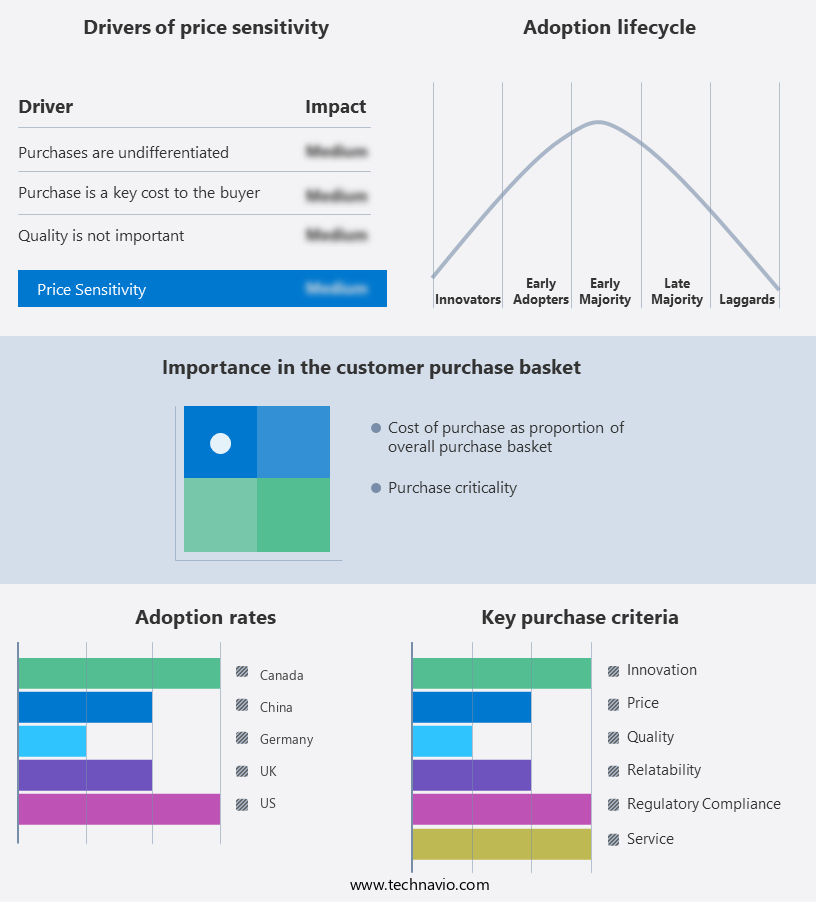
Customer Landscape
Key Companies & Market Insights
Companies are implementing various strategies, such as strategic alliances, patient lifting devices market forecast, partnerships, mergers and acquisitions, geographical expansion, and product/service launches, to enhance their presence in the industry.
Arjo AB - The company specializes in the production and distribution of patient lifting devices, including the Maxi Move, Maxi Twin, and Compact models, catering to various healthcare settings with a focus on enhancing patient safety and caregiver ergonomics.
The industry research and growth report includes detailed analyses of the competitive landscape of the market and information about key companies, including:
- Arjo AB
- Baxter International Inc.
- Benmor Medical UK Ltd.
- Bestcare LLC
- Enovis Corp.
- Etac AB
- Gainsborough Healthcare Group
- Getinge AB
- GF Health Products Inc.
- Hospimek Pte Ltd.
- Invacare Corp.
- Joerns Healthcare LLC
- Medical Depot Inc.
- Medline Industries LP
- PRISM Medical Group
- Savaria Corp.
- Stryker Corp.
- Sunrise Medical LLC
- WINNCARE Group
- V. Guldmann AS
Qualitative and quantitative analysis of companies has been conducted to help clients understand the wider business environment as well as the strengths and weaknesses of key industry players. Data is qualitatively analyzed to categorize companies as pure play, category-focused, industry-focused, and diversified; it is quantitatively analyzed to categorize companies as dominant, leading, strong, tentative, and weak.
Recent Development and News in Patient Lifting Devices Market
- In January 2024, Hoyer GmbH & Co. KG, a leading provider of patient lifting solutions, announced the launch of its new generation of ceiling track hoists, the Hoyer Invacare Evolution, designed for improved patient safety and comfort. The company claimed that this product, with its advanced features, would cater to the growing demand for assisted living and elderly care services (Source: Hoyer Press Release).
- In March 2024, Medtronic plc, a global healthcare solutions company, entered into a strategic partnership with Lift & Care Systems, a patient lifting devices manufacturer. This collaboration aimed to integrate Medtronic's patient handling and mobility solutions with Lift & Care's hoist systems, enhancing the overall patient care experience (Source: Medtronic Press Release).
- In May 2025, Prism Medical, a leading global provider of complex rehabilitation solutions, completed the acquisition of Invacare Corporation's Patient Lifting Business. This acquisition expanded Prism Medical's product portfolio and strengthened its position in the market (Source: Business Wire).
- In the same month, ArjoHuntleigh, a leading supplier of medical devices, equipment, and solutions for the elderly and disabled, received FDA approval for its new generation of patient lifting devices, the ArjoSafecare Ergo Lift. This approval marked a significant technological advancement in the market, as the device featured advanced ergonomic design and safety features (Source: ArjoHuntleigh Press Release).
Research Analyst Overview
- The market is subject to stringent compliance regulations and regulatory standards, necessitating continuous system upgrades and user training programs. Lift system troubleshooting and component failure analysis are essential for maintaining mechanical advantages and ensuring safe patient handling. Electronic control panels facilitate performance monitoring and spare part management, while maintenance procedures and logs document hoist motor specifications and maintenance history. Safety harness components, sling attachment points, and pressure relief surfaces are crucial for falls prevention strategies.
- Risk assessment tools and emergency response plans are integral to implementing effective injury prevention measures. Operator certification and infection control protocols further enhance patient safety and compliance. Regular lift system inspection and adherence to regulatory guidelines are key market trends.
Dive into Technavio's robust research methodology, blending expert interviews, extensive data synthesis, and validated models for unparalleled Patient Lifting Devices Market insights. See full methodology.
|
Market Scope |
|
|
Report Coverage |
Details |
|
Page number |
99 |
|
Base year |
2023 |
|
Historic period |
2018-2022 |
|
Forecast period |
2024-2028 |
|
Growth momentum & CAGR |
Accelerate at a CAGR of 12.57% |
|
Market growth 2024-2028 |
USD 3.17 billion |
|
Market structure |
Fragmented |
|
YoY growth 2023-2024(%) |
11.42 |
|
Key countries |
US, Canada, Germany, UK, and China |
|
Competitive landscape |
Leading Companies, Market Positioning of Companies, Competitive Strategies, and Industry Risks |
What are the Key Data Covered in this Patient Lifting Devices Market Research and Growth Report?
- CAGR of the Patient Lifting Devices industry during the forecast period
- Detailed information on factors that will drive the growth and forecasting between 2024 and 2028
- Precise estimation of the size of the market and its contribution of the industry in focus to the parent market
- Accurate predictions about upcoming growth and trends and changes in consumer behaviour
- Growth of the market across North America, Europe, Asia, and Rest of World (ROW)
- Thorough analysis of the market's competitive landscape and detailed information about companies
- Comprehensive analysis of factors that will challenge the patient lifting devices market growth of industry companies
We can help! Our analysts can customize this patient lifting devices market research report to meet your requirements.
 RIA -
RIA - 
