


Workplace Safety Market Size 2025-2029
The workplace safety market size is forecast to increase by USD 13.67 billion, at a CAGR of 12% between 2024 and 2029.
- The market is driven by stringent regulations mandating businesses to prioritize employee safety. These regulations, which vary by industry and region, necessitate continuous investment in safety measures to mitigate risks and ensure compliance. A notable trend in the market is the increasing adoption of AI-powered safety monitoring systems. These advanced technologies enable real-time risk assessment, predictive maintenance, and automated incident reporting, enhancing overall safety and efficiency. However, the high cost of implementing these solutions poses a significant challenge for smaller organizations and those with limited budgets.
- To capitalize on the market opportunities, companies should focus on cost-effective solutions and partnerships with technology providers. Navigating the challenges effectively requires a strategic approach, including a thorough understanding of regulatory requirements and the potential return on investment from advanced safety technologies.
What will be the Size of the Workplace Safety Market during the forecast period?
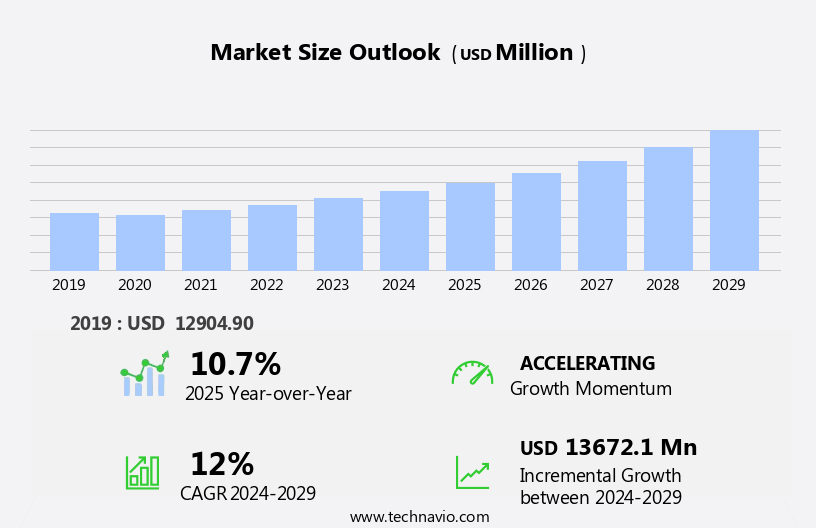
The market continues to evolve, with dynamic market activities unfolding across various sectors. Entities prioritize safety inspections to ensure compliance with regulatory standards, implementing measures such as safety audits and inspections for fall protection, hearing protection, personal protective equipment, safety shoes, and safety audits & inspections for fall arrest systems. Safety compliance is a top priority, with entities integrating safety software for data management and training programs. Risk assessment and emergency evacuation plans are essential components of safety management systems, which also incorporate safety signage, safety awareness campaigns, and ergonomic assessments. Fire safety is a critical aspect of workplace safety, with entities investing in fire alarms, fire extinguishers, and fire suppression systems.
Safety engineering and consulting services play a vital role in implementing safety measures, from material handling techniques and lifting procedures to lockout/tagout procedures and machine guarding. Regulatory standards are continually evolving, with entities adhering to regulatory requirements for respiratory protection, including air-purifying respirators and powered air-purifying respirators. Safety glasses, ear plugs, and safety reporting are also essential components of a comprehensive safety strategy. Continuous improvement and ongoing training are crucial for maintaining a strong workplace safety culture. Entities prioritize safety incentives and safety training programs to promote safety awareness and ensure a safe working environment for all employees.
How is this Workplace Safety Industry segmented?
The workplace safety industry research report provides comprehensive data (region-wise segment analysis), with forecasts and estimates in "USD million" for the period 2025-2029, as well as historical data from 2019-2023 for the following segments.
- Component
- Hardware
- Software
- Services
- Application
- Personnel tracking
- PPE detection
- Asset tracking and management
- Incident and emergency management
- Geography
- North America
- US
- Canada
- Europe
- France
- Germany
- Spain
- UK
- APAC
- China
- India
- Japan
- South Korea
- Rest of World (ROW)
- North America
By Component Insights
The hardware segment is estimated to witness significant growth during the forecast period.
The market encompasses a range of solutions designed to ensure a safe and compliant working environment. Key components include air purifying respirators, safety software, foot protection, risk assessment, emergency evacuation, material handling, first aid, safety data sheets, lifting techniques, safety training, hazard identification, safety signage, safety training programs, eye protection, ergonomic design, safety audits, powered air-purifying respirators, hand protection, safety engineering, work boots, safety data management, fire alarms, ear plugs, safety management systems, safety glasses, emergency response, safety inspections, safety incentives, fall protection, safety compliance, hearing protection, personal protective equipment, safety shoes, safety audits & inspections, fall arrest systems, regulatory standards, respiratory protection, lockout/tagout procedures, fire extinguishers, safety awareness campaigns, confined space entry, ergonomic assessments, fire safety, safety consulting, safety compliance software, workplace safety culture, safety reporting, safety management software, ladder safety, fire suppression systems, incident investigation, and machine guarding.
Wearable safety devices, such as smart helmets, vests, and wristbands, are gaining popularity within the market. These devices monitor worker health and safety, detect hazards, and ensure compliance with regulations. For example, the Guardhat Smart Helmet features fall detection, geofencing alerts, and PPE regulation compliance. These wearables play a vital role in preventing accidents and safeguarding workers in hazardous conditions. The market continues to evolve, with a focus on advanced technologies and innovative solutions to enhance workplace safety.
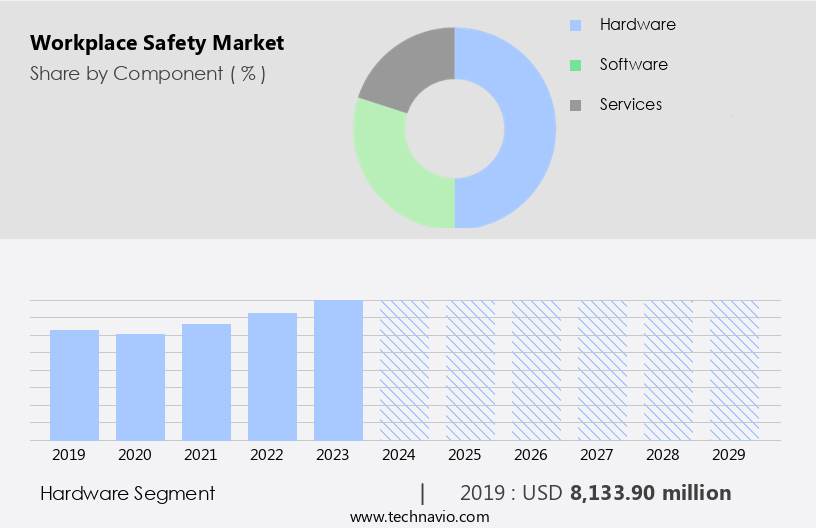
The Hardware segment was valued at USD 8.13 billion in 2019 and showed a gradual increase during the forecast period.
Regional Analysis
North America is estimated to contribute 33% to the growth of the global market during the forecast period.Technavio’s analysts have elaborately explained the regional trends and drivers that shape the market during the forecast period.
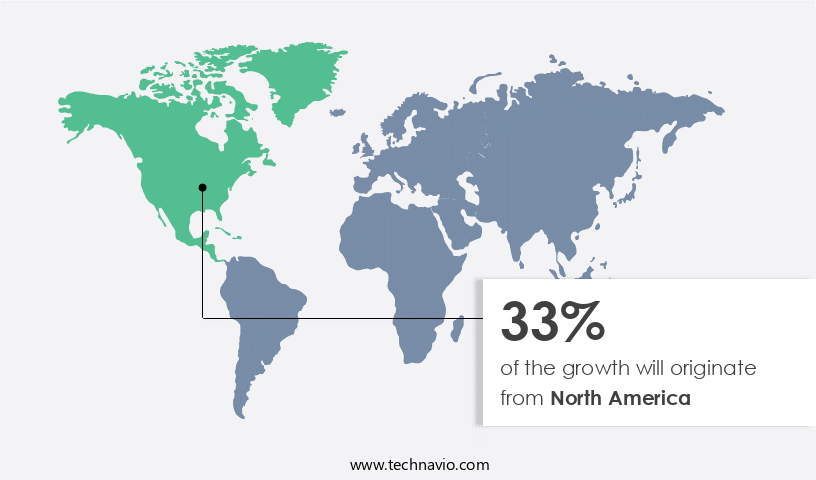
The North American the market is shaped by regulatory bodies, such as the Occupational Safety and Health Administration (OSHA) in the U.S. And the Canadian Centre for Occupational Health and Safety (CCOHS), enforcing stringent regulations. OSHA's General Duty Clause requires employers to ensure a safe working environment, while the Labour Code of Canada focuses on hazard prevention. In 2022, OSHA increased penalties for violations, with serious infractions costing up to USD14,502 per violation and willful or repeated violations reaching USD145,027. These penalties encourage businesses to invest in safety solutions, including safety training, hazard monitoring, and compliance management. However, despite these efforts, workplace injuries and fatalities continue to occur.
Consequently, there is a growing demand for advanced safety technologies, such as safety software, air purifying respirators, foot protection, risk assessment, emergency evacuation systems, material handling equipment, first aid kits, safety data sheets, lifting techniques training, safety training programs, eye protection, ergonomic design, safety audits, powered air-purifying respirators, hand protection, safety engineering, work boots, safety data management, fire alarms, ear plugs, safety management systems, safety glasses, emergency response plans, safety inspections, safety incentives, fall protection systems, safety compliance software, workplace safety culture promotion, safety reporting tools, safety management software, ladder safety, fire suppression systems, incident investigation tools, and machine guarding.
These solutions aim to minimize workplace hazards and ensure regulatory compliance, ultimately safeguarding employees and businesses.
Market Dynamics
Our researchers analyzed the data with 2024 as the base year, along with the key drivers, trends, and challenges. A holistic analysis of drivers will help companies refine their marketing strategies to gain a competitive advantage.
What are the key market drivers leading to the rise in the adoption of Workplace Safety Industry?
- Strict workplace safety regulations serve as the primary market driver, ensuring compliance and prioritizing employee well-being.
- Workplace safety is a critical priority for businesses worldwide, driven by stringent regulations enforcing safe working environments and minimizing occupational hazards. The Occupational Safety and Health Administration (OSHA) in the United States plays a pivotal role in this regard, mandating employers to provide a hazard-free workplace. Consequently, businesses invest in advanced safety solutions, training programs, and protective equipment to ensure compliance and protect their workforce. Ergonomic design, safety audits, and safety engineering are essential components of a comprehensive safety strategy. Protective equipment, such as safety glasses, ear plugs, hand protection, work boots, and powered air-purifying respirators, play a vital role in safeguarding employees from various hazards.
- Safety data management systems facilitate effective tracking and reporting of safety-related data, enabling proactive risk management. Fire alarms and emergency response systems are crucial for addressing unexpected emergencies. Safety management systems emphasize continuous improvement, ensuring that safety protocols are up-to-date and effective. In conclusion, The market is witnessing significant growth due to the increasing importance of worker safety and the regulatory landscape. Businesses must remain committed to implementing robust safety measures to ensure a harmonious and productive work environment. Recent research indicates that investments in safety engineering, training, and protective equipment can lead to improved employee morale, reduced absenteeism, and enhanced overall business performance.
What are the market trends shaping the Workplace Safety Industry?
- The adoption of AI-powered safety monitoring systems is an emerging market trend. This technology enhances safety measures by continuously analyzing data to identify potential risks and issuing timely alerts.
- Workplace safety is a critical concern for businesses across various industries, and the market for safety solutions continues to grow as companies seek to mitigate risks and ensure regulatory compliance. AI-powered safety monitoring systems are transforming the landscape by enabling real-time hazard detection and predictive risk analysis. These systems utilize advanced technologies such as computer vision and machine learning to monitor worker behavior, detect safety violations, and prevent accidents. Personal protective equipment (PPE) regulations are strictly enforced, and AI-based video analytics solutions are increasingly being adopted to ensure compliance. These systems can identify unauthorized personnel in restricted areas and monitor the use of safety gear such as fall protection, hearing protection, safety shoes, and respiratory protection.
- Fall arrest systems, lockout/tagout procedures, and fire extinguishers are also essential safety components that are closely monitored. Regulatory standards, including OSHA in the US, mandate regular safety inspections and audits to ensure workplace safety. AI-driven analytics and computer vision technology integrated with smart cameras and edge computing help process vast amounts of real-time footage, allowing safety managers to take immediate action to prevent accidents and ensure a harmonious and immersive work environment. In conclusion, the adoption of AI-powered safety monitoring systems is a game-changer for workplace safety, enabling proactive risk management and regulatory compliance.
What challenges does the Workplace Safety Industry face during its growth?
- The high cost of implementing advanced safety solutions poses a significant challenge to the industry's growth trajectory. In order to mitigate potential risks and ensure regulatory compliance, companies must invest heavily in these solutions. However, the substantial financial commitment required can hinder growth and profitability, making it a critical issue that industry leaders must address.
- The market faces a significant challenge with the high cost of implementing advanced safety solutions, particularly for small and medium-sized enterprises (SMEs). Innovative technologies, such as Internet of Things (IoT)-enabled safety monitoring systems, Artificial Intelligence (AI)-driven risk assessment tools, and wearable safety devices, necessitate substantial initial investments. For instance, IoT-based gas detection systems in the oil and gas and chemical industries can cost between USD2,000 and USD10,000 per unit, depending on the number of sensors and features. Smart helmets with augmented reality (AR) capabilities for construction safety, like the DAQRI Smart Helmet, previously retailed for approximately USD15,000 per unit, making them inaccessible for many businesses.
- Safety awareness campaigns, confined space entry, ergonomic assessments, fire safety, safety consulting, safety compliance software, workplace safety culture, safety reporting, safety management software, ladder safety, fire suppression systems, incident investigation, and machine guarding are essential components of a robust safety program. These elements help minimize risks and ensure a safe working environment. IoT-enabled safety monitoring systems can provide real-time data on workplace hazards, enabling timely intervention and reducing the likelihood of accidents. AI-driven risk assessment tools can analyze patterns and trends, identifying potential risks before they escalate. Wearable safety devices can alert workers to hazardous conditions and provide critical information during emergencies.
- Despite the benefits, the high cost of these advanced safety solutions may deter some businesses from adopting them. However, investing in workplace safety not only ensures a safer working environment but also reduces the risk of costly accidents, injuries, and legal liabilities. Collaborating with safety consulting firms and utilizing safety compliance software can help SMEs navigate the complex safety landscape and implement cost-effective solutions.
Exclusive Customer Landscape
The workplace safety market forecasting report includes the adoption lifecycle of the market, covering from the innovator’s stage to the laggard’s stage. It focuses on adoption rates in different regions based on penetration. Furthermore, the workplace safety market report also includes key purchase criteria and drivers of price sensitivity to help companies evaluate and develop their market growth analysis strategies.
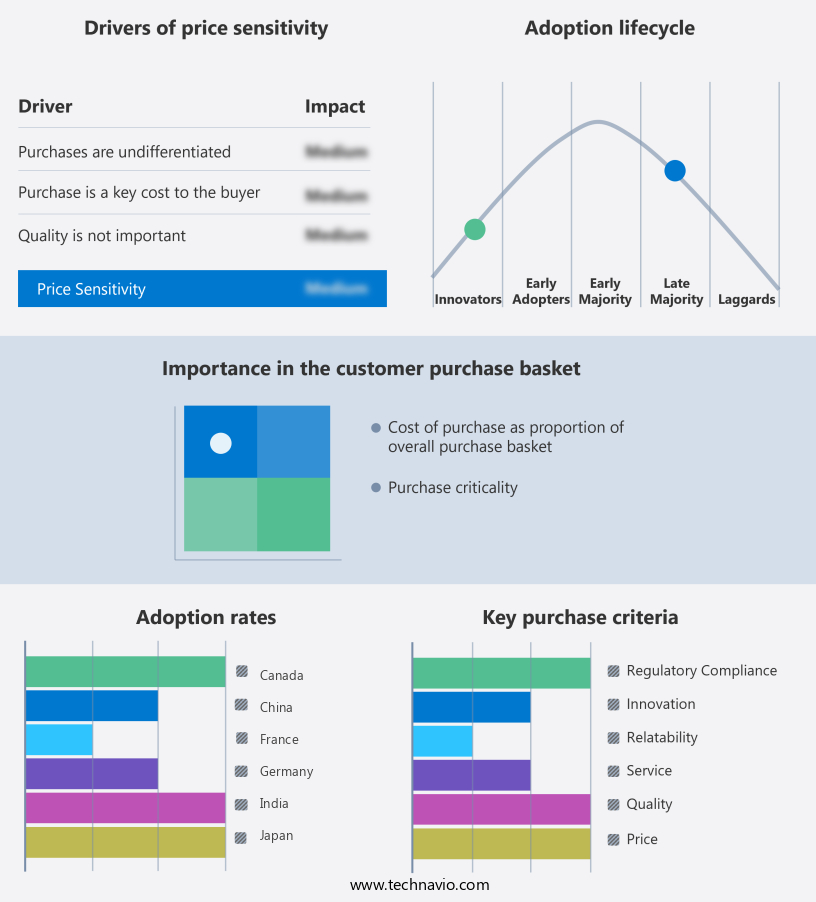
Customer Landscape
Key Companies & Market Insights
Companies are implementing various strategies, such as strategic alliances, workplace safety market forecast, partnerships, mergers and acquisitions, geographical expansion, and product/service launches, to enhance their presence in the industry.
3E - This company provides innovative workplace safety solutions, including a Lone Worker Employee Safety Monitoring platform. Featuring integrated threat intelligence, the system automatically identifies and alerts users of potential hazards near them and their business. By leveraging advanced technology, it enhances safety measures and promotes a secure working environment.
The industry research and growth report includes detailed analyses of the competitive landscape of the market and information about key companies, including:
- 3E
- Alert Media Inc.
- Alpha Pro Tech Ltd.
- Ansell Ltd.
- Appian Corp.
- A-SAFE
- Avery Dennison Corp.
- Blackline Safety Corp.
- Cintas Corp.
- Dragerwerk AG and Co. KGaA
- Hexagon AB
- Honeywell International Inc.
- International Business Machines Corp.
- Johnson Controls International Plc
- KPA
- MSA Safety Inc.
- Radians Inc.
- Robert Bosch GmbH
Qualitative and quantitative analysis of companies has been conducted to help clients understand the wider business environment as well as the strengths and weaknesses of key industry players. Data is qualitatively analyzed to categorize companies as pure play, category-focused, industry-focused, and diversified; it is quantitatively analyzed to categorize companies as dominant, leading, strong, tentative, and weak.
Recent Development and News in Workplace Safety Market
- In February 2023, Honeywell introduced a new cloud-based solution, Connected Plant Workforce, designed to enhance workplace safety by integrating real-time data from various sources to predict and prevent potential hazards (Honeywell, 2023). This technological advancement aims to reduce workplace incidents and improve overall operational efficiency.
- In May 2024, DuPont and 3M announced a strategic collaboration to combine their expertise in personal protective equipment (PPE) and industrial safety technologies, creating a comprehensive offering for clients (DuPont, 2024). This partnership is expected to strengthen both companies' positions in the market and provide more comprehensive solutions to their clients.
- In October 2024, Schneider Electric completed the acquisition of Heliovolt, a leader in solar energy storage and microgrids, to expand its offerings in the renewable energy and workplace safety sectors (Schneider Electric, 2024). This strategic move positions Schneider Electric to provide integrated energy management and workplace safety solutions, addressing the growing demand for sustainable and safe work environments.
- In January 2025, the European Union introduced new regulations, the Workplace Health and Safety Regulations, aimed at improving workplace safety and reducing work-related accidents (European Union, 2025). These regulations include stricter requirements for risk assessments, training, and reporting, which are expected to drive demand for workplace safety solutions and services in the region.
Research Analyst Overview
- In the dynamic and evolving the market, various offerings cater to diverse organizational needs. Safety protocols and audit services ensure adherence to safety regulations and standards. Safety management encompasses policies, procedures, and training, while safety technology solutions facilitate safety performance monitoring and data analysis. Safety consulting services offer expert guidance on safety culture development and compliance. Safety equipment suppliers provide essential protective clothing and gear, ensuring worker safety. Safety devices and engineering services address specific hazards, while safety training services equip employees with crucial skills. Compliance training and safety awareness programs ensure adherence to safety regulations. Risk management strategies employ safety reporting systems and incident reporting to minimize potential hazards.
- Safety technology, such as safety apps and sensors, enhances safety procedures and data analysis. Safety solutions integrate various offerings, catering to unique organizational requirements. Safety policy implementation and best practices promote a proactive safety culture. Safety standards compliance and continuous improvement are key drivers in the market. Safety apparel and safety equipment manufacturers prioritize innovation and quality to meet evolving safety needs.
Dive into Technavio’s robust research methodology, blending expert interviews, extensive data synthesis, and validated models for unparalleled Workplace Safety Market insights. See full methodology.
|
Market Scope |
|
|
Report Coverage |
Details |
|
Page number |
213 |
|
Base year |
2024 |
|
Historic period |
2019-2023 |
|
Forecast period |
2025-2029 |
|
Growth momentum & CAGR |
Accelerate at a CAGR of 12% |
|
Market growth 2025-2029 |
USD 13672.1 million |
|
Market structure |
Fragmented |
|
YoY growth 2024-2025(%) |
10.7 |
|
Key countries |
US, Germany, China, UK, Canada, India, France, Japan, South Korea, and Spain |
|
Competitive landscape |
Leading Companies, Market Positioning of Companies, Competitive Strategies, and Industry Risks |
What are the Key Data Covered in this Workplace Safety Market Research and Growth Report?
- CAGR of the Workplace Safety industry during the forecast period
- Detailed information on factors that will drive the growth and forecasting between 2025 and 2029
- Precise estimation of the size of the market and its contribution of the industry in focus to the parent market
- Accurate predictions about upcoming growth and trends and changes in consumer behaviour
- Growth of the market across North America, Europe, APAC, Middle East and Africa, and South America
- Thorough analysis of the market’s competitive landscape and detailed information about companies
- Comprehensive analysis of factors that will challenge the workplace safety market growth of industry companies
We can help! Our analysts can customize this workplace safety market research report to meet your requirements.
 RIA -
RIA - 
