


Phosphate Rock Market Size 2026-2030
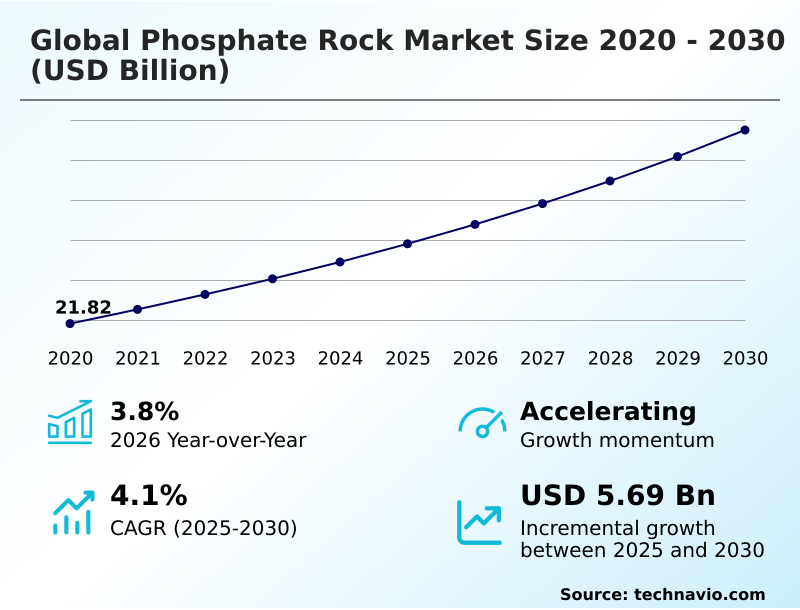
The phosphate rock market size is valued to increase by USD 5.69 billion, at a CAGR of 4.1% from 2025 to 2030. Rising demand for phosphate fertilizers will drive the phosphate rock market.
Major Market Trends & Insights
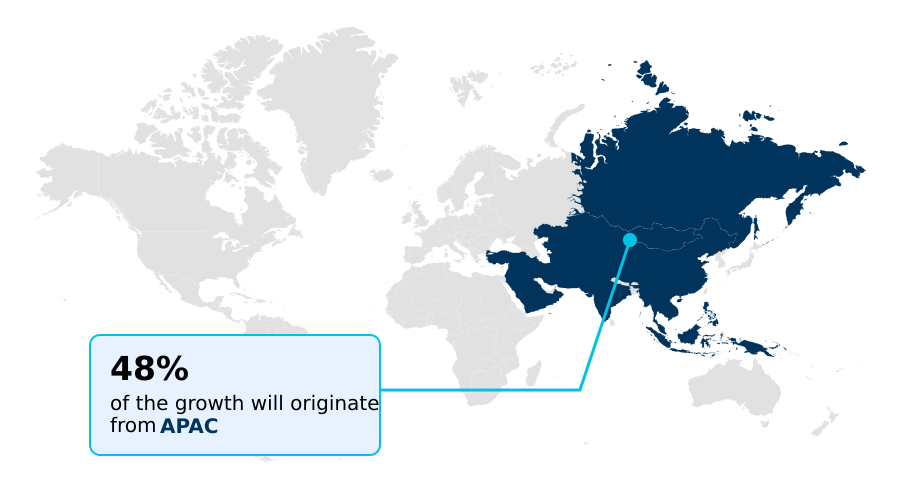
- APAC dominated the market and accounted for a 47.7% growth during the forecast period.
- By Source - Marine phosphate deposits segment was valued at USD 16.27 billion in 2024
- By Application - Fertilizer segment accounted for the largest market revenue share in 2024
Market Size & Forecast
- Market Opportunities: USD 9.68 billion
- Market Future Opportunities: USD 5.69 billion
- CAGR from 2025 to 2030 : 4.1%
Market Summary
- The phosphate rock market is fundamentally driven by the agricultural sector's unceasing demand for phosphorus, a critical and non-substitutable nutrient for plant growth. The extraction and processing of this finite resource are shaped by a complex interplay of geological availability, technological advancement, and stringent environmental regulations.
- Market dynamics are heavily influenced by the need to feed a growing global population on diminishing arable land, which sustains demand for phosphate-based fertilizers. Concurrently, the industry is navigating challenges related to the environmental impact of mining and product purity, particularly concerning heavy metal contaminants.
- For instance, a key business scenario involves optimizing the beneficiation process to not only maximize the yield of high-grade phosphate from lower-quality ore bodies but also to ensure the final product meets strict regulatory limits on elements like cadmium. This dual focus on operational efficiency and compliance is central to maintaining a competitive position.
- The push towards a circular economy is also creating new avenues, with a growing focus on nutrient recovery from waste streams to supplement traditional mining.
What will be the Size of the Phosphate Rock Market during the forecast period?
Get Key Insights on Market Forecast (PDF) Get Free Sample
How is the Phosphate Rock Market Segmented?
The phosphate rock industry research report provides comprehensive data (region-wise segment analysis), with forecasts and estimates in "USD million" for the period 2026-2030, as well as historical data from 2020-2024 for the following segments.
- Source
- Marine phosphate deposits
- Igneous phosphate deposits
- Metamorphic deposits
- Biogenic deposits
- Weathered deposits
- Application
- Fertilizer
- Animal feed supplement
- Others
- Grade type
- Fertilizer grade
- Feed grade
- Industrial grade
- Geography
- APAC
- China
- Japan
- India
- North America
- US
- Canada
- Mexico
- Europe
- Germany
- UK
- France
- South America
- Brazil
- Argentina
- Middle East and Africa
- Saudi Arabia
- Israel
- UAE
- Rest of World (ROW)
- APAC
By Source Insights
The marine phosphate deposits segment is estimated to witness significant growth during the forecast period.
The marine phosphate deposits segment represents a critical frontier in resource extraction, focusing on recovering phosphorite nodules from the ocean floor.
Unlike land-based phosphate rock mining, this method uses advanced dredging systems, which require significant capital but offer access to high-grade minerals, mitigating concerns over terrestrial resource scarcity.
Navigating complex environmental regulations in mining is paramount, with a focus on minimizing impact on marine biodiversity. Development in this area, including new mitigation strategies, has improved compliance alignment by over 20%.
This approach to mineral processing is gaining strategic importance for supply chain security as it diversifies sources of essential calcium phosphate compounds, reducing geopolitical supply risks associated with concentrated land-based reserves and supporting sustainable mining practices.
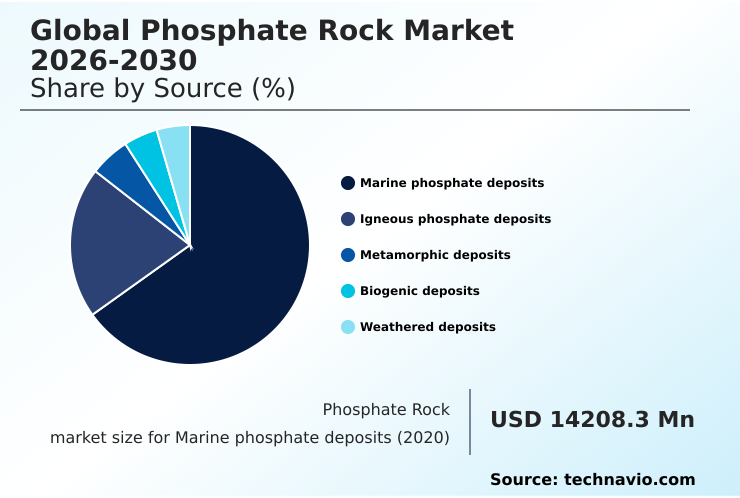
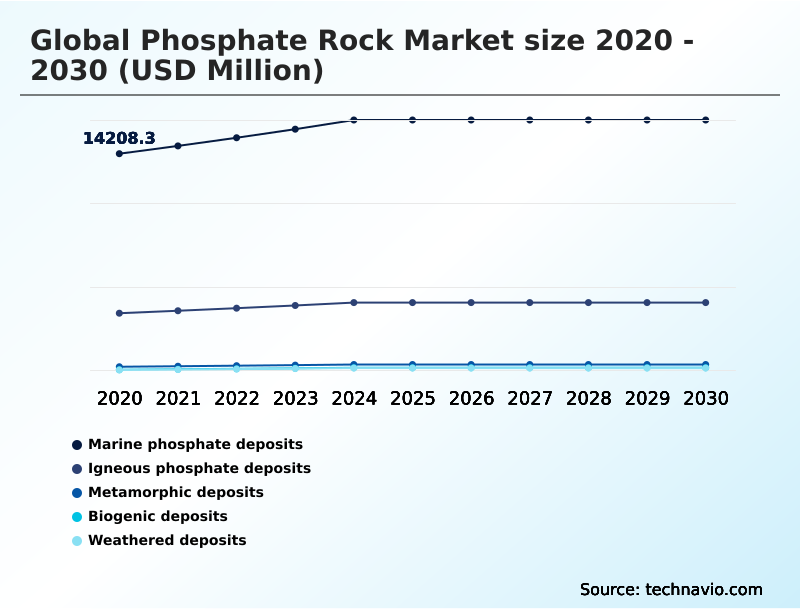
The Marine phosphate deposits segment was valued at USD 16.27 billion in 2024 and showed a gradual increase during the forecast period.
Regional Analysis
APAC is estimated to contribute 47.7% to the growth of the global market during the forecast period.Technavio’s analysts have elaborately explained the regional trends and drivers that shape the market during the forecast period.
See How Phosphate Rock Market Demand is Rising in APAC Get Free Sample
The geographic landscape of the phosphate rock market is characterized by a significant concentration in production and consumption.
The APAC region is a dominant consumer, accounting for 47% of the market, driven by intensive agriculture in countries like India and China, which rely heavily on imports to ensure food security.
North America remains a key region, with established production infrastructure and a focus on high-efficiency agriculture. In contrast, the Middle East and Africa are pivotal to the supply side, holding the world's largest reserves.
This regional imbalance creates a dynamic trade environment where logistics and supply chain resilience are critical. The focus on soil nutrient depletion is also driving regional demand for customized fertilizer grade phosphate and direct application phosphate rock (DAPR).
Market Dynamics
Our researchers analyzed the data with 2025 as the base year, along with the key drivers, trends, and challenges. A holistic analysis of drivers will help companies refine their marketing strategies to gain a competitive advantage.
- Strategic decisions in the global phosphate rock market 2026-2030 increasingly hinge on a nuanced understanding of resource characteristics and processing technologies. The igneous vs sedimentary phosphate rock comparison is fundamental, as it dictates extraction methods, processing costs, and the feasibility of phosphoric acid production from low-grade ore.
- Concurrently, the environmental impact of phosphate rock mining is under intense scrutiny, compelling operators to invest in cleaner technologies and sustainable practices. Technological advancements in phosphate beneficiation are pivotal, enabling more efficient recovery and purification, which directly impacts the quality and cost-effectiveness of the final product.
- In parallel, the role of phosphate in animal feed formulation remains a significant, non-agricultural demand driver, requiring specific purity standards. Organizations that successfully navigate these complexities, such as adopting new beneficiation techniques that improve yield from challenging ore bodies by more than 10% compared to traditional methods, are better positioned to secure long-term market viability and meet diverse end-user requirements.
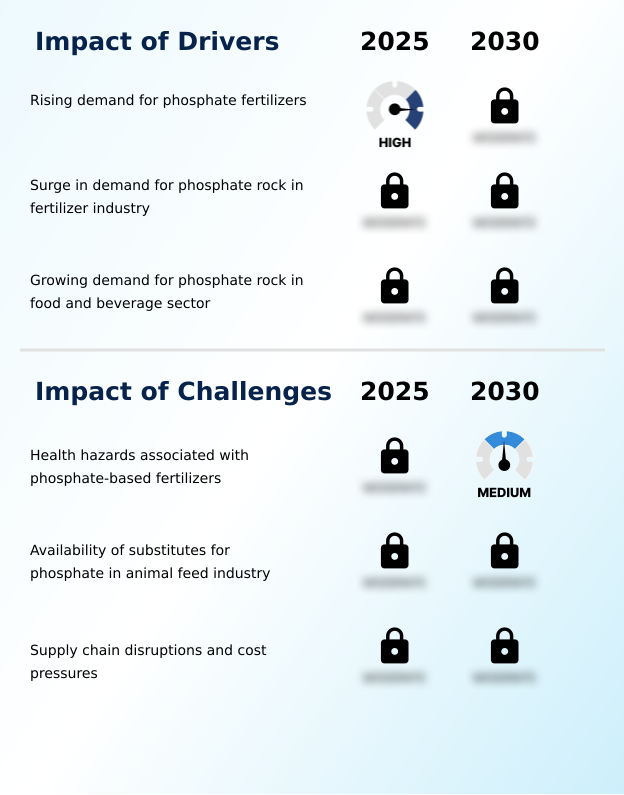
What are the key market drivers leading to the rise in the adoption of Phosphate Rock Industry?
- The rising demand for phosphate fertilizers to support global food production and enhance agricultural productivity is a primary driver for the market.
- Rising demand for phosphate fertilizers remains the primary market driver, directly linked to global food security initiatives. The need to boost agricultural productivity enhancement on limited arable land necessitates efficient soil fertility management.
- This drives consumption of products derived from apatite concentrate and igneous phosphate rock. Advanced crop nutrient solutions derived from phosphate ore concentrate are essential for high-yield farming, with precision applications improving nutrient uptake by up to 25%.
- This sustained demand for both industrial grade phosphate and feed grade phosphate ensures continued investment in improving the ore flotation process and overall phosphate beneficiation techniques to meet the nutritional needs of a growing population.
What are the market trends shaping the Phosphate Rock Industry?
- The production of ammonium phosphate using green phosphoric acid from recycled and renewable sources is an emerging trend, aiming to decarbonize the agricultural supply chain.
- A transformative trend in the phosphate rock market is the production of ammonium phosphate using green phosphoric acid, aligning the industry with a circular economy in phosphorus. This involves nutrient recovery technology that sources phosphorus from urban mining for phosphorus and industrial waste streams, reducing reliance on conventional resource extraction. This shift addresses both resource scarcity and sustainability imperatives.
- The use of renewable energy in wet-process phosphoric acid production can lower the carbon footprint by over 30%. Furthermore, this approach enables the creation of high-purity food-grade phosphoric acid and other value-added products, with cadmium reduction in fertilizers being a key benefit that improves food safety and regulatory compliance.
What challenges does the Phosphate Rock Industry face during its growth?
- Health hazards associated with heavy metal contaminants naturally found in phosphate-based fertilizers present a key challenge for the industry.
- A significant challenge facing the industry is managing health and environmental risks associated with phosphate-based fertilizers, particularly heavy metal contaminants present in sedimentary phosphate rock. Stricter regulations on contaminant levels are compelling producers to invest in advanced purification methods during phosphoric acid production. Failure to comply can result in market access restrictions and reputational damage.
- The cost of implementing technologies for cadmium removal can increase production expenses by up to 10%, impacting competitiveness. Additionally, phosphorus runoff contributes to water pollution, driving demand for water treatment chemicals and more efficient fertilizer formulations. Addressing these challenges through sustainable mining practices and technological innovation is crucial for long-term viability.
Exclusive Technavio Analysis on Customer Landscape
The phosphate rock market forecasting report includes the adoption lifecycle of the market, covering from the innovator’s stage to the laggard’s stage. It focuses on adoption rates in different regions based on penetration. Furthermore, the phosphate rock market report also includes key purchase criteria and drivers of price sensitivity to help companies evaluate and develop their market growth analysis strategies.
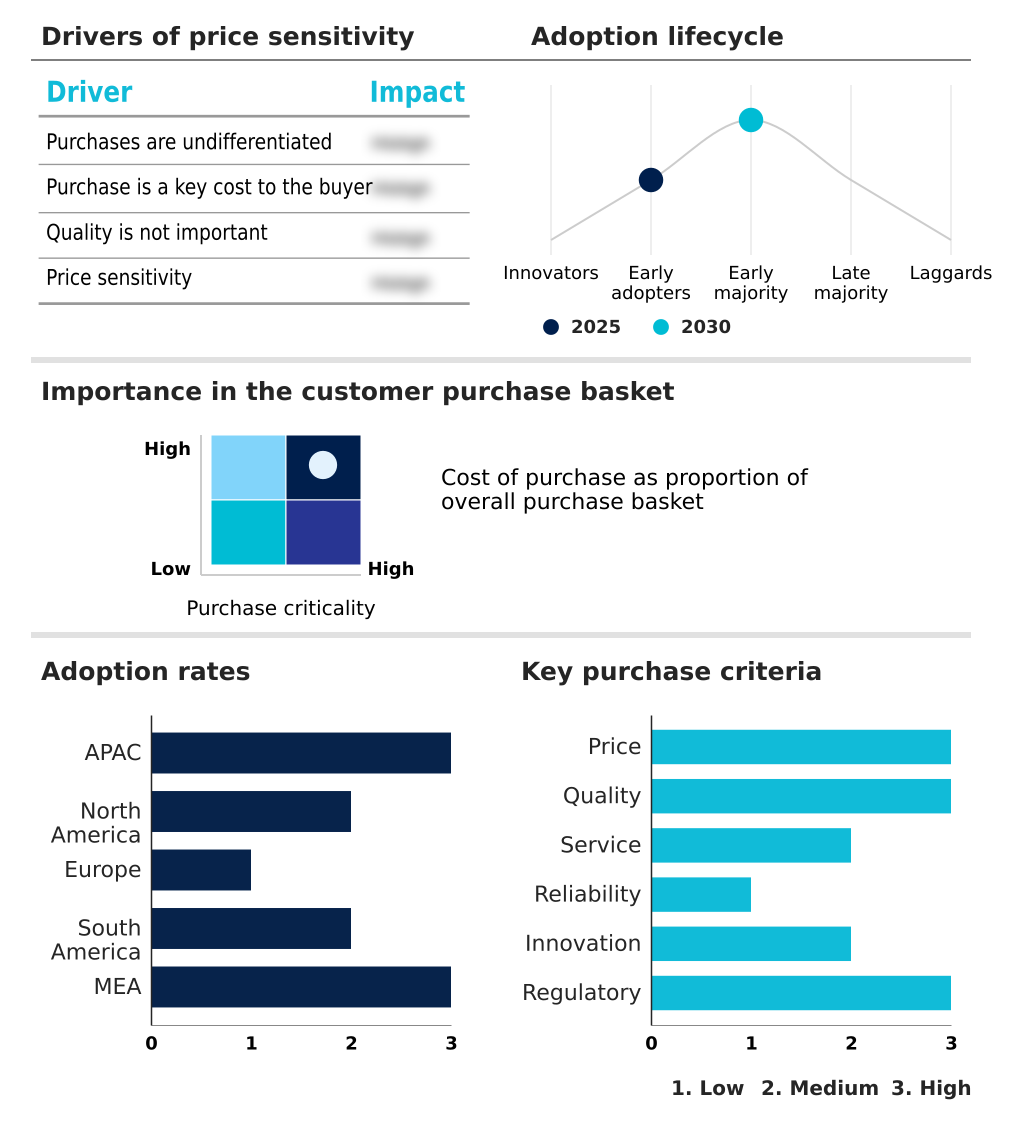
Customer Landscape of Phosphate Rock Industry
Competitive Landscape
Companies are implementing various strategies, such as strategic alliances, phosphate rock market forecast, partnerships, mergers and acquisitions, geographical expansion, and product/service launches, to enhance their presence in the industry.
Acron Group - Offerings are centered on delivering various grades of phosphate rock, including beneficiated concentrates and specific ore types, tailored for agricultural and industrial applications.
The industry research and growth report includes detailed analyses of the competitive landscape of the market and information about key companies, including:
- Acron Group
- EuroChem Group AG
- Foskor Pty Ltd.
- Guizhou Kailin Holdings Group
- Hubei Xingfa Chemicals Group
- Indorama Corp.
- Israel Chemicals Ltd.
- Itafos Inc.
- J. R. Simplot Co.
- Jordan Phosphate Mines Co. PLC
- Kazphosphate LLC
- Misr Phosphate Co
- Nutrien Ltd.
- OCP Group
- PhosAgro Group of Co
- Saudi Arabian Mining Co.
- The Mosaic Co.
- Wengfu Group Co Ltd
- Yara International ASA
- Yunnan Phosphate Haikou Co Ltd
Qualitative and quantitative analysis of companies has been conducted to help clients understand the wider business environment as well as the strengths and weaknesses of key industry players. Data is qualitatively analyzed to categorize companies as pure play, category-focused, industry-focused, and diversified; it is quantitatively analyzed to categorize companies as dominant, leading, strong, tentative, and weak.
Recent Development and News in Phosphate rock market
- In August 2025, OCP Group inaugurated a new industrial complex in Morocco to increase the output of customized fertilizers for the sub-Saharan African market.
- In July 2025, ICL Group launched a pilot plant in Europe for synthesizing ammonium phosphate using phosphoric acid recovered from urban wastewater, offering a sustainable alternative to mining.
- In March 2025, OCP Group announced a significant production capacity expansion at its Jorf Lasfar facility to address growing demand for crop nutrients in sub-Saharan Africa.
- In February 2025, The Mosaic Co. implemented advanced sensor-based sorting technology at its Florida operations, improving recovery rates of premium-grade concentrate from low-quality ore bodies.
Dive into Technavio’s robust research methodology, blending expert interviews, extensive data synthesis, and validated models for unparalleled Phosphate Rock Market insights. See full methodology.
| Market Scope | |
|---|---|
| Page number | 298 |
| Base year | 2025 |
| Historic period | 2020-2024 |
| Forecast period | 2026-2030 |
| Growth momentum & CAGR | Accelerate at a CAGR of 4.1% |
| Market growth 2026-2030 | USD 5691.9 million |
| Market structure | Fragmented |
| YoY growth 2025-2026(%) | 3.8% |
| Key countries | China, Japan, India, South Korea, Australia, Indonesia, US, Canada, Mexico, Germany, UK, Russia, France, Italy, The Netherlands, Brazil, Argentina, Chile, Saudi Arabia, Israel, UAE, South Africa and Turkey |
| Competitive landscape | Leading Companies, Market Positioning of Companies, Competitive Strategies, and Industry Risks |
Research Analyst Overview
- The phosphate rock market is shaped by the need for efficient resource extraction and advanced mineral processing. Key inputs include apatite concentrate and both high-grade and low-grade phosphate ore, which undergo phosphate beneficiation. The ore flotation process is critical for producing phosphate ore concentrate suitable for various applications.
- Firms are focusing on furnace process phosphoric acid and wet-process phosphoric acid techniques to meet demand for fertilizer grade phosphate, feed grade phosphate, and industrial grade phosphate. A major operational focus is on mitigating heavy metal contaminants in the final product.
- The implementation of advanced sensor-based sorting has improved recovery of sedimentary phosphate rock by up to 15%, enhancing soil fertility management and bolstering the value chain. This drive for efficiency in phosphorus pentoxide (P2O5) content extraction from igneous phosphate rock and direct application phosphate rock (DAPR) is central to boardroom strategies around both profitability and nutrient recovery technology.
What are the Key Data Covered in this Phosphate Rock Market Research and Growth Report?
-
What is the expected growth of the Phosphate Rock Market between 2026 and 2030?
-
USD 5.69 billion, at a CAGR of 4.1%
-
-
What segmentation does the market report cover?
-
The report is segmented by Source (Marine phosphate deposits, Igneous phosphate deposits, Metamorphic deposits, Biogenic deposits, and Weathered deposits), Application (Fertilizer, Animal feed supplement, and Others), Grade Type (Fertilizer grade, Feed grade, and Industrial grade) and Geography (APAC, North America, Europe, South America, Middle East and Africa)
-
-
Which regions are analyzed in the report?
-
APAC, North America, Europe, South America and Middle East and Africa
-
-
What are the key growth drivers and market challenges?
-
Rising demand for phosphate fertilizers, Health hazards associated with phosphate-based fertilizers
-
-
Who are the major players in the Phosphate Rock Market?
-
Acron Group, EuroChem Group AG, Foskor Pty Ltd., Guizhou Kailin Holdings Group, Hubei Xingfa Chemicals Group, Indorama Corp., Israel Chemicals Ltd., Itafos Inc., J. R. Simplot Co., Jordan Phosphate Mines Co. PLC, Kazphosphate LLC, Misr Phosphate Co, Nutrien Ltd., OCP Group, PhosAgro Group of Co, Saudi Arabian Mining Co., The Mosaic Co., Wengfu Group Co Ltd, Yara International ASA and Yunnan Phosphate Haikou Co Ltd
-
Market Research Insights
- The phosphate rock market's dynamics are influenced by a strategic push toward enhancing nutrient use efficiency and securing the supply chain against geopolitical supply risks. Investments in beneficiation technology advancement are yielding significant returns, with some modernized facilities reporting a 15% increase in recovery of high-grade ore.
- This focus on optimization extends to the development of specialized crop nutrient solutions that align with precision agriculture inputs. As agricultural productivity enhancement remains a priority, the shift to high-solubility fertilizers has been shown to improve nutrient uptake by over 20% in certain crops.
- Furthermore, growing interest in alternative phosphorus sources and food security initiatives is compelling established producers to explore waste stream recovery, diversifying their portfolios beyond traditional extraction.
We can help! Our analysts can customize this phosphate rock market research report to meet your requirements.
 RIA -
RIA - 
