
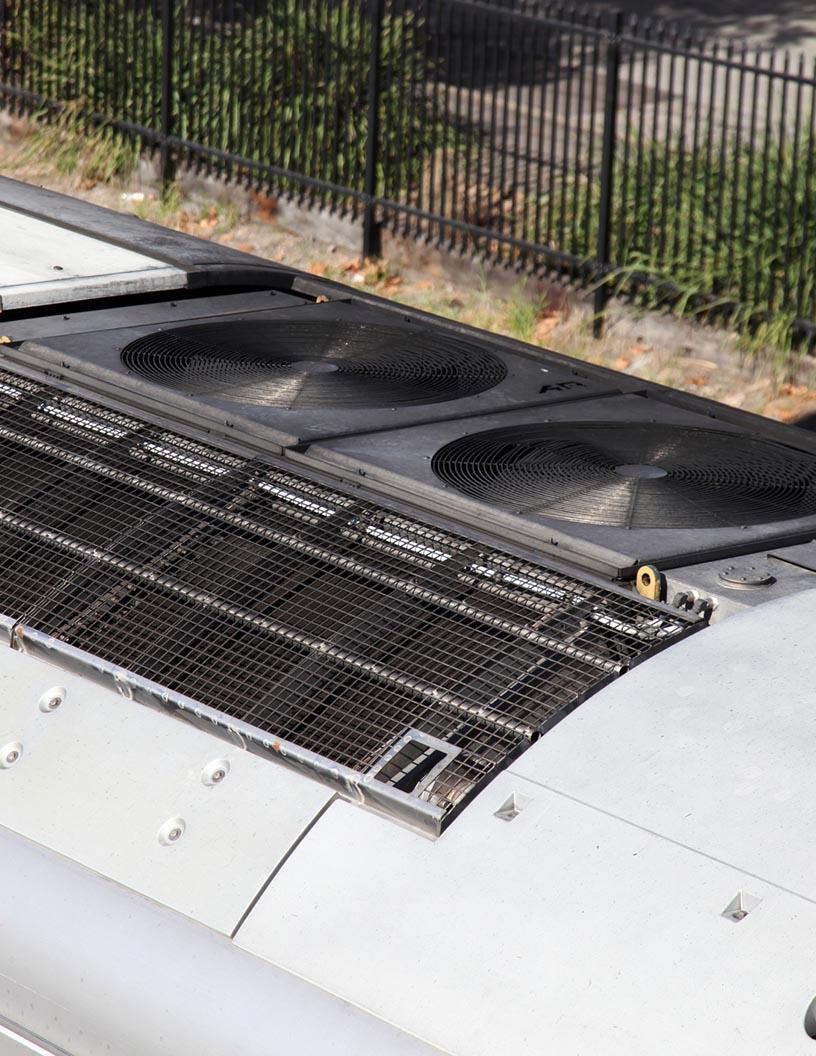


Railway AC Units Market Size 2025-2029
The railway ac units market size is forecast to increase by USD 3.7 billion, at a CAGR of 6.3% between 2024 and 2029.
- The market is experiencing significant growth, driven primarily by the increasing adoption of urban mobility solutions and the implementation of high-speed railway lines. Urbanization and the resulting demand for efficient transportation systems are fueling the market's expansion. Furthermore, the rollout of high-speed railway networks in various regions is expected to boost market growth. Additionally, the growing adoption of renewable energy sources and the need for reliable power management systems are driving market growth. However, a notable challenge hindering market expansion, particularly in developing countries, is the lack of private sector participation. This obstacle limits the financial resources available for railway infrastructure development and expansion.
- To capitalize on market opportunities and navigate challenges effectively, companies must stay informed of the latest trends and invest in innovative solutions that address the unique needs of their target markets. Energy efficiency, indoor air quality, and user comfort are key considerations for consumers, leading to the development of advanced air filtration systems. By focusing on collaborations with governments and public-private partnerships, market players can help drive growth in the market.
What will be the Size of the Railway AC Units Market during the forecast period?
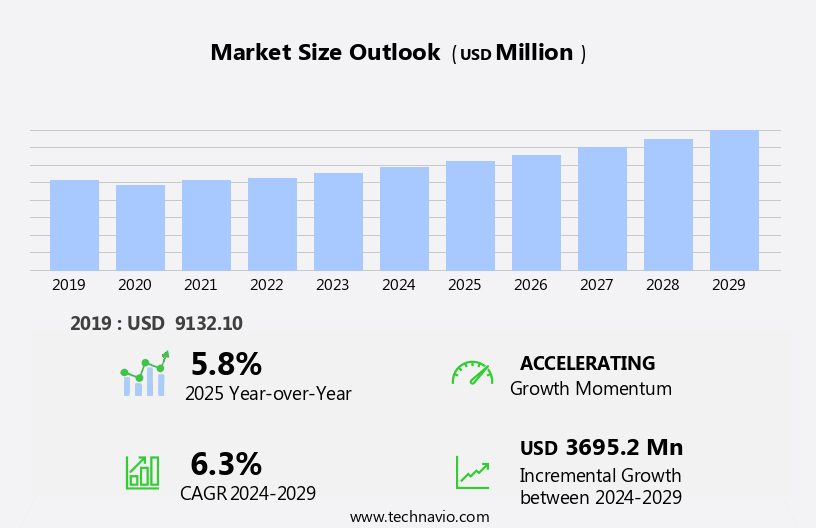
The market continues to evolve, driven by the constant pursuit of humidity control and passenger comfort in various railway sectors. Long-distance trains and commuter rail require reliable and energy-efficient AC systems to ensure optimal travel conditions for passengers. Hybrid locomotives, a growing trend, necessitate advanced AC technology to balance power supply systems and thermal insulation. Installation services and compressor technology play crucial roles in the market's dynamics. Light rail and suburban rail systems demand compact and lightweight AC units, while heavy haul rail requires robust undercarriage units. Railway electrification and the shift towards electric locomotives necessitate sophisticated air distribution and air filtration systems.
Fire suppression systems and emission standards are increasingly important factors, with energy efficiency ratings and refrigerant type gaining prominence in investment analysis. The market's continuous unfolding is further influenced by factors like maintenance costs, lifecycle cost analysis, and design optimization. In the realm of passenger coaches, temperature control, heating capacity, and safety standards are paramount. Weight optimization, shock absorption, and vibration dampening are essential considerations for freight cars. Smart home integration, payback period, and retrofit solutions are emerging trends shaping the market. Market activities are further influenced by factors like air quality, vibration control, and noise levels.
How is this Railway AC Units Industry segmented?
The railway ac units industry research report provides comprehensive data (region-wise segment analysis), with forecasts and estimates in "USD million" for the period 2025-2029, as well as historical data from 2019-2023 for the following segments.
- Type
- AC power
- DC power
- Application
- Rapid transit vehicles
- Locomotives
- Railroad cars
- Power Output
- Low voltage
- Medium voltage
- High voltage
- Technology
- Conventional AC systems
- Energy-efficient AC systems
- Smart AC systems
- Geography
- North America
- US
- Canada
- Europe
- France
- Germany
- Italy
- Russia
- UK
- APAC
- China
- India
- Rest of World (ROW)
- North America
By Type Insights
The AC power segment is estimated to witness significant growth during the forecast period. The market is driven by the increasing demand for passenger comfort in long-distance trains and commuter rail systems. AC units play a crucial role in maintaining optimal temperature and humidity levels, ensuring energy efficiency, and adhering to emission standards. These systems incorporate advanced technologies such as inverter-driven compressors, variable-speed fans, and smart controls, which optimize energy usage based on cooling demands. Electric locomotives and hybrid locomotives are popular choices due to their energy efficiency and environmental benefits. Compressor technology and thermal insulation are essential components in AC units, contributing to their effectiveness and reliability. Installation services are vital for ensuring the proper functioning and longevity of AC units. Railway electrification and the integration of smart home technology are trends shaping the market.
Fire suppression systems and corrosion resistance are essential safety features. Maintenance costs and lifecycle cost analysis are crucial factors in the decision-making process for railway operators. Heavy haul rail and high-speed rail require specialized AC units with high heating capacity and cooling capacity, respectively. Light rail and suburban rail systems prioritize noise levels and vibration control. Split systems and rooftop units are common solutions for retrofitting existing trains. Design optimization and material selection are essential for weight optimization and durability. Environmental regulations and safety standards continue to influence the market, driving the adoption of energy-efficient refrigerant types and advanced air filtration systems.
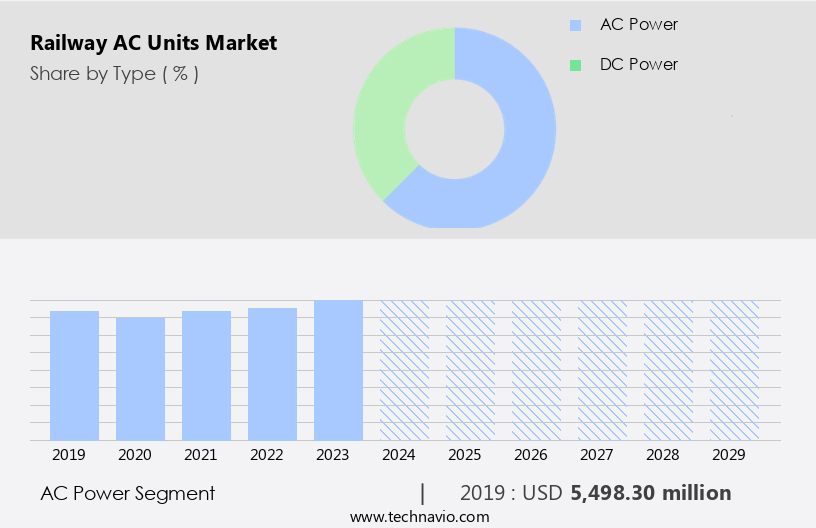
The AC power segment was valued at USD 5.5 billion in 2019 and showed a gradual increase during the forecast period.
Regional Analysis
Europe is estimated to contribute 55% to the growth of the global market during the forecast period. Technavio's analysts have elaborately explained the regional trends and drivers that shape the market during the forecast period.
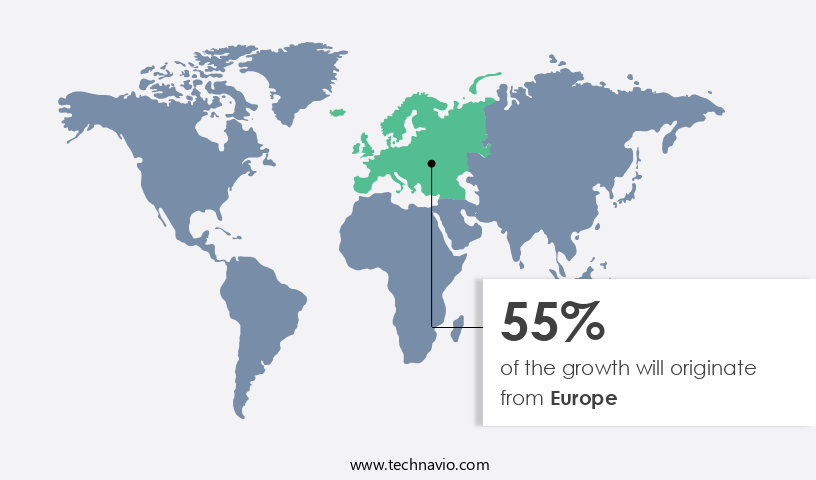
The European railway sector holds a prominent position in the market due to its extensive network and significant industrial contribution. In 2024, Europe was the largest geographical segment, and this trend is expected to continue. New high-speed rail networks are under construction in key countries like Germany, Spain, France, Italy, and other EU nations. Upon completion, Spain will have the second-longest high-speed rail network globally, after China. Passenger comfort is a priority in long-distance trains, leading to the increased adoption of AC units with advanced compressor technology, thermal insulation, and air filtration systems. Commuter rail and suburban rail also rely on AC units for optimal temperature control and passenger comfort.
Railway electrification and hybrid locomotives are driving the market's growth, focusing on energy efficiency and reduced emissions. Environmental regulations are stringent, necessitating the use of refrigerants with low global warming potential and high-efficiency power supply systems. Maintenance costs are a concern, leading to the popularity of remote control and maintenance contracts. Heavy haul rail and freight cars require robust undercarriage units for vibration control and shock absorption. Design optimization and weight optimization are essential for reducing operating costs. Material selection plays a crucial role in ensuring corrosion resistance and longevity. Smart home integration and temperature control are emerging trends in train cabins.
Safety standards are paramount, with fire suppression systems and air distribution systems ensuring passenger safety. Heating capacity and cooling capacity are essential for passenger coaches, especially in intercity and high-speed rail. Investment analysis is crucial for understanding the market's dynamics and trends. Lifecycle cost analysis and retrofit solutions are essential for optimizing costs and extending the life of existing AC units. Split systems and noise levels are important considerations for passenger comfort. Vibration dampening is crucial for ensuring smooth operation in high-speed and heavy haul applications.
Market Dynamics
Our researchers analyzed the data with 2024 as the base year, along with the key drivers, trends, and challenges. A holistic analysis of drivers will help companies refine their marketing strategies to gain a competitive advantage.
What are the key market drivers leading to the rise in the adoption of Railway AC Units Industry?
- The significant expansion in the provision of urban mobility solutions serves as the primary catalyst for market growth. The global railway market is experiencing significant growth due to increasing investments in railway infrastructure projects by various countries. This growth is driven by the need to improve public transport services, including expanding connectivity between cities and the development of high-speed trains. One key trend in this market is the focus on weight optimization and design optimization to reduce retrofit costs and operating expenses. This is particularly important for high-speed rail systems, which require advanced technologies for shock absorption, split systems for noise levels and cooling capacity, and vibration dampening for passenger comfort. Manufacturers are also prioritizing maintenance contracts and quality control to ensure the longevity and efficiency of freight cars and intercity rail systems. Additionally, air conditioners are incorporating technologies like heat recovery, air filtration, and ventilation systems to optimize energy usage and improve indoor air quality.
- Key considerations include the use of robust materials, passenger experiences, and design elements to maintain a balance between functionality and aesthetics. With these advancements, railway units are becoming increasingly important for reducing transportation costs and improving overall sustainability.
What are the market trends shaping the Railway AC Units Industry?
- High-speed railway lines are experiencing significant growth in implementation, representing a prominent market trend in the transportation industry. This expansion reflects the increasing demand for efficient and rapid travel solutions. The market is witnessing significant growth due to the expansion of high-speed rail networks in developed countries like France, the US, and the UK, as well as emerging economies such as China. The increasing population and urbanization have fueled the demand for more comfortable travel experiences, leading to an increase in the implementation of air-conditioned systems in long-distance trains, commuter rail, light rail, and hybrid locomotives. Japan, a pioneer in high-speed rail technology, has led the way with trains like the Shinkansen or bullet trains. The conversion of traditional rail lines to high-speed rail lines in developed nations is anticipated to boost the demand for traction transformers.
- Passenger comfort is a critical factor driving market growth. Humidity control, thermal insulation, and fire suppression systems are essential features in ensuring a comfortable and safe travel experience. Smart air conditioners, which can be controlled via smartphones or voice commands, are gaining popularity. Compressor technology and energy efficiency ratings are also important considerations for railway operators, with refrigerant type being a significant factor in determining the overall efficiency and environmental impact of AC units. Installation services are also a growing segment of the market, as the complexity of AC systems in modern trains requires specialized expertise. Railway electrification is another trend influencing the market, as it enables the use of more energy-efficient AC systems.
What challenges does the Railway AC Units Industry face during its growth?
- The absence of private sector involvement represents a significant challenge impeding the growth of railways in developing countries, thereby negatively impacting the expansion of the industry as a whole. The railway industry faces unique challenges in terms of investment analysis due to the stringent emission standards and regulatory requirements. These regulations cover various aspects such as air distribution, air filtration, and air quality in train cabins, undercarriage units, and electric and diesel locomotives. Compliance with these regulations adds to the cost of operations and requires effective supply chain management. Moreover, the focus on vibration control and environmental regulations necessitates the adoption of advanced technologies in the railway sector. The private sector's involvement in the railway industry, particularly in developing countries, remains limited, hindering the implementation of new technologies and innovations.
- To address these challenges, private partnerships can play a crucial role in enhancing fuel efficiency and power supply management. By fostering better investments and technologies, these partnerships can contribute to a more sustainable and efficient railway system. A comprehensive lifecycle cost analysis is essential to evaluate the long-term benefits of these investments and technologies. Overall, the railway industry requires a collaborative effort from all stakeholders to navigate the complex regulatory landscape and drive innovation while maintaining a focus on environmental sustainability.
Exclusive Customer Landscape
The railway ac units market forecasting report includes the adoption lifecycle of the market, covering from the innovator's stage to the laggard's stage. It focuses on adoption rates in different regions based on penetration. Furthermore, the railway ac units market report also includes key purchase criteria and drivers of price sensitivity to help companies evaluate and develop their market growth analysis strategies.

Customer Landscape
Key Companies & Market Insights
Companies are implementing various strategies, such as strategic alliances, railway ac units market forecast, partnerships, mergers and acquisitions, geographical expansion, and product/service launches, to enhance their presence in the industry.
Autoclima Spa a socio unico - The company specializes in providing railway climate control solutions, including MVAC Systems, tailored for rail transportation applications.
The industry research and growth report includes detailed analyses of the competitive landscape of the market and information about key companies, including:
- Autoclima Spa a socio unico
- Blue Star Ltd.
- Coolair Logan
- Daulat Ram
- DENSO Corp.
- Gardner Denver
- Hanon Systems
- Hitachi Ltd.
- Honeywell International Inc.
- Knorr Bremse AG
- LeeL Electricals Ltd.
- Liebherr International AG
- Mitsubishi Electric Corp.
- Northwest Rail Electric
- Songz Automobile Air Conditioning Co. Ltd.
- Subros Ltd.
- The DC Airco Co. BV
- Toshiba Corp.
- Trane Technologies Co. LLC
- Westinghouse Air Brake Technologies Corp.
Qualitative and quantitative analysis of companies has been conducted to help clients understand the wider business environment as well as the strengths and weaknesses of key industry players. Data is qualitatively analyzed to categorize companies as pure play, category-focused, industry-focused, and diversified; it is quantitatively analyzed to categorize companies as dominant, leading, strong, tentative, and weak.
Recent Development and News in Railway AC Units Market
- In March 2023, Bombardier Transportation, a leading global railway technology provider, unveiled its new generation of Aventra AC trains for the UK market. The trains, featuring advanced energy-efficient technologies, are expected to reduce carbon emissions by up to 25% compared to traditional diesel trains (Bombardier Transportation press release, 2023).
- In July 2024, Alstom and Siemens Mobility announced a strategic partnership to jointly develop and produce hydrogen fuel cell trains. This collaboration aims to accelerate the transition towards more sustainable railway transportation and reduce carbon emissions (Alstom press release, 2024).
- In October 2024, Hitachi Rail Europe secured a £2.7 billion contract from the UK's Department for Transport to build and maintain 122 new trains for the East Coast and West Coast rail routes. This significant investment will create thousands of jobs and boost the UK's railway infrastructure (Hitachi Rail Europe press release, 2024).
- In January 2025, China Railway Rolling Stock Corporation (CRRC) showcased its latest high-speed Maglev (magnetic levitation) train, capable of reaching speeds up to 486 km/h (295 mph). The technological advancement is expected to revolutionize the railway industry and significantly reduce travel times between major cities (CRRC press release, 2025).
Research Analyst Overview
- The market is witnessing significant advancements in train interior design, focusing on enhancing passenger experience. Data acquisition and air quality management systems are integral to maintaining cabin atmosphere and ensuring health and safety. Accessibility features, such as emergency response systems, are crucial for meeting safety regulations. Fan motors and noise reduction technologies are essential for optimizing energy consumption and improving overall train performance. Carbon footprint reduction is a key trend, with renewable energy sources and green technologies gaining traction. Train operating standards are evolving, with wireless communication, artificial intelligence (AI), and machine learning (ML) being integrated for improved control systems and passenger information systems.
- Refrigerant leak detection and acoustic insulation are essential for efficient AC unit performance and reducing environmental impact. Safety regulations continue to shape the market, with a focus on remote monitoring and IoT integration for real-time data analysis and predictive maintenance. The market is also adopting advanced technologies like digital twin and AI for optimizing energy consumption and enhancing passenger experience.
Dive into Technavio's robust research methodology, blending expert interviews, extensive data synthesis, and validated models for unparalleled Railway AC Units Market insights. See full methodology.
|
Market Scope |
|
|
Report Coverage |
Details |
|
Page number |
236 |
|
Base year |
2024 |
|
Historic period |
2019-2023 |
|
Forecast period |
2025-2029 |
|
Growth momentum & CAGR |
Accelerate at a CAGR of 6.3% |
|
Market growth 2025-2029 |
USD 3.7 billion |
|
Market structure |
Fragmented |
|
YoY growth 2024-2025(%) |
5.8 |
|
Key countries |
US, Germany, France, UK, China, Canada, Italy, India, Russia, and Saudi Arabia |
|
Competitive landscape |
Leading Companies, Market Positioning of Companies, Competitive Strategies, and Industry Risks |
What are the Key Data Covered in this Railway AC Units Market Research and Growth Report?
- CAGR of the Railway AC Units industry during the forecast period
- Detailed information on factors that will drive the growth and forecasting between 2025 and 2029
- Precise estimation of the size of the market and its contribution of the industry in focus to the parent market
- Accurate predictions about upcoming growth and trends and changes in consumer behaviour
- Growth of the market across Europe, North America, APAC, Middle East and Africa, and South America
- Thorough analysis of the market's competitive landscape and detailed information about companies
- Comprehensive analysis of factors that will challenge the railway ac units market growth of industry companies
We can help! Our analysts can customize this railway ac units market research report to meet your requirements.
 RIA -
RIA - 
