



Recruitment Software Market Size 2026-2030
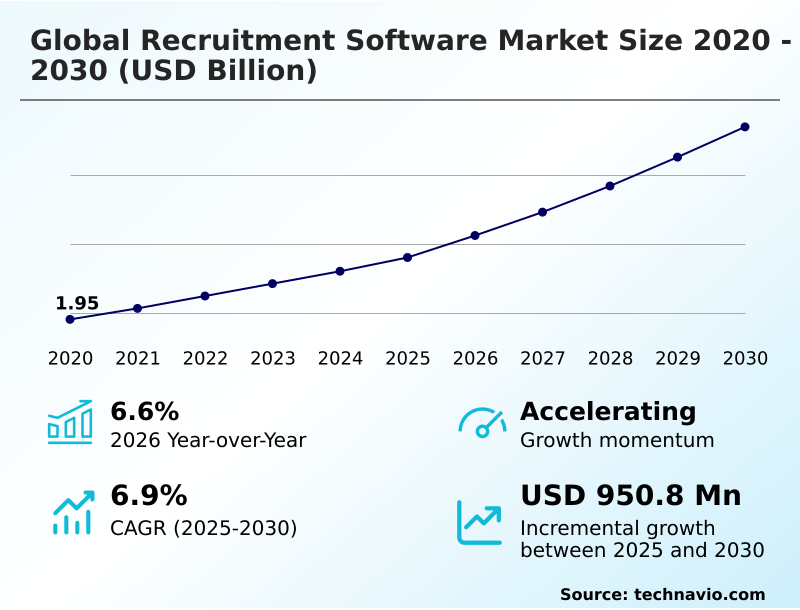
The recruitment software market size is valued to increase by USD 950.8 million, at a CAGR of 6.9% from 2025 to 2030. Integration of AI and automation in streamlining talent acquisition processes will drive the recruitment software market.
Major Market Trends & Insights
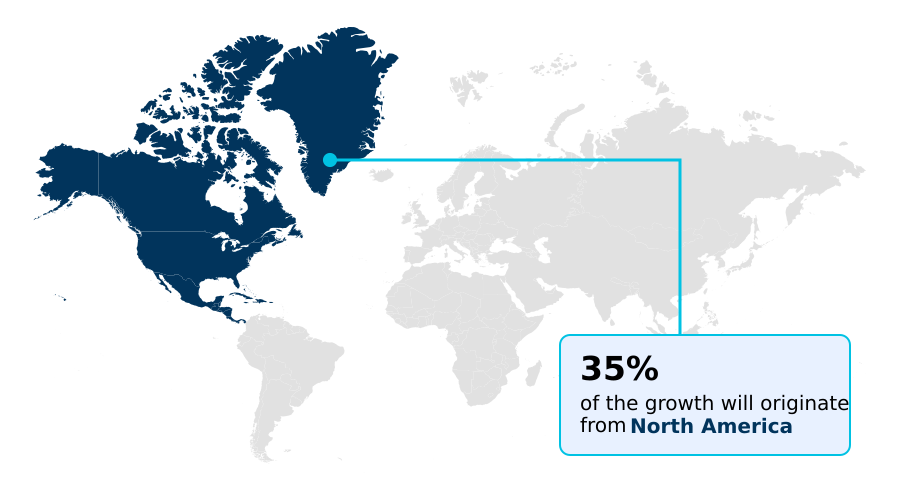
- North America dominated the market and accounted for a 35.2% growth during the forecast period.
- By Deployment - On-premises segment was valued at USD 1.33 billion in 2024
- By Organization Size - Large enterprises segment accounted for the largest market revenue share in 2024
Market Size & Forecast
- Market Opportunities: USD 1.40 billion
- Market Future Opportunities: USD 950.8 million
- CAGR from 2025 to 2030 : 6.9%
Market Summary
- The Recruitment Software Market is experiencing sustained expansion as organizations increasingly prioritize automated and data-driven hiring workflows. Enterprises are transitioning away from manual screening processes to integrated digital solutions that enhance operational efficiency. In a typical supply chain organization managing seasonal hiring spikes, deploying automated candidate relationship management systems accelerates the rapid mobilization of frontline workers.
- Implementing advanced resume parsing algorithms allows these businesses to achieve a 30% reduction in initial candidate screening time compared to legacy manual methods. The integration of artificial intelligence acts as a major market driver because it empowers human resource teams to streamline talent acquisition processes and focus on strategic workforce planning.
- Conversely, the complexity of navigating diverse international data privacy regulations presents a significant structural challenge, as non-compliant systems risk exposing organizations to severe legal liabilities. To mitigate these risks, developers are heavily investing in secure data architectures and seamless digital onboarding tools.
- As digital transformation continues to reshape enterprise operations, sophisticated hiring platforms remain essential infrastructure for maintaining a competitive workforce advantage.
What will be the Size of the Recruitment Software Market during the forecast period?
Get Key Insights on Market Forecast (PDF) Get Free Sample
How is the Recruitment Software Market Segmented?
The recruitment software industry research report provides comprehensive data (region-wise segment analysis), with forecasts and estimates in "USD million" for the period 2026-2030, as well as historical data from 2020-2024 for the following segments.
- Deployment
- On-premises
- Cloud-based
- Organization size
- Large enterprises
- SMEs
- Component
- Solutions
- Services
- End-user
- IT and telecommunications
- BFSI
- Retail and e-commerce
- Healthcare and life sciences
- Others
- Geography
- North America
- US
- Canada
- Mexico
- Europe
- UK
- Germany
- France
- The Netherlands
- Italy
- Spain
- APAC
- China
- Japan
- India
- Australia
- South Korea
- Singapore
- Middle East and Africa
- UAE
- Saudi Arabia
- South Africa
- Israel
- Turkey
- South America
- Brazil
- Colombia
- Argentina
- North America
By Deployment Insights
The on-premises segment is estimated to witness significant growth during the forecast period.
The on-premises segment of the Recruitment Software market maintains strategic relevance for enterprises requiring localized governance and stringent data sovereignty.
Organizations deploy these architectures to maintain absolute physical control over sensitive applicant records, preventing cross-border data transfers and simplifying compliance audits.
By integrating a localized applicant tracking system with existing enterprise resource planning infrastructures, internal IT teams ensure robust firewall configurations and customized encryption protocols.
Despite the broader industry shift toward cloud solutions, on-premises configurations offer superior legacy system interoperability for defense, government, and financial sectors. This deployment model ensures that automated compliance workflows align perfectly with internal security mandates.
Retaining data internally has demonstrated measurable operational impact, with highly regulated entities achieving a 15% improvement in audit completion speed compared to decentralized alternatives, thus securing ongoing demand for self-hosted human capital management environments.
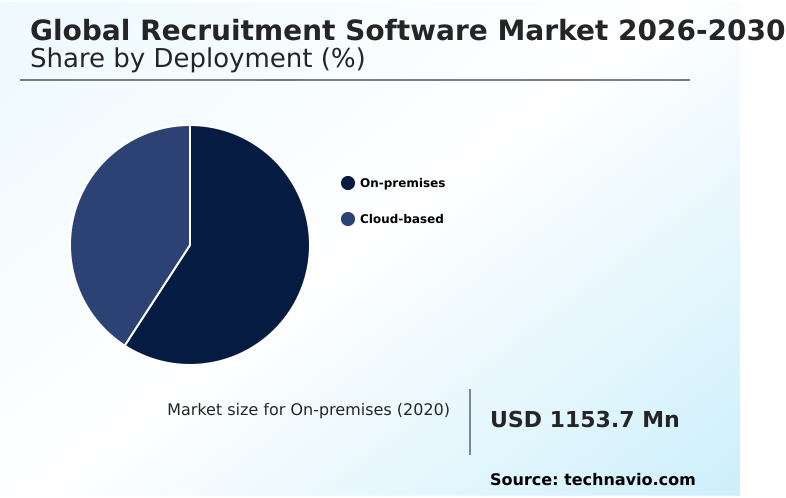
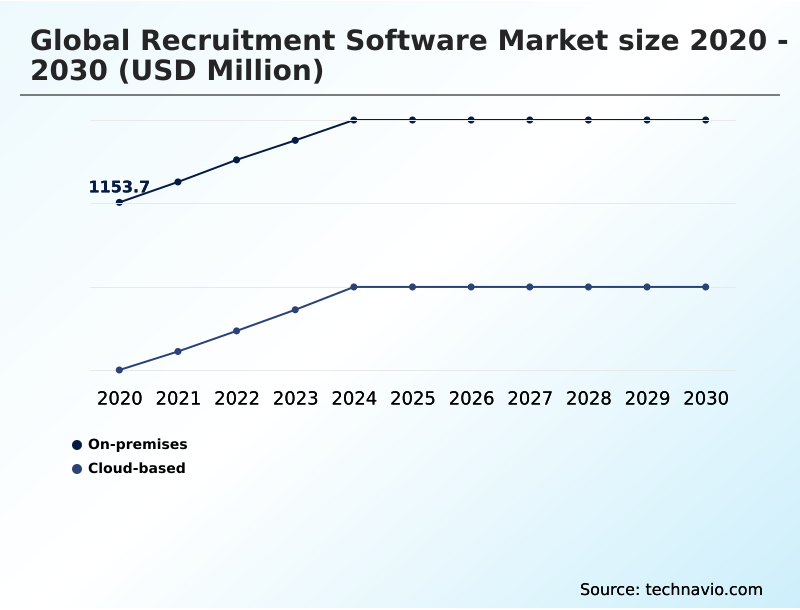
The On-premises segment was valued at USD 1.33 billion in 2024 and showed a gradual increase during the forecast period.
Regional Analysis
North America is estimated to contribute 35.2% to the growth of the global market during the forecast period.Technavio’s analysts have elaborately explained the regional trends and drivers that shape the market during the forecast period.
See How Recruitment Software Market Demand is Rising in North America Get Free Sample
The geographic landscape of the Recruitment Software Market demonstrates distinct adoption disparities driven by localized regulatory environments and technological maturity.
North America exhibits rapid integration of predictive talent intelligence, prioritizing advanced artificial intelligence capabilities to mitigate high turnover in tech and healthcare sectors.
In contrast, the APAC region relies heavily on mobile recruitment applications and conversational candidate engagement to process massive applicant volumes across emerging tech hubs.
North American enterprises achieve a 20% higher utilization rate of complex video interviewing platforms compared to their APAC counterparts, reflecting deeper existing investments in a unified data architecture.
Meanwhile, Asian organizations utilizing localized social sourcing integrations experience a 35% faster time-to-hire for frontline roles. These regional variations compel software providers to customize their offerings, balancing sophisticated analytical tools in Western markets with high-velocity, mobile-centric features in Eastern economies.
Implementing a cohesive talent intelligence platform allows multinational businesses to adapt compliance and sourcing strategies to these varied geographic dynamics effectively.
Market Dynamics
Our researchers analyzed the data with 2025 as the base year, along with the key drivers, trends, and challenges. A holistic analysis of drivers will help companies refine their marketing strategies to gain a competitive advantage.
- The continuous evolution of the Recruitment Software Market underscores the critical transition from fragmented administrative tools to cohesive digital hiring ecosystems. Modern organizations increasingly depend on cloud based applicant tracking systems to facilitate seamless collaboration across geographically dispersed hiring teams. By centralizing candidate data, these platforms eliminate isolated information silos and enable more agile workforce planning.
- A major transformational shift involves the implementation of automated skills based hiring models, which objectively map applicant capabilities to specific role requirements rather than relying solely on historical credentials. This methodology fundamentally alters talent acquisition by discovering hidden potential within both internal and external talent pools.
- The integration of generative ai for resume parsing further accelerates this process, drastically reducing the administrative burden on human resources departments. Businesses leveraging these advanced parsing technologies demonstrate a 40% faster initial screening cycle compared to firms dependent on manual review processes, directly optimizing operational planning and resource allocation.
- Additionally, the strategic use of predictive analytics in talent acquisition allows enterprises to forecast future hiring needs with greater precision, mitigating the risks associated with sudden workforce attrition. As international data protection regulations become more stringent, deploying compliant candidate data management solutions is imperative to ensure secure processing and avoid severe legal penalties.
- Ultimately, investing in these sophisticated technologies allows companies to secure a decisive competitive advantage in attracting and retaining top-tier talent.
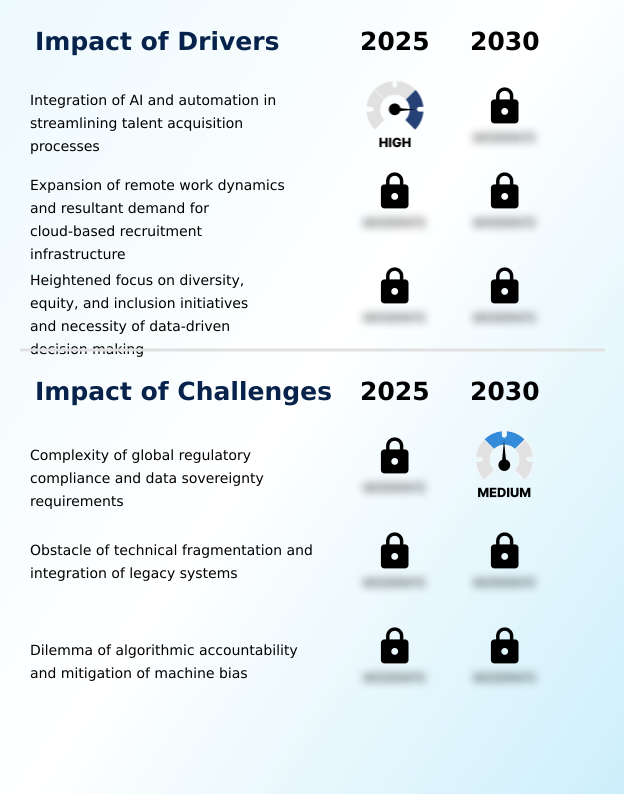
What are the key market drivers leading to the rise in the adoption of Recruitment Software Industry?
- The integration of artificial intelligence and automation to streamline talent acquisition processes serves as a primary driver propelling market expansion.
- The integration of artificial intelligence to automate labor-intensive hiring workflows acts as a primary catalyst accelerating the Recruitment Software Market. Confronted with unprecedented application volumes, enterprises require intelligent solutions to prevent severe operational bottlenecks.
- Modernizing the core applicant tracking system with advanced resume parsing algorithms enables organizations to rapidly identify qualified candidates without manual intervention. This technological enhancement drives a 35% decrease in time-to-fill metrics, directly lowering vacancy-related productivity losses.
- The growing reliance on remote workforce collaboration further propels the adoption of asynchronous video interviewing platforms and automated interview scheduling tools.
- These capabilities seamlessly facilitate high volume hiring initiatives, allowing distributed human resources teams to increase their candidate processing capacity by over 20% while maintaining a consistent and engaging applicant experience.
What are the market trends shaping the Recruitment Software Industry?
- The transition toward hyper-personalization in the candidate engagement lifecycle represents a critical trend shaping the market. Modern platforms increasingly utilize data analytics to tailor applicant interactions and improve recruitment conversion rates.
- The shift toward hyper-personalized candidate experiences represents a defining trend transforming the Recruitment Software Market across diverse corporate sectors. Organizations are upgrading legacy hiring systems to attract specialized talent in a highly competitive labor environment. This demand for tailored interactions drives the integration of conversational candidate engagement tools that maintain continuous, automated communication with applicants.
- Implementing robust predictive workforce analytics allows businesses to anticipate talent gaps, resulting in a 25% improvement in proactive internal mobility matching. The necessity to accelerate the onboarding process has also popularized automated background verification protocols, which reduce manual compliance checks by up to 30%.
- As data privacy concerns escalate, sophisticated candidate consent management features are becoming standard, ensuring strict adherence to international regulations. These technological adoptions directly lower applicant drop-off rates and significantly enhance the overall efficiency of enterprise talent acquisition strategies.
What challenges does the Recruitment Software Industry face during its growth?
- The complexity of navigating regulatory compliance and stringent data sovereignty requirements remains a significant challenge restricting industry growth.
- The escalating complexity of global data privacy regulations and ethical technology mandates presents a formidable challenge within the Recruitment Software Market. As international jurisdictions enforce stricter candidate information protection laws, software developers must continuously restructure underlying system codes to ensure rigorous adherence.
- The struggle to achieve seamless legacy system interoperability often traps critical talent data in isolated silos, leading to a 25% decrease in overall workflow efficiency for large enterprises. To prevent the institutionalization of historical prejudices, platforms must integrate complex algorithmic bias mitigation tools and robust ethical ai frameworks.
- Maintaining a compliant and unified data architecture requires significant capital expenditure, which increases software development costs by up to 15%. These structural and regulatory hurdles complicate deployment timelines and demand continuous oversight from enterprise compliance departments.
Exclusive Technavio Analysis on Customer Landscape
The recruitment software market forecasting report includes the adoption lifecycle of the market, covering from the innovator’s stage to the laggard’s stage. It focuses on adoption rates in different regions based on penetration. Furthermore, the recruitment software market report also includes key purchase criteria and drivers of price sensitivity to help companies evaluate and develop their market growth analysis strategies.
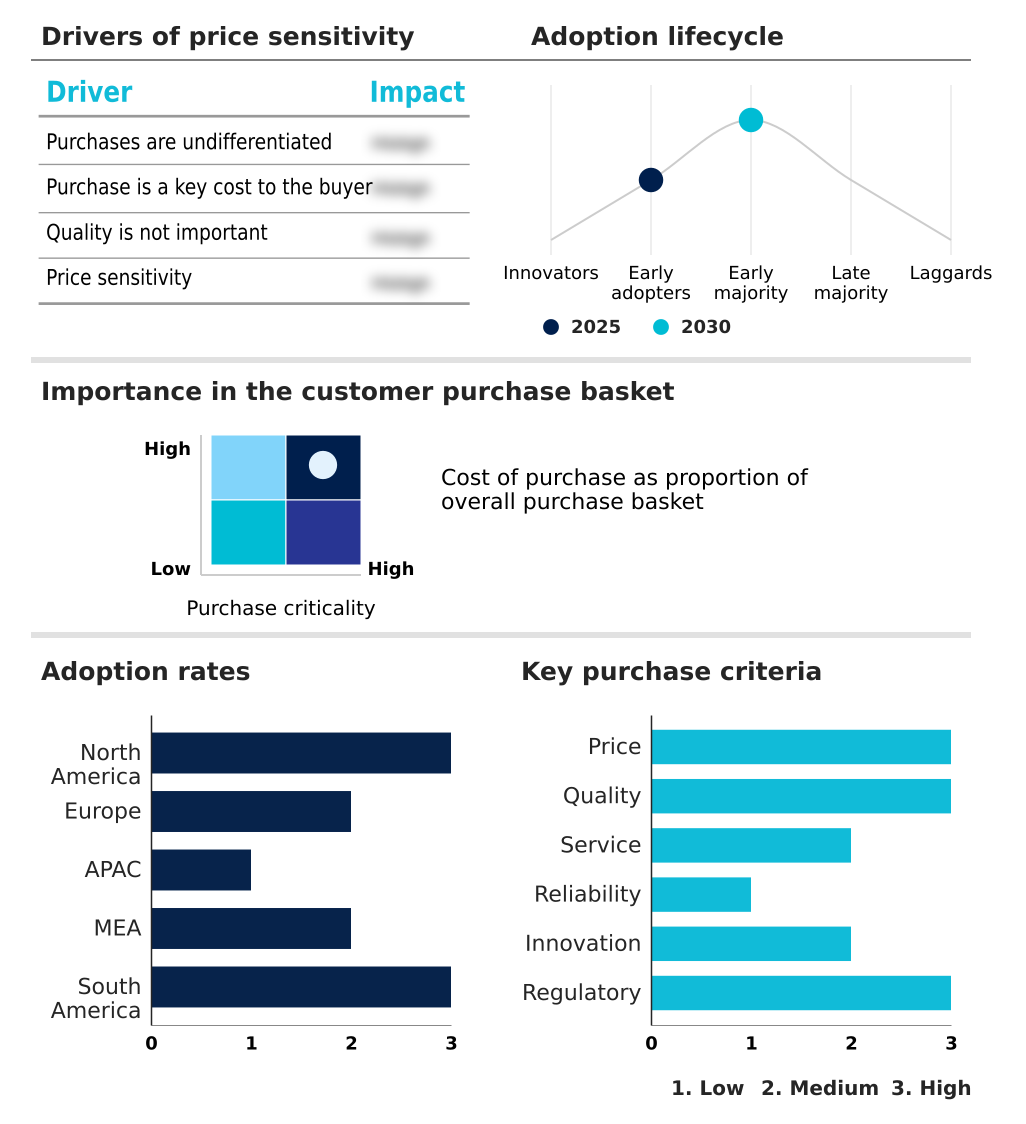
Customer Landscape of Recruitment Software Industry
Competitive Landscape
Companies are implementing various strategies, such as strategic alliances, recruitment software market forecast, partnerships, mergers and acquisitions, geographical expansion, and product/service launches, to enhance their presence in the industry.
Automatic Data Processing Inc. - Automatic Data Processing Inc. provides integrated recruitment software encompassing recruiting management modules and comprehensive talent acquisition solutions designed to streamline enterprise hiring processes effectively.
The industry research and growth report includes detailed analyses of the competitive landscape of the market and information about key companies, including:
- Automatic Data Processing Inc.
- Avature Ltd.
- Bamboo HR LLC
- Bullhorn Inc.
- Cegid Group
- ClearCo LLC
- Dayforce Inc.
- Eightfold AI
- HireVue Inc.
- iCIMS Inc.
- Jobvite Inc.
- Lever Inc.
- Microsoft Corp.
- Oracle Corp.
- Paychex Inc.
- Paycom Software Inc.
- SAP SE
- ServiceNow Inc.
- Workday Inc.
- Zoho Corp. Pvt. Ltd.
Qualitative and quantitative analysis of companies has been conducted to help clients understand the wider business environment as well as the strengths and weaknesses of key industry players. Data is qualitatively analyzed to categorize companies as pure play, category-focused, industry-focused, and diversified; it is quantitatively analyzed to categorize companies as dominant, leading, strong, tentative, and weak.
Recent Development and News in Recruitment software market
- In the Application Software industry, the widespread integration of generative artificial intelligence across enterprise platforms modernized unstructured data processing, directly impacting Recruitment Software demand by enabling platforms to automate resume parsing and optimize the talent acquisition lifecycle with a 40% reduction in manual screening time.
- Stringent data privacy frameworks necessitated transparent algorithmic governance in enterprise software, directly impacting Recruitment Software architectures by compelling developers to embed bias mitigation features that improve diversity and inclusion compliance tracking by over 25%.
- The shift toward centralized digital collaboration workspaces in the Application Software sector established new interoperability standards, directly impacting Recruitment Software adoption by requiring seamless application programming interface connections that enhance predictive workforce analytics efficiency across distributed human resources teams.
- Advancements in cloud infrastructure scalability for software as a service providers reduced latency in mobile-first applications, directly impacting Recruitment Software capabilities by facilitating asynchronous video interviewing and automated scheduling features that support high volume hiring workflows for retail and logistics enterprises.
Dive into Technavio’s robust research methodology, blending expert interviews, extensive data synthesis, and validated models for unparalleled Recruitment Software Market insights. See full methodology.
| Market Scope | |
|---|---|
| Page number | 314 |
| Base year | 2025 |
| Historic period | 2020-2024 |
| Forecast period | 2026-2030 |
| Growth momentum & CAGR | Accelerate at a CAGR of 6.9% |
| Market growth 2026-2030 | USD 950.8 million |
| Market structure | Fragmented |
| YoY growth 2025-2026(%) | 6.6% |
| Key countries | US, Canada, Mexico, UK, Germany, France, The Netherlands, Italy, Spain, China, Japan, India, Australia, South Korea, Singapore, UAE, Saudi Arabia, South Africa, Israel, Turkey, Brazil, Colombia and Argentina |
| Competitive landscape | Leading Companies, Market Positioning of Companies, Competitive Strategies, and Industry Risks |
Research Analyst Overview
- The Recruitment Software Market is rapidly transitioning into a highly strategic domain focused on operational efficiency and sophisticated workforce optimization. Enterprises are aggressively deploying advanced platforms that incorporate behavioral science assessments to objectively evaluate candidate suitability and long-term organizational fit. This technological evolution fundamentally connects talent acquisition trends to board-level product and budgeting strategies.
- Implementing automated interview scheduling and intelligent workflow orchestration significantly reduces administrative bottlenecks, enabling human resources professionals to dedicate resources to high-value strategic planning. Organizations leveraging generative ai screening mechanisms have achieved a 30% reduction in overall processing time per requisition compared to traditional manual review methods.
- The emphasis on skills based matching ensures that hiring decisions prioritize actual competencies over subjective credentials, fostering a more agile and capable workforce. Furthermore, the critical need to align corporate hiring practices with stringent international employment laws has driven widespread adoption of robust algorithmic bias mitigation protocols.
- By ensuring transparent and equitable candidate evaluation, these intelligent systems empower executive leadership to build resilient, high-performing teams while strictly adhering to evolving regulatory frameworks.
What are the Key Data Covered in this Recruitment Software Market Research and Growth Report?
-
What is the expected growth of the Recruitment Software Market between 2026 and 2030?
-
USD 950.8 million, at a CAGR of 6.9%
-
-
What segmentation does the market report cover?
-
The report is segmented by Deployment (On-premises, and Cloud-based), Organization Size (Large enterprises, and SMEs), Component (Solutions, and Services), End-user (IT and telecommunications, BFSI, Retail and e-commerce, Healthcare and life sciences, and Others) and Geography (North America, Europe, APAC, Middle East and Africa, South America)
-
-
Which regions are analyzed in the report?
-
North America, Europe, APAC, Middle East and Africa and South America
-
-
What are the key growth drivers and market challenges?
-
Integration of AI and automation in streamlining talent acquisition processes, Complexity of global regulatory compliance and data sovereignty requirements
-
-
Who are the major players in the Recruitment Software Market?
-
Automatic Data Processing Inc., Avature Ltd., Bamboo HR LLC, Bullhorn Inc., Cegid Group, ClearCo LLC, Dayforce Inc., Eightfold AI, HireVue Inc., iCIMS Inc., Jobvite Inc., Lever Inc., Microsoft Corp., Oracle Corp., Paychex Inc., Paycom Software Inc., SAP SE, ServiceNow Inc., Workday Inc. and Zoho Corp. Pvt. Ltd.
-
Market Research Insights
- The Recruitment Software Market reflects a fundamental shift toward digitized human capital management and streamlined hiring operations. Enterprises increasingly demand platforms that support hyper personalized engagement to attract specialized professionals in competitive sectors. The widespread normalization of remote workforce collaboration has accelerated the need for cloud-hosted applicant tracking architectures.
- Organizations integrating dynamic skill taxonomies report a 25% improvement in internal mobility matching, directly reducing external sourcing costs. Furthermore, implementing transparent ethical ai frameworks ensures algorithmic fairness, yielding a 15% increase in diverse candidate pipeline conversion rates.
- By automating routine administrative tasks and centralizing compliance tracking, these platforms deliver measurable return on investment and empower human resources departments to execute highly efficient, data-driven workforce planning strategies.
We can help! Our analysts can customize this recruitment software market research report to meet your requirements.
 RIA -