
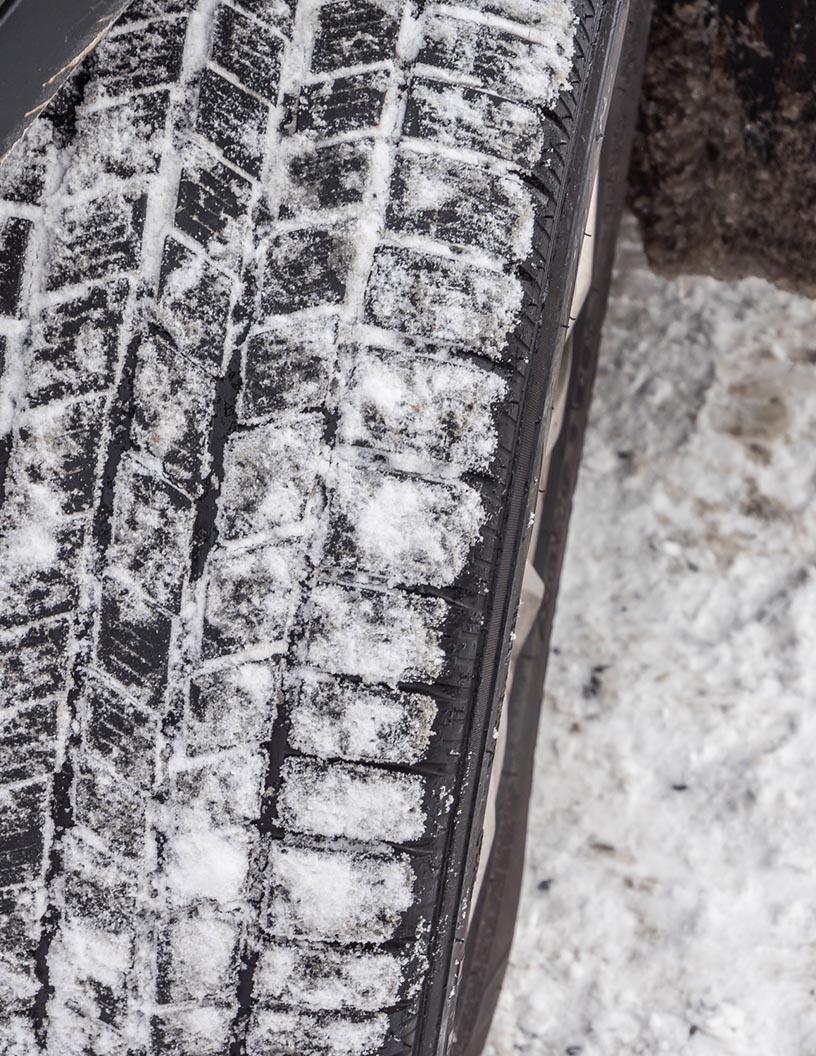


Europe All-Season Tire Market Size 2025-2029
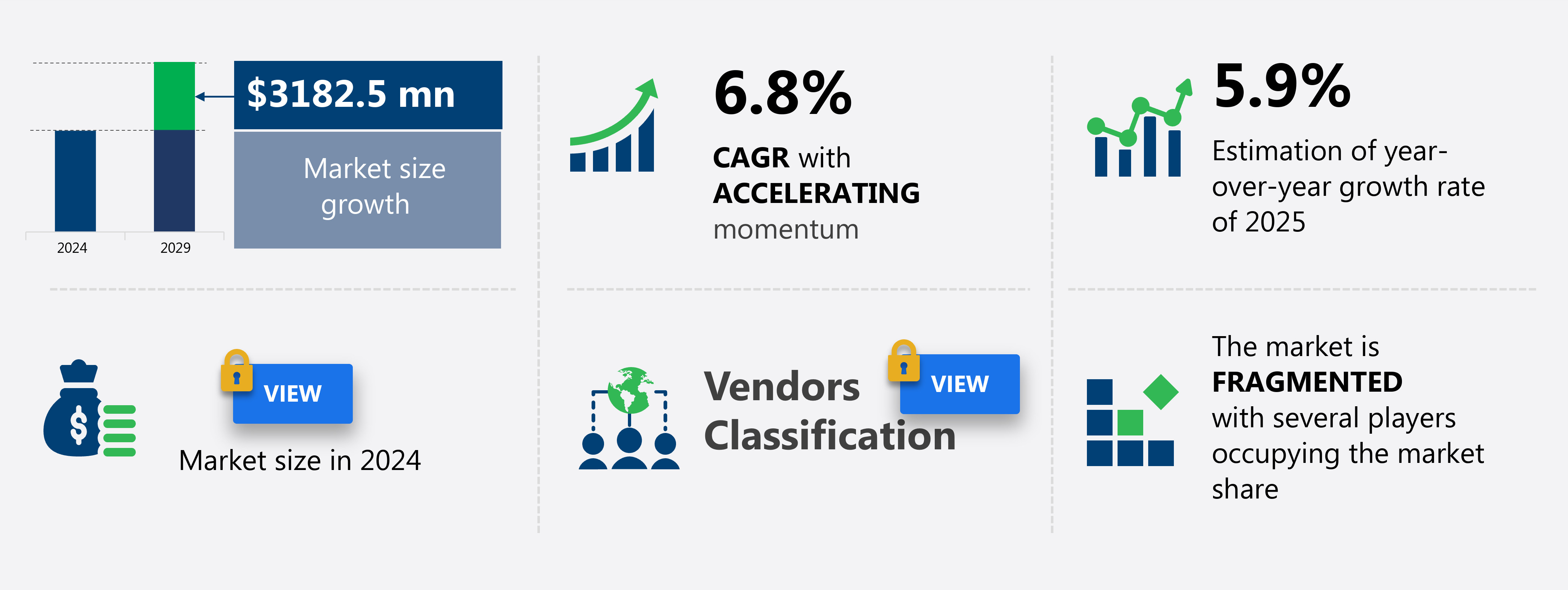
The Europe all-season tire market size is forecast to increase by USD 3.18 billion at a CAGR of 6.8% between 2024 and 2029.
- The market is experiencing significant growth due to various trends and factors. Regulations mandating the use of all-season tires in specific regions are driving market expansion. All-season tires provide safety benefits and consistent performance in various driving conditions, making them a cost-effective solution for passenger cars, SUVs, and light luxury vehicles. Additionally, the increasing adoption of non-petroleum-derived materials and advanced manufacturing technologies in tire production is enhancing product performance and sustainability. However, the market faces challenges from the volatility in raw material prices, which can impact the cost of production and profitability for manufacturers. These trends and growth factors are shaping the future of the market.
What will be the Size of the market During the Forecast Period?
- The market encompasses a diverse range of tire types designed to provide reliable traction on both wet and dry surfaces throughout the year. This market exhibits strong growth, driven by increasing consumer preference for cost-effective, year-round tire solutions. Key trends include the development of advanced technologies for improved safety and performance, such as run-flat tires, pressure monitoring systems, and design innovations like sidewall reinforcements. Additionally, the rise of electric vehicles and the growing popularity of SUVs and trucks have expanded the market's scope. Maintenance tips, buying guides, and safety recommendations are essential resources for consumers seeking to optimize tire performance and extend their lifespan.
- The market is served by a network of retailers, distributors, and wholesalers, ensuring widespread availability. Despite the competitive landscape, brand visibility remains a crucial factor in consumer decision-making. The manufacturing process continues to evolve, with a focus on durability, recycling, and performance comparison. Warranty, inflation, and cost-effective options are also significant considerations for both consumers and transportation companies. Ultimately, the market caters to the diverse needs of consumers and industries, offering a range of solutions for various applications and budgets.
How is this market segmented and which is the largest segment?
The market research report provides comprehensive data (region-wise segment analysis), with forecasts and estimates in "USD billion" for the period 2025-2029, as well as historical data from 2019-2023 for the following segments.
- Distribution Channel
- Offline
- Online
- End-user
- Aftermarket
- OEM
- Type
- Bias tire
- Radial tire
- Application
- Passenger car
- LCV
- HCV
- Geography
- Europe
- Germany
- UK
- France
- Italy
- Europe
By Distribution Channel Insights
- The offline segment is estimated to witness significant growth during the forecast period.
The European market is driven by the prevalence of physical stores, offering consumers the advantage of directly experiencing tire features before purchase. Brick-and-mortar retailers, including those operated by major tire manufacturers like Bridgestone, Continental, and Goodyear, contribute significantly to the market. These outlets cater to consumers through company-owned dealerships, authorized resellers, wholesale distributors, and franchises. Safety regulations mandate the use of all-season tires in various weather conditions, increasing demand for these tires. Technological advancements in rubber compounds enhance traction, durability, handling, and tread design, catering to the evolving needs of consumers and fleet operators.

Get a glance at the market report of share of various segments Request Free Sample
Market Dynamics
Our market researchers analyzed the data with 2024 as the base year, along with the key drivers, trends, and challenges. A holistic analysis of drivers will help companies refine their marketing strategies to gain a competitive advantage.
What are the key market drivers leading to the rise in adoption of Europe All-Season Tire Market?
Regulations pertaining to use of all-season tires is the key driver of the market. All-season tires have gained significant popularity in regions with diverse climatic conditions due to safety regulations mandating their use during specific seasons. Europe, with its extreme winters and snowfall, is a major market for all-season tires. Countries in Northern and Western Europe experience significant snowfall and extreme cold, necessitating the use of all-season tires for improved safety and performance benefits.
These tires offer a cost-effective solution for vehicle owners, allowing them to drive conveniently throughout the year without having to switch between summer and winter tires. The market's growth is driven by technological advancements in rubber compounds and tread designs, which enhance traction, durability, handling, and wear in various weather conditions. Safety regulations and consumer awareness of safety standards have also played a crucial role In the market's expansion. Light commercial vehicles, SUVs, passenger cars, and crossovers all benefit from the use of all-season tires.
Environmental concerns have led to the development of green tires, which offer improved eco-friendliness and rolling resistance. Fleet operators and commercial transportation companies also prefer all-season tires for their cost-effective solutions and vehicle uptime benefits. Consumer preferences for year-round driving convenience and consistent demand have further fueled the market's growth. Sales of all-season tires are expected to remain strong as driving conditions continue to change with increasingly unpredictable weather patterns.
What are the market trends shaping the Europe All-Season Tire Market?
Growing use of non-petroleum-derived materials and advanced manufacturing technologies is the upcoming trend In the market. All-season tires have gained significant traction In the market due to safety regulations and consumer preferences for cost-effective, year-round solutions. Tire manufacturers are focusing on technological advancements to provide safety benefits and performance improvements.
Advanced rubber compounds, such as silica, are being used to enhance grip, handling, and durability in various vehicle configurations, including passenger cars, SUVs, light commercial vehicles, and heavy commercial vehicles. Safety regulations continue to drive the demand for all-season tires, as they offer consistent performance in various weather conditions, including ice, changing weather patterns, and extreme heat. The use of sustainable manufacturing processes and eco-friendly materials, such as green tires, is also gaining popularity due to environmental concerns and consumer awareness.
Fleet operators and commercial transportation companies are adopting cost-effective solutions to ensure vehicle uptime and improve overall performance. The convenience of e-commerce and logistics providers has made it easier for consumers to purchase all-season tires online. The tire industry is also witnessing significant growth In the electric vehicle market and the sales of crossovers and motor vehicles. Tread design plays a crucial role In the performance of all-season tires. Advanced designs offer improved traction and handling in different driving conditions, while also ensuring wear consistency and minimizing rolling resistance for eco-friendliness.
What challenges doesEurope All-Season Tire Market face during the growth?
Volatility in raw material prices of all-season tires is a key challenge affecting the market growth. All-season tires are a crucial component of passenger cars and vehicles, offering safety benefits and performance advantages in various weather conditions. Safety regulations play a significant role In the production of these tires, ensuring they meet specific safety standards. The tires' performance is influenced by the rubber compounds used In their manufacturing.
Synthetic rubber, derived from petroleum refining, is a key component, with isoprene being an essential feedstock. The sustainability of isoprene production is impacted by the price volatility of crude oil, refining costs, and energy consumption. The automotive industry is influenced by the market dynamics of the rubber industry. The cost-effective solutions provided by all-season tires make them a popular choice for consumers, prioritizing convenience and consistent demand.
Light commercial vehicles, SUVs, crossovers, and motor vehicles, including electric vehicles, utilize all-season tires for their overall performance and handling in diverse driving conditions. Traction, durability, and handling are essential performance benefits, while tread design plays a critical role in ensuring grip and wear resistance. Fleet operators and consumers alike value the cost-effectiveness and vehicle uptime offered by all-season tires. E-commerce platforms and service centers cater to the convenience of consumers, allowing them to purchase tires online or have them installed professionally.
Exclusive Customer Landscape
The market forecasting report includes the adoption lifecycle of the market, covering from the innovator's stage to the laggard's stage. It focuses on adoption rates in different regions based on penetration. Furthermore, the market report also includes key purchase criteria and drivers of price sensitivity to help companies evaluate and develop their market growth analysis strategies.
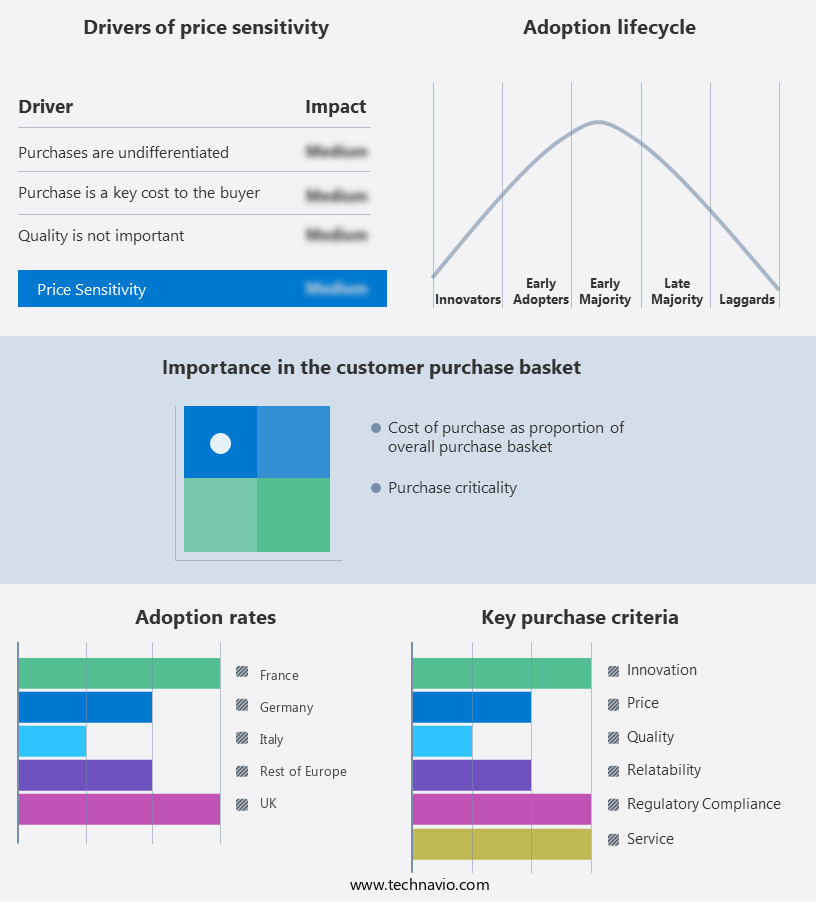
Customer Landscape
Key Companies & Market Insights
Companies are implementing various strategies, such as strategic alliances, market forecast , partnerships, mergers and acquisitions, geographical expansion, and product/service launches, to enhance their presence In the market.
Apollo Tyres Ltd. - The company offers all-season tires such as Alnac 4G and Altrust for cars and vans.
The market research and growth report includes detailed analyses of the competitive landscape of the market and information about key companies, including:
- Bridgestone Corp.
- Continental AG
- Federal Tires
- Giti Tire Pte. Ltd.
- HACI OMER SABANCI HOLDING A.S.
- Hankook Tire and Technology Co. Ltd.
- Kenda Rubber Industrial Co. Ltd.
- Kumho Tire Co. Inc.
- Maxxis International
- Michelin Group
- MRF Ltd.
- NEXEN TIRE Corp.
- Nokian Tyres Plc
- Pirelli and C S.p.A
- Sumitomo Rubber Industries Ltd.
- The Goodyear Tire and Rubber Co.
- Toyo Tire Corp.
- Yokohama Tire Corp.
- Zhongce Rubber Group Co. Ltd.
Qualitative and quantitative analysis of companies has been conducted to help clients understand the wider business environment as well as the strengths and weaknesses of key market players. Data is qualitatively analyzed to categorize companies as pure play, category-focused, industry-focused, and diversified; it is quantitatively analyzed to categorize companies as dominant, leading, strong, tentative, and weak.
Research Analyst Overview
All-season tires have gained significant traction In the global automotive market due to their ability to provide reliable performance and safety benefits across various driving conditions. These tires are designed to offer a balance between handling, traction, and durability, making them a popular choice for passenger cars and light commercial vehicles. The rubber compounds used in all-season tires undergo rigorous testing to ensure they meet safety regulations and offer optimal performance in diverse weather conditions. The advanced rubber compounds enable these tires to provide consistent grip on both dry and wet roads, enhancing vehicle safety and handling. Safety is a top priority In the automotive industry, and it plays a crucial role in ensuring vehicle uptime and reducing the risk of accidents.
In addition, safety regulations mandate that tires meet specific performance standards, and they are engineered to meet these requirements. Technological advancements in tire manufacturing have led to the development of eco-friendly and sustainable manufacturing processes. These processes reduce the environmental impact of tire production while maintaining the high-performance standards expected of all-season tires. Logistics providers play a critical role In the distribution to consumers. E-commerce platforms have made it convenient for consumers to purchase tires online, and cost-effective solutions have made all-season tires an affordable option for vehicle ownership. Heavy commercial vehicles and light commercial vehicles, including SUVs, crossovers, and motor vehicles, also benefit from them.
Furthermore, these tires offer improved handling and traction, ensuring consistent vehicle performance and reducing downtime. Fleet operators and consumers alike value the overall performance and convenience. They offer a cost-effective solution for year-round driving, allowing vehicle sales to remain consistent despite changing weather patterns. Consumer awareness of the importance of tire safety and performance has led to a growing demand for all-season tires. Consumers are increasingly seeking cost-effective solutions that provide reliable performance in various driving conditions. All-season tires offer several performance benefits, including improved handling, traction, and wear resistance. The tread design of these tires is engineered to provide optimal performance in various weather conditions, from dry road conditions to ice and snow.
In addition, the market for all-season tires is expected to remain consistent due to the consistent demand from consumers and fleet operators. Consumer preferences for cost-effective and convenient solutions, along with the increasing popularity of electric vehicles and sustainable manufacturing processes, are driving innovation In the market. Their ability to provide reliable performance and safety benefits across various driving conditions makes them a popular choice for consumers and fleet operators alike. The market for all-season tires is expected to remain consistent, driven by consumer preferences, technological advancements, and safety regulations.
|
Market Scope |
|
|
Report Coverage |
Details |
|
Page number |
210 |
|
Base year |
2024 |
|
Historic period |
2019-2023 |
|
Forecast period |
2025-2029 |
|
Growth momentum & CAGR |
Accelerate at a CAGR of 6.8% |
|
Market growth 2025-2029 |
USD 3.18 billion |
|
Market structure |
Fragmented |
|
YoY growth 2024-2025(%) |
5.9 |
|
Key countries |
Germany, UK, France, Italy, and Rest of Europe |
|
Competitive landscape |
Leading Companies, Market Positioning of Companies, Competitive Strategies, and Industry Risks |
What are the Key Data Covered in this Market Research and Growth Report?
- CAGR of the market during the forecast period
- Detailed information on factors that will drive the market growth and forecasting between 2025 and 2029
- Precise estimation of the size of the market and its contribution of the market in focus to the parent market
- Accurate predictions about upcoming market growth and trends and changes in consumer behaviour
- Growth of the market across Europe
- Thorough analysis of the market's competitive landscape and detailed information about companies
- Comprehensive analysis of factors that will challenge the growth of market companies
We can help! Our analysts can customize this market research report to meet your requirements. Get in touch