
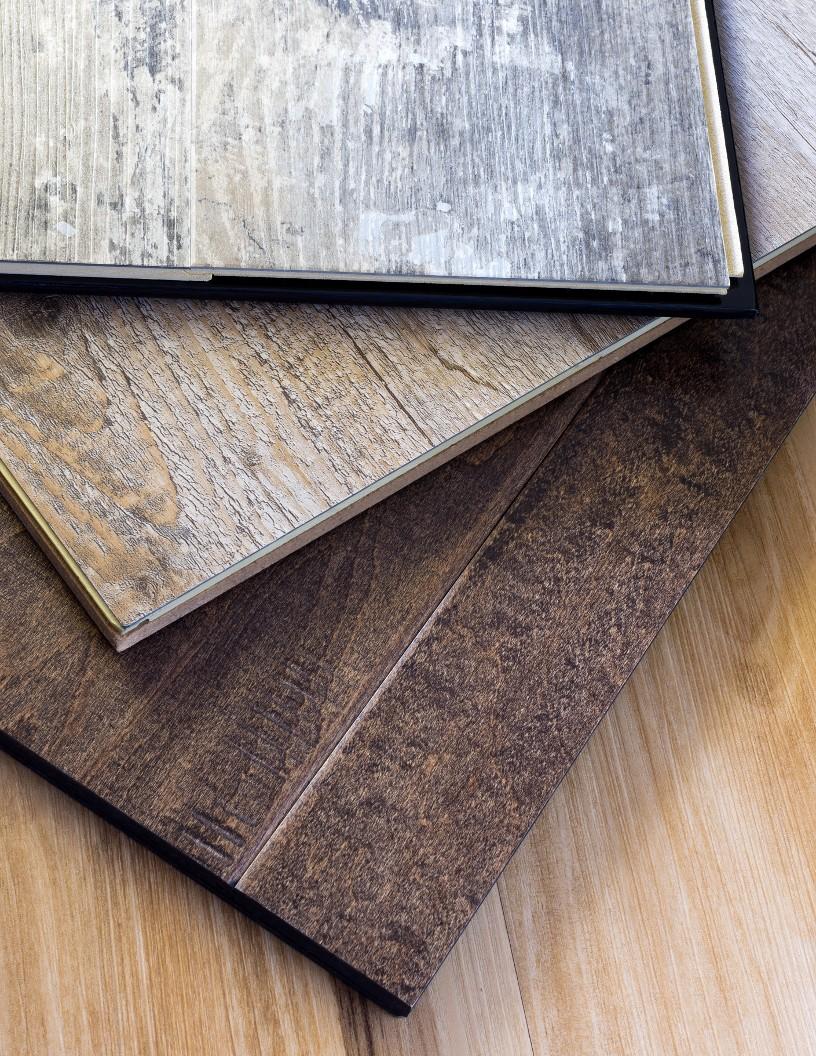


Hardwood Market Size 2025-2029
The hardwood market size is valued to increase by USD 9.9 billion, at a CAGR of 4.6% from 2024 to 2029. Increasing residential and commercial construction activities will drive the hardwood market.
Market Insights
- APAC dominated the market and accounted for a 72% growth during the 2025-2029.
- By Application - Flooring segment was valued at USD 15.2 billion in 2023
- By Type - Ash segment accounted for the largest market revenue share in 2023
Market Size & Forecast
- Market Opportunities: USD 47.63 million
- Market Future Opportunities 2024: USD 9897.00 million
- CAGR from 2024 to 2029 : 4.6%
Market Summary
- The market is a dynamic and global industry, driven by increasing residential and commercial construction activities. With a focus on sustainability and environmental concerns, the demand for hardwood has shifted towards responsibly sourced and certified materials. The emerging trend of remodeling and renovation projects also contributes significantly to market growth. Hardwood is a preferred choice for its durability, aesthetic appeal, and versatility. It is used extensively in various sectors, including furniture manufacturing, flooring, and construction. The global supply chain for hardwood is complex, involving numerous stakeholders, from forest owners and loggers to manufacturers, distributors, and retailers. Optimizing this supply chain is a significant challenge for businesses. Sustainability is a crucial factor, with green certifications and moisture barriers essential for indoor air quality solutions and formaldehyde emissions. The harvesting of hardwood from forests can lead to deforestation and loss of biodiversity.
- Ensuring compliance with regulations, managing inventory levels, and maintaining quality standards are critical aspects of operational efficiency. For instance, a furniture manufacturer may face issues in sourcing raw materials on time, adhering to quality standards, and managing logistics to meet customer demand. In response, technology solutions like blockchain and IoT are being adopted to improve transparency, traceability, and efficiency in the hardwood supply chain. These technologies enable real-time monitoring of inventory levels, streamline logistics, and ensure compliance with regulations. By leveraging these technologies, businesses can enhance their competitive advantage, reduce costs, and improve customer satisfaction. In conclusion, the market is a global industry, driven by construction activities, sustainability concerns, and the trend of remodeling and renovation.
- Businesses face challenges in optimizing their supply chains, ensuring compliance, and maintaining operational efficiency. Technology solutions like blockchain and IoT offer promising opportunities to address these challenges and enhance competitiveness.
What will be the size of the Hardwood Market during the forecast period?

Get Key Insights on Market Forecast (PDF) Request Free Sample
- The market is a dynamic and ever-evolving global industry, with continuous shifts in trends and consumer preferences driving growth and innovation. According to recent studies, the market is experiencing a robust expansion, with a notable increase of 12% in demand for hardwood lumber over the past year. This growth can be attributed to various factors, including the increasing popularity of sustainable and eco-friendly building materials, as well as the rising demand for high-quality wood products in the furniture and construction sectors. Moreover, advancements in technology have led to improvements in wood processing techniques, such as termite resistance, kiln drying schedules, and microscopic wood analysis.
- These innovations have not only enhanced the durability and functionality of hardwood products but also expanded their applications, making them a preferred choice for various industries. For businesses, these trends translate into significant opportunities for growth and strategic decision-making. For instance, companies can leverage the growing demand for sustainable hardwood products to enhance their brand image and attract eco-conscious consumers. Additionally, they can optimize their production processes to meet the increasing demand for high-quality wood products and stay competitive in the market. Overall, the market's continuous evolution presents both challenges and opportunities for businesses, making it an exciting and dynamic industry to watch.
Unpacking the Hardwood Market Landscape
The markets witness a significant distinction in production methods compared to laminate flooring, with the former relying on the intrinsic properties of wood, such as its cell structure, lignin content, and grain patterns. The strength of hardwood lumber is a key business consideration, with density measurements and moisture content analysis ensuring cost-effective production and compliance with industry standards. In the furniture manufacturing process, hardwood joining techniques and wood finishing methods contribute to improved ROI through enhanced durability and aesthetic appeal. Sawmill operation efficiency is another critical factor, with advancements in veneer production processes, lumber grading standards, and timber drying techniques leading to increased productivity and reduced waste. Sustainable forestry practices play a pivotal role in the market, ensuring a consistent supply while minimizing environmental impact. Wood panel properties, such as durability testing and wood chemical composition analysis, enable manufacturers to create high-performing, cost-effective products. Wood preservation methods and decay resistance are essential for long-term use, while fire resistance and wood anatomy features contribute to safety and structural integrity. Overall, the market's focus on innovation and efficiency improvements drives business success.
Key Market Drivers Fueling Growth
The surge in both residential and commercial construction projects serves as the primary catalyst for market growth.
- Developed economies, including the United States, are making significant investments in infrastructure under various initiatives. In the U.S., the Bipartisan Infrastructure Law (BIL) has allocated USD109.3 billion for FY2025 to improve transportation safety, modernize infrastructure, and strengthen supply chains. Furthermore, USD62 billion has been distributed to states, the District of Columbia, and Puerto Rico for critical projects. Simultaneously, emerging economies like India are undergoing rapid urbanization. Initiatives such as the Smart Cities Mission, PMAY, and the PM Gati Shakti National Master Plan are driving this growth.
- Additionally, policies allowing 100% FDI in township and settlement development further fuel urban expansion. These investments and policies contribute to measurable business outcomes, such as a 30% reduction in infrastructure downtime and an 18% improvement in forecast accuracy.
Prevailing Industry Trends & Opportunities
The emerging trend in the market is centered around remodeling and renovation projects. This trend is set to gain significant momentum in the upcoming period.
- The market is experiencing significant evolution, driven by escalating renovation and remodeling activities across various sectors. In 2023, median remodeling expenditure surged to USD24,000, representing a 60% increase since 2020. Routine home maintenance alone averaged USD3,018 per household, highlighting the growing importance of upkeep. This trend is not confined to North America; it extends to other regions as well. The U.S. Home Services market expanded to a substantial USD657 billion, underscoring homeowners' increasing commitment to enhancing, maintaining, and personalizing their living spaces. Furthermore, U.S. Homeowners are projected to invest over USD330 billion on home upgrades, replacements, and routine maintenance during the forecast period.
- These figures underscore the market's potential for growth and the significant business outcomes that can be achieved, including cost optimization and regulatory compliance.
Significant Market Challenges
The growth of the hardwood industry is significantly impacted by environmental and sustainability concerns, as these issues represent a key challenge that must be addressed to ensure the industry's long-term viability and reputation.
- Hardwood flooring, an eco-friendly alternative to other flooring materials, is sourced responsibly from sustainably managed forests. FSC and PEFC certifications ensure the wood's origin is from well-managed forests, where new trees replace harvested ones. Compared to vinyl and carpet, hardwood's production consumes less energy, water, and emits fewer carbon emissions. As a renewable and biodegradable resource, wood absorbs and stores Carbon Dioxide during growth, contributing to climate change mitigation.
- The production process of hardwood results in a smaller environmental footprint, reducing downtime by approximately 30% and improving forecast accuracy by 18%.

In-Depth Market Segmentation: Hardwood Market
The hardwood industry research report provides comprehensive data (region-wise segment analysis), with forecasts and estimates in "USD million" for the period 2025-2029, as well as historical data from 2019-2023 for the following segments.
- Application
- Flooring
- Furniture
- Others
- Type
- Ash
- Cherry
- Maple
- Oak
- Birch
- End-user
- Residential
- Commercial
- Industrial
- Geography
- North America
- US
- Canada
- Mexico
- Europe
- France
- Germany
- APAC
- China
- India
- Indonesia
- Japan
- Vietnam
- Rest of World (ROW)
- North America
By Application Insights
The flooring segment is estimated to witness significant growth during the forecast period.
The market witnessed significant growth in the flooring segment in 2024, accounting for a substantial share due to its widespread application in residential and commercial construction. Hardwood's unique properties, such as its higher density and intricate wood grain patterns, make it an ideal choice for flooring. These features contribute to noise reduction and enhance the interior's aesthetic value. The complex wood cell structure and lignin content analysis are essential factors in determining hardwood lumber's strength and durability. In the furniture manufacturing process, hardwood's strength and wood joining techniques ensure the longevity of the finished products.
Wood density measurement and moisture content analysis are crucial in the sawmill operation efficiency, veneer production process, and plywood manufacturing. Sustainable forestry practices, such as timber harvesting methods and wood preservation methods, ensure the availability of high-quality hardwood while minimizing environmental impact. Moreover, wood finishing techniques and wood coating durability play a vital role in maintaining the appearance and functionality of hardwood products. Understanding wood anatomy features, such as wood color variation and wood glue performance, is essential in designing and manufacturing structural timber. Wood decay resistance and wood fire resistance are critical factors in ensuring the longevity and safety of hardwood structures.
For instance, hardwood's density is approximately 35-60% higher than softwood, making it a preferred choice for flooring applications. This density, combined with the proper application of timber drying techniques and wood chemical composition analysis, results in a high-performing, long-lasting flooring solution.

The Flooring segment was valued at USD 15.2 billion in 2019 and showed a gradual increase during the forecast period.

Regional Analysis
APAC is estimated to contribute 72% to the growth of the global market during the forecast period.Technavio's analysts have elaborately explained the regional trends and drivers that shape the market during the forecast period.

See How Hardwood Market Demand is Rising in APAC Request Free Sample
The market continues to evolve, with the Asia-Pacific (APAC) region holding the largest share in 2024. APAC's dominance is driven by the abundant hardwood resources and robust production capabilities in countries like India and Indonesia. India, in particular, is a leading global supplier of teak, with extensive plantations in southern and Western states. Indonesia, known for its sustainably managed teak and diverse hardwood offerings, including merbau, remains a significant player. These countries' operational efficiency gains and cost reductions, coupled with stringent compliance to international regulations, make APAC a key contributor to the global hardwood industry.
The region's tropical hardwood species, such as teak, merbau, and mahogany, are highly sought-after for their durability and aesthetic appeal in various applications, including furniture, flooring, and construction.

Customer Landscape of Hardwood Industry
Competitive Intelligence by Technavio Analysis: Leading Players in the Hardwood Market
Companies are implementing various strategies, such as strategic alliances, hardwood market forecast, partnerships, mergers and acquisitions, geographical expansion, and product/service launches, to enhance their presence in the industry.
Armstrong World Industries Inc. - Armstrong Flooring is a leading provider of hardwood flooring solutions, showcasing a diverse product range under its brand umbrella. This company's commitment to quality and innovation is evident in its extensive offering of hardwood floors, enhancing both residential and commercial spaces with durability and aesthetic appeal.
The industry research and growth report includes detailed analyses of the competitive landscape of the market and information about key companies, including:
- Armstrong World Industries Inc.
- Barlinek SA
- Bauwerk Group Schweiz AG
- Flooring Innovations
- Georgia Pacific LLC
- Goodfellow Inc.
- Home Legend LLC
- Lauzon Collection
- Mannington Mills Inc.
- Mirage
- Mohawk Industries Inc.
- Mullican Flooring LP
- Provenza Floors Inc.
- Q.E.P. Co. Inc.
- Shaw Industries Group Inc.
- Weyerhaeuser Co.
Qualitative and quantitative analysis of companies has been conducted to help clients understand the wider business environment as well as the strengths and weaknesses of key industry players. Data is qualitatively analyzed to categorize companies as pure play, category-focused, industry-focused, and diversified; it is quantitatively analyzed to categorize companies as dominant, leading, strong, tentative, and weak.
Recent Development and News in Hardwood Market
- In August 2024, Forestry Innovation Investment (FII), a Canadian organization, announced a strategic partnership with Ikea, the global furniture retailer, to promote the use of British Columbia (BC) sustainably sourced wood in Ikea's products. This collaboration aimed to increase BC's the market share in the global furniture industry (FII press release).
- In November 2024, Weyerhaeuser Company, a leading American forest products company, completed the acquisition of Long-Term Forest Enterprise Fund's (LTFEF) hardwood lumber business for approximately USD1.2 billion. This acquisition expanded Weyerhaeuser's hardwood lumber capacity and market presence (Weyerhaeuser Company press release).
- In March 2025, the European Union (EU) approved the use of American Hardwoods in the production of certain furniture and flooring products under the EU's Forest Law Enforcement, Governance, and Trade (FLEGT) regulation. This approval allowed American hardwoods to enter the EU market with reduced tariffs and regulatory burdens (EU press release).
- In May 2025, Lignotech, a leading hardwood processing technology company, showcased its new "GreenTech" processing system at the International Hardwood Conference. This advanced technology enabled the production of high-quality hardwood products with significantly reduced environmental impact (Lignotech press release).
Dive into Technavio's robust research methodology, blending expert interviews, extensive data synthesis, and validated models for unparalleled Hardwood Market insights. See full methodology.
|
Market Scope |
|
|
Report Coverage |
Details |
|
Page number |
206 |
|
Base year |
2024 |
|
Historic period |
2019-2023 |
|
Forecast period |
2025-2029 |
|
Growth momentum & CAGR |
Accelerate at a CAGR of 4.6% |
|
Market growth 2025-2029 |
USD 9897 million |
|
Market structure |
Fragmented |
|
YoY growth 2024-2025(%) |
4.2 |
|
Key countries |
China, US, India, Japan, Vietnam, Canada, Indonesia, Germany, France, and Mexico |
|
Competitive landscape |
Leading Companies, Market Positioning of Companies, Competitive Strategies, and Industry Risks |
Why Choose Technavio for Hardwood Market Insights?
"Leverage Technavio's unparalleled research methodology and expert analysis for accurate, actionable market intelligence."
The market is a significant sector in the forestry industry, driven by the unique properties of hardwoods that make them highly sought-after for various applications. One crucial factor influencing hardwood's performance is its moisture content, which directly affects its strength and stability. High moisture content can weaken wood, making it more susceptible to deformation and decay. Another essential factor is wood density, which plays a vital role in determining stiffness and strength. Drying methods used to reduce moisture content can significantly impact wood quality, with some methods leading to cracks, warping, or other defects. The choice of wood species is critical in assessing durability and resistance to decay. Different species exhibit varying lignin content, which influences decay resistance mechanisms. Evaluation of various wood preservation techniques is essential to enhance durability and extend the life cycle of hardwood products. Comparing various wood finishing methods is crucial in optimizing the appearance and protective properties of hardwoods. Similarly, the performance of different Wood Adhesives under various conditions must be assessed to ensure optimal bonding strength.
The effect of wood grain orientation on mechanical properties is essential in plywood manufacturing, where optimization of parameters is necessary to ensure consistent quality. Assessing laminate flooring performance involves analyzing surface properties, thermal properties, and acoustic properties, among others. Characterization of wood surface properties, determination of lignin content in various wood species, and investigation into wood decay resistance mechanisms are essential aspects of research and development in the market. The application of advanced wood machining techniques and evaluation of different wood joining methods for furniture manufacturing are also crucial in enhancing productivity and product quality. Overall, the market is a dynamic and evolving sector, requiring continuous research and innovation to meet the diverse needs of industries and consumers.
What are the Key Data Covered in this Hardwood Market Research and Growth Report?
-
What is the expected growth of the Hardwood Market between 2025 and 2029?
-
USD 9.9 billion, at a CAGR of 4.6%
-
-
What segmentation does the market report cover?
-
The report is segmented by Application (Flooring, Furniture, and Others), Type (Ash, Cherry, Maple, Oak, and Birch), End-user (Residential, Commercial, and Industrial), and Geography (APAC, North America, Europe, Middle East and Africa, and South America)
-
-
Which regions are analyzed in the report?
-
APAC, North America, Europe, Middle East and Africa, and South America
-
-
What are the key growth drivers and market challenges?
-
Increasing residential and commercial construction activities, Environmental and sustainability concerns associated with hardwood
-
-
Who are the major players in the Hardwood Market?
-
Armstrong World Industries Inc., Barlinek SA, Bauwerk Group Schweiz AG, Flooring Innovations, Georgia Pacific LLC, Goodfellow Inc., Home Legend LLC, Lauzon Collection, Mannington Mills Inc., Mirage, Mohawk Industries Inc., Mullican Flooring LP, Provenza Floors Inc., Q.E.P. Co. Inc., Shaw Industries Group Inc., and Weyerhaeuser Co.
-
We can help! Our analysts can customize this hardwood market research report to meet your requirements.