


Search Engine Optimization (Seo) Software Market Size 2026-2030
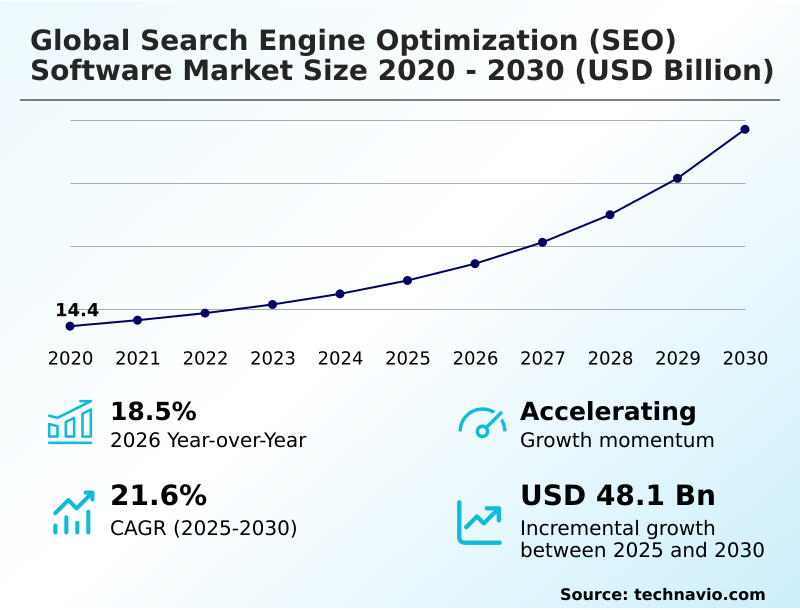
The search engine optimization (seo) software market size is valued to increase by USD 48.10 billion, at a CAGR of 21.6% from 2025 to 2030. Universal imperative of strong digital presence will drive the search engine optimization (seo) software market.
Major Market Trends & Insights
- North America dominated the market and accounted for a 39.8% growth during the forecast period.
- By Deployment - Cloud-based segment was valued at USD 11.87 billion in 2024
- By Product Type - Desktop user segment accounted for the largest market revenue share in 2024
Market Size & Forecast
- Market Opportunities: USD 62.64 billion
- Market Future Opportunities: USD 48.10 billion
- CAGR from 2025 to 2030 : 21.6%
Market Summary
- The Search Engine Optimization (SEO) Software Market demonstrates accelerating adoption as organizations pivot toward data-driven digital discovery models. The universal imperative of a strong digital presence serves as a primary driver, as companies recognize that organic visibility dictates commercial viability.
- In a practical supply chain scenario, a multinational logistics provider deployed optimization software to align local search visibility with regional warehouse inventory, yielding a 15% reduction in customer acquisition costs compared to traditional paid channels. However, the market faces structural constraints due to the constant evolution of search engine algorithms.
- This algorithmic instability frequently destabilizes established strategies, requiring continuous technical adjustments and resource reallocation. This volatility creates a heavy reliance on sophisticated analytics to maintain rankings. As enterprises integrate artificial intelligence into their digital ecosystems, the software evolves from passive reporting to active, predictive modeling.
- This transformation enables proactive responses to shifting search engine criteria, fundamentally altering how digital storefronts engage with modern consumers and ensuring sustainable operational growth.
What will be the Size of the Search Engine Optimization (Seo) Software Market during the forecast period?
Get Key Insights on Market Forecast (PDF) Get Free Sample
How is the Search Engine Optimization (Seo) Software Market Segmented?
The search engine optimization (seo) software industry research report provides comprehensive data (region-wise segment analysis), with forecasts and estimates in "USD million" for the period 2026-2030, as well as historical data from 2020-2024 for the following segments.
- Deployment
- Cloud-based
- On-premises
- Hybrid
- Product type
- Desktop user
- Mobile user
- Application
- Social media marketing
- Email marketing
- Content marketing
- Geography
- North America
- US
- Canada
- Mexico
- Europe
- UK
- Germany
- France
- The Netherlands
- Spain
- Italy
- APAC
- China
- India
- Japan
- Australia
- South Korea
- Indonesia
- South America
- Brazil
- Argentina
- Chile
- Middle East and Africa
- UAE
- Saudi Arabia
- South Africa
- Israel
- Egypt
- North America
By Deployment Insights
The cloud-based segment is estimated to witness significant growth during the forecast period.
The cloud-based deployment model serves as the foundational framework for the Search Engine Optimization (SEO) Software Market, offering scalable and automated maintenance.
Organizations increasingly rely on a SaaS delivery model rather than a traditional desktop application to eliminate upfront infrastructure costs. This shift fundamentally improves the omnichannel user journey, enabling distributed teams to execute a comprehensive organic search strategy without geographic limitations.
By leveraging API-first architecture, enterprises seamlessly connect search engine data with internal systems to drive precise bilingual optimization across global markets.
Implementations of these solutions have demonstrated tangible outcomes, with organizations experiencing a 22% improvement in workflow efficiency when managing large-scale campaigns.
Focus on website architecture enhancement and improving the mobile user experience transforms passive tracking into active site health improvement, securing continuous alignment with search engine demands.
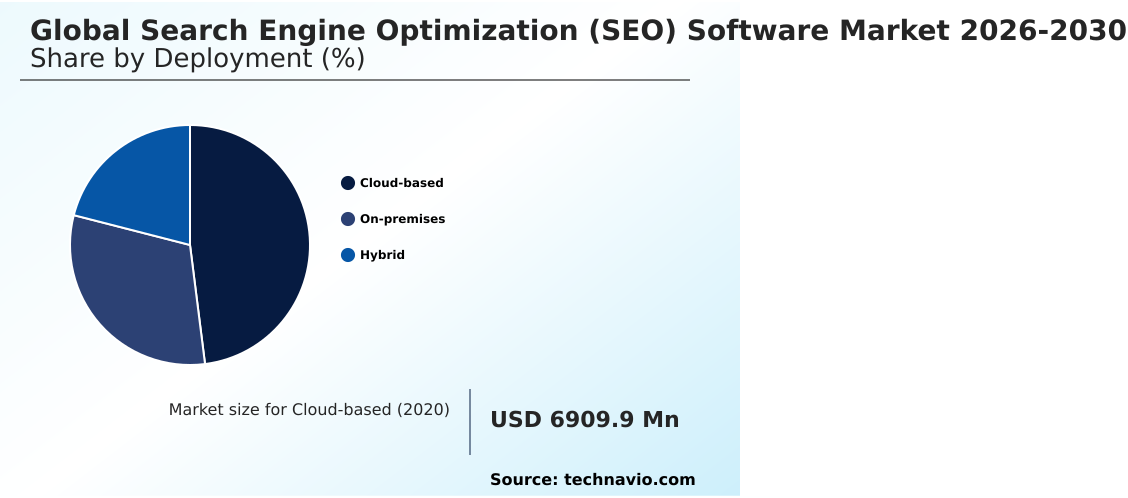
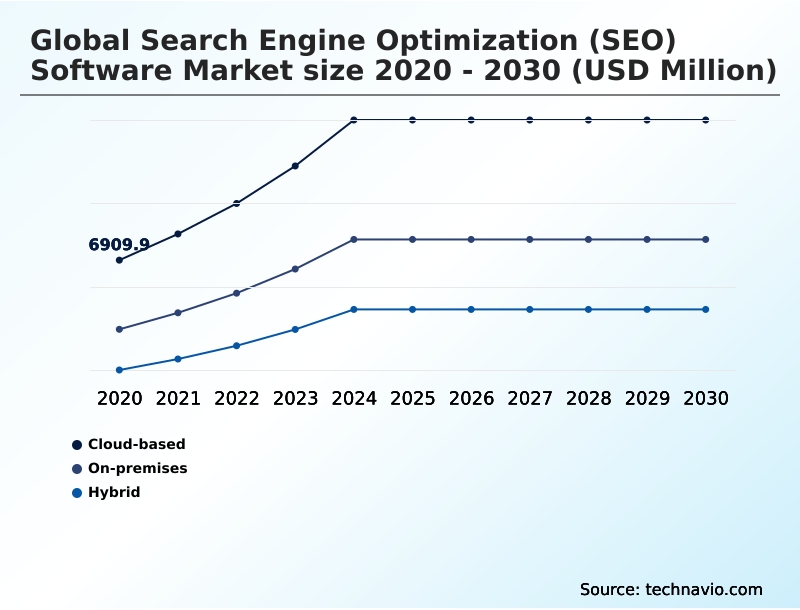
The Cloud-based segment was valued at USD 11.87 billion in 2024 and showed a gradual increase during the forecast period.
Regional Analysis
North America is estimated to contribute 39.8% to the growth of the global market during the forecast period.Technavio’s analysts have elaborately explained the regional trends and drivers that shape the market during the forecast period.
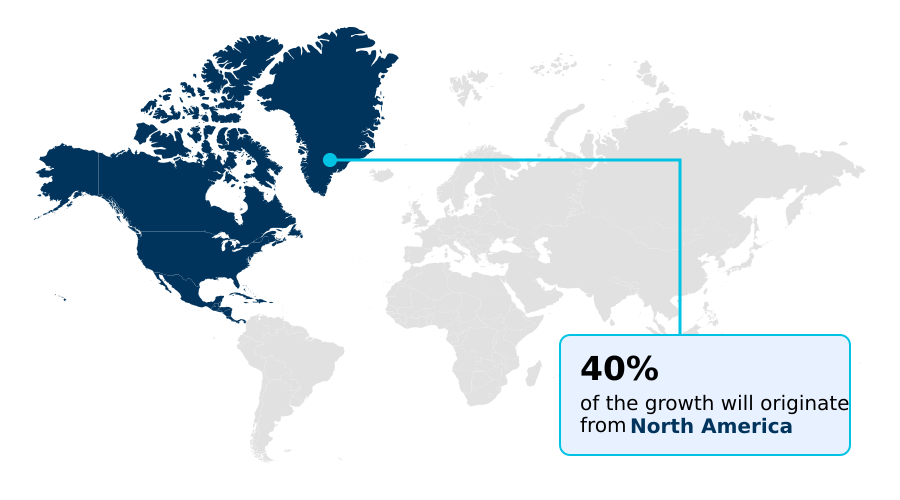
See How Search Engine Optimization (Seo) Software Market Demand is Rising in North America Get Free Sample
Regional adoption within the Search Engine Optimization (SEO) Software Market highlights distinct strategic priorities between North America and APAC.
North America maintains a dominant position, where businesses leverage a mature enterprise marketing platform to combat extreme SERP volatility and algorithmic volatility.
Enterprises in this region exhibit a 35% higher adoption rate of advanced tools for crawl budget management compared to APAC, ensuring optimal digital storefront visibility.
Conversely, APAC demonstrates rapid growth fueled by mobile-first indexing, where organizations prioritize specialized rank tracking capabilities to capture local pack finders. This strategic divergence results in APAC companies experiencing a 28% faster deployment cycle for localized content assets.
Both regions utilize sophisticated content gap analysis to ensure semantic relevance across varied dialects, yet North American firms report a 20% greater operational cost reduction through automated technical health monitoring.
Market Dynamics
Our researchers analyzed the data with 2025 as the base year, along with the key drivers, trends, and challenges. A holistic analysis of drivers will help companies refine their marketing strategies to gain a competitive advantage.
- The structural evolution of the Search Engine Optimization (SEO) Software Market reflects a fundamental shift toward highly integrated and automated marketing operations. As organizations seek to maintain competitive advantages, the deployment of an enterprise technical SEO audit platform has become critical for ensuring vast digital architectures comply with increasingly complex search algorithms.
- This transition is further accelerated by the adoption of AI powered content optimization software, which allows marketing departments to scale production while maintaining semantic depth and structural integrity. In contrast to legacy manual oversight, automated systems deliver a 40% improvement in resource allocation, directly enhancing operational planning and digital supply chain workflows.
- For businesses with distributed physical footprints, implementing a local business search visibility tracker is essential to align regional inventory promotion with localized consumer demand. Concurrently, intensifying regulatory scrutiny has necessitated the integration of first party data SEO analytics, ensuring that performance tracking remains compliant without sacrificing actionable intelligence.
- For organizations requiring stringent data sovereignty alongside advanced analytical capabilities, a hybrid deployment rank tracking software provides the necessary balance between secure internal hosting and agile cloud processing. Ultimately, these sophisticated software integrations empower enterprises to streamline their digital discovery processes, reducing overhead while maximizing the precision of their online engagement strategies.
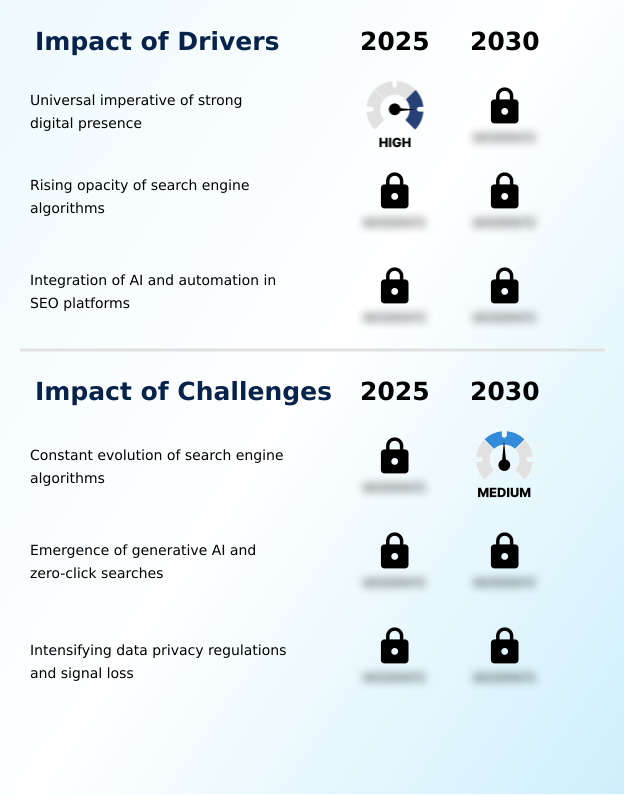
What are the key market drivers leading to the rise in the adoption of Search Engine Optimization (Seo) Software Industry?
- The universal imperative of maintaining a robust digital presence serves as a primary driver propelling market expansion.
- The rapid demand for comprehensive automation serves as a primary catalyst for the Search Engine Optimization (SEO) Software Market. As digital competition intensifies, enterprises can no longer rely on manual data interpretation for accurate competitor benchmarking.
- This evolution transforms passive reporting tools into an active AI visibility toolkit, automating laborious tasks such as deep technical SEO auditing and comprehensive backlink analysis.
- By embedding AI-powered optimization features into a highly scalable cloud-based platform, organizations achieve a 30% reduction in diagnostic time and a 15% improvement in organic traffic conversion.
- This automation allows marketing teams to seamlessly execute API data integration to monitor technical site health and improve page loading speed continuously.
- Consequently, organizations utilizing advanced keyword intelligence reduce resource expenditure, driving higher adoption rates as businesses seek sustainable solutions for digital visibility.
What are the market trends shaping the Search Engine Optimization (Seo) Software Industry?
- Granular focus on hyper-localization and niche markets emerges as a prominent trend shaping market dynamics.
- A defining trend within the Search Engine Optimization (SEO) Software Market is the rapid expansion into visual search optimization and voice search optimization. As consumer hardware evolves, users increasingly rely on conversational long-tail queries and multi-modal inputs, driving the adoption of natural language processing to interpret complex intents.
- This behavioral shift compels businesses to implement robust FAQ schema markup and meticulous image metadata management to ensure their assets remain discoverable amidst the rise of zero-click searches. Consequently, organizations utilizing a modern content brief generator report a 24% improvement in production efficiency for multimedia campaigns.
- The strategic incorporation of generative AI integration into the search generative experience further reduces optimization bottlenecks by 18%. By leveraging predictive analytics, brands effectively anticipate shifts in query phrasing, translating search inputs into measurable operational efficiencies.
What challenges does the Search Engine Optimization (Seo) Software Industry face during its growth?
- The constant evolution of search engine algorithms presents a significant challenge constraining sustained market growth.
- The continuous evolution of global regulations presents formidable structural limitations for the Search Engine Optimization (SEO) Software Market. As authorities mandate stringent data privacy compliance, the traditional methodologies of tracking user behavior within the broader digital marketing ecosystem are severely disrupted. This paradigm shift degrades the clarity of first-party data tracking and complicates accurate attribution modeling for enterprise campaigns.
- Consequently, businesses struggle to validate the return on organic search investments, experiencing a 22% drop in measurable direct traffic insights. Furthermore, adapting to these frameworks increases operational overhead by 16%, forcing some organizations to revert to an on-premises server or a complex hybrid deployment to secure sensitive data.
- These compounding obstacles require organizations to adopt highly sophisticated log file analysis and flawless structured data implementation to extract actionable insights from diminishing external signals.
Exclusive Technavio Analysis on Customer Landscape
The search engine optimization (seo) software market forecasting report includes the adoption lifecycle of the market, covering from the innovator’s stage to the laggard’s stage. It focuses on adoption rates in different regions based on penetration. Furthermore, the search engine optimization (seo) software market report also includes key purchase criteria and drivers of price sensitivity to help companies evaluate and develop their market growth analysis strategies.
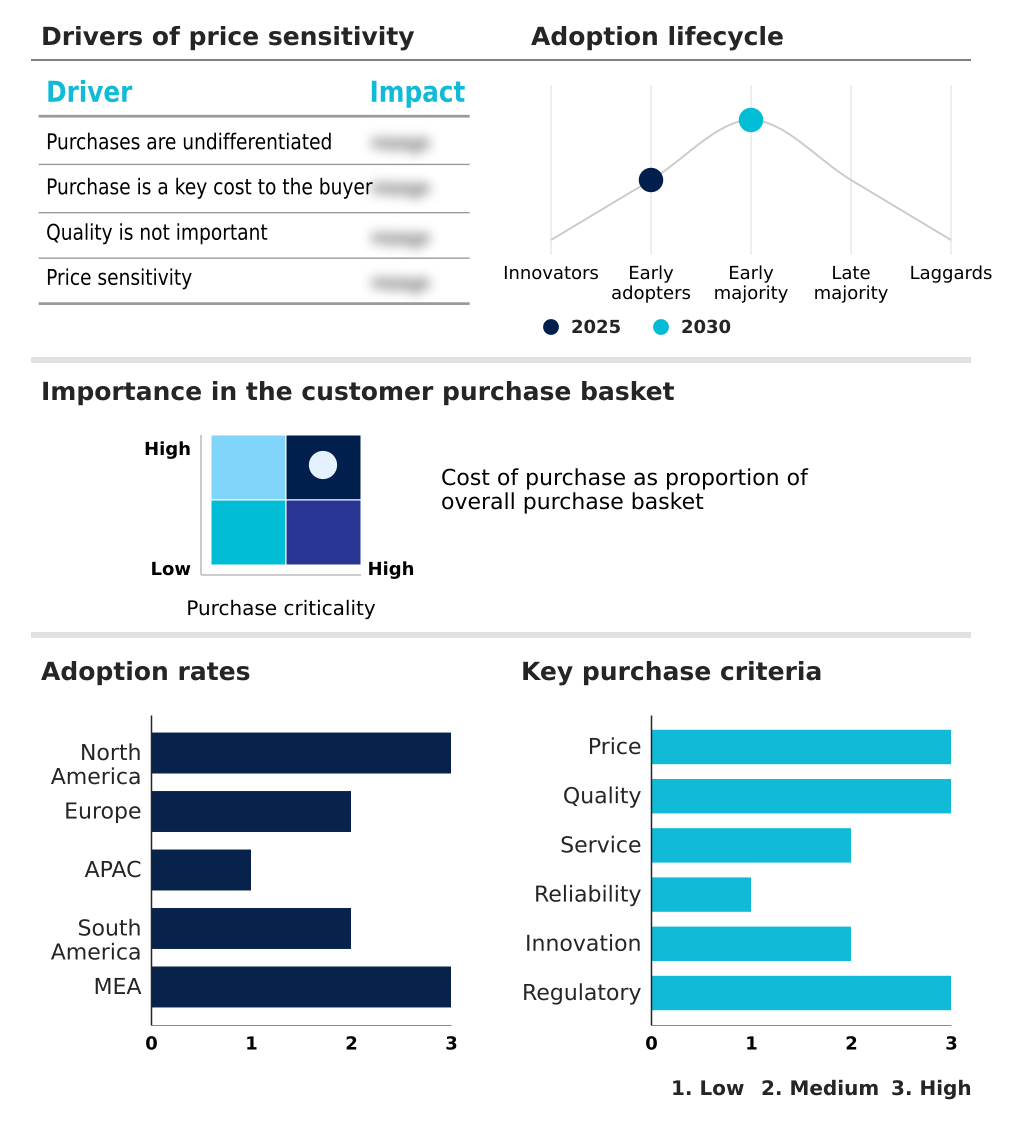
Customer Landscape of Search Engine Optimization (Seo) Software Industry
Competitive Landscape
Companies are implementing various strategies, such as strategic alliances, search engine optimization (seo) software market forecast, partnerships, mergers and acquisitions, geographical expansion, and product/service launches, to enhance their presence in the industry.
AccuRanker - AccuRanker delivers an ultrafast cloud-based rank tracking platform, providing agencies and enterprises with highly accurate search performance analytics to optimize digital marketing campaigns efficiently.
The industry research and growth report includes detailed analyses of the competitive landscape of the market and information about key companies, including:
- AccuRanker
- Ahrefs Pte Ltd.
- Botify SAS
- BrightEdge Technologies Inc.
- Caphyon Ltd.
- CodeCat s.r.o.
- cognitiveSEO
- Conductor LLC
- Link Assistant.Com
- Lumar
- Majestic 12 Ltd.
- Moz Inc.
- Nightwatch
- Raven Tools
- SE Ranking Ltd.
- Semrush Holdings Inc.
- seobility GmbH
- Serpstat Global Ltd.
- Sitechecker
- SpyFu
Qualitative and quantitative analysis of companies has been conducted to help clients understand the wider business environment as well as the strengths and weaknesses of key industry players. Data is qualitatively analyzed to categorize companies as pure play, category-focused, industry-focused, and diversified; it is quantitatively analyzed to categorize companies as dominant, leading, strong, tentative, and weak.
Recent Development and News in Search engine optimization (seo) software market
- In the Application Software industry, the integration of large language models into enterprise marketing platforms enhanced workflow interoperability, directly impacting Search Engine Optimization (SEO) Software demand by requiring advanced AI visibility toolkits.
- The enforcement of data privacy regulations like GDPR across digital ecosystems forced a transition toward first-party data tracking, driving Search Engine Optimization (SEO) Software providers to restructure attribution modeling and analytics frameworks.
- The widespread shift toward cloud-based delivery models for business process automation reduced on-premises server reliance, expanding the accessibility of Search Engine Optimization (SEO) Software across global digital networks.
- The maturation of natural language processing within content brief generators accelerated the production of semantic relevance, reshaping Search Engine Optimization (SEO) Software requirements to prioritize conversational long-tail queries and generative AI integration.
Dive into Technavio’s robust research methodology, blending expert interviews, extensive data synthesis, and validated models for unparalleled Search Engine Optimization (Seo) Software Market insights. See full methodology.
| Market Scope | |
|---|---|
| Page number | 291 |
| Base year | 2025 |
| Historic period | 2020-2024 |
| Forecast period | 2026-2030 |
| Growth momentum & CAGR | Accelerate at a CAGR of 21.6% |
| Market growth 2026-2030 | USD 48096.5 million |
| Market structure | Fragmented |
| YoY growth 2025-2026(%) | 18.5% |
| Key countries | US, Canada, Mexico, UK, Germany, France, The Netherlands, Spain, Italy, China, India, Japan, Australia, South Korea, Indonesia, Brazil, Argentina, Chile, UAE, Saudi Arabia, South Africa, Israel and Egypt |
| Competitive landscape | Leading Companies, Market Positioning of Companies, Competitive Strategies, and Industry Risks |
Research Analyst Overview
- The Search Engine Optimization (SEO) Software Market undergoes continuous transformation as organizations pivot from reactive monitoring to proactive digital strategy execution. A defining trend is the rapid incorporation of generative AI integration, which empowers enterprises to automate complex technical SEO auditing and streamline content generation processes.
- This capability directly influences boardroom-level decision-making regarding digital marketing budgets, allowing firms to reallocate resources toward strategic planning rather than manual execution. By utilizing predictive analytics and precise keyword intelligence, organizations anticipate shifts in algorithmic behavior and adjust their digital architectures accordingly.
- Operational implementations of these systems yield substantial outcomes, with companies experiencing a 35% reduction in time spent on routine backlink analysis and technical error identification compared to legacy workflows. The utilization of structured data implementation further ensures that enterprise content is accurately interpreted by advanced search models, securing prominent visibility.
- As platforms transition toward API-first architecture, the seamless flow of data into centralized business intelligence dashboards becomes standard, fortifying overall operational resilience and competitive positioning.
What are the Key Data Covered in this Search Engine Optimization (Seo) Software Market Research and Growth Report?
-
What is the expected growth of the Search Engine Optimization (Seo) Software Market between 2026 and 2030?
-
USD 48.10 billion, at a CAGR of 21.6%
-
-
What segmentation does the market report cover?
-
The report is segmented by Deployment (Cloud-based, On-premises, and Hybrid), Product Type (Desktop user, and Mobile user), Application (Social media marketing, Email marketing, and Content marketing) and Geography (North America, Europe, APAC, South America, Middle East and Africa)
-
-
Which regions are analyzed in the report?
-
North America, Europe, APAC, South America and Middle East and Africa
-
-
What are the key growth drivers and market challenges?
-
Universal imperative of strong digital presence, Constant evolution of search engine algorithms
-
-
Who are the major players in the Search Engine Optimization (Seo) Software Market?
-
AccuRanker, Ahrefs Pte Ltd., Botify SAS, BrightEdge Technologies Inc., Caphyon Ltd., CodeCat s.r.o., cognitiveSEO, Conductor LLC, Link Assistant.Com, Lumar, Majestic 12 Ltd., Moz Inc., Nightwatch, Raven Tools, SE Ranking Ltd., Semrush Holdings Inc., seobility GmbH, Serpstat Global Ltd., Sitechecker and SpyFu
-
Market Research Insights
- The Search Engine Optimization (SEO) Software Market is evolving rapidly as enterprises integrate search performance into core operational strategies. By adopting a SaaS delivery model, organizations are overcoming the limitations of legacy infrastructure, achieving a 25% reduction in maintenance costs.
- This transition allows marketing teams to mitigate the risks of algorithmic volatility by leveraging real-time data to refine digital storefront visibility. Implementation of a scalable cloud-based platform yields measurable outcomes, with companies reporting a 30% improvement in customer acquisition ROI.
- Furthermore, utilizing advanced rank tracking capabilities enhances workflow efficiency by 18%, enabling brands to systematically address shifting consumer intent and maintain sustained competitive advantages across diverse digital ecosystems.
We can help! Our analysts can customize this search engine optimization (seo) software market research report to meet your requirements.
 RIA -