
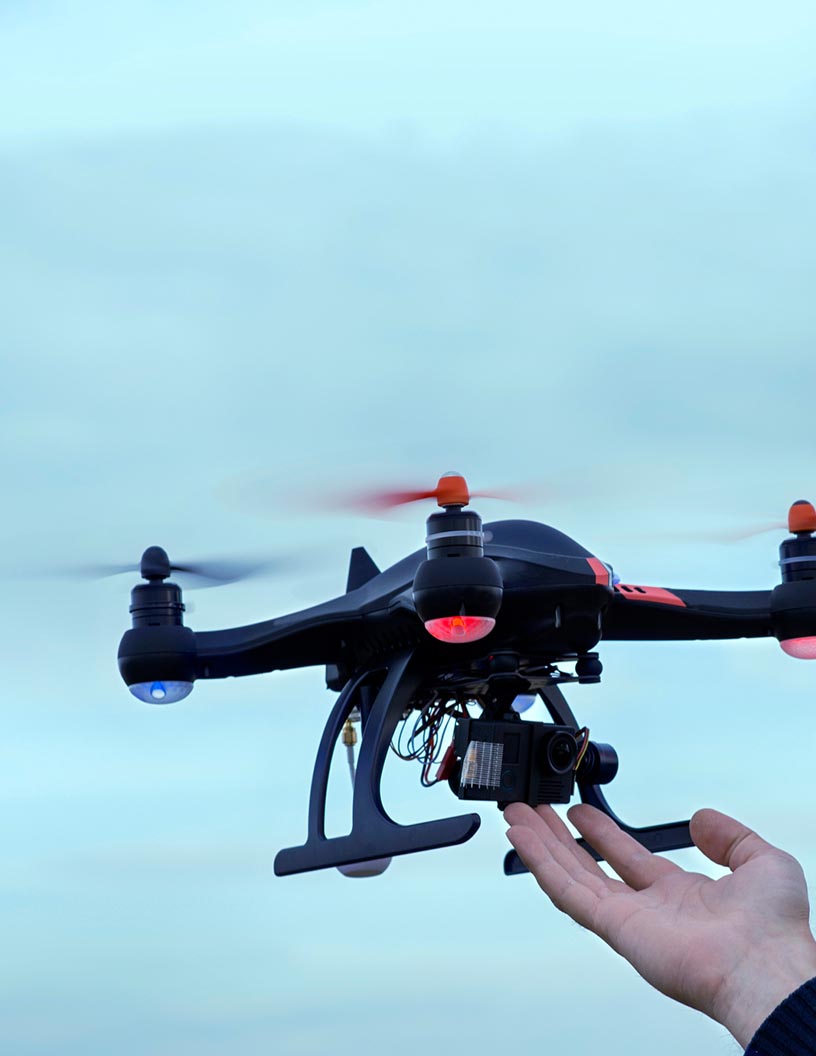


Small Drones Market Size 2024-2028
The small drones market size is forecast to increase by USD 15.61 million at a CAGR of 20.62% between 2023 and 2028. The market is experiencing significant growth, driven by several key factors. One major trend is the increasing operational efficiency that drones offer across various industries, including agriculture, construction, and infrastructure inspection. Another trend is the increase in demand for improved surveillance, particularly in sectors such as security and defense. However, the market is not without challenges. Regulatory compliance remains a significant hurdle, with restrictive laws and regulations governing the use of unmanned aerial vehicles (UAVs) in many countries. These drones are equipped with High-resolution cameras, Sensors, and GPS technology, enabling Real-time data transmission. Navigating these complex regulatory landscapes requires a deep understanding of local laws and regulations, as well as ongoing engagement with regulatory bodies. Despite these challenges, the market is poised for continued growth, driven by the increasing value that drones bring to businesses and organizations across a range of industries.
Market Analysis
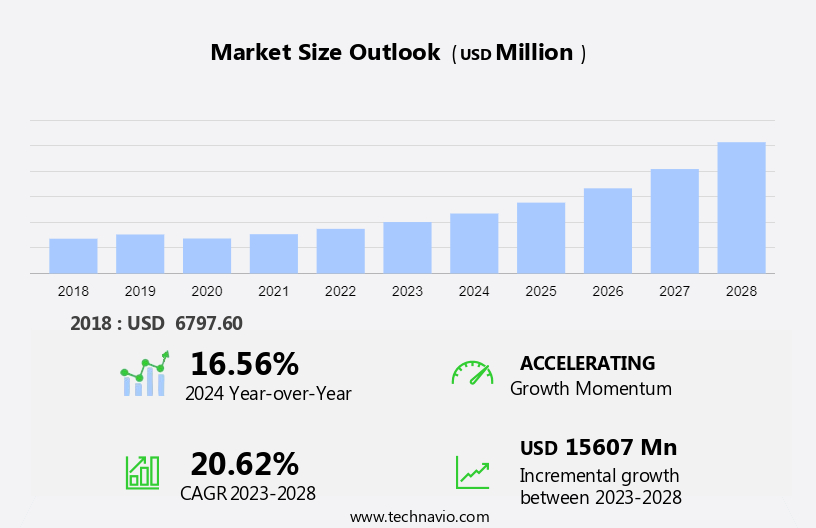
The market is witnessing significant growth due to the increasing applications in both Defense and Commercial domains. In Defense, drones are extensively used for Monitoring, Surveying, and Mapping in Military operations, Border surveillance, and Drone operations. In Commercial domains, the market is driven by the need for Aerial remote sensing in Precision agriculture, Environmental monitoring, and Inspection of infrastructure. The use of Unmanned Aerial Vehicles (UAVs) or Unmanned Aircraft Systems (UAS) in Emergency response and Disaster management is also on the rise. Micro, Mini, and Nano drones, with Maximum Weight Take-Off ranging from a few grams to 250 grams, dominate the market.
Moreover, the market is segmented based on Applications, Type, and Region. Surveying & mapping and Inspection of infrastructure are the major applications. The market is expected to grow at a steady pace due to the increasing demand for UAVs in various industries. The use of batteries as a power source is a major challenge, but advancements in technology are addressing this issue.
Market Segmentation
The market research report provides comprehensive data (region-wise segment analysis), with forecasts and estimates in "USD billion" for the period 2024-2028, as well as historical data from 2018-2022 for the following segments.
- Type
- Rotary wing
- Fixed wing
- Hybrid wing
- Geography
- APAC
- China
- India
- North America
- Canada
- US
- Europe
- France
- Middle East and Africa
- South America
- APAC
By Type Insights
The rotary wing segment is estimated to witness significant growth during the forecast period. Unmanned Aerial Vehicles (UAVs) or Unmanned Aircraft Systems (UAS) encompass a range of drone technologies, including rotary wing, fixed wing, micro, mini, and nano drones. Rotary wing drones, which operate like helicopters, dominate the market due to their unique hovering capability, enabling them to fly in confined spaces and around obstacles. This segment is expected to expand during the forecast period, driven by features such as superior aerial maneuverability, easy vertical takeoff and landing, and high-resolution imagery efficiency. Rotary wing drones are also more maneuverable than other UAVs at low airspeeds, allowing for quick direction changes and easier operation. These drones have found extensive applications in various sectors, including environmental monitoring, inspections, recreational use, aerial photography, videography, and military and defense.
Furthermore, rotary wing drones are equipped with sensors, GPS technology, high-resolution cameras, artificial intelligence, and machine learning capabilities, enabling real-time data transmission and autonomous operations. Applications in civil sectors, such as crop health monitoring, irrigation, energy sector inspections (pipeline, power line, wind turbine), and federal aviation administration, are on the rise. Battery life and miniaturization are ongoing challenges in the UAV market. The market for UAVs is vast and diverse, with applications ranging from non-commercial to commercial, including multispectral cameras for crop health analysis, and multirotor configurations for aerial control.
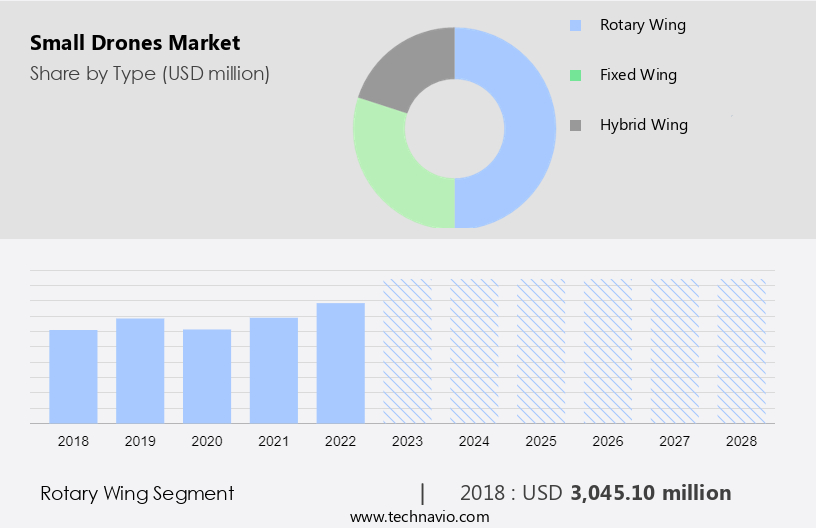
Get a glance at the market share of various segments Request Free Sample
The rotary wing segment accounted for USD 3.05 billion in 2018 and showed a gradual increase during the forecast period.
Regional Insights
APAC is estimated to contribute 35% to the growth of the global market during the forecast period. Technavio's analysts have elaborately explained the regional trends and drivers that shape the market during the forecast period.
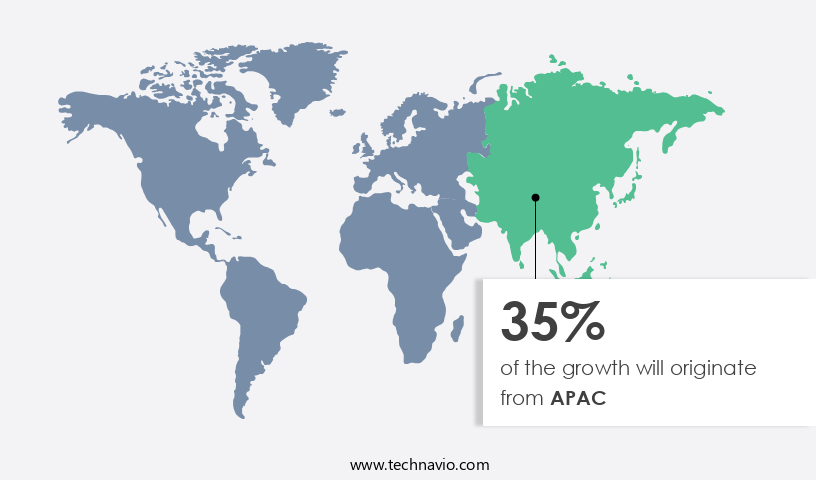
For more insights on the market share of various regions Request Free Sample
The small drone market encompasses the use of unmanned aerial vehicles (UAVs) in various sectors, including defense and commercial domains. In defense applications, small drones are utilized for monitoring, surveying, and mapping through aerial remote sensing. Military operations, border surveillance, and critical infrastructure protection are primary areas of application. In the commercial sector, small drones find use in oil & gas, railways, power plants, construction, agriculture, real estate, cargo delivery, and photography for 3D mapping and data transmission. Precision agriculture and precision farming are emerging applications, with special airworthiness certification and model aircraft standards ensuring safety. Law enforcement, police departments, and public safety agencies use small drones for inspection and monitoring, investigations, and emergency response during disasters and disaster management. Fully autonomous, remotely piloted, optionally piloted, fuel-powered, and battery-operated drones are employed in transportation and drone operations. Drone-related injuries remain a concern, necessitating safety regulations.
Market Dynamics
Our researchers analyzed the data with 2023 as the base year, along with the key drivers, trends, and challenges. A holistic analysis of drivers will help companies refine their marketing strategies to gain a competitive advantage.
Market Driver
Increasing operational efficiency is the key driver of the market. Small drones, also known as Unmanned Aircraft Systems (UAS) or Unmanned Aerial Vehicles (UAV), have gained significant traction due to their ability to fly autonomously and collect high-resolution data in real-time. Equipped with sensors, high-resolution cameras, GPS technology, and artificial intelligence capabilities, these unmanned aerial vehicles provide valuable insights for various industries. In environmental monitoring, small drones offer high-resolution imagery for assessing crop health, and irrigations, and monitoring pipelines, power lines, and wind turbines. Recreational drones are popular for aerial photography and videography, while commercial applications include infrastructure inspections and military and defense. The Federal Aviation Administration regulates the use of small drones with Maximum Weight Take-Off (MTO) of up to 55 pounds, including categories such as micro drones, mini drones, and nano drones.
Furthermore, these drones come in various configurations, including fixed-wing, rotary wing, quadcopters, and multirotor systems, each offering unique advantages in terms of aerial control and battery life. The miniaturization of technology, including machine learning and autonomous capabilities, continues to expand the applications of small drones in sectors such as agriculture, energy, and civil engineering.
Market Trends
Increase in demand for improved surveillance is the upcoming trend in the market. Small Unmanned Aerial Vehicles (UAVs) and Unmanned Aircraft Systems (UAS) have gained significant traction in various industries due to their versatility and capabilities. Environmental monitoring is one of the major applications of small drones, utilizing high-resolution cameras and sensors for real-time data acquisition. In addition, high-resolution imagery is used for aerial photography and videography, catering to recreational and commercial applications. The miniaturization of UAVs, including micro and nano drones, has expanded their usage in sectors such as agriculture, where multispectral cameras are used for crop health assessment, irrigation management, and yield optimization. The energy sector also benefits from drone inspections of pipelines, power lines, and wind turbines.
In addition, autonomous capabilities, artificial intelligence, and machine learning enhance the functionality of these systems. The Federal Aviation Administration (FAA) regulates commercial drone usage, with different classifications based on Maximum Weight Take-Off (MWTO), including micro drones, mini drones, and nano drones. Military and defense applications also utilize fixed-wing drones, rotary wing drones, and quadcopters with multirotor configurations for reconnaissance, surveillance, and aerial control.
Market Challenge
Restrictive laws and regulations governing UAV use is a key challenge affecting the market growth. Small drones, also known as unmanned aerial vehicles (UAV) or unmanned aircraft systems (UAS), have gained significant popularity due to their versatility and applications in various industries. These drones are equipped with high-resolution cameras, sensors, GPS technology, and real-time data transmission capabilities, making them ideal for environmental monitoring, aerial photography, videography, inspections, and more. The market for small drones includes recreational drones, as well as those used for commercial applications in the energy sector, pipeline inspection, power line inspection, wind turbine inspection, and crop health monitoring through multispectral cameras. The miniaturization of drone technology has led to the development of nano drones, micro drones, and fixed-wing drones, as well as quadcopters and multirotor configurations.
Moreover, these drones offer autonomous capabilities, artificial intelligence, and machine learning, enabling them to capture high-resolution imagery and provide valuable data. However, the ease of use and accessibility of small drones also pose security challenges. Criminals and terrorists can exploit these drones for malicious purposes, such as carrying out surveillance or attacks. The lack of stringent regulations on small drone applications increases the risk of their misuse. Enhancing drone security and preventing their use for criminal activities are critical challenges for the global drone market.
Exclusive Customer Landscape
The market forecasting report includes the adoption lifecycle of the market, covering from the innovator's stage to the laggard's stage. It focuses on adoption rates in different regions based on penetration. Furthermore, the report also includes key purchase criteria and drivers of price sensitivity to help companies evaluate and develop their market growth analysis strategies.
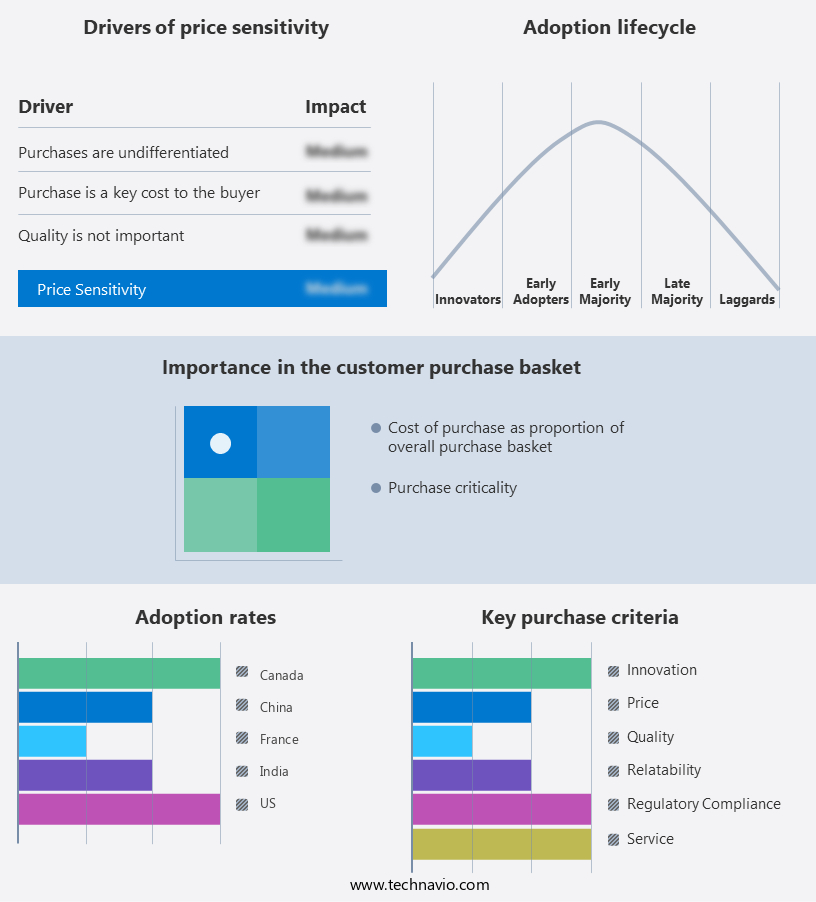
Customer Landscape
Key Companies & Market Insights
Companies are implementing various strategies, such as strategic alliances, partnerships, mergers and acquisitions, geographical expansion, and product/service launches, to enhance their presence in the market.
AeroVironment Inc: The company offers small drones products such as Dragon Eye, Raven RQ-11A, and Hornet.
The market research and growth report includes detailed analyses of the competitive landscape of the market and information about key companies, including:
- Autel Intelligent Technology Co.
- BAE Systems Plc
- Elbit Systems Ltd.
- Holy Stone
- Israel Aerospace Industries Ltd.
- Lockheed Martin Corp.
- Microdrones GmbH
- Northrop Grumman Corp.
- Parrot Drones SAS
- PrecisionHawk Inc.
- RTX Corp.
- Saab AB
- Shenzhen Hubsan Technology Co. Ltd.
- Skydio Inc.
- SZ DJI Technology Co. Ltd.
- Teledyne Technologies Inc.
- Thales Group
- Turkish Aerospace Industries Inc.
Qualitative and quantitative analysis of companies has been conducted to help clients understand the wider business environment as well as the strengths and weaknesses of key market players. Data is qualitatively analyzed to categorize companies as pure play, category-focused, industry-focused, and diversified; it is quantitatively analyzed to categorize companies as dominant, leading, strong, tentative, and weak.
Research Analyst Overview
The market is witnessing significant growth due to their increasing applications in various sectors, including Defense and Commercial domains. In Defense, drones are used for border surveillance, military operations, and critical infrastructure protection. In Commercial domains, they find extensive use in Monitoring, Surveying, Mapping, Aerial remote sensing, Precision agriculture, and Photography. Drones are also used for Inspection and monitoring of oil & gas, railways, power plants, construction sites, and real estate. Moreover, Small drones are increasingly being used for Cargo delivery, especially in areas where manned aircraft are not feasible. The market is segmented based on the level of automation, including fully autonomous, remotely piloted, and optionally piloted drones.
Furthermore, the market is also driven by the need for Data transmission and the growing demand for Drone operations in Emergency response and Disaster management. However, concerns over Drone-related injuries and the need for Special airworthiness certification and Model aircraft standards are challenges to the market growth. The Small Drone market is expected to continue its growth trajectory, driven by the increasing demand for precision farming and the use of drones in Law enforcement, Police departments, Public safety, and Investigations.
|
Market Scope |
|
|
Report Coverage |
Details |
|
Page number |
142 |
|
Base year |
2023 |
|
Historic period |
2018-2022 |
|
Forecast period |
2024-2028 |
|
Growth momentum & CAGR |
Accelerate at a CAGR of 20.62% |
|
Market growth 2024-2028 |
USD 15.61 billion |
|
Market structure |
Fragmented |
|
YoY growth 2023-2024(%) |
16.56 |
|
Regional analysis |
APAC, North America, Europe, Middle East and Africa, and South America |
|
Performing market contribution |
APAC at 35% |
|
Key countries |
US, China, France, Canada, and India |
|
Competitive landscape |
Leading Companies, Market Positioning of Companies, Competitive Strategies, and Industry Risks |
|
Key companies profiled |
Aeronautics Ltd., AeroVironment Inc., Autel Intelligent Technology Co., BAE Systems Plc, Elbit Systems Ltd., Holy Stone, Israel Aerospace Industries Ltd., Lockheed Martin Corp., Microdrones GmbH, Northrop Grumman Corp., Parrot Drones SAS, PrecisionHawk Inc., RTX Corp., Saab AB, Shenzhen Hubsan Technology Co. Ltd., Skydio Inc., SZ DJI Technology Co. Ltd., Teledyne Technologies Inc., Thales Group, and Turkish Aerospace Industries Inc. |
|
Market dynamics |
Parent market analysis, market growth inducers and obstacles, market forecast, fast-growing and slow-growing segment analysis, COVID-19 impact and recovery analysis and future consumer dynamics, market condition analysis for the forecast period |
|
Customization purview |
If our market report has not included the data that you are looking for, you can reach out to our analysts and get segments customized. |
What are the Key Data Covered in this Market Research and Growth Report?
- CAGR of the market during the forecast period
- Detailed information on factors that will drive the market growth and forecasting between 2024 and 2028
- Precise estimation of the size of the market and its contribution of the market in focus to the parent market
- Accurate predictions about upcoming market growth and trends and changes in consumer behaviour
- Growth of the market across APAC, North America, Europe, Middle East and Africa, and South America
- Thorough analysis of the market's competitive landscape and detailed information about companies
- Comprehensive analysis of factors that will challenge the growth of market companies
We can help! Our analysts can customize this market research report to meet your requirements. Get in touch
 RIA -
RIA - 
