
Synchrophasor Market Analysis North America, APAC, Europe, South America, Middle East and Africa - US, China, Canada, Mexico, Germany, India, Japan, UK, Brazil, Saudi Arabia - Size and Forecast 2025-2029

Synchrophasor Market Analysis North America, APAC, Europe, South America, Middle East and Africa - US, China, Canada, Mexico, Germany, India, Japan, UK, Brazil, Saudi Arabia - Size and Forecast 2025-2029

Published: Mar 2025 220 Pages SKU: IRTNTR44496

Market Overview at a Glance

$1.51 B
Market Opportunity
18.2%
CAGR
15.0
YoY growth 2024-2025(%)

Synchrophasor Market Size 2025-2029

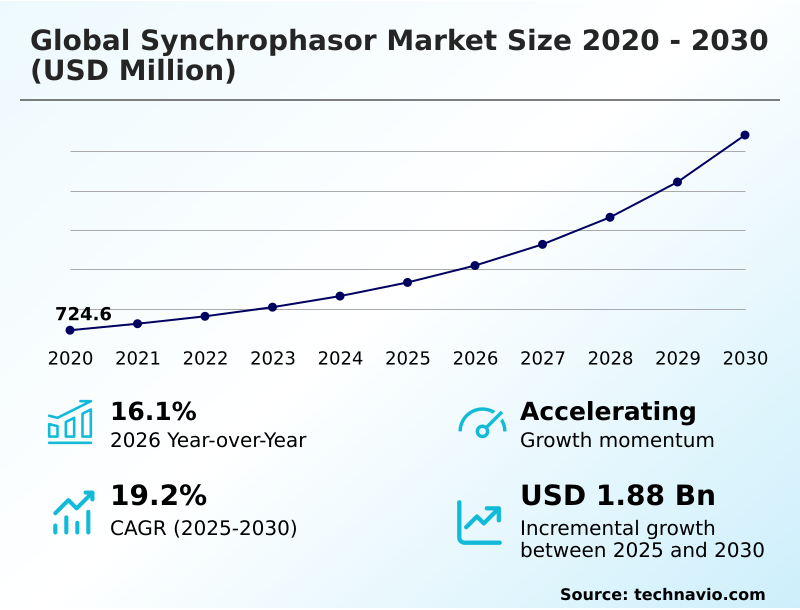
The synchrophasor market size is forecast to increase by USD 1.51 billion, at a CAGR of 18.2% between 2024 and 2029.

  • The market is experiencing significant growth due to the increasing need to reduce grid outages and enhance the reliability of power transmission systems. Smart grids, which utilize Synchrophasors for real-time monitoring and control, offer numerous benefits, including improved power system stability, enhanced grid security, and increased efficiency. However, the high cost of installing communication systems for Synchrophasor implementation poses a significant challenge for market expansion.
  • This obstacle necessitates collaborative efforts between stakeholders to develop cost-effective solutions and incentivize adoption. Companies seeking to capitalize on this market's potential should focus on addressing this challenge while leveraging the advantages of Synchrophasors in smart grids to offer innovative, reliable, and cost-effective solutions to utility providers and grid operators.

What will be the Size of the Synchrophasor Market during the forecast period?
Synchrophasor Market Size

Explore in-depth regional segment analysis with market size data - historical 2019-2023 and forecasts 2025-2029 - in the full report.  
Request Free Sample

The market continues to evolve, driven by the increasing demand for power system automation and grid modernization. Energy management and demand response are key applications, with data processing playing a crucial role in fault detection and load forecasting. Distributed generation and renewable energy integration require dynamic stability analysis and power flow analysis for optimal grid integration. Transient stability analysis and small-signal stability analysis are essential for maintaining frequency stability and voltage stability. Data security and data visualization are paramount in ensuring data integrity and facilitating effective decision-making. Communication networks and GPS synchronization enable real-time monitoring and dynamic state estimation.

Power system control and protection rely on time synchronization and electrical equipment data acquisition systems for effective response to power system oscillations and faults. Energy storage and wide-area control are integral to maintaining system integrity and improving power system modeling capabilities. Power system modeling, fault location, and dynamic stability analysis are essential for optimizing power system performance and enhancing network security. The market's continuous evolution reflects the dynamic nature of the power industry, with ongoing developments in power system automation, energy storage, and grid modernization.

How is this Synchrophasor Industry segmented?

The synchrophasor industry research report provides comprehensive data (region-wise segment analysis), with forecasts and estimates in "USD million" for the period 2025-2029, as well as historical data from 2019-2023 for the following segments.

  • Application
    • Power station
    • Transforming station
    • Others
  • Component
    • Hardware
    • Software
  • End-user
    • Utilities
    • Industrial
    • Commercial
  • Geography
    • North America
      • US
      • Canada
      • Mexico
    • Europe
      • Germany
      • UK
    • APAC
      • China
      • India
      • Japan
    • South America
      • Brazil
    • Rest of World (ROW)

    By Application Insights

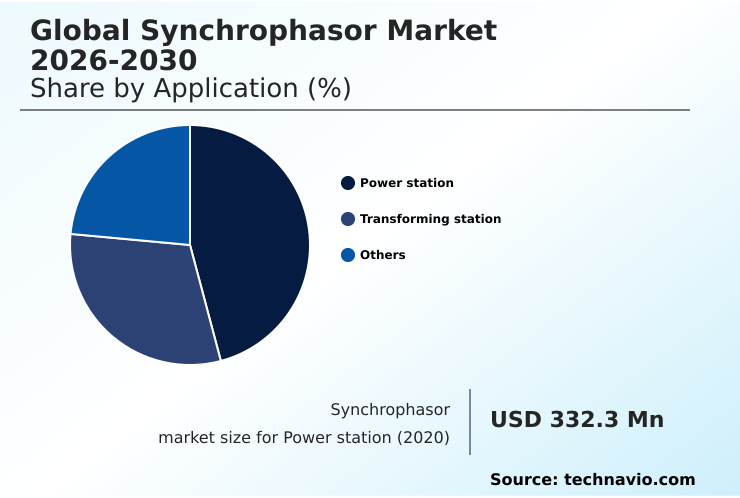
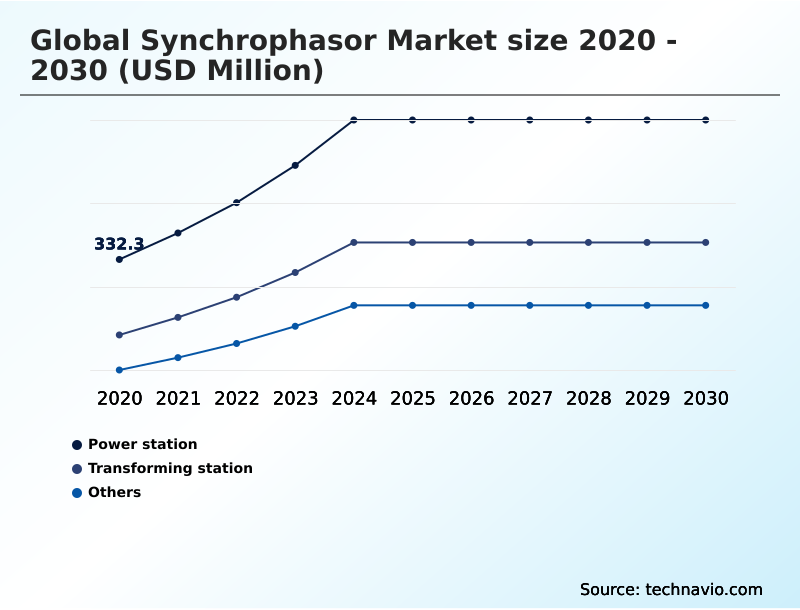
    The power station segment is estimated to witness significant growth during the forecast period.

    The market is experiencing significant growth due to the increasing demand for advanced energy management solutions in various applications. In power stations, synchrophasors play a vital role in ensuring power stability and preventing large disturbances or blackouts. By measuring the voltage, frequency, and phase angle of electrical signals with high-resolution time synchronization, synchrophasors enable early fault detection and improve overall system performance. Beyond power stations, synchrophasors are also essential for demand response programs, data processing, and grid modernization. They facilitate communication between distributed energy resources and the grid, enabling real-time monitoring, load forecasting, and dynamic state estimation. Synchrophasors also support power system control, dynamic stability analysis, and fault location, ensuring the reliability and efficiency of transmission lines and smart grids.

    Moreover, synchrophasors play a crucial role in power system protection, voltage stability, and renewable energy integration. They help maintain system integrity by providing accurate and timely data for transient stability analysis, power flow analysis, and fault classification. Additionally, synchrophasors ensure frequency stability and coordinate the operation of energy storage systems and wide-area control. Data security and data visualization are critical aspects of the market. Advanced encryption techniques and secure communication networks protect sensitive data, while data historians and real-time monitoring systems enable comprehensive data archiving and analysis. The integration of GPS synchronization and IEEE C37.118 standards further enhances the accuracy and interoperability of synchrophasor systems.

    In conclusion, the market is driven by the need for advanced energy management solutions in various applications, including power stations, demand response, data processing, and grid modernization. Synchrophasors' ability to ensure power stability, improve system efficiency, and facilitate communication between distributed energy resources makes them an indispensable component of modern power systems.

    Synchrophasor Market Size

    Request Free Sample

    The Power station segment was valued at USD 368.00 billion in 2019 and showed a gradual increase during the forecast period.
    Regional Analysis

    North America is estimated to contribute 34% to the growth of the global market during the forecast period.Technavio’s analysts have elaborately explained the regional trends and drivers that shape the market during the forecast period.
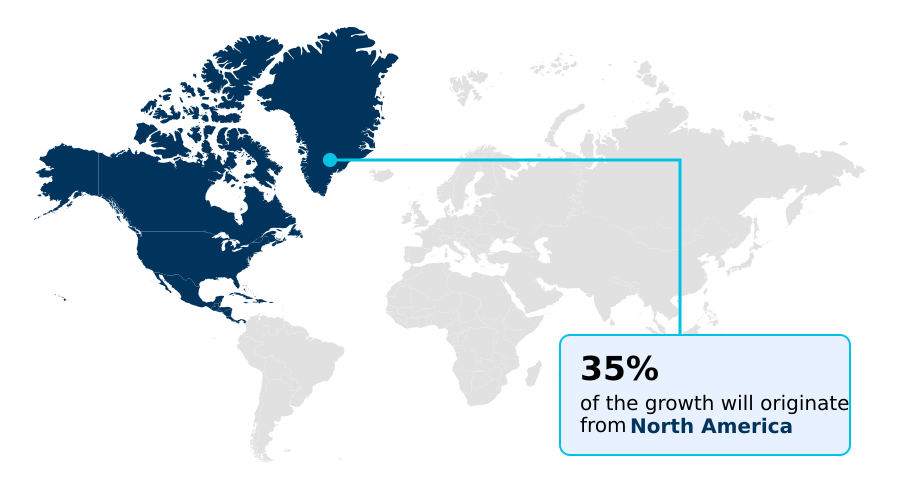
    Synchrophasor Market Share by Geography

     Request Free Sample

    The North American smart grid market is witnessing significant growth, with the US and Canada leading the way in large-scale deployments. In the US, government stimulus funding has facilitated the installation of thousands of Phasor Measurement Units (PMUs) to enhance grid reliability and monitor power systems in real-time. The North American Synchrophasor Initiative (NASPI), in collaboration with the North American Electric Reliability Corporation (NERC) and the Department of Energy (DoE), has played a pivotal role in driving these installations. In Canada, the power grid is undergoing a major transformation to accommodate smart grid technologies and services. Data processing, fault detection, and transmission are integral components of this transition, with communication networks and data security ensuring the secure transfer and analysis of vast amounts of data.

    Power system control, dynamic state estimation, and frequency stability are also crucial elements, as the integration of renewable energy sources and distributed generation necessitates advanced power system modeling and analysis. The smart grid's evolution is further characterized by the adoption of energy storage, wide-area control, and power system protection, as well as the implementation of voltage stability, power quality, and transient stability analysis. Grid modernization and system integrity are paramount, with data visualization and real-time monitoring enabling effective power system oscillation detection and fault location. IEEE C37.118 standards ensure interoperability and compatibility, while data historians and data archiving facilitate data access and analysis for future load forecasting and trend identification.

    Network security is a critical concern, with robust communication networks and data encryption ensuring the protection of sensitive information. The synergy of these various components is driving the North American smart grid market forward, with the potential to revolutionize energy management, demand response, and power system automation.

    Market Dynamics

    Our researchers analyzed the data with 2024 as the base year, along with the key drivers, trends, and challenges. A holistic analysis of drivers will help companies refine their marketing strategies to gain a competitive advantage.

    The market is a dynamic and evolving sector that focuses on the implementation and utilization of synchrophasors for power system monitoring, control, and grid stability. Synchrophasors, also known as smart grid sensors, are crucial devices that provide real-time measurement and monitoring of electrical power systems. They offer advanced features such as high precision, time synchronization, and phasor measurement capabilities, enabling effective grid management and fault detection. Synchrophasor technology plays a vital role in enhancing power system reliability and efficiency by providing accurate and timely information on power system conditions. It facilitates the integration of renewable energy sources and improves the overall performance of the power grid. Furthermore, synchrophasors contribute to the development of advanced control systems, such as wide-area monitoring, protection, and control (WAMS), which enable effective grid management and response to system disturbances. In addition, synchrophasors are essential for the implementation of smart grids, which aim to optimize energy production, distribution, and consumption. They enable the integration of distributed energy resources, demand response, and energy storage systems, ensuring a more resilient and sustainable power grid. With the increasing focus on grid modernization and the integration of renewable energy sources, the market is expected to experience significant growth in the coming years. Synchrophasors also facilitate the implementation of advanced applications, such as state estimation, load flow analysis, and voltage stability assessment. They offer improved accuracy and reliability compared to traditional monitoring methods, ensuring the efficient and effective operation of power systems. Moreover, synchrophasors contribute to the enhancement of power system security and reliability by providing real-time information on system conditions and enabling effective response to system disturbances. They facilitate the implementation of advanced protection schemes and enable the rapid identification and isolation of faults, reducing the duration and impact of power outages. Furthermore, synchrophasors play a crucial role in the integration of renewable energy sources, such as wind and solar power, into the power grid. They enable the effective management and control of these intermittent sources, ensuring a stable and reliable power supply. In summary, the market is a vital sector that focuses on the implementation and utilization of synchrophasors for power system monitoring, control, and grid stability. Synchrophasors offer advanced features, such as high precision, time synchronization, and phasor measurement capabilities, enabling effective grid management and fault detection. They contribute to the development of advanced control systems, such as WAMS, and facilitate the implementation of smart grids, renewable energy integration, and advanced applications. With the increasing focus on grid modernization and the integration of renewable energy sources, the market is expected to experience significant growth in the coming years.

    What are the key market drivers leading to the rise in the adoption of Synchrophasor Industry?

    • The growing demand for minimizing grid outages serves as the primary market driver. 

    • The power industry faces numerous challenges due to the increasing strain on infrastructure caused by population growth and demand for power resources. Power outages, which can result from factors such as inclement weather, equipment failure, maintenance shutdowns, load-shedding, vandalism, and cyber-attacks, cause significant inconvenience to end-users and result in revenue loss for utilities. Moreover, power outages can impede emergency services and jeopardize national security by compromising communication systems. To mitigate these challenges, utilities are turning to smart grid technologies, including data visualization, load forecasting, data analysis, and state estimation. These technologies enable real-time monitoring and analysis of power systems, allowing utilities to identify technical issues faster and promptly restore power.
    • Additionally, dynamic state estimation and small-signal stability analysis help ensure power system control and frequency stability. Communication networks play a crucial role in power system operations, and their disruption during power outages can exacerbate the situation. Therefore, investing in robust communication networks is essential for maintaining power system reliability and ensuring the timely restoration of power services. In conclusion, the power industry is facing significant challenges due to the increasing demand for power resources and the aging infrastructure. Power outages can cause significant inconvenience, revenue loss, and even compromise national security. Utilities are turning to smart grid technologies, including data visualization, load forecasting, data analysis, state estimation, and communication network investments, to improve power system reliability and ensure timely power restoration.

    What are the market trends shaping the Synchrophasor Industry?

    • Smart grids are experiencing significant advancements and increasing benefits, making them the current market trend in the energy sector. This trend reflects the growing importance of efficient, flexible, and sustainable power systems.

    • The implementation of power system automation through smart grids is gaining momentum due to several key factors. The increasing number of power outages and the associated costs have led utilities to seek more efficient and reliable solutions. Additionally, the mandate to incorporate renewable energy sources into the power grid necessitates advanced control systems for managing variable energy sources. Moreover, the integration of computing and communication devices into the power system is becoming increasingly complex, requiring additional resources for wide-area control, power system modeling, fault location, dynamic stability analysis, and power system oscillations. The financial benefits of smart grids, including improved system integrity and reduced energy losses, outweigh the costs of transitioning from traditional power systems.
    • Furthermore, the realization of the benefits of smart grids, such as real-time monitoring, improved system stability, and enhanced energy storage capabilities, has led several countries to invest in smart grid projects and infrastructure. The use of data acquisition systems, time synchronization, and electrical equipment in smart grids enables better system performance and more effective management of electrical loads. Overall, the trend towards power system automation and the benefits it offers are driving the growth of the smart grid market.

    What challenges does the Synchrophasor Industry face during its growth?

    • The escalating costs associated with installing communication systems pose a significant challenge and hinder the growth of the industry. 

    • Synchrophasor technology plays a crucial role in power system protection by providing real-time situational awareness and control of the grid system. This technology enables utilities to identify and locate disturbances across the network, enhancing grid resilience. Data from Phasor Measuring Units (PMUs) is timestamped using GPS synchronization and transmitted to Phasor Data Concentrators (PDCs). PDCs filter out bad data and send refined information to the control center via advanced telecommunication technologies like fiber optics and satellites. However, the limited communication network bandwidth and high cost of installing the necessary infrastructure pose challenges.
    • Synchrophasor technology also supports voltage stability, renewable energy integration, data historians, real-time monitoring, fault classification, network security, and IEEE C37.118 compliance. Despite these benefits, the massive amount of data generated over a wide geographical area requires significant processing power and storage capacity.

    Exclusive Customer Landscape

    The synchrophasor market forecasting report includes the adoption lifecycle of the market, covering from the innovator’s stage to the laggard’s stage. It focuses on adoption rates in different regions based on penetration. Furthermore, the synchrophasor market report also includes key purchase criteria and drivers of price sensitivity to help companies evaluate and develop their market growth analysis strategies.
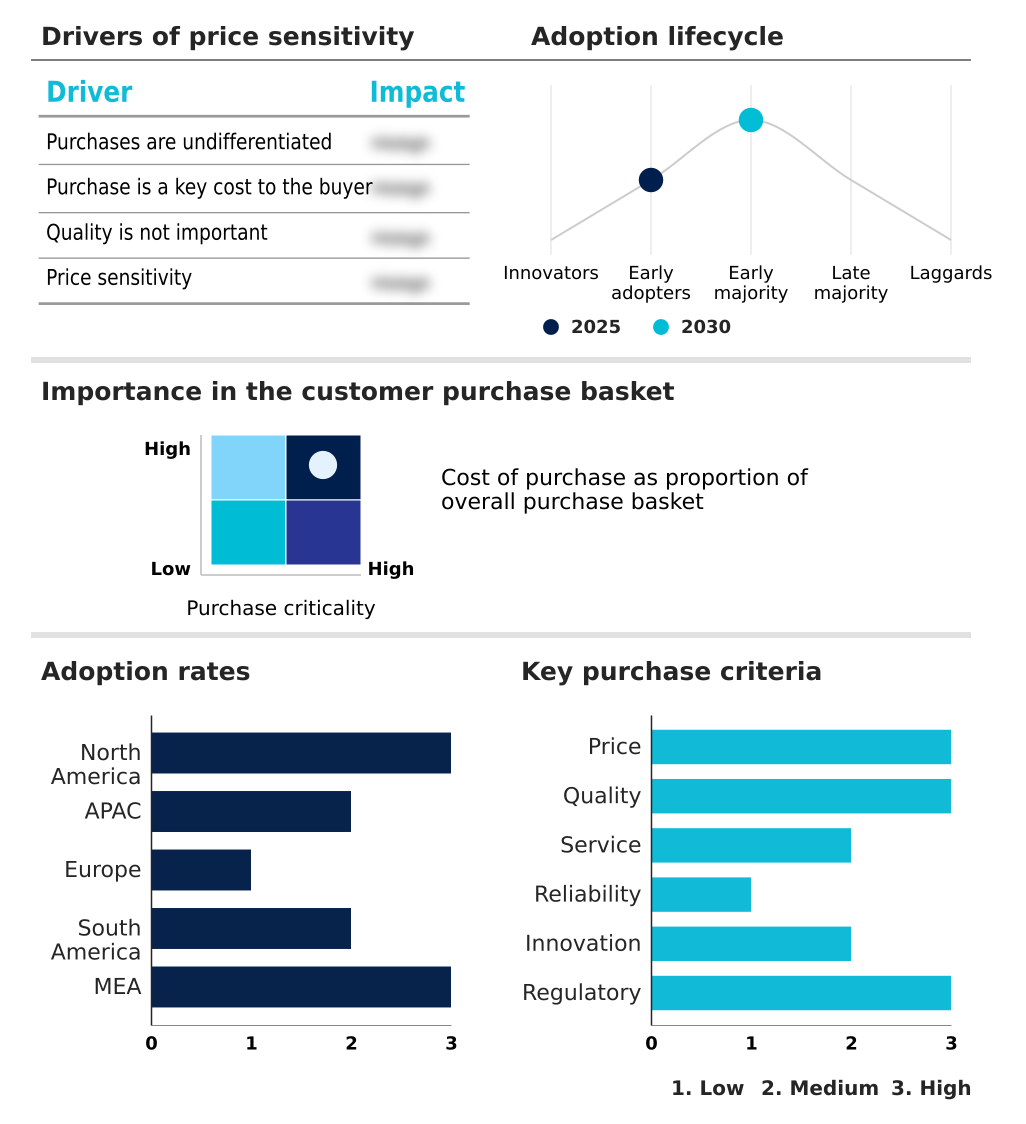
    Synchrophasor Market Share by Geography

     Customer Landscape

    Key Companies & Market Insights

    Companies are implementing various strategies, such as strategic alliances, synchrophasor market forecast, partnerships, mergers and acquisitions, geographical expansion, and product/service launches, to enhance their presence in the industry.

    ABB Ltd. - The company specializes in integrating Global Positioning System GPS technology with synchrophasors for advanced monitoring of electrical power grids worldwide. This innovative solution enhances grid stability and efficiency by providing real-time data analysis and synchronization capabilities.

    The industry research and growth report includes detailed analyses of the competitive landscape of the market and information about key companies, including:

    • ABB Ltd.
    • ALSTOM SA
    • Arbiter Systems Inc.
    • ElectraNet Pty Ltd.
    • Electric Power Group LLC
    • ERLPhase Power Technologies Ltd.
    • Fortive Corp.
    • General Electric Co.
    • Hitachi Ltd.
    • Quanta Technology LLC
    • Schneider Electric SE
    • Schweitzer Engineering Laboratories Inc.
    • Shenzhen Nanwang Guorui Technology Co. Ltd.
    • Siemens AG
    • Toshiba Corp.
    • Vizimax Inc.

    Qualitative and quantitative analysis of companies has been conducted to help clients understand the wider business environment as well as the strengths and weaknesses of key industry players. Data is qualitatively analyzed to categorize companies as pure play, category-focused, industry-focused, and diversified; it is quantitatively analyzed to categorize companies as dominant, leading, strong, tentative, and weak.

    Recent Development and News in Synchrophasor Market

    • In January 2024, ABB, a leading technology provider, announced the launch of its latest synchrophasor solution, "ABB Ability SynchroGuard New Edition," at the DistribuTECH conference. This advanced solution enhances grid stability and reliability by providing real-time monitoring and control of power systems (ABB Press Release, 2024).
    • In March 2024, Siemens Energy and National Grid signed a strategic partnership agreement to collaborate on the development and deployment of synchrophasor technology for enhancing grid flexibility and integrating renewable energy sources (Siemens Energy Press Release, 2024).
    • In May 2024, Itron, a global technology leader, raised USD150 million in a funding round to expand its synchrophasor offerings and strengthen its position in the smart grid market (Mercom Capital Group, 2024).
    • In February 2025, the North American Electric Reliability Corporation (NERC) approved the mandatory use of synchrophasor technology for all bulk electric systems in the United States and Canada, effective from 2026 (NERC Press Release, 2025). This regulatory approval is expected to significantly boost the adoption of synchrophasor technology in the region.

    Research Analyst Overview

    • In the electrical power systems market, communication protocols play a crucial role in enabling effective synchrophasor technology implementation. This technology, which measures the voltage magnitude, phasor angle, and current magnitude in real-time, contributes significantly to power grid stability and energy efficiency. Outage management and resource allocation are two primary areas where synchrophasor data analytics excels. By providing real-time data on voltage magnitude and frequency deviation, utilities can swiftly identify and address issues, reducing the duration and impact of power outages. SCADA systems and control systems integrate synchrophasor data to optimize energy transmission and distribution, ensuring network topology remains stable during grid operation.
    • Data validation and integrity are essential to maintaining trust in the data, which is critical for predictive analytics and machine learning applications. Renewable energy sources, such as wind and solar, are increasingly integrated into the power grid, necessitating advanced control systems and real-time signal processing for effective grid operation. Fault diagnostics and mitigation strategies are also enhanced with synchrophasor technology, enabling quick response to electrical faults and improving overall system reliability. Machine learning, deep learning, and artificial intelligence algorithms are employed to analyze synchrophasor data, providing valuable insights for energy transmission, power distribution, and grid operation.
    • These advanced technologies enable more efficient resource allocation, improved energy efficiency, and enhanced network performance.

    Dive into Technavio’s robust research methodology, blending expert interviews, extensive data synthesis, and validated models for unparalleled Synchrophasor Market insights. See full methodology.

    Market Scope

    Report Coverage

    Details

    Page number

    220

    Base year

    2024

    Historic period

    2019-2023

    Forecast period

    2025-2029

    Growth momentum & CAGR

    Accelerate at a CAGR of 18.2%

    Market growth 2025-2029

    USD 1514.6 million

    Market structure

    Fragmented

    YoY growth 2024-2025(%)

    15.0

    Key countries

    US, China, Canada, Mexico, Germany, India, Japan, UK, Brazil, and Saudi Arabia

    Competitive landscape

    Leading Companies, Market Positioning of Companies, Competitive Strategies, and Industry Risks

    Request Free Sample

    What are the Key Data Covered in this Synchrophasor Market Research and Growth Report?

    • CAGR of the Synchrophasor industry during the forecast period
    • Detailed information on factors that will drive the growth and forecasting between 2025 and 2029
    • Precise estimation of the size of the market and its contribution of the industry in focus to the parent market
    • Accurate predictions about upcoming growth and trends and changes in consumer behaviour
    • Growth of the market across North America, APAC, Europe, South America, and Middle East and Africa
    • Thorough analysis of the market’s competitive landscape and detailed information about companies
    • Comprehensive analysis of factors that will challenge the synchrophasor market growth of industry companies

    We can help! Our analysts can customize this synchrophasor market research report to meet your requirements.

    Get in touch


    1 Executive Summary

    • 1.1 Market overview
      • Executive Summary - Chart on Market Overview
      • Executive Summary - Data Table on Market Overview
      • Executive Summary - Chart on Global Market Characteristics
      • Executive Summary - Chart on Market by Geography
      • Executive Summary - Chart on Market Segmentation by Application
      • Executive Summary - Chart on Market Segmentation by Component
      • Executive Summary - Chart on Market Segmentation by End-user
      • Executive Summary - Chart on Incremental Growth
      • Executive Summary - Data Table on Incremental Growth
      • Executive Summary - Chart on Company Market Positioning

    2 Technavio Analysis

    • 2.1 Analysis of price sensitivity, lifecycle, customer purchase basket, adoption rates, and purchase criteria
      • Analysis of price sensitivity, lifecycle, customer purchase basket, adoption rates, and purchase criteria
    • 2.2 Criticality of inputs and Factors of differentiation
      • Overview on criticality of inputs and factors of differentiation
    • 2.3 Factors of disruption
      • Overview on factors of disruption
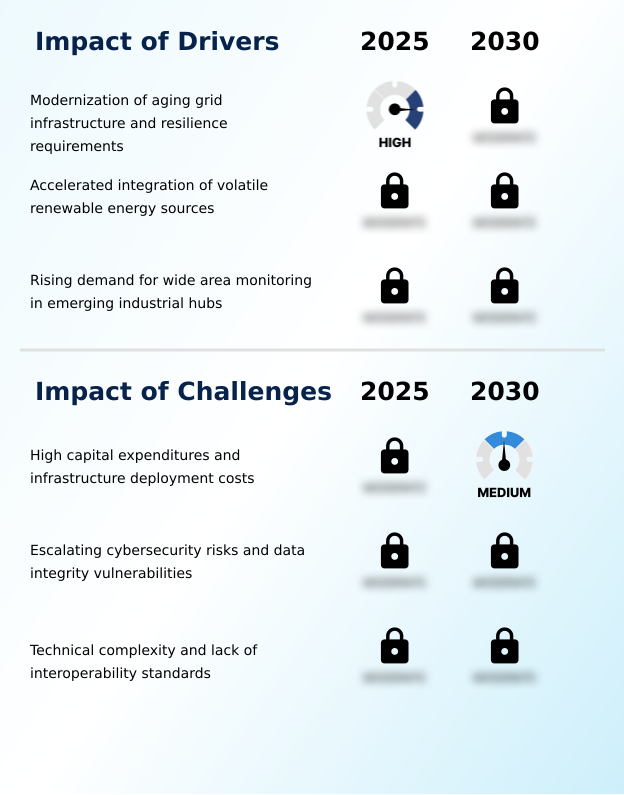
    • 2.4 Impact of drivers and challenges
      • Impact of drivers and challenges in 2024 and 2029

    3 Market Landscape

    • 3.1 Market ecosystem
      • Parent Market
      • Data Table on - Parent Market
    • 3.2 Market characteristics
      • Market characteristics analysis
    • 3.3 Value chain analysis
      • Value chain analysis

    4 Market Sizing

    • 4.1 Market definition
      • Offerings of companies included in the market definition
    • 4.2 Market segment analysis
      • Market segments
    • 4.3 Market size 2024
      • 4.4 Market outlook: Forecast for 2024-2029
        • Chart on Global - Market size and forecast 2024-2029 ($ million)
        • Data Table on Global - Market size and forecast 2024-2029 ($ million)
        • Chart on Global Market: Year-over-year growth 2024-2029 (%)
        • Data Table on Global Market: Year-over-year growth 2024-2029 (%)

      5 Historic Market Size

      • 5.1 Global Synchrophasor Market 2019 - 2023
        • Historic Market Size - Data Table on Global Synchrophasor Market 2019 - 2023 ($ million)
      • 5.2 Application segment analysis 2019 - 2023
        • Historic Market Size - Application Segment 2019 - 2023 ($ million)
      • 5.3 Component segment analysis 2019 - 2023
        • Historic Market Size - Component Segment 2019 - 2023 ($ million)
      • 5.4 End-user segment analysis 2019 - 2023
        • Historic Market Size - End-user Segment 2019 - 2023 ($ million)
      • 5.5 Geography segment analysis 2019 - 2023
        • Historic Market Size - Geography Segment 2019 - 2023 ($ million)
      • 5.6 Country segment analysis 2019 - 2023
        • Historic Market Size - Country Segment 2019 - 2023 ($ million)

      6 Qualitative Analysis

      • 6.1 The AI impact on global synchrophasor market

        7 Five Forces Analysis

        • 7.1 Five forces summary
          • Five forces analysis - Comparison between 2024 and 2029
        • 7.2 Bargaining power of buyers
          • Bargaining power of buyers - Impact of key factors 2024 and 2029
        • 7.3 Bargaining power of suppliers
          • Bargaining power of suppliers - Impact of key factors in 2024 and 2029
        • 7.4 Threat of new entrants
          • Threat of new entrants - Impact of key factors in 2024 and 2029
        • 7.5 Threat of substitutes
          • Threat of substitutes - Impact of key factors in 2024 and 2029
        • 7.6 Threat of rivalry
          • Threat of rivalry - Impact of key factors in 2024 and 2029
        • 7.7 Market condition
          • Chart on Market condition - Five forces 2024 and 2029

        8 Market Segmentation by Application

        • 8.1 Market segments
          • Chart on Application - Market share 2024-2029 (%)
          • Data Table on Application - Market share 2024-2029 (%)
        • 8.2 Comparison by Application
          • Chart on Comparison by Application
          • Data Table on Comparison by Application
        • 8.3 Power station - Market size and forecast 2024-2029
          • Chart on Power station - Market size and forecast 2024-2029 ($ million)
          • Data Table on Power station - Market size and forecast 2024-2029 ($ million)
          • Chart on Power station - Year-over-year growth 2024-2029 (%)
          • Data Table on Power station - Year-over-year growth 2024-2029 (%)
        • 8.4 Transforming station - Market size and forecast 2024-2029
          • Chart on Transforming station - Market size and forecast 2024-2029 ($ million)
          • Data Table on Transforming station - Market size and forecast 2024-2029 ($ million)
          • Chart on Transforming station - Year-over-year growth 2024-2029 (%)
          • Data Table on Transforming station - Year-over-year growth 2024-2029 (%)
        • 8.5 Others - Market size and forecast 2024-2029
          • Chart on Others - Market size and forecast 2024-2029 ($ million)
          • Data Table on Others - Market size and forecast 2024-2029 ($ million)
          • Chart on Others - Year-over-year growth 2024-2029 (%)
          • Data Table on Others - Year-over-year growth 2024-2029 (%)
        • 8.6 Market opportunity by Application
          • Market opportunity by Application ($ million)
          • Data Table on Market opportunity by Application ($ million)

        9 Market Segmentation by Component

        • 9.1 Market segments
          • Chart on Component - Market share 2024-2029 (%)
          • Data Table on Component - Market share 2024-2029 (%)
        • 9.2 Comparison by Component
          • Chart on Comparison by Component
          • Data Table on Comparison by Component
        • 9.3 Hardware - Market size and forecast 2024-2029
          • Chart on Hardware - Market size and forecast 2024-2029 ($ million)
          • Data Table on Hardware - Market size and forecast 2024-2029 ($ million)
          • Chart on Hardware - Year-over-year growth 2024-2029 (%)
          • Data Table on Hardware - Year-over-year growth 2024-2029 (%)
        • 9.4 Software - Market size and forecast 2024-2029
          • Chart on Software - Market size and forecast 2024-2029 ($ million)
          • Data Table on Software - Market size and forecast 2024-2029 ($ million)
          • Chart on Software - Year-over-year growth 2024-2029 (%)
          • Data Table on Software - Year-over-year growth 2024-2029 (%)
        • 9.5 Market opportunity by Component
          • Market opportunity by Component ($ million)
          • Data Table on Market opportunity by Component ($ million)

        10 Market Segmentation by End-user

        • 10.1 Market segments
          • Chart on End-user - Market share 2024-2029 (%)
          • Data Table on End-user - Market share 2024-2029 (%)
        • 10.2 Comparison by End-user
          • Chart on Comparison by End-user
          • Data Table on Comparison by End-user
        • 10.3 Utilities - Market size and forecast 2024-2029
          • Chart on Utilities - Market size and forecast 2024-2029 ($ million)
          • Data Table on Utilities - Market size and forecast 2024-2029 ($ million)
          • Chart on Utilities - Year-over-year growth 2024-2029 (%)
          • Data Table on Utilities - Year-over-year growth 2024-2029 (%)
        • 10.4 Industrial - Market size and forecast 2024-2029
          • Chart on Industrial - Market size and forecast 2024-2029 ($ million)
          • Data Table on Industrial - Market size and forecast 2024-2029 ($ million)
          • Chart on Industrial - Year-over-year growth 2024-2029 (%)
          • Data Table on Industrial - Year-over-year growth 2024-2029 (%)
        • 10.5 Commercial - Market size and forecast 2024-2029
          • Chart on Commercial - Market size and forecast 2024-2029 ($ million)
          • Data Table on Commercial - Market size and forecast 2024-2029 ($ million)
          • Chart on Commercial - Year-over-year growth 2024-2029 (%)
          • Data Table on Commercial - Year-over-year growth 2024-2029 (%)
        • 10.6 Market opportunity by End-user
          • Market opportunity by End-user ($ million)
          • Data Table on Market opportunity by End-user ($ million)

        11 Customer Landscape

        • 11.1 Customer landscape overview
          • Analysis of price sensitivity, lifecycle, customer purchase basket, adoption rates, and purchase criteria

        12 Geographic Landscape

        • 12.1 Geographic segmentation
          • Chart on Market share by geography 2024-2029 (%)
          • Data Table on Market share by geography 2024-2029 (%)
        • 12.2 Geographic comparison
          • Chart on Geographic comparison
          • Data Table on Geographic comparison
        • 12.3 North America - Market size and forecast 2024-2029
          • Chart on North America - Market size and forecast 2024-2029 ($ million)
          • Data Table on North America - Market size and forecast 2024-2029 ($ million)
          • Chart on North America - Year-over-year growth 2024-2029 (%)
          • Data Table on North America - Year-over-year growth 2024-2029 (%)
        • 12.4 APAC - Market size and forecast 2024-2029
          • Chart on APAC - Market size and forecast 2024-2029 ($ million)
          • Data Table on APAC - Market size and forecast 2024-2029 ($ million)
          • Chart on APAC - Year-over-year growth 2024-2029 (%)
          • Data Table on APAC - Year-over-year growth 2024-2029 (%)
        • 12.5 Europe - Market size and forecast 2024-2029
          • Chart on Europe - Market size and forecast 2024-2029 ($ million)
          • Data Table on Europe - Market size and forecast 2024-2029 ($ million)
          • Chart on Europe - Year-over-year growth 2024-2029 (%)
          • Data Table on Europe - Year-over-year growth 2024-2029 (%)
        • 12.6 South America - Market size and forecast 2024-2029
          • Chart on South America - Market size and forecast 2024-2029 ($ million)
          • Data Table on South America - Market size and forecast 2024-2029 ($ million)
          • Chart on South America - Year-over-year growth 2024-2029 (%)
          • Data Table on South America - Year-over-year growth 2024-2029 (%)
        • 12.7 Middle East and Africa - Market size and forecast 2024-2029
          • Chart on Middle East and Africa - Market size and forecast 2024-2029 ($ million)
          • Data Table on Middle East and Africa - Market size and forecast 2024-2029 ($ million)
          • Chart on Middle East and Africa - Year-over-year growth 2024-2029 (%)
          • Data Table on Middle East and Africa - Year-over-year growth 2024-2029 (%)
        • 12.8 US - Market size and forecast 2024-2029
          • Chart on US - Market size and forecast 2024-2029 ($ million)
          • Data Table on US - Market size and forecast 2024-2029 ($ million)
          • Chart on US - Year-over-year growth 2024-2029 (%)
          • Data Table on US - Year-over-year growth 2024-2029 (%)
        • 12.9 China - Market size and forecast 2024-2029
          • Chart on China - Market size and forecast 2024-2029 ($ million)
          • Data Table on China - Market size and forecast 2024-2029 ($ million)
          • Chart on China - Year-over-year growth 2024-2029 (%)
          • Data Table on China - Year-over-year growth 2024-2029 (%)
        • 12.10 Canada - Market size and forecast 2024-2029
          • Chart on Canada - Market size and forecast 2024-2029 ($ million)
          • Data Table on Canada - Market size and forecast 2024-2029 ($ million)
          • Chart on Canada - Year-over-year growth 2024-2029 (%)
          • Data Table on Canada - Year-over-year growth 2024-2029 (%)
        • 12.11 Mexico - Market size and forecast 2024-2029
          • Chart on Mexico - Market size and forecast 2024-2029 ($ million)
          • Data Table on Mexico - Market size and forecast 2024-2029 ($ million)
          • Chart on Mexico - Year-over-year growth 2024-2029 (%)
          • Data Table on Mexico - Year-over-year growth 2024-2029 (%)
        • 12.12 Germany - Market size and forecast 2024-2029
          • Chart on Germany - Market size and forecast 2024-2029 ($ million)
          • Data Table on Germany - Market size and forecast 2024-2029 ($ million)
          • Chart on Germany - Year-over-year growth 2024-2029 (%)
          • Data Table on Germany - Year-over-year growth 2024-2029 (%)
        • 12.13 India - Market size and forecast 2024-2029
          • Chart on India - Market size and forecast 2024-2029 ($ million)
          • Data Table on India - Market size and forecast 2024-2029 ($ million)
          • Chart on India - Year-over-year growth 2024-2029 (%)
          • Data Table on India - Year-over-year growth 2024-2029 (%)
        • 12.14 Japan - Market size and forecast 2024-2029
          • Chart on Japan - Market size and forecast 2024-2029 ($ million)
          • Data Table on Japan - Market size and forecast 2024-2029 ($ million)
          • Chart on Japan - Year-over-year growth 2024-2029 (%)
          • Data Table on Japan - Year-over-year growth 2024-2029 (%)
        • 12.15 UK - Market size and forecast 2024-2029
          • Chart on UK - Market size and forecast 2024-2029 ($ million)
          • Data Table on UK - Market size and forecast 2024-2029 ($ million)
          • Chart on UK - Year-over-year growth 2024-2029 (%)
          • Data Table on UK - Year-over-year growth 2024-2029 (%)
        • 12.16 Brazil - Market size and forecast 2024-2029
          • Chart on Brazil - Market size and forecast 2024-2029 ($ million)
          • Data Table on Brazil - Market size and forecast 2024-2029 ($ million)
          • Chart on Brazil - Year-over-year growth 2024-2029 (%)
          • Data Table on Brazil - Year-over-year growth 2024-2029 (%)
        • 12.17 Saudi Arabia - Market size and forecast 2024-2029
          • Chart on Saudi Arabia - Market size and forecast 2024-2029 ($ million)
          • Data Table on Saudi Arabia - Market size and forecast 2024-2029 ($ million)
          • Chart on Saudi Arabia - Year-over-year growth 2024-2029 (%)
          • Data Table on Saudi Arabia - Year-over-year growth 2024-2029 (%)
        • 12.18 Market opportunity by geography
          • Market opportunity by geography ($ million)
          • Data Tables on Market opportunity by geography ($ million)

        13 Drivers, Challenges, and Opportunity/Restraints

        • 13.1 Market drivers
          • 13.2 Market challenges
            • 13.3 Impact of drivers and challenges
              • Impact of drivers and challenges in 2024 and 2029
            • 13.4 Market opportunities/restraints

              14 Competitive Landscape

              • 14.1 Overview
                • 14.2 Competitive Landscape
                  • Overview on criticality of inputs and factors of differentiation
                • 14.3 Landscape disruption
                  • Overview on factors of disruption
                • 14.4 Industry risks
                  • Impact of key risks on business

                15 Competitive Analysis

                • 15.1 Companies profiled
                  • Companies covered
                • 15.2 Company ranking index
                  • Company ranking index
                • 15.3 Market positioning of companies
                  • Matrix on companies position and classification
                • 15.4 ABB Ltd.
                  • ABB Ltd. - Overview
                  • ABB Ltd. - Business segments
                  • ABB Ltd. - Key news
                  • ABB Ltd. - Key offerings
                  • ABB Ltd. - Segment focus
                  • SWOT
                • 15.5 ALSTOM SA
                  • ALSTOM SA - Overview
                  • ALSTOM SA - Business segments
                  • ALSTOM SA - Key offerings
                  • ALSTOM SA - Segment focus
                  • SWOT
                • 15.6 Arbiter Systems Inc.
                  • Arbiter Systems Inc. - Overview
                  • Arbiter Systems Inc. - Product / Service
                  • Arbiter Systems Inc. - Key offerings
                  • SWOT
                • 15.7 ElectraNet Pty Ltd.
                  • ElectraNet Pty Ltd. - Overview
                  • ElectraNet Pty Ltd. - Product / Service
                  • ElectraNet Pty Ltd. - Key offerings
                  • SWOT
                • 15.8 Electric Power Group LLC
                  • Electric Power Group LLC - Overview
                  • Electric Power Group LLC - Product / Service
                  • Electric Power Group LLC - Key offerings
                  • SWOT
                • 15.9 ERLPhase Power Technologies Ltd.
                  • ERLPhase Power Technologies Ltd. - Overview
                  • ERLPhase Power Technologies Ltd. - Product / Service
                  • ERLPhase Power Technologies Ltd. - Key offerings
                  • SWOT
                • 15.10 Fortive Corp.
                  • Fortive Corp. - Overview
                  • Fortive Corp. - Business segments
                  • Fortive Corp. - Key news
                  • Fortive Corp. - Key offerings
                  • Fortive Corp. - Segment focus
                  • SWOT
                • 15.11 General Electric Co.
                  • General Electric Co. - Overview
                  • General Electric Co. - Business segments
                  • General Electric Co. - Key news
                  • General Electric Co. - Key offerings
                  • General Electric Co. - Segment focus
                  • SWOT
                • 15.12 Hitachi Ltd.
                  • Hitachi Ltd. - Overview
                  • Hitachi Ltd. - Business segments
                  • Hitachi Ltd. - Key news
                  • Hitachi Ltd. - Key offerings
                  • Hitachi Ltd. - Segment focus
                  • SWOT
                • 15.13 Quanta Technology LLC
                  • Quanta Technology LLC - Overview
                  • Quanta Technology LLC - Product / Service
                  • Quanta Technology LLC - Key offerings
                  • SWOT
                • 15.14 Schneider Electric SE
                  • Schneider Electric SE - Overview
                  • Schneider Electric SE - Business segments
                  • Schneider Electric SE - Key news
                  • Schneider Electric SE - Key offerings
                  • Schneider Electric SE - Segment focus
                  • SWOT
                • 15.15 Schweitzer Engineering Laboratories Inc.
                  • Schweitzer Engineering Laboratories Inc. - Overview
                  • Schweitzer Engineering Laboratories Inc. - Product / Service
                  • Schweitzer Engineering Laboratories Inc. - Key offerings
                  • SWOT
                • 15.16 Shenzhen Nanwang Guorui Technology Co. Ltd.
                  • Shenzhen Nanwang Guorui Technology Co. Ltd. - Overview
                  • Shenzhen Nanwang Guorui Technology Co. Ltd. - Product / Service
                  • Shenzhen Nanwang Guorui Technology Co. Ltd. - Key offerings
                  • SWOT
                • 15.17 Siemens AG
                  • Siemens AG - Overview
                  • Siemens AG - Business segments
                  • Siemens AG - Key news
                  • Siemens AG - Key offerings
                  • Siemens AG - Segment focus
                  • SWOT
                • 15.18 Vizimax Inc.
                  • Vizimax Inc. - Overview
                  • Vizimax Inc. - Product / Service
                  • Vizimax Inc. - Key offerings
                  • SWOT

                16 Appendix

                • 16.1 Scope of the report
                  • 16.2 Inclusions and exclusions checklist
                    • Inclusions checklist
                    • Exclusions checklist
                  • 16.3 Currency conversion rates for US$
                    • Currency conversion rates for US$
                  • 16.4 Research methodology
                    • Research methodology
                  • 16.5 Data procurement
                    • Information sources
                  • 16.6 Data validation
                    • Data validation
                  • 16.7 Validation techniques employed for market sizing
                    • Validation techniques employed for market sizing
                  • 16.8 Data synthesis
                    • Data synthesis
                  • 16.9 360 degree market analysis
                    • 360 degree market analysis
                  • 16.10 List of abbreviations
                    • List of abbreviations

                  Research Methodology

                  Technavio presents a detailed picture of the market by way of study, synthesis, and summation of data from multiple sources. The analysts have presented the various facets of the market with a particular focus on identifying the key industry influencers. The data thus presented is comprehensive, reliable, and the result of extensive research, both primary and secondary.

                  INFORMATION SOURCES

                  Primary sources

                  • Manufacturers and suppliers
                  • Channel partners
                  • Industry experts
                  • Strategic decision makers

                  Secondary sources

                  • Industry journals and periodicals
                  • Government data
                  • Financial reports of key industry players
                  • Historical data
                  • Press releases

                  DATA ANALYSIS

                  Data Synthesis

                  • Collation of data
                  • Estimation of key figures
                  • Analysis of derived insights

                  Data Validation

                  • Triangulation with data models
                  • Reference against proprietary databases
                  • Corroboration with industry experts

                  REPORT WRITING

                  Qualitative

                  • Market drivers
                  • Market challenges
                  • Market trends
                  • Five forces analysis

                  Quantitative

                  • Market size and forecast
                  • Market segmentation
                  • Geographical insights
                  • Competitive landscape

                  Interested in this report?

                  Get your sample now to see our research methodology and insights!

                  Download Now

                  Frequently Asked Questions

                  Synchrophasor market growth will increase by $ 1514.6 mn during 2025-2029.

                  The Synchrophasor market is expected to grow at a CAGR of 18.2% during 2025-2029.

                  Synchrophasor market is segmented by Application( Power station, Transforming station, Others) Component( Hardware, Software, Europe, South America, MEA) End-user( Utilities, Industrial, Commercial, South America, Middle East and Africa)

                  ABB Ltd., ALSTOM SA, Arbiter Systems Inc., ElectraNet Pty Ltd., Electric Power Group LLC, ERLPhase Power Technologies Ltd., Fortive Corp., General Electric Co., Hitachi Ltd., Quanta Technology LLC, Schneider Electric SE, Schweitzer Engineering Laboratories Inc., Shenzhen Nanwang Guorui Technology Co. Ltd., Siemens AG, Toshiba Corp., Vizimax Inc. are a few of the key vendors in the Synchrophasor market.

                  North America will register the highest growth rate of 34% among the other regions. Therefore, the Synchrophasor market in North America is expected to garner significant business opportunities for the vendors during the forecast period.

                  US, China, Canada, Mexico, Germany, India, Japan, UK, Brazil, Saudi Arabia

                  • Increasing need for reducing grid outagesThe aging infrastructure is the driving factor this market.
                  • the rise in population is the driving factor this market.
                  • and increased demand for power resources have increased the strain on the infrastructure is the driving factor this market.
                  • causing power outages. Factors such as inclement weather is the driving factor this market.
                  • equipment failure is the driving factor this market.
                  • maintenance shutdown is the driving factor this market.
                  • load-shedding is the driving factor this market.
                  • vandalism is the driving factor this market.
                  • and cyber-attacks are the primary reasons for power outages.Power outages not only cause inconvenience to the end-users is the driving factor this market.
                  • but they also lead to revenue loss for the utilities is the driving factor this market.
                  • impede emergency services is the driving factor this market.
                  • and jeopardize national security is the driving factor this market.
                  • as they may compromise the communication systems. Although utilities are trying to adopt and implement smart grid technologies to identify technical snags in the power distribution network faster and promptly restore power is the driving factor this market.
                  • outages do occur is the driving factor this market.
                  • and power services are interrupted. Alternatively is the driving factor this market.
                  • the transition to the smart grid has made the grid susceptible to cyber-attacks is the driving factor this market.
                  • which can lead to an outage. Although the instances of power outages caused by cyber-attacks are low is the driving factor this market.
                  • they can rise during the forecast period. It is estimated that businesses in the US incur losses of about $10-$12.5 billion per month due to outages annually. This has resulted in utilities adopting advanced technologies such as synchrophasor to measure and monitor the grid. synchrophasor collect data at a frequency of 60 times per second is the driving factor this market.
                  • timestamp it according to the GPS location of the information retrieval point and send it across to the control center. synchrophasor collect the voltage is the driving factor this market.
                  • current is the driving factor this market.
                  • and frequency data is the driving factor this market.
                  • thus providing the operators with an accurate and dynamic view of the grid that helps them identify is the driving factor this market.
                  • locate is the driving factor this market.
                  • and resolve potential threats in the grid. Therefore is the driving factor this market.
                  • the increasing number of power outages has resulted in the rising need for synchrophasor is the driving factor this market.
                  • which is the driving factor this market.
                  • in turn is the driving factor this market.
                  • is driving the growth of the global synchrophasor market during the forecast period. is the driving factor this market.

                  The Synchrophasor market vendors should focus on grabbing business opportunities from the Power station segment as it accounted for the largest market share in the base year.
                  RIA - Research AI Assistant
                  Ask RIA