



Traffic Signal Recognition Market Size 2024-2028
The traffic signal recognition market size is forecast to increase by USD 1.38 billion at a CAGR of 4.75% between 2023 and 2028.
- The market is experiencing significant growth due to several key factors. With the increasing prioritization of road safety and traffic flow regulations in the United States, the demand for advanced driver assistance systems (ADAS) such as Lane Departure Warning (LDW), Electronic Stability Control (ESC), and Automatic Emergency Braking (AEB) is on the rise. These systems utilize traffic sign recognition technology to enhance safety and improve driving experience. Moreover, the integration of software platforms, applications, and services, along with connectivity features, is driving the market's expansion. Traffic sign recognition systems enable real-time identification of road signs such as turn ahead and speed limit, providing drivers with critical information to ensure safe and efficient driving. Traffic recognition systems use advanced video processing and image recognition algorithms to detect and recognize these signs in real-time.
- Despite these growth opportunities, the market faces challenges, including the high costs of installation and maintenance. However, the potential benefits of enhancing road safety and traffic flow regulations make traffic signal recognition an attractive investment for automotive manufacturers and governments alike. In conclusion, the market is poised for growth due to the increasing importance of road safety and traffic flow regulations, the integration of advanced technologies, and the potential for improved driving experiences. Despite the challenges, the long-term benefits of this technology make it a worthwhile investment for stakeholders in the automotive industry.
What will be the Size of the Market During the Forecast Period?
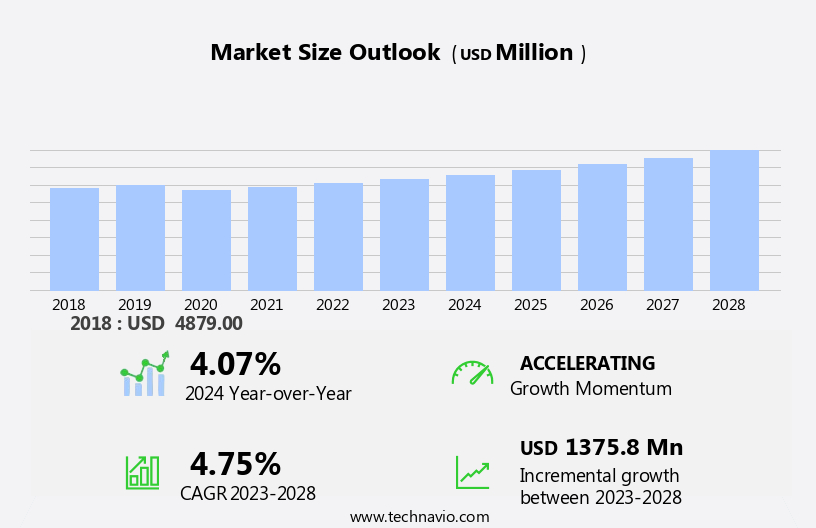
- The market is witnessing significant growth due to the increasing demand for intelligent transport systems (ITS) aimed at improving road safety and reducing human errors. Traffic signals play a crucial role in managing the flow of traffic and ensuring the safety of passengers and other road users. Traffic recognition systems are essential components of ITS, enabling vehicles to detect and respond appropriately to various traffic signs. Traffic signs come in various shapes, colors, and characteristics, including speed limits, overtaking restrictions, turn ahead signs, and wrong-way warnings. These signs are placed on roadsides and are essential for ensuring the safe and efficient movement of vehicles.
- Moreover, the manufacturing industry is focusing on integrating traffic recognition systems into multifunction cameras and instrument clusters to provide drivers with real-time information. This integration allows drivers to stay informed about upcoming traffic signs, speed limits, and other road conditions, thereby reducing the likelihood of accidents. The process of traffic signal recognition involves several steps, including video processing, detection, and recognition. Video processing involves capturing and preprocessing the video feed from the camera. Detection involves identifying potential traffic signs in the video feed, while recognition involves analyzing the characteristics of the signs, such as their shape and color, to determine their type and meaning.
- However, the use of traffic recognition systems has been shown to significantly reduce accident rates by alerting drivers to upcoming traffic signs and potential hazards. For instance, a speed limit sign recognition system can alert the driver when they are approaching a new speed limit, allowing them to adjust their speed accordingly. Similarly, a wrong-way warning sign recognition system can alert the driver if they are about to enter a road in the wrong direction, preventing potential collisions. Roadside spaces are increasingly being used to install traffic recognition systems to improve road safety and reduce the workload on law enforcement agencies. These systems can detect and recognize traffic signs in real-time, providing drivers with accurate and timely information about upcoming road conditions.
- In conclusion, the market is witnessing significant growth due to the increasing demand for advanced ITS aimed at improving road safety and reducing human errors. Traffic recognition systems use video processing and image recognition algorithms to detect and recognize various traffic signs, providing drivers with real-time information about upcoming road conditions. The integration of traffic recognition systems into multifunction cameras and instrument clusters is becoming increasingly common, and their use has been shown to significantly reduce accident rates. Roadside installations of these systems are also becoming more prevalent, providing accurate and timely information to drivers and reducing the workload on law enforcement agencies.
How is this market segmented and which is the largest segment?
The market research report provides comprehensive data (region-wise segment analysis), with forecasts and estimates in "USD billion" for the period 2024-2028, as well as historical data from 2018-2022 for the following segments.
- Vehicle Type
- Passenger vehicle
- Commercial vehicle
- Type
- Color-based detection
- Shape-based detection
- Feature-based detection
- Geography
- North America
- US
- Europe
- Germany
- UK
- APAC
- China
- Japan
- South America
- Middle East and Africa
- North America
By Vehicle Type Insights
- The passenger vehicle segment is estimated to witness significant growth during the forecast period.
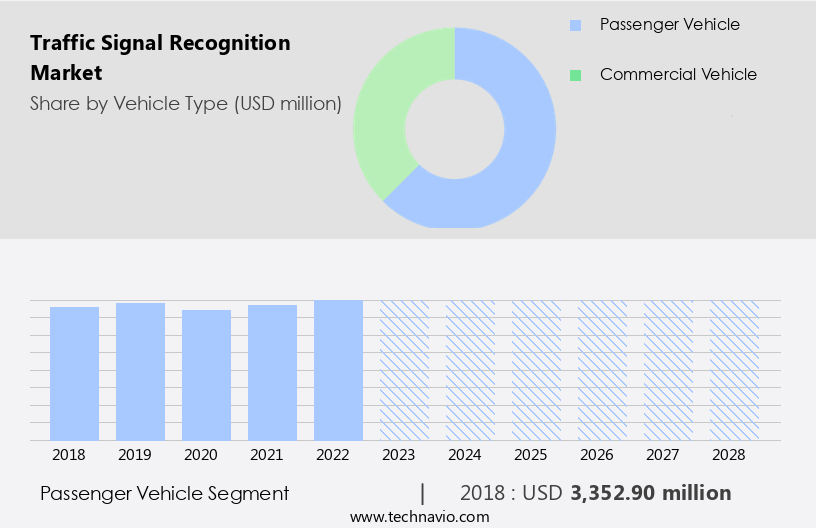
In the market, passenger vehicles represent the largest and fastest-growing segment. A passenger vehicle is a multi-track mode of transportation designed for carrying people. The expansion of this market segment in passenger vehicles is attributed to the increasing preference for luxury automobiles and the rise in consumer disposable income. These high-end vehicles are outfitted with advanced driver assistance systems (ADAS), which prioritize collision avoidance technologies, including lane departure warnings and blind-spot detection. The process of traffic signal recognition involves the detection and recognition of traffic signals using video data from roadside spaces. The characteristics of traffic signals, such as their shape and color, are crucial for accurate recognition. Manufacturers are integrating this technology into passenger vehicles to enhance safety and improve the overall driving experience. The market is expected to continue growing as technology advances and consumer demand increases.
Get a glance at the market report of share of various segments Request Free Sample
The passenger vehicle segment was valued at USD 3.35 billion in 2018 and showed a gradual increase during the forecast period.
Regional Analysis
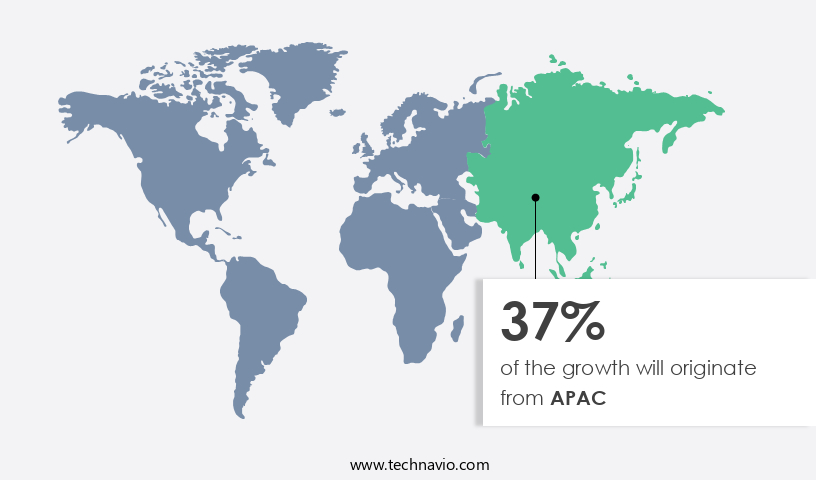
- APAC is estimated to contribute 37% to the growth of the global market during the forecast period.
Technavio's analysts have elaborately explained the regional trends and drivers that shape the market during the forecast period.
For more insights on the market share of various regions Request Free Sample
In North America, the market holds a significant position in the global market, with over 80% of the population residing in urban areas. The high urbanization in the US and Canada presents challenges for traffic management, leading to increased adoption of advanced technologies such as traffic management systems. These systems utilize multifunction cameras and intelligent transport systems to identify traffic signals, including speed limits, overtaking restrictions, wrong directions, and additional signs. This information is displayed on the instrument cluster of vehicles, providing real-time warnings to drivers. The demand for Advanced Driver Assistance Systems (ADAS) in commercial and passenger cars is also contributing to the growth of the market in North America. The market is expected to expand further as the need for efficient traffic management solutions becomes increasingly crucial.
Market Dynamics
Our researchers analyzed the data with 2023 as the base year, along with the key drivers, trends, and challenges. A holistic analysis of drivers will help companies refine their marketing strategies to gain a competitive advantage.
What are the key market drivers leading to the rise in adoption of Traffic Signal Recognition Market?
Rapid urbanization and increasing emphasis on road safety norms is the key driver of the market.
- The urban population is experiencing a substantial increase, with approximately 57% of the global population residing in cities as of 2022, according to the World Bank Group. This demographic shift brings about significant challenges in terms of transportation, particularly in major cities. With the rise in urbanization comes an increase in business activity and commuting needs. As a result, traffic density levels have escalated, making daily commutes more arduous for the general population. To mitigate the risks associated with human errors and the resulting on-road accidents, the market is gaining traction. This market incorporates advanced technologies such as sensors, cameras, and pedestrian detection systems to automate traffic signal recognition.
- Moreover, companies like Mobileye are leading the charge in this area, developing solutions for autonomous vehicles to ensure safer and more efficient traffic flow. According to recent data, traffic-related deaths and casualties have been a major concern, with over 36,000 fatalities in the US alone in 2019. By implementing traffic signal recognition systems, we can significantly reduce these numbers and enhance overall road safety. In conclusion, the growing urban population necessitates the need for advanced traffic management solutions. The market, which includes technologies such as sensors, cameras, and pedestrian detection systems, offers a promising solution to mitigate human errors and enhance road safety. Companies like Mobileye are leading the way in this area, providing innovative solutions for autonomous vehicles to improve traffic flow and reduce on-road accidents.
What are the market trends shaping the Traffic Signal Recognition Market?
Improving traffic flow regulations is the upcoming trend in the market.
- In the context of global transportation, roads continue to serve as the primary means for commuting and economic development. The prioritization of pedestrian safety and efficient vehicle ownership, alongside the need for orderly traffic flow, significantly influences the progress of nations. Traffic signals represent one solution to mitigate traffic congestion and ensure the safe passage of commuters at intersections.
- Moreover, these signals facilitate the smooth transition of vehicles in a designated direction, thereby reducing delays and potential conflicts. Authorities at the regional and national levels implement safety regulations and proper traffic flow management to maintain order and ensure the wellbeing of all road users. Traffic signals play a crucial role in this regard, providing a structured approach to managing the flow of traffic and ensuring a safer driving experience.
What challenges does Traffic Signal Recognition Market face during the growth?
High costs of installation and maintenance are key challenges affecting the market growth.
- Traffic signal recognition systems, a crucial component of Advanced Driver-Assistance Systems (ADAS), adhere to stringent safety standards set by organizations such as the World Health Organization. These systems utilize processors and image sensing cameras to recognize and respond to traffic signals in real-time. Urban autopilot systems, which incorporate traffic signal recognition technology, are increasingly being adopted in both commercial and passenger vehicles to enhance road safety. However, the installation and maintenance of these systems come with a substantial cost due to the need for various hardware components, including sensors, communication devices, and control systems. The high cost of these systems may hinder their widespread adoption, thereby limiting the growth of the market.
- Moreover, non-intrusive sensors, such as image sensing cameras, microwave sensors, and acoustic sensors, are essential components of traffic signal recognition systems. Although they do not disrupt road traffic, their installation and maintenance costs are significantly higher than other road technologies, such as inductive loops, which offer more detailed traffic flow data measurements. Therefore, the cost-effectiveness of these systems remains a significant challenge for market growth.
Exclusive Customer Landscape
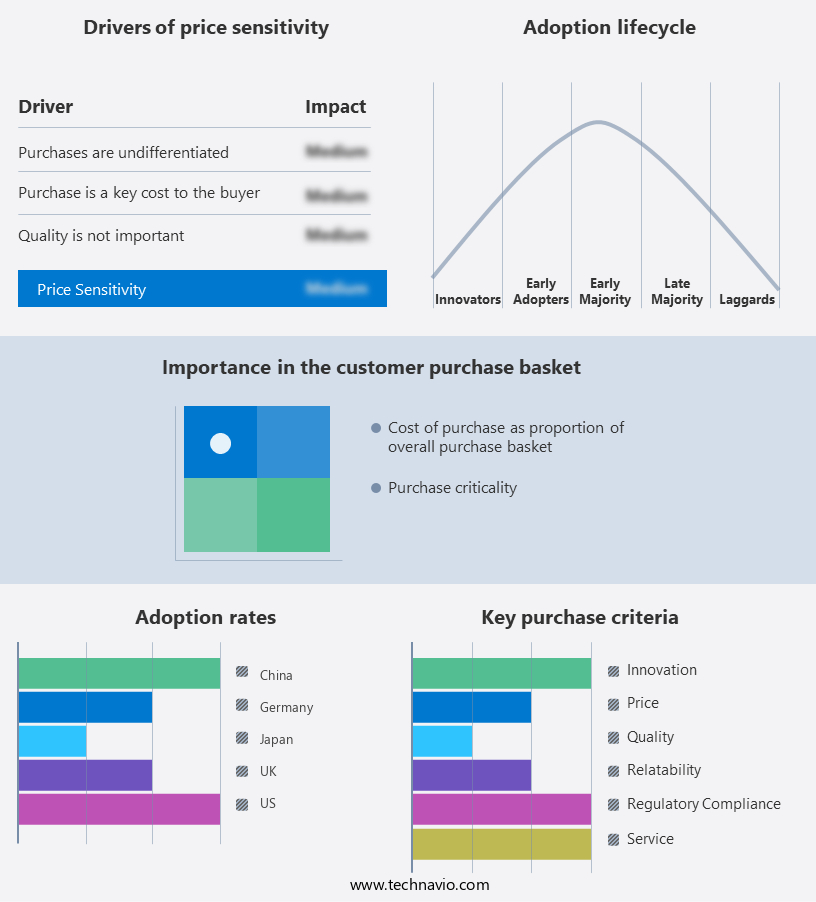
The market forecasting report includes the adoption lifecycle of the market, covering from the innovator's stage to the laggard's stage. It focuses on adoption rates in different regions based on penetration. Furthermore, the market report also includes key purchase criteria and drivers of price sensitivity to help companies evaluate and develop their market growth analysis strategies.
Customer Landscape
Key Companies & Market Insights
Companies are implementing various strategies, such as strategic alliances, market forecast, partnerships, mergers and acquisitions, geographical expansion, and product/service launches, to enhance their presence in the market. The market research and growth report includes detailed analyses of the competitive landscape of the market and information about key companies, including:
- Aldridge Traffic Controllers Pty Ltd.
- Continental AG
- D G Controls Ltd.
- Delphi Technologies Plc
- DENSO Corp.
- dSPACE GmbH
- Elektrobit Automotive GmbH
- Envoys Electronic Pvt. Ltd.
- European Safety Systems Ltd.
- Ford Motor Co.
- Gentex Corp.
- HELLA Aglaia Mobile Vision GmbH
- Magna International Inc.
- Mercedes Benz Group AG
- Mobileye Technologies Ltd.
- Robert Bosch GmbH
- SKODA AUTO AS
- SWARCO AG
- Volkswagen AG
- ZF Friedrichshafen AG
Qualitative and quantitative analysis of companies has been conducted to help clients understand the wider business environment as well as the strengths and weaknesses of key market players. Data is qualitatively analyzed to categorize companies as pure play, category-focused, industry-focused, and diversified; it is quantitatively analyzed to categorize companies as dominant, leading, strong, tentative, and weak.
Research Analyst Overview
Traffic signal recognition is an essential component of advanced driver-assistance systems (ADAS) and intelligent transport systems. These systems use a combination of sensors, cameras, and processors to detect and recognize traffic signs, such as speed limits, overtaking restrictions, turn ahead signs, and warning signs. The use of traffic recognition systems is becoming increasingly important due to the rising number of road accidents and resulting deaths and injuries worldwide.
According to the World Health Organization, an estimated 1.35 million lives were lost due to road crashes in 2016. Traffic recognition systems utilize multifunction cameras and image sensing technologies to detect and recognize traffic signs. The systems can identify the characteristics of traffic signs, such as shape, color, and position, and display the information in the instrument cluster or on the vehicle's infotainment system. The benefits of traffic recognition systems include improved road safety, reduced human errors, and increased connectivity and applications and services. The technology is not limited to passenger vehicles but is also being adopted in commercial vehicles to enhance safety and comply with vehicle safety regulations.
Moreover, urban autopilot systems and autonomous vehicles are also integrating traffic recognition systems to enable seamless and safe travel. Despite the benefits, challenges such as wear and tear, weather conditions, and visual recognition of complex signboards remain. The market for traffic recognition systems is expected to experience an uptick due to the increasing demand for road safety and the development of new technologies, such as electronic stability control, forward collision warning, lane departure warning, and automatic emergency braking.
|
Market Scope |
|
|
Report Coverage |
Details |
|
Page number |
163 |
|
Base year |
2023 |
|
Historic period |
2018-2022 |
|
Forecast period |
2024-2028 |
|
Growth momentum & CAGR |
Accelerate at a CAGR of 4.75% |
|
Market growth 2024-2028 |
USD 1.38 billion |
|
Market structure |
Fragmented |
|
YoY growth 2023-2024(%) |
4.07 |
|
Key countries |
US, Germany, UK, Japan, and China |
|
Competitive landscape |
Leading Companies, Market Positioning of Companies, Competitive Strategies, and Industry Risks |
What are the Key Data Covered in this Market Research and Growth Report?
- CAGR of the market during the forecast period
- Detailed information on factors that will drive the market growth and forecasting between 2024 and 2028
- Precise estimation of the size of the market and its contribution of the market in focus to the parent market
- Accurate predictions about upcoming market growth and trends and changes in consumer behaviour
- Growth of the market across North America, Europe, APAC, South America, and Middle East and Africa
- Thorough analysis of the market's competitive landscape and detailed information about companies
- Comprehensive analysis of factors that will challenge the growth of market companies
We can help! Our analysts can customize this market research report to meet your requirements. Get in touch
 RIA -
RIA - 
