
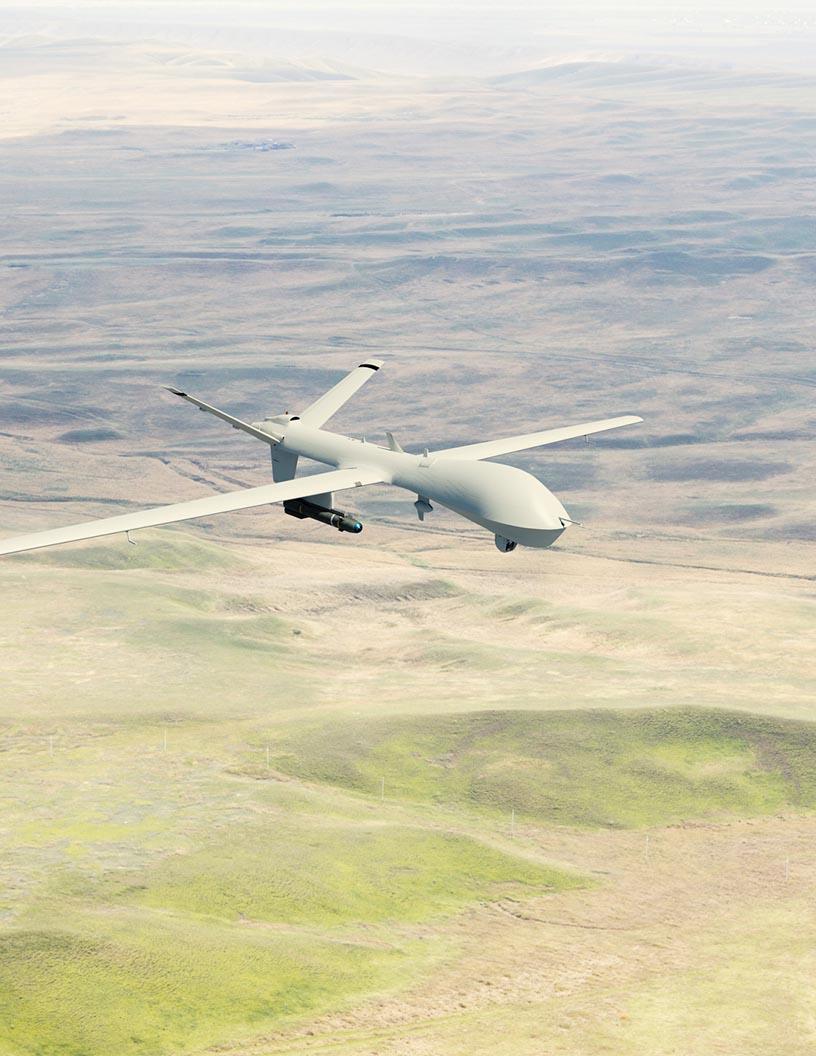


UAV Market Size 2025-2029
The UAV market size is forecast to increase by USD 37.53 billion, at a CAGR of 15.1% between 2024 and 2029.
- The market is experiencing significant growth, driven by increasing defense spending on unmanned technologies. This trend is particularly noticeable in the defense and security sector, where UAVs are increasingly being used for surveillance, reconnaissance, and border patrol. Another key driver is the development of alternate propulsion technologies for UAVs, which are addressing size, weight, and power (SWaP) challenges. However, the market also faces significant hurdles, such as the need for greater bandwidth to support real-time data transmission and the increasing complexity of UAV systems. In the agriculture industry, precision farming is a significant application area for UAVs, enabling farmers to monitor crop health, optimize irrigation, and improve yields.
- In the energy sector, UAVs are used for pipeline inspections and monitoring of solar and wind farms. Despite these opportunities, the challenges of bandwidth and SWaP constraints remain significant obstacles to wider adoption in these sectors. Companies seeking to capitalize on the market's potential must focus on developing innovative solutions to address these challenges while meeting the specific requirements of defense, agriculture, and energy applications.
What will be the Size of the UAV Market during the forecast period?
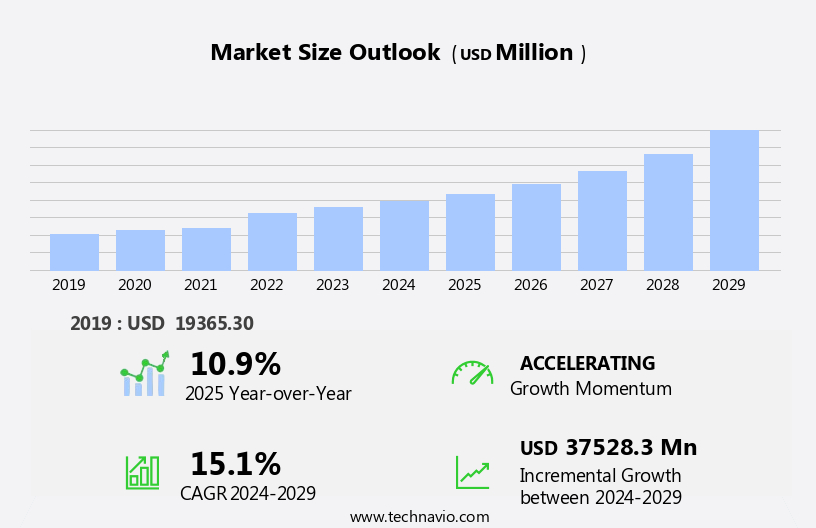
Explore in-depth regional segment analysis with market size data - historical 2019-2023 and forecasts 2025-2029 - in the full report.
Request Free Sample
The market continues to evolve, with dynamic applications across various sectors. Terrain mapping and data processing are crucial components, enhancing infrastructure monitoring, forestry management, and environmental conservation. Precision agriculture utilizes multispectral imaging and data acquisition for optimized crop yields. Mining applications leverage drones for exploration and inspection services. Emergency response teams employ UAVs for search and rescue missions and aerial surveillance. Commercial drone operations offer diverse services, including delivery, inspection, and photography. Military applications incorporate advanced navigation systems, anti-drone technology, and drone detection systems for security and surveillance. Drone racing and recreational use add to the market's vibrant ecosystem.
Video analytics, thermal imaging, and software integration provide valuable insights for industries like law enforcement, border security, and wildlife conservation. The ongoing development of UAV hardware, flight control systems, and pilot training ensures continuous innovation. Safety protocols and counter-UAV measures ensure responsible use and mitigate potential risks. UAVs are transforming industries, from construction monitoring and supply chain management to real estate photography and event coverage. The future of this market is characterized by ongoing advancements, integrating new technologies and applications.
How is this UAV Industry segmented?
The uav industry research report provides comprehensive data (region-wise segment analysis), with forecasts and estimates in "USD million" for the period 2025-2029, as well as historical data from 2019-2023 for the following segments.
- Type
- Rotary wing
- Fixed wing
- Hybrid
- Application
- Defense and homeland security
- Commercial and civil
- Consumer
- Class Type
- Small UAVs
- Tactical UAVs
- Micro UAVs
- Distribution Channel
- OEM Sales
- Online Retail
- Specialty Stores
- Distributors
- Others
- Geography
- North America
- US
- Canada
- Europe
- France
- Germany
- Italy
- UK
- Middle East and Africa
- Egypt
- KSA
- Oman
- UAE
- APAC
- China
- India
- Japan
- South America
- Argentina
- Brazil
- Rest of World (ROW)
- North America
By Type Insights
The rotary wing segment is estimated to witness significant growth during the forecast period.
The market encompasses various applications, including terrain mapping, data processing, precision agriculture, mining, emergency response, construction monitoring, commercial operations, military applications, drone racing, video analytics, drone delivery, data acquisition, multispectral imaging, drone maintenance, pilot training, navigation systems, software integration, thermal imaging, open-source platforms, border security, wildlife conservation, law enforcement, aerial surveillance, drone photography, supply chain management, and more. The military sector is a significant contributor to the market's growth due to increasing security concerns and government funding. Rotary wing UAVs, which fly using revolving rotor blades, are gaining popularity in military applications for intelligence, reconnaissance, and surveillance. Additionally, UAVs are employed in industries such as agriculture, mining, and construction for inspection services, image analysis, and real-time data processing.
Anti-drone technology, safety protocols, and battery life are crucial considerations in the market. The development of drone hardware, software, and detection systems continues to advance, driving innovation and expansion in the UAV industry.
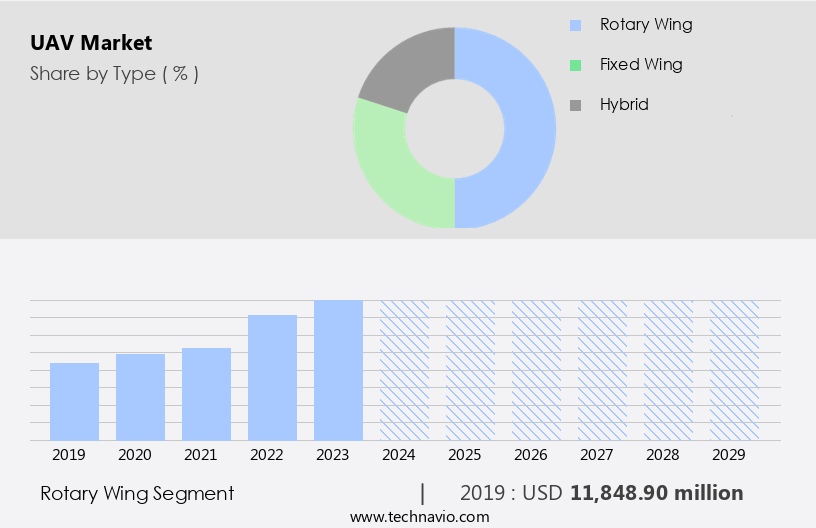
The Rotary wing segment was valued at USD 11.85 billion in 2019 and showed a gradual increase during the forecast period.
Regional Analysis
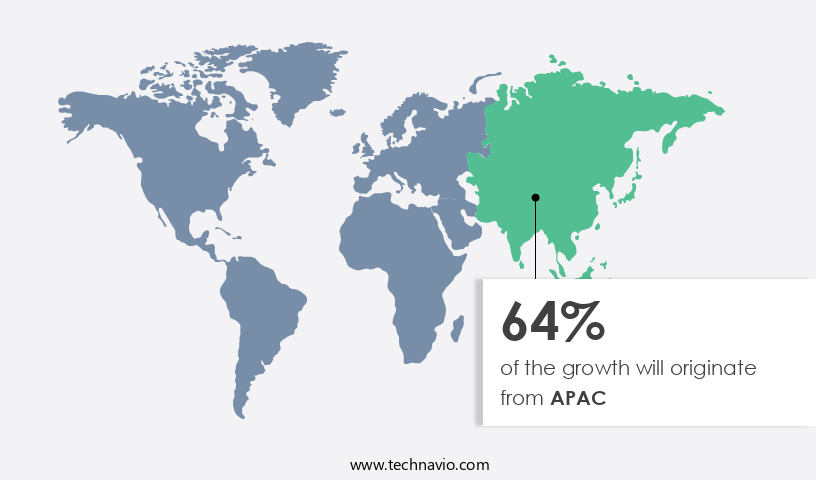
APAC is estimated to contribute 64% to the growth of the global market during the forecast period.Technavio's analysts have elaborately explained the regional trends and drivers that shape the market during the forecast period.
The market encompasses various applications, including terrain mapping, data processing, precision agriculture, mining, emergency response, construction monitoring, commercial operations, military applications, drone racing, video analytics, drone delivery, data acquisition, multispectral imaging, drone maintenance, pilot training, navigation systems, software integration, thermal imaging, open-source platforms, border security, wildlife conservation, law enforcement, aerial surveillance, drone photography, supply chain management, and more. APAC is a significant region in this market's growth, driven by defense capabilities expansion in countries like China, India, Japan, and South Korea. The military's pursuit of advanced technology and the emergence of asymmetrical warfare fuel this trend. Indigenous UAV development initiatives by OEMs are increasing, making the technology more accessible through low-cost solutions.
This growth is further propelled by the integration of advanced technologies like image analysis, safety protocols, counter-UAV measures, payload capacity, and 3D modeling. The market also caters to recreational drones, event coverage, and drone logistics, with charging infrastructure and drone videography playing essential roles. UAV hardware and software development, inspection services, search and rescue, and infrastructure monitoring are other evolving areas. Battery life, flight time, and remote sensing are critical factors influencing market dynamics. The market is a dynamic and innovative landscape, with ongoing advancements in technology and applications.
Market Dynamics
Our researchers analyzed the data with 2024 as the base year, along with the key drivers, trends, and challenges. A holistic analysis of drivers will help companies refine their marketing strategies to gain a competitive advantage.
What are the key market drivers leading to the rise in the adoption of UAV Industry?
- Unmanned technology defense spending is the primary market growth catalyst, with increasing investments in this area driving industry expansion.
- The drone market has experienced notable advancements in technology and application areas over the past few decades. Major economies, including the US, are investing significantly in drone hardware development for various sectors. Operating licenses have become more accessible, enabling businesses in agriculture, environmental monitoring, and real estate photography to utilize drones for image analysis, 3D modeling, and other applications. Counter-UAV measures are also gaining traction to ensure security and privacy. Drones come in various payload capacities, catering to diverse industries. For instance, agricultural applications require heavy-duty drones for large-scale crop monitoring, while recreational drones and event coverage benefit from lighter models.
- Drone logistics and charging infrastructure are essential components to ensure seamless operations. Drones have proven their value in industries such as agriculture, real estate, and environmental monitoring. They offer a bird's-eye view, enabling accurate data collection and analysis. In addition, drone videography has gained popularity for capturing high-quality footage for marketing and promotional purposes. As the drone market continues to evolve, it is essential to stay informed about the latest trends and applications. Whether it's for agricultural productivity enhancement, real estate marketing, or environmental monitoring, drones offer numerous benefits.
What are the market trends shaping the UAV Industry?
- The development of alternate propulsion technologies is a significant trend in the unmanned aerial vehicle (UAV) market. This innovation aims to enhance UAV performance and efficiency, offering potential cost savings and environmental benefits.
- UAV technology has seen a notable shift towards hydrogen fuel cells as an alternative to traditional Li-ion batteries in both commercial and military applications. Over the past five years, the adoption of hydrogen fuel cells has significantly reduced the reliance on fossil fuels in UAVs. This trend is driven by the superior power-to-weight ratio of hydrogen fuel cells, making them an attractive option for mid-to large-scale UAVs. Fuel cells provide numerous benefits to UAV systems. They offer increased reliability compared to small combustion engines, ensuring safe and low-maintenance operations. Hydrogen-powered UAVs can operate longer than their battery-powered counterparts, providing the same thermal and noise benefits.
- In the realm of terrain mapping, data processing, precision agriculture, mining applications, emergency response, construction monitoring, commercial drone operations, and military applications, fuel cell-powered UAVs offer extended flight times and reduced downtime. Moreover, fuel cells can be integrated with video analytics, drone delivery, data acquisition, multispectral imaging, and drone maintenance systems to enhance their capabilities. As the market continues to evolve, hydrogen fuel cells are expected to play a pivotal role in powering these advanced aerial systems.
What challenges does the UAV Industry face during its growth?
- The growth of the UAV industry is significantly impacted by the SWaP (Size, Weight, and Power) constraints and bandwidth limitations.
- The market is experiencing significant growth, driven by the increasing demand for drone services in various industries. One of the key factors fueling this growth is the need for advanced pilot training and navigation systems to ensure safe and efficient drone operations. Additionally, there is a growing focus on software integration, including thermal imaging and drone mapping, for inspection services and search and rescue missions. Moreover, anti-drone technology is gaining popularity to counteract potential security threats. This includes drone jamming and open-source platforms for anti-drone solutions. The integration of flight control systems and real-time spectrum-sharing capabilities is crucial for military applications, particularly in coordinated missions and disaster relief operations.
- Commercially available communication technologies are increasingly being adopted for military UAV operations, leading to a high volume of data transfer and consumption. The challenge of congestion in certain frequency bands due to the proliferation of wireless devices necessitates the development of advanced technologies to manage spectrum allocation effectively. In conclusion, the market is witnessing dynamic growth, driven by the increasing demand for drone services and the need for advanced technologies in areas such as pilot training, navigation systems, software integration, and anti-drone solutions. The market's future looks promising, with continued innovation and advancements expected in these areas.
Exclusive Customer Landscape
The uav market forecasting report includes the adoption lifecycle of the market, covering from the innovator's stage to the laggard's stage. It focuses on adoption rates in different regions based on penetration. Furthermore, the uav market report also includes key purchase criteria and drivers of price sensitivity to help companies evaluate and develop their market growth analysis strategies.
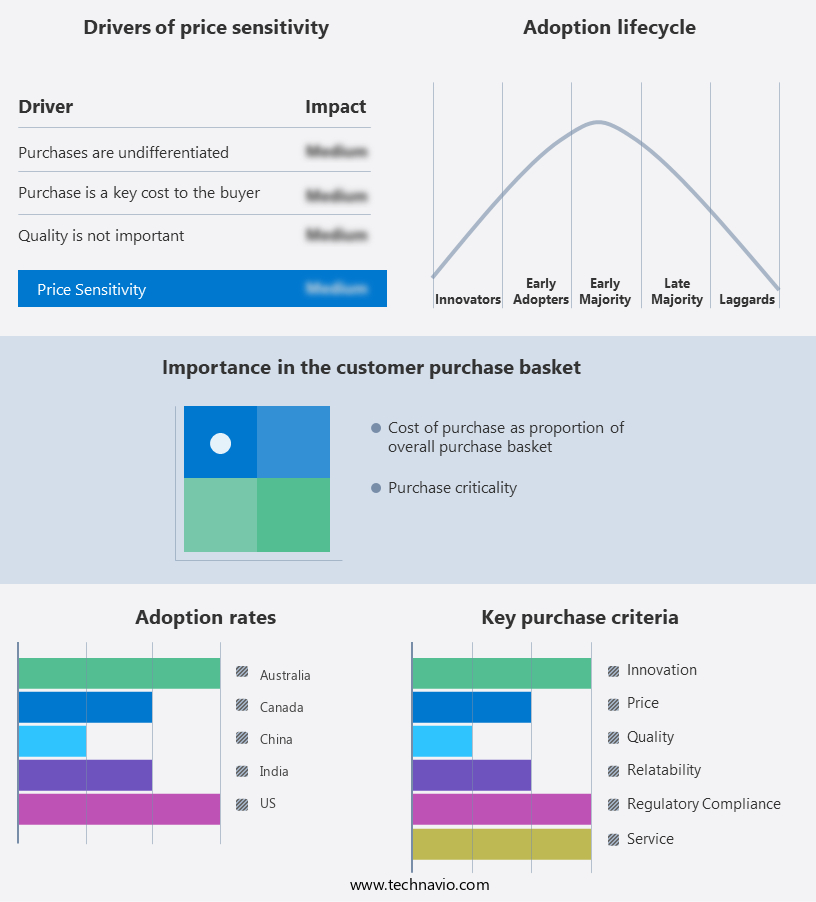
Customer Landscape
Key Companies & Market Insights
Companies are implementing various strategies, such as strategic alliances, uav market forecast, partnerships, mergers and acquisitions, geographical expansion, and product/service launches, to enhance their presence in the industry.
AeroVironment - The company introduces Unmanned Aerial Vehicles (UAVs) including the Wasp Micro Air Vehicle, boasting a 41 cm wingspan and 275-gram weight. This innovation is rooted in technology derived from the DARPA Black Widow MAV program.
The industry research and growth report includes detailed analyses of the competitive landscape of the market and information about key companies, including:
- AeroVironment
- Airbus SE
- Autel Robotics
- BAE Systems
- Boeing
- Delair
- DJI
- DroneDeploy
- Elbit Systems
- General Atomics
- Insitu
- Israel Aerospace Industries
- Lockheed Martin
- Northrop Grumman
- Parrot SA
- Saab AB
- SZ DJI Technology
- Teledyne FLIR
- Textron Systems
- Yuneec International
Qualitative and quantitative analysis of companies has been conducted to help clients understand the wider business environment as well as the strengths and weaknesses of key industry players. Data is qualitatively analyzed to categorize companies as pure play, category-focused, industry-focused, and diversified; it is quantitatively analyzed to categorize companies as dominant, leading, strong, tentative, and weak.
Recent Development and News in UAV Market
- In February 2024, Skydio, a leading American autonomous drone manufacturer, unveiled its new flagship product, the Skydio X2D. This advanced drone model boasts improved flight time, longer range, and enhanced object detection capabilities, positioning Skydio at the forefront of the commercial the market (Skydio Press Release, 2024).
- In May 2024, Amazon and Alphabet's Wing signed a strategic partnership to collaborate on drone delivery infrastructure and operations. This alliance combines Amazon's extensive logistics network with Wing's drone delivery expertise, potentially revolutionizing the e-commerce sector and expanding the market's reach (Amazon Press Release, 2024).
- In November 2024, Intel completed the acquisition of Hangar Technologies, a leading drone software and services provider. This strategic move bolstered Intel's position in the market, enabling the company to offer end-to-end drone solutions, from hardware to software (Intel Press Release, 2024).
- In March 2025, the European Union Aviation Safety Agency (EASA) approved the first large-scale commercial drone operations in Europe. This significant regulatory approval paved the way for the expansion of the market in Europe, with major players like DJI, Parrot, and 3D Robotics poised to capitalize on the opportunity (EASA Press Release, 2025).
Research Analyst Overview
- The Unmanned Aerial Vehicle (UAV) market is experiencing significant advancements in technology, driving the integration of various components such as data storage, wireless communication, and network connectivity. Drone ethics and safety standards are gaining importance, with liability insurance and drone traffic management becoming essential elements. Drone swarm technology and autonomous flight are revolutionizing industries, enabling real-time geospatial data collection and analysis through GPS navigation and data visualization. Machine learning and artificial intelligence (AI) are enhancing drone capabilities, while deep learning and computer vision are improving image recognition and object detection.
- Wireless communication via radio frequency (RF) and network connectivity ensure seamless data transfer and collaborative intelligence. Data security remains a concern, with cloud computing and edge computing solutions addressing the need for secure data storage and processing. Public perception and drone safety standards continue to evolve, shaping the market's future trajectory.
Dive into Technavio's robust research methodology, blending expert interviews, extensive data synthesis, and validated models for unparalleled UAV Market insights. See full methodology.
|
Market Scope |
|
|
Report Coverage |
Details |
|
Page number |
220 |
|
Base year |
2024 |
|
Historic period |
2019-2023 |
|
Forecast period |
2025-2029 |
|
Growth momentum & CAGR |
Accelerate at a CAGR of 15.1% |
|
Market growth 2025-2029 |
USD 37528.3 million |
|
Market structure |
Fragmented |
|
YoY growth 2024-2025(%) |
10.9 |
|
Key countries |
US, Canada, Germany, UK, Italy, France, China, India, Japan, Brazil, Egypt, UAE, Oman, Argentina, KSA, UAE, Brazil, and Rest of World (ROW) |
|
Competitive landscape |
Leading Companies, Market Positioning of Companies, Competitive Strategies, and Industry Risks |
What are the Key Data Covered in this UAV Market Research and Growth Report?
- CAGR of the UAV industry during the forecast period
- Detailed information on factors that will drive the growth and forecasting between 2025 and 2029
- Precise estimation of the size of the market and its contribution of the industry in focus to the parent market
- Accurate predictions about upcoming growth and trends and changes in consumer behaviour
- Growth of the market across APAC, North America, Europe, Middle East and Africa, and South America
- Thorough analysis of the market's competitive landscape and detailed information about companies
- Comprehensive analysis of factors that will challenge the uav market growth of industry companies
We can help! Our analysts can customize this uav market research report to meet your requirements.
 RIA -
RIA - 
