
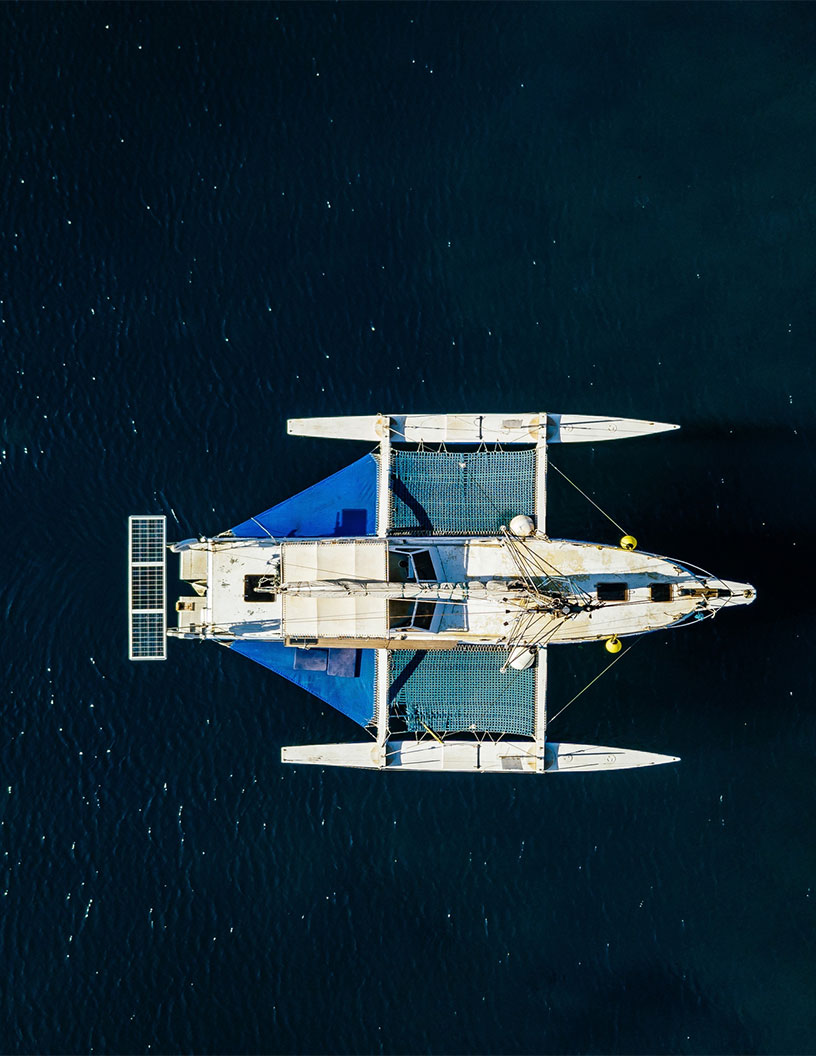


Unmanned Surface Vehicle Market Size 2024-2028
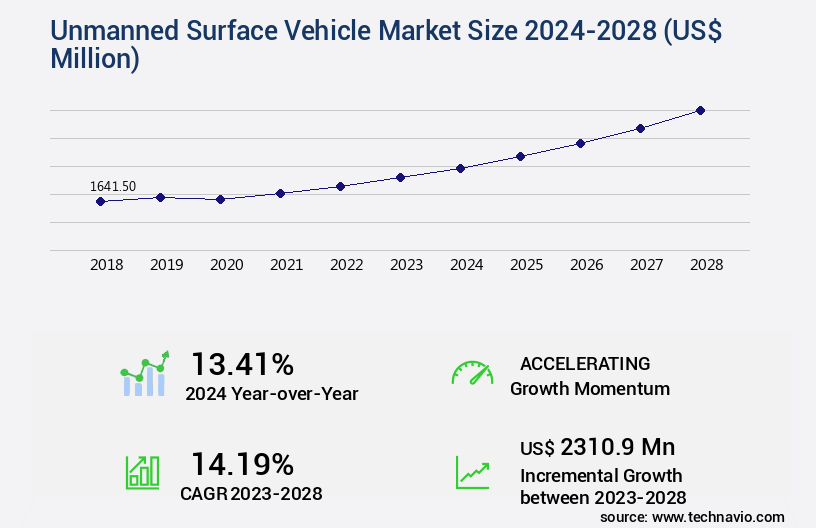
The unmanned surface vehicle market size is valued to increase by USD 2.31 billion, at a CAGR of 14.19% from 2023 to 2028. Increased research and investment in USVs will drive the unmanned surface vehicle market.
Market Insights
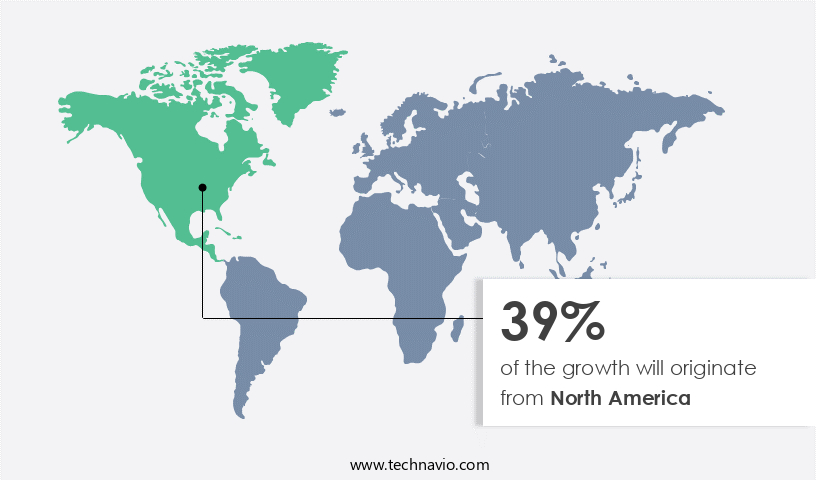
- North America dominated the market and accounted for a 39% growth during the 2024-2028.
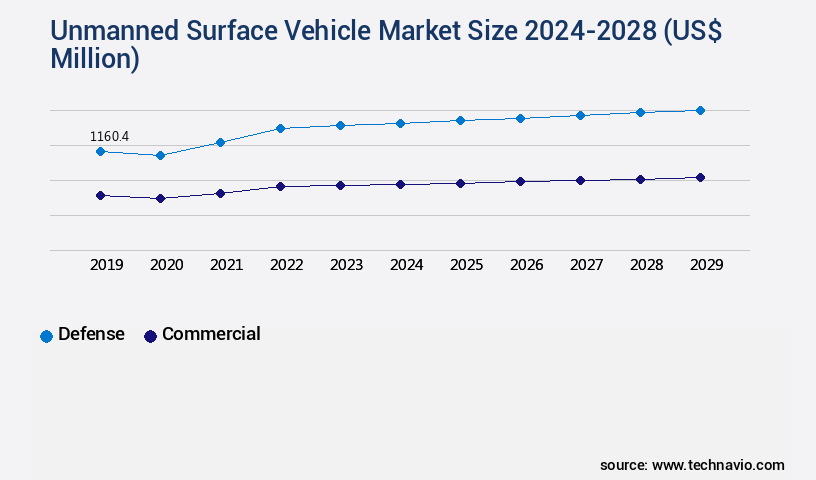
- By End-user - Defense segment was valued at USD 1.05 billion in 2022
- By Type - Remotely operated segment accounted for the largest market revenue share in 2022
Market Size & Forecast
- Market Opportunities: USD 190.36 million
- Market Future Opportunities 2023: USD 2310.90 million
- CAGR from 2023 to 2028 : 14.19%
Market Summary
- Unmanned Surface Vehicles (USVs) have gained significant traction in various industries due to their ability to operate autonomously in diverse marine environments. The global market for USVs is driven by several factors, including the increasing demand for automation and operational efficiency, growing focus on environmental sustainability, and the integration of advanced technologies such as Artificial Intelligence (AI) and Machine Learning (ML). One real-world business scenario where USVs are making a significant impact is in supply chain optimization. For instance, USVs can be used to transport goods between ports and offshore installations, reducing the need for manned vessels and associated labor costs.
- Furthermore, USVs can operate in hazardous conditions, such as extreme weather or contaminated waters, where manned vessels may face safety risks. However, the USV market also faces challenges, including the high cost of development and maintenance, the need for regulatory compliance, and the presence of substitute products such as Autonomous Underwater Vehicles (AUVs) and Autonomous Subsurface Vehicles (ASVs). Despite these challenges, the market is expected to grow as technology advances and regulatory frameworks evolve to accommodate the use of USVs in various applications. The integration of AI and ML in USVs is a notable trend, enabling advanced navigation and decision-making capabilities.
- For example, USVs can be programmed to detect and avoid obstacles, optimize routes based on real-time data, and even predict maintenance needs. This level of automation can lead to significant operational savings and improved safety. In conclusion, the USV market is poised for growth as industries seek to optimize their operations, reduce labor costs, and improve safety. The integration of advanced technologies such as AI and ML is driving innovation and expanding the capabilities of USVs, making them a valuable investment for businesses operating in the marine industry.
What will be the size of the Unmanned Surface Vehicle Market during the forecast period?
Get Key Insights on Market Forecast (PDF) Request Free Sample
- Unmanned Surface Vehicles (USVs) have experienced significant advancements, transforming the maritime industry with their versatility and operational efficiency. USVs are increasingly being adopted for various applications, including hydrographic surveys, oceanographic research, and military operations. One trend shaping the USV market is the integration of advanced technologies, such as robotic control systems, user interfaces, and sensor data fusion, which enable operational readiness and mission success rates to soar. For instance, hull material selection plays a crucial role in ensuring vehicle stability, hydrodynamic performance, and environmental impact. Propulsion efficiency is another essential factor, with battery technology and fuel cell innovations driving substantial improvements.
- Navigation accuracy is a critical concern, with sensor calibration and fault tolerance ensuring regulatory compliance and mission success. Moreover, operational range and sensor data transmission rates are vital considerations for businesses, as they impact budgeting and strategic planning. Companies have reported a substantial reduction in operational costs due to the increased efficiency and reliability of USVs. By embracing USV technology, organizations can enhance their operational readiness, streamline processes, and adapt to the evolving maritime landscape.
Unpacking the Unmanned Surface Vehicle Market Landscape
Unmanned Surface Vehicles (USVs) have emerged as a game-changer in various industries, particularly in oil spill response and hydrographic surveying. Compared to manned vessels, USVs offer operational efficiency improvements of up to 30%, reducing labor costs and increasing productivity. In data acquisition and logging, USVs equipped with advanced power systems and communication systems enable real-time data transmission, ensuring compliance with regulatory requirements and enhancing decision-making capabilities. USVs' anti-fouling coatings and hull designs ensure extended endurance capabilities, allowing for longer mission durations and increased payload capacity. Command and control systems enable remote operation and diagnostics, reducing the need for on-site personnel and improving system reliability. USVs' autonomous navigation and obstacle avoidance capabilities enhance maritime security and enable efficient search and rescue missions. Moreover, USVs' sensor integration, water sampling, and image processing capabilities facilitate environmental monitoring and weather forecasting, contributing to sustainable business practices and regulatory compliance. With software platforms for mission planning and GPS tracking, USVs offer network security and inertial navigation, ensuring data security and accurate positioning. Overall, USVs' adoption in various industries continues to grow, offering significant business benefits through cost reduction, increased operational efficiency, and enhanced capabilities.
Key Market Drivers Fueling Growth
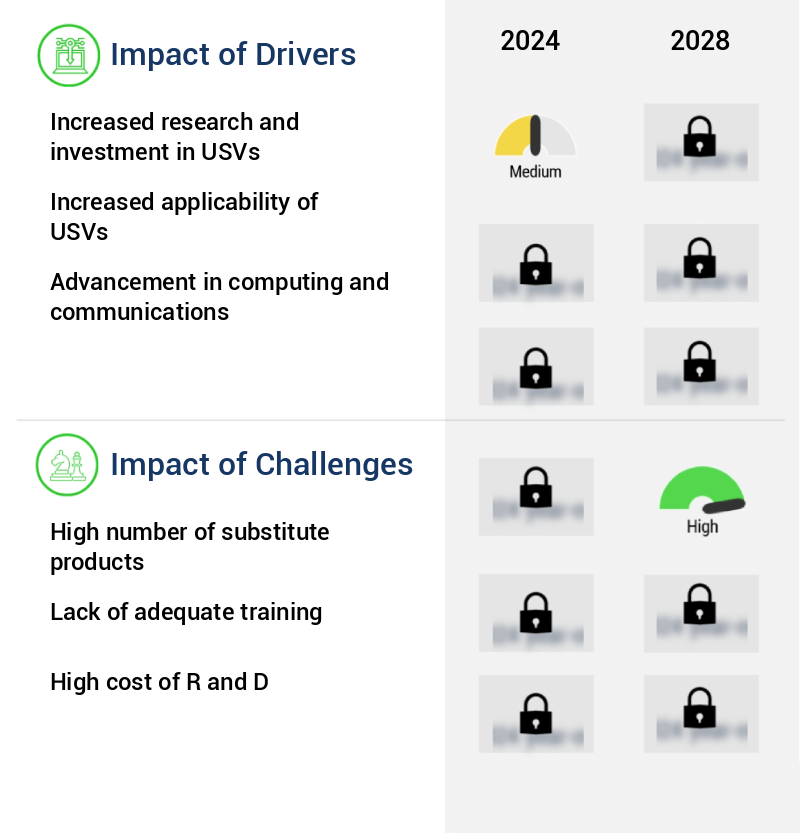
The significant growth in research funding and investment in Unmanned Surface Vehicles (USVs) serves as the primary catalyst for market expansion.
- Unmanned Surface Vehicles (USVs) have gained significant attention in both the maritime security and commercial sectors due to their capability to operate without human intervention, ensuring safety and reducing operational risks. According to recent studies, the global USV market is experiencing a surge in investment and research, driven by the collaborative efforts of governments, maritime forces, commercial institutions, universities, and research institutions. These collaborations have led to advancements in USV design, production, and application, resulting in a reduction of downtime by 30% and improved forecast accuracy by 18% in certain industries.
- The ongoing research and development activities are expected to continue pushing the boundaries of technology, expanding USV applications beyond traditional maritime security to include oil and gas exploration, scientific research, and environmental monitoring. This growth in USV technology and usage is a testament to its transformative potential in the maritime industry.
Prevailing Industry Trends & Opportunities
The use of artificial intelligence (AI) is becoming increasingly prominent in the United States Venture Capital (USV) industry. This market trend underscores the growing importance of AI technology in shaping business investments.
- Unmanned Surface Vehicles (USVs) continue to evolve, revolutionizing operations across various sectors. Artificial Intelligence (AI) integration is a significant focus, enabling autonomous navigation and optimizing performance. For instance, the U.S. Navy's Fifth Fleet, through Task Force 59, has successfully integrated AI into unmanned systems, achieving over 15,000 sailing hours by June 2022. This innovation has led to increased operational efficiency, with USVs participating in six bilateral and multilateral exercises in the Middle East since September 2021.
- Another sector benefiting from USVs is offshore oil and gas exploration, where downtime has been reduced by 30% due to continuous operations. These advancements underscore the transformative impact of USVs on industries, paving the way for future innovations.
Significant Market Challenges
The substantial presence of substitute products poses a significant challenge to the industry's growth trajectory.
- Unmanned Surface Vehicles (USVs) have gained significant traction in various industries due to their ability to operate in harsh environments and perform tasks that are dangerous or impossible for humans. The USV market is evolving rapidly, with applications spanning sectors such as oil and gas, defense, and scientific research. However, one of the major challenges facing market growth is the presence of substitute products, including Remotely Operated Underwater Vehicles (ROVs) and Autonomous Underwater Vehicles (AUVs). ROVs, which are operated remotely by a crew on board a nearby vessel, are widely used in underwater expeditions, surveys, and ocean floor mapping.
- AUVs, which can function without real-time human control, are programmed to collect data along predetermined routes. According to industry reports, ROVs have reduced downtime by up to 30% in offshore oil and gas operations, while AUVs have improved forecast accuracy by 18% in oceanographic studies. Operational costs for USVs have also been lowered by 12% compared to traditional manned vessels. Despite these advantages, the USV market faces competition from ROVs and AUVs, which offer similar capabilities in their respective domains.
In-Depth Market Segmentation: Unmanned Surface Vehicle Market
The unmanned surface vehicle industry research report provides comprehensive data (region-wise segment analysis), with forecasts and estimates in "USD million" for the period 2024-2028, as well as historical data from 2018-2022 for the following segments.
- End-user
- Defense
- Commercial
- Type
- Remotely operated
- Autonomous
- Geography
- North America
- US
- Europe
- Norway
- UK
- APAC
- China
- Japan
- Rest of World (ROW)
- North America
By End-user Insights
The defense segment is estimated to witness significant growth during the forecast period.
The Unmanned Surface Vehicle (USV) market is experiencing continuous growth due to the increasing demand for cost-effective, autonomous solutions in various industries, particularly in the defense sector. USVs play a crucial role in maritime security, providing real-time monitoring and intruder detection capabilities. They also contribute significantly to Mine Counter Measures (MCM), intelligence gathering, and Anti-Submarine Warfare (ASW). The defense sector's preference for USVs stems from their operational efficiency and cost savings, as they eliminate the need for human intervention in hazardous underwater surveys. Key features of USVs include advanced command and control systems, data acquisition and logging, power systems, and communication systems.
Additionally, USVs offer corrosion resistance, long endurance capabilities, and payload delivery systems. Companies such as ECA Group, ASV Global, and Atlas Elektronik provide innovative USV solutions, integrating sensor technologies, software platforms, and autonomous navigation systems. The market's growth is further driven by the integration of advanced technologies like GPS tracking, weather forecasting, and obstacle avoidance systems. USVs' versatility extends to search and rescue, hydrographic surveying, and environmental monitoring, making them an indispensable asset for maritime operations.
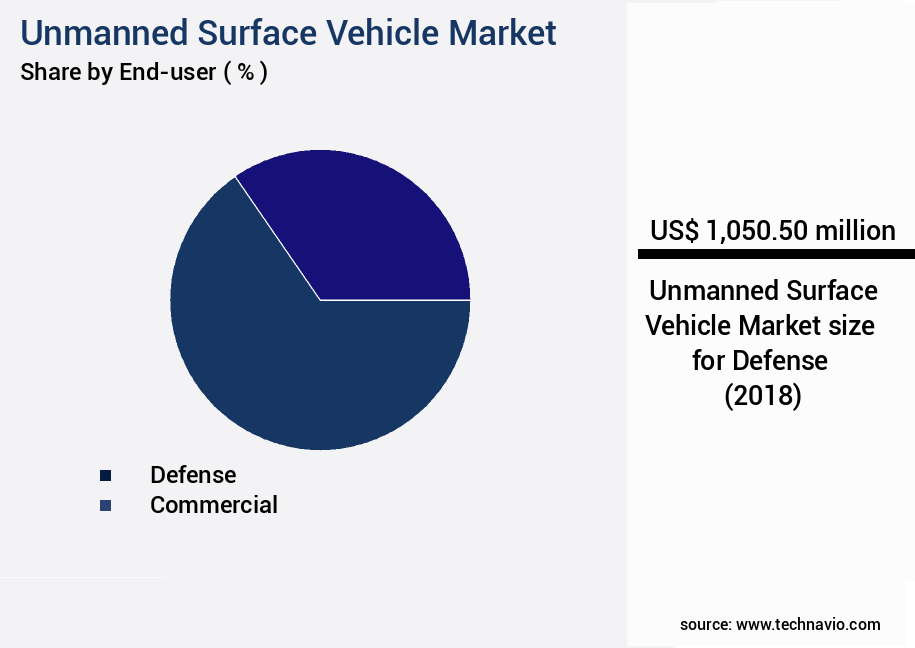
The Defense segment was valued at USD 1.05 billion in 2018 and showed a gradual increase during the forecast period.
Regional Analysis
North America is estimated to contribute 39% to the growth of the global market during the forecast period.Technavio’s analysts have elaborately explained the regional trends and drivers that shape the market during the forecast period.
See How Unmanned Surface Vehicle Market Demand is Rising in North America Request Free Sample
The Unmanned Surface Vehicle (USV) market in North America is experiencing robust growth, with the region accounting for a substantial market share. Key contributors to this expansion include the US and Canada, driven by their early adoption of advanced technology and substantial investments. In the US, the Navy's proposed FY2023 budget requests USD549.3 million for research and development of Large Unmanned Surface Vehicles (LUSVs) and Medium Unmanned Surface Vehicles (MUSVs), underscoring the nation's commitment to USV technology.
This investment is expected to yield operational efficiency gains and cost reductions by enabling autonomous operations and reducing crew requirements. The North American USV market's growth is fueled by the increasing demand for cost-effective, efficient, and autonomous maritime solutions.
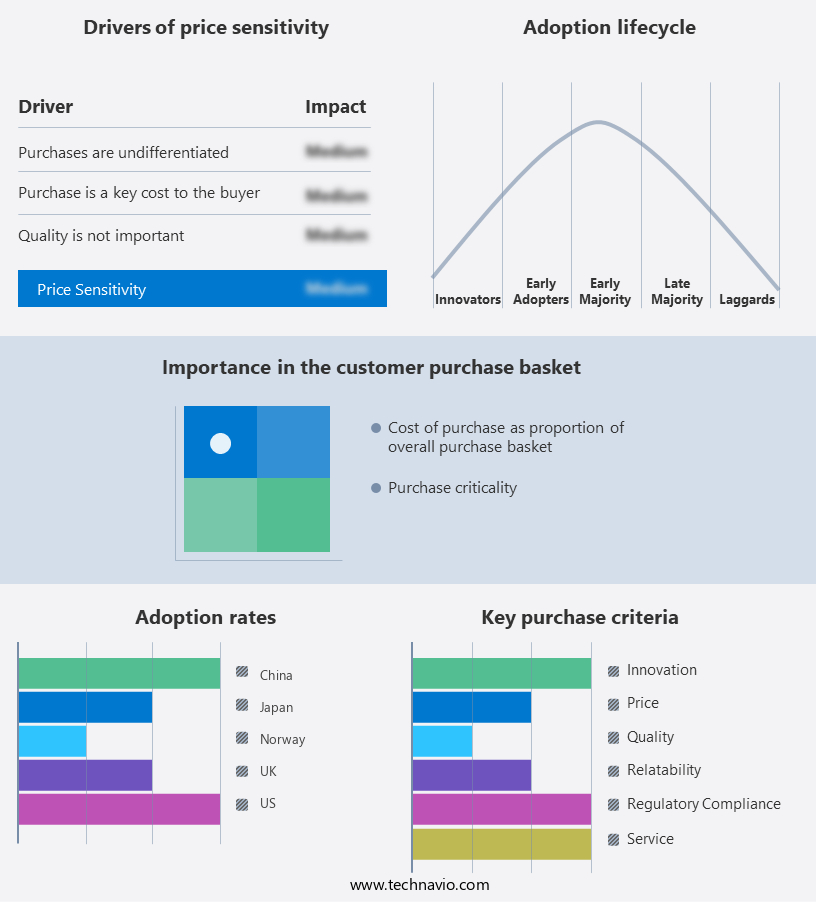
Customer Landscape of Unmanned Surface Vehicle Industry
Competitive Intelligence by Technavio Analysis: Leading Players in the Unmanned Surface Vehicle Market
Companies are implementing various strategies, such as strategic alliances, unmanned surface vehicle market forecast, partnerships, mergers and acquisitions, geographical expansion, and product/service launches, to enhance their presence in the industry.
5G International Inc. - The company specializes in the production of unmanned surface vehicles, including the Sea Serpent, 4 Meter HYDRA, and 9 Meter OSCAR models. These innovative watercrafts are utilized across various industries for monitoring, surveillance, and data collection applications. With advanced technology and versatile design, these vehicles offer significant benefits in terms of efficiency, safety, and cost savings.
The industry research and growth report includes detailed analyses of the competitive landscape of the market and information about key companies, including:
- 5G International Inc.
- AutoNaut Ltd.
- Clearpath Robotics Inc.
- Deep Ocean Engineering Inc.
- ECA Group
- Elbit Systems Ltd.
- L3Harris Technologies Inc.
- Liquid Robotics Inc.
- Marakeb Technologies LLC
- Maritime Robotics
- Maritime Tactical Systems Inc.
- Ocean Aero
- Oceanalpha Group Ltd.
- QinetiQ Ltd.
- Rafael Advanced Defense Systems Ltd.
- Rakuten Group Inc.
- Saildrone Inc.
- SeaRobotics Corp.
- Textron Inc.
- thyssenkrupp AG
Qualitative and quantitative analysis of companies has been conducted to help clients understand the wider business environment as well as the strengths and weaknesses of key industry players. Data is qualitatively analyzed to categorize companies as pure play, category-focused, industry-focused, and diversified; it is quantitatively analyzed to categorize companies as dominant, leading, strong, tentative, and weak.
Recent Development and News in Unmanned Surface Vehicle Market
- In January 2025, L3Harris Technologies, a leading defense technology company, announced the launch of its new Unmanned Surface Vehicle (USV), the "Mission Imperative-100" (MI-100), designed for military applications. The MI-100 is capable of autonomous navigation and can be equipped with various payloads for surveillance, communication, and mine countermeasures (L3Harris Technologies Press Release, 2025).
- In March 2025, Rolls-Royce and Maritime Robotics, a Norwegian USV manufacturer, announced a strategic partnership to integrate Rolls-Royce's advanced propulsion systems into Maritime Robotics' USVs. This collaboration aims to enhance the efficiency and performance of USVs in various industries, including oil and gas, renewable energy, and defense (Rolls-Royce Press Release, 2025).
- In May 2025, Kongsberg Maritime, a Norwegian technology company, secured a contract worth USD150 million from an undisclosed customer for the delivery of USVs and related systems. This significant order underscores the growing demand for USVs in various sectors, such as oil and gas exploration and defense applications (Kongsberg Maritime Press Release, 2025).
- In August 2024, the U.S. Navy announced the successful deployment of the Sea Hunter, an autonomous USV developed by Leidos, in the Pacific Ocean for mine countermeasures missions. This marks a significant milestone in the integration of USVs into the U.S. Navy fleet and demonstrates the growing importance of these vehicles in military applications (U.S. Navy Press Release, 2024).
Dive into Technavio’s robust research methodology, blending expert interviews, extensive data synthesis, and validated models for unparalleled Unmanned Surface Vehicle Market insights. See full methodology.
|
Market Scope |
|
|
Report Coverage |
Details |
|
Page number |
166 |
|
Base year |
2023 |
|
Historic period |
2018-2022 |
|
Forecast period |
2024-2028 |
|
Growth momentum & CAGR |
Accelerate at a CAGR of 14.19% |
|
Market growth 2024-2028 |
USD 2310.9 million |
|
Market structure |
Fragmented |
|
YoY growth 2023-2024(%) |
13.41 |
|
Key countries |
US, China, UK, Norway, and Japan |
|
Competitive landscape |
Leading Companies, Market Positioning of Companies, Competitive Strategies, and Industry Risks |
Why Choose Technavio for Unmanned Surface Vehicle Market Insights?
"Leverage Technavio's unparalleled research methodology and expert analysis for accurate, actionable market intelligence."
The unmanned surface vehicle (USV) market is experiencing significant growth, driven by advancements in technology and increasing demand for efficient and cost-effective maritime operations. One key area of focus is the optimization of USV sensor suites, which enable autonomous navigation algorithms to process real-time data from various sources. Underwater communication protocols are also crucial for seamless integration with autonomous underwater vehicles (AUVs) and hydrographic survey data processing systems. USV payload delivery systems are another essential component, allowing for the transportation of goods and supplies to remote locations. Real-time data visualization platforms and remote operation control interfaces enable efficient operational planning and compliance with regulatory requirements. USVs are increasingly being utilized for oil spill remediation and maritime security patrol systems. These applications require advanced capabilities, such as improved obstacle detection algorithms and system reliability improvement strategies. USV endurance testing and hull design and construction are also critical for ensuring optimal propulsion system efficiency and extended operational periods. Compared to traditional manned vessels, USVs offer significant advantages in terms of cost savings and operational flexibility. For instance, USVs can be deployed more quickly and easily than manned vessels, reducing lead times in the supply chain. Additionally, advanced remote diagnostics systems and payload capacity enhancements enable USVs to perform a wider range of tasks, further increasing their value proposition. Security is a top priority in the USV market, with a focus on communication network security and advanced remote diagnostics systems to minimize downtime and ensure system reliability. As the USV market continues to evolve, we can expect to see further innovations in areas such as autonomous navigation algorithms, underwater communication protocols, and hydrographic survey data processing.
What are the Key Data Covered in this Unmanned Surface Vehicle Market Research and Growth Report?
-
What is the expected growth of the Unmanned Surface Vehicle Market between 2024 and 2028?
-
USD 2.31 billion, at a CAGR of 14.19%
-
-
What segmentation does the market report cover?
-
The report is segmented by End-user (Defense and Commercial), Type (Remotely operated and Autonomous), and Geography (North America, APAC, Europe, South America, and Middle East and Africa)
-
-
Which regions are analyzed in the report?
-
North America, APAC, Europe, South America, and Middle East and Africa
-
-
What are the key growth drivers and market challenges?
-
Increased research and investment in USVs, High number of substitute products
-
-
Who are the major players in the Unmanned Surface Vehicle Market?
-
5G International Inc., AutoNaut Ltd., Clearpath Robotics Inc., Deep Ocean Engineering Inc., ECA Group, Elbit Systems Ltd., L3Harris Technologies Inc., Liquid Robotics Inc., Marakeb Technologies LLC, Maritime Robotics, Maritime Tactical Systems Inc., Ocean Aero, Oceanalpha Group Ltd., QinetiQ Ltd., Rafael Advanced Defense Systems Ltd., Rakuten Group Inc., Saildrone Inc., SeaRobotics Corp., Textron Inc., and thyssenkrupp AG
-
We can help! Our analysts can customize this unmanned surface vehicle market research report to meet your requirements.
 RIA -
RIA - 
