
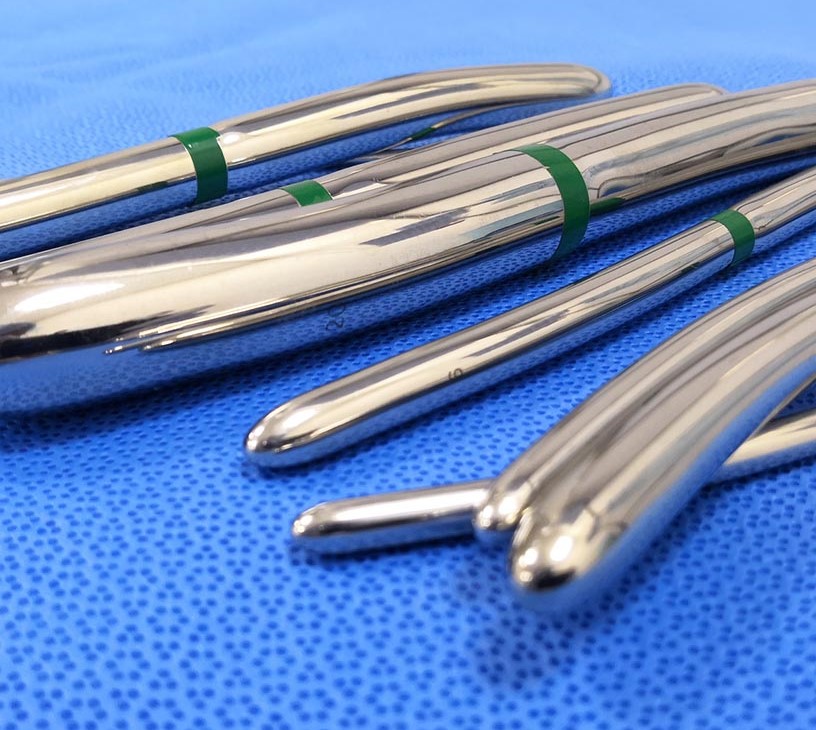


Urethral Dilator Market Size 2026-2030
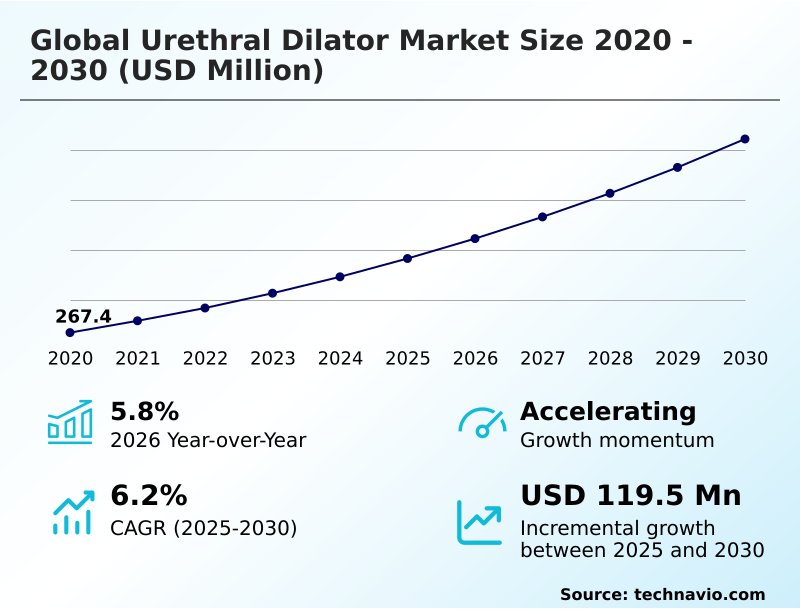
The urethral dilator market size is valued to increase by USD 119.5 million, at a CAGR of 6.2% from 2025 to 2030. Prevalence of minimally invasive procedures will drive the urethral dilator market.
Major Market Trends & Insights
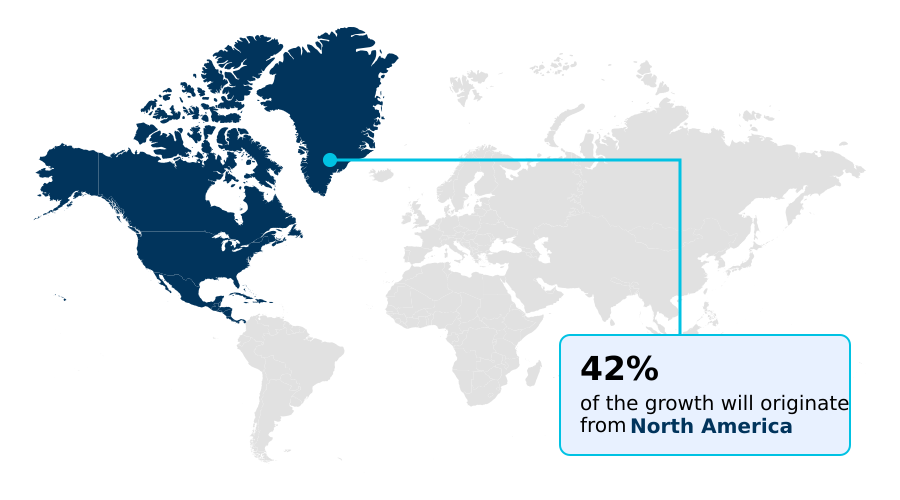
- North America dominated the market and accounted for a 41.8% growth during the forecast period.
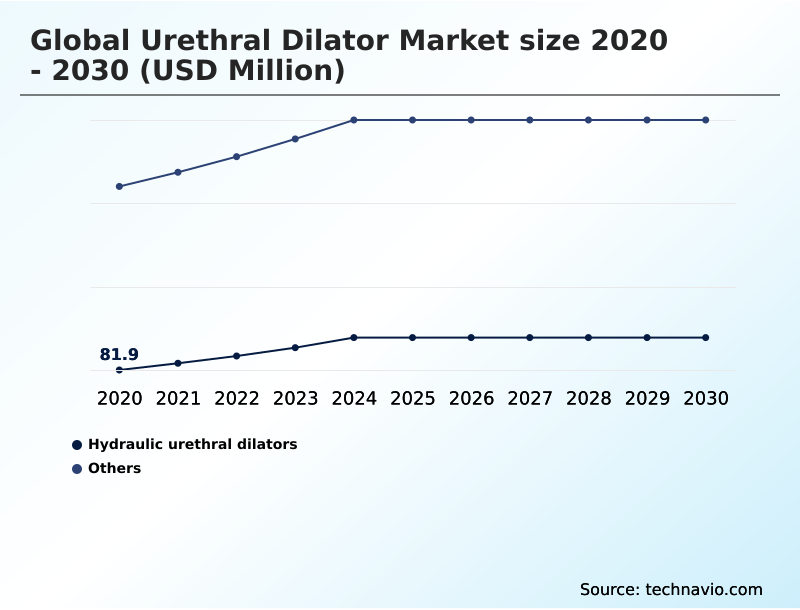
- By Product - Hydraulic urethral dilators segment was valued at USD 100.2 million in 2024
- By End-user - Hospitals segment accounted for the largest market revenue share in 2024
Market Size & Forecast
- Market Opportunities: USD 193.6 million
- Market Future Opportunities: USD 119.5 million
- CAGR from 2025 to 2030 : 6.2%
Market Summary
- The urethral dilator market is shaped by the increasing global prevalence of urological disorders, particularly among the aging population, and the strong clinical preference for minimally invasive urology. Key drivers include the rising incidence of conditions like male urethral stricture and benign prostatic hyperplasia treatment, which necessitate procedural interventions.
- Technological advancements are steering the market toward single-use disposable dilator models made from advanced biocompatible polymers, which enhance urological procedural safety by minimizing infection risks. However, the market faces challenges from the higher success rates of alternative treatments like urethroplasty for recurrent strictures.
- For healthcare providers, strategic decisions involve balancing the upfront cost of disposable devices against the long-term expenses of sterilization and potential healthcare-associated infections. A hospital, for instance, might transition to single-use kits for outpatient urology services to optimize operational efficiency, reducing procedural turnaround times and reallocating staff from reprocessing duties.
- This shift reflects a broader trend where cost-effectiveness in urology is evaluated based on total procedural cost and patient outcomes rather than individual device price.
What will be the Size of the Urethral Dilator Market during the forecast period?
Get Key Insights on Market Forecast (PDF) Get Free Sample
How is the Urethral Dilator Market Segmented?
The urethral dilator industry research report provides comprehensive data (region-wise segment analysis), with forecasts and estimates in "USD million" for the period 2026-2030, as well as historical data from 2020-2024 for the following segments.
- Product
- Hydraulic urethral dilators
- Others
- End-user
- Hospitals
- ASCs
- Others
- Usage
- Disposable
- Reusable
- Geography
- North America
- US
- Canada
- Mexico
- Europe
- Germany
- UK
- France
- Asia
- Rest of World (ROW)
- North America
By Product Insights
The hydraulic urethral dilators segment is estimated to witness significant growth during the forecast period.
The global urethral dilator market 2026-2030 is segmented by product, end-user, and geography. By product, the market is divided into hydraulic urethral dilators and others, with the former playing a vital role in routine procedures for managing urethral strictures.
The demand is driven by a preference for minimally invasive urology, which now accounts for a significant portion of urological interventions.
Factors such as the rising incidence of benign prostatic hyperplasia treatment and chronic kidney diseases in an aging population further support market expansion. Innovations in biocompatible polymers and atraumatic tip design are improving procedural safety.
For instance, the adoption of advanced flexible ureteroscope systems has been linked to a 15% improvement in diagnostic accuracy during endoscopic urology devices procedures.
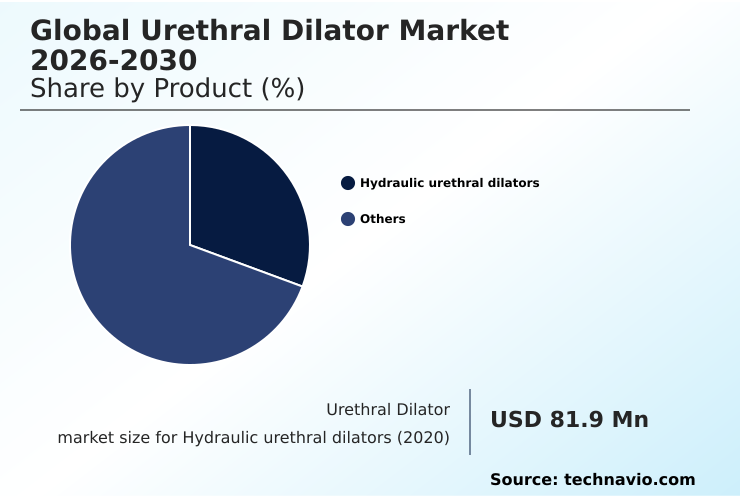
The Hydraulic urethral dilators segment was valued at USD 100.2 million in 2024 and showed a gradual increase during the forecast period.
Regional Analysis
North America is estimated to contribute 41.8% to the growth of the global market during the forecast period.Technavio’s analysts have elaborately explained the regional trends and drivers that shape the market during the forecast period.
See How Urethral Dilator Market Demand is Rising in North America Get Free Sample
The global urethral dilator market 2026-2030 exhibits distinct regional dynamics. North America, accounting for over 41% of the market's incremental growth, is a mature region characterized by high healthcare spending, advanced infrastructure, and significant urology procedure volumes.
The demand is sustained by a high prevalence of urological disorders and strong reimbursement frameworks. In contrast, Asia is the fastest-growing region, driven by expanding healthcare access, rising disposable incomes, and substantial investments in medical infrastructure.
This growth is facilitating a broader adoption of urological interventions beyond primary urban centers.
For instance, government initiatives in several Asian countries aim to increase procedural capacity in secondary cities by over 25%, directly fueling demand for essential devices like single-use disposable dilator and those used for urinary retention management.
The european market is driven by an aging population and a focus on urological procedural safety, while the rest of the world shows potential with improving healthcare systems.
Market Dynamics
Our researchers analyzed the data with 2025 as the base year, along with the key drivers, trends, and challenges. A holistic analysis of drivers will help companies refine their marketing strategies to gain a competitive advantage.
- Navigating the complexities of the global urethral dilator market 2026-2030 requires a deep understanding of evolving clinical and economic factors. The debate over single-use vs reusable urethral dilators continues, with decisions often hinging on a facility's specific priorities.
- While reusable devices offer a lower initial purchase price, the long-term cost analysis of disposable dilators reveals economic benefits, often showing a 10-15% reduction in total cost of ownership when factoring in sterilization, labor, and the risk of healthcare-associated infections.
- The choice of materials used in modern urethral dilators, from stainless steel to advanced polymers with hydrophilic coatings, directly impacts both procedural performance and patient comfort, influencing the future trends in urethral dilator design. Reimbursement policies for urethral dilation procedures vary significantly across regions, affecting the adoption of premium-priced devices.
- The advancements in hydraulic urethral dilators are focused on improving control and reducing trauma. Understanding the nuances of preventing complications in urethral dilation is critical for both manufacturers and clinicians. As the urethral dilator market in North America continues to mature, growth is increasingly tied to innovation in managing recurrent urethral strictures and optimizing urethral dilator use in ambulatory centers.
- The role of dilators in endoscopic urology is expanding, driven by the demand for minimally invasive treatment for urethral stricture, particularly for conditions like benign prostatic hyperplasia.

What are the key market drivers leading to the rise in the adoption of Urethral Dilator Industry?
- The rising preference for minimally invasive procedures among both patients and healthcare practitioners is a primary driver for market growth.
- The primary drivers of the global urethral dilator market 2026-2030 are the rising global incidence of urological disorders and a strong clinical preference for minimally invasive treatments.
- An aging population contributes to a higher prevalence of conditions such as benign prostatic hyperplasia and urethral stricture management, fueling consistent demand.
- The adoption of minimally invasive techniques has accelerated, with studies showing they lead to a 30% faster patient recovery compared to open surgery. This trend boosts the demand for urological surgical supplies, including dilators.
- Furthermore, growing patient awareness and improved diagnostic tools are leading to earlier interventions.
- The expansion of healthcare access in emerging economies has also increased urology procedure volumes by over 15% in certain regions, creating significant growth opportunities for manufacturers of genitourinary tract procedures devices.
What are the market trends shaping the Urethral Dilator Industry?
- Ongoing new product launches and significant research and development activities are defining the market's forward trajectory, driven by the need for advanced features that enhance operative flexibility.
- Key trends shaping the global urethral dilator market 2026-2030 revolve around technological innovation and a shift in care settings. There is a growing demand for smart devices, including patient-friendly dilators equipped with sensors for real-time feedback, which have been shown to reduce the risk of procedural errors by up to 15%.
- This aligns with the broader move towards precision in urology treatment outcomes. Concurrently, the increasing use of single-use instruments in outpatient urology procedures is streamlining workflows, with facilities reporting a 20% reduction in procedural turnaround time. This trend is driven by a focus on infection control in urology and urology practice efficiency.
- Investment in advanced urological device materials continues to be a priority, enhancing device performance and patient safety during urethral dilation techniques.
What challenges does the Urethral Dilator Industry face during its growth?
- A significant challenge impacting market expansion is the low long-term success rate associated with urethral dilation procedures.
- The global urethral dilator market 2026-2030 faces significant challenges that temper its growth potential. The primary constraint is the low long-term success rate of dilation for recurrent strictures, which often necessitates repeated procedures. In contrast, alternative treatments like urethroplasty offer a durable solution with success rates exceeding 85%, positioning it as a preferred option in specialized urology centers.
- This growing awareness of urethroplasty's cost-effectiveness in urology is shifting clinical practice. Another major challenge is the persistent shortage of skilled urologists, which leads to procedural wait times being up to 40% longer in underserved areas and limits access to both basic and advanced endourology instruments and procedures.
- The high cost of urology device sterilization for reusable instruments further complicates operational budgets, pushing facilities to evaluate alternatives.
Exclusive Technavio Analysis on Customer Landscape
The urethral dilator market forecasting report includes the adoption lifecycle of the market, covering from the innovator’s stage to the laggard’s stage. It focuses on adoption rates in different regions based on penetration. Furthermore, the urethral dilator market report also includes key purchase criteria and drivers of price sensitivity to help companies evaluate and develop their market growth analysis strategies.

Customer Landscape of Urethral Dilator Industry
Competitive Landscape
Companies are implementing various strategies, such as strategic alliances, urethral dilator market forecast, partnerships, mergers and acquisitions, geographical expansion, and product/service launches, to enhance their presence in the industry.
ACE Medical Devices Pvt Ltd - Supplying a specialized portfolio of urological instruments designed for procedural efficiency and improved patient outcomes in minimally invasive urology.
The industry research and growth report includes detailed analyses of the competitive landscape of the market and information about key companies, including:
- ACE Medical Devices Pvt Ltd
- Advin Health Care
- B.Braun SE
- Becton Dickinson and Co.
- Blueneem Medical Devices
- Boston Scientific Corp.
- Coloplast AS
- Cook Group Inc.
- Devon Innovations
- Envaste Ltd.
- Manish Medi Innovation
- MED pro Medical BV
- Medi-Globe GmbH
- Nidhi Meditech Systems
- optimized Medical Instruments GmbH
- SEPLOU Inc.
- Teleflex Inc.
- UROMED Kurt Drews KG
- Well Lead Medical Co.Ltd
- Zhejiang Technology Co. Ltd.
Qualitative and quantitative analysis of companies has been conducted to help clients understand the wider business environment as well as the strengths and weaknesses of key industry players. Data is qualitatively analyzed to categorize companies as pure play, category-focused, industry-focused, and diversified; it is quantitatively analyzed to categorize companies as dominant, leading, strong, tentative, and weak.
Recent Development and News in Urethral dilator market
- In March, 2025, Cook Medical announced a strategic investment into Zenflow, a company developing a less invasive treatment for benign prostatic hyperplasia, signaling a focus on innovative urology technologies.
- In April, 2025, Teleflex announced it would showcase multiple clinical and real-world evidence studies for its UroLift System at the American Urological Association Annual Meeting, emphasizing the clinical validation of its minimally invasive treatments.
- In July, 2025, Philips received FDA 510(k) clearance for an advanced version of its UroNav image-guided navigation system, which improves precision in focal therapy procedures for prostate cancer.
- In September, 2025, Cook Medical secured a contract with Vizient, a major healthcare performance improvement company, enhancing access to its portfolio of urology devices, including dilation products, for numerous hospitals.
Dive into Technavio’s robust research methodology, blending expert interviews, extensive data synthesis, and validated models for unparalleled Urethral Dilator Market insights. See full methodology.
| Market Scope | |
|---|---|
| Page number | 285 |
| Base year | 2025 |
| Historic period | 2020-2024 |
| Forecast period | 2026-2030 |
| Growth momentum & CAGR | Accelerate at a CAGR of 6.2% |
| Market growth 2026-2030 | USD 119.5 million |
| Market structure | Fragmented |
| YoY growth 2025-2026(%) | 5.8% |
| Key countries | US, Canada, Mexico, Germany, UK, France, Italy, Spain, The Netherlands, China, Japan, India, South Korea, Thailand, Indonesia, Brazil, Turkey, Saudi Arabia, UAE, South Africa, Argentina, Colombia and Israel |
| Competitive landscape | Leading Companies, Market Positioning of Companies, Competitive Strategies, and Industry Risks |
Research Analyst Overview
- The urethral dilator market is driven by the high prevalence of urological disorders and the consistent demand for minimally invasive urology. Key industry players are focusing on innovation in areas such as biocompatible polymers and radiopaque materials to enhance urological procedural safety and visibility during endoscopic urology devices procedures.
- The development of dilators with an atraumatic tip design is crucial for reducing patient trauma and post-surgical complications. Strategic focus is also placed on expanding offerings for outpatient urology services, with the single-use disposable dilator segment gaining traction due to infection control mandates.
- Boardroom decisions are increasingly centered on navigating medical device regulation while investing in technologies for conditions like male urethral stricture and urinary retention management. For instance, firms incorporating advanced guidewire compatibility and sequential dilation features have reported a 25% higher adoption rate in specialized ambulatory surgical centers.
- The market's evolution is also shaped by the management of chronic kidney diseases and the rise of robotic-assisted urology, requiring a diverse portfolio that includes everything from a flexible ureteroscope to basic filiform bougies and urethral sounds.
What are the Key Data Covered in this Urethral Dilator Market Research and Growth Report?
-
What is the expected growth of the Urethral Dilator Market between 2026 and 2030?
-
USD 119.5 million, at a CAGR of 6.2%
-
-
What segmentation does the market report cover?
-
The report is segmented by Product (Hydraulic urethral dilators, and Others), End-user (Hospitals, ASCs, and Others), Usage (Disposable, and Reusable) and Geography (North America, Europe, Asia, Rest of World (ROW))
-
-
Which regions are analyzed in the report?
-
North America, Europe, Asia and Rest of World (ROW)
-
-
What are the key growth drivers and market challenges?
-
Prevalence of minimally invasive procedures, Low success rate of urethral dilation
-
-
Who are the major players in the Urethral Dilator Market?
-
ACE Medical Devices Pvt Ltd, Advin Health Care, B.Braun SE, Becton Dickinson and Co., Blueneem Medical Devices, Boston Scientific Corp., Coloplast AS, Cook Group Inc., Devon Innovations, Envaste Ltd., Manish Medi Innovation, MED pro Medical BV, Medi-Globe GmbH, Nidhi Meditech Systems, optimized Medical Instruments GmbH, SEPLOU Inc., Teleflex Inc., UROMED Kurt Drews KG, Well Lead Medical Co.Ltd and Zhejiang Technology Co. Ltd.
-
Market Research Insights
- Market dynamics are increasingly influenced by a focus on improving urology treatment outcomes and ensuring urology practice efficiency. The shift towards outpatient urology procedures is a significant factor, with ambulatory surgical centers seeing procedural volumes increase by over 20% for certain urological interventions. This trend is supported by favorable urology device reimbursement policies that encourage cost-effective care settings.
- Furthermore, advancements in urological device materials are critical; adoption of patient-friendly dilators with enhanced coatings has been shown to improve patient tolerance scores by up to 30% compared to traditional models. Infection control in urology remains a top priority, driving the demand for sterile, single-use instruments that virtually eliminate the risk of cross-contamination associated with reusable devices.
We can help! Our analysts can customize this urethral dilator market research report to meet your requirements.
 RIA -
RIA - 
