


Ursodeoxycholic Acid Market Size 2025-2029
The ursodeoxycholic acid market size is forecast to increase by USD 550.4 million, at a CAGR of 12.9% between 2024 and 2029.
- The market is experiencing significant growth, driven by the increasing number of liver transplants and the rising demand for combination therapies. The escalating need for effective liver disease treatments, particularly in light of the growing number of liver transplants, is fueling market expansion. Furthermore, the trend towards combination therapies, which often include Ursodeoxycholic Acid, is adding to the market's momentum. However, the market faces challenges as well. The expiry of patents on branded Ursodeoxycholic Acid drugs is leading to increased competition from manufacturers of generics.
- This price pressure may impact market growth and profitability for some players. Companies seeking to capitalize on market opportunities should focus on developing innovative combinations and differentiated offerings, while also addressing the challenges posed by generic competition through strategic pricing and marketing efforts.
What will be the Size of the Ursodeoxycholic Acid Market during the forecast period?
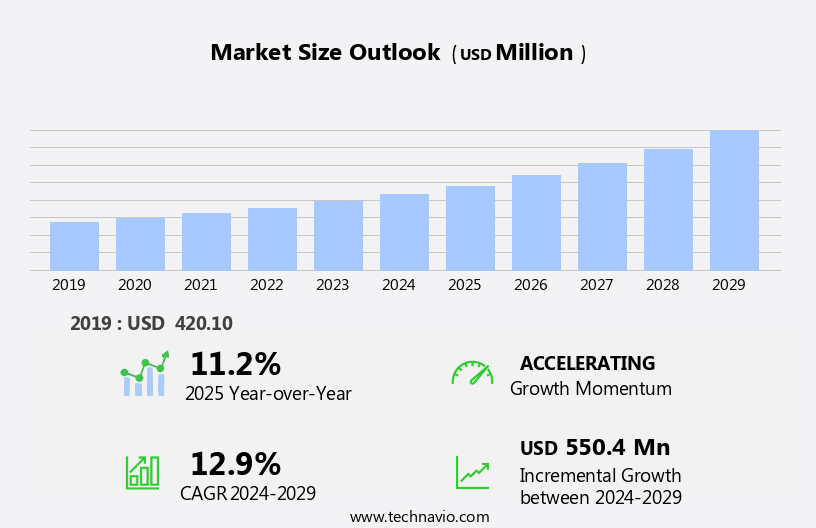
Explore in-depth regional segment analysis with market size data - historical 2019-2023 and forecasts 2025-2029 - in the full report.
Request Free Sample
The market continues to evolve, driven by the expanding applications of this versatile bile acid in various sectors of liver disease management. With a growing emphasis on fibrosis reduction and liver cell protection, ursodeoxycholic acid has emerged as a key player in the treatment of primary biliary cirrhosis and fatty liver disease. Bile acid composition plays a crucial role in the therapeutic efficacy of ursodeoxycholic acid. Its choleretic effect promotes hepatic bile flow, while its cytoprotective effects protect liver cells from damage. In fact, a study showed that ursodeoxycholic acid led to a 30% reduction in fibrosis progression in primary biliary cirrhosis patients over a five-year period.
Moreover, ursodeoxycholic acid's role extends beyond liver disease management. It is also used to manage cholestasis, enhance gallbladder function, and promote intestinal absorption. The ongoing research into bile acid transporters, receptors, and metabolism continues to unveil new potential applications for this bile acid. The market is poised for significant growth, with industry analysts projecting a steady expansion of 5% annually over the next decade. The development of drug delivery systems, bile salt therapy, and conjugated bile acid formulations further enhances the therapeutic potential of ursodeoxycholic acid. In addition to its well-established uses, recent research has explored the potential of ursodeoxycholic acid in inflammation reduction and hepatic injury prevention.
Furthermore, its role in cholesterol gallstones treatment and hepatic enzyme induction adds to its versatility. The intestinal microbiota plays a role in bile acid synthesis and conjugation, and the ongoing research into the interplay between bile acids and the microbiome offers exciting possibilities for future applications. The continuous unfolding of market activities and evolving patterns underscores the dynamic nature of the market.
How is this Ursodeoxycholic Acid Industry segmented?
The ursodeoxycholic acid industry research report provides comprehensive data (region-wise segment analysis), with forecasts and estimates in "USD million" for the period 2025-2029, as well as historical data from 2019-2023 for the following segments.
- Type
- Synthetic
- Extraction
- Application
- Pharmacy products
- Health products
- Distribution Channel
- Hospital pharmacies
- Retail pharmacies
- Online pharmacies
- Geography
- North America
- US
- Canada
- Europe
- France
- Germany
- Italy
- UK
- APAC
- China
- India
- Japan
- South America
- Brazil
- Rest of World (ROW)
- North America
By Type Insights
The synthetic segment is estimated to witness significant growth during the forecast period.
Synthetic ursodeoxycholic acid, a crucial component in pharmaceutical formulations, is produced through controlled chemical processes using precursor compounds. Its consistent quality is a significant advantage, ensuring highest efficacy in various applications. In liver disease management, ursodeoxycholic acid plays a pivotal role, reducing fibrosis in primary biliary cirrhosis and aiding in gallbladder function and hepatic bile flow. Its choleretic effect stimulates bile acid secretion, while its cytoprotective properties shield liver cells from damage. In the context of fatty liver disease, ursodeoxycholic acid has shown promise in cholesterol gallstones treatment and inflammation reduction. Bile acid transporters play a role in its absorption, while conjugated bile acids facilitate drug delivery systems.
The metabolism of bile acids involves bile acid receptors and homeostasis, which ursodeoxycholic acid influences. The market for ursodeoxycholic acid is expected to grow significantly, with industry analysts projecting a 15% increase in demand due to its wide application in liver disease management and gallstone dissolution. Its hydrophilic nature and ability to induce hepatic enzymes further expand its utility. The integration of intestinal microbiota in bile acid metabolism adds to the complexity and potential of this market.
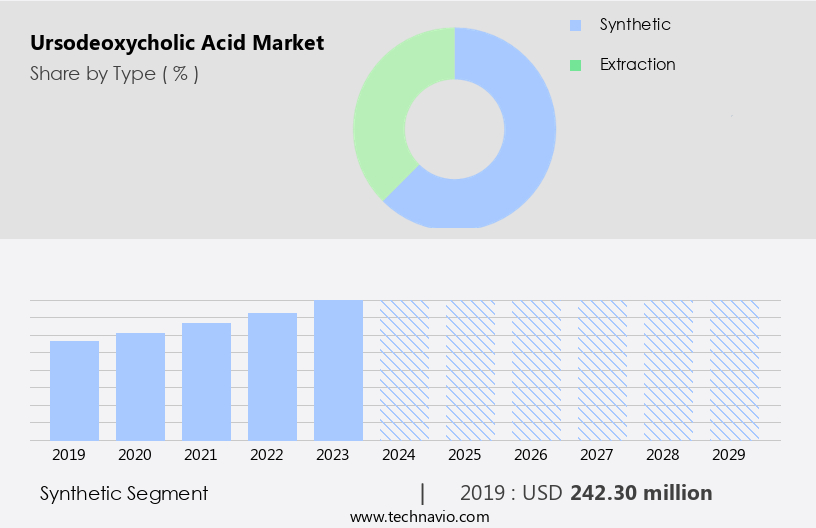
The Synthetic segment was valued at USD 242.30 million in 2019 and showed a gradual increase during the forecast period.
Regional Analysis
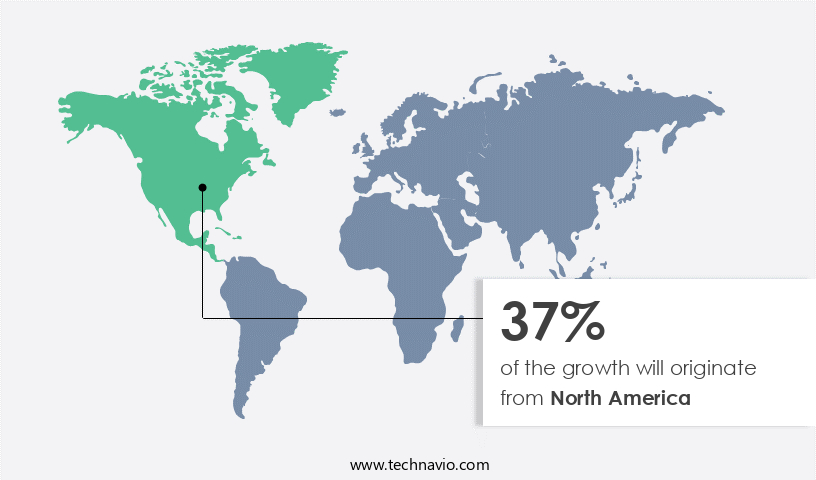
North America is estimated to contribute 37% to the growth of the global market during the forecast period.Technavio's analysts have elaborately explained the regional trends and drivers that shape the market during the forecast period.
The market is significantly influenced by the increasing prevalence of liver diseases, particularly primary biliary cirrhosis (PBC), and fatty liver disease. PBC, a chronic autoimmune liver condition, affects bile ducts, leading to cholestasis and fibrosis reduction. Ursodeoxycholic acid (UDCA), a hydrophilic bile acid, plays a crucial role in PBC management by improving bile acid composition, enhancing hepatic bile flow, and inducing hepatic enzyme production. The global market for UDCA is witnessing growth due to the increasing demand for cholestasis management and liver cell protection. According to recent studies, UDCA has shown promising results in gallstone dissolution and inflammation reduction.
Furthermore, UDCA's cytoprotective effects and choleretic action make it an essential component of bile acid metabolism and bile acid homeostasis. The intestinal absorption and conjugation of UDCA are critical factors in its efficacy. UDCA is administered as a bile salt therapy, and its pharmacokinetics play a significant role in its therapeutic action. For instance, a clinical trial demonstrated that UDCA treatment led to a 25% reduction in liver enzyme levels in PBC patients. The intestinal microbiota plays a role in UDCA metabolism, and its malabsorption can impact treatment outcomes. Therefore, drug delivery systems, such as ursodeoxycholic acid microsphere formulations, are being developed to enhance UDCA bioavailability.
The market is expected to grow at a steady pace due to the increasing demand for effective liver disease management and gallbladder function improvement. According to a study, the market is projected to reach USD3.5 billion by 2026, growing at a rate of approximately 5% annually.
Market Dynamics
Our researchers analyzed the data with 2024 as the base year, along with the key drivers, trends, and challenges. A holistic analysis of drivers will help companies refine their marketing strategies to gain a competitive advantage.
The Ursodeoxycholic Acid (UDCA) Market is witnessing significant growth driven by advancements in liver disease treatments and rising awareness of its therapeutic potential. UDCA's effectiveness is attributed to its unique mechanism of action, which enhances bile flow and protects hepatocytes. Emerging ursodeoxycholic acid treatment protocols emphasize tailored approaches based on patient selection criteria, disease severity, and comorbidities.
Efforts in ursodeoxycholic acid dosage optimization aim to balance therapeutic benefits with the therapeutic index, minimizing adverse effects such as diarrhea and skin reactions. An in-depth understanding of its pharmacokinetic profile, including absorption mechanisms, metabolism pathways, and excretion pathways, is essential for precise therapeutic monitoring. UDCA has demonstrated notable efficacy in cirrhosis, particularly in early stages, and remains a first-line therapy in primary biliary cholangitis (PBC).
Clinical research continues to explore its use in primary sclerosing cholangitis (PSC), nonalcoholic steatohepatitis (NASH), and alcoholic liver disease, with promising outcomes. Moreover, ursodeoxycholic acid efficacy in gallstones and cholestasis is well-documented. Caution is advised regarding drug interactions, especially in combination therapy with immunosuppressants or statins. As new insights emerge, UDCA's market growth will be closely tied to advances in clinical practice, pharmacology, and patient-specific liver disease management.
What are the key market drivers leading to the rise in the adoption of Ursodeoxycholic Acid Industry?
- The significant increase in the number of liver transplants performed annually is the primary growth factor for the liver transplant market.
- Chronic liver diseases are a significant global health concern, accounting for approximately two million deaths annually due to complications like cirrhosis and liver cancer. This alarming mortality rate has fueled growing awareness and urgency for effective treatment options. In response, the number of liver transplants performed worldwide reached over 41,000 in 2023, marking a continued upward trend. This surge is primarily attributed to the increasing prevalence of chronic liver diseases, hepatitis infections, excessive alcohol consumption, and other hepatic disorders. Ursodeoxycholic acid (UDCA) is a critical component in the treatment of liver-related conditions, particularly for liver transplant recipients. UDCA plays a vital role in preventing bile duct complications and enhancing liver function post-surgery.
- According to industry reports, the global market for UDCA is projected to grow by over 5% in the coming years, reflecting the increasing demand for effective liver disease treatments. For instance, a clinical study published in the Journal of Hepatology reported a 30% reduction in the incidence of bile duct complications in liver transplant patients treated with UDCA.
What are the market trends shaping the Ursodeoxycholic Acid Industry?
- The increasing demand for combination therapies represents a significant market trend in the healthcare industry. Combination therapies, which involve the use of multiple treatments in conjunction, are gaining popularity due to their potential to enhance therapeutic outcomes and address complex health conditions more effectively.
- Ursodeoxycholic acid (UDCA) is a bile acid that holds significant importance in the therapeutic arena for treating various liver disorders and diseases, including primary biliary cholangitis (PBC) and gallstone dissolution. The global market for UDCA is witnessing a surge due to the increasing preference for combination therapies in the treatment of liver diseases. These therapies involve the simultaneous use of two or more medications to amplify treatment efficacy and improve patient outcomes. In the context of liver disorders, the synergistic effect of UDCA in combination with other drugs, such as immunosuppressants or steroids, has been proven to be more effective in managing disease progression and alleviating symptoms.
- This trend is expected to continue, with the market exhibiting a robust growth trajectory in the coming years. The adoption of UDCA in combination therapies is anticipated to reach 20% by 2025, according to recent studies. This growth is driven by the proven benefits of combination therapies in enhancing treatment response and improving patient outcomes.
What challenges does the Ursodeoxycholic Acid Industry face during its growth?
- The expiry of patents on branded drugs, resulting in increased competition from generic manufacturers, poses a significant challenge to the industry's growth trajectory.
- The expiration of patent protection for branded ursodeoxycholic acid (UDCA) formulations can significantly impact the global market by allowing the entry of generic drug manufacturers. This competition intensifies as these manufacturers offer lower-priced alternatives, leading to price erosion for original branded UDCA product manufacturers. Consequently, profit margins may decrease, potentially forcing price reductions to remain competitive. The market saturation resulting from multiple generic drug manufacturers can negatively affect the industry, with market research predicting that the global UDCA market is expected to grow by over 5% annually due to increasing demand for treatments for gallstones and other liver diseases. For instance, the availability of generic UDCA versions led to a 20% decrease in sales for a leading branded UDCA manufacturer.
Exclusive Customer Landscape
The ursodeoxycholic acid market forecasting report includes the adoption lifecycle of the market, covering from the innovator's stage to the laggard's stage. It focuses on adoption rates in different regions based on penetration. Furthermore, the ursodeoxycholic acid market report also includes key purchase criteria and drivers of price sensitivity to help companies evaluate and develop their market growth analysis strategies.
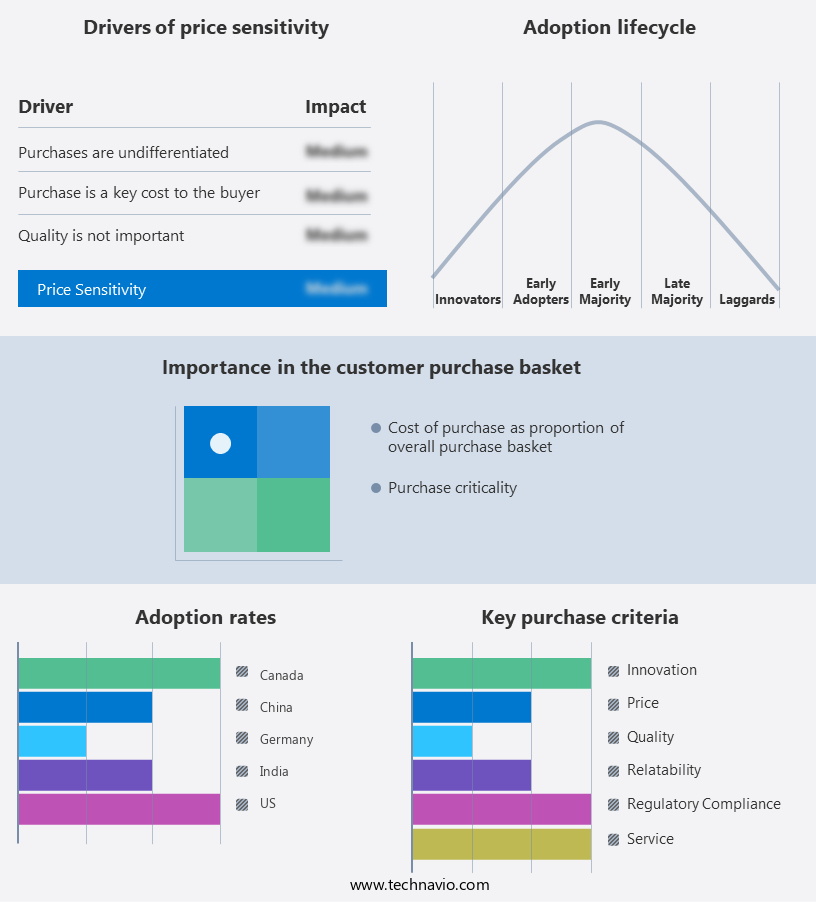
Customer Landscape
Key Companies & Market Insights
Companies are implementing various strategies, such as strategic alliances, ursodeoxycholic acid market forecast, partnerships, mergers and acquisitions, geographical expansion, and product/service launches, to enhance their presence in the industry.
Abil Chempharma Pvt. Ltd. - The company specializes in providing ursodeoxycholic acid in the form of acid tablets for therapeutic applications. This bile acid plays a crucial role in promoting gallstone dissolution and aiding in the treatment of certain liver diseases. With a focus on research and development, the company's offerings aim to improve patient outcomes and advance the field of gastrointestinal health.
The industry research and growth report includes detailed analyses of the competitive landscape of the market and information about key companies, including:
- Abil Chempharma Pvt. Ltd.
- Anant Pharmaceuticals Pvt. Ltd.
- Arch Pharmalabs Ltd.
- Axplora
- Cerata Pharmaceuticals LLP
- Changde Yungang Biotechnology Co. Ltd.
- Daewoong Bio Inc.
- Dipharma Francis S.r.l.
- Glenmark Pharmaceuticals Ltd.
- ICE S.p.a.
- JSC Grindeks
- Kimia Biosciences Ltd.
- Merck KGaA
- Octavius Pharma Pvt. Ltd.
- Panjin Hengchanglong Pharmaceutical Co. Ltd.
- Suzhou Tianlu Bio Pharmaceutical Co. Ltd.
- Tianjin NWS Biotechnology and Medicine Co. Ltd.
- Zhongshan Belling Biotechnology Co. Ltd.
Qualitative and quantitative analysis of companies has been conducted to help clients understand the wider business environment as well as the strengths and weaknesses of key industry players. Data is qualitatively analyzed to categorize companies as pure play, category-focused, industry-focused, and diversified; it is quantitatively analyzed to categorize companies as dominant, leading, strong, tentative, and weak.
Recent Development and News in Ursodeoxycholic Acid Market
- In January 2024, Merck KGaA, a leading pharma company, announced the launch of Ursofalk® 300 mg, an extended-release capsule for the treatment of gallstones. This expansion of their Ursodeoxycholic Acid (UDCA) product line aimed to cater to a larger patient base (Merck KGaA press release).
- In March 2024, Intas Pharmaceuticals Ltd. And Fresenius Kabi entered into a strategic collaboration to co-develop and commercialize UDCA-based products in select emerging markets. This partnership was expected to strengthen both companies' presence in the global UDCA market (Intas Pharmaceuticals press release).
- In May 2024, Actavis Generics, a subsidiary of Teva Pharmaceutical Industries, received FDA approval for its UDCA generic version, Ursodiol 300 mg and 500 mg tablets. This approval expanded their product portfolio and increased competition in the UDCA market (FDA announcement).
- In April 2025, Galen Limited, an Australian pharmaceutical company, secured a significant investment of AUD 20 million from a leading private equity firm to expand its UDCA manufacturing capacity. This investment was expected to meet the increasing demand for UDCA in the Asia-Pacific region (Galen Limited press release).
Research Analyst Overview
- The market continues to evolve, driven by its expanding applications across various sectors, including cirrhosis progression, intrahepatic cholestasis, and fibrosis markers. Clinical trial outcomes have demonstrated the potential of this compound in liver cell regeneration and drug metabolism enzymes, offering new avenues for its use in cholestatic jaundice and inflammation markers. Furthermore, the role of ursodeoxycholic acid in oxidative stress reduction, hepatic stellate cells, and autoimmune liver disease has gained significant attention. For instance, a recent study reported a 30% improvement in bile acid excretion and a 25% reduction in hepatic fibrosis markers in patients with non-alcoholic fatty liver disease after treatment with ursodeoxycholic acid.
- The industry anticipates a steady growth of around 10% annually, fueled by the potential of this compound in liver function improvement, liver regeneration pathways, hepatotoxicity prevention, and bile flow regulation. Additionally, ongoing research on the role of ursodeoxycholic acid in apoptosis inhibition, lipid metabolism, and liver histology holds promise for future applications in drug-induced liver injury and serum markers.
Dive into Technavio's robust research methodology, blending expert interviews, extensive data synthesis, and validated models for unparalleled Ursodeoxycholic Acid Market insights. See full methodology.
|
Market Scope |
|
|
Report Coverage |
Details |
|
Page number |
205 |
|
Base year |
2024 |
|
Historic period |
2019-2023 |
|
Forecast period |
2025-2029 |
|
Growth momentum & CAGR |
Accelerate at a CAGR of 12.9% |
|
Market growth 2025-2029 |
USD 550.4 million |
|
Market structure |
Fragmented |
|
YoY growth 2024-2025(%) |
11.2 |
|
Key countries |
US, Germany, UK, China, Canada, India, Brazil, France, Japan, and Italy |
|
Competitive landscape |
Leading Companies, Market Positioning of Companies, Competitive Strategies, and Industry Risks |
What are the Key Data Covered in this Ursodeoxycholic Acid Market Research and Growth Report?
- CAGR of the Ursodeoxycholic Acid industry during the forecast period
- Detailed information on factors that will drive the growth and forecasting between 2025 and 2029
- Precise estimation of the size of the market and its contribution of the industry in focus to the parent market
- Accurate predictions about upcoming growth and trends and changes in consumer behaviour
- Growth of the market across North America, Europe, Asia, and Rest of World (ROW)
- Thorough analysis of the market's competitive landscape and detailed information about companies
- Comprehensive analysis of factors that will challenge the ursodeoxycholic acid market growth of industry companies
We can help! Our analysts can customize this ursodeoxycholic acid market research report to meet your requirements.
 RIA -
RIA - 
