


Agricultural Camera and Monitoring Systems Market Size 2024-2028
The agricultural camera and monitoring systems market size is forecast to increase by USD 7.39 billion at a CAGR of 8.71% between 2023 and 2028.
- The market is witnessing significant growth due to the increasing adoption of drone technology and IoT-based smart agriculture monitoring systems. These advanced technologies enable farmers to remotely monitor crop health, soil moisture levels, and livestock welfare, leading to improved productivity and reduced operational costs. However, the high initial cost associated with these systems remains a significant challenge for smaller farming operations and developing economies.
- Despite this obstacle, companies can capitalize on the market's potential by offering flexible financing options, partnerships with agricultural cooperatives, and continuous innovation to reduce costs while maintaining performance. As the agricultural sector continues to digitize, agricultural camera and monitoring systems will play a crucial role in optimizing farm operations and ensuring sustainable agricultural practices.
What will be the Size of the Agricultural Camera and Monitoring Systems Market during the forecast period?
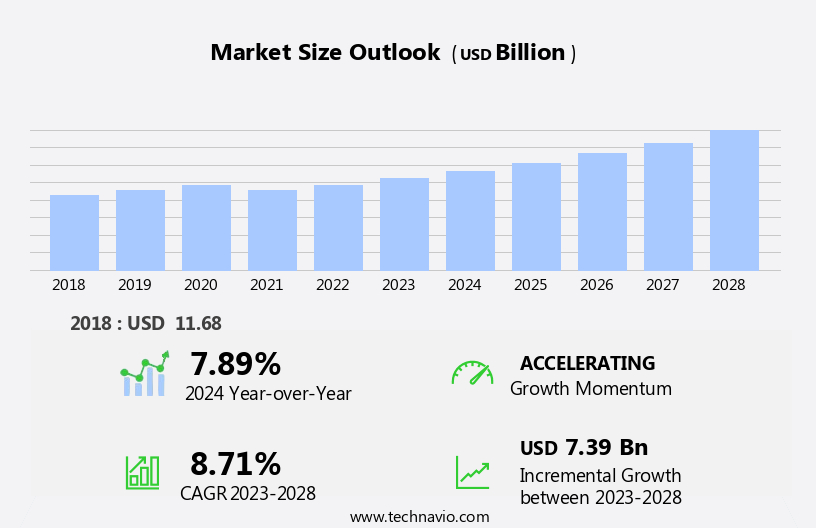
- The market continues to evolve, integrating advanced technologies to enhance farm efficiency and productivity. These systems enable water conservation through automated irrigation and precision application of resources. Crop health assessment is achieved through remote sensing, drones, and image analysis, allowing farmers to detect diseases and pests early. Wireless communication and sensor networks facilitate real-time data collection and analysis, while data visualization tools provide insights for yield optimization and operational efficiency. Soil analysis and environmental monitoring ensure sustainable agriculture, while livestock health management and asset tracking maintain animal welfare and secure investments. Cloud computing and web-based platforms enable Data Integration, facilitating farm management and resource optimization.
- The ongoing development of machine learning algorithms and artificial intelligence further enhance the capabilities of these systems, providing farmers with predictive analytics and precision agriculture solutions. The integration of autonomous vehicles, livestock behavior analysis, and weather forecasting adds to the market's dynamism, addressing the diverse needs of modern agriculture.
How is this Agricultural Camera and Monitoring Systems Industry segmented?
The agricultural camera and monitoring systems industry research report provides comprehensive data (region-wise segment analysis), with forecasts and estimates in "USD billion" for the period 2024-2028, as well as historical data from 2018-2022 for the following segments.
- Application
- Agriculture monitoring
- Agriculture security
- Component
- Hardware
- Software and services
- Product Type
- Fixed Cameras
- Drone-Based Cameras
- Portable Cameras
- Technology
- Infrared
- Hyperspectral
- Thermal Imaging
- End-User
- Large-Scale Farms
- Small and Medium Farms
- Geography
- North America
- US
- Canada
- Europe
- France
- Germany
- Italy
- UK
- Middle East and Africa
- Egypt
- KSA
- Oman
- UAE
- APAC
- China
- India
- Japan
- South America
- Argentina
- Brazil
- Rest of World (ROW)
- North America
By Application Insights
The agriculture monitoring segment is estimated to witness significant growth during the forecast period.
Agricultural monitoring systems have gained significant traction in the farming industry, leveraging advanced technologies such as machine learning, artificial intelligence, and remote sensing to enhance farm efficiency, optimize resources, and improve crop production. These systems facilitate disease identification, pest detection, and weather forecasting, enabling farmers to take proactive measures against potential threats. Autonomous vehicles and automated irrigation systems ensure water conservation and labor optimization, while livestock health management and animal behavior analysis contribute to animal welfare and food security. Sensor networks, wireless communication, and data visualization tools provide real-time insights into crop health assessment and soil analysis. Precision agriculture practices, including variable rate application and precision fertilization, rely on these monitoring systems to optimize yield and reduce operational costs.
The integration of cloud computing, analytics dashboards, and mobile applications streamlines data management and facilitates collaborative decision-making. Overall, agricultural monitoring systems foster sustainable agriculture, resource optimization, and operational efficiency, making them an essential investment for modern farming operations.
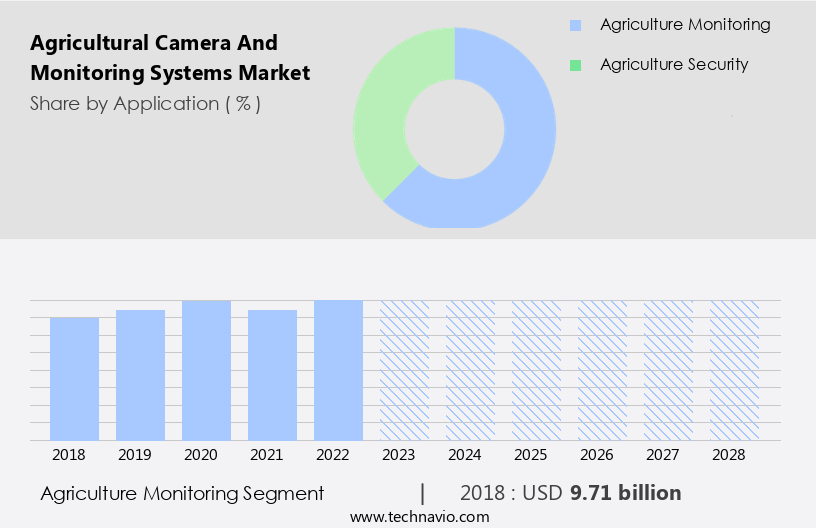
The Agriculture monitoring segment was valued at USD 9.71 billion in 2018 and showed a gradual increase during the forecast period.
Regional Analysis
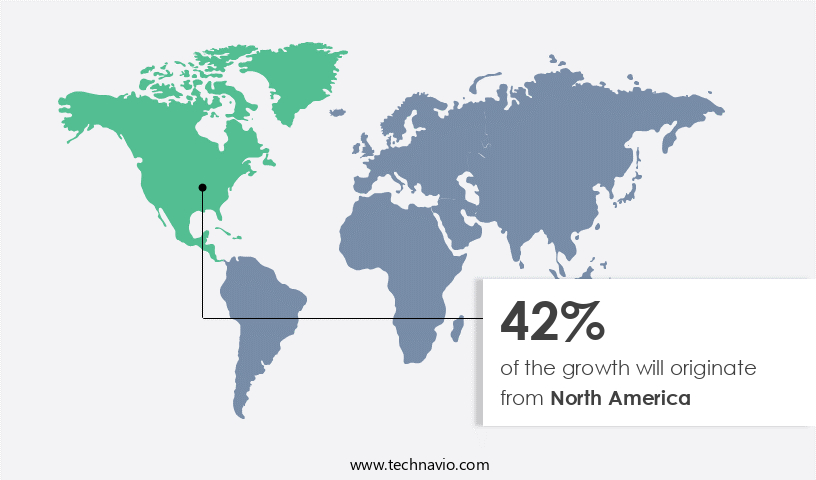
North America is estimated to contribute 42% to the growth of the global market during the forecast period.Technavio's analysts have elaborately explained the regional trends and drivers that shape the market during the forecast period.
In North America, the agricultural sector is witnessing a significant shift towards Precision Farming, with farmers increasingly adopting advanced technologies such as agricultural cameras and monitoring systems. These systems leverage machine learning algorithms, wireless communication, sensor networks, and data visualization to optimize farm efficiency, enhance crop production, and improve resource management. The integration of artificial intelligence and real-time data analysis enables farmers to make data-driven decisions for yield optimization, disease identification, pest detection, and harvest planning. Autonomous vehicles and drones are also being employed for remote sensing and field scouting, while automated irrigation and soil analysis ensure water conservation and sustainable agriculture practices.
Moreover, the use of livestock health monitoring systems, animal behavior analysis, and Video Analytics contributes to improved livestock welfare and operational efficiency. Cloud computing and web-based platforms facilitate data integration and accessibility, enabling farmers to manage their farms more effectively from anywhere. Environmental monitoring and food security are key concerns for North American farmers, and agricultural cameras and monitoring systems offer solutions for both. These systems provide farmers with valuable insights into crop health assessment, weather forecasting, and labor optimization, ensuring optimal farming conditions and reducing the risk of crop loss. In conclusion, the market in North America is experiencing significant growth, driven by the potential for increased productivity, cost savings, and sustainable farming practices.
The integration of various advanced technologies, including machine learning, artificial intelligence, and data analytics, is transforming the agricultural landscape and providing farmers with the tools they need to manage their farms more efficiently and effectively.
Market Dynamics
The Agricultural Camera and Monitoring Systems Market is revolutionizing farming with AI-driven crop analytics and hyperspectral imaging for crop health monitoring, enhancing precision agriculture for large-scale farms. Autonomous drone surveillance and drone-based phenotyping support organic farming and agricultural research, while smart irrigation integration and sustainable sensor networks promote water conservation in greenhouse operations. Blockchain-verified farm data ensures traceability, and low-cost agricultural cameras empower smallholder farms. Real-time pest detection, predictive yield algorithms, and automated disease detection boost efficiency, with cloud-based farm dashboards and digital advisory platforms aiding agribusiness. Eco-friendly camera designs and energy-efficient sensors drive sustainable farming, positioning best agricultural camera systems for 2025 as key to high-yield monitoring systems for agricultural cooperatives.
Our researchers analyzed the data with 2023 as the base year, along with the key drivers, trends, and challenges. A holistic analysis of drivers will help companies refine their marketing strategies to gain a competitive advantage.
What are the key market drivers leading to the rise in the adoption of Agricultural Camera and Monitoring Systems Industry?
- The increasing implementation of drone technology is the primary catalyst fueling market growth.
- Drones equipped with high-resolution cameras and sensors offer farmers an efficient solution for surveying large agricultural fields. These aerial imaging systems provide real-time, detailed data on topography, soil composition, and field variability. By analyzing this information, farmers can optimize resource usage, improve labor efficiency, and enhance food security through early detection and prevention of diseases and pest infestations. Variable rate application of fertilizers and precision irrigation are other benefits of agricultural camera and monitoring systems. Weather forecasting capabilities enable farmers to adapt to changing environmental conditions, reducing the risk of crop damage. Animal welfare can also be monitored through drone imaging, ensuring the health and well-being of livestock.
- Smart farming practices, such as real-time data integration and image analysis, are essential for modern agriculture. These technologies promote sustainable farming methods, minimize waste, and contribute to overall farm management efficiency. By adopting advanced agricultural camera and monitoring systems, farmers can make informed decisions, respond promptly to challenges, and ultimately, improve their yields and profitability.
What are the market trends shaping the Agricultural Camera and Monitoring Systems Industry?
- The IoT-based smart agriculture monitoring system is gaining increasing popularity and is considered the latest market trend. This innovative technology enables farmers to remotely monitor and manage their crops more effectively, enhancing productivity and reducing costs.
- Agricultural camera and monitoring systems have evolved significantly with the integration of Internet of Things (IoT) and Artificial Intelligence (AI) technologies. These advanced tools enable farmers to practice precision agriculture and make data-driven decisions for enhancing farm efficiency. IoT devices, such as soil moisture sensors, weather stations, and drone-mounted sensors, are integrated into the monitoring system to collect real-time data on various parameters like soil conditions, temperature, humidity, and crop health. Machine learning algorithms are employed to analyze this data for disease identification, pest detection, and harvest planning. IoT connectivity enables remote monitoring and control of cameras and sensors, allowing farmers to oversee their farms from anywhere.
- Farmers can access data and receive alerts through web-based platforms or mobile applications. Autonomous vehicles and automated irrigation systems are also integrated into these monitoring systems, promoting sustainable agriculture and reducing labor costs. Livestock health management and farm security are other significant applications of agricultural camera and monitoring systems. The integration of AI and IoT technologies in these systems emphasizes harmonious data collection, analysis, and actionable insights, ultimately leading to improved farm productivity and profitability.
What challenges does the Agricultural Camera and Monitoring Systems Industry face during its growth?
- The high initial cost of implementing camera and monitoring systems is a significant barrier to growth in the industry. This expense, which includes the cost of cameras, monitoring technology, and installation, can be a major obstacle for businesses looking to enter or expand in this sector.
- Advanced agricultural camera and monitoring systems play a crucial role in water conservation, crop health assessment, and environmental monitoring. These systems utilize sensor networks, wireless communication, and remote sensing technologies to gather real-time data on soil analysis, crop growth, and weather conditions. Agricultural drones equipped with high-resolution cameras are increasingly being used to capture detailed images of farmlands, enabling farmers to make informed decisions regarding irrigation, fertilization, and pest management. Data visualization tools, such as mobile applications, analytics dashboards, and cloud computing platforms, facilitate the analysis and interpretation of large datasets. This information is essential for optimizing farm productivity and reducing water usage.
- The implementation of these advanced systems requires a significant upfront investment in specialized hardware, including cameras, sensors, drones, and communication infrastructure. However, the long-term benefits, including improved crop yields and water conservation, make the investment worthwhile. In conclusion, the agricultural camera and monitoring market is experiencing rapid growth due to the increasing demand for sustainable farming practices and the availability of advanced technologies. These systems enable farmers to make data-driven decisions, optimize resource usage, and improve overall farm productivity. Despite the high upfront costs, the long-term benefits make this investment a worthwhile one for farmers looking to enhance their operations and remain competitive in the market.
Exclusive Customer Landscape
The agricultural camera and monitoring systems market forecasting report includes the adoption lifecycle of the market, covering from the innovator's stage to the laggard's stage. It focuses on adoption rates in different regions based on penetration. Furthermore, the agricultural camera and monitoring systems market report also includes key purchase criteria and drivers of price sensitivity to help companies evaluate and develop their market growth analysis strategies.
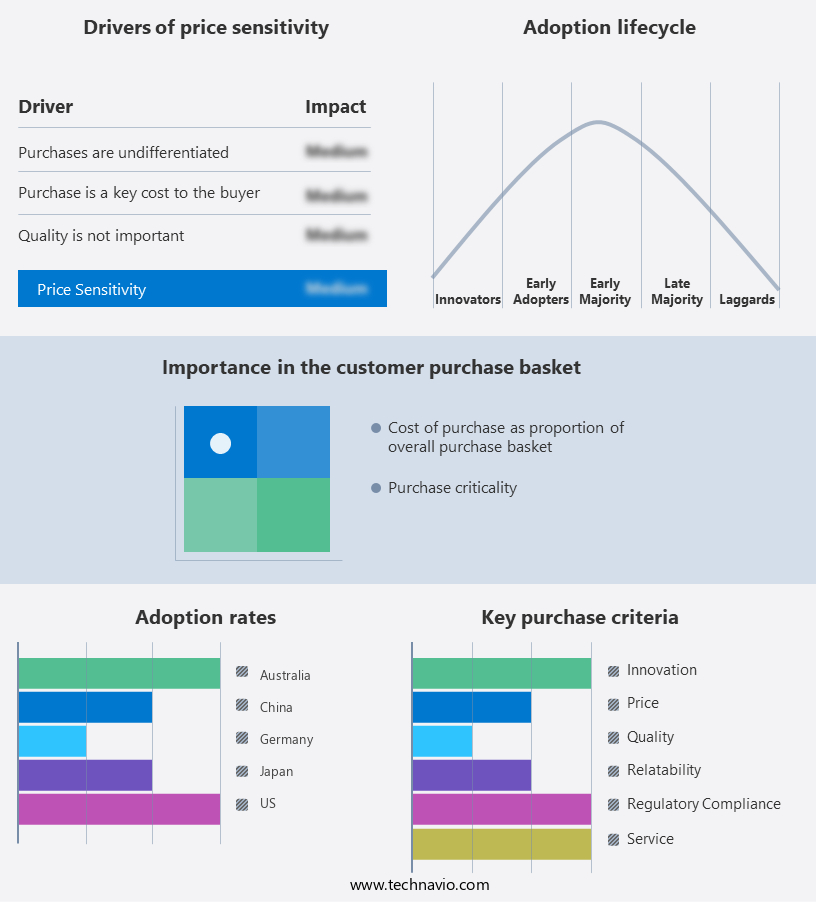
Customer Landscape
Key Companies & Market Insights
Companies are implementing various strategies, such as strategic alliances, agricultural camera and monitoring systems market forecast, partnerships, mergers and acquisitions, geographical expansion, and product/service launches, to enhance their presence in the industry.
AgEagle Aerial Systems Inc. - The company introduces the advanced Arable Mark 3 agriculture camera and monitoring system. This innovative solution captures comprehensive data on weather, plants, soil, and irrigation, as well as crop images, in a single, user-friendly device.
The industry research and growth report includes detailed analyses of the competitive landscape of the market and information about key companies, including:
- AgEagle Aerial Systems Inc.
- Axis Communications AB
- Basler AG
- Bosch Security Systems
- Canon Inc.
- Dahua Technology Co. Ltd.
- DJI
- FLIR Systems Inc.
- Hikvision Digital Technology Co. Ltd.
- IDS Imaging Development Systems GmbH
- John Deere
- Lemken GmbH & Co. KG
- Netafim Ltd.
- Parrot SA
- PrecisionHawk Inc.
- Sony Corp.
- Teledyne Technologies Inc.
- Topcon Corp.
- Trimble Inc.
- Yara International ASA
Qualitative and quantitative analysis of companies has been conducted to help clients understand the wider business environment as well as the strengths and weaknesses of key industry players. Data is qualitatively analyzed to categorize companies as pure play, category-focused, industry-focused, and diversified; it is quantitatively analyzed to categorize companies as dominant, leading, strong, tentative, and weak.
Recent Development and News in Agricultural Camera And Monitoring Systems Market
- In February 2024, Trimble, a leading agricultural technology provider, introduced the latest addition to its AgSense line of precision agriculture solutions â the TMX-2000 Monitoring Station. This advanced system integrates multiple sensors and cameras to provide real-time data on crop health, moisture levels, and weather conditions (Trimble Press Release).
- In October 2024, John Deere and Microsoft announced a strategic partnership to develop and integrate Microsoft Azure IoT and AI capabilities into John Deere's precision agriculture offerings. This collaboration aims to enhance farm management and productivity through advanced data analysis and predictive maintenance (John Deere Press Release).
- In March 2025, PrecisionHawk, a drone technology company, raised USD70 million in a Series D funding round. This investment will support the expansion of their agricultural services, including their agricultural camera and monitoring systems, and further advance their drone technology (PrecisionHawk Press Release).
- In July 2024, the European Union approved the European Common Agricultural Policy (CAP) for the 2023-2027 period, which includes provisions for the adoption of precision farming technologies, such as agricultural camera and monitoring systems, to promote sustainable agriculture and improve agricultural productivity (European Commission Press Release).
Research Analyst Overview
The market is witnessing significant advancements, driven by the integration of various technologies to enhance farm management and productivity. Regulatory compliance and Data Security are key concerns, leading to the adoption of cloud-based services with data encryption and access controls. Agricultural software, including farm software and Hyperspectral Imaging solutions, is enabling data-driven decision making through predictive modeling and real-time analytics. Third-party integrations with API and open source software are facilitating scalable systems, allowing for customizable solutions. High-resolution cameras, time-lapse photography, and thermal imaging are essential for monitoring plant growth and animal health. Soil moisture sensors, GPS tracking, and weather stations provide valuable data for optimizing irrigation and crop management.
Edge computing and Big Data analytics enable real-time processing and analysis of large datasets. Data storage solutions, including cloud storage, ensure the safekeeping of valuable agricultural data. User interface design and subscription models are crucial for ensuring ease of use and affordability for farmers.
Dive into Technavio's robust research methodology, blending expert interviews, extensive data synthesis, and validated models for unparalleled Agricultural Camera and Monitoring Systems Market insights. See full methodology.
|
Market Scope |
|
|
Report Coverage |
Details |
|
Page number |
163 |
|
Base year |
2023 |
|
Historic period |
2018-2022 |
|
Forecast period |
2024-2028 |
|
Growth momentum & CAGR |
Accelerate at a CAGR of 8.71% |
|
Market growth 2024-2028 |
USD 7.39 billion |
|
Market structure |
Fragmented |
|
YoY growth 2023-2024(%) |
7.89 |
|
Key countries |
US, Canada, Germany, UK, Italy, France, China, India, Japan, Brazil, Egypt, UAE, Oman, Argentina, KSA, UAE, Brazil, and Rest of World (ROW) |
|
Competitive landscape |
Leading Companies, Market Positioning of Companies, Competitive Strategies, and Industry Risks |
What are the Key Data Covered in this Agricultural Camera and Monitoring Systems Market Research and Growth Report?
- CAGR of the Agricultural Camera and Monitoring Systems industry during the forecast period
- Detailed information on factors that will drive the growth and forecasting between 2024 and 2028
- Precise estimation of the size of the market and its contribution of the industry in focus to the parent market
- Accurate predictions about upcoming growth and trends and changes in consumer behaviour
- Growth of the market across North America, Europe, APAC, South America, and Middle East and Africa
- Thorough analysis of the market's competitive landscape and detailed information about companies
- Comprehensive analysis of factors that will challenge the agricultural camera and monitoring systems market growth of industry companies
We can help! Our analysts can customize this agricultural camera and monitoring systems market research report to meet your requirements.
 RIA -
RIA - 
