
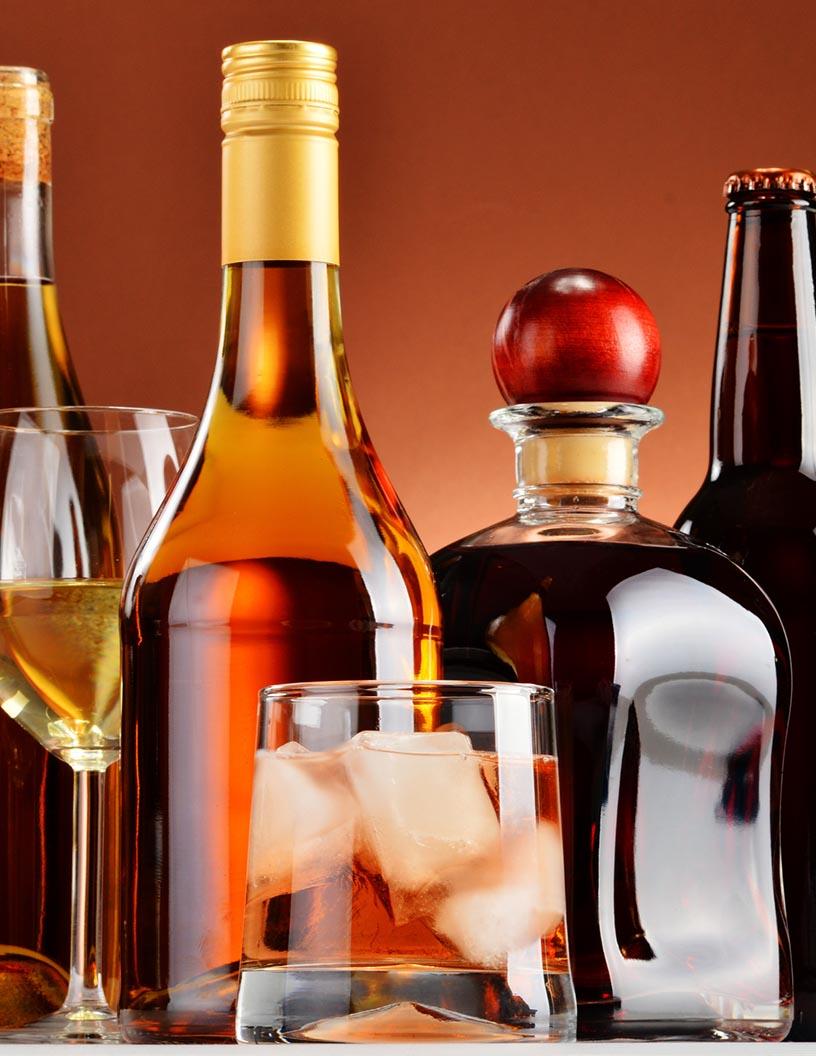


Alcoholic Beverages Market Size 2025-2029
The alcoholic beverages market size is forecast to increase by USD 412.6 billion, at a CAGR of 3.1% between 2024 and 2029.
- The market is witnessing significant growth, driven by the increasing popularity of the craft segment, such as craft beer. Consumers are increasingly seeking unique and authentic experiences, leading to a surge in demand for artisanal and locally produced alcoholic beverages. This trend is transforming the market landscape, with new players entering the scene and established players expanding their offerings to cater to this growing consumer base. However, the market is not without challenges. The prominence of counterfeit products poses a significant threat to market players. The proliferation of fake alcoholic beverages, such as spurious wines, not only undermines the reputation of legitimate brands but also puts consumer safety at risk.
- Addressing this challenge will require a multi-pronged approach, including increased collaboration between industry players, regulatory bodies, and law enforcement agencies to combat counterfeiting and ensure the authenticity of products. Companies that effectively navigate these challenges and capitalize on the growing demand for craft alcoholic beverages are well-positioned to thrive in this dynamic market.
What will be the Size of the Alcoholic Beverages Market during the forecast period?

Explore in-depth regional segment analysis with market size data - historical 2019-2023 and forecasts 2025-2029 - in the full report.
Request Free Sample
The market continues to evolve, with dynamic market activities unfolding across various sectors. Winemaking and brewing processes undergo constant innovation, leading to new flavors and taste profiles. Food safety and consumer safety remain top priorities, with stringent regulations in place to ensure quality control. Retail sales of alcoholic beverages show a steady increase, with both on-premise and off-premise consumption gaining popularity. Restaurant sales contribute significantly to the market, with marketing strategies focusing on social media platforms to reach a wider audience. Responsible consumption is a key concern, with age verification and industry regulations ensuring that consumers are informed about alcohol content and potential allergens.
Liquor stores and grocery stores serve as major distribution channels, with direct-to-consumer sales also gaining traction. Price point and ingredient labeling are essential factors in consumer decision-making, with a growing preference for organic and ethically sourced ingredients. craft beer and seasonal releases continue to capture the attention of consumers, with breweries experimenting with new techniques such as barrel aging and canned beer. The market's environmental impact is a growing concern, with efforts being made to reduce waste and minimize carbon footprint. Brand loyalty is a significant factor, with consumers showing a preference for established brands and new entrants offering unique offerings.
Product innovation and taste profiles remain key drivers of growth, with the industry continually adapting to changing consumer preferences and market trends. Alcohol abuse and public health concerns also remain a focus, with responsible marketing and education efforts aimed at promoting responsible consumption.
How is this Alcoholic Beverages Industry segmented?
The alcoholic beverages industry research report provides comprehensive data (region-wise segment analysis), with forecasts and estimates in "USD billion" for the period 2025-2029, as well as historical data from 2019-2023 for the following segments.
- Product
- Beer
- Spirits
- Wine
- Distribution Channel
- Off-trade
- On-trade
- Geography
- North America
- US
- Canada
- Europe
- France
- Germany
- Spain
- APAC
- China
- India
- Japan
- South America
- Brazil
- Rest of World (ROW)
- North America
.
By Product Insights
The beer segment is estimated to witness significant growth during the forecast period.
The market encompasses various product categories, including beer, wine, and spirits. One trend in this industry is the release of limited edition products, adding excitement for consumers and driving sales. The winemaking process involves fermenting grapes to create wine, while beer production involves steeping a starch source, such as rice, corn, or barley, in water and fermenting the resulting sugar-containing liquid with yeast. Food safety is a top priority, with strict regulations in place to ensure the quality and safety of alcoholic beverages. Restaurant sales contribute significantly to market revenue, and marketing strategies, including social media marketing, are essential for reaching consumers.
Responsible consumption is emphasized, with age verification and industry regulations in place to prevent underage drinking. Online sales have become increasingly popular, offering convenience and accessibility for consumers. Consumer safety is a concern, with nutritional information and allergen information required on labels. Seasonal releases cater to changing consumer preferences, while public health initiatives promote responsible drinking. Barrel aging and direct-to-consumer sales are growing trends, offering unique experiences and increased consumer engagement. Quality control is crucial, with strict standards for alcohol content and taste profiles. New flavors and taste profiles are driving innovation in the market, while brand loyalty remains strong among consumers.
The distribution channels include liquor stores, grocery stores, and craft beer establishments. Environmental impact is a growing concern, with ethical sourcing and organic ingredients becoming more prevalent. Consumer preferences for canned beer and on-premise consumption continue to shape the market, with off-premise consumption also significant. Alcohol abuse and its impact on public health remain a concern, with efforts to reduce abuse and promote responsible drinking. Innovation in the brewing process, distillation process, and product development is ongoing, with a focus on sustainability and reducing environmental impact. Price point and ingredient labeling are important factors for consumers, with transparency and authenticity valued.
The market is expected to continue evolving, with new trends and consumer preferences shaping its future.

The Beer segment was valued at USD 896.60 billion in 2019 and showed a gradual increase during the forecast period.
Regional Analysis
APAC is estimated to contribute 34% to the growth of the global market during the forecast period. Technavio's analysts have elaborately explained the regional trends and drivers that shape the market during the forecast period.

The market is witnessing significant growth, with Europe leading the charge in 2024. Eastern Europe's steady expansion contributes to this market's continued dominance. Breweries in Europe are a substantial industry, providing ample job opportunities. Key European countries, including France, Germany, Russia, the UK, Belgium, Romania, and Poland, are significant consumers of alcoholic beverages. In Europe, off-premise beer consumption outpaces on-premise consumption. Popular beer styles, such as lager, flavored lager, and craft beer, are experiencing increasing demand and are expected to continue doing so. Marketing strategies, responsible consumption, and food safety are essential factors shaping the market.
Online sales and direct-to-consumer sales are growing trends, with consumer safety and age verification prioritized. Seasonal releases and public health concerns are influencing product innovation and taste profiles. Industry regulations ensure alcohol content and quality control, while new flavors and brand loyalty cater to consumer preferences. Allergen information and ingredient labeling are crucial for consumers with dietary restrictions. Brewing and winemaking processes, barrel aging, and distribution channels impact the market's dynamics. Retail sales, liquor stores, and grocery stores are significant sales channels. Craft beer, social media marketing, and canned beer are emerging trends. Ethical sourcing and environmental impact are essential considerations for consumers and producers.
Alcohol abuse and consumer preferences continue to shape the market landscape. Overall, the market is a dynamic and evolving industry, with various factors influencing its growth and trends.
Market Dynamics
Our researchers analyzed the data with 2024 as the base year, along with the key drivers, trends, and challenges. A holistic analysis of drivers will help companies refine their marketing strategies to gain a competitive advantage.
What are the key market drivers leading to the rise in the adoption of Alcoholic Beverages Industry?
- The craft segment's rising popularity serves as the primary growth driver for the market.
- The craft alcoholic beverage market, including craft beer, spirits, and cider, is experiencing significant growth due to the increasing preference for unique and varied products among consumers. Unlike mass-produced beverages, craft brewers create distinct flavors by interpreting and innovating traditional styles. The winemaking process for craft beverages is meticulous, resulting in fresh and high-quality offerings served in cans, bottles, or kegs. Limited edition products and seasonal releases add excitement to the market, with consumers eagerly anticipating new flavors and innovations. Marketing strategies focusing on responsible consumption and food safety further appeal to health-conscious consumers. Online sales have also become a significant revenue stream for craft brewers, enabling wider reach and convenience.
- Consumer safety is a top priority, with strict regulations ensuring the production and distribution of safe and authentic craft beverages. Public health concerns, such as alcohol-related illnesses, are addressed through education and awareness campaigns promoting responsible consumption. Overall, the craft alcoholic beverage market is a dynamic and evolving industry, offering diverse and immersive experiences for consumers.
What are the market trends shaping the Alcoholic Beverages Industry?
- The consumption of alcoholic beverages is gaining popularity as an emerging market trend. This increasing trend reflects a growing preference for these beverages among consumers.
- The market has experienced significant growth due to various factors. Urbanization and increasing disposable income have fueled the demand for premium and craft beverages, as consumers seek unique and high-quality drinking experiences. Changing social norms and lifestyles, particularly among younger generations, have made social drinking more acceptable and widespread. Digital marketing and social media have played a significant role in promoting these products to a broader audience. Additionally, the expansion of the hospitality and tourism industries has contributed to the growth in alcohol consumption. Innovative products, such as flavored spirits, ready-to-drink cocktails, and low-alcohol or alcohol-free options, have attracted a diverse consumer base.
- Quality control measures, including barrel aging and nutritional information disclosure, have become increasingly important to maintain brand loyalty. Industry regulations ensure age verification and alcohol content compliance, while taste profiles continue to evolve with new flavors and harmonious combinations. Overall, the market is expected to remain a dynamic and innovative industry.
What challenges does the Alcoholic Beverages Industry face during its growth?
- The prevalence of counterfeit products poses a significant challenge to the industry, hindering its growth and undermining consumer trust.
- The market faces a significant challenge from the proliferation of counterfeit alcoholic beverages, which pose health risks to consumers and result in substantial revenue losses for manufacturers worldwide. These illicit products, also known as unrecorded or non-commercial alcohol, are produced using substandard raw materials and can cause serious health issues. The presence of counterfeit alcohol not only damages brand reputation but also hinders sales. The market for fake alcohol is rampant in various countries and is frequently reported through media channels, social platforms, and public announcements. To mitigate these risks, it's crucial for manufacturers to prioritize transparency in their operations, including allergen information and ingredient labeling, to ensure consumer trust.
- The brewing process must adhere to food standards and regulatory requirements. Retail sales channels should implement robust distribution systems to prevent counterfeit products from entering the market. Price point strategies can also help differentiate authentic products from counterfeit ones. Social media marketing can be an effective tool for raising awareness about the importance of purchasing alcoholic beverages from authorized retailers and distributors. By focusing on these areas, manufacturers can protect their brand image, safeguard consumer health, and maintain the integrity of the market.
Exclusive Customer Landscape
The alcoholic beverages market forecasting report includes the adoption lifecycle of the market, covering from the innovator's stage to the laggard's stage. It focuses on adoption rates in different regions based on penetration. Furthermore, the alcoholic beverages market report also includes key purchase criteria and drivers of price sensitivity to help companies evaluate and develop their market growth analysis strategies.

Customer Landscape
Key Companies & Market Insights
Companies are implementing various strategies, such as strategic alliances, alcoholic beverages market forecast, partnerships, mergers and acquisitions, geographical expansion, and product/service launches, to enhance their presence in the industry.
Anheuser Busch InBev SA NV - The company specializes in the production and distribution of alcoholic beverages under the brands Aguila and Becks.
The industry research and growth report includes detailed analyses of the competitive landscape of the market and information about key companies, including:
- Anheuser Busch InBev SA NV
- Asahi Group Holdings Ltd.
- Bells Brewery Inc.
- Carlsberg Breweries AS
- Constellation Brands Inc.
- D.G. Yuengling and Son Inc.
- Davide Campari-Milano N.V.
- Deschutes Brewery
- Diageo PLC
- FIFCO USA
- Heineken NV
- Kirin Holdings Co. Ltd.
- Molson Coors Beverage Co.
- New Belgium Brewing Co. Inc.
- Pernod Ricard SA
- Stone Brewing Co. LLC
- Suntory Holdings Ltd.
- Treasury Wine Estates Ltd.
- Victory Brewing Co.
- Yanghe Distillery Co. Ltd.
Qualitative and quantitative analysis of companies has been conducted to help clients understand the wider business environment as well as the strengths and weaknesses of key industry players. Data is qualitatively analyzed to categorize companies as pure play, category-focused, industry-focused, and diversified; it is quantitatively analyzed to categorize companies as dominant, leading, strong, tentative, and weak.
Recent Development and News in Alcoholic Beverages Market
- In March 2024, Heineken, a leading global brewer, announced the launch of its new hard seltzer brand, Dos-X, in the United States. This entry marks the company's response to the growing popularity of hard seltzers in the market (Business Wire, 2024). In the same year, Diageo, another major player, formed a strategic partnership with the Australian drinks company, Lion, to expand its production capabilities and distribution network in the Asia-Pacific region (Diageo, 2024).
- In January 2025, Anheuser-Busch InBev, the world's largest brewer, completed the acquisition of the remaining 50% stake in its Brazilian joint venture, Brahma, from its local partner, Quilmes. This move strengthened AB InBev's presence in the Brazilian market and allowed it to consolidate its operations (Reuters, 2025). Moreover, in February 2025, the European Union approved the sale of Carlsberg's Russian business to Belgian brewer, Alken-Maes. This decision marked a significant regulatory development, as it paved the way for the sale of the Danish brewer's Russian assets, which had been put on hold due to regulatory uncertainties (Carlsberg, 2025).
Research Analyst Overview
- In the dynamic market, blind tasting events continue to shape consumer preferences, with single barrel selections gaining popularity for their unique flavor profiles. Wine oxidation and proper wine storage remain crucial factors in maintaining quality, while advanced winemaking equipment, including sensory analysis tools, enable vineyard management and quality assurance. Grape harvest timing and wine appellations influence spirits classification, with grape varieties and yeast strains contributing to distinct flavor and aroma profiles. Wine preservation techniques, such as temperature control and corked wine prevention, ensure product freshness.
- Brewing equipment and distillation equipment advancements facilitate the production of varietal blends and single malt offerings. Oaks barrels and stainless steel tanks are essential for aging and storing spirits and wines, respectively. Cocktail recipes continue to evolve, reflecting the market's trend towards experimentation and innovation. Wine pairing recommendations guide consumers in enhancing their tasting experiences.
Dive into Technavio's robust research methodology, blending expert interviews, extensive data synthesis, and validated models for unparalleled Alcoholic Beverages Market insights. See full methodology.
|
Market Scope |
|
|
Report Coverage |
Details |
|
Page number |
200 |
|
Base year |
2024 |
|
Historic period |
2019-2023 |
|
Forecast period |
2025-2029 |
|
Growth momentum & CAGR |
Accelerate at a CAGR of 3.1% |
|
Market growth 2025-2029 |
USD 412.6 billion |
|
Market structure |
Fragmented |
|
YoY growth 2024-2025(%) |
3.0 |
|
Key countries |
US, China, Germany, Canada, India, France, Spain, Brazil, Japan, and Saudi Arabia |
|
Competitive landscape |
Leading Companies, Market Positioning of Companies, Competitive Strategies, and Industry Risks |
What are the Key Data Covered in this Alcoholic Beverages Market Research and Growth Report?
- CAGR of the Alcoholic Beverages industry during the forecast period
- Detailed information on factors that will drive the growth and forecasting between 2025 and 2029
- Precise estimation of the size of the market and its contribution of the industry in focus to the parent market
- Accurate predictions about upcoming growth and trends and changes in consumer behaviour
- Growth of the market across Europe, APAC, North America, South America, and Middle East and Africa
- Thorough analysis of the market's competitive landscape and detailed information about companies
- Comprehensive analysis of factors that will challenge the alcoholic beverages market growth of industry companies
We can help! Our analysts can customize this alcoholic beverages market research report to meet your requirements.