



Wine Market Size 2026-2030
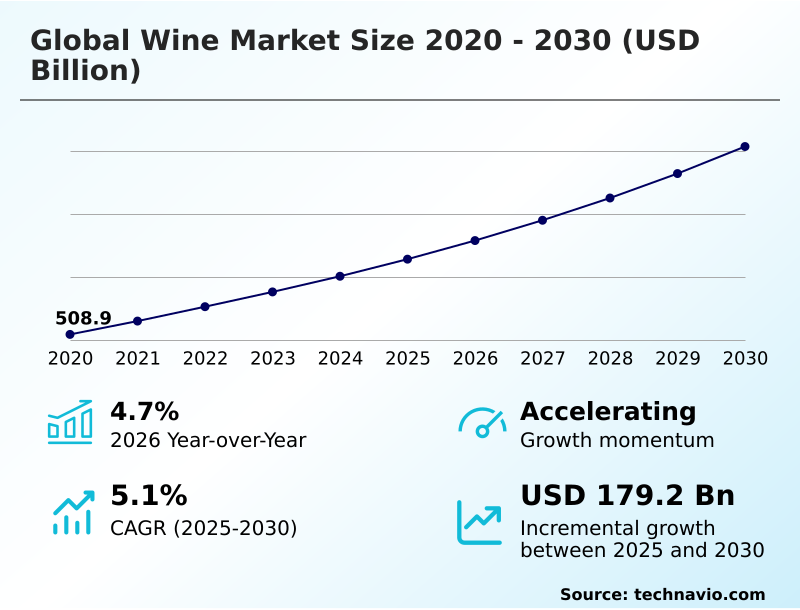
The wine market size is valued to increase by USD 179.2 billion, at a CAGR of 5.1% from 2025 to 2030. Paradigm of premiumization and value-led consumption will drive the wine market.
Major Market Trends & Insights
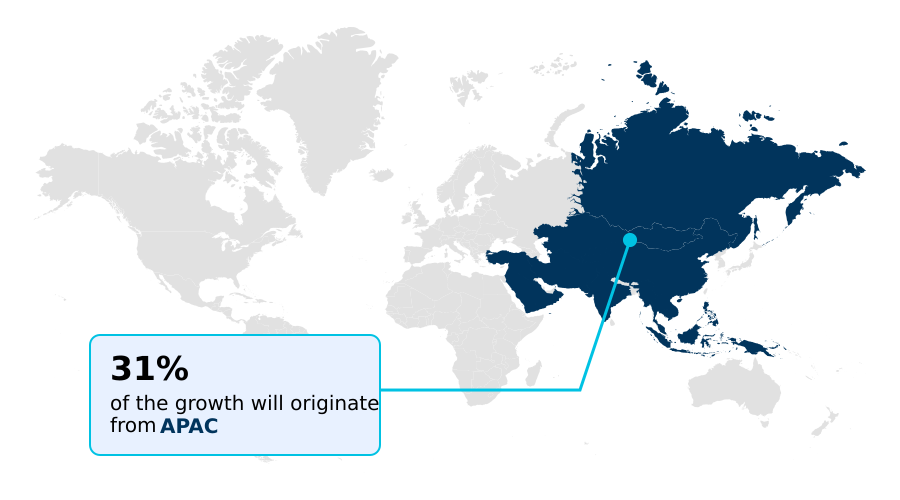
- APAC dominated the market and accounted for a 30.6% growth during the forecast period.
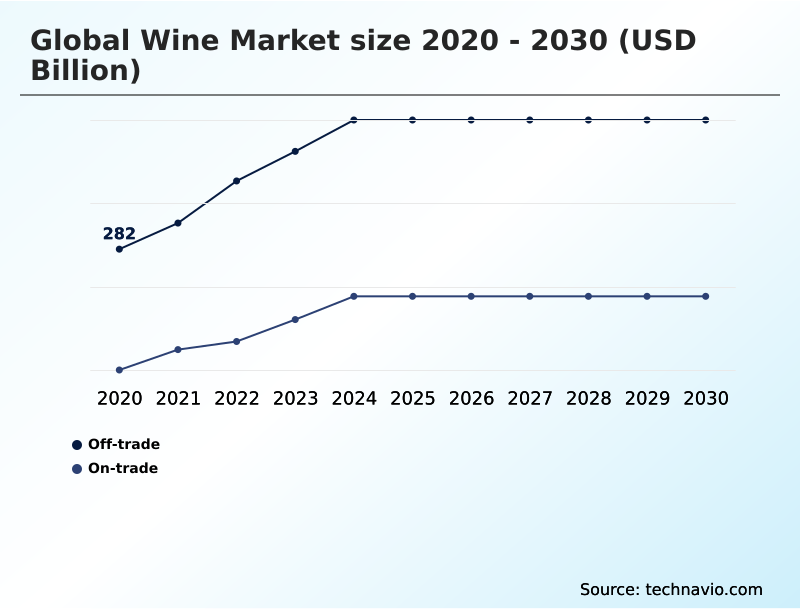
- By Distribution Channel - Off-trade segment was valued at USD 340.9 billion in 2024
- By Product - Red segment accounted for the largest market revenue share in 2024
Market Size & Forecast
- Market Opportunities: USD 298.9 billion
- Market Future Opportunities: USD 179.2 billion
- CAGR from 2025 to 2030 : 5.1%
Market Summary
- The wine market is navigating a profound transformation, driven by a confluence of evolving consumer preferences, technological disruption, and heightened environmental awareness. A dominant force is the shift toward premiumization, where consumption is defined by quality over quantity, fostering demand for artisanal and small-batch products.
- This trend is amplified by a growing focus on sustainability, with consumers increasingly favoring organic viticulture, biodynamic wine, and eco-friendly packaging. Simultaneously, the digital revolution is reshaping distribution, as direct-to-consumer sales and e-commerce platforms democratize access and enable producers to build direct relationships.
- For instance, a mid-sized winery can now leverage data from its online subscription service to forecast demand for specific indigenous varietals, optimizing cellar management and reducing waste by over 15%. However, the industry grapples with the severe impacts of climate change, which threaten viticultural stability, and demographic shifts that challenge traditional consumption patterns, compelling stakeholders to innovate continuously.
What will be the Size of the Wine Market during the forecast period?
Get Key Insights on Market Forecast (PDF) Get Free Sample
How is the Wine Market Segmented?
The wine industry research report provides comprehensive data (region-wise segment analysis), with forecasts and estimates in "USD billion" for the period 2026-2030, as well as historical data from 2020-2024 for the following segments.
- Distribution channel
- Off-trade
- On-trade
- Product
- Red
- Fortified
- White
- Sparkling
- Price range
- Economy
- Premium
- Super premium and luxury
- Geography
- Europe
- Germany
- UK
- France
- APAC
- China
- Japan
- India
- North America
- US
- Canada
- Mexico
- South America
- Brazil
- Argentina
- Middle East and Africa
- South Africa
- UAE
- Israel
- Rest of World (ROW)
- Europe
By Distribution Channel Insights
The off-trade segment is estimated to witness significant growth during the forecast period.
The off-trade channel, which accounts for over 56% of total sales, is central to the alcoholic beverage industry. It encompasses a diverse retail landscape, from large-format stores to specialized boutiques and burgeoning e-commerce wine sales.
This segment is not just about volume; it's a critical arena for brand building for both still wine and sparkling wine production. Success requires sophisticated beverage distribution logistics and robust cold chain logistics to manage supply chain transparency.
Digital transformation is key, as the growth of e-commerce platforms and direct-to-consumer sales models reshapes how brands connect with consumers.
The channel is also influenced by evolving consumer demographic shifts, demanding a strategic approach to product placement and marketing within the broader wine and spirits category.
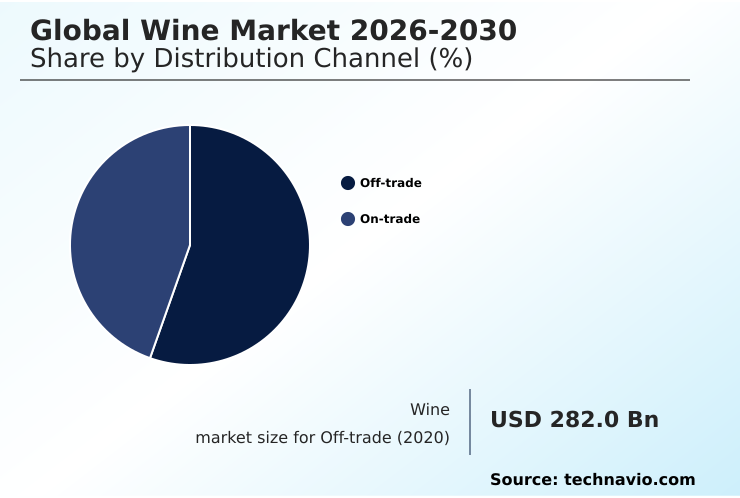
The Off-trade segment was valued at USD 340.9 billion in 2024 and showed a gradual increase during the forecast period.
Regional Analysis
APAC is estimated to contribute 30.6% to the growth of the global market during the forecast period.Technavio’s analysts have elaborately explained the regional trends and drivers that shape the market during the forecast period.
See How Wine Market Demand is Rising in APAC Get Free Sample
The geographic landscape of the global wine market 2026-2030 is shifting, with distinct regional dynamics influencing growth.
While old world wines from traditional European regions maintain a strong brand heritage narrative, new world wines from the Americas and Oceania are capturing significant market share.
The APAC region, in particular, represents nearly 5% more incremental growth opportunity than Europe, driven by rising affluence and evolving tastes.
This has spurred an increase in fine wine investment and sophisticated wine tourism offerings designed to showcase unique terroir and indigenous varietals. However, navigating this diverse landscape requires a deep understanding of local enology and appellation systems.
Producers are increasingly leveraging their regional identity to build brand loyalty, but must also contend with complex geopolitical trade barriers and varying regulatory compliance costs, which can impact market access and profitability in the competitive hospitality sector trends.
Market Dynamics
Our researchers analyzed the data with 2025 as the base year, along with the key drivers, trends, and challenges. A holistic analysis of drivers will help companies refine their marketing strategies to gain a competitive advantage.
- The future of the global wine market 2026-2030 will be defined by several interconnected strategic shifts. A critical factor is the impact of premiumization on the global wine market 2026-2030, which steers producers toward higher-value offerings. This is closely linked to the rise of sustainable viticulture in the global wine market 2026-2030, as environmentally conscious practices become a key differentiator.
- The direct-to-consumer sales model in the global wine market 2026-2030 continues to disrupt traditional channels, with companies leveraging this model reporting customer acquisition costs up to 25% lower than those using conventional distribution.
- Simultaneously, the industry must address the severe climate volatility effects on the global wine market 2026-2030 and adapt to the demographic shifts in global wine market 2026-2030 consumption that are altering demand patterns. Furthermore, the geopolitical impact on global wine market 2026-2030 trade and the complexities of regulatory fragmentation in global wine market 2026-2030 logistics create a challenging operational environment.
- Amid these challenges, opportunities arise from experiential wine tourism growth in the global wine market 2026-2030, along with evolving preferences such as the increasing popularity of sparkling wine consumption trends in the global wine market 2026-2030 and the growing white and rose wine preference in the global wine market 2026-2030.
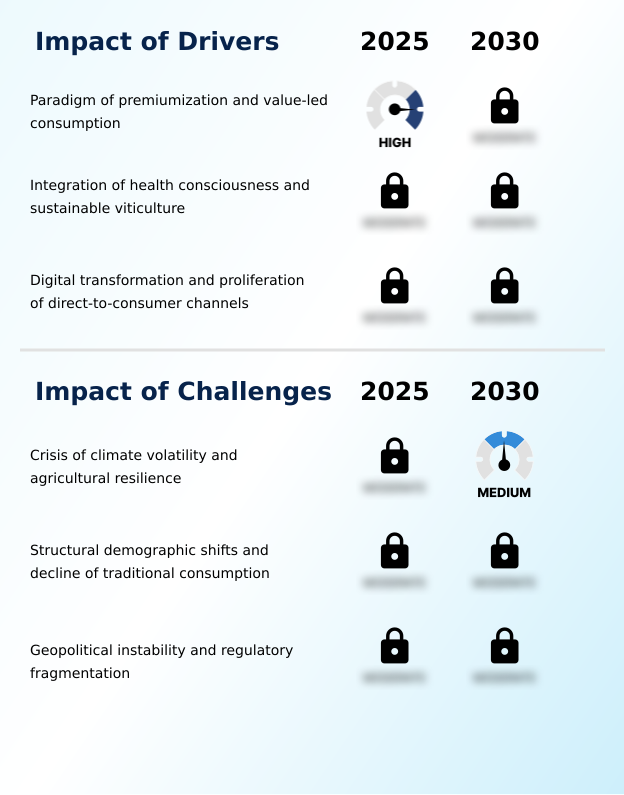
What are the key market drivers leading to the rise in the adoption of Wine Industry?
- The paradigm of premiumization and value-led consumption serves as a key market driver, reshaping purchasing behaviors and industry focus toward higher-quality, distinctive offerings.
- The market's growth trajectory is strongly influenced by the dual drivers of premiumization and sustainability. A focus on artisanal wine production, emphasizing advanced vinification and vineyard management techniques, is enabling brands to command higher price points.
- This is supported by sophisticated wine marketing strategies that leverage digital wine platforms to reach discerning consumers.
- The commitment to environmental stewardship in production is now a core business tenet, with a clear rise in demand for organic viticulture and biodynamic wine.
- Innovations in sustainable packaging and carbon-neutral shipping are not just cost-saving measures but key brand differentiators. For instance, producers adopting lightweight glass have reduced shipping-related emissions by up to 15%.
- Furthermore, the proliferation of wine subscription services is creating recurring revenue streams and fostering brand loyalty, with some services boasting customer retention rates 25% higher than traditional retail.
What are the market trends shaping the Wine Industry?
- The proliferation of experiential wine tourism and regional discovery is an emerging market trend. This movement emphasizes immersive brand engagement and the diversification of producer revenue streams.
- Key trends are reshaping consumption patterns, driven by a pronounced consumer palate shift toward lighter and more diverse styles. The demand for gastronomic pairing options has fueled interest in low-intervention wine and unique autochthonous grapes. This has led to the mainstreaming of categories like chillable red and petillant-naturel, moving them beyond niche markets.
- The holistic health alignment trend is also a major factor, with sales of non-alcoholic wine and lower-alcohol still wine showing significant uptake, with some producers reporting a 30% year-over-year increase in this sub-segment. This diversification is creating intense alternative beverage competition but also opening new occasions for consumption.
- Wineries are responding with innovations such as virtual tasting experiences, which have proven to increase consumer engagement by over 40%, and exploring the ready-to-drink wine format to appeal to a broader demographic.
What challenges does the Wine Industry face during its growth?
- The crisis of climate volatility and the corresponding imperative for enhanced agricultural resilience present a significant challenge to the industry's sustained growth and operational stability.
- The industry faces significant headwinds, primarily from the climate change impact on vineyards, which threatens long-term viticultural stability and agricultural resilience. The increased frequency of extreme weather events requires heavy investment in adaptive technologies, such as advanced frost-protection systems, while the risk of smoke taint can compromise entire vintages.
- This operational uncertainty has a cascading effect on the luxury wine sector. On the regulatory front, complex wine labeling regulations and the need for enhanced wine education certifications add layers of cost and complexity.
- Producers that successfully navigate these challenges through improved cellar management, the adoption of resilient grape genetics, and precise control over processes like malolactic fermentation can mitigate risks and maintain a competitive edge in a volatile market environment.
Exclusive Technavio Analysis on Customer Landscape
The wine market forecasting report includes the adoption lifecycle of the market, covering from the innovator’s stage to the laggard’s stage. It focuses on adoption rates in different regions based on penetration. Furthermore, the wine market report also includes key purchase criteria and drivers of price sensitivity to help companies evaluate and develop their market growth analysis strategies.
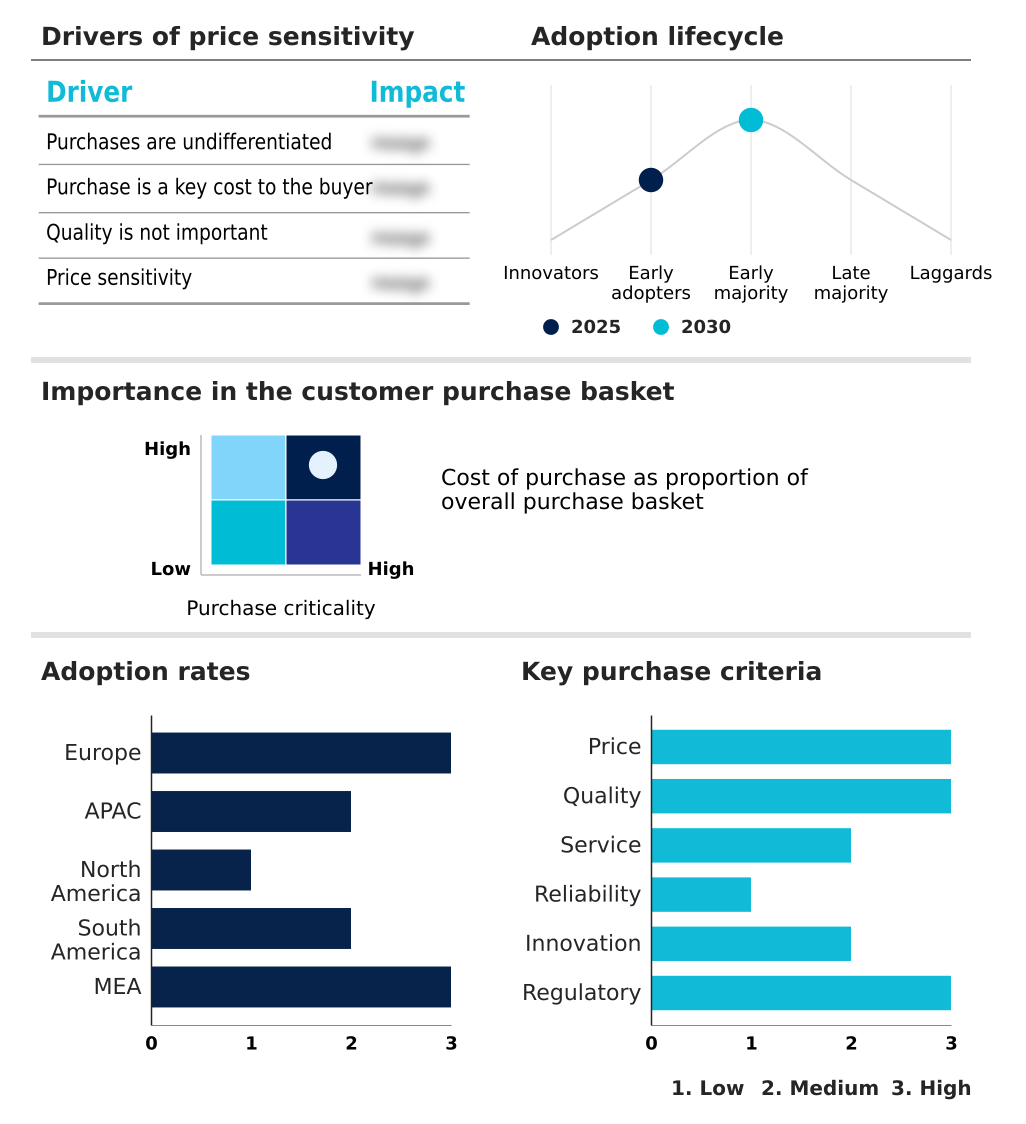
Customer Landscape of Wine Industry
Competitive Landscape
Companies are implementing various strategies, such as strategic alliances, wine market forecast, partnerships, mergers and acquisitions, geographical expansion, and product/service launches, to enhance their presence in the industry.
Accolade Wines Ltd. - Manages a diverse portfolio of international wine brands, strategically positioned across multiple market tiers to cater to a broad spectrum of consumer preferences.
The industry research and growth report includes detailed analyses of the competitive landscape of the market and information about key companies, including:
- Accolade Wines Ltd.
- Banfi Vintners
- Bronco Wine Co.
- Castel Freres
- Concha y Toro
- Constellation Brands Inc.
- Delicato Family Wines
- Deutsch Family Wine Spirits
- Diageo PLC
- E and J Gallo Winery
- Familia Torres
- Familia Zuccardi
- Foley Family Wines
- Grupo Penaflor S.A.
- Hahn Family Wines
- Jackson Family Wines Inc.
- Pernod Ricard SA
- The Wine Group LLC
- Treasury Wine Estates Ltd.
- Trinchero Family Estates
Qualitative and quantitative analysis of companies has been conducted to help clients understand the wider business environment as well as the strengths and weaknesses of key industry players. Data is qualitatively analyzed to categorize companies as pure play, category-focused, industry-focused, and diversified; it is quantitatively analyzed to categorize companies as dominant, leading, strong, tentative, and weak.
Recent Development and News in Wine market
- In May 2025, Aperture Cellars introduced Collage, an ultra-premium blend using advanced Sonoma-based appellation blending techniques, strategically marketed to high-net-worth individuals and luxury distributors in the Middle East.
- In April 2025, Target introduced its Collective Good wine range, featuring popular varietals in sustainable paper bottles, launching the eco-friendly line across nearly 1,200 of its stores.
- In April 2025, The Wine Group LLC entered into a definitive agreement to acquire several high-profile brands and approximately 6,600 acres of vineyards in California from Constellation Brands Inc., including Meiomi and Woodbridge.
- In April 2025, a new global wine leader, Vinarchy, was formed through the merger of Accolade Wines and the Australian, New Zealand, and Spanish wine divisions formerly owned by Pernod Ricard SA.
Dive into Technavio’s robust research methodology, blending expert interviews, extensive data synthesis, and validated models for unparalleled Wine Market insights. See full methodology.
| Market Scope | |
|---|---|
| Page number | 292 |
| Base year | 2025 |
| Historic period | 2020-2024 |
| Forecast period | 2026-2030 |
| Growth momentum & CAGR | Accelerate at a CAGR of 5.1% |
| Market growth 2026-2030 | USD 179.2 billion |
| Market structure | Fragmented |
| YoY growth 2025-2026(%) | 4.7% |
| Key countries | Germany, UK, France, Italy, Spain, The Netherlands, China, Japan, India, South Korea, Australia, Indonesia, US, Canada, Mexico, Brazil, Argentina, Chile, South Africa, UAE, Israel, Saudi Arabia and Turkey |
| Competitive landscape | Leading Companies, Market Positioning of Companies, Competitive Strategies, and Industry Risks |
Research Analyst Overview
- The global wine market 2026-2030 is undergoing a structural realignment, where traditional enology and viticulture practices intersect with modern market demands. A central boardroom focus is the strategic pivot towards premiumization, which prioritizes quality over volume, directly influencing decisions on vineyard management and cellar management.
- This shift is compelling producers to master a range of techniques from sparkling wine production and malolactic fermentation to the crafting of still wine and fortified wine. The rise of biodynamic wine and organic viticulture reflects a broader commitment to sustainability, further reinforced by innovations in sustainable packaging and carbon-neutral shipping.
- Firms adopting advanced cold chain logistics are reporting a 20% improvement in product integrity upon delivery. The market is also diversifying, with growing interest in non-alcoholic wine, low-intervention wine, chillable red, and petillant-naturel styles. Success depends on navigating the complexities of terroir, appellation, and gastronomic pairing while leveraging direct-to-consumer sales to reach new audiences.
- Offerings are expanding from old world wines to include new world wines and indigenous varietals, with a focus on agricultural resilience to combat challenges like smoke taint and ensure viticultural stability.
What are the Key Data Covered in this Wine Market Research and Growth Report?
-
What is the expected growth of the Wine Market between 2026 and 2030?
-
USD 179.2 billion, at a CAGR of 5.1%
-
-
What segmentation does the market report cover?
-
The report is segmented by Distribution Channel (Off-trade, and On-trade), Product (Red, Fortified, White, and Sparkling), Price Range (Economy, Premium, and Super premium and luxury) and Geography (Europe, APAC, North America, South America, Middle East and Africa)
-
-
Which regions are analyzed in the report?
-
Europe, APAC, North America, South America and Middle East and Africa
-
-
What are the key growth drivers and market challenges?
-
Paradigm of premiumization and value-led consumption, Crisis of climate volatility and agricultural resilience
-
-
Who are the major players in the Wine Market?
-
Accolade Wines Ltd., Banfi Vintners, Bronco Wine Co., Castel Freres, Concha y Toro, Constellation Brands Inc., Delicato Family Wines, Deutsch Family Wine Spirits, Diageo PLC, E and J Gallo Winery, Familia Torres, Familia Zuccardi, Foley Family Wines, Grupo Penaflor S.A., Hahn Family Wines, Jackson Family Wines Inc., Pernod Ricard SA, The Wine Group LLC, Treasury Wine Estates Ltd. and Trinchero Family Estates
-
Market Research Insights
- The alcoholic beverage industry is undergoing a significant transformation, influenced by key consumer and operational dynamics. Evolving consumer demographic shifts are steering the market, with a notable consumer palate shift creating new opportunities for artisanal wine production and a diverse range of wine and spirits.
- Strategic wine marketing strategies are now essential, leveraging digital wine platforms and virtual tasting experiences to build a compelling brand heritage narrative. The rise of wine subscription services and the growth of the luxury wine sector are responses to this changing landscape. Operationally, ensuring supply chain transparency and mastering beverage distribution logistics are critical.
- Moreover, navigating geopolitical trade barriers and managing regulatory compliance costs have become paramount. The fine wine investment market remains strong, while trends in the hospitality sector trends, alignment with holistic health alignment, and competition from alternative beverage competition, including ready-to-drink wine, are reshaping the industry's future.
We can help! Our analysts can customize this wine market research report to meet your requirements.
 RIA -
RIA - 
