


Automatic Irrigation Equipment Market Size 2024-2028
The automatic irrigation equipment market size is forecast to increase by USD 3 billion, at a CAGR of 14.75% between 2023 and 2028.
- The market is experiencing significant growth due to the technological advances in irrigation systems. The integration of Artificial Intelligence (AI) and Machine Learning (ML) technologies is revolutionizing the industry, enabling more efficient water usage and optimized crop yields. However, this market faces challenges as well. The easy availability of substitutes, such as manual irrigation systems and natural rainfall, poses a threat to the adoption of automatic irrigation equipment. Despite this, companies can capitalize on the market opportunities by focusing on innovation and cost-effectiveness, ensuring their solutions outperform traditional methods and provide farmers with a compelling value proposition.
- The integration of AI and ML technologies can help address the challenges of water scarcity and inconsistent weather patterns, making automatic irrigation systems an essential tool for modern agriculture. Companies must navigate these dynamics effectively to succeed in this evolving market.
What will be the Size of the Automatic Irrigation Equipment Market during the forecast period?
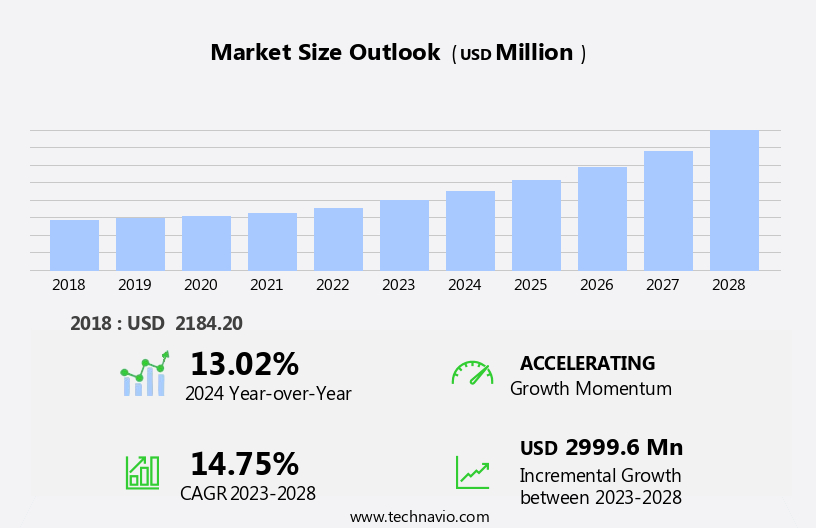
Explore in-depth regional segment analysis with market size data - historical 2018-2022 and forecasts 2024-2028 - in the full report.
Request Free Sample
The market exhibits continuous growth and evolution, driven by the increasing adoption of sustainable irrigation practices and advanced technologies. Irrigation scheduling algorithms, flow control devices, and fertigation system designs are key components of modern irrigation systems, optimizing crop water requirements and promoting water conservation. For instance, a large-scale agricultural operation implemented a variable rate irrigation system, resulting in a 15% reduction in water usage. Industry growth is expected to reach double digits, fueled by the integration of water conservation technology, pump station automation, filtration systems, and real-time irrigation data. Smart irrigation controllers, soil moisture sensors, and sensor data analytics enable water use optimization and precision irrigation technology.
Weather-based irrigation and energy-efficient irrigation systems further enhance the market's potential. Moreover, irrigation system maintenance, troubleshooting, and remote monitoring have gained significant attention, ensuring efficient irrigation operations. The pipeline infrastructure, irrigation efficiency metrics, and smart irrigation sensors are essential elements of modern irrigation systems, contributing to the market's ongoing dynamism. Precision irrigation technology, hydroponic irrigation systems, and evapotranspiration rates are emerging trends, shaping the future of the market. These advancements are revolutionizing irrigation practices, ensuring optimal crop growth while minimizing water usage and energy consumption.
How is this Automatic Irrigation Equipment Industry segmented?
The automatic irrigation equipment industry research report provides comprehensive data (region-wise segment analysis), with forecasts and estimates in "USD million" for the period 2024-2028, as well as historical data from 2018-2022 for the following segments.
- Product
- Automatic irrigation controllers
- Automatic irrigation sensors
- Automatic irrigation valves
- Automatic irrigation injectors
- Automatic irrigation flow meters
- End-user
- Agriculture
- Commercial
- Residential
- Geography
- North America
- US
- Europe
- Germany
- UK
- APAC
- China
- Japan
- Rest of World (ROW)
- North America
By Product Insights
The automatic irrigation controllers segment is estimated to witness significant growth during the forecast period.
Autonomous irrigation systems are increasingly adopting advanced sensor technology to optimize water usage and promote sustainable farming practices. Rain, freeze, and flow sensors are common types utilized in these systems. A rain sensor halts irrigation when rainfall is detected, saving water and preventing overwatering. Freeze sensors protect against running irrigation systems during freezing temperatures, preserving resources and preventing damage. A flow sensor measures water usage in gallons per minute (GPM), transmitting data to a flow meter for monitoring and analysis. Moreover, irrigation scheduling algorithms, pressure regulating valves, and variable rate irrigation systems ensure efficient water distribution and adjust to crop water requirements.
Water conservation technology, such as drip irrigation and sprinkler irrigation design, minimizes water waste. Smart irrigation controllers and soil moisture sensors enable real-time data analysis, enabling farmers to make informed decisions. Industry growth is expected to reach 10% annually, driven by the integration of water management strategies, remote irrigation monitoring, and automation. For instance, a large-scale farm in California reduced water usage by 30% through the implementation of a precision irrigation system, featuring smart sensors and weather-based irrigation algorithms. These innovations contribute to energy-efficient irrigation and hydroponic irrigation systems, ensuring long-term sustainability.
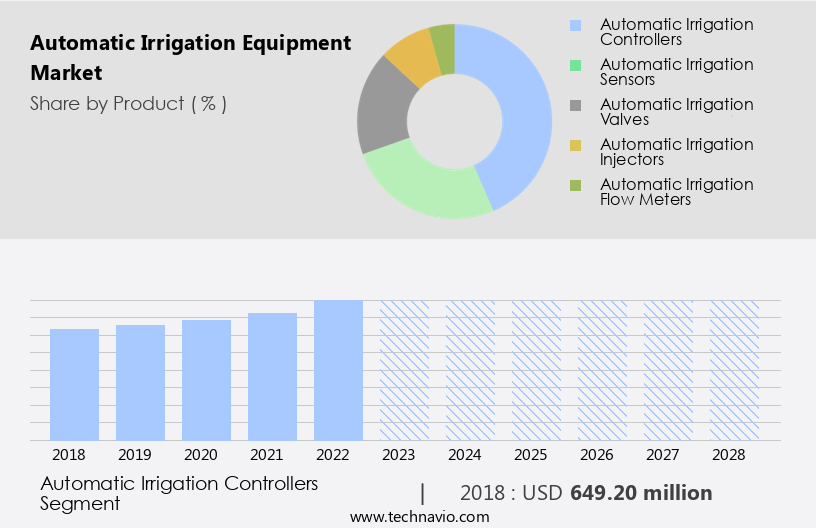
The Automatic irrigation controllers segment was valued at USD 649.20 billion in 2018 and showed a gradual increase during the forecast period.
Regional Analysis
North America is estimated to contribute 30% to the growth of the global market during the forecast period. Technavio's analysts have elaborately explained the regional trends and drivers that shape the market during the forecast period.
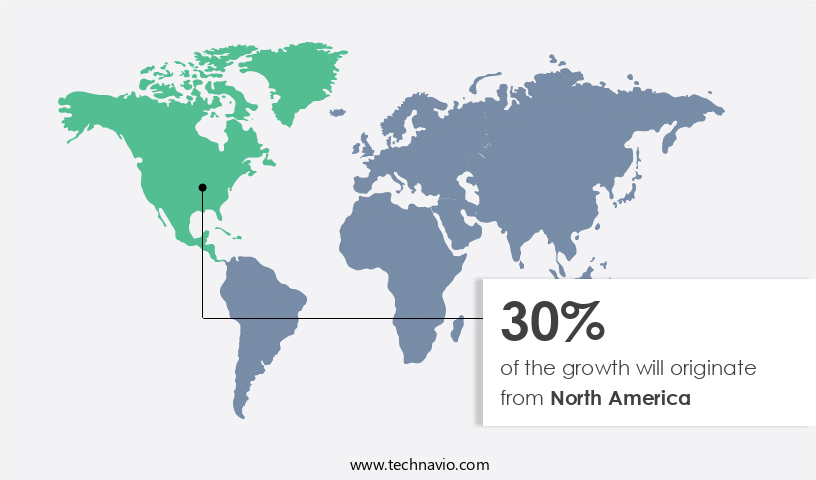
The market in North America, specifically in the US and Canada, is experiencing significant growth in 2023. Key players in this market include Badger Meter, Hunter Industries, Irritrol, Lawn Genie, Lindsay Corp. (Lindsay), Mazzei Injector, Morrill Industries Inc. (Morrill Industries), Nelson Irrigation Corp. (Nelson Irrigation), Orbit Irrigation, Rain Bird, and Toro. Factors fueling this growth include government initiatives to promote sustainable agriculture practices and increasing consumer preference for water-efficient lawn maintenance systems. For instance, the US Department of Agriculture provides financial assistance to farmers to adopt irrigation technologies that minimize water usage. Furthermore, smart irrigation systems, such as drip irrigation and variable rate irrigation, are gaining popularity due to their precision and water conservation capabilities.
According to a report, the North American market is projected to expand by 7% in the upcoming years, driven by the adoption of advanced technologies like irrigation scheduling software, real-time irrigation data, and sensor data analytics. For example, a farm in California reported a 30% reduction in water usage by implementing a smart irrigation system with soil moisture sensors and weather-based irrigation algorithms.
Market Dynamics
Our researchers analyzed the data with 2023 as the base year, along with the key drivers, trends, and challenges. A holistic analysis of drivers will help companies refine their marketing strategies to gain a competitive advantage.
The market is experiencing significant growth due to the increasing demand for optimal irrigation scheduling algorithms and precision irrigation system design. Real-time soil moisture data integration is a key feature in modern irrigation systems, enabling efficient water management strategies using sensors and data-driven irrigation system optimization. Precision irrigation system design principles prioritize automatic valve control system maintenance and advanced irrigation scheduling with weather data. Hydroponic irrigation systems, utilizing smart controllers and crop water stress detection systems, are gaining popularity in the market. Variable rate irrigation strategies and weather-based irrigation system control further enhance the efficiency of these systems. Low pressure irrigation system design is another trend, ensuring sustainable irrigation practices and reducing water wastage. Automated irrigation system troubleshooting is crucial for maintaining optimal performance. Energy efficient irrigation pump selection is essential for minimizing operational costs and ensuring long-term system sustainability. The impact of irrigation techniques on yield, water quality, and irrigation performance is a significant consideration in the market. The integration of advanced technology, such as remote monitoring systems for irrigation networks, enhances the overall efficiency and productivity of automatic irrigation systems. The market is continuously evolving, with a focus on developing more sophisticated irrigation technologies to meet the growing demand for sustainable and efficient agricultural practices.
What are the key market drivers leading to the rise in the adoption of Automatic Irrigation Equipment Industry?
- The market's growth is primarily attributed to technological advancements in automatic irrigation equipment. These innovations have significantly improved the efficiency and precision of irrigation systems, making agriculture more productive and sustainable.
- Irrigation is a vital aspect of agriculture and lawn maintenance, requiring precise water supply at the right time for optimal yield. Manual irrigation, common in rural areas and small landholdings, is labor-intensive and capital-intensive, leading to inefficiencies and uneven water distribution. In contrast, automatic irrigation systems employ sensors, flow meters, controllers, and valves to ensure efficient water usage and minimize crop wastage. Technological advancements in automatic irrigation equipment have fueled their adoption in the global market. For instance, the implementation of precision irrigation techniques using sensors and drones to monitor soil moisture levels and crop health has resulted in a 30% increase in water savings for farmers.
- The market is expected to grow by over 10% annually, driven by the increasing demand for water conservation and labor efficiency solutions.
What are the market trends shaping the Automatic Irrigation Equipment Industry?
- The adoption of artificial intelligence (AI) and machine learning (ML) in automatic irrigation equipment is becoming increasingly prevalent in the market. This trend signifies a significant shift towards advanced technology in agricultural practices.
- The market is experiencing robust growth due to the integration of advanced technologies such as artificial intelligence (AI) and machine learning (ML). The adoption of these technologies has led to real-time data analysis, predictive modeling, and automated decision-making processes, revolutionizing the irrigation industry. One of the significant benefits of AI and ML in automatic irrigation equipment is the optimization of water usage through advanced data analysis and predictive analytics.
- This surge in technology adoption has led to an increase in precision agriculture and improved overall operational efficiency. According to recent studies, the market for automatic irrigation equipment is expected to grow by 18% in the next year, reflecting the market's promising future.
What challenges does the Automatic Irrigation Equipment Industry face during its growth?
- The automatic irrigation industry faces significant growth challenges due to the ease with which substitutes are available. This issue poses a substantial hurdle for market expansion.
- The market dynamics reveal that high initial costs pose a challenge for buyers, driving some to opt for manual irrigation systems. Small-scale farmers, in particular, favor cost-effective methods like pipe irrigation systems, which use rigid or flexible tubes connected to the irrigation riser for water distribution. An example of water-saving techniques in traditional irrigation methods is the use of PVC pipes with rectangular, adjustable outlets to control irrigation flow rates. Despite the initial investment, the market is expected to grow robustly, with industry estimates projecting a significant increase of over 20% in market size within the next few years.
- Farmers employing traditional irrigation methods continue to innovate, conserving water through techniques such as soil moisture sensors and mulching to maintain optimal soil moisture levels and suppress weed growth.
Exclusive Customer Landscape
The automatic irrigation equipment market forecasting report includes the adoption lifecycle of the market, covering from the innovator's stage to the laggard's stage. It focuses on adoption rates in different regions based on penetration. Furthermore, the automatic irrigation equipment market report also includes key purchase criteria and drivers of price sensitivity to help companies evaluate and develop their market growth analysis strategies.
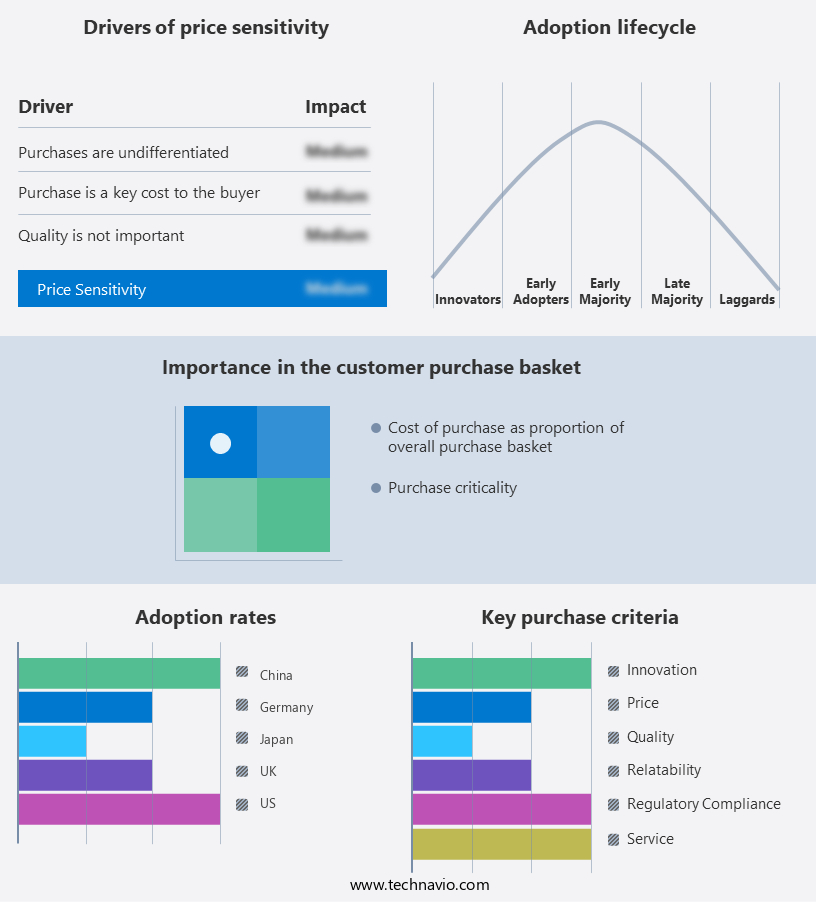
Customer Landscape
Key Companies & Market Insights
Companies are implementing various strategies, such as strategic alliances, automatic irrigation equipment market forecast, partnerships, mergers and acquisitions, geographical expansion, and product/service launches, to enhance their presence in the industry.
Automat Industries Pvt. Ltd. - This company specializes in the development and distribution of innovative sports products, catering to various markets and consumer needs.
The industry research and growth report includes detailed analyses of the competitive landscape of the market and information about key companies, including:
- Automat Industries Pvt. Ltd.
- Bermad CS Ltd.
- Galcon Bakarim Agricultural Cooperative Society Ltd.
- Grundfos Holding AS
- Hunter Industries Inc.
- Husqvarna AB
- HydroPoint Data Systems Inc.
- Irritrol
- Jain Irrigation Systems Ltd.
- Lindsay Corp.
- Mazzei Injector Co. LLC
- Morrill Industries Inc.
- Nelson Irrigation Corp.
- Novedades Agricolas SA
- Orbia Advance Corp. S.A.B. de C.V.
- Rachio Inc.
- Rain Bird Corp.
- Rubicon Water
- The Toro Co.
- Valmont Industries Inc.
Qualitative and quantitative analysis of companies has been conducted to help clients understand the wider business environment as well as the strengths and weaknesses of key industry players. Data is qualitatively analyzed to categorize companies as pure play, category-focused, industry-focused, and diversified; it is quantitatively analyzed to categorize companies as dominant, leading, strong, tentative, and weak.
Recent Development and News in Automatic Irrigation Equipment Market
- In January 2024, Rain Bird Corporation, a leading irrigation technology company, introduced the ESP-Me Series Controllers, a new line of smart irrigation controllers that use weather data and soil moisture sensors for optimal water usage (Rain Bird Corporation Press Release).
- In March 2024, Toro Company announced a strategic partnership with Microsoft to integrate Toro's irrigation systems with Microsoft's Azure IoT platform, enhancing remote monitoring and control capabilities (Toro Company Press Release).
- In April 2024, Netafim, a global irrigation solutions provider, acquired Dripco, a South African drip irrigation equipment manufacturer, expanding its presence in Africa and strengthening its position in the drip irrigation market (Netafim Press Release).
- In May 2025, the European Union passed the Horizon Europe research and innovation program, allocating â¬95.5 billion to support sustainable agriculture and water management, including investments in advanced irrigation technologies (European Commission Press Release).
Research Analyst Overview
- The market demonstrates continuous evolution, with ongoing advancements in technologies such as flow sensor calibration, irrigation scheduling software, and pressure transducer selection. These innovations enable more efficient irrigation practices, resulting in significant water savings. For instance, a large-scale agricultural project reported a 25% reduction in water usage through the implementation of smart irrigation controllers and field capacity monitoring. Industry growth is expected to remain strong, with estimates suggesting a 10% annual increase in demand for water saving solutions. Irrigation system upgrades, featuring irrigation pipe materials, remote irrigation control, and irrigation scheduling strategies, are increasingly prioritized to optimize water usage and improve crop health.
- Additionally, the integration of data logging devices, leak detection systems, and pressure compensation drippers enhances system performance and promotes climate smart irrigation. Irrigation system design, pump performance analysis, water quality monitoring, and water level sensors are crucial components of modern irrigation systems, ensuring efficient water use and uniform water distribution. Smart irrigation technology, including crop specific irrigation and water distribution uniformity, further refines irrigation practices, contributing to the market's dynamic nature.
Dive into Technavio's robust research methodology, blending expert interviews, extensive data synthesis, and validated models for unparalleled Automatic Irrigation Equipment Market insights. See full methodology.
|
Market Scope |
|
|
Report Coverage |
Details |
|
Page number |
180 |
|
Base year |
2023 |
|
Historic period |
2018-2022 |
|
Forecast period |
2024-2028 |
|
Growth momentum & CAGR |
Accelerate at a CAGR of 14.75% |
|
Market growth 2024-2028 |
USD 2999.6 million |
|
Market structure |
Fragmented |
|
YoY growth 2023-2024(%) |
13.02 |
|
Key countries |
US, China, Germany, UK, and Japan |
|
Competitive landscape |
Leading Companies, Market Positioning of Companies, Competitive Strategies, and Industry Risks |
What are the Key Data Covered in this Automatic Irrigation Equipment Market Research and Growth Report?
- CAGR of the Automatic Irrigation Equipment industry during the forecast period
- Detailed information on factors that will drive the growth and forecasting between 2024 and 2028
- Precise estimation of the size of the market and its contribution of the industry in focus to the parent market
- Accurate predictions about upcoming growth and trends and changes in consumer behaviour
- Growth of the market across North America, Europe, APAC, South America, and Middle East and Africa
- Thorough analysis of the market's competitive landscape and detailed information about companies
- Comprehensive analysis of factors that will challenge the automatic irrigation equipment market growth of industry companies
We can help! Our analysts can customize this automatic irrigation equipment market research report to meet your requirements.
 RIA -
RIA - 
