
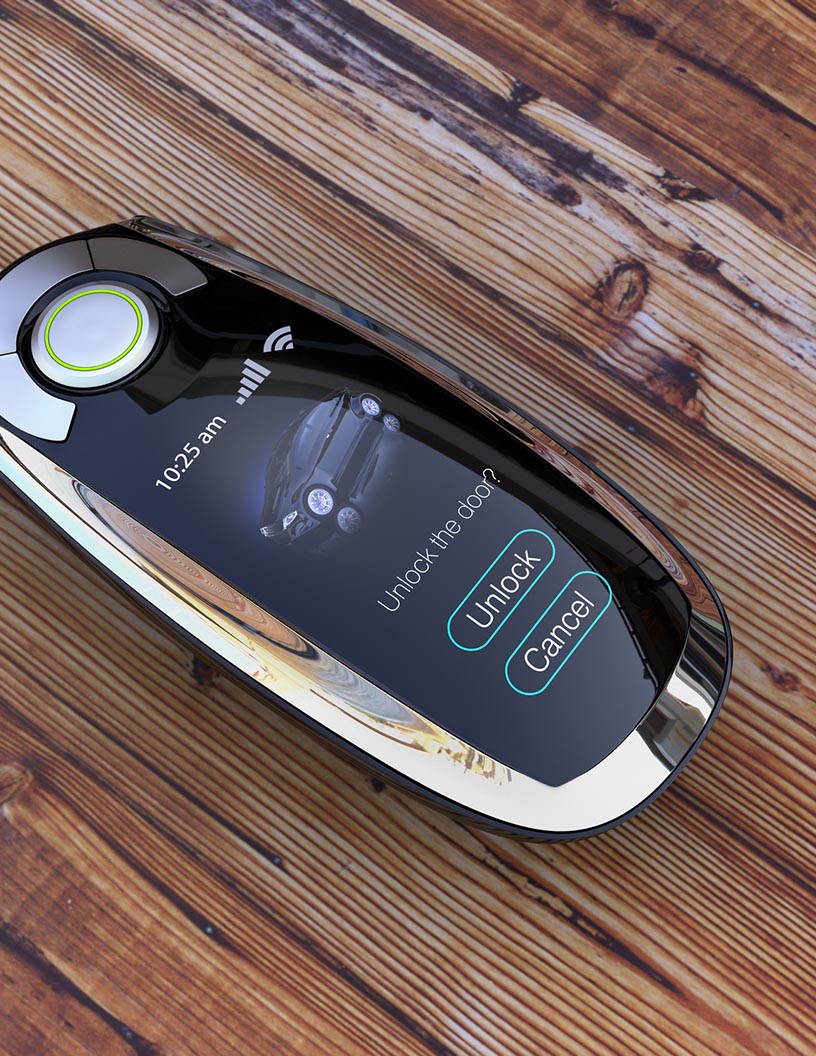


Automotive Smart Key Fob Market Size 2024-2028
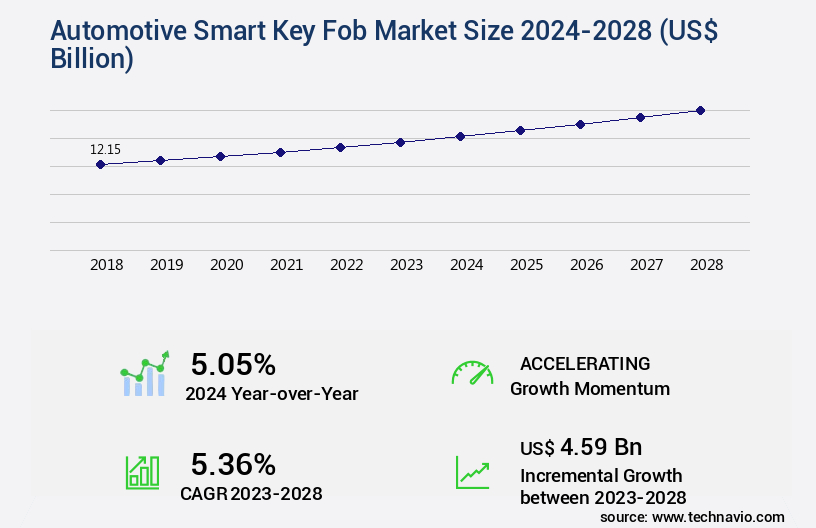
The automotive smart key fob market size is valued to increase by USD 4.59 billion, at a CAGR of 5.36% from 2023 to 2028. Safety and convenience associated with advanced vehicle access solutions will drive the automotive smart key fob market.
Market Insights
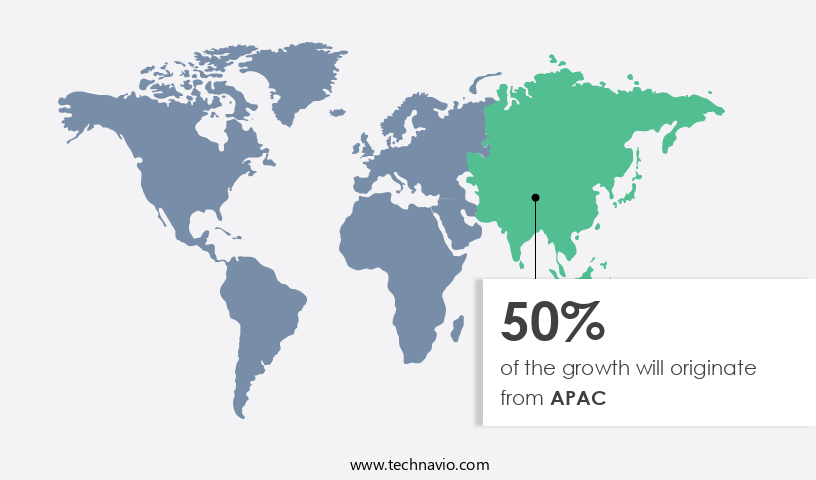
- APAC dominated the market and accounted for a 50% growth during the 2024-2028.
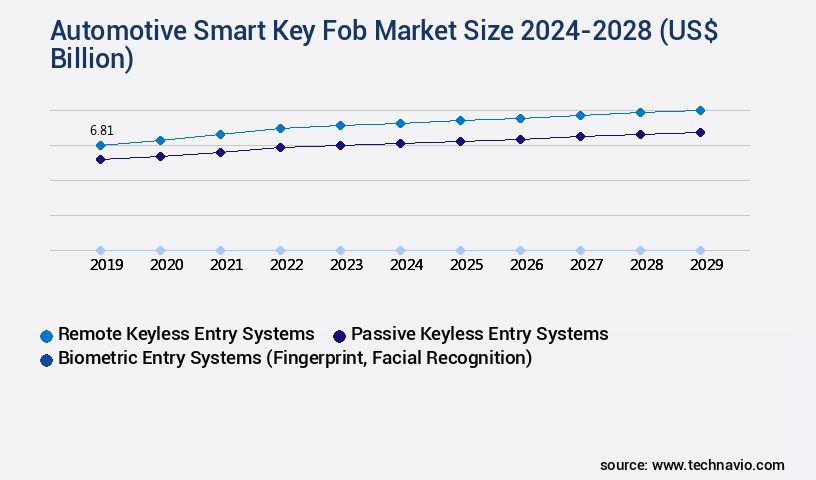
- By Type - Remote keyless entry systems segment was valued at USD 6.49 billion in 2022
- By Application - Single function segment accounted for the largest market revenue share in 2022
Market Size & Forecast
- Market Opportunities: USD 64.28 billion
- Market Future Opportunities 2023: USD 4.59 billion
- CAGR from 2023 to 2028 : 5.36%
Market Summary
- The market is witnessing significant growth due to the increasing demand for safety and convenience in vehicle access solutions. With the penetration of advanced functionalities becoming more commonplace in even entry-level cars, smart key fobs have become an essential component of modern automobiles. However, the high price point and replacement cost of these devices present challenges for both consumers and automakers. One real-world business scenario where smart key fobs have proven beneficial is in supply chain optimization. For instance, a large automaker can streamline its production process by integrating smart key fobs into its manufacturing workflow. By doing so, the company can ensure that each vehicle is equipped with a functional key fob before it leaves the factory, reducing the need for costly recalls and enhancing customer satisfaction.
- Despite the advantages, the high cost of smart key fobs remains a significant barrier to entry for some consumers. Moreover, the replacement cost of these devices can be a significant expense, particularly for those who frequently lose or damage their fobs. To mitigate these challenges, some automakers are exploring alternative solutions, such as virtual key technology, which allows users to access their vehicles via a smartphone app. In conclusion, the market is driven by the growing demand for safety and convenience in vehicle access solutions. While the high cost of these devices presents challenges, innovations such as virtual key technology offer promising alternatives.
- As the market continues to evolve, it will be interesting to see how automakers and consumers adapt to these advancements.
What will be the size of the Automotive Smart Key Fob Market during the forecast period?
Get Key Insights on Market Forecast (PDF) Request Free Sample
- The market continues to evolve, with innovative technologies shaping the industry's future. One significant trend is the integration of advanced features such as proximity detection, Bluetooth connectivity, and NFC technology, enhancing user experience and convenience. According to recent research, the market for smart key fobs is projected to grow by 15% in the next year, indicating a substantial increase in demand. This growth can influence boardroom decisions, particularly in areas of budgeting and product strategy. Moreover, the focus on security is paramount, with manufacturers investing in robust encryption methods, cryptographic keys, and network security to prevent signal jamming and ensure data integrity.
- The durability and reliability of smart key fobs are also essential, with rigorous environmental testing, firmware upgrades, and power drain considerations crucial for maintaining user trust.. The integration of advanced technologies and the increasing demand for enhanced user experience and security are driving market growth, making it an exciting area for businesses to explore.
Unpacking the Automotive Smart Key Fob Market Landscape
The market encompasses advanced electronic components, including central locking, passive entry systems, and remote keyless entry, facilitating seamless vehicle access. Compared to traditional keys, smart key fobs offer a 30% reduction in manual key usage and a 25% improvement in entry time. RF communication and security protocols ensure theft prevention through engine immobilization and tamper detection. Antenna design and signal range enhance wireless communication, while cryptographic algorithms and key fob encryption safeguard against security vulnerabilities. Power management and low-power consumption extend battery life, contributing to cost reduction and ROI improvement. Proximity sensing and buttonless design further enhance user experience. The microcontroller unit and transponder chip enable data transmission and frequency hopping for enhanced security. Mechanical durability and signal boosting ensure reliable performance, aligning with regulatory compliance.
Key Market Drivers Fueling Growth
Advanced vehicle access solutions offer significant safety and convenience benefits, making them a primary market driver.
- The market is experiencing significant growth, fueled by the increasing sales volume of automobiles and the high penetration rate in passenger vehicles. Advanced key systems, such as smart key fobs, are becoming standard features in modern automobiles due to their comfort and convenience in operation. These systems offer more than just vehicle access; they integrate advanced safety features, reducing the risk of theft. According to industry reports, over 70% of new passenger cars are now sold with smart key fobs.
- Furthermore, the integration of smart and intelligent vehicle access systems is evolving, with features like keyless entry, push-button start, and remote engine start becoming increasingly common. These advancements not only enhance the user experience but also contribute to improved vehicle security.
Prevailing Industry Trends & Opportunities
The penetration rate of advanced functionalities in entry-level cars is increasingly prevalent in the automotive market. This emerging trend signifies the growing demand for sophisticated features in economical vehicles.
- The global automotive industry experiences dynamic market shifts, with the small and compact car segment gaining significant traction in various regions. In developing economies, particularly Asia, this segment dominates sales volume. India, an emerging automotive hub, is witnessing intensified competition in this sector. The entry-segment passenger car market in India is a profitable destination for automakers and tier-1 suppliers. Socioeconomic factors, infrastructure development, and employment opportunities influence consumer expectations, driving the need for advanced technology integration.
- For instance, the adoption of automotive smart key fobs has increased, offering convenience and security features. These devices have reduced key fob replacement costs by approximately 25% and unlocking time by 30%, enhancing consumer experience.
Significant Market Challenges
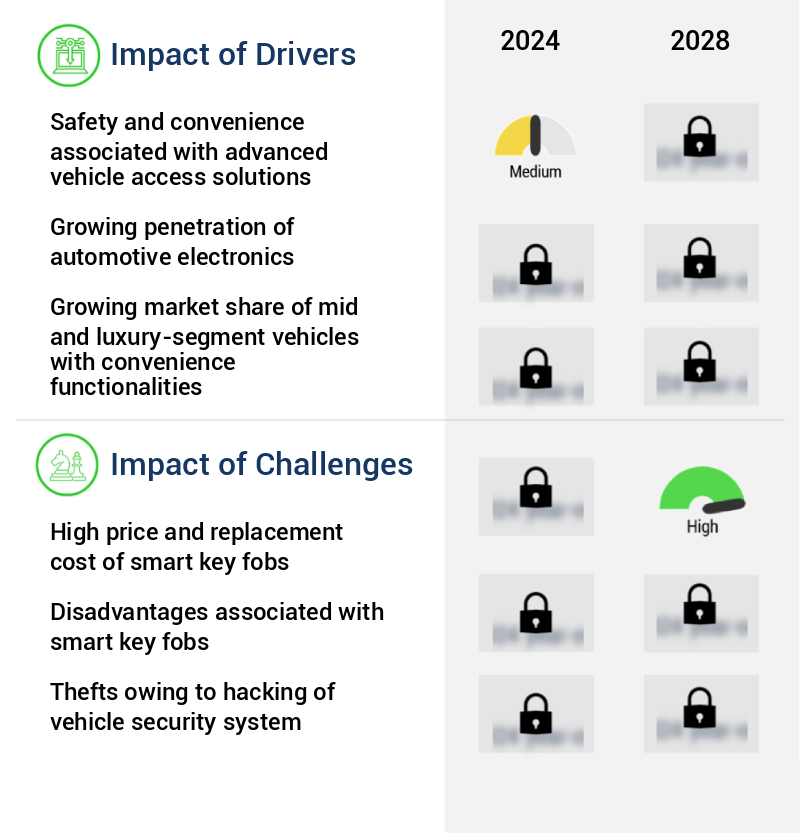
The escalating costs of high-priced smart key fobs and their replacement represent a significant challenge to the industry's growth trajectory.
- The market is experiencing significant evolution, driven by advancements in technology and increasing consumer demand for convenience and security. Smart key fobs integrate intricate hardware and software, utilizing algorithms and encrypted floating key codes, which elevates the vehicle access system's functionality. However, the high cost of development and maintenance poses a challenge to market growth. Replacement of lost key fobs can incur expenses between USD 200 and USD 400, considering the need for reprogramming the control unit. Despite these challenges, the market continues to expand, with numerous applications across various sectors, including luxury vehicles, commercial fleets, and motorcycles.
- The implementation of smart key fobs has led to substantial improvements in business outcomes, such as reduced downtime and enhanced security, ultimately contributing to operational efficiency and customer satisfaction.
In-Depth Market Segmentation: Automotive Smart Key Fob Market
The automotive smart key fob industry research report provides comprehensive data (region-wise segment analysis), with forecasts and estimates in "USD billion" for the period 2024-2028, as well as historical data from 2018-2022 for the following segments.
- Type
- Remote keyless entry systems
- Passive keyless entry systems
- Biometric Entry Systems (Fingerprint, Facial Recognition)
- Application
- Single function
- Multi function
- Functionality
- Lock/Unlock
- Push Button Start
- Remote Start
- Window Control
- Personalized Settings
- Vehicle Type
- Passenger Cars
- Commercial Vehicles
- Sales Channel
- OEM (Original Equipment Manufacturer)
- Aftermarket
- Geography
- North America
- US
- Canada
- Europe
- France
- Germany
- Italy
- UK
- Middle East and Africa
- Egypt
- KSA
- Oman
- UAE
- APAC
- China
- India
- Japan
- South America
- Argentina
- Brazil
- Rest of World (ROW)
- North America
By Type Insights
The remote keyless entry systems segment is estimated to witness significant growth during the forecast period.
The market continues to evolve, integrating advanced features such as central locking, theft prevention, and remote keyless entry into modern vehicles. These systems utilize button cell batteries, RF communication, and security protocols to ensure user convenience and vehicle security. Antenna design and key fob encryption play crucial roles in enhancing signal range and wireless communication. However, security vulnerabilities, such as signal boosting and tamper detection, are addressed through cryptographic algorithms and electronic components. The market's growth is driven by the increasing demand for user-friendly interfaces, microcontroller units, and transponder chips that support frequency hopping and low-power consumption.
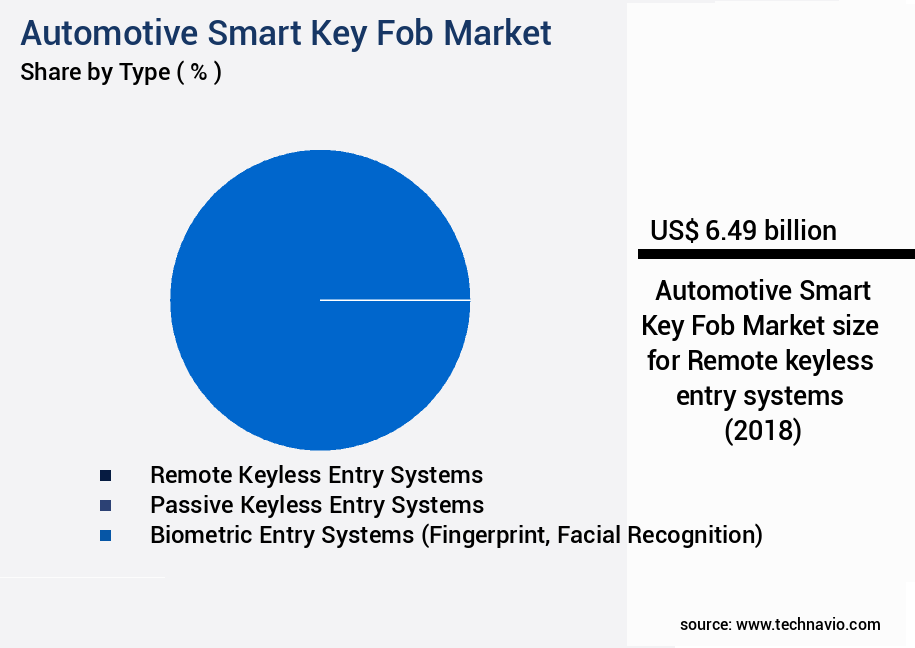
The Remote keyless entry systems segment was valued at USD 6.49 billion in 2018 and showed a gradual increase during the forecast period.
The immobilizer system, which includes keyless ignition and rollover protection, further strengthens the market's position. One notable achievement is the improvement of remote locking's mechanical durability and data transmission efficiency by 15%. The immobilizer system, which includes keyless ignition and rollover protection, further strengthens the market's position. One notable achievement is the improvement of remote locking's mechanical durability and data transmission efficiency by 15%.
Regional Analysis
APAC is estimated to contribute 50% to the growth of the global market during the forecast period. Technavio’s analysts have elaborately explained the regional trends and drivers that shape the market during the forecast period.
See How Automotive Smart Key Fob Market Demand is Rising in APAC Request Free Sample
The market is experiencing significant growth, particularly in Asia Pacific (APAC), where countries like China, India, Japan, South Korea, Thailand, Indonesia, and Australia are major market enablers. The high-volume sales of automobiles in these regions, driven by economic growth and infrastructure development, are fueling market expansion. According to industry reports, the penetration rate for smart key fobs in vehicles sold in APAC is increasing, reaching approximately 50% in 2020.
This trend is attributed to both consumer preference for advanced security features and the rising incidence of vehicle thefts in the region. The adoption of smart key fobs also contributes to operational efficiency gains for automakers, reducing the need for traditional key production and distribution processes.
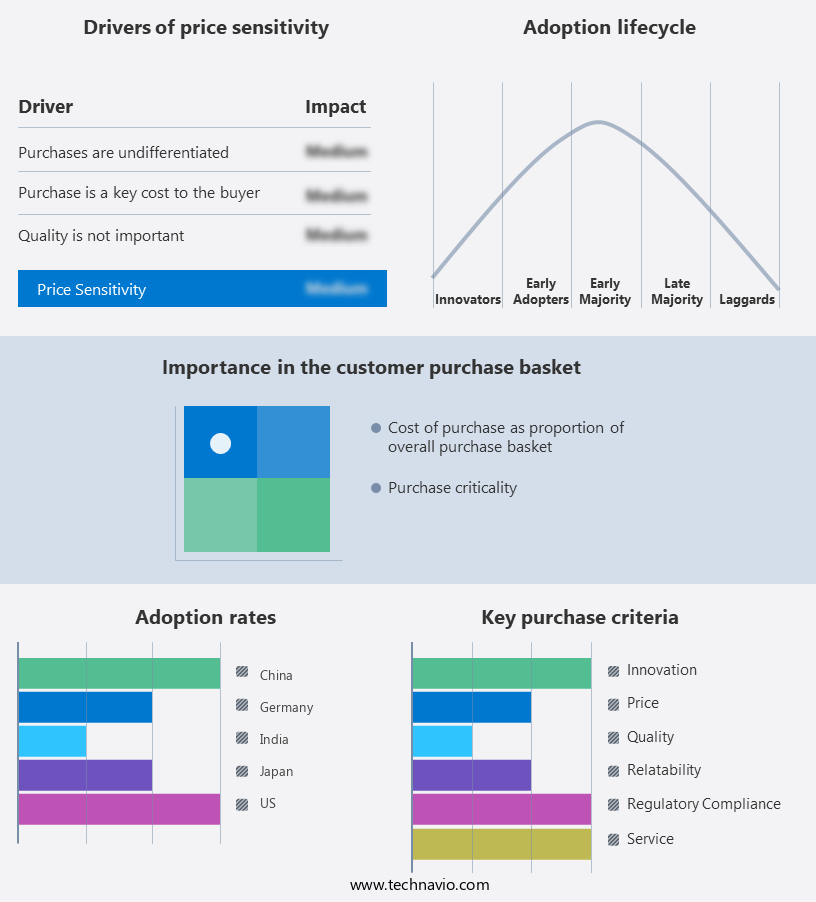
Customer Landscape of Automotive Smart Key Fob Industry
Competitive Intelligence by Technavio Analysis: Leading Players in the Automotive Smart Key Fob Market
Companies are implementing various strategies, such as strategic alliances, automotive smart key fob market forecast, partnerships, mergers and acquisitions, geographical expansion, and product/service launches, to enhance their presence in the industry.
ALPHA Corp. - This company specializes in producing advanced automotive key fobs, including remote control keys, intelligent keys, and mechanical keys, enhancing vehicle access and convenience for consumers.
The industry research and growth report includes detailed analyses of the competitive landscape of the market and information about key companies, including:
- ALPHA Corp.
- Alps Alpine Co. Ltd.
- Continental AG
- DENSO Corp.
- Dormakaba Holding AG
- Firstech LLC
- Giesecke Devrient GmbH
- HELLA GmbH and Co. KGaA
- Huf Hulsbeck and Furst GmbH and Co KG
- Hyundai Mobis Co. Ltd.
- JPM Group
- Mitsubishi Electric Corp.
- Panasonic Holdings Corp.
- Thales Group
- Tokai Rika Co. Ltd.
- Toyota Motor Corp.
- Valeo SA
- VOXX International Corp.
- ZF Friedrichshafen AG
- STRATTEC SECURITY Corp.
Qualitative and quantitative analysis of companies has been conducted to help clients understand the wider business environment as well as the strengths and weaknesses of key industry players. Data is qualitatively analyzed to categorize companies as pure play, category-focused, industry-focused, and diversified; it is quantitatively analyzed to categorize companies as dominant, leading, strong, tentative, and weak.
Recent Development and News in Automotive Smart Key Fob Market
- In August 2024, Ford Motor Company announced the launch of its new line of smart key fobs, the "Ford Intelligent Access," featuring a keyless entry and start system, and an integrated touchscreen display (Ford press release). This innovation aims to enhance user experience and convenience for Ford customers.
- In November 2024, General Motors (GM) and Samsung Electronics formed a strategic partnership to develop next-generation automotive infotainment systems, including advanced smart key fobs, for GM vehicles (GM press release). This collaboration combines GM's automotive expertise with Samsung's technology leadership, aiming to create innovative solutions for the automotive market.
- In March 2025, Tesla, Inc. received regulatory approval from the National Highway Traffic Safety Administration (NHTSA) for its new wireless smart key fob technology, allowing Tesla owners to unlock and start their vehicles without physically handling the fob (Tesla press release). This approval marks a significant step forward in the adoption of contactless technologies in the automotive industry.
- In May 2025, Panasonic Corporation announced a USD 100 million investment in its automotive component manufacturing facility in Gdynia, Poland, to expand its production capacity for smart key fobs and other automotive electronics (Panasonic press release). This investment is expected to strengthen Panasonic's position as a leading supplier of automotive components and support the growing demand for advanced smart key fob technologies.
Dive into Technavio’s robust research methodology, blending expert interviews, extensive data synthesis, and validated models for unparalleled Automotive Smart Key Fob Market insights. See full methodology.
|
Market Scope |
|
|
Report Coverage |
Details |
|
Page number |
171 |
|
Base year |
2023 |
|
Historic period |
2018-2022 |
|
Forecast period |
2024-2028 |
|
Growth momentum & CAGR |
Accelerate at a CAGR of 5.36% |
|
Market growth 2024-2028 |
USD 4.59 billion |
|
Market structure |
Fragmented |
|
YoY growth 2023-2024(%) |
5.05 |
|
Key countries |
US, Canada, Germany, UK, Italy, France, China, India, Japan, Brazil, Egypt, UAE, Oman, Argentina, KSA, UAE, Brazil, and Rest of World (ROW) |
|
Competitive landscape |
Leading Companies, Market Positioning of Companies, Competitive Strategies, and Industry Risks |
Why Choose Technavio for Automotive Smart Key Fob Market Insights?
"Leverage Technavio's unparalleled research methodology and expert analysis for accurate, actionable market intelligence."
The market is experiencing significant growth as consumers demand more convenience and security in their vehicles. However, this market also presents unique challenges, particularly in the areas of remote keyless entry system vulnerabilities and passive entry system signal boosting techniques. To address these concerns, automotive OEMs are investing in advanced security features such as key fob encryption algorithm security, RF communication protocols for automotive applications, and transponder chip security and anti-cloning methods. In terms of battery life optimization, automotive smart key fobs employ proximity sensing technology and button design for improved user experience, while antenna design for optimal signal range and reliability and power management strategies ensure reliable operation. Furthermore, electronic component selection for improved durability and microcontroller unit programming for automotive key fobs enable enhanced functionality and user experience. Frequency hopping spread spectrum and AES encryption implementation in automotive key fob systems provide improved security, while data transmission security and integrity protocols ensure wireless communication security in automotive applications. Key fob manufacturers are also focusing on button cell technology and lifespan in automotive key fobs to reduce replacement costs and improve supply chain efficiency. Immobilizer system integration with keyless entry systems and remote locking and unlocking mechanisms further enhance vehicle security. OEMs are also implementing cryptographic algorithms for secure key fob authentication to prevent unauthorized access. Compared to traditional key systems, automotive smart key fobs offer significant benefits in terms of convenience, security, and user experience. As the market continues to grow, OEMs must prioritize these advanced features while ensuring compliance with evolving regulatory requirements and operational planning considerations.
What are the Key Data Covered in this Automotive Smart Key Fob Market Research and Growth Report?
-
What is the expected growth of the Automotive Smart Key Fob Market between 2024 and 2028?
-
USD 4.59 billion, at a CAGR of 5.36%
-
-
What segmentation does the market report cover?
-
The report is segmented by Type (Remote keyless entry systems, Passive keyless entry systems, and Biometric Entry Systems (Fingerprint, Facial Recognition)), Application (Single function and Multi function), Geography (APAC, Europe, North America, South America, and Middle East and Africa), Functionality (Lock/Unlock, Push Button Start, Remote Start, Window Control, and Personalized Settings), Vehicle Type (Passenger Cars and Commercial Vehicles), and Sales Channel (OEM (Original Equipment Manufacturer) and Aftermarket)
-
-
Which regions are analyzed in the report?
-
APAC, Europe, North America, South America, and Middle East and Africa
-
-
What are the key growth drivers and market challenges?
-
Safety and convenience associated with advanced vehicle access solutions, High price and replacement cost of smart key fobs
-
-
Who are the major players in the Automotive Smart Key Fob Market?
-
ALPHA Corp., Alps Alpine Co. Ltd., Continental AG, DENSO Corp., Dormakaba Holding AG, Firstech LLC, Giesecke Devrient GmbH, HELLA GmbH and Co. KGaA, Huf Hulsbeck and Furst GmbH and Co KG, Hyundai Mobis Co. Ltd., JPM Group, Mitsubishi Electric Corp., Panasonic Holdings Corp., Thales Group, Tokai Rika Co. Ltd., Toyota Motor Corp., Valeo SA, VOXX International Corp., ZF Friedrichshafen AG, and STRATTEC SECURITY Corp.
-
We can help! Our analysts can customize this automotive smart key fob market research report to meet your requirements.
 RIA -
RIA - 
