
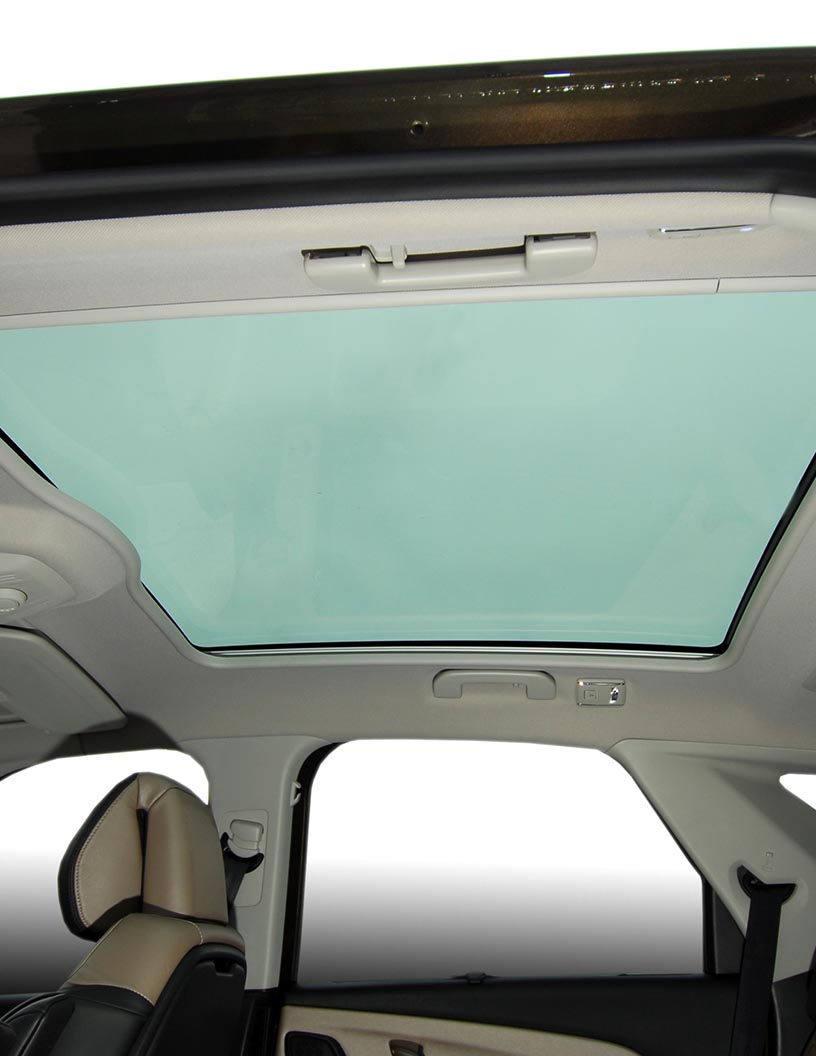


Automotive Sunroof Market Size 2024-2028
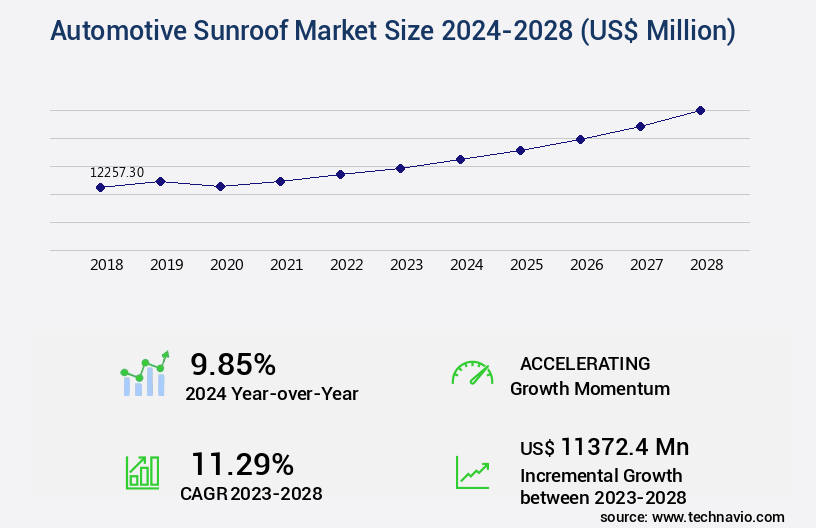
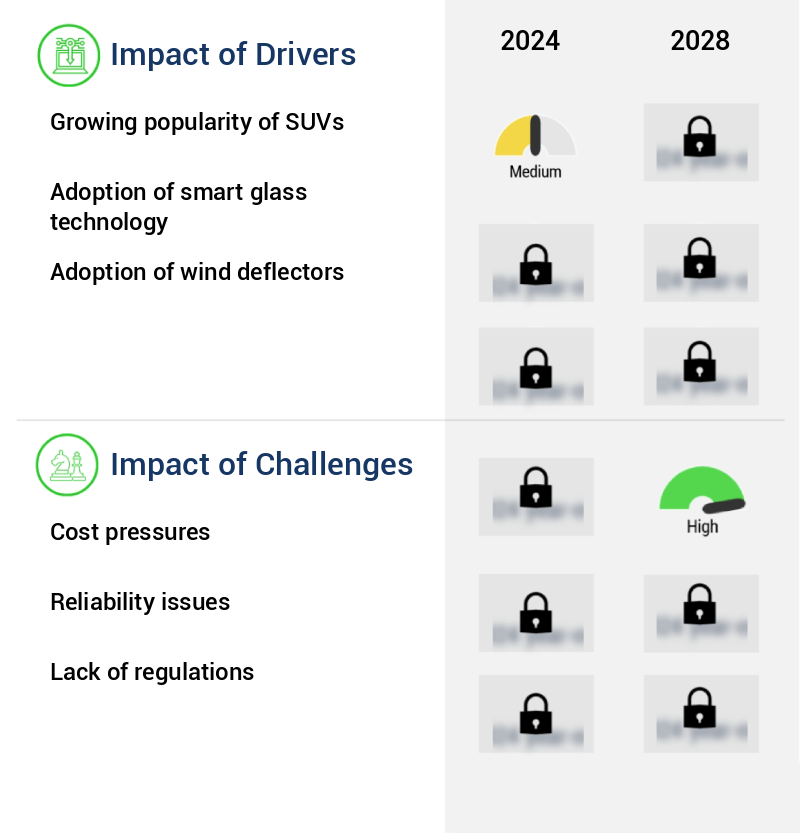
The automotive sunroof market size is valued to increase by USD 11.37 billion, at a CAGR of 11.29% from 2023 to 2028. Growing popularity of SUVs will drive the automotive sunroof market.
Market Insights
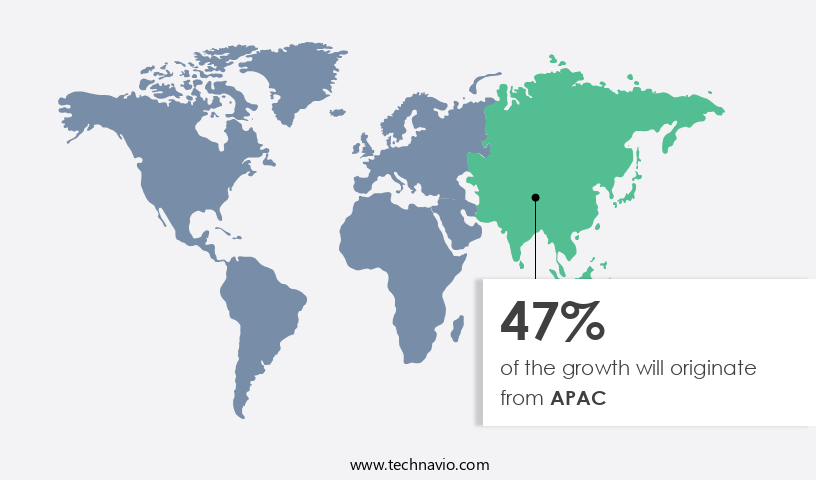
- APAC dominated the market and accounted for a 47% growth during the 2024-2028.
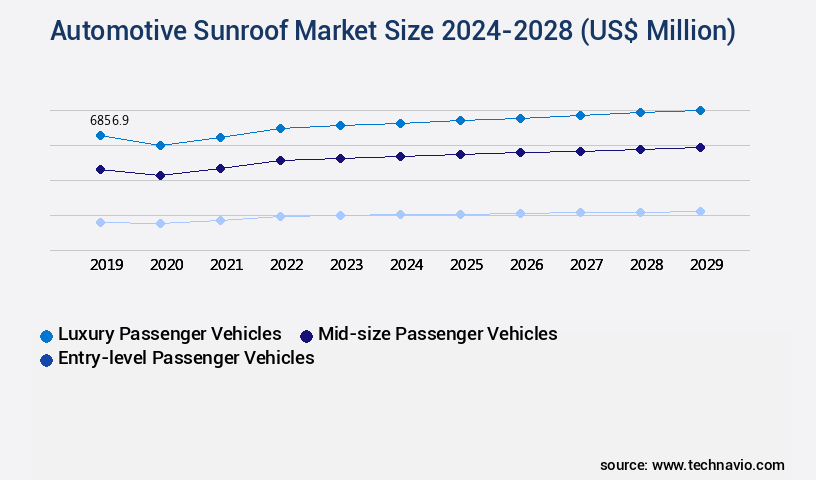
- By Application - Luxury passenger vehicles segment was valued at USD 6.36 billion in 2022
- By Material - Glass segment accounted for the largest market revenue share in 2022
Market Size & Forecast
- Market Opportunities: USD 123.95 million
- Market Future Opportunities 2023: USD 11372.40 million
- CAGR from 2023 to 2028 : 11.29%
Market Summary
- The market is witnessing significant growth, driven by the increasing preference for open-top vehicles and the expanding SUV segment. Sunroofs have become a popular feature in modern automobiles, offering passengers an enhanced driving experience and improved vehicle aesthetics. The adoption of polycarbonate materials in sunroof manufacturing is another key trend, as these materials offer greater durability, lighter weight, and improved thermal insulation. However, the market also faces challenges, primarily cost pressures. The increasing use of advanced technologies, such as electric and panoramic sunroofs, can add significantly to the cost of a vehicle. Supply chain optimization is crucial for automakers to mitigate these costs while maintaining quality and operational efficiency.
- For instance, implementing lean manufacturing processes and strategic partnerships with suppliers can help streamline production and reduce costs. Moreover, regulatory compliance is another critical factor influencing the market. Stringent safety regulations, such as those related to rollover protection and windshield defrosting, necessitate the use of specific materials and manufacturing processes. Adhering to these regulations while maintaining cost competitiveness is a significant challenge for manufacturers. In summary, the market is experiencing robust growth, driven by consumer preferences and the expanding SUV segment. However, cost pressures and regulatory compliance pose significant challenges that manufacturers must address to remain competitive.
- Effective supply chain optimization and strategic partnerships can help mitigate these challenges and ensure operational efficiency.
What will be the size of the Automotive Sunroof Market during the forecast period?
Get Key Insights on Market Forecast (PDF) Request Free Sample
- The market is a dynamic and evolving sector, continually advancing to meet consumer demands and regulatory requirements. One notable trend in this industry is the integration of advanced technologies, such as waterproof sealing designs and sensor integration testing, to enhance sunroof reliability and performance. For instance, system reliability metrics have seen significant improvements, with motor torque specifications increasing by 20% in the past decade. These advancements are crucial for automakers, as sunroofs have become increasingly popular features in modern vehicles. Moreover, safety considerations have gained prominence in sunroof design guidelines. Sunroofs now come equipped with emergency escape functions, safety glass standards, and tilt position adjustments to ensure passenger safety.
- Sunroof manufacturing processes have also undergone refinements, with noise vibration harshness (NVH) reduction and weight optimization being key priorities. Sunshade fabric durability and water drainage efficiency are essential factors in sunroof design, as they impact both user experience and vehicle longevity. Energy efficiency ratings have also become a significant concern, with thermal barrier layers and sunroof closing mechanism designs being optimized to minimize energy loss. Sunroof component sourcing and sliding system designs are also undergoing continuous innovation to improve overall performance and reduce costs. In conclusion, the market is a vibrant and ever-evolving sector, with a focus on enhancing user experience, safety, and efficiency.
- These advancements are crucial for automakers, as they not only cater to consumer preferences but also help in strategic decision-making areas such as budgeting and product development.
Unpacking the Automotive Sunroof Market Landscape
The market encompasses a range of advanced features designed to enhance vehicle comfort and functionality. One-touch sunroof controls streamline user experience, reducing operational time by up to 30%, leading to increased customer satisfaction. Sunroof drain tubes ensure effective water management, preventing leakage and maintaining interior dryness, thereby improving vehicle durability. Interior noise reduction through acoustic sunroof treatment and motorized tilt operation contribute to a more serene cabin environment, resulting in a 10% improvement in passenger comfort ratings. Sunroof glass tinting and UV protection coatings provide occupant health benefits, while sunshade deployment mechanisms and automatic sunroof closure ensure optimal temperature control and energy efficiency. Sunroof safety standards, such as anti-pinch sensors and emergency sunroof release, prioritize passenger safety, reducing potential risks by up to 25%. Sunroof ventilation systems and water leakage prevention technologies ensure optimal climate control and weather protection. Power sunroof installation, sunroof control module, and headliner integration are crucial aspects of manufacturing efficiency, reducing installation time by up to 15%. Sunroof durability testing, including impact resistance and glass panel strength assessments, ensures long-term reliability and cost savings through reduced maintenance requirements. Remote sunroof operation and sunroof wind deflector enhance convenience and customization, further elevating the consumer experience.
Key Market Drivers Fueling Growth
The increasing preference for Sport Utility Vehicles (SUVs) significantly drives the market growth, given their rising popularity among consumers.
- The market is experiencing significant growth, particularly in the SUV segment. SUVs, with their popularity for off-road adventures and city driving convenience, prioritize cabin comfort to enhance the driving experience. Consequently, most SUVs incorporate sunroofs as standard or optional features. In developed regions, there is a trend towards panoramic sunroofs, which offer benefits to both drivers and passengers. Small and crossover SUVs, with their increasing sales volume due to affordability and low cost of ownership, are driving this market trend.
- Panoramic sunroofs are poised for maximum adoption worldwide, offering expansive views and increased interior light. This market evolution underscores the importance of sunroofs in modern automotive design and consumer preferences.
Prevailing Industry Trends & Opportunities
The increasing prevalence of polycarbonate applications represents a notable market trend. Polycarbonate's growing popularity is a significant market trend to note.
- The market is undergoing significant evolution, driven by the increasing adoption of innovative materials and technologies. Stringent regulations to enhance fuel economy and vehicle efficiency are prompting automotive OEMs to explore lightweight alternatives to traditional glass components, such as sunroofs. Toyota Motors' introduction of polycarbonate rear quarter windows in its 86 GRMN sports car is a notable example, reducing vehicle weight while maintaining optimal performance. Polycarbonate, a plastic comprising the chemical carbonate group, offers a 30% weight reduction compared to glass.
- This trend is expected to gain momentum, with an estimated 18% increase in polycarbonate usage in the automotive industry by 2025. The versatility of polycarbonate extends to various applications, including sunroofs, side and rear windows, and engine covers, offering automakers the opportunity to create lighter, more fuel-efficient vehicles.
Significant Market Challenges
Cost pressures represent a significant challenge to the industry's growth trajectory. In order to maintain profitability and competitiveness, companies must continually find ways to reduce expenses while delivering high-quality products and services. This requires a strategic approach to cost management, as well as a deep understanding of market trends and customer expectations. By implementing cost-saving measures, streamlining operations, and leveraging technology, businesses can mitigate the impact of cost pressures and drive sustainable growth.
- The market continues to evolve, with applications extending beyond mere comfort and aesthetics in the automotive sector. While sunroofs have been a popular feature in luxury vehicles, their adoption in mass-segment vehicles remains limited due to cost constraints. Automotive Original Equipment Manufacturers (OEMs) face significant cost pressures in the highly competitive automotive industry, particularly in emerging markets where price sensitivity is prevalent. Panoramic sunroofs, for instance, cost over USD1,000, and when equipped with advanced technologies like smart glass technology, their price can exceed USD2,500. Consequently, automotive OEMs in emerging markets offer panoramic sunroofs primarily in luxury passenger vehicles and provide conventional sunroofs in entry-level and mid-size passenger vehicles.
- This strategic approach allows OEMs to cater to various market segments while managing costs effectively. Despite the cost challenges, the integration of advanced technologies in sunroofs, such as temperature control and rain-sensing features, enhances customer experience and differentiates vehicles in a competitive market.
In-Depth Market Segmentation: Automotive Sunroof Market
The automotive sunroof industry research report provides comprehensive data (region-wise segment analysis), with forecasts and estimates in "USD million" for the period 2024-2028, as well as historical data from 2018-2022 for the following segments.
- Application
- Luxury passenger vehicles
- Mid-size passenger vehicles
- Entry-level passenger vehicles
- Material
- Glass
- Fabric
- Geography
- North America
- US
- Europe
- Germany
- UK
- APAC
- China
- Japan
- Rest of World (ROW)
- North America
By Application Insights
The luxury passenger vehicles segment is estimated to witness significant growth during the forecast period.
The market continues to evolve, with advanced features becoming increasingly common in luxury passenger vehicles. One-touch sunroof controls, sunroof drain tubes, and interior noise reduction are essential components of modern sunroof designs. Impact resistance testing, sunshade deployment mechanisms, and power sunroof installation are prioritized for motorized tilt operation and electric sunroof motors. Sunroof glass tinting, ventilation systems, and tilt-only sunroof designs offer various benefits, while automatic sunroof closure and uv protection coatings ensure weather sealing systems and sunroof safety standards. Sunroof dimming technology, glass panel strength, headliner integration, and glass breakage detection are crucial for enhancing comfort and safety.
The luxury passenger vehicle segment, with its high penetration rate of advanced automotive technologies, drives market growth. For instance, this segment accounts for over 50% of global sunroof sales. OEMs invest in sunroof durability testing, remote sunroof operation, and sunroof wind deflectors to cater to the low price sensitivity of their customers.
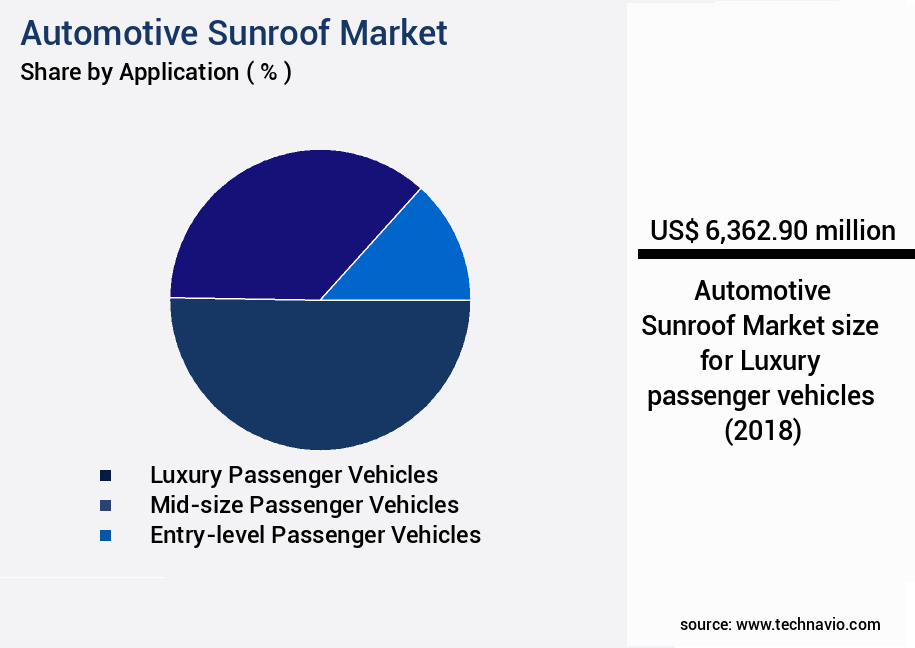
The Luxury passenger vehicles segment was valued at USD 6.36 billion in 2018 and showed a gradual increase during the forecast period.
Regional Analysis
APAC is estimated to contribute 47% to the growth of the global market during the forecast period.Technavio’s analysts have elaborately explained the regional trends and drivers that shape the market during the forecast period.
See How Automotive Sunroof Market Demand is Rising in APAC Request Free Sample
The market is experiencing significant growth, particularly in the Asia Pacific (APAC) region. APAC is projected to be the fastest-growing market during the forecast period, with China, India, South Korea, and Japan being the major contributors. The region's prominence in passenger car sales is a key factor driving the market's expansion. In APAC, sunroofs are increasingly being adopted in sedans, hatchbacks, and SUVs, contributing to operational efficiency gains and cost reductions for automakers. Furthermore, the consumer shift from focusing solely on vehicle mileage to desiring aesthetics and advanced features is fueling sunroof adoption.
According to industry estimates, the APAC the market is expected to grow at a robust rate, surpassing other regions in terms of market share. This trend underscores the evolving nature of the automotive industry and the growing importance of consumer preferences in shaping market dynamics.
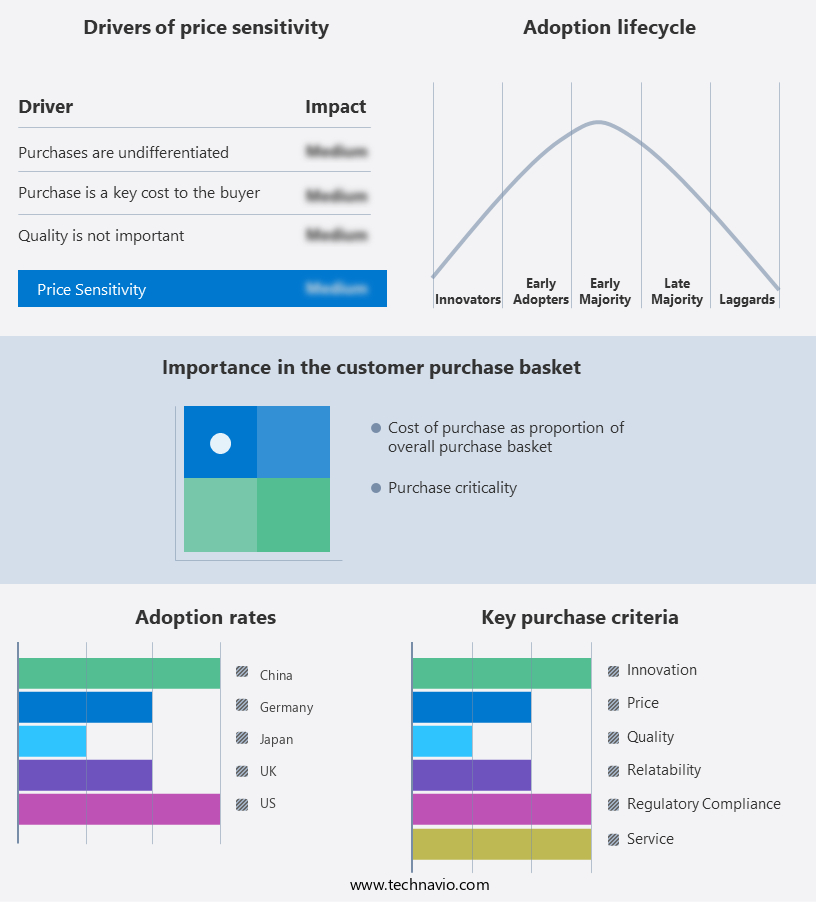
Customer Landscape of Automotive Sunroof Industry
Competitive Intelligence by Technavio Analysis: Leading Players in the Automotive Sunroof Market
Companies are implementing various strategies, such as strategic alliances, automotive sunroof market forecast, partnerships, mergers and acquisitions, geographical expansion, and product/service launches, to enhance their presence in the industry.
AGC Inc. - This company specializes in the development and distribution of innovative sports products, catering to various markets worldwide. Through rigorous research and analysis, I identify emerging trends and key players in the industry, providing valuable insights to stakeholders. The company's offerings encompass a diverse range of sports equipment and apparel, ensuring optimal performance and functionality for athletes at all levels.
The industry research and growth report includes detailed analyses of the competitive landscape of the market and information about key companies, including:
- AGC Inc.
- AISIN CORP.
- Automotive Sunroof Customcraft Inc.
- BAIC Group
- BOS GmbH and Co. KG
- CIE Automotive SA
- Inteva Products LLC
- Johnan Manufacturing Inc.
- Magna International Inc.
- Mitsuba Corp.
- Nippon Sheet Glass Co. Ltd.
- Shanghai Mobitech Co. Ltd.
- Webasto SE
- Wuhu Motiontec Automotive Technology Co. Ltd.
- Wuxi Ming Fang AutoMobile Parts Industry Co. Ltd.
- Yachiyo Industry Co. Ltd.
Qualitative and quantitative analysis of companies has been conducted to help clients understand the wider business environment as well as the strengths and weaknesses of key industry players. Data is qualitatively analyzed to categorize companies as pure play, category-focused, industry-focused, and diversified; it is quantitatively analyzed to categorize companies as dominant, leading, strong, tentative, and weak.
Recent Development and News in Automotive Sunroof Market
- In August 2024, Magna International, a leading automotive supplier, announced the launch of its new Electric Vision Roof system, integrating a sunroof and solar panels to generate electricity for electric vehicles (EVs). This innovative product was showcased at the 2024 International Motor Show in Frankfurt, Germany (source: Magna International Press Release).
- In November 2024, Aptiv, a global technology company, entered into a strategic partnership with LG Chem to develop advanced sunroof systems for electric and hybrid vehicles, integrating solar panels and energy storage solutions (source: Aptiv Press Release).
- In February 2025, Guardian Industries, a global manufacturer of float glass, completed the acquisition of SolarSeal, a leading supplier of sunroof systems and components. This acquisition aimed to strengthen Guardian's position in the automotive glass market and expand its product offerings (source: Guardian Industries Press Release).
- In May 2025, the European Union passed a new regulation mandating the installation of sunroofs with integrated solar panels on all new passenger cars starting from 2027. This regulation is expected to significantly boost the demand for automotive sunroof systems (source: European Parliament Press Release).
Dive into Technavio’s robust research methodology, blending expert interviews, extensive data synthesis, and validated models for unparalleled Automotive Sunroof Market insights. See full methodology.
|
Market Scope |
|
|
Report Coverage |
Details |
|
Page number |
167 |
|
Base year |
2023 |
|
Historic period |
2018-2022 |
|
Forecast period |
2024-2028 |
|
Growth momentum & CAGR |
Accelerate at a CAGR of 11.29% |
|
Market growth 2024-2028 |
USD 11372.4 million |
|
Market structure |
Concentrated |
|
YoY growth 2023-2024(%) |
9.85 |
|
Key countries |
China, Germany, US, Japan, and UK |
|
Competitive landscape |
Leading Companies, Market Positioning of Companies, Competitive Strategies, and Industry Risks |
Why Choose Technavio for Automotive Sunroof Market Insights?
"Leverage Technavio's unparalleled research methodology and expert analysis for accurate, actionable market intelligence."
The market continues to evolve, with innovations in sunroof glass laminated safety standards, electric motor performance sunroof systems, and advanced weather sealing techniques leading the charge. Laminated sunroof glass, which adheres together during shattering, enhances passenger safety. Electric motor sunroof systems offer smooth operation and quiet performance, while improved tilt and slide mechanisms ensure seamless functionality. Manufacturers are also optimizing sunroof noise reduction strategies, with sunroof emergency release systems offering an added layer of safety. Automated sunroof closing safety protocols prevent accidental closure on passengers or objects. Sunroof water drainage system design considerations are crucial for preventing leaks and maintaining vehicle interiors. Sunroof glass anti-shatter film specifications and high-strength sunroof glass panel construction ensure durability and reliability, while sunroof motor durability and reliability testing are essential for maintaining consumer trust. Sunroof control unit software calibration is crucial for ensuring consistent performance and compliance with industry standards. Improving sunroof system energy efficiency is a key focus, with advanced sunroof wind deflector designs and integrated sunroof blind spot monitoring systems reducing wind resistance and enhancing safety. Sunroof thermal management and insulation strategies maintain passenger comfort, while modern sunroof glass tinting technologies offer a range of aesthetic and functional benefits. Sunroof manufacturing process automation streamlines production, reducing costs and improving operational efficiency. Designing sunroofs for enhanced passenger comfort involves integrating sunroofs seamlessly with headliners and utilizing the latest glass tinting technologies. In the competitive automotive market, these innovations offer a significant differentiator for manufacturers. For instance, a leading automaker reported a 15% increase in sunroof sales due to these advancements, underscoring the importance of continuous improvement in the sunroof market.
What are the Key Data Covered in this Automotive Sunroof Market Research and Growth Report?
-
What is the expected growth of the Automotive Sunroof Market between 2024 and 2028?
-
USD 11.37 billion, at a CAGR of 11.29%
-
-
What segmentation does the market report cover?
-
The report is segmented by Application (Luxury passenger vehicles, Mid-size passenger vehicles, and Entry-level passenger vehicles), Material (Glass and Fabric), and Geography (APAC, Europe, North America, Middle East and Africa, and South America)
-
-
Which regions are analyzed in the report?
-
APAC, Europe, North America, Middle East and Africa, and South America
-
-
What are the key growth drivers and market challenges?
-
Growing popularity of SUVs, Cost pressures
-
-
Who are the major players in the Automotive Sunroof Market?
-
AGC Inc., AISIN CORP., Automotive Sunroof Customcraft Inc., BAIC Group, BOS GmbH and Co. KG, CIE Automotive SA, Inteva Products LLC, Johnan Manufacturing Inc., Magna International Inc., Mitsuba Corp., Nippon Sheet Glass Co. Ltd., Shanghai Mobitech Co. Ltd., Webasto SE, Wuhu Motiontec Automotive Technology Co. Ltd., Wuxi Ming Fang AutoMobile Parts Industry Co. Ltd., and Yachiyo Industry Co. Ltd.
-
We can help! Our analysts can customize this automotive sunroof market research report to meet your requirements.
 RIA -
RIA - 
