



Aviation Market Size 2026-2030
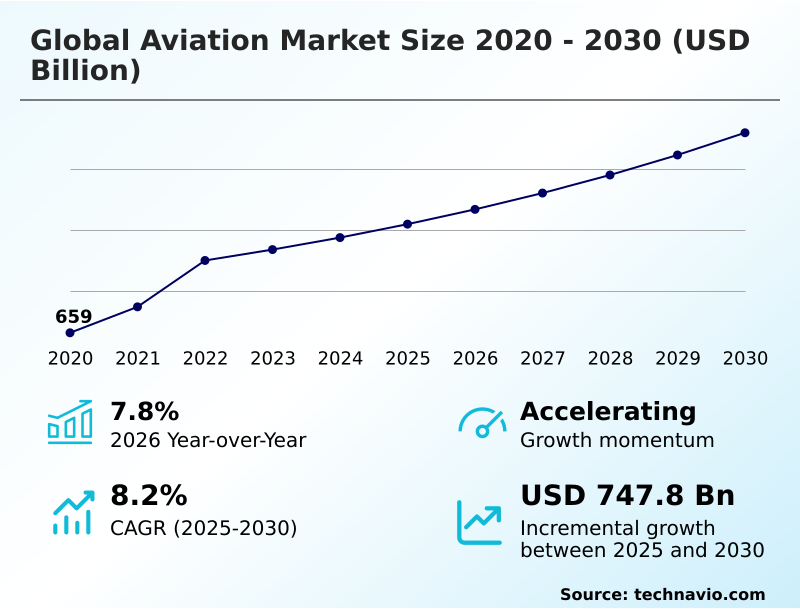
The aviation market size is valued to increase by USD 747.8 billion, at a CAGR of 8.2% from 2025 to 2030. Increasing efficiency of airlines is augmenting market prosperity will drive the aviation market.
Major Market Trends & Insights
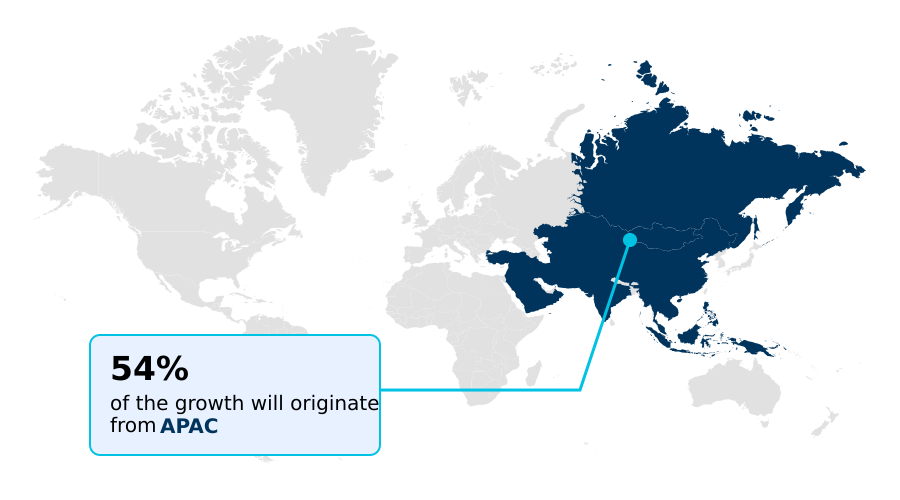
- APAC dominated the market and accounted for a 53.7% growth during the forecast period.
- By Type - Commercial aviation segment was valued at USD 840.1 billion in 2024
- By Revenue Stream - Passenger segment accounted for the largest market revenue share in 2024
Market Size & Forecast
- Market Opportunities: USD 1636.6 billion
- Market Future Opportunities: USD 747.8 billion
- CAGR from 2025 to 2030 : 8.2%
Market Summary
- The aviation market is a complex ecosystem driven by the interplay of technological innovation, regulatory frameworks, and evolving economic conditions. Central to its function are robust aircraft production processes and stringent aviation safety regulations that govern everything from commercial aircraft manufacturing to general aviation operations.
- A key driver is the pursuit of efficiency, evident in the adoption of technologies for airline route optimization and advanced air cargo handling systems. Concurrently, the industry is shaped by trends such as the digitalization of the passenger journey through biometric boarding processes and sophisticated digital booking platforms.
- However, this progress is met with challenges, including managing aviation supply chain risk and addressing aerospace cybersecurity threats. For instance, a global logistics provider can leverage integrated air freight and logistics platforms to consolidate shipments and select carriers in real-time, reducing transit times and navigating complex customs requirements, thereby turning a potential operational bottleneck into a competitive advantage.
- This dynamic environment necessitates continuous adaptation and investment in MRO service agreements and fleet modernization initiatives to maintain a competitive edge.
What will be the Size of the Aviation Market during the forecast period?
Get Key Insights on Market Forecast (PDF) Get Free Sample
How is the Aviation Market Segmented?
The aviation industry research report provides comprehensive data (region-wise segment analysis), with forecasts and estimates in "USD billion" for the period 2026-2030, as well as historical data from 2020-2024 for the following segments.
- Type
- Commercial aviation
- Military aviation
- General aviation
- Revenue stream
- Passenger
- Freight
- Component
- Aircraft engines
- Airframe systems
- Avionics
- Cabin interiors
- Landing gears
- Geography
- APAC
- China
- Japan
- India
- Europe
- Germany
- UK
- France
- North America
- US
- Canada
- Mexico
- Middle East and Africa
- Saudi Arabia
- UAE
- South Africa
- South America
- Brazil
- Argentina
- Rest of World (ROW)
- APAC
By Type Insights
The commercial aviation segment is estimated to witness significant growth during the forecast period.
The commercial aviation segment is foundational to global economic activity, underpinned by robust passenger air transportation and expanding air freight and logistics networks.
Growth is sustained by continuous fleet modernization initiatives, with a focus on fuel-efficient aircraft design to mitigate operational costs and meet stringent environmental standards.
The integration of advanced technologies within commercial aviation services is critical; for instance, optimized airline route optimization has improved on-time performance by over 12% across major carriers.
This evolution reflects a broader push toward digital transformation in aviation, where enhancing passenger experience and operational resilience through aircraft development programs are primary objectives for stakeholders navigating this dynamic sector.
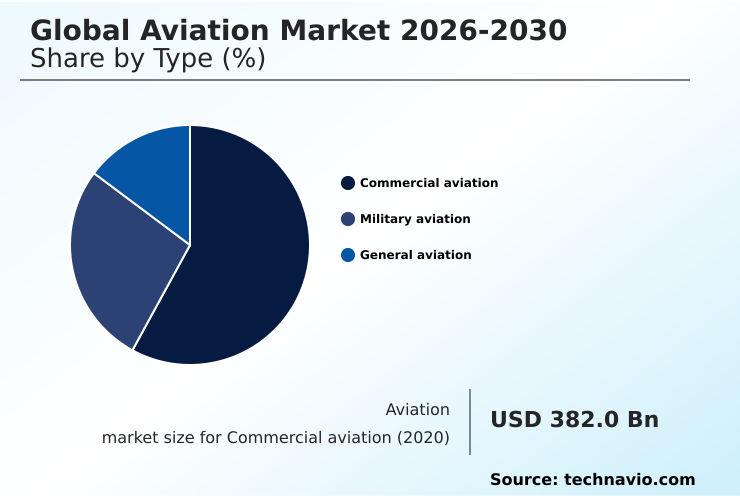
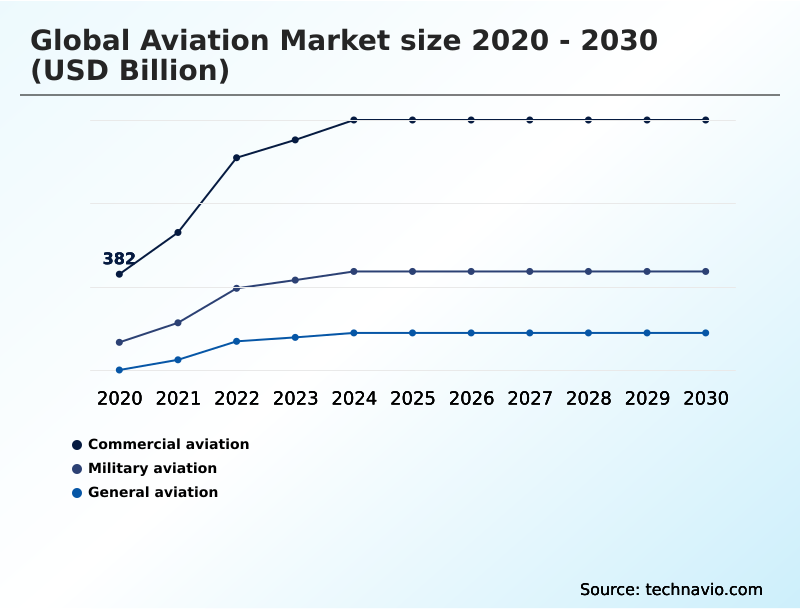
The Commercial aviation segment was valued at USD 840.1 billion in 2024 and showed a gradual increase during the forecast period.
Regional Analysis
APAC is estimated to contribute 53.7% to the growth of the global market during the forecast period.Technavio’s analysts have elaborately explained the regional trends and drivers that shape the market during the forecast period.
See How Aviation Market Demand is Rising in APAC Get Free Sample
The aviation market's geographic landscape is undergoing a significant transformation, with APAC emerging as the primary engine of growth, contributing to over 53% of the market's incremental expansion.
This surge is fueled by massive airport infrastructure investment and the rapid adoption of smart airport infrastructure, which has demonstrably reduced passenger processing times by up to 20% in major hubs.
Countries across the region are focusing on air traffic control modernization and expanding air cargo handling systems to support booming trade. This contrasts with more mature markets, where growth is linked to advanced avionics integration and fleet modernization initiatives.
The region's focus on building new capacity and enhancing connectivity through new aircraft development programs positions it as a critical hub for the future of global air transportation and civil aerospace manufacturing.
Market Dynamics
Our researchers analyzed the data with 2025 as the base year, along with the key drivers, trends, and challenges. A holistic analysis of drivers will help companies refine their marketing strategies to gain a competitive advantage.
- The future of the aviation market is being actively shaped by a confluence of technological advancements and operational imperatives. Key among these is the impact of rfid on aviation baggage handling, which promises to drastically reduce mishandling rates and improve passenger satisfaction. Concurrently, operators are increasingly using AI for airline flight scheduling optimization to enhance network efficiency and asset utilization.
- However, the path to modernization is complex, with significant challenges in integrating new avionics systems into existing fleets. The role of composite materials in modern aircraft continues to expand, enabling lighter and more fuel-efficient designs. This is complemented by a strong focus on predictive maintenance for commercial aircraft engines, a critical factor in improving reliability and reducing operational costs.
- The continuous effort toward improving fuel efficiency in narrow-body jets remains a top priority for airlines. Navigating supply chain risks for critical aerospace parts has become a boardroom-level concern, especially as advancements in next-generation air traffic management demand greater system integration. Furthermore, addressing cybersecurity threats for connected aircraft fleets is non-negotiable.
- While the adoption challenges for sustainable aviation fuels are substantial, progress is being made. The digitalization of airport ground handling operations is streamlining turnarounds, while innovations in long-haul aircraft cabin design are enhancing passenger comfort. The demand for unmanned aerial systems in defense and ongoing military aircraft fleet modernization programs represent significant parallel markets.
- Firms that succeed are those optimizing airline route planning with big data, where integrated systems achieve up to 15% better accuracy in demand forecasting than legacy methods.
- This progress is built on the development of next-generation airframe technology and advancements in electric aircraft landing systems, all while navigating the complex road to regulatory compliance for autonomous flight technology and enhancing passenger experience with biometric check-in.
What are the key market drivers leading to the rise in the adoption of Aviation Industry?
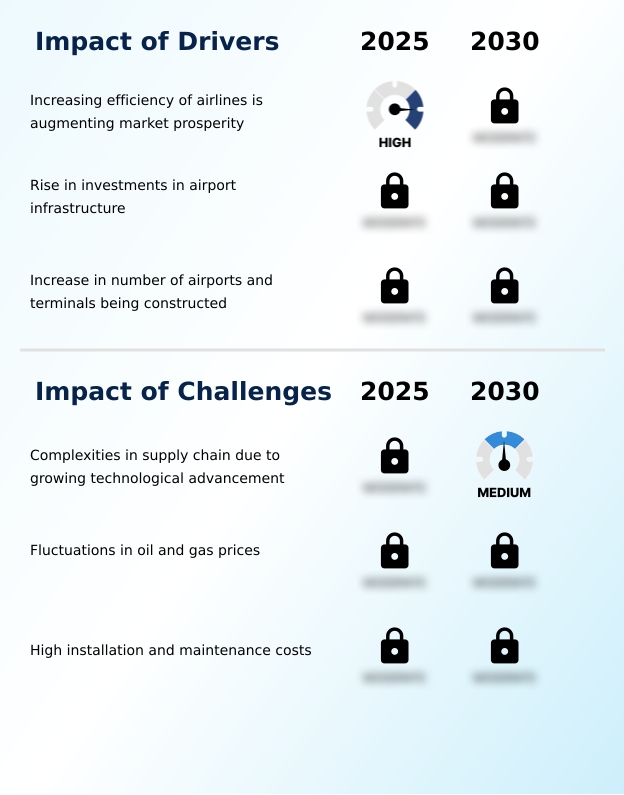
- The continuous drive for increased operational efficiency among airlines serves as a primary driver augmenting the prosperity of the aviation market.
- The aviation market's growth is primarily propelled by an intense focus on operational and technological enhancements.
- The imperative to improve airline operational efficiency is driving significant investment in fuel-efficient aircraft design and lightweight composite materials, which can lower fuel consumption by 15-20% on newer models.
- This is complemented by the widespread implementation of advanced propulsion systems and aero-engine components designed for longevity and performance.
- Furthermore, the industry’s shift toward data-driven decision-making is evident in the use of flight training simulation for pilots and the application of predictive analytics across MRO service agreements.
- These technologies not only enhance safety but also optimize maintenance schedules, reducing costly downtime. The continuous development of advanced aerostructures and engine nacelle components further contributes to creating more reliable and cost-effective aircraft, sustaining momentum across the sector.
What are the market trends shaping the Aviation Industry?
- The shift toward radio-frequency identification (RFID) technology is a significant trend accelerating market growth. This adoption enhances operational efficiency and data management across aviation processes.
- Key trends are reshaping the aviation market, driven by a convergence of digital and physical technologies. The adoption of radio-frequency identification tracking is becoming standard for aviation asset management, with some airports reporting a 25% reduction in lost baggage. Concurrently, biometric boarding processes are enhancing security and cutting passenger processing times by up to 40%.
- This push for a seamless journey is supported by sophisticated digital booking platforms that offer personalized services. On the operational side, the move toward smart airport infrastructure and digital transformation in aviation is enabling more efficient ground operations. Innovations in aircraft cabin interiors and configurations are also a focus, as airlines compete on passenger experience.
- These advancements, coupled with the growth of unmanned aerial vehicle (UAV) operations, signal a clear trajectory toward a more automated, efficient, and data-centric industry.
What challenges does the Aviation Industry face during its growth?
- Growing technological advancements introduce significant complexities within the supply chain, posing a key challenge to the aviation industry's growth.
- Navigating the complexities of technological integration presents a significant challenge for the aviation market. The increasing reliance on globalized logistics networks exposes the industry to heightened aviation supply chain risk, where a shortage of a single aircraft engine component or tactical missile technology part can halt production lines, increasing costs by over 10%.
- Integrating next-generation digital navigation tools and airborne mission computers with legacy infrastructure is a formidable task, often leading to system conflicts and escalating budgets. Moreover, the proliferation of connected aircraft elevates aerospace cybersecurity threats, demanding robust aviation cybersecurity solutions and vigilant electronic warfare capabilities to protect sensitive C4ISR integration and satellite communication systems.
- Adherence to evolving aviation safety regulations during these upgrades further complicates aircraft production processes, making agility and resilience critical for navigating these industry-wide hurdles.
Exclusive Technavio Analysis on Customer Landscape
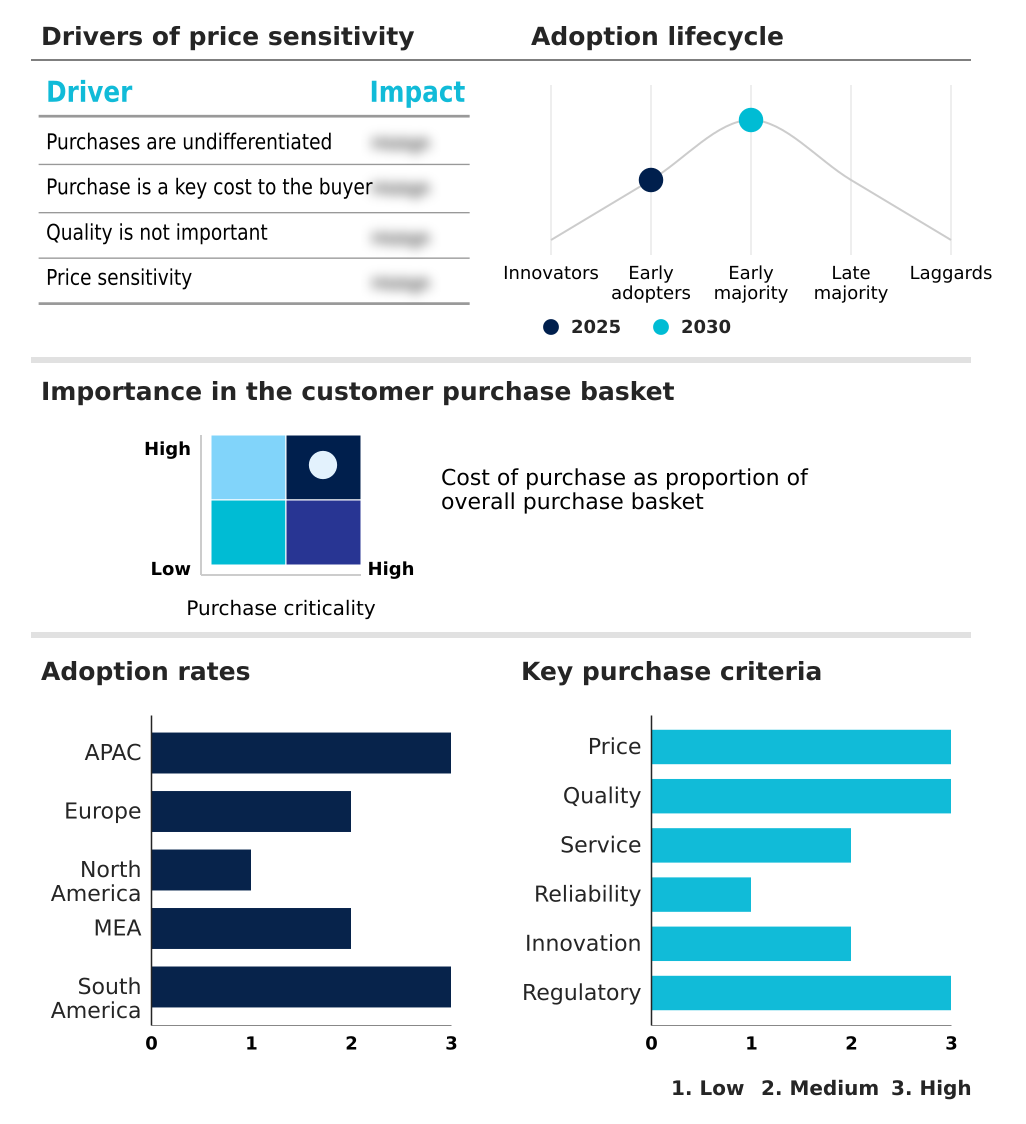
The aviation market forecasting report includes the adoption lifecycle of the market, covering from the innovator’s stage to the laggard’s stage. It focuses on adoption rates in different regions based on penetration. Furthermore, the aviation market report also includes key purchase criteria and drivers of price sensitivity to help companies evaluate and develop their market growth analysis strategies.
Customer Landscape of Aviation Industry
Competitive Landscape
Companies are implementing various strategies, such as strategic alliances, aviation market forecast, partnerships, mergers and acquisitions, geographical expansion, and product/service launches, to enhance their presence in the industry.
Airbus SE - A diverse portfolio of aviation solutions, including commercial and defense aircraft, addresses critical global transport and security requirements.
The industry research and growth report includes detailed analyses of the competitive landscape of the market and information about key companies, including:
- Airbus SE
- Bombardier Inc.
- Collins Aerospace
- Dassault Aviation SA
- Elbit Systems Ltd.
- Embraer SA
- General Dynamics Corp.
- General Electric Co.
- GKN Aerospace Services Ltd.
- Honeywell International Inc.
- Leonardo S.p.A.
- Lockheed Martin Corp.
- Mitsubishi Heavy Industries
- Northrop Grumman Corp.
- Rolls Royce Holdings Plc
- RTX Corp.
- Safran SA
- Textron Inc.
- Thales Group
- The Boeing Co.
Qualitative and quantitative analysis of companies has been conducted to help clients understand the wider business environment as well as the strengths and weaknesses of key industry players. Data is qualitatively analyzed to categorize companies as pure play, category-focused, industry-focused, and diversified; it is quantitatively analyzed to categorize companies as dominant, leading, strong, tentative, and weak.
Recent Development and News in Aviation market
- In April 2025, Emirates expanded its commercial aviation operations by introducing additional long-haul routes and increasing fleet capacity to meet rising international travel demand and strengthen its global network presence.
- In March 2025, Delta Air Lines expanded its AI-driven operational efficiency systems to optimize flight scheduling and fuel usage, which resulted in improved on-time performance and reduced operational costs across its network.
- In February 2025, The Boeing Co. announced strategic partnerships to mitigate supply chain disruptions for advanced avionics components, aiming to stabilize production timelines for its key commercial aircraft programs.
- In November 2024, Rolls-Royce Holdings Plc announced the expansion of its aircraft engine service network in APAC to support the growing demand for MRO services for the latest generation of wide-body aircraft.
Dive into Technavio’s robust research methodology, blending expert interviews, extensive data synthesis, and validated models for unparalleled Aviation Market insights. See full methodology.
| Market Scope | |
|---|---|
| Page number | 300 |
| Base year | 2025 |
| Historic period | 2020-2024 |
| Forecast period | 2026-2030 |
| Growth momentum & CAGR | Accelerate at a CAGR of 8.2% |
| Market growth 2026-2030 | USD 747.8 billion |
| Market structure | Fragmented |
| YoY growth 2025-2026(%) | 7.8% |
| Key countries | China, Japan, India, South Korea, Australia, Indonesia, Germany, UK, France, Italy, Spain, The Netherlands, US, Canada, Mexico, Saudi Arabia, UAE, South Africa, Israel, Turkey, Brazil, Argentina and Chile |
| Competitive landscape | Leading Companies, Market Positioning of Companies, Competitive Strategies, and Industry Risks |
Research Analyst Overview
- The aviation market is undergoing a profound transformation driven by the convergence of advanced digital technologies and pressing operational demands. The integration of AI-driven operational systems and predictive maintenance analytics is no longer aspirational but a competitive necessity. For instance, the adoption of predictive maintenance analytics has been shown to reduce engine-related flight delays by up to 40%.
- This shift is compelling a strategic re-evaluation of capital allocation at the boardroom level, particularly concerning investments in sustainable aviation fuels (SAF) versus committing to next-generation aircraft technology with advanced propulsion systems.
- The sector's reliance on a complex web of suppliers for everything from aircraft engine components and advanced aerostructures to integrated avionics systems and automated landing gears creates inherent vulnerabilities. Decisions around flight management systems (FMS), aero-engine components, and MRO service agreements are now deeply intertwined with strategies for aviation cybersecurity solutions and C4ISR integration.
- The landscape, which includes commercial aircraft manufacturing and specialized business jet avionics, is further shaped by innovations in military aircraft modernization, unmanned aerial systems (UAS), and air and missile defense systems, demanding a holistic approach to risk and opportunity.
What are the Key Data Covered in this Aviation Market Research and Growth Report?
-
What is the expected growth of the Aviation Market between 2026 and 2030?
-
USD 747.8 billion, at a CAGR of 8.2%
-
-
What segmentation does the market report cover?
-
The report is segmented by Type (Commercial aviation, Military aviation, and General aviation), Revenue Stream (Passenger, and Freight), Component (Aircraft engines, Airframe systems, Avionics, Cabin interiors, and Landing gears) and Geography (APAC, Europe, North America, Middle East and Africa, South America)
-
-
Which regions are analyzed in the report?
-
APAC, Europe, North America, Middle East and Africa and South America
-
-
What are the key growth drivers and market challenges?
-
Increasing efficiency of airlines is augmenting market prosperity, Complexities in supply chain due to growing technological advancement
-
-
Who are the major players in the Aviation Market?
-
Airbus SE, Bombardier Inc., Collins Aerospace, Dassault Aviation SA, Elbit Systems Ltd., Embraer SA, General Dynamics Corp., General Electric Co., GKN Aerospace Services Ltd., Honeywell International Inc., Leonardo S.p.A., Lockheed Martin Corp., Mitsubishi Heavy Industries, Northrop Grumman Corp., Rolls Royce Holdings Plc, RTX Corp., Safran SA, Textron Inc., Thales Group and The Boeing Co.
-
Market Research Insights
- The aviation market is defined by a dynamic interplay between commercial aviation services, military aviation platforms, and general aviation operations. Central to market performance is the relentless pursuit of airline operational efficiency, which has driven fleet modernization initiatives and digital transformation in aviation.
- For example, the adoption of advanced analytics has improved on-time departures by 18%, while predictive maintenance has reduced unscheduled downtime by over 25%. However, progress is tempered by aviation supply chain risk and persistent aerospace cybersecurity threats, requiring vigilant aviation asset management.
- Growth in air transport demand dynamics is met with significant airport infrastructure investment and a focus on air traffic control modernization. The evolution of the aviation MRO market and business jet market analysis reflect a sector continually adapting to technological advancement in aerospace and shifting economic landscapes.
We can help! Our analysts can customize this aviation market research report to meet your requirements.
 RIA -
RIA - 
