



Behcets Disease Therapeutics Market Size 2025-2029
The behcets disease therapeutics market size is forecast to increase by USD 589.6 million at a CAGR of 7.2% between 2024 and 2029.
- The market is characterized by the extensive use of off-label drugs as treatment options due to the lack of approved therapies for this rare and complex disease. This reliance on off-label medications presents both opportunities and challenges for market participants. On the one hand, it offers a significant market opportunity for pharmaceutical companies to develop and commercialize targeted therapies for Behcets Disease, addressing an unmet medical need and potentially capturing a large patient population. Machine learning and predictive modeling are revolutionizing drug screening and discovery, enabling the identification of potential therapeutic candidates based on patient data and clinical trial endpoints. However, the market is not without its challenges. The difficulty in diagnosing Behcets Disease, which can present with various symptoms affecting multiple organs, hampers early intervention and effective treatment.
- This diagnostic complexity, coupled with the lack of a definitive diagnostic test, can lead to delays in initiating appropriate therapy and worsening patient outcomes. As a result, there is a pressing need for improved diagnostic tools and targeted therapeutic interventions to address the unmet medical need in this patient population. Companies seeking to capitalize on market opportunities and navigate challenges effectively should focus on developing innovative diagnostic solutions and targeted therapies for Behcets Disease, while also addressing the diagnostic complexity and variability of this rare condition. Artificial intelligence and stem cell therapy are further advancing the field, providing new avenues for innovation.
What will be the Size of the Behcets Disease Therapeutics Market during the forecast period?

Explore in-depth regional segment analysis with market size data - historical 2019-2023 and forecasts 2025-2029 - in the full report.
Request Free Sample
- The Behçet's disease therapeutics market is witnessing significant advancements, driven by the exploration of novel treatment modalities and the need to address the disease's complexities. Combination therapy is gaining traction, as researchers investigate the synergistic effects of multiple drugs to enhance treatment efficacy. Cost-effectiveness analysis plays a crucial role in determining the optimal use of resources, particularly in light of the disease's substantial burden. Biosimilar drugs offer cost savings while maintaining similar efficacy to their branded counterparts, making them an attractive option for healthcare economics.
- Patient advocacy groups are advocating for personalized medicine, precision medicine, and gene therapy to address health disparities and improve patient adherence. Patient reported outcomes and digital health tools are empowering patients to take an active role in managing their condition. Data mining and big data analytics are essential in uncovering new insights into disease mechanisms and treatment responses. Targeted therapy and drug repurposing are also promising areas of exploration, offering potential for more effective and affordable treatments.
How is this Behcets Disease Therapeutics Industry segmented?
The behcets disease therapeutics industry research report provides comprehensive data (region-wise segment analysis), with forecasts and estimates in "USD million" for the period 2025-2029, as well as historical data from 2019-2023 for the following segments.
- Route Of Administration
- Oral
- Injectable
- Product
- Small molecules
- Biologics
- End-user
- Hospitals
- Specialty clinics
- Homecare
- Others
- Age Group
- Adult
- Geriatric
- Pediatric
- Geography
- North America
- US
- Canada
- Europe
- France
- Germany
- Italy
- UK
- APAC
- China
- India
- Japan
- South America
- Brazil
- Rest of World (ROW)
- North America
By Route Of Administration Insights
The oral segment is estimated to witness significant growth during the forecast period. Minimizing inflammation is the main goal of most Behcet's disease treatments. In addition, to assist in reducing inflammation, a doctor may prescribe a combination of immune-suppressing drugs and anti-inflammatory drugs called corticosteroids. Furthermore, immunosuppressants such as tacrolimus, ciclosporin, and azathioprine are used to treat Behcet's disease.
In addition, the anti-inflammatory drug colchicine, which is frequently prescribed for gout, might potentially be helpful. Furthermore, corticosteroid medicines are applied directly to the skin and genital sores to reduce inflammation and pain. As most of the Behcets disease drugs are orally consumed, it is expected to fuel the growth of this segment, which in turn will drive the market growth during the forecast period.

The Oral segment was valued at USD 726.30 million in 2019 and showed a gradual increase during the forecast period.
Regional Analysis
North America is estimated to contribute 45% to the growth of the global market during the forecast period. Technavio's analysts have elaborately explained the regional trends and drivers that shape the market during the forecast period.

The market in North America is experiencing notable growth due to the extensive utilization of off-label drugs and the rising preference for biologics in managing neurological complications and oral ulcers. Biologics, including TNF-alpha inhibitors, interleukin inhibitors, and immunosuppressants, dominate the market in the region, with healthcare providers employing these treatments for their effectiveness in controlling disease progression and improving quality of life. Oral medications, such as anti-IL-17 antibodies and JAK inhibitors, are also gaining traction for their ability to address skin lesions and genital ulcers. Patient recruitment for clinical trials is a critical aspect of drug development, with ongoing initiatives focusing on intravenous infusions and subcutaneous injections to enhance patient management and treatment outcomes.
Genetic predisposition plays a significant role in disease development, leading to an increased emphasis on HLA typing and differential diagnosis. Public health initiatives and patient support groups are crucial in raising disease awareness and ensuring market access, while regulatory approvals and clinical trial design are essential for the advancement of new therapies. Environmental factors and lifestyle modifications are also under investigation as potential contributors to Behcets disease, with ongoing research aimed at understanding their impact on disease progression and treatment. Biotech companies are at the forefront of drug development, collaborating with healthcare providers and regulatory bodies to bring innovative therapies to market.
Market Dynamics
Our researchers analyzed the data with 2024 as the base year, along with the key drivers, trends, and challenges. A holistic analysis of drivers will help companies refine their marketing strategies to gain a competitive advantage.
What are the Behcets Disease Therapeutics market drivers leading to the rise in the adoption of Industry?
- The extensive utilization of off-label drugs by medical professionals is a major driver, shaping the market growth. Due to the proven efficacy, the drugs that treat Behcet's disease and the therapeutic candidates that are currently under development for the treatment of the condition have been awarded special drug designations by regulatory bodies. In addition, many such drugs received designations such as the breakthrough drug designation and the orphan drug designation from regulatory bodies such as the US FDA and the EMA.
- Understanding the disease's intricacies and its impact on patient quality of life necessitates increased awareness and research efforts. Despite the challenges, the market is growing, driven by the unmet medical needs and the potential for innovative treatments. Clinical trials employing advanced technologies and novel therapeutic approaches are ongoing to address the disease's complexities and improve patient outcomes.
What are the Behcets Disease Therapeutics market trends shaping the Industry?
- Increasing awareness about rare diseases is a significant market trend. By fostering understanding and recognition of these conditions, we can improve diagnosis, treatment, and ultimately, patient outcomes. Behcet's disease is a rare and complex inflammatory condition that affects various organs and systems in the body. While there is currently no cure for this disease, ongoing research and development in the therapeutics market aim to improve treatment outcomes for patients. Drug development efforts focus on clinical trials of various therapeutic approaches, including TNF-alpha inhibitors, anti-IL-17 antibodies, and JAK inhibitors. These treatments aim to reduce inflammation and manage symptoms. Healthcare providers play a crucial role in diagnosing and managing Behcet's disease, often requiring a multidisciplinary approach. Lifestyle modifications, such as stress management and dietary changes, can also contribute to effective disease management.
- Public health initiatives are essential in raising awareness about Behcet's disease and promoting early diagnosis and treatment. These initiatives can include educational campaigns, community outreach programs, and partnerships between healthcare organizations and patient advocacy groups. The ongoing research and development in the Behcet's disease therapeutics market hold promise for improved treatment outcomes and a better quality of life for patients. As awareness and understanding of this condition continue to grow, so too will the efforts to find effective and innovative treatments.
How does Behcets Disease Therapeutics market face challenges during its growth?
- The complexities involved in accurately diagnosing indications pose a significant challenge to the industry's growth trajectory. Behcet's disease, an inflammatory condition characterized by recurring oral and genital ulcers, skin inflammation, and eye inflammation, poses a significant diagnostic challenge due to its symptoms' overlap with other inflammatory disorders. This complex diagnostic process leads to misdiagnosis, as symptoms are often mistakenly attributed to conditions like rheumatoid arthritis, osteoarthritis, or mouth and genital sores. Although off-label use of drugs approved for psoriatic arthritis, rheumatoid arthritis, and osteoarthritis is common for Behcet's disease treatment, the dosage and frequency differ. Biotech companies are investing in research to develop diagnostic criteria and improve disease monitoring. Regulatory approvals for new therapeutics are crucial to address the unmet medical needs of Behcet's disease patients.
- Patient support groups and educational initiatives play a vital role in increasing awareness and understanding of the condition. Subcutaneous injections are a common administration route for Behcet's disease therapeutics. Immune response plays a significant role in the development of Behcet's disease, and ongoing research focuses on targeting specific immune pathways to develop more effective treatments. Environmental factors, such as genetics and infections, are also under investigation as potential triggers for the disease. Collaboration between biotech companies, regulatory agencies, patient support groups, and healthcare providers is essential to advance the understanding and treatment of this complex condition.
Exclusive Customer Landscape
The behcets disease therapeutics market forecasting report includes the adoption lifecycle of the market, covering from the innovator's stage to the laggard's stage. It focuses on adoption rates in different regions based on penetration. Furthermore, the behcets disease therapeutics market report also includes key purchase criteria and drivers of price sensitivity to help companies evaluate and develop their market growth analysis strategies.
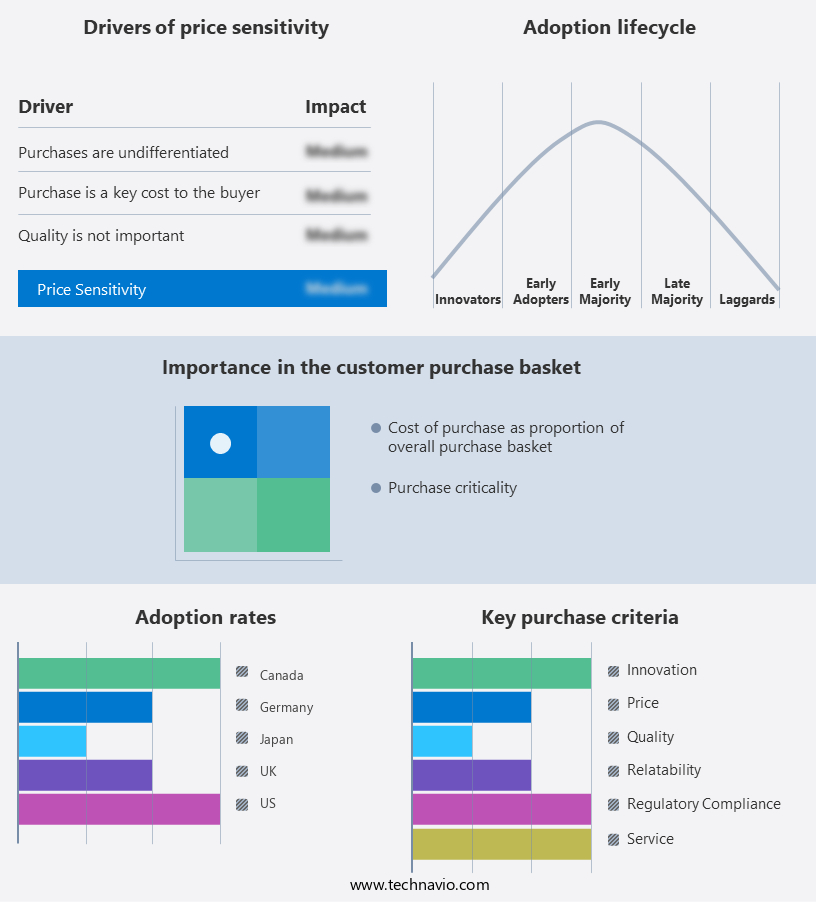
Customer Landscape
Key Companies & Market Insights
Companies are implementing various strategies, such as strategic alliances, behcets disease therapeutics market forecast, partnerships, mergers and acquisitions, geographical expansion, and product/service launches, to enhance their presence in the industry.
AbbVie Inc. - The company specializes in providing innovative therapeutic solutions for Behçet's disease.
The industry research and growth report includes detailed analyses of the competitive landscape of the market and information about key companies, including:
- AbbVie Inc.
- Amgen Inc.
- Chugai Pharmaceutical Co. Ltd.
- Eisai Co. Ltd.
- F. Hoffmann La Roche Ltd.
- Johnson and Johnson Services Inc.
- Mylan
- Novartis AG
- Pfizer Inc.
- Takeda Pharmaceutical Co. Ltd.
Qualitative and quantitative analysis of companies has been conducted to help clients understand the wider business environment as well as the strengths and weaknesses of key industry players. Data is qualitatively analyzed to categorize companies as pure play, category-focused, industry-focused, and diversified; it is quantitatively analyzed to categorize companies as dominant, leading, strong, tentative, and weak.
Recent Development and News in Behcets Disease Therapeutics Market
- In February 2023, the U.S. Food and Drug Administration (FDA) granted accelerated approval to Roche's Actemra (tocilizumab) for the treatment of adults with Behçet's disease who have active, refractory oral ulcers or genital ulcers. This marks the first FDA approval for a biologic therapy specifically for Behçet's disease (Roche Press Release, 2023).
- In May 2024, Merck KGaA and F. Hoffmann-La Roche signed a strategic collaboration agreement to develop and commercialize potential therapies for Behçet's disease. The partnership combines Merck KGaA's expertise in immunology and Roche's experience in developing and marketing biologics, with the goal of addressing the unmet medical needs of Behçet's disease patients (Merck KGaA Press Release, 2024).
- In October 2024, the European Commission approved Novartis' Gilenya (fingolimod) for the treatment of adult patients with active Behçet's disease of the central nervous system. This approval marks the first EU approval for a disease-modifying therapy for Behçet's disease, expanding the treatment options for patients (Novartis Press Release, 2024).
- In January 2025, the Chinese Food and Drug Administration (CFDA) granted approval to Chongqing Hengrui Medicine's Huilin-1 for the treatment of Behçet's disease. Huilin-1 is the first Chinese-developed drug to receive approval for this indication, opening a new chapter in the treatment landscape for Behçet's disease in China (Chongqing Hengrui Medicine Press Release, 2025).
Research Analyst Overview
Behçet's disease, a complex and multifaceted neurological disorder, continues to challenge healthcare providers and biotech companies in their pursuit of effective therapeutic solutions. The market dynamics of Behçet's disease therapeutics are ever-evolving, with ongoing drug development and clinical trials shaping the landscape. TNF-alpha inhibitors, a class of oral medications, have shown promise in managing inflammation and improving quality of life for some patients. However, the intricacies of disease progression necessitate continuous research and innovation. Healthcare providers play a crucial role in patient management, employing lifestyle modifications and intravenous infusions to mitigate symptoms. Anti-IL-17 antibodies and Jak inhibitors are emerging therapeutic options, with clinical trials underway to assess their efficacy and safety.
Public health initiatives aim to increase disease awareness and facilitate timely diagnosis through differential diagnosis and HLA typing. Market access and drug pricing remain critical concerns, with regulatory approvals and clinical trial design influencing treatment outcomes. Patient recruitment poses challenges due to the disease's varied manifestations, including neurological complications, genital ulcers, and skin lesions. Immune response and disease monitoring are essential components of patient care, with biotech companies and healthcare providers collaborating to develop innovative diagnostic criteria and environmental factor research. Patient education and support groups contribute significantly to improving overall disease management and enhancing patient well-being.
Dive into Technavio's robust research methodology, blending expert interviews, extensive data synthesis, and validated models for unparalleled Behcets Disease Therapeutics Market insights. See full methodology.
|
Market Scope |
|
|
Report Coverage |
Details |
|
Page number |
219 |
|
Base year |
2024 |
|
Historic period |
2019-2023 |
|
Forecast period |
2025-2029 |
|
Growth momentum & CAGR |
Accelerate at a CAGR of 7.2% |
|
Market growth 2025-2029 |
USD 589.6 million |
|
Market structure |
Concentrated |
|
YoY growth 2024-2025(%) |
6.7 |
|
Key countries |
US, Canada, China, Germany, India, UK, Japan, Brazil, France, and Italy |
|
Competitive landscape |
Leading Companies, Market Positioning of Companies, Competitive Strategies, and Industry Risks |
What are the Key Data Covered in this Behcets Disease Therapeutics Market Research and Growth Report?
- CAGR of the Behcets Disease Therapeutics industry during the forecast period
- Detailed information on factors that will drive the growth and forecasting between 2025 and 2029
- Precise estimation of the size of the market and its contribution of the industry in focus to the parent market
- Accurate predictions about upcoming growth and trends and changes in consumer behaviour
- Growth of the market across North America, Europe, Asia, and Rest of World (ROW)
- Thorough analysis of the market's competitive landscape and detailed information about companies
- Comprehensive analysis of factors that will challenge the behcets disease therapeutics market growth of industry companies
We can help! Our analysts can customize this behcets disease therapeutics market research report to meet your requirements.
 RIA -
RIA - 
