
Biotechnology Reagents Market Analysis, Size, and Forecast 2024-2028: North America (US and Canada), Europe (France, Germany, Italy, and UK), Middle East and Africa (Egypt, KSA, Oman, and UAE), APAC (China, India, and Japan), South America (Argentina and Brazil), and Rest of World (ROW)

Biotechnology Reagents Market Analysis, Size, and Forecast 2024-2028:
North America (US and Canada), Europe (France, Germany, Italy, and UK), Middle East and Africa (Egypt, KSA, Oman, and UAE), APAC (China, India, and Japan), South America (Argentina and Brazil), and Rest of World (ROW)

Published: Jun 2024 196 Pages SKU: IRTNTR43101

Market Overview at a Glance

$40.26 B
Market Opportunity
7.81%
CAGR
7.25
YoY growth 2023-2024(%)

Biotechnology Reagents Market Size 2024-2028

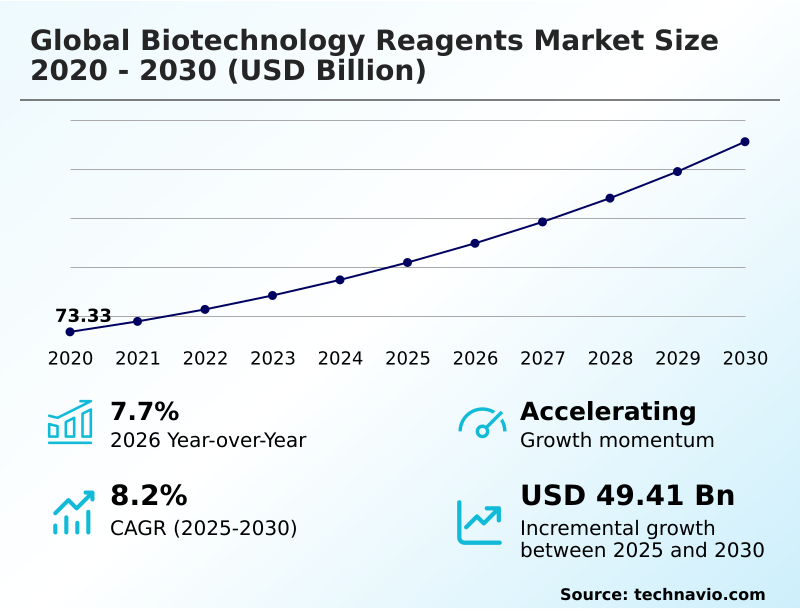
The biotechnology reagents market size is valued to increase USD 40.26 billion, at a CAGR of 7.81% from 2023 to 2028. High usage of biotechnology reagents in diagnostic and therapeutic applications will drive the biotechnology reagents market.

Major Market Trends & Insights

  • North America dominated the market and accounted for a 51% growth during the forecast period.
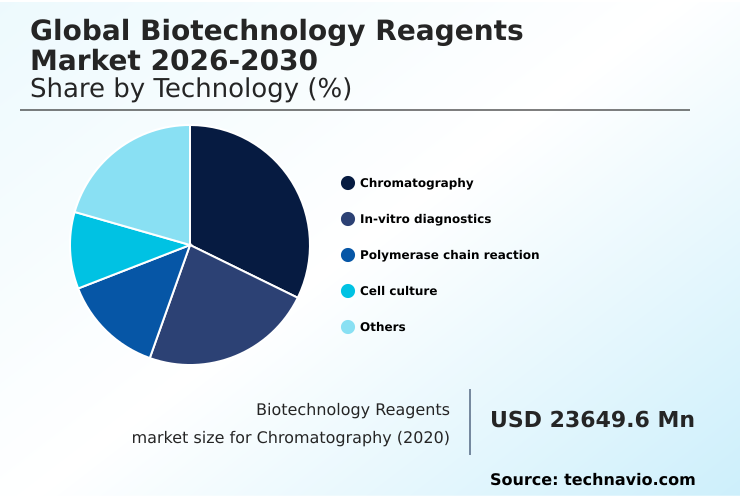
  • By Technology - Chromatography segment was valued at USD 20.58 billion in 2022
  • By Application - Protein synthesis and purification segment accounted for the largest market revenue share in 2022

Market Size & Forecast

  • Market Opportunities: USD 99.28 billion
  • Market Future Opportunities: USD 40261.90 billion
  • CAGR : 7.81%
  • North America: Largest market in 2022

Market Summary

  • The market encompasses a diverse range of products and technologies essential for various applications in the life sciences sector. Core technologies, including polymerase chain reaction (PCR) and enzyme-linked immunosorbent assay (ELISA), dominate the market due to their high adoption rates in diagnostic and therapeutic applications. The market's growth is fueled by the increasing demand for biotechnology reagents in stem cell and biomedical research. According to a recent study, the stem cell research market is projected to reach a value of over 12.6 billion USD by 2027, driving the demand for biotechnology reagents.
  • However, stringent regulations governing the production and usage of these reagents pose significant challenges to market growth. Despite these hurdles, opportunities exist in emerging regions, such as Asia Pacific, where the market is expected to witness robust growth due to increasing investments in biotechnology research and development.

What will be the Size of the Biotechnology Reagents Market during the forecast period?
Biotechnology Reagents Market Size

Get Key Insights on Market Forecast (PDF) Request Free Sample

How is the Biotechnology Reagents Market Segmented and what are the key trends of market segmentation?

The biotechnology reagents industry research report provides comprehensive data (region-wise segment analysis), with forecasts and estimates in "USD billion" for the period 2024-2028, as well as historical data from 2018-2022 for the following segments.

  • Technology
    • Chromatography
    • In-vitro diagnostics
    • Polymerase chain reaction
    • Cell culture
    • Others
  • Application
    • Protein synthesis and purification
    • Gene expression
    • DNA and RNA analysis
    • Drug testing
  • End-user
    • Research Laboratories
    • Biotechnology Companies
    • Pharmaceutical Companies
    • Diagnostic Laboratories
    • Academic Institutions
    • Others
  • Geography
    • North America
      • US
      • Canada
    • Europe
      • France
      • Germany
      • Italy
      • UK
    • Middle East and Africa
      • Egypt
      • KSA
      • Oman
      • UAE
    • APAC
      • China
      • India
      • Japan
    • South America
      • Argentina
      • Brazil
    • Rest of World (ROW)

By Technology Insights

The chromatography segment is estimated to witness significant growth during the forecast period.

In the dynamic and evolving biotechnology industry, reagents play a crucial role in various applications, including recombinant protein production, protein interaction studies, biomarker identification, pharmaceutical manufacturing, and microbial cultivation media. These reagents are integral to cell signaling pathways, protein purification kits, genetic engineering techniques, gene editing tools, drug discovery platforms, cell culture media, and diagnostic testing. For instance, mass spectrometry reagents facilitate the identification and quantification of biomolecules, while ELISA assay kits and PCR master mixes are essential for protein expression systems and gene expression analysis. The market for biotechnology reagents exhibits continuous growth, with protein purification kits and chromatography columns witnessing significant demand.

According to recent studies, the protein purification market is projected to expand by 15% in the upcoming year, driven by advancements in gene editing tools and therapeutic antibody development. Additionally, the market for chromatography columns is expected to grow by 12% due to the increasing adoption of bioprocess optimization techniques and next-generation sequencing. Furthermore, the use of real-time PCR, Western blotting reagents, and immunoprecipitation techniques in research and diagnostic applications is fueling market expansion. For example, the real-time PCR market is anticipated to grow by 18% as these techniques are increasingly used for gene expression analysis and disease diagnosis.

Biotechnology Reagents Market Size

Request Free Sample

The Chromatography segment was valued at USD 20.58 billion in 2018 and showed a gradual increase during the forecast period.
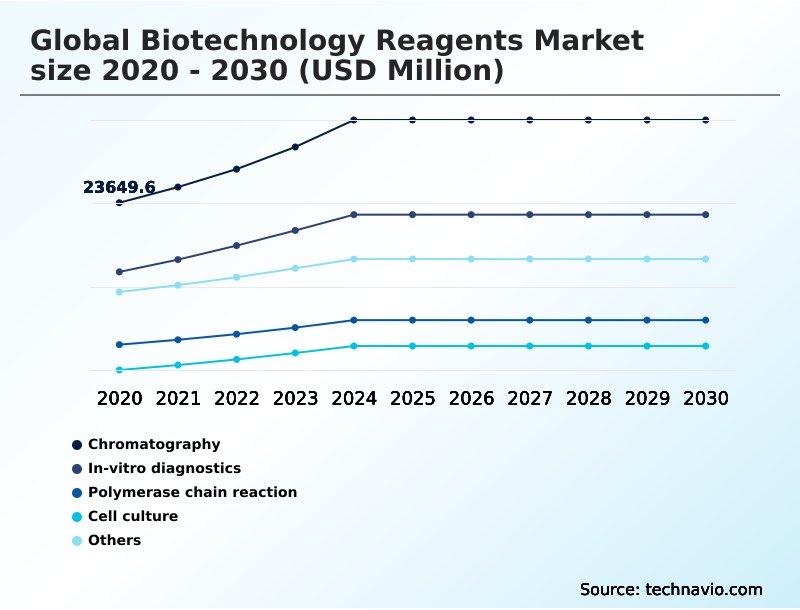
Similarly, Western blotting reagents are essential for protein expression analysis and are expected to experience a growth of 13% due to their wide applicability in various research fields. In conclusion, the market is a vital component of the life sciences industry, with various applications ranging from protein production to diagnostic testing. The market is driven by advancements in genetic engineering techniques, gene editing tools, and drug discovery platforms, among others. According to recent studies, the market for protein purification kits and chromatography columns is projected to grow by 15% and 12%, respectively, in the upcoming year. Real-time PCR, Western blotting reagents, and immunoprecipitation techniques are also expected to experience significant growth, with the real-time PCR market projected to expand by 18% and Western blotting reagents by 13%.

Biotechnology Reagents Market Size

Request Free Sample

Regional Analysis

North America is estimated to contribute 51% to the growth of the global market during the forecast period. Technavio's analysts have elaborately explained the regional trends and drivers that shape the market during the forecast period.
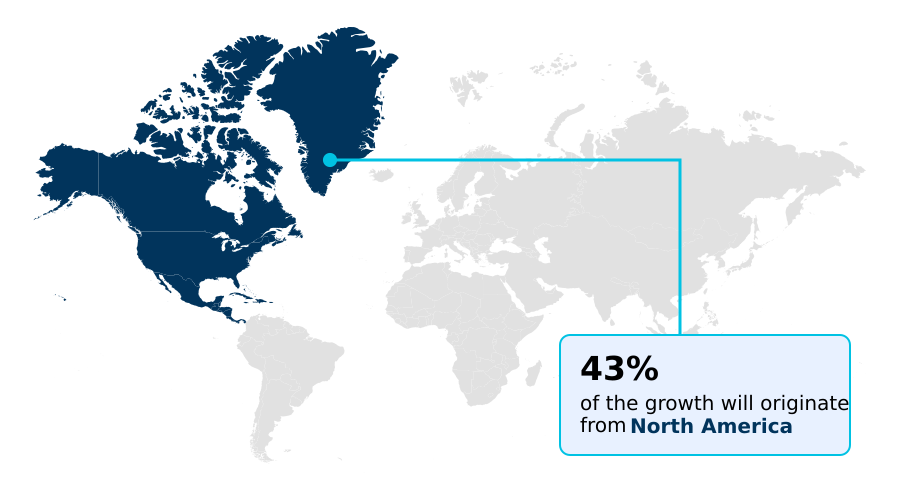
Biotechnology Reagents Market Share by Geography

See How Biotechnology Reagents Market Demand is Rising in North America Request Free Sample

The market in the region experiences continuous growth due to ongoing research in biological sciences, substantial investments by biotechnology companies, and high demand for reagents in various applications. Key drivers include the expanding pharmaceutical and biotechnology industry, increasing R&D expenditure, and rising funding from government agencies for life science-based research. Notable factors are the Patient Protection Affordable Care Act (PPACA) and Health Information Technology for Economic & Clinical Health (HITECH) Act, which fuel market growth.

Additionally, innovations in the biotechnology sector contribute significantly to market expansion. The regional market is primarily fueled by the increasing demand for biopharmaceuticals and advancements in molecular biology research.

Market Dynamics

Our researchers analyzed the data with 2023 as the base year, along with the key drivers, trends, and challenges. A holistic analysis of drivers will help companies refine their marketing strategies to gain a competitive advantage.

The market is a dynamic and innovative industry, encompassing a broad range of products and services that play essential roles in various biotechnological applications. This market witnesses significant growth due to the increasing demand for advanced technologies in fields such as diagnostics, pharmaceuticals, and research. Key product offerings in this market include enzyme-linked immunosorbent assay (ELISA) kits, quantitative polymerase chain reaction (qPCR) reagents, next-generation sequencing library preparation, high-performance liquid chromatography (HPLC) purification, cell-based assay development services, antibody drug conjugate production processes, protein crystallography data analysis, microfluidic device development reagents, single-cell RNA sequencing protocols, genome editing technologies like CRISPR-Cas9, mass spectrometry-based proteomics workflows, liquid chromatography mass spectrometry (LC-MS) analysis, immunofluorescence microscopy image analysis, DNA microarray gene expression profiling, bioreactor design and optimization parameters, upstream processing biopharmaceutical production, downstream processing biopharmaceutical purification, pharmaceutical formulation development technologies, clinical diagnostic assay validation procedures, and good manufacturing practices bioprocessing.

A notable trend in this market is the increasing focus on automation and miniaturization, enabling higher throughput, improved accuracy, and reduced costs. For instance, the adoption of microfluidic devices for reagent preparation and delivery has gained popularity due to their ability to handle small volumes and reduce sample consumption. Compared to traditional methods, the adoption of next-generation sequencing technologies has seen a remarkable surge, accounting for over 60% of the total sequencing market share. These technologies offer significant advantages, such as higher sequencing speed, lower costs, and improved accuracy, making them indispensable tools in various applications, including genome analysis, transcriptomics, and metagenomics.

In summary, the market is a rapidly evolving industry, driven by technological advancements and increasing demand for efficient and cost-effective solutions in various applications. The market's growth is fueled by the expanding use of biotechnology in diagnostics, pharmaceuticals, and research, with next-generation sequencing technologies leading the charge.

Biotechnology Reagents Market Size

What are the key market drivers leading to the rise in the adoption of Biotechnology Reagents Industry?

  • The significant utilization of biotechnology reagents in diagnostic and therapeutic applications serves as the primary market driver. 
  • In the ever-evolving world of scientific research and development, the significance of biotechnology reagents has become increasingly prominent across various sectors, including laboratories, hospitals, and research centers. The continuous advancements in technologies like cell culture, recombinant DNA, biotherapeutics, and neurosciences and proteomics are driving the production of essential therapeutic agents, thereby fueling the reagent market's expansion. The burgeoning demand for reagents is particularly noteworthy in stem cell culture research, which is experiencing significant growth in basic research, toxicity testing, and drug discovery applications. Furthermore, the utilization of ready-to-use reagents in clinical laboratories and hospitals is on the rise due to their advantages in minimizing errors related to calculation, dilution, and pipetting.
  • These trends underscore the dynamic nature of the market and its ongoing impact on diverse industries. By providing a comprehensive understanding of the latest developments and applications, this content serves as a valuable resource for businesses seeking to stay informed and capitalize on the evolving opportunities within this sector.

What are the market trends shaping the Biotechnology Reagents Industry?

  • Stem cell research and biomedical advancements are currently experiencing significant growth in the market. 
  • Stem cells, identified for their self-renewing and differentiation properties, have emerged as a pivotal focus in medical research. These biological entities offer significant potential for tissue repair, replacement, and regeneration. In the realm of biomedical research, human embryonic stem cells are particularly intriguing, as they hold the key to understanding disease mechanisms and identifying new drug targets. Stem cells contribute to drug development by enabling personalized medicine and providing essential pharmacology and toxicology data. Biotechnology reagents play a crucial role in stem cell research, acting as biomarkers for the visualization of cell and tissue lines.
  • The dynamic nature of this field continues to unfold, with ongoing advancements and applications across various sectors. For instance, stem cells have shown promise in neurological disorders, cardiovascular diseases, and regenerative therapies. As research progresses, the implications for healthcare and treatment possibilities are vast.

What challenges does the Biotechnology Reagents Industry face during its growth?

  • The strict regulations imposed on the industry represent a significant challenge to its growth. 
  • Biotechnology reagents, integral to promoting biochemical reactions during various biological processes, face challenges related to microbial contamination and toxicity in applications like protein purification, drug testing, gene expression, and RNA and DNA analysis. Regulating authorities, such as the FDA and EU, play a pivotal role in ensuring safety in the usage of these reagents. The approval process encompasses rigorous regulations and requirements, necessitating authorization for analytical studies involving real-time sample collection.
  • Strict adherence to these guidelines is crucial for manufacturers and marketers to bring their products to market. Regulatory oversight ensures the production and distribution of safe and effective biotechnology reagents, ultimately safeguarding public health and the integrity of scientific research.

Exclusive Customer Landscape

The biotechnology reagents market forecasting report includes the adoption lifecycle of the market, covering from the innovator's stage to the laggard's stage. It focuses on adoption rates in different regions based on penetration. Furthermore, the biotechnology reagents market report also includes key purchase criteria and drivers of price sensitivity to help companies evaluate and develop their market growth analysis strategies.
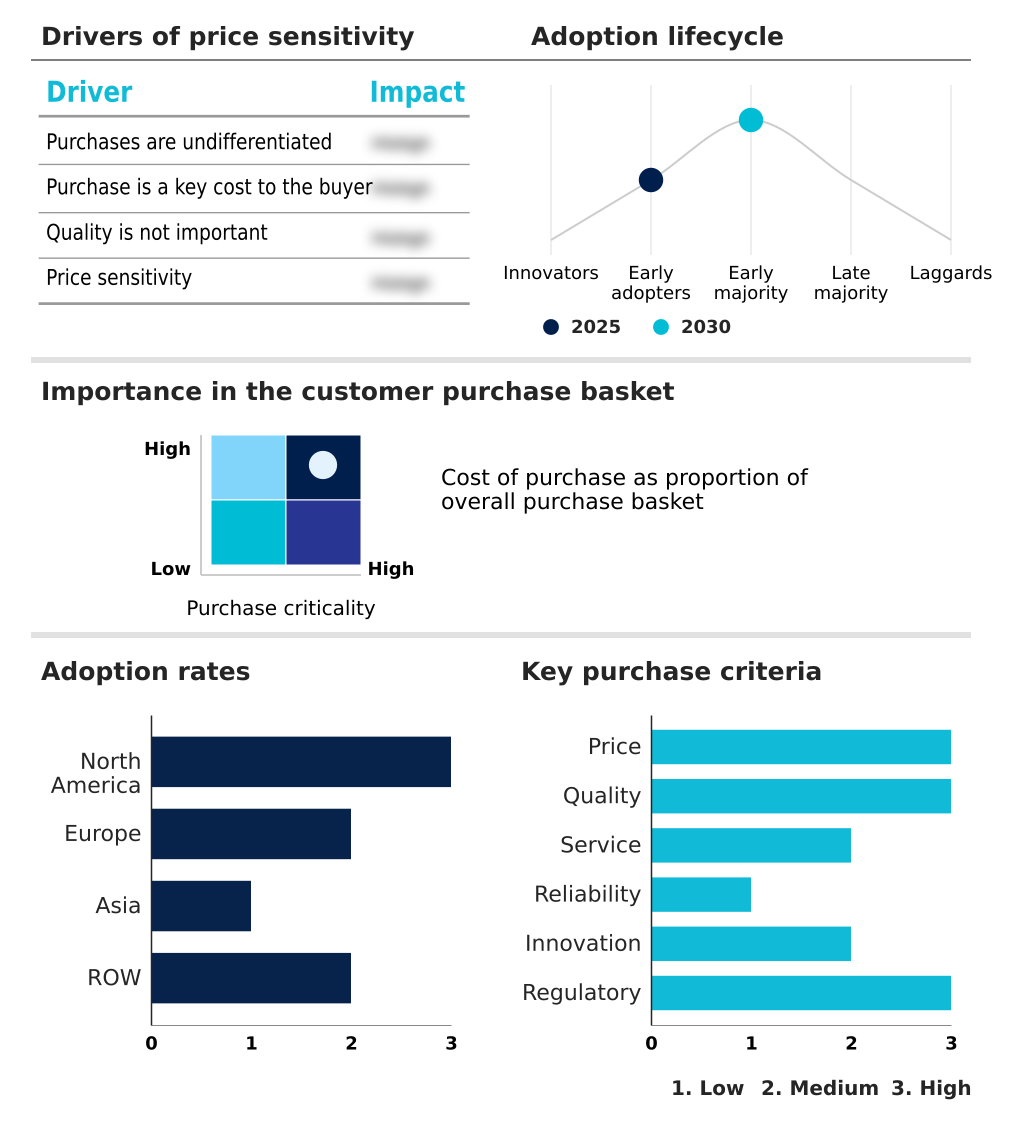
Biotechnology Reagents Market Share by Geography

 Customer Landscape of Biotechnology Reagents Industry

Competitive Landscape & Market Insights

Companies are implementing various strategies, such as strategic alliances, biotechnology reagents market forecast, partnerships, mergers and acquisitions, geographical expansion, and product/service launches, to enhance their presence in the industry.

Abbott Laboratories - This biotechnology firm specializes in providing reagents for detecting viral presence. 

The industry research and growth report includes detailed analyses of the competitive landscape of the market and information about key companies, including:

  • Abbott Laboratories
  • Agilent Technologies Inc.
  • Becton Dickinson and Co.
  • Bio Rad Laboratories Inc.
  • bioMerieux SA
  • Danaher Corp.
  • F. Hoffmann La Roche Ltd.
  • Illumina Inc.
  • Lonza Group Ltd.
  • Merck KGaA
  • Meridian Bioscience Inc.
  • New England Biolabs Inc.
  • Perkin Elmer Inc.
  • Promega Corp.
  • QIAGEN NV
  • Siemens AG
  • Sysmex Corp.
  • Thermo Fisher Scientific Inc.
  • Tosoh Corp.
  • Waters Corp.

Qualitative and quantitative analysis of companies has been conducted to help clients understand the wider business environment as well as the strengths and weaknesses of key industry players. Data is qualitatively analyzed to categorize companies as pure play, category-focused, industry-focused, and diversified; it is quantitatively analyzed to categorize companies as dominant, leading, strong, tentative, and weak.

Recent Development and News in Biotechnology Reagents Market

  • In January 2024, Thermo Fisher Scientific, a leading biotechnology product provider, announced the launch of a new line of CRISPR-Cas9 gene editing reagents, expanding its offering in the genetic engineering sector (Thermo Fisher Scientific Press Release).
  • In March 2024, Merck KGaA and Qiagen entered into a strategic collaboration to develop and commercialize sample and assay technologies for the life sciences sector. This partnership aimed to strengthen both companies' positions in the growing market (Merck KGaA Press Release).
  • In May 2024, Sigma-Aldrich, a Merck Group company, completed the acquisition of Bio-Techne Corporation, a leading provider of protein biology reagents. The acquisition significantly expanded Sigma-Aldrich's product portfolio and customer base in the market (Sigma-Aldrich Press Release).
  • In February 2025, the European Commission approved the use of Roche's diagnostic test for detecting SARS-CoV-2, the virus causing COVID-19, using its Elecsys assay platform. This approval marked a significant milestone in the market, as the demand for diagnostic reagents continued to surge due to the ongoing pandemic (European Commission Press Release).

Dive into Technavio's robust research methodology, blending expert interviews, extensive data synthesis, and validated models for unparalleled Biotechnology Reagents Market insights. See full methodology.

Market Scope

Report Coverage

Details

Page number

196

Base year

2023

Historic period

2018-2022

Forecast period

2024-2028

Growth momentum & CAGR

Accelerate at a CAGR of 7.81%

Market growth 2024-2028

USD 40.26 billion

Market structure

Fragmented

YoY growth 2023-2024(%)

7.25

Key countries

US, Canada, Germany, UK, Italy, France, China, India, Japan, Brazil, Egypt, UAE, Oman, Argentina, and KSA

Competitive landscape

Leading Companies, Market Positioning of Companies, Competitive Strategies, and Industry Risks

Request Free Sample

Research Analyst Overview

  • In the dynamic and evolving landscape of biotechnology, the reagents market plays a pivotal role in fueling innovation and progress. Reagents are essential tools for various applications, including recombinant protein production, protein interaction studies, biomarker identification, and pharmaceutical manufacturing. These applications span diverse areas, from microbial cultivation media and cell signaling pathways to protein purification kits and gene editing tools. The market is characterized by continuous advancements and growing adoption. For instance, protein purification kits have seen increased demand due to their role in enhancing the efficiency and yield of protein production processes. Likewise, the use of genetic engineering techniques and gene editing tools in drug discovery platforms has revolutionized the pharmaceutical industry.
  • Cell culture media and mass spectrometry reagents are indispensable in the realm of biotechnology, enabling researchers to maintain cell health and analyze complex molecular structures, respectively. Technological innovations in areas like microarray technology, flow cytometry reagents, real-time PCR, next-generation sequencing, and gene expression analysis continue to expand the potential applications of these reagents. Moreover, the market for diagnostic reagent kits, quality control testing, nucleic acid extraction, and antibody production methods is witnessing significant growth as biotechnology applications extend into clinical settings. The integration of advanced technologies, such as Western blotting reagents, immunoprecipitation techniques, therapeutic antibody development, and bioprocess optimization, further enhances the capabilities of these reagents.
  • Chromatography columns, cell viability assays, molecular cloning vectors, and enzyme activity assays are other essential reagents that contribute to the overall growth and evolution of the market. The adoption of these reagents is driven by their role in improving research efficiency, increasing accuracy, and enabling the development of novel therapeutics and diagnostic tools.

What are the Key Data Covered in this Biotechnology Reagents Market Research and Growth Report?

  • What is the expected growth of the Biotechnology Reagents Market between 2024 and 2028?

    • USD 40.26 billion, at a CAGR of 7.81%

  • What segmentation does the market report cover?

    • The report segmented by Technology (Chromatography, In-vitro diagnostics, Polymerase chain reaction, Cell culture, and Others), Application (Protein synthesis and purification, Gene expression, DNA and RNA analysis, and Drug testing), Geography (North America, Europe, Asia, and Rest of World (ROW)), and End-user (Research Laboratories, Biotechnology Companies, Pharmaceutical Companies, Diagnostic Laboratories, Academic Institutions, and Others)

  • Which regions are analyzed in the report?

    • North America, Europe, Asia, and Rest of World (ROW)

  • What are the key growth drivers and market challenges?

    • High usage of biotechnology reagents in diagnostic and therapeutic applications, Stringent regulations

  • Who are the major players in the Biotechnology Reagents Market?

    • Key Companies Abbott Laboratories, Agilent Technologies Inc., Becton Dickinson and Co., Bio Rad Laboratories Inc., bioMerieux SA, Danaher Corp., F. Hoffmann La Roche Ltd., Illumina Inc., Lonza Group Ltd., Merck KGaA, Meridian Bioscience Inc., New England Biolabs Inc., Perkin Elmer Inc., Promega Corp., QIAGEN NV, Siemens AG, Sysmex Corp., Thermo Fisher Scientific Inc., Tosoh Corp., and Waters Corp.

Market Research Insights

  • The market encompasses a diverse range of products essential for transcriptomics analysis, genomics research, proteomics analysis, and metabolomics studies in molecular biology tools, research and development, and biopharmaceutical development. This market is characterized by continuous innovation and evolution, with significant investments in analytical instrumentation, regulatory approvals, and quality assurance protocols. For instance, the global spending on R&D in biotechnology was estimated to be over USD 150 billion in 2020, representing a substantial increase from the USD 110 billion spent in 2015. Furthermore, the market for in vitro diagnostics is projected to grow at a compound annual growth rate of 8% between 2021 and 2028, driven by advancements in high-throughput screening, recombinant DNA technology, and biochemical assays.
  • These developments underscore the importance of sterility assurance methods, safety testing protocols, and process validation techniques in maintaining the integrity and reliability of biotechnology reagents.

We can help! Our analysts can customize this biotechnology reagents market research report to meet your requirements.

Get in touch

1 Executive Summary

  • 1.1 Market overview
    • Executive Summary - Chart on Market Overview
    • Executive Summary - Data Table on Market Overview
    • Executive Summary - Chart on Global Market Characteristics
    • Executive Summary - Chart on Market by Geography
    • Executive Summary - Chart on Market Segmentation by Technology
    • Executive Summary - Chart on Market Segmentation by Application
    • Executive Summary - Chart on Incremental Growth
    • Executive Summary - Data Table on Incremental Growth
    • Executive Summary - Chart on Company Market Positioning

2 Market Landscape

  • 2.1 Market ecosystem
    • Parent Market
    • Data Table on - Parent Market
  • 2.2 Market characteristics
    • Market characteristics analysis
  • 2.3 Value chain analysis
    • Value Chain Analysis

3 Market Sizing

  • 3.1 Market definition
    • Offerings of companies included in the market definition
  • 3.2 Market segment analysis
    • Market segments
  • 3.3 Market size 2023
    • 3.4 Market outlook: Forecast for 2023-2028
      • Chart on Global - Market size and forecast 2023-2028 ($ million)
      • Data Table on Global - Market size and forecast 2023-2028 ($ million)
      • Chart on Global Market: Year-over-year growth 2023-2028 (%)
      • Data Table on Global Market: Year-over-year growth 2023-2028 (%)

    4 Historic Market Size

    • 4.1 Global Biotechnology Reagents Market 2018 - 2022
      • Historic Market Size - Data Table on Global Biotechnology Reagents Market 2018 - 2022 ($ million)
    • 4.2 Technology segment analysis 2018 - 2022
      • Historic Market Size - Technology Segment 2018 - 2022 ($ million)
    • 4.3 Application segment analysis 2018 - 2022
      • Historic Market Size - Application Segment 2018 - 2022 ($ million)
    • 4.4 Geography segment analysis 2018 - 2022
      • Historic Market Size - Geography Segment 2018 - 2022 ($ million)
    • 4.5 Country segment analysis 2018 - 2022
      • Historic Market Size - Country Segment 2018 - 2022 ($ million)

    5 Five Forces Analysis

    • 5.1 Five forces summary
      • Five forces analysis - Comparison between 2023 and 2028
    • 5.2 Bargaining power of buyers
      • Bargaining power of buyers - Impact of key factors 2023 and 2028
    • 5.3 Bargaining power of suppliers
      • Bargaining power of suppliers - Impact of key factors in 2023 and 2028
    • 5.4 Threat of new entrants
      • Threat of new entrants - Impact of key factors in 2023 and 2028
    • 5.5 Threat of substitutes
      • Threat of substitutes - Impact of key factors in 2023 and 2028
    • 5.6 Threat of rivalry
      • Threat of rivalry - Impact of key factors in 2023 and 2028
    • 5.7 Market condition
      • Chart on Market condition - Five forces 2023 and 2028

    6 Market Segmentation by Technology

    • 6.1 Market segments
      • Chart on Technology - Market share (2023-2028) (%)
      • Data Table on Technology - Market share (2023-2028) (%)
    • 6.2 Comparison by Technology
      • Chart on Comparison by Technology
      • Data Table on Comparison by Technology
    • 6.3 Chromatography - Market size and forecast (2023-2028)
      • Chart on Chromatography - Market size and forecast (2023-2028) ($ million)
      • Data Table on Chromatography - Market size and forecast (2023-2028) ($ million)
      • Chart on Chromatography - Year-over-year growth (2023-2028) (%)
      • Data Table on Chromatography - Year-over-year growth (2023-2028) (%)
    • 6.4 In-vitro diagnostics - Market size and forecast (2023-2028)
      • Chart on In-vitro diagnostics - Market size and forecast (2023-2028) ($ million)
      • Data Table on In-vitro diagnostics - Market size and forecast (2023-2028) ($ million)
      • Chart on In-vitro diagnostics - Year-over-year growth (2023-2028) (%)
      • Data Table on In-vitro diagnostics - Year-over-year growth (2023-2028) (%)
    • 6.5 Polymerase chain reaction - Market size and forecast (2023-2028)
      • Chart on Polymerase chain reaction - Market size and forecast (2023-2028) ($ million)
      • Data Table on Polymerase chain reaction - Market size and forecast (2023-2028) ($ million)
      • Chart on Polymerase chain reaction - Year-over-year growth (2023-2028) (%)
      • Data Table on Polymerase chain reaction - Year-over-year growth (2023-2028) (%)
    • 6.6 Cell culture - Market size and forecast (2023-2028)
      • Chart on Cell culture - Market size and forecast (2023-2028) ($ million)
      • Data Table on Cell culture - Market size and forecast (2023-2028) ($ million)
      • Chart on Cell culture - Year-over-year growth (2023-2028) (%)
      • Data Table on Cell culture - Year-over-year growth (2023-2028) (%)
    • 6.7 Others - Market size and forecast (2023-2028)
      • Chart on Others - Market size and forecast (2023-2028) ($ million)
      • Data Table on Others - Market size and forecast (2023-2028) ($ million)
      • Chart on Others - Year-over-year growth (2023-2028) (%)
      • Data Table on Others - Year-over-year growth (2023-2028) (%)
    • 6.8 Market opportunity by Technology
      • Market opportunity by Technology ($ million)
      • Data Table on Market opportunity by Technology ($ million)

    7 Market Segmentation by Application

    • 7.1 Market segments
      • Chart on Application - Market share (2023-2028) (%)
      • Data Table on Application - Market share (2023-2028) (%)
    • 7.2 Comparison by Application
      • Chart on Comparison by Application
      • Data Table on Comparison by Application
    • 7.3 Protein synthesis and purification - Market size and forecast (2023-2028)
      • Chart on Protein synthesis and purification - Market size and forecast (2023-2028) ($ million)
      • Data Table on Protein synthesis and purification - Market size and forecast (2023-2028) ($ million)
      • Chart on Protein synthesis and purification - Year-over-year growth (2023-2028) (%)
      • Data Table on Protein synthesis and purification - Year-over-year growth (2023-2028) (%)
    • 7.4 Gene expression - Market size and forecast (2023-2028)
      • Chart on Gene expression - Market size and forecast (2023-2028) ($ million)
      • Data Table on Gene expression - Market size and forecast (2023-2028) ($ million)
      • Chart on Gene expression - Year-over-year growth (2023-2028) (%)
      • Data Table on Gene expression - Year-over-year growth (2023-2028) (%)
    • 7.5 DNA and RNA analysis - Market size and forecast (2023-2028)
      • Chart on DNA and RNA analysis - Market size and forecast (2023-2028) ($ million)
      • Data Table on DNA and RNA analysis - Market size and forecast (2023-2028) ($ million)
      • Chart on DNA and RNA analysis - Year-over-year growth (2023-2028) (%)
      • Data Table on DNA and RNA analysis - Year-over-year growth (2023-2028) (%)
    • 7.6 Drug testing - Market size and forecast (2023-2028)
      • Chart on Drug testing - Market size and forecast (2023-2028) ($ million)
      • Data Table on Drug testing - Market size and forecast (2023-2028) ($ million)
      • Chart on Drug testing - Year-over-year growth (2023-2028) (%)
      • Data Table on Drug testing - Year-over-year growth (2023-2028) (%)
    • 7.7 Market opportunity by Application
      • Market opportunity by Application ($ million)
      • Data Table on Market opportunity by Application ($ million)

    8 Market Segmentation by End-user

    • 8.1 Market segments
      • Chart on End-user - Market share (2023-2028) (%)
      • Data Table on End-user - Market share (2023-2028) (%)
    • 8.2 Comparison by End-user
      • Chart on Comparison by End-user
      • Data Table on Comparison by End-user
    • 8.3 Research Laboratories - Market size and forecast (2023-2028)
      • Chart on Research Laboratories - Market size and forecast (2023-2028) ($ million)
      • Data Table on Research Laboratories - Market size and forecast (2023-2028) ($ million)
      • Chart on Research Laboratories - Year-over-year growth (2023-2028) (%)
      • Data Table on Research Laboratories - Year-over-year growth (2023-2028) (%)
    • 8.4 Biotechnology Companies - Market size and forecast (2023-2028)
      • Chart on Biotechnology Companies - Market size and forecast (2023-2028) ($ million)
      • Data Table on Biotechnology Companies - Market size and forecast (2023-2028) ($ million)
      • Chart on Biotechnology Companies - Year-over-year growth (2023-2028) (%)
      • Data Table on Biotechnology Companies - Year-over-year growth (2023-2028) (%)
    • 8.5 Pharmaceutical Companies - Market size and forecast (2023-2028)
      • Chart on Pharmaceutical Companies - Market size and forecast (2023-2028) ($ million)
      • Data Table on Pharmaceutical Companies - Market size and forecast (2023-2028) ($ million)
      • Chart on Pharmaceutical Companies - Year-over-year growth (2023-2028) (%)
      • Data Table on Pharmaceutical Companies - Year-over-year growth (2023-2028) (%)
    • 8.6 Diagnostic Laboratories - Market size and forecast (2023-2028)
      • Chart on Diagnostic Laboratories - Market size and forecast (2023-2028) ($ million)
      • Data Table on Diagnostic Laboratories - Market size and forecast (2023-2028) ($ million)
      • Chart on Diagnostic Laboratories - Year-over-year growth (2023-2028) (%)
      • Data Table on Diagnostic Laboratories - Year-over-year growth (2023-2028) (%)
    • 8.7 Academic Institutions - Market size and forecast (2023-2028)
      • Chart on Academic Institutions - Market size and forecast (2023-2028) ($ million)
      • Data Table on Academic Institutions - Market size and forecast (2023-2028) ($ million)
      • Chart on Academic Institutions - Year-over-year growth (2023-2028) (%)
      • Data Table on Academic Institutions - Year-over-year growth (2023-2028) (%)
    • 8.8 Others - Market size and forecast (2023-2028)
      • Chart on Others - Market size and forecast (2023-2028) ($ million)
      • Data Table on Others - Market size and forecast (2023-2028) ($ million)
      • Chart on Others - Year-over-year growth (2023-2028) (%)
      • Data Table on Others - Year-over-year growth (2023-2028) (%)
    • 8.9 Market opportunity by End-user
      • Market opportunity by End-user ($ million)
      • Data Table on Market opportunity by End-user ($ million)

    9 Customer Landscape

    • 9.1 Customer landscape overview
      • Analysis of price sensitivity, lifecycle, customer purchase basket, adoption rates, and purchase criteria

    10 Geographic Landscape

    • 10.1 Geographic segmentation
      • Chart on Market share by geography 2023-2028 (%)
      • Data Table on Market share by geography 2023-2028 (%)
    • 10.2 Geographic comparison
      • Chart on Geographic comparison
      • Data Table on Geographic comparison
    • 10.3 North America - Market size and forecast 2023-2028
      • Chart on North America - Market size and forecast 2023-2028 ($ million)
      • Data Table on North America - Market size and forecast 2023-2028 ($ million)
      • Chart on North America - Year-over-year growth 2023-2028 (%)
      • Data Table on North America - Year-over-year growth 2023-2028 (%)
    • 10.4 Europe - Market size and forecast 2023-2028
      • Chart on Europe - Market size and forecast 2023-2028 ($ million)
      • Data Table on Europe - Market size and forecast 2023-2028 ($ million)
      • Chart on Europe - Year-over-year growth 2023-2028 (%)
      • Data Table on Europe - Year-over-year growth 2023-2028 (%)
    • 10.5 Asia - Market size and forecast 2023-2028
      • Chart on Asia - Market size and forecast 2023-2028 ($ million)
      • Data Table on Asia - Market size and forecast 2023-2028 ($ million)
      • Chart on Asia - Year-over-year growth 2023-2028 (%)
      • Data Table on Asia - Year-over-year growth 2023-2028 (%)
    • 10.6 Rest of World (ROW) - Market size and forecast 2023-2028
      • Chart on Rest of World (ROW) - Market size and forecast 2023-2028 ($ million)
      • Data Table on Rest of World (ROW) - Market size and forecast 2023-2028 ($ million)
      • Chart on Rest of World (ROW) - Year-over-year growth 2023-2028 (%)
      • Data Table on Rest of World (ROW) - Year-over-year growth 2023-2028 (%)
    • 10.7 US - Market size and forecast 2023-2028
      • Chart on US - Market size and forecast 2023-2028 ($ million)
      • Data Table on US - Market size and forecast 2023-2028 ($ million)
      • Chart on US - Year-over-year growth 2023-2028 (%)
      • Data Table on US - Year-over-year growth 2023-2028 (%)
    • 10.8 China - Market size and forecast 2023-2028
      • Chart on China - Market size and forecast 2023-2028 ($ million)
      • Data Table on China - Market size and forecast 2023-2028 ($ million)
      • Chart on China - Year-over-year growth 2023-2028 (%)
      • Data Table on China - Year-over-year growth 2023-2028 (%)
    • 10.9 Germany - Market size and forecast 2023-2028
      • Chart on Germany - Market size and forecast 2023-2028 ($ million)
      • Data Table on Germany - Market size and forecast 2023-2028 ($ million)
      • Chart on Germany - Year-over-year growth 2023-2028 (%)
      • Data Table on Germany - Year-over-year growth 2023-2028 (%)
    • 10.10 France - Market size and forecast 2023-2028
      • Chart on France - Market size and forecast 2023-2028 ($ million)
      • Data Table on France - Market size and forecast 2023-2028 ($ million)
      • Chart on France - Year-over-year growth 2023-2028 (%)
      • Data Table on France - Year-over-year growth 2023-2028 (%)
    • 10.11 Japan - Market size and forecast 2023-2028
      • Chart on Japan - Market size and forecast 2023-2028 ($ million)
      • Data Table on Japan - Market size and forecast 2023-2028 ($ million)
      • Chart on Japan - Year-over-year growth 2023-2028 (%)
      • Data Table on Japan - Year-over-year growth 2023-2028 (%)
    • 10.12 Market opportunity by geography
      • Market opportunity by geography ($ million)
      • Data Tables on Market opportunity by geography ($ million)
    • 10.13 Canada - Market size and forecast (2023-2028)
      • Chart on Canada - Market size and forecast (2023-2028) ($ million)
      • Data Table on Canada - Market size and forecast (2023-2028) ($ million)
      • Chart on Canada - Year-over-year growth (2023-2028) (%)
      • Data Table on Canada - Year-over-year growth (2023-2028) (%)
    • 10.14 UK - Market size and forecast (2023-2028)
      • Chart on UK - Market size and forecast (2023-2028) ($ million)
      • Data Table on UK - Market size and forecast (2023-2028) ($ million)
      • Chart on UK - Year-over-year growth (2023-2028) (%)
      • Data Table on UK - Year-over-year growth (2023-2028) (%)
    • 10.15 Italy - Market size and forecast (2023-2028)
      • Chart on Italy - Market size and forecast (2023-2028) ($ million)
      • Data Table on Italy - Market size and forecast (2023-2028) ($ million)
      • Chart on Italy - Year-over-year growth (2023-2028) (%)
      • Data Table on Italy - Year-over-year growth (2023-2028) (%)
    • 10.16 India - Market size and forecast (2023-2028)
      • Chart on India - Market size and forecast (2023-2028) ($ million)
      • Data Table on India - Market size and forecast (2023-2028) ($ million)
      • Chart on India - Year-over-year growth (2023-2028) (%)
      • Data Table on India - Year-over-year growth (2023-2028) (%)
    • 10.17 Brazil - Market size and forecast (2023-2028)
      • Chart on Brazil - Market size and forecast (2023-2028) ($ million)
      • Data Table on Brazil - Market size and forecast (2023-2028) ($ million)
      • Chart on Brazil - Year-over-year growth (2023-2028) (%)
      • Data Table on Brazil - Year-over-year growth (2023-2028) (%)
    • 10.18 Egypt - Market size and forecast (2023-2028)
      • Chart on Egypt - Market size and forecast (2023-2028) ($ million)
      • Data Table on Egypt - Market size and forecast (2023-2028) ($ million)
      • Chart on Egypt - Year-over-year growth (2023-2028) (%)
      • Data Table on Egypt - Year-over-year growth (2023-2028) (%)
    • 10.19 UAE - Market size and forecast (2023-2028)
      • Chart on UAE - Market size and forecast (2023-2028) ($ million)
      • Data Table on UAE - Market size and forecast (2023-2028) ($ million)
      • Chart on UAE - Year-over-year growth (2023-2028) (%)
      • Data Table on UAE - Year-over-year growth (2023-2028) (%)
    • 10.20 Oman - Market size and forecast (2023-2028)
      • Chart on Oman - Market size and forecast (2023-2028) ($ million)
      • Data Table on Oman - Market size and forecast (2023-2028) ($ million)
      • Chart on Oman - Year-over-year growth (2023-2028) (%)
      • Data Table on Oman - Year-over-year growth (2023-2028) (%)
    • 10.21 Argentina - Market size and forecast (2023-2028)
      • Chart on Argentina - Market size and forecast (2023-2028) ($ million)
      • Data Table on Argentina - Market size and forecast (2023-2028) ($ million)
      • Chart on Argentina - Year-over-year growth (2023-2028) (%)
      • Data Table on Argentina - Year-over-year growth (2023-2028) (%)
    • 10.22 KSA - Market size and forecast (2023-2028)
      • Chart on KSA - Market size and forecast (2023-2028) ($ million)
      • Data Table on KSA - Market size and forecast (2023-2028) ($ million)
      • Chart on KSA - Year-over-year growth (2023-2028) (%)
      • Data Table on KSA - Year-over-year growth (2023-2028) (%)

    11 Drivers, Challenges, and Opportunity/Restraints

    • 11.1 Market drivers
      • 11.2 Market challenges
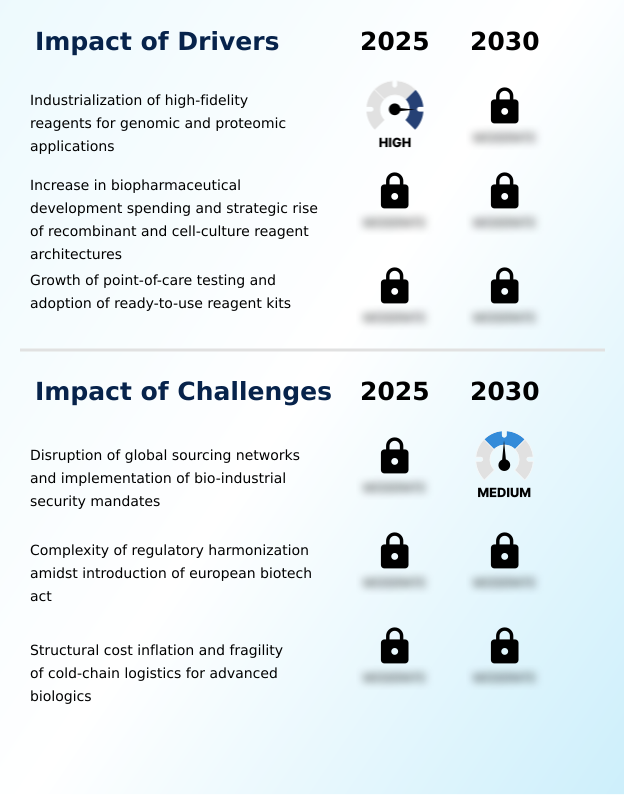
        • 11.3 Impact of drivers and challenges
          • Impact of drivers and challenges in 2023 and 2028
        • 11.4 Market opportunities/restraints

          12 Competitive Landscape

          • 12.1 Overview
            • 12.2 Competitive Landscape
              • Overview on criticality of inputs and factors of differentiation
            • 12.3 Landscape disruption
              • Overview on factors of disruption
            • 12.4 Industry risks
              • Impact of key risks on business

            13 Competitive Analysis

            • 13.1 Companies profiled
              • Companies covered
            • 13.2 Market positioning of companies
              • Matrix on companies position and classification
            • 13.3 Abbott Laboratories
              • Abbott Laboratories - Overview
              • Abbott Laboratories - Business segments
              • Abbott Laboratories - Key news
              • Abbott Laboratories - Key offerings
              • Abbott Laboratories - Segment focus
            • 13.4 Agilent Technologies Inc.
              • Agilent Technologies Inc. - Overview
              • Agilent Technologies Inc. - Business segments
              • Agilent Technologies Inc. - Key news
              • Agilent Technologies Inc. - Key offerings
              • Agilent Technologies Inc. - Segment focus
            • 13.5 Becton Dickinson and Co.
              • Becton Dickinson and Co. - Overview
              • Becton Dickinson and Co. - Business segments
              • Becton Dickinson and Co. - Key news
              • Becton Dickinson and Co. - Key offerings
              • Becton Dickinson and Co. - Segment focus
            • 13.6 Bio Rad Laboratories Inc.
              • Bio Rad Laboratories Inc. - Overview
              • Bio Rad Laboratories Inc. - Business segments
              • Bio Rad Laboratories Inc. - Key news
              • Bio Rad Laboratories Inc. - Key offerings
              • Bio Rad Laboratories Inc. - Segment focus
            • 13.7 bioMerieux SA
              • bioMerieux SA - Overview
              • bioMerieux SA - Product / Service
              • bioMerieux SA - Key news
              • bioMerieux SA - Key offerings
            • 13.8 Danaher Corp.
              • Danaher Corp. - Overview
              • Danaher Corp. - Business segments
              • Danaher Corp. - Key news
              • Danaher Corp. - Key offerings
              • Danaher Corp. - Segment focus
            • 13.9 F. Hoffmann La Roche Ltd.
              • F. Hoffmann La Roche Ltd. - Overview
              • F. Hoffmann La Roche Ltd. - Business segments
              • F. Hoffmann La Roche Ltd. - Key news
              • F. Hoffmann La Roche Ltd. - Key offerings
              • F. Hoffmann La Roche Ltd. - Segment focus
            • 13.10 Lonza Group Ltd.
              • Lonza Group Ltd. - Overview
              • Lonza Group Ltd. - Business segments
              • Lonza Group Ltd. - Key news
              • Lonza Group Ltd. - Key offerings
              • Lonza Group Ltd. - Segment focus
            • 13.11 Merck KGaA
              • Merck KGaA - Overview
              • Merck KGaA - Business segments
              • Merck KGaA - Key news
              • Merck KGaA - Key offerings
              • Merck KGaA - Segment focus
            • 13.12 Meridian Bioscience Inc.
              • Meridian Bioscience Inc. - Overview
              • Meridian Bioscience Inc. - Product / Service
              • Meridian Bioscience Inc. - Key offerings
            • 13.13 Perkin Elmer Inc.
              • Perkin Elmer Inc. - Overview
              • Perkin Elmer Inc. - Business segments
              • Perkin Elmer Inc. - Key news
              • Perkin Elmer Inc. - Key offerings
              • Perkin Elmer Inc. - Segment focus
            • 13.14 Promega Corp.
              • Promega Corp. - Overview
              • Promega Corp. - Product / Service
              • Promega Corp. - Key offerings
            • 13.15 Siemens AG
              • Siemens AG - Overview
              • Siemens AG - Business segments
              • Siemens AG - Key news
              • Siemens AG - Key offerings
              • Siemens AG - Segment focus
            • 13.16 Sysmex Corp.
              • Sysmex Corp. - Overview
              • Sysmex Corp. - Business segments
              • Sysmex Corp. - Key offerings
              • Sysmex Corp. - Segment focus
            • 13.17 Thermo Fisher Scientific Inc.
              • Thermo Fisher Scientific Inc. - Overview
              • Thermo Fisher Scientific Inc. - Business segments
              • Thermo Fisher Scientific Inc. - Key news
              • Thermo Fisher Scientific Inc. - Key offerings
              • Thermo Fisher Scientific Inc. - Segment focus

            14 Appendix

            • 14.1 Scope of the report
              • 14.2 Inclusions and exclusions checklist
                • Inclusions checklist
                • Exclusions checklist
              • 14.3 Currency conversion rates for US$
                • Currency conversion rates for US$
              • 14.4 Research methodology
                • Research methodology
              • 14.5 Data procurement
                • Information sources
              • 14.6 Data validation
                • Data validation
              • 14.7 Validation techniques employed for market sizing
                • Validation techniques employed for market sizing
              • 14.8 Data synthesis
                • Data synthesis
              • 14.9 360 degree market analysis
                • 360 degree market analysis
              • 14.10 List of abbreviations
                • List of abbreviations

              Research Methodology

              Technavio presents a detailed picture of the market by way of study, synthesis, and summation of data from multiple sources. The analysts have presented the various facets of the market with a particular focus on identifying the key industry influencers. The data thus presented is comprehensive, reliable, and the result of extensive research, both primary and secondary.

              INFORMATION SOURCES

              Primary sources

              • Manufacturers and suppliers
              • Channel partners
              • Industry experts
              • Strategic decision makers

              Secondary sources

              • Industry journals and periodicals
              • Government data
              • Financial reports of key industry players
              • Historical data
              • Press releases

              DATA ANALYSIS

              Data Synthesis

              • Collation of data
              • Estimation of key figures
              • Analysis of derived insights

              Data Validation

              • Triangulation with data models
              • Reference against proprietary databases
              • Corroboration with industry experts

              REPORT WRITING

              Qualitative

              • Market drivers
              • Market challenges
              • Market trends
              • Five forces analysis

              Quantitative

              • Market size and forecast
              • Market segmentation
              • Geographical insights
              • Competitive landscape

              Interested in this report?

              Get your sample now to see our research methodology and insights!

              Download Now

              Frequently Asked Questions

              Biotechnology Reagents market growth will increase by $ 40.26 bn during 2024-2028.

              The Biotechnology Reagents market is expected to grow at a CAGR of 7.81% during 2024-2028.

              Biotechnology Reagents market is segmented by Technology( Chromatography, In-vitro diagnostics, Polymerase chain reaction, Cell culture, Others) Application( Protein synthesis and purification, Gene expression, DNA and RNA analysis, Drug testing)

              Abbott Laboratories, Agilent Technologies Inc., Becton Dickinson and Co., Bio Rad Laboratories Inc., bioMerieux SA, Danaher Corp., F. Hoffmann La Roche Ltd., Illumina Inc., Lonza Group Ltd., Merck KGaA, Meridian Bioscience Inc., New England Biolabs Inc., Perkin Elmer Inc., Promega Corp., QIAGEN NV, Siemens AG, Sysmex Corp., Thermo Fisher Scientific Inc., Tosoh Corp., Waters Corp. are a few of the key vendors in the Biotechnology Reagents market.

              North America will register the highest growth rate of 51% among the other regions. Therefore, the Biotechnology Reagents market in North America is expected to garner significant business opportunities for the vendors during the forecast period.

              US, Canada, Germany, UK, Italy, France, China, India, Japan, Brazil, Egypt, UAE, Oman, Argentina, KSA

              • High usage of biotechnology reagents in diagnostic and therapeutic applicationsNowadays is the driving factor this market.
              • the usage of biotechnology reagents in laboratories is the driving factor this market.
              • hospitals is the driving factor this market.
              • and research centers is gaining momentum to provide better treatment care owing to the increasing commercial applications in basic research. Advances in technologies such as cell culture is the driving factor this market.
              • recombinant DNA is the driving factor this market.
              • biotherapeutics is the driving factor this market.
              • and emerging neurosciences and proteomics disciplines facilitate the production of several vital human therapeutic agents is the driving factor this market.
              • thereby boosting the reagent demand. The demand for reagents in stem cell culture research for basic research is the driving factor this market.
              • toxicity test is the driving factor this market.
              • and drug discovery applications is booming market growth. In addition is the driving factor this market.
              • the usage of ready-to-use reagents is growing significantly in clinical laboratories and hospitals due to minimized calculation is the driving factor this market.
              • dilution is the driving factor this market.
              • and pipetting errors. They also help in reducing the duration of the diagnostic procedure and prevent sample contamination. For instance is the driving factor this market.
              • Thermo Fisher Scientific provides molecular ready-to-use probes for analysis of cell viability and apoptosis. Emphasis on disease prevention and focus on accurate results assist medical facilities in using ready-to-use reagents for diagnostic purposes. These factors are expected to drive the growth of the global biotechnology reagents market during the forecast period. is the driving factor this market.

              The Biotechnology Reagents market vendors should focus on grabbing business opportunities from the Chromatography segment as it accounted for the largest market share in the base year.