
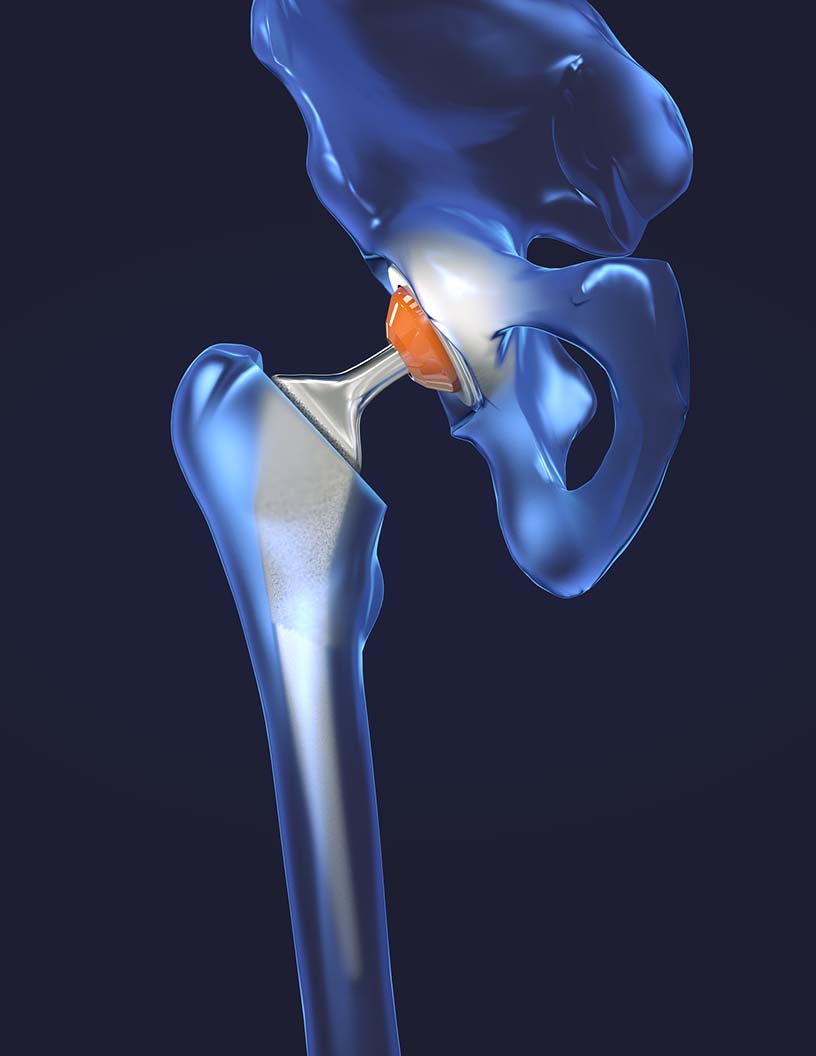


Bone Replacement Market Size 2024-2028
The bone replacement market size is forecast to increase by USD 5.84 billion, at a CAGR of 6.78% between 2023 and 2028.
- The market is experiencing significant growth, driven by the rising number of people diagnosed with arthritis and the increasing trend of bone replacement surgeries being performed in outpatient settings. This shift towards outpatient care is facilitated by advancements in medical technology, enabling faster recovery times and reduced hospital stays. Elective surgeries for hip and knee replacements are on the rise, driven by the aging population and the resulting age-related osteoporosis. Infectious diseases, such as bone infections, pose a challenge to market growth. Moreover, advancements in bone tissue engineering, including the use of bone morphogenic proteins, are expected to address the orthopedic needs of the aging population improve mobility, and alleviate chronic pain. However, this market expansion faces challenges, including the shortage of skilled orthopedic surgeons. This scarcity of expertise can lead to longer wait times for patients and increased pressure on existing medical professionals.
- Companies in this market can capitalize on opportunities by investing in training programs and partnerships to address the surgeon shortage, while also focusing on developing user-friendly, cost-effective technologies to streamline outpatient procedures and enhance patient experiences. By navigating these challenges and seizing emerging opportunities, market players can position themselves for long-term success in the evolving bone replacement landscape.
What will be the Size of the Bone Replacement Market during the forecast period?
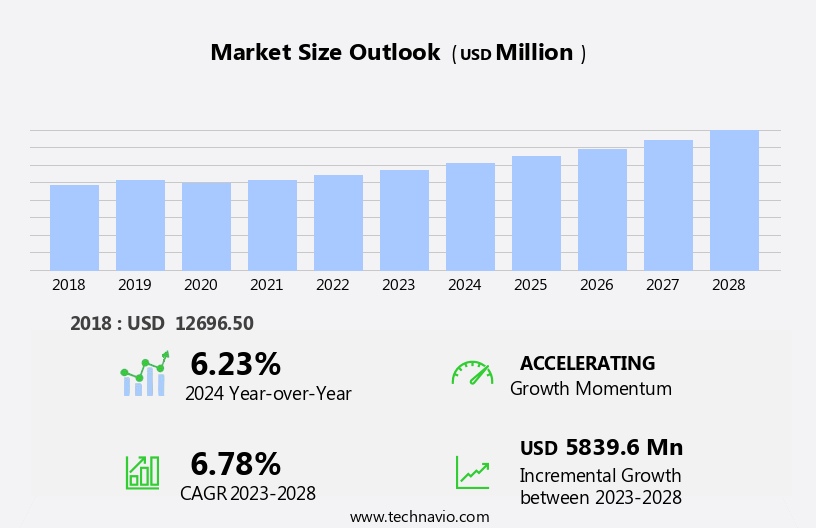
Explore in-depth regional segment analysis with market size data - historical 2018-2022 and forecasts 2024-2028 - in the full report.
Request Free Sample
The market continues to evolve, driven by advancements in technology and research. Computed tomography scans provide valuable insights into bone structures, enabling precise diagnosis and treatment planning. Bone tissue engineering offers promising solutions for bone defect repair and regeneration, with ongoing research focusing on bone cell proliferation and osteoblast differentiation. Surgical bone fixation and bone augmentation techniques have improved, allowing for more effective bone void filling and implant osseointegration. Autologous bone grafting, while still widely used, faces challenges due to donor site morbidity and limited availability. Synthetic bone grafts, such as calcium phosphate cement and hydroxyapatite granules, offer alternatives with advantages in availability and reduced risk of disease transmission.
Ongoing research explores the use of bone graft substitutes, bone morphogenetic protein, and bioactive glass scaffolds to enhance bone regeneration therapy and improve bone density measurement. The bone remodeling process, including bone volume measurement and assessment of bone quality, remains a critical focus for optimizing treatment outcomes. The fracture healing process and cranial bone repair are also areas of active research, with a growing emphasis on understanding osteoclast activity and bone resorption inhibitors. The market dynamics continue to unfold, with ongoing innovation and applications across various sectors, including maxillofacial reconstruction and orthopedic bone implants.
How is this Bone Replacement Industry segmented?
The bone replacement industry research report provides comprehensive data (region-wise segment analysis), with forecasts and estimates in "USD million" for the period 2024-2028, as well as historical data from 2018-2022 for the following segments.
- Product
- Knee
- Hip
- Extremities
- Material
- Allografts
- Autografts
- Synthetic materials
- BMPs
- Geography
- North America
- US
- Europe
- Germany
- UK
- APAC
- China
- Japan
- Rest of World (ROW)
- North America
By Product Insights
The knee segment is estimated to witness significant growth during the forecast period.
The market encompasses various applications, including cranial bone repair, maxillofacial reconstruction, and orthopedic bone implants. Bone mineral density assessment plays a crucial role in identifying bone health and determining the need for intervention. Allogeneic and xenogeneic bone grafts offer alternatives to autologous grafting, reducing donor site morbidity. Implant osseointegration and bone tissue engineering facilitate the growth of new bone tissue, while bone resorption inhibitors and bone formation stimulators modulate the activity of osteoclasts and osteoblasts, respectively. Bone defect repair is a significant market trend, driven by the increasing prevalence of bone disorders such as osteoporosis and bone cancer.
Synthetic bone grafts, bone void fillers, and hydroxyapatite granules provide viable solutions for bone defect repair. Computed tomography scans and radiographic bone analysis enable accurate assessment of bone quality and bone volume measurement. Bone morphogenetic protein and osteoblast differentiation stimulate bone regeneration therapy, while calcium phosphate cement and bone graft substitutes serve as bone augmentation materials. Surgical bone fixation devices ensure proper alignment during the bone remodeling process. Bioactive glass scaffolds and bone tissue regeneration therapies offer promising avenues for future advancements in bone replacement technologies. In the orthopedic sector, knee replacement surgery, particularly total knee replacement (TKR), is a common procedure for treating severe knee joint pain, inflammation, and limited mobility due to conditions like osteoarthritis and rheumatoid arthritis.
Market leaders like Zimmer Biomet and Johnson & Johnson are investing in technological advancements and product innovations to cater to the growing demand for knee replacement solutions. The market is a dynamic and evolving landscape, driven by advancements in bone health assessment, alternative grafting methods, and innovative bone repair solutions. The market's focus on improving patient outcomes and enhancing the quality of life for those suffering from bone disorders continues to fuel its growth.
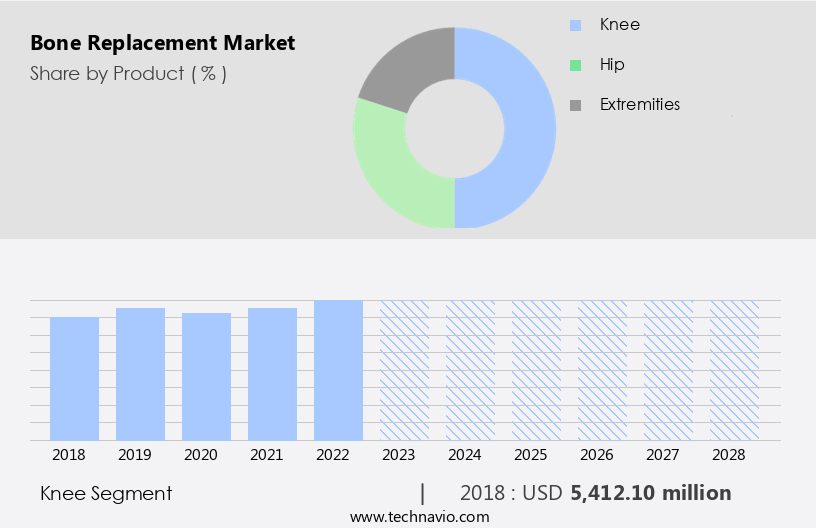
The Knee segment was valued at USD 5.41 billion in 2018 and showed a gradual increase during the forecast period.
Regional Analysis
North America is estimated to contribute 36% to the growth of the global market during the forecast period. Technavio's analysts have elaborately explained the regional trends and drivers that shape the market during the forecast period.
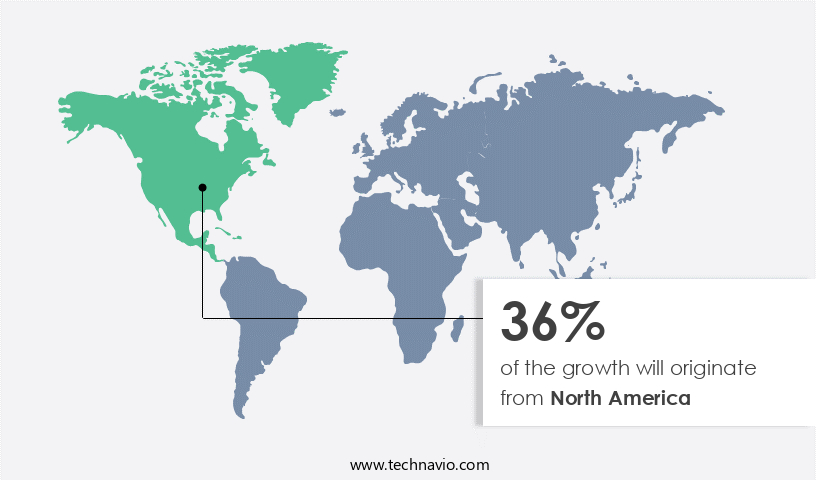
The market in North America, which includes the US and Canada, has been the leading contributor to the global market due to several factors. Advanced knee implants are increasingly being adopted, driven by improved healthcare infrastructure and the high prevalence of knee and hip diseases and related risk factors. The number of knee and hip replacement surgeries is also on the rise in this region. In the US and Canada, publicly funded healthcare systems, such as Medicare, cover a significant portion of the costs for medical treatment, surgeries, and orthopedic implants. Allogeneic bone grafts and synthetic bone grafts are commonly used in bone replacement procedures.
Allogeneic bone grafts are derived from donor bones, while synthetic bone grafts are made from synthetic materials. Calcium phosphate cement is another popular bone graft substitute. Bone morphogenetic protein (BMP), a natural bone growth factor, is used to stimulate bone formation and osteoblast differentiation. Bone tissue engineering and bone regeneration therapy are emerging areas in the market. These techniques involve the use of bioactive glass scaffolds and hydroxyapatite granules to promote bone matrix deposition and bone remodeling process. Computed tomography scans and radiographic bone analysis are used to assess bone quality and bone volume measurement.
Implant osseointegration, bone cell proliferation, and osteoclast activity are crucial factors in the success of bone replacement procedures. Surgical bone fixation and bone defect repair are essential steps in the process. Cranial bone repair and maxillofacial reconstruction are other applications of bone replacement technology. Bone resorption inhibitors are used to prevent bone loss after surgery. Autologous bone grafting, where the patient's own bone is used, is an alternative to allogeneic and synthetic bone grafts. Xenogeneic bone grafts, derived from animal sources, are another option. The market is expected to continue its growth trajectory due to the increasing number of aging populations, rising healthcare expenditures, and advancements in bone replacement technology.
The market's evolution is driven by the development of new bone graft substitutes, bone tissue engineering techniques, and implant materials.
Market Dynamics
Our researchers analyzed the data with 2023 as the base year, along with the key drivers, trends, and challenges. A holistic analysis of drivers will help companies refine their marketing strategies to gain a competitive advantage.
What are the key market drivers leading to the rise in the adoption of Bone Replacement Industry?
- The significant increase in arthritis diagnoses serves as the primary market driver, underpinned by the growing prevalence of this condition among the global population.
- Arthritis, a disease characterized by joint inflammation, pain, and stiffness, is a significant health concern in the US. Osteoarthritis, a common type of arthritis, is often caused by cartilage wear in weight-bearing joints, such as the knees. This condition is prevalent among older adults and obese individuals. The Centers for Disease Control and Prevention (CDC) estimates that the number of adults diagnosed with arthritis in the US will increase in the coming years. To address joint damage caused by arthritis, various bone replacement and regeneration therapies have emerged. These include bone mineral density assessments, bone resorption inhibitors, implant osseointegration, bone void fillers, synthetic bone grafts, and cranial bone repair.
- Osteoclast activity, the process of bone resorption, is a critical factor in bone replacement and regeneration. Bone mineral density assessments help diagnose and monitor osteoporosis and osteoarthritis. Bone resorption inhibitors, such as bisphosphonates and denosumab, slow down bone loss and prevent fractures. Implant osseointegration ensures the secure attachment of artificial joints. Bone void fillers, made from allogeneic bone grafts or synthetic materials, help maintain bone structure during surgical procedures. Synthetic bone grafts and cranial bone repair therapies provide structural support for bone regeneration. Bone replacement and regeneration therapies play a crucial role in restoring joint function and improving the quality of life for arthritis patients.
- These therapies offer promising solutions for managing bone damage caused by arthritis and other bone diseases.
What are the market trends shaping the Bone Replacement Industry?
- The trend in bone replacement surgeries is shifting towards outpatient settings, with an increasing number of procedures being performed in this setting. This trend signifies a significant development in the healthcare industry, offering patients improved accessibility and convenience while reducing healthcare costs.
- The market has experienced significant growth due to advancements in technology and surgical techniques. One notable development is the increasing preference for outpatient bone replacement surgeries, such as knee replacements. This shift is attributed to improvements in surgical techniques, implants, comprehensive blood management, multimodal pain management, and postoperative care management. These advancements have nearly eliminated the need for extensive formal rehabilitation, making outpatient surgeries a more attractive option for patients. Moreover, the advent of advanced technologies like robotic surgeries and the growing expertise of healthcare professionals in bone replacement procedures enable arthroplasty surgeons to perform these surgeries safely in outpatient settings, even for patients with minimal medical or psychiatric comorbidities.
- Performing bone replacement surgeries in outpatient settings offers several advantages, including improved outcomes. Shorter hospital stays reduce the risk of infection and other complications associated with extended hospitalization. Additionally, outpatient surgeries offer cost savings for both patients and healthcare providers, as they typically result in lower overall healthcare costs. Bone tissue engineering, such as bone formation stimulators and calcium phosphate cement, and bone defect repair techniques like autologous bone grafting, have also contributed to the growth of the market. These advanced technologies promote bone cell proliferation and bone augmentation, leading to better surgical outcomes and faster patient recovery.
What challenges does the Bone Replacement Industry face during its growth?
- The scarcity of proficient orthopedic surgeons poses a significant challenge to the expansion of the industry.
- The market is experiencing significant growth due to the increasing need for effective bone graft substitutes to enhance osteoblast differentiation and facilitate the bone remodeling process. The demand for these substitutes is driven by the high prevalence of bone-related conditions, such as fractures and degenerative diseases, which require surgical intervention. Radiographic bone analysis and bone density measurement are essential tools in evaluating the success of bone grafting procedures. Xenogeneic bone grafts are gaining popularity due to their ability to stimulate bone growth and minimize the risk of immune rejection. The fracture healing process is a complex biological process that can be influenced by various factors, including patient age, nutritional status, and underlying health conditions.
- The market for bone replacement solutions is expected to continue expanding as researchers develop more advanced bone graft substitutes that can improve bone volume measurement and accelerate the bone remodeling process. Maxillofacial reconstruction is another area where bone replacement technologies are making a significant impact, offering patients improved functional and aesthetic outcomes. The market for these solutions is expected to grow steadily due to the increasing prevalence of oral and maxillofacial disorders and the rising demand for minimally invasive surgical procedures. The market is poised for continued growth, driven by the increasing demand for effective bone graft substitutes and the ongoing research and development efforts in this field.
- The market is expected to be fueled by the need for improved bone volume measurement and accelerated bone remodeling processes, as well as the growing demand for minimally invasive surgical procedures.
Exclusive Customer Landscape
The bone replacement market forecasting report includes the adoption lifecycle of the market, covering from the innovator's stage to the laggard's stage. It focuses on adoption rates in different regions based on penetration. Furthermore, the bone replacement market report also includes key purchase criteria and drivers of price sensitivity to help companies evaluate and develop their market growth analysis strategies.
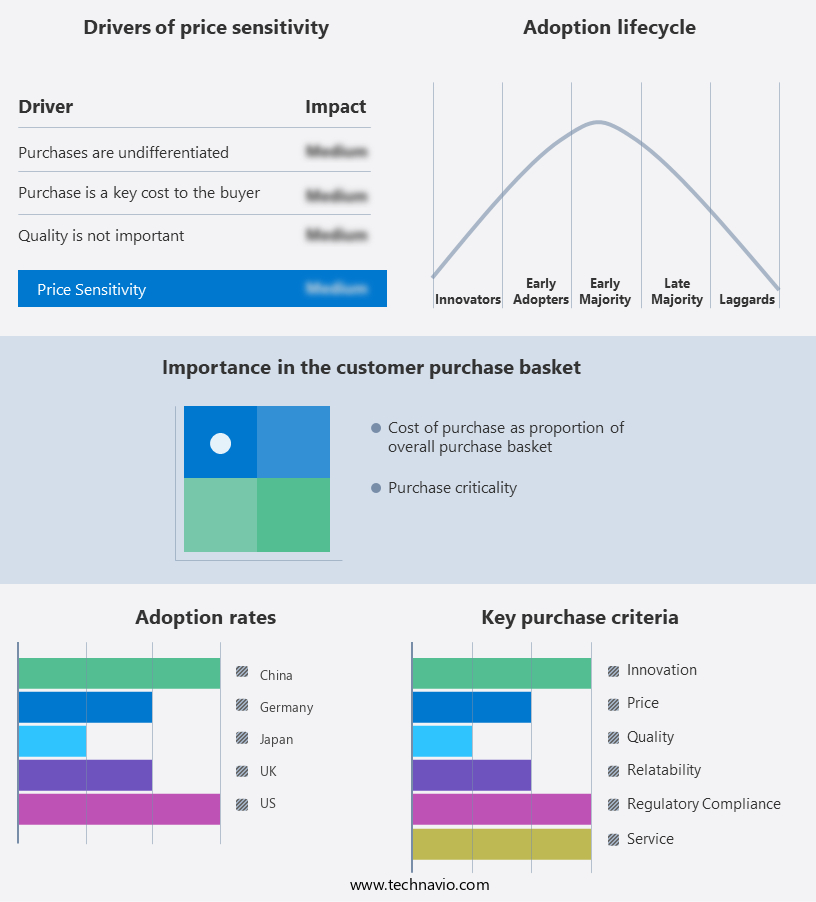
Customer Landscape
Key Companies & Market Insights
Companies are implementing various strategies, such as strategic alliances, bone replacement market forecast, partnerships, mergers and acquisitions, geographical expansion, and product/service launches, to enhance their presence in the industry.
AK Medical Holding Ltd. - The Bicontact Universal Hip System is a leading bone replacement solution in the medical device industry, renowned for its advanced design and compatibility with various patient anatomies.
The industry research and growth report includes detailed analyses of the competitive landscape of the market and information about key companies, including:
- AK Medical Holding Ltd.
- Arthrex Inc.
- B.Braun SE
- Baumer
- Baxter International Inc.
- Beijing Chunlizhengda Medical Instruments Co. Ltd.
- Conformis Inc.
- DJO Global Inc.
- Exactech Inc.
- Globus Medical Inc.
- Heraeus Holding GmbH
- Johnson and Johnson Services Inc.
- KYOCERA Corp.
- Medtronic Plc
- Nuvasive Inc.
- Olympus Corp.
- Smith and Nephew plc
- Stryker Corp.
- United Orthopedic Corp.
- Zimmer Biomet Holdings Inc.
Qualitative and quantitative analysis of companies has been conducted to help clients understand the wider business environment as well as the strengths and weaknesses of key industry players. Data is qualitatively analyzed to categorize companies as pure play, category-focused, industry-focused, and diversified; it is quantitatively analyzed to categorize companies as dominant, leading, strong, tentative, and weak.
Recent Development and News in Bone Replacement Market
- In January 2024, Stryker Corporation, a leading medical technology company, announced the FDA approval of its new trauma plate system, the OptiFit Dynamic Compression Plate (DCP). This innovative product, which uses a 3D-printed, customizable design, addresses the need for personalized bone reconstruction solutions (Stryker Corporation, 2024).
- In March 2024, Medtronic plc and Zimmer Biomet Holdings, Inc. formed a strategic partnership to co-develop and commercialize a portfolio of joint reconstruction products. This collaboration is expected to expand their reach in the orthopedic market and enhance their product offerings (Medtronic plc, 2024).
- In May 2024, Smith & Nephew, a global medical device manufacturer, completed the acquisition of Osiris Therapeutics, a regenerative medicine company. This acquisition significantly strengthened Smith & Nephew's portfolio by adding cellular therapies and biologics to their bone replacement solutions (Smith & Nephew, 2024).
- In February 2025, Johnson & Johnson's DePuy Synthes division received CE Mark approval for its new SYNBONE 3D-Printed Total Ankle System. This system, which uses a 3D-printed, porous titanium implant, offers improved patient outcomes and customized solutions for ankle replacements (Johnson & Johnson, 2025).
Research Analyst Overview
- The market is characterized by continuous advancements in technology and materials, driven by the need for improved implant stability, vascularization enhancement, and biocompatibility. Mechanical properties and patient outcomes are key focus areas, with surgical techniques evolving to minimize complications such as infection and non-union. Bioceramic materials, polymer composites, and collagen membranes are popular choices due to their ability to induce osteogenesis and promote tissue regeneration. Regulatory compliance is paramount, with stringent quality control measures ensuring safe and effective implants. Clinical trial results demonstrate the importance of surface topography, cell adhesion, and growth factor delivery in enhancing bone healing phases and functional recovery.
- Long-term stability and rehabilitation protocols are also crucial for successful implant integration. Angiogenesis stimulation and porosity analysis are emerging trends, while infection prevention and biocompatibility testing remain critical concerns. Cost-effectiveness analysis is a key consideration in the manufacturing process, with ongoing research exploring the use of degradation rate and mechanical properties to optimize implant performance.
Dive into Technavio's robust research methodology, blending expert interviews, extensive data synthesis, and validated models for unparalleled Bone Replacement Market insights. See full methodology.
|
Market Scope |
|
|
Report Coverage |
Details |
|
Page number |
185 |
|
Base year |
2023 |
|
Historic period |
2018-2022 |
|
Forecast period |
2024-2028 |
|
Growth momentum & CAGR |
Accelerate at a CAGR of 6.78% |
|
Market growth 2024-2028 |
USD 5839.6 million |
|
Market structure |
Fragmented |
|
YoY growth 2023-2024(%) |
6.23 |
|
Key countries |
US, Germany, UK, China, and Japan |
|
Competitive landscape |
Leading Companies, Market Positioning of Companies, Competitive Strategies, and Industry Risks |
What are the Key Data Covered in this Bone Replacement Market Research and Growth Report?
- CAGR of the Bone Replacement industry during the forecast period
- Detailed information on factors that will drive the growth and forecasting between 2024 and 2028
- Precise estimation of the size of the market and its contribution of the industry in focus to the parent market
- Accurate predictions about upcoming growth and trends and changes in consumer behaviour
- Growth of the market across North America, Europe, Asia, and Rest of World (ROW)
- Thorough analysis of the market's competitive landscape and detailed information about companies
- Comprehensive analysis of factors that will challenge the bone replacement market growth of industry companies
We can help! Our analysts can customize this bone replacement market research report to meet your requirements.
 RIA -
RIA - 
