



Bovine Gelatin Market Size 2024-2028
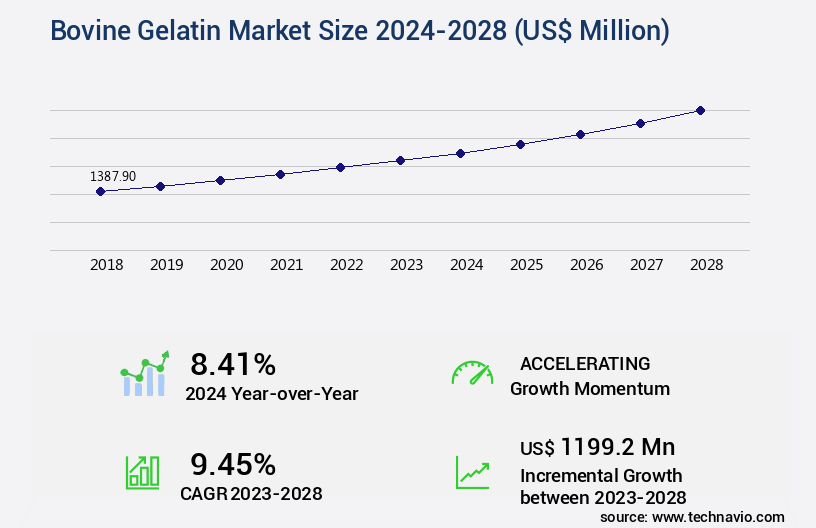
The bovine gelatin market size is valued to increase USD 1.2 billion, at a CAGR of 9.45% from 2023 to 2028. Rising demand for bovine gelatin from various industries will drive the bovine gelatin market.
Major Market Trends & Insights
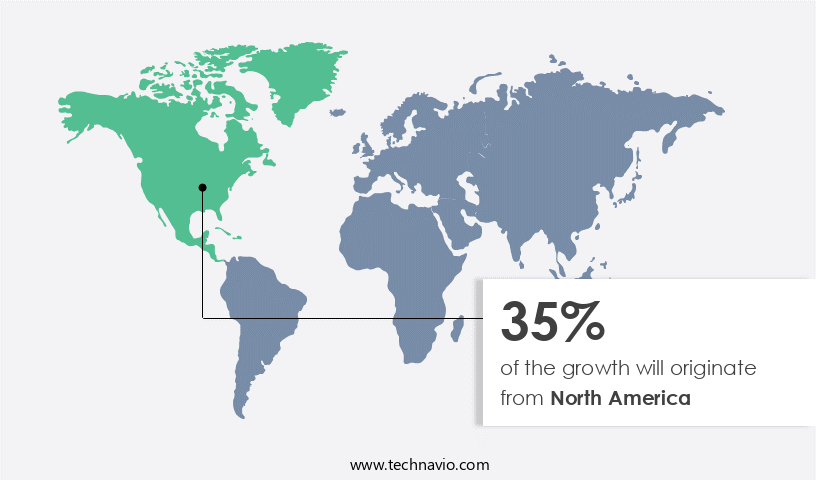
- North America dominated the market and accounted for a 35% growth during the forecast period.
- By Type - Type A segment was valued at USD 752.70 billion in 2022
- By Product Type - Capsules and tablets segment accounted for the largest market revenue share in 2022
Market Size & Forecast
- Market Opportunities: USD 137.87 million
- Market Future Opportunities: USD 1199.20 million
- CAGR : 9.45%
- North America: Largest market in 2022
Market Summary
- The market represents a significant and dynamic business landscape, characterized by continuous growth and evolution. This market encompasses the production and distribution of bovine gelatin, a protein derived from animal collagen, primarily from bovine hides and bones. The market's core technologies and applications span various industries, including food and beverage, pharmaceuticals, and cosmetics. A key driver fueling the market's expansion is the rising demand for bovine gelatin, particularly in the food industry. For instance, the global demand for bovine gelatin in the food sector is projected to reach 315,000 metric tons by 2025, according to a recent study. However, ethical concerns surrounding bovine-based products pose challenges to market growth.
- Another trend shaping the market is the increasing preference for organically sourced bovine gelatin, as consumers become more conscious of the origin and production methods of the products they consume. This demand is particularly strong in the pharmaceutical and cosmetics industries, where the use of organic ingredients is increasingly important. Despite these opportunities, the market faces regulatory challenges, particularly in regions with strict animal welfare regulations. For example, the European Union's strict regulations on animal welfare have led to a decline in bovine gelatin production in the region. In summary, the market is a vibrant and evolving business landscape, driven by rising demand, ethical considerations, and regulatory challenges.
- The market's future growth will depend on the ability of stakeholders to navigate these complexities and adapt to changing consumer preferences and regulatory requirements.
What will be the Size of the Bovine Gelatin Market during the forecast period?
Get Key Insights on Market Forecast (PDF) Request Free Sample
How is the Bovine Gelatin Market Segmented and what are the key trends of market segmentation?
The bovine gelatin industry research report provides comprehensive data (region-wise segment analysis), with forecasts and estimates in "USD million" for the period 2024-2028, as well as historical data from 2018-2022 for the following segments.
- Type
- Type A
- Type B
- Product Type
- Capsules and tablets
- Powder
- Liquid
- Application
- Food and Beverages
- Pharmaceuticals
- Cosmetics
- Photography
- End-User
- Industrial
- Consumer
- Healthcare
- Geography
- North America
- US
- Canada
- Europe
- France
- Germany
- Italy
- UK
- Middle East and Africa
- Egypt
- KSA
- Oman
- UAE
- APAC
- China
- India
- Japan
- South America
- Argentina
- Brazil
- Rest of World (ROW)
- North America
By Type Insights
The type A segment is estimated to witness significant growth during the forecast period.
Bovine gelatin, derived from type A cow hides treated with acid, is a crucial component in various industries, including food, pharmaceuticals, and cosmetics. Type A gelatin boasts a high molecular weight, enabling it to deliver robust gelling properties and strong gel strength. This gelatin type is renowned for its excellent clarity, heat stability, and neutral taste and odor, making it a preferred choice for food manufacturers in the production of dessert gels, marshmallows, and confections. The market is experiencing substantial expansion, driven by the burgeoning demand for processed and convenience foods. According to recent market data, the food industry accounted for approximately 75% of the total market share in 2021.
Furthermore, the pharmaceutical sector is expected to witness a significant growth trajectory, with a projected increase of 15% in demand by 2026. The production of bovine gelatin involves several methods, including acid hydrolysis and alkaline hydrolysis. The former process results in type A gelatin, while the latter yields type B gelatin. Collagen extraction is a critical step in the production process, ensuring the preservation of essential amino acids and maintaining the protein content. Quality control parameters are stringently enforced in the bovine gelatin industry, with microbial contamination testing and biocompatibility assessment being essential components. Gelatin's isoelectric point and denaturation temperature are crucial factors in determining its functionality in various applications.
In the realm of pharmaceuticals, gelatin plays a pivotal role in drug delivery systems, protein characterization, and immunological properties. Its biological activity is extensively researched for potential applications in tissue engineering and wound healing. The cosmetics industry also leverages bovine gelatin for its functional properties, such as viscosity determination, enzymatic hydrolysis, and molecular weight distribution. Purification techniques like peptide sequencing are employed to enhance gelatin's quality and ensure consistency. The freeze-drying process is a common method used to preserve gelatin's properties, ensuring its long-term stability and applicability in diverse industries. The ongoing research and development in the field of gelatin hydrolysis aim to unlock new possibilities for this versatile protein.
In summary, the market is witnessing significant growth, driven by the increasing demand for processed foods and the expanding applications in pharmaceuticals and cosmetics. Type A gelatin, with its robust gelling properties and excellent clarity, remains a preferred choice for various industries, undergoing continuous innovation and improvement to meet evolving market demands.
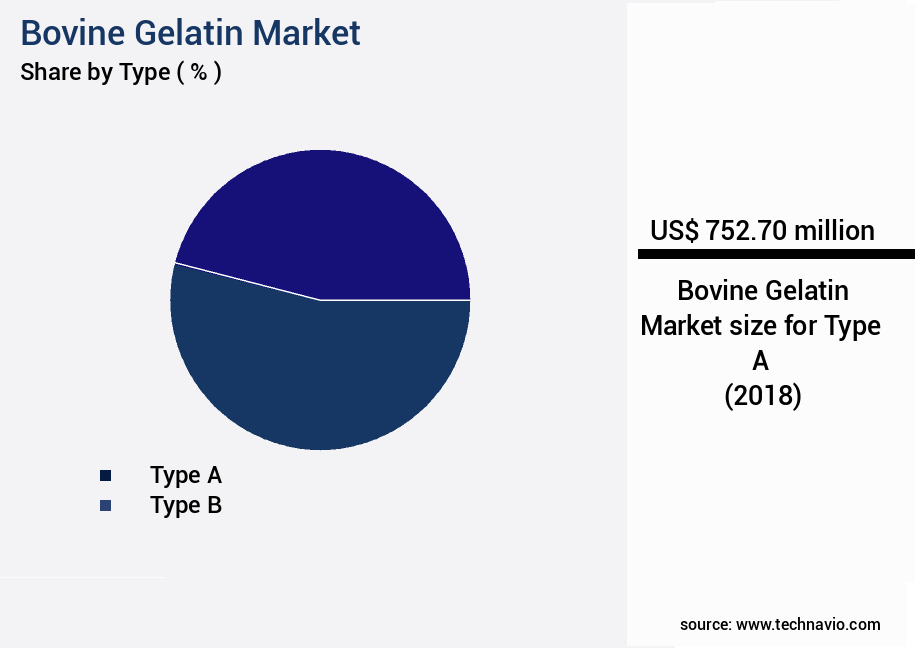
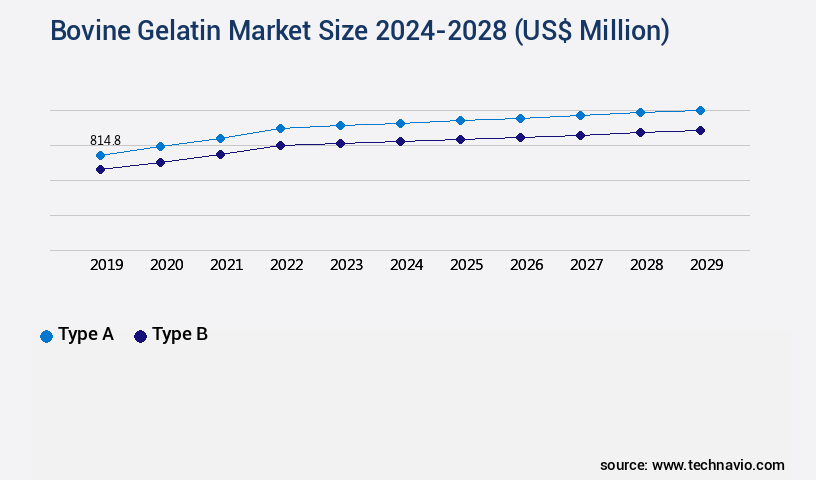
The Type A segment was valued at USD 752.70 billion in 2018 and showed a gradual increase during the forecast period.
Regional Analysis
North America is estimated to contribute 35% to the growth of the global market during the forecast period.Technavio's analysts have elaborately explained the regional trends and drivers that shape the market during the forecast period.
See How Bovine Gelatin Market Demand is Rising in North America Request Free Sample
In the dynamic and expanding market, Asia Pacific (APAC) plays a significant role, fueled by increasing demand for food products, particularly in developing countries. This trend is anticipated to propel the regional market growth. A key factor driving this demand is the rising health consciousness among consumers, leading to an escalating need for functional ingredients in the food and beverage sector. Bovine gelatin, a versatile ingredient, is extensively used in various applications, including confectionery, dairy products, and beverages.
Additionally, its utilization in the pharmaceutical industry due to its gelling properties significantly boosts its demand in APAC.
Market Dynamics
Our researchers analyzed the data with 2023 as the base year, along with the key drivers, trends, and challenges. A holistic analysis of drivers will help companies refine their marketing strategies to gain a competitive advantage.
The market encompasses the production, application, and innovation of gelatin, a protein derived from collagen in animal bones and skin. This market witnesses significant research and development efforts to optimize gelatin hydrolysis for enhanced peptide yield, ensuring improved product quality and efficiency. Determining gelatin bloom strength using standardized methods is essential to evaluate its functionality and consistency. The molecular weight of gelatin significantly influences film properties, necessitating thorough investigation to ensure optimal performance in various applications. Gelatin's functional properties in food applications are subject to rigorous assessment, with a particular focus on its Amino Acid composition and its correlation with gelatin properties.
Biocompatibility evaluation for tissue engineering scaffolds is another critical aspect, as gelatin's biocompatibility plays a pivotal role in its application in the medical sector. Processing parameters significantly impact gelatin gelation kinetics, necessitating continuous investigation to optimize production processes. In addition, understanding gelatin's rheological behavior under various conditions is crucial for its application in diverse industries, including food, pharmaceuticals, and biotechnology. Characterization of gelatin using advanced analytical techniques is essential to determine its quality and suitability for specific applications. Comparison of different gelatin types for various applications reveals that Type A gelatin, derived from acidic conditions, dominates the food industry, while Type B gelatin, derived from alkaline conditions, is more prevalent in pharmaceutical applications.
Optimization of gelatin purification processes for enhanced quality and efficiency is a significant focus area, as is the evaluation of gelatin stability under various storage conditions. Development of novel gelatin-based drug delivery systems and gelatin-based biomaterials for wound healing applications continues to drive market growth. Gelatin's role in Food Texture and sensory perception is a subject of ongoing research, with a focus on investigating its interaction with other food ingredients to optimize product development. Assessment of gelatin's nutritional value and potential health benefits is another critical aspect, with a growing body of evidence supporting its role as a functional ingredient.
Quality control testing for gelatin to meet regulatory standards is a crucial aspect of the market, with stringent requirements for purity, consistency, and safety. Analysis of gelatin crosslinking and its effect on properties, as well as determining the influence of pH on gelatin solubility and gelling, are ongoing areas of research to expand the market's potential applications.
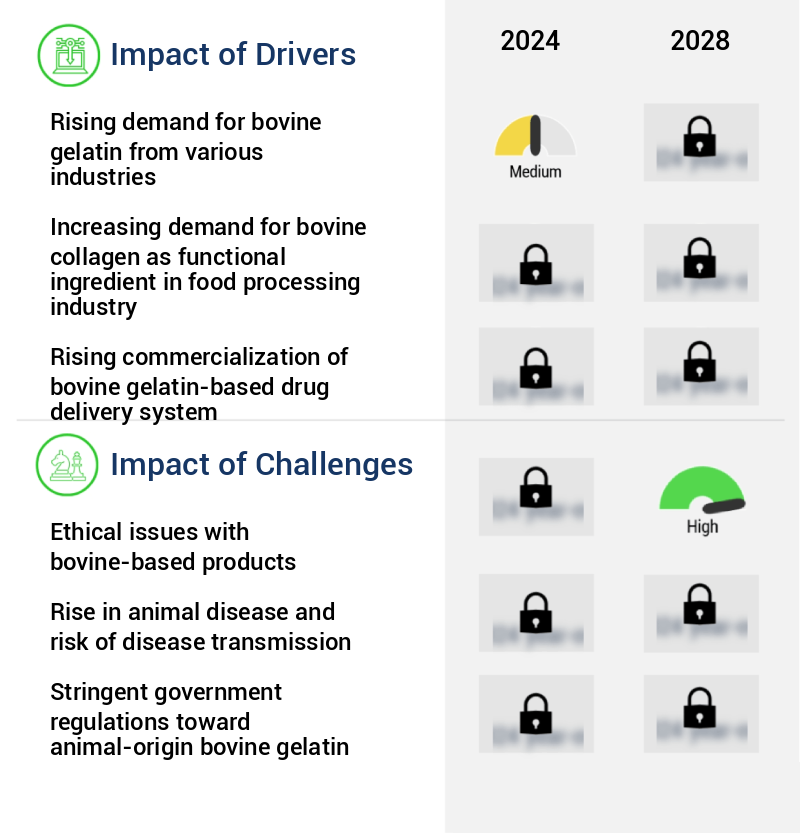
What are the key market drivers leading to the rise in the adoption of Bovine Gelatin Industry?
- The surge in demand for bovine gelatin from diverse industries serves as the primary catalyst for market growth.
- Bovine gelatin, a natural and versatile ingredient, has witnessed significant demand across various sectors including food, pharmaceutical, and cosmetics. The food industry holds a prominent position in driving the growth of the market. This ingredient is widely utilized in bakery, dairy, and confectionery products due to its exceptional gelling, binding, and emulsifying properties. In the food industry, bovine gelatin is found in numerous applications such as yogurts, marshmallows, gummy bears, and beer. The increasing health-consciousness among consumers is a major factor fueling the demand for natural food ingredients, thereby boosting the market for bovine gelatin. This trend is expected to continue in the coming years as consumers prioritize natural, safe, and healthy ingredients.
- The pharmaceutical industry also leverages bovine gelatin for its use in capsule manufacturing and as a stabilizer in pharmaceutical formulations. In the cosmetics sector, it is used as a thickening agent and a gelling agent in various Cosmetic Products. The market for bovine gelatin is poised for expansion, with numerous opportunities arising from its diverse applications and the growing preference for natural and safe ingredients.
What are the market trends shaping the Bovine Gelatin Industry?
- The increasing demand for organically sourced bovine gelatin represents a notable market trend. Organically produced bovine gelatin is gaining popularity in various industries.
- Organic bovine gelatin, derived from the bones and tissues of grass-fed, organically-raised cows, is gaining popularity in the food and supplement industries. Consumers' preference for natural, wholesome ingredients fuels this trend. This gelatin offers various health benefits, including joint health improvement, skin and hair enhancement, and digestive aid. Its primary component, collagen, is vital for healthy bones, joints, and skin. Organic bovine gelatin's versatility is another advantage, as it can be used in various applications, such as baked goods, gummies, and protein bars.
- The shift towards natural, organic alternatives in food and supplements is a significant market pattern, with organic bovine gelatin's adoption rate outpacing traditional gelatin sources. This trend underscores the importance of catering to consumers' health-conscious choices and their desire for transparency in ingredient sourcing.
What challenges does the Bovine Gelatin Industry face during its growth?
- The growth of the industry is significantly impacted by ethical concerns surrounding the production and consumption of bovine-derived products.
- The global cattle market has experienced significant growth in recent years, driven by increasing demand for dairy, meat, and other cattle-derived products. However, this expansion has raised ethical concerns, particularly regarding the welfare of cattle in factory farming conditions. According to a study by the World Society for the Protection of Animals, approximately 60 billion farm animals are reared for food each year, with cattle being one of the most commonly raised species. This mass production often results in poor living conditions, inadequate food and water, and limited access to medical care for the animals. These practices not only infringe on the ethical treatment of cattle but also lead to lower-quality products due to the stress and discomfort experienced by the animals.
- As a result, there is a growing trend towards more ethical and sustainable farming practices, such as free-range and organic farming, which prioritize animal welfare and environmental sustainability. This shift in consumer preferences is expected to continue driving market trends in the coming years.
Exclusive Customer Landscape
The bovine gelatin market forecasting report includes the adoption lifecycle of the market, covering from the innovator's stage to the laggard's stage. It focuses on adoption rates in different regions based on penetration. Furthermore, the bovine gelatin market report also includes key purchase criteria and drivers of price sensitivity to help companies evaluate and develop their market growth analysis strategies.
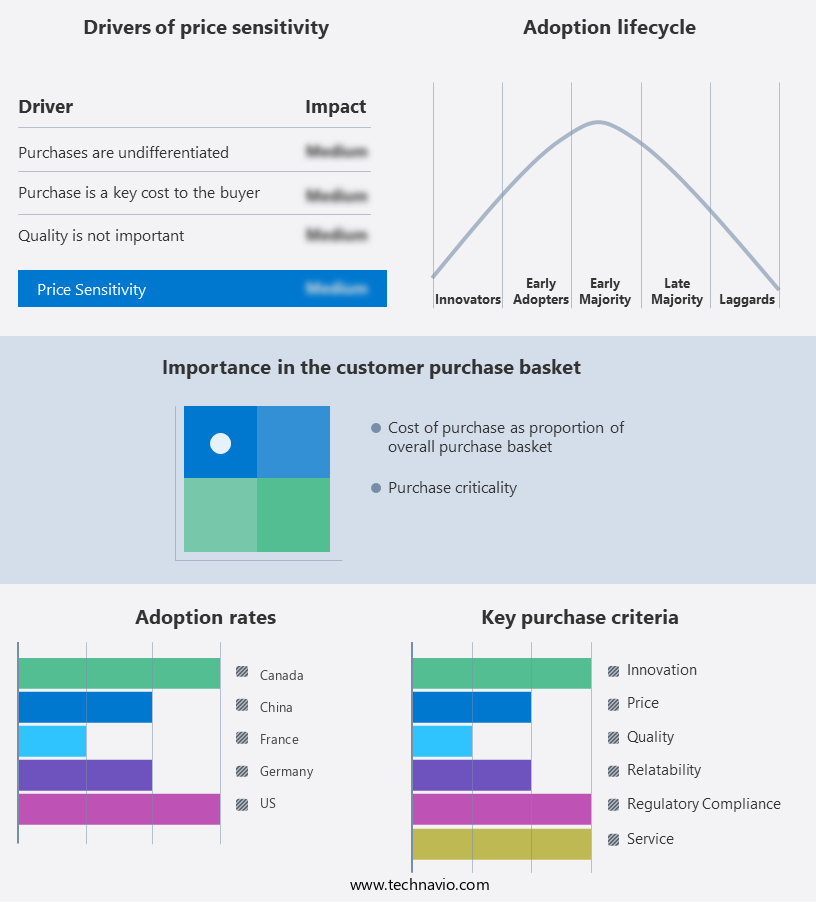
Customer Landscape of Bovine Gelatin Industry
Competitive Landscape & Market Insights
Companies are implementing various strategies, such as strategic alliances, bovine gelatin market forecast, partnerships, mergers and acquisitions, geographical expansion, and product/service launches, to enhance their presence in the industry.
AGARPRINT AG - This company specializes in providing high-quality gelatin powder derived entirely from bovine sources, ideal for food thickening applications. The product boasts 100 percent bovine gelatin content, ensuring optimal performance and consistency.
The industry research and growth report includes detailed analyses of the competitive landscape of the market and information about key companies, including:
- AGARPRINT AG
- BHARARA INTERNATIONAL
- Biogel AG
- BSE Gelatines
- Capsugel (Lonza)
- Cargill, Incorporated
- DGF Stoess AG
- Ewald-Gelatine GmbH
- FMC Corporation (Nutricol)
- Gelita AG
- GELNEX
- Great Lakes Gelatin Co.
- Jellice Pioneer Europe SAS
- Kenji Leather Co., Ltd.
- Lapi Gelatine S.p.A.
- Nitta Gelatin Inc.
- PB Leiner
- Rousselot B.V. (Darling Ingredients Inc.)
- Sterling Biotech Ltd.
- Trobas Gelatine BV
Qualitative and quantitative analysis of companies has been conducted to help clients understand the wider business environment as well as the strengths and weaknesses of key industry players. Data is qualitatively analyzed to categorize companies as pure play, category-focused, industry-focused, and diversified; it is quantitatively analyzed to categorize companies as dominant, leading, strong, tentative, and weak.
Recent Development and News in Bovine Gelatin Market
- In January 2024, Danish gelatin manufacturer, Gelatine Mucor A/S, announced the launch of its new line of organic bovine gelatin, expanding its product portfolio to cater to the growing demand for organic food ingredients (Gelatine Mucor A/S press release).
- In March 2024, Japanese company, Kewpie Corporation, entered into a strategic partnership with U.S.-based gelatin supplier, Gelatin Specialties, Inc., to strengthen its presence in the North American market (Kewpie Corporation press release).
- In May 2024, Dutch company, Royal Cosun, completed the acquisition of German gelatin manufacturer, Gelatine Schmidt GmbH, bolstering its position as a leading global supplier of sustainable gelatin (Royal Cosun press release).
- In April 2025, the European Commission approved the use of bovine gelatin in plant-based food alternatives, opening new opportunities for the market and encouraging innovation in the sector (European Commission press release).
Dive into Technavio's robust research methodology, blending expert interviews, extensive data synthesis, and validated models for unparalleled Bovine Gelatin Market insights. See full methodology.
|
Market Scope |
|
|
Report Coverage |
Details |
|
Page number |
167 |
|
Base year |
2023 |
|
Historic period |
2018-2022 |
|
Forecast period |
2024-2028 |
|
Growth momentum & CAGR |
Accelerate at a CAGR of 9.45% |
|
Market growth 2024-2028 |
USD 1199.2 million |
|
Market structure |
Fragmented |
|
YoY growth 2023-2024(%) |
8.41 |
|
Key countries |
US, Canada, Germany, UK, Italy, France, China, India, Japan, Brazil, Egypt, UAE, Oman, Argentina, KSA, UAE, Brazil, and Rest of World (ROW) |
|
Competitive landscape |
Leading Companies, Market Positioning of Companies, Competitive Strategies, and Industry Risks |
Research Analyst Overview
- The market showcases a dynamic and evolving landscape, driven by ongoing advancements in production methods and applications. Two primary techniques for extracting gelatin from collagen, alkaline hydrolysis and acid hydrolysis, continue to shape the industry. The former yields Type A gelatin, known for its superior solubility and bloom strength, while the latter produces Type B gelatin, prized for its gelling properties and nutritional value. In food applications, gelatin's amino acid profile and isoelectric point make it an essential ingredient. Gel strength measurement and viscosity determination are crucial quality control parameters, ensuring consistency and safety in production.
- Moreover, gelatin's biological activity, immunological properties, and microbial contamination testing make it suitable for pharmaceutical and cosmetic applications. Advancements in protein characterization, molecular weight distribution, and purification techniques have led to the development of drug delivery systems and tissue engineering applications. The freeze-drying process and denaturation temperature further expand gelatin's versatility. Quality control remains a top priority, with biocompatibility assessment and heavy metal analysis essential for ensuring product safety and efficacy. Collagen extraction and enzymatic hydrolysis techniques continue to evolve, driving innovation in this market. Gelatin's role in wound healing properties and its potential in various industries, including food, pharmaceuticals, and cosmetics, underlines its significance and ongoing relevance.
What are the Key Data Covered in this Bovine Gelatin Market Research and Growth Report?
-
What is the expected growth of the Bovine Gelatin Market between 2024 and 2028?
-
USD 1.2 billion, at a CAGR of 9.45%
-
-
What segmentation does the market report cover?
-
The report is segmented by Type (Type A and Type B), Product Type (Capsules and tablets, Powder, and Liquid), Geography (APAC, North America, Europe, Middle East and Africa, and South America), Application (Food and Beverages, Pharmaceuticals, Cosmetics, and Photography), and End-User (Industrial, Consumer, and Healthcare)
-
-
Which regions are analyzed in the report?
-
APAC, North America, Europe, Middle East and Africa, and South America
-
-
What are the key growth drivers and market challenges?
-
Rising demand for bovine gelatin from various industries, Ethical issues with bovine-based products
-
-
Who are the major players in the Bovine Gelatin Market?
-
AGARPRINT AG, BHARARA INTERNATIONAL, Biogel AG, BSE Gelatines, Capsugel (Lonza), Cargill, Incorporated, DGF Stoess AG, Ewald-Gelatine GmbH, FMC Corporation (Nutricol), Gelita AG, GELNEX, Great Lakes Gelatin Co., Jellice Pioneer Europe SAS, Kenji Leather Co., Ltd., Lapi Gelatine S.p.A., Nitta Gelatin Inc., PB Leiner, Rousselot B.V. (Darling Ingredients Inc.), Sterling Biotech Ltd., and Trobas Gelatine BV
-
Market Research Insights
- The market encompasses the production and application of gelatin, a protein derived from collagen extracted from bovine sources. This market exhibits significant growth, driven by the versatile properties of gelatin, including film forming capacity, water binding capacity, and foaming properties. These attributes enable gelatin's use in various industries, such as food, pharmaceuticals, and cosmetics. For instance, gelatin film formation plays a crucial role in the confectionery industry, contributing to the production of jellies, gummies, and other sweets. In contrast, its emulsifying properties are essential in the food industry, where it helps to stabilize oil-in-water emulsions, such as salad dressings and mayonnaise.
- Chemical modification and texture analysis are critical aspects of the market, enabling the development of gelatin derivatives with enhanced hydrophilic properties and rheological characteristics. These modifications improve the product's stability under different storage conditions and temperature ranges, ensuring shelf life stability and safety assessment. Moreover, yield optimization and regulatory compliance are integral to the market, ensuring efficient production processes and adherence to stringent industry standards. With ongoing research focusing on process optimization, quality control methods, sensory evaluation, and collagen hydrolysate, the market continues to evolve, offering significant opportunities for growth. The amino acid composition of gelatin and its degradation kinetics are essential factors influencing its physical properties and stability studies.
- For instance, the gelatin's peptide fragments contribute to its unique texture and flavor, while its thermal stability ensures its effectiveness in various applications. In summary, the market is characterized by continuous innovation and growth, driven by the versatile properties of gelatin and the ongoing research and development efforts in the industry.
We can help! Our analysts can customize this bovine gelatin market research report to meet your requirements.
 RIA -
RIA - 
